Yeti. Bigfoot. Sasquatch. Abominable Snowman. These names have circled around for generations, floating somewhere between folklore and fuzzy video footage. People claim to have seen them, photographed them, even followed footprints deep into forests or snowy mountains, but what do we actually know? Strip away the movie myths and campfire stories, and we’re left with a strange mix of science, speculation, and just enough mystery to keep us hooked. Here’s what we really know so far about these elusive legends.
The Yeti and Bigfoot come from different parts of the world.
While they’re often lumped together, the Yeti and Bigfoot aren’t the same creature in origin. The Yeti is tied to the Himalayan region—Nepal, Bhutan, and Tibet—while Bigfoot is rooted in North American folklore, especially in the Pacific Northwest.
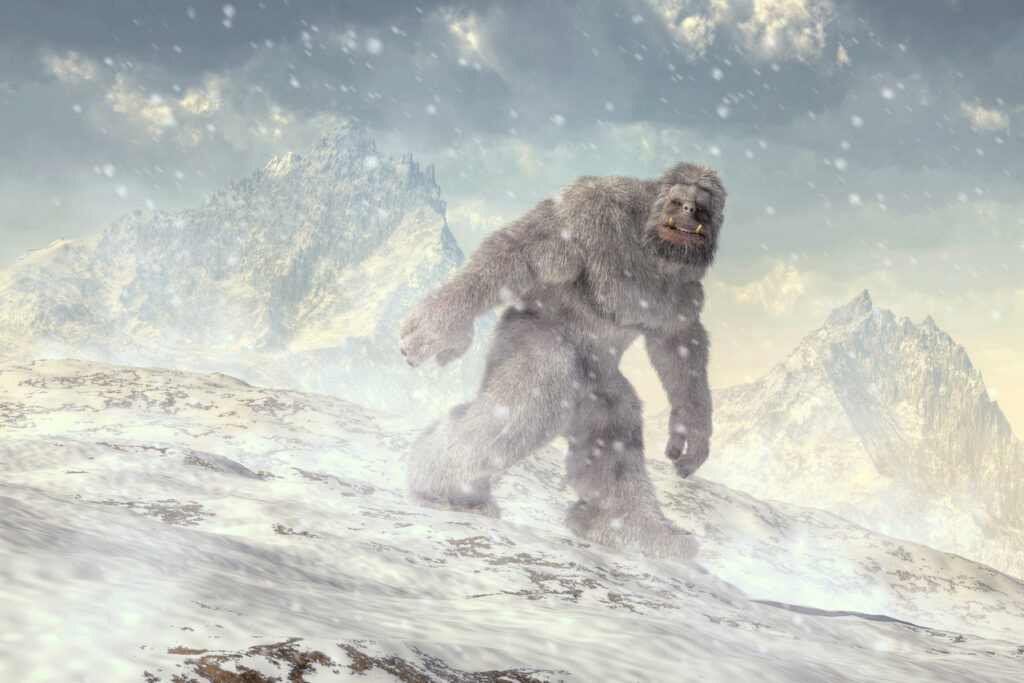
Both are described as large, ape-like beings, but the Yeti is usually associated with snowy, mountainous terrain, and is often said to be more bear-like. Bigfoot, on the other hand, is more commonly spotted in forests, swamps, or mountain ranges in the US and Canada.
Footprint sightings are still the most common “evidence.”
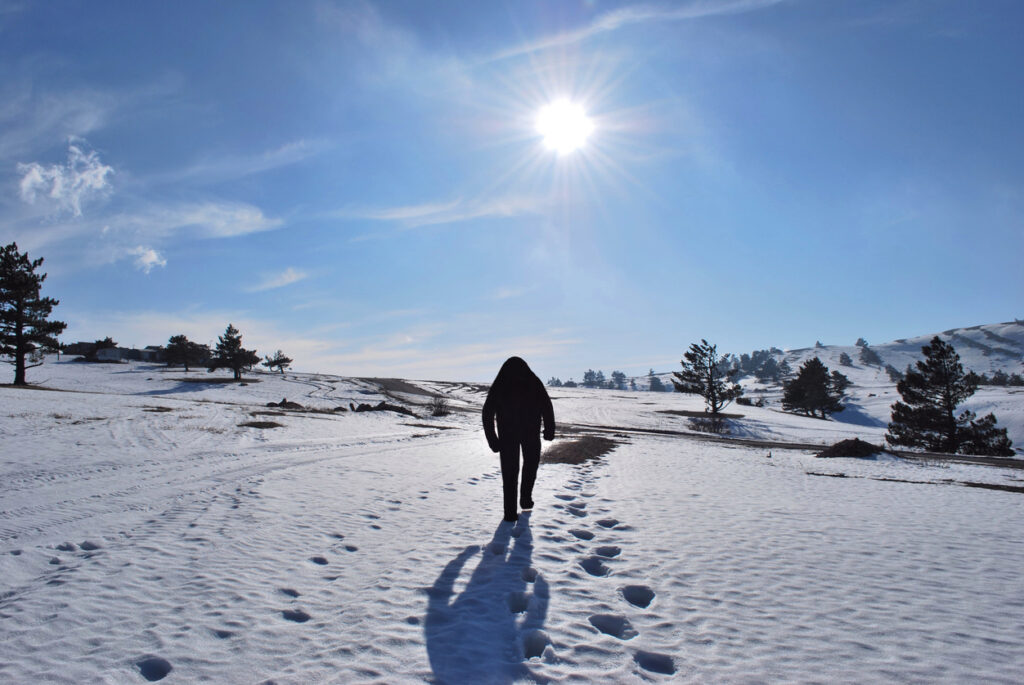
From oversized tracks in the snow to muddy impressions in forest trails, footprints are the main thing people point to as physical evidence. Some even show what appear to be dermal ridges, like fingerprints for feet. However, footprints are notoriously tricky to validate. Hoaxes have been exposed, animals leave odd marks, and snow or mud can distort shapes. Still, for many believers, footprints remain the closest thing to proof that something big is out there.
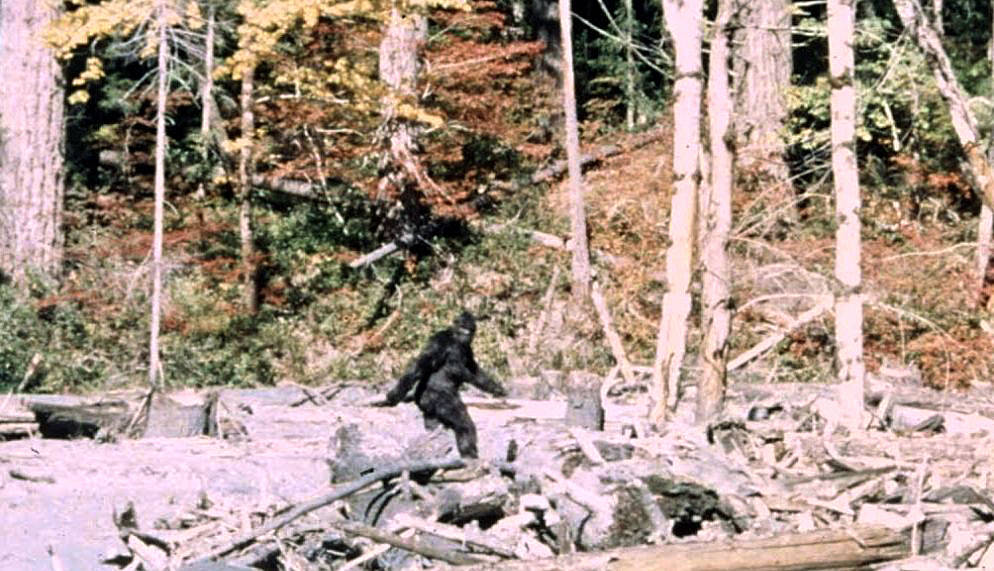
The infamous Patterson-Gimlin film still sparks debate.
Shot in 1967, the short film taken by Roger Patterson and Bob Gimlin in California is still the most famous footage of a supposed Bigfoot. It shows a large, upright figure striding across a riverbank and briefly turning toward the camera. Sceptics say it’s clearly a man in a costume. Believers argue the creature’s gait, proportions, and muscle movement are too sophisticated for the era. Decades later, no one has definitively debunked it, or proved it real.
Science leans heavily toward scepticism.
Most scientists don’t believe in Bigfoot or the Yeti as undiscovered species. They argue that with today’s technology and the number of people exploring the wilderness, something that large wouldn’t stay hidden for long.
DNA tests on hair samples and bones claimed to be from these creatures have nearly always turned out to be from bears, deer, or even humans. The scientific consensus is that the creatures are either hoaxes, misidentifications, or part of cultural storytelling.
That said, some animals were once just myths too.
It’s worth noting that creatures like the giant squid, okapi, or even the mountain gorilla were once dismissed as legend. It wasn’t until the right combination of sightings, bones, or living specimens were documented that science accepted them. This doesn’t prove Bigfoot or the Yeti exist, but it does explain why some people cling to the idea. Nature has surprised us before, and remote regions still hold secrets. It keeps the door cracked open for those who want to believe.
The Yeti may partly be a bear—literally.
Recent research has suggested that many Yeti sightings and DNA samples actually match with Himalayan brown bears or Tibetan blue bears. These animals are rare, powerful, and known to walk upright for short stretches. Some scientists think the Yeti legend may have grown from sightings of these bears in unusual postures, especially in snowy, low-visibility conditions. Throw in a bit of folklore and fear, and the line between bear and beast gets blurrier.
Indigenous legends add depth to the mystery.
Many First Nations tribes in North America have stories of tall, hairy forest dwellers going back centuries, long before the term “Bigfoot” existed. These beings often had spiritual or guardian-like roles in their culture. In the Himalayas, tales of the Yeti go hand-in-hand with local beliefs, often warning travellers to be respectful of the mountains. These aren’t just monster stories; they’re cultural reflections, often woven with lessons about nature and boundaries.
Hoaxes have made things messy.
There have been dozens of known Bigfoot hoaxes over the years, from carved wooden feet to full-body costumes buried in ice. Every time one of these gets exposed, it undermines more credible-sounding claims. The problem is, once hoaxes become part of the mix, it becomes harder for genuine witnesses to be taken seriously. Whether someone saw a bear, a trick of the light, or something more mysterious, the shadow of fakery looms large.
There’s a growing community of amateur investigators.
Despite the scepticism, there’s a passionate community of Bigfoot and Yeti researchers, some armed with trail cams, audio gear, and tracking skills. They share sightings, swap tips, and explore remote areas hoping for that one big find. These aren’t just internet conspiracy theorists, either. Some are biologists, forest rangers, or survivalists with serious wilderness experience. They may not have found a creature yet, but they’re committed to the search.
Bigfoot even has its own tourism industry.
In parts of the US like Oregon, Washington, and Northern California, Bigfoot is big business. Towns host festivals, sell merch, and run guided hikes where enthusiasts can swap stories and search for clues. In the Himalayas, the Yeti brings its own form of tourism. Monasteries claim to have Yeti relics, and trekkers often keep an eye out for tracks in the snow. Myth or not, the appeal of these creatures is deeply tied to local identity, and the economy.
Some sightings could be people in survival mode.
One lesser-discussed theory is that some sightings could actually be of people living rough in remote wilderness—off-grid, isolated, and maybe not dressed in conventional clothing. These individuals may appear frightening at a distance, especially in low light.
It’s a theory that doesn’t explain everything, but it offers another layer to the mystery. In harsh, isolated areas, not every shape in the trees is what it first seems, and sometimes the mind fills in the blanks with something much bigger.
Eyewitness accounts aren’t always reliable.
Many Bigfoot and Yeti stories come down to what someone says they saw, and human memory is famously unreliable, especially in moments of fear or surprise. Lighting, distance, and adrenaline all warp perception. That doesn’t mean people are lying. Many truly believe what they saw. But our brains are wired to recognise patterns and fill in gaps, which means a tall shadow or snapping branch can easily become something far more dramatic.
Camera traps and drones haven’t caught anything concrete.
With the rise of motion-triggered cameras and drone footage, many expected Bigfoot evidence to explode. After all, if these creatures are real, surely the tech would catch them by now? So far, it hasn’t. Most camera trap images turn up foxes, bears, or nothing at all. Drones offer new angles but haven’t uncovered any convincing footage. For sceptics, that’s proof enough. For believers, it just means Bigfoot is better at hiding than we thought.
The legend shows no signs of fading.
Even without concrete proof, the fascination with Bigfoot and the Yeti is still going strong. New sightings get reported every year, documentaries keep rolling out, and online communities continue to grow. Whether these creatures are real, symbolic, or just a reflection of our longing for mystery in a mapped-out world, they clearly tap into something deep. And for now, the forests and mountains still leave enough space for the unknown to breathe.