Contrary to what you might believe, they’re not just cute little croakers hanging out near ponds.
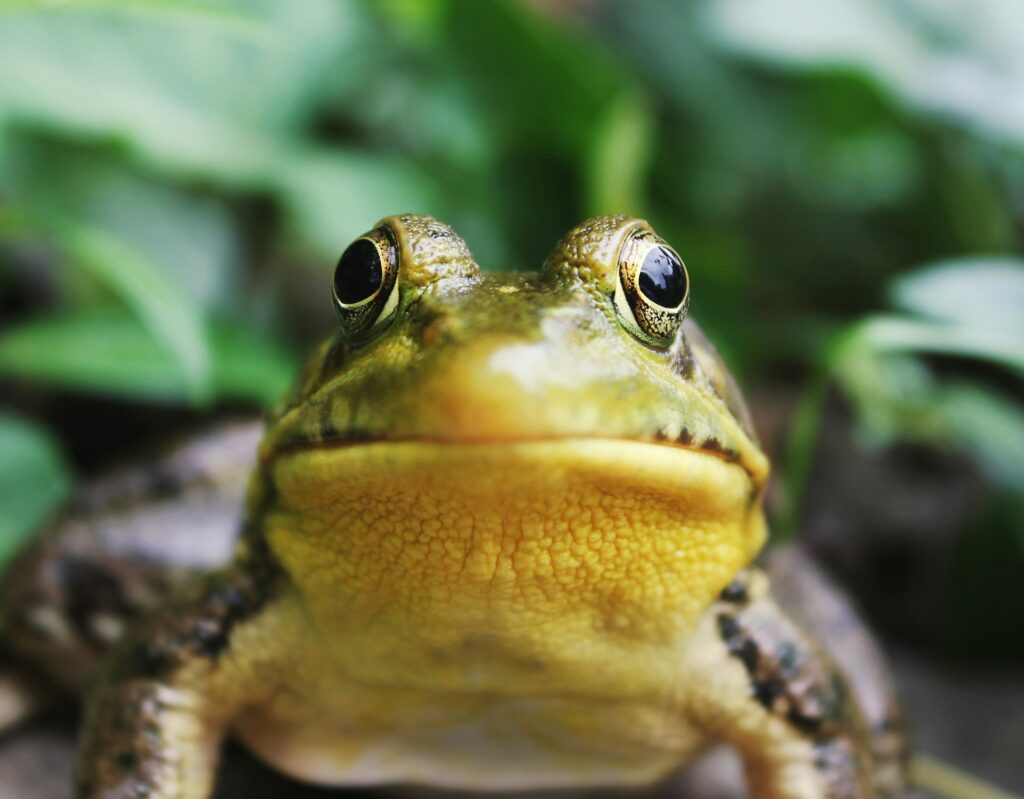
Frogs are surprisingly wild creatures once you get to know them. From what they eat to how they see the world (and each other), frogs are full of strange, clever, and downright weird behaviours that most people never hear about. If you’ve ever wondered what really goes on in the life of a frog, here’s a deeper dive into their quirky world.
1. Frogs will eat pretty much anything that moves.
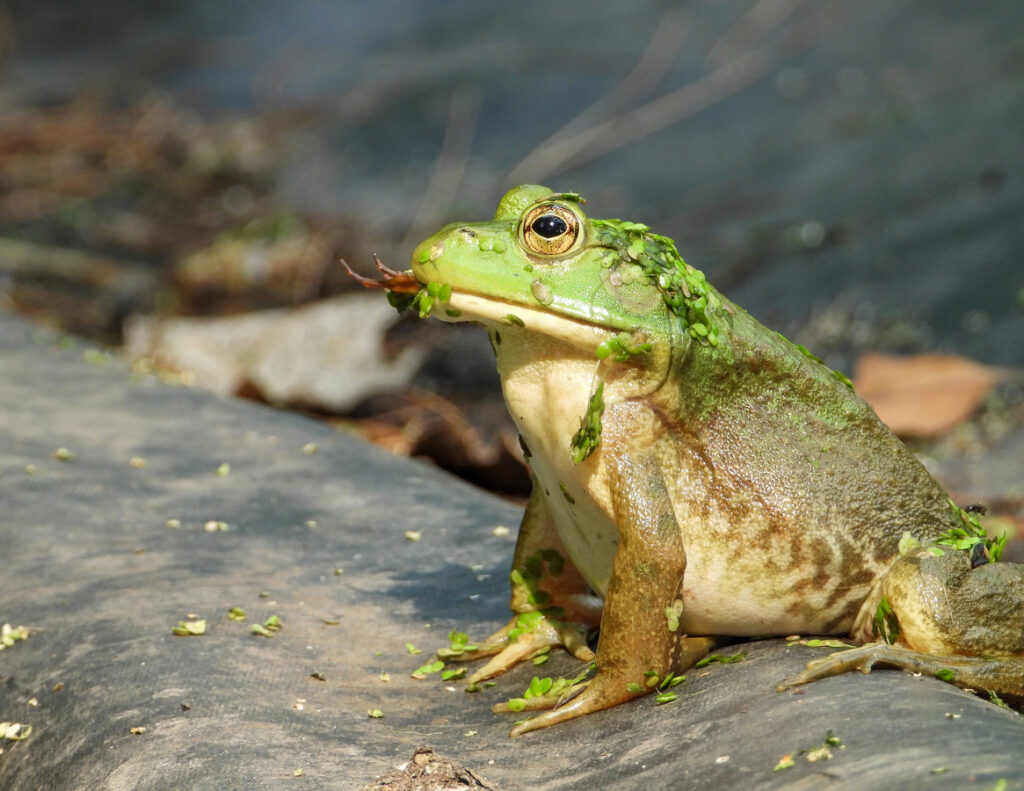
Frogs aren’t exactly picky eaters. As long as something is small enough to fit in their mouths, and it’s moving, they’ll probably try to eat it. That includes bugs, spiders, worms, slugs, and even other frogs. If it wriggles, hops, or flies by, there’s a good chance it’ll end up as lunch.
Larger species go even further, swallowing mice, small birds, and snakes whole. They don’t chew their food, either. They just gulp it down and let their stomach do the rest. It’s not elegant, but it works, and it’s part of what makes them such effective pest controllers in the wild.
2. Their tongues are basically elastic traps.
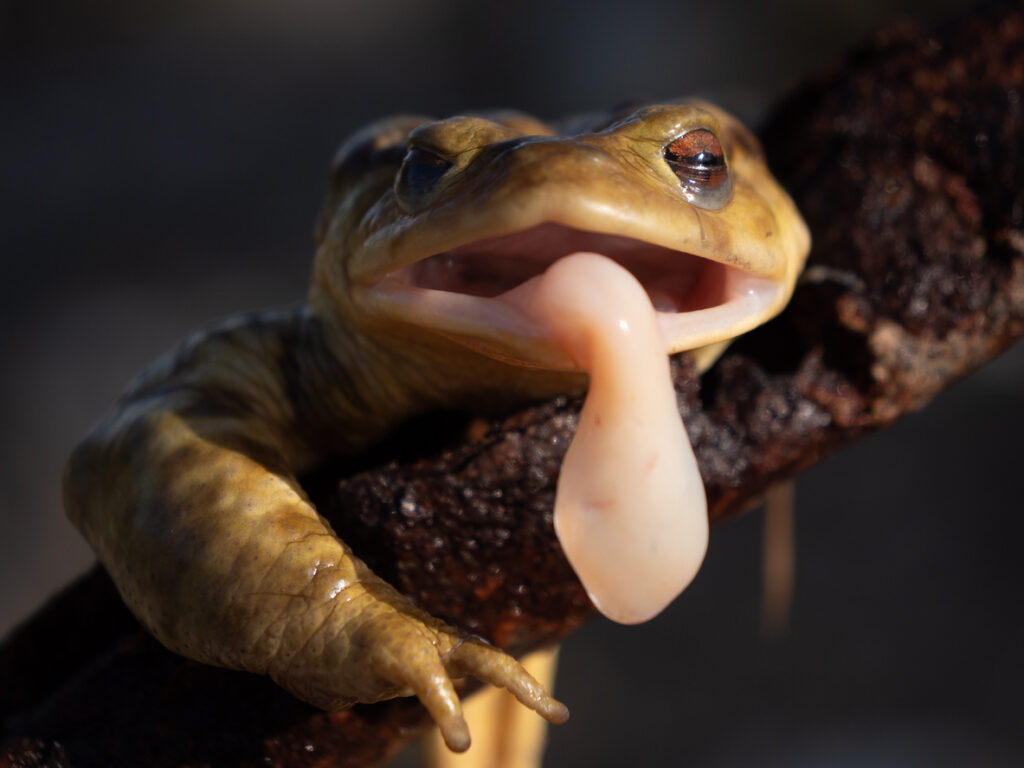
A frog’s tongue is nothing like a human’s; it’s a stretchy, sticky missile. It’s anchored at the front of their mouth, not the back, which lets them flick it out incredibly fast. In fact, it can shoot out and snag prey in less than the blink of an eye. Some researchers have even filmed it in slow motion just to understand how it works.
However, speed isn’t the only trick. Their tongues are coated in a super-sticky saliva that behaves like a non-Newtonian fluid, and it changes its stickiness depending on the force applied. That means it stays gooey while catching prey, then thins out to release it once it’s in the mouth. Wild, right?
3. They can actually blink to help them swallow.
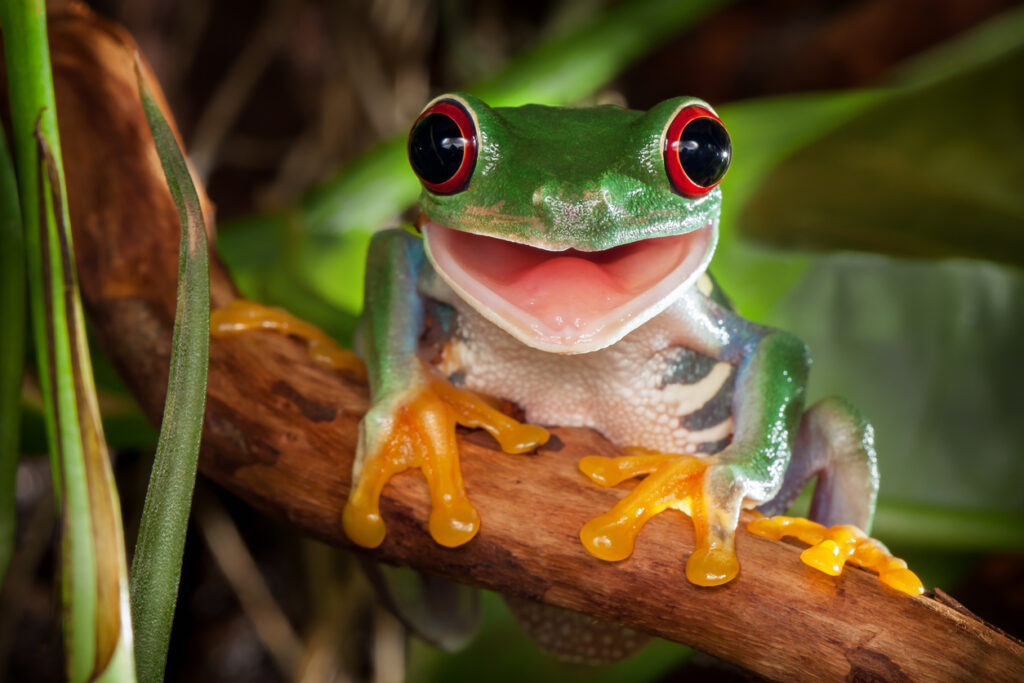
Frogs do something strange when they eat: they blink. However, it’s not just a casual reflex. When a frog blinks, it pulls its eyeballs down into its mouth. That added pressure actually helps push food down their throat, acting like an extra set of hands from above.
This built-in swallowing assist makes up for the fact that frogs don’t chew or have the same kind of muscles we do in their throats. Their whole head becomes part of the eating process, which sounds slightly horrifying but is ridiculously efficient.
4. Some frogs can survive being frozen.
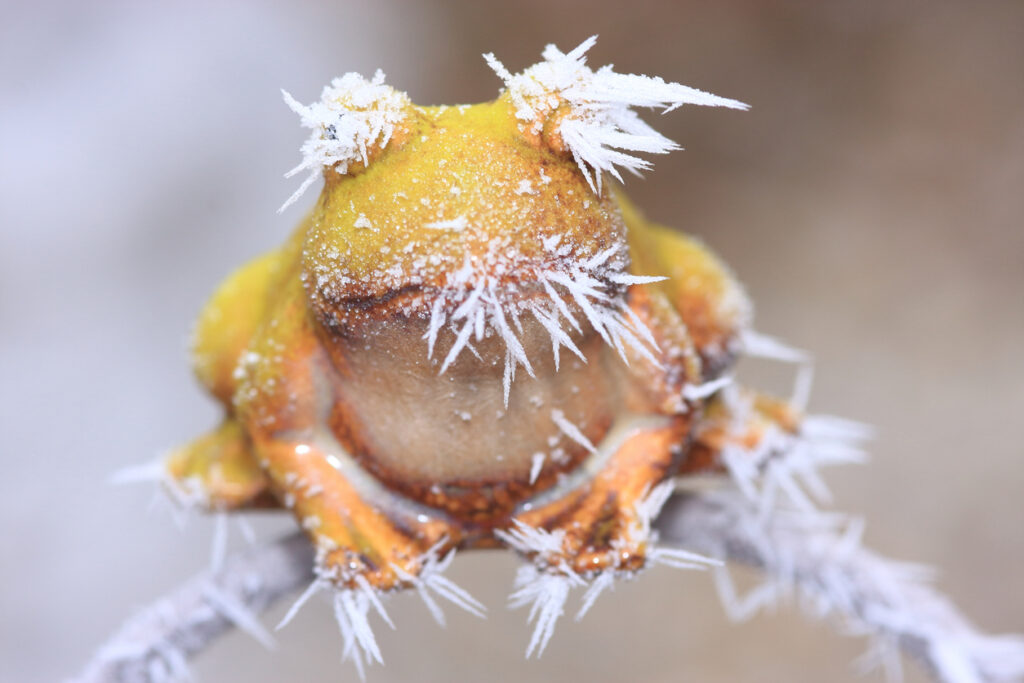
One of the wildest things about certain frog species is their ability to survive freezing temperatures by literally freezing themselves. Wood frogs in North America can let their bodies turn to ice in winter, with their hearts stopping completely. They just shut down like they’re in a paused video game.
When temperatures rise again, they thaw out, their hearts start beating, and off they go like nothing happened. They use glucose and urea to prevent ice crystals from forming inside their cells, which would normally cause fatal damage. It’s basically nature’s version of cryogenic sleep.
5. Frogs drink through their skin.
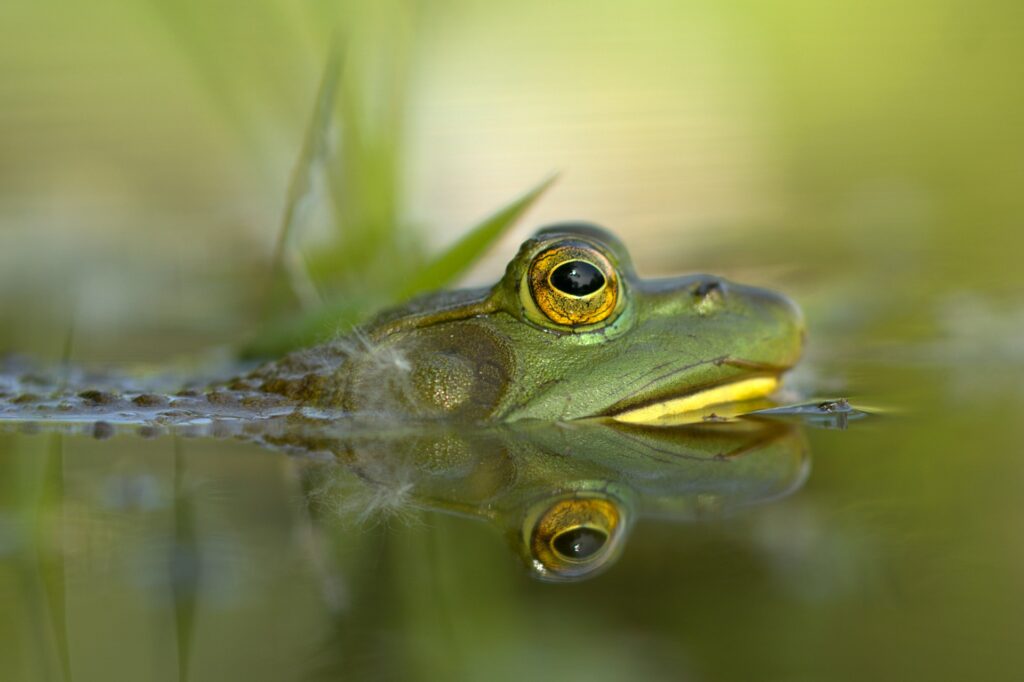
Frogs don’t drink water the way we do. Instead of sipping from a pond or puddle, they absorb water directly through their skin, mainly through a special patch on their bellies known as the “drinking patch.” It’s how they stay hydrated, especially in damp environments.
This means they’re constantly relying on the moisture around them. If their surroundings dry out, so do they, which is why pollution and climate change can hit frogs particularly hard. They’re basically living sponges, and that makes them extra sensitive to what’s in their environment.
6. They shed their skin, and then eat it.
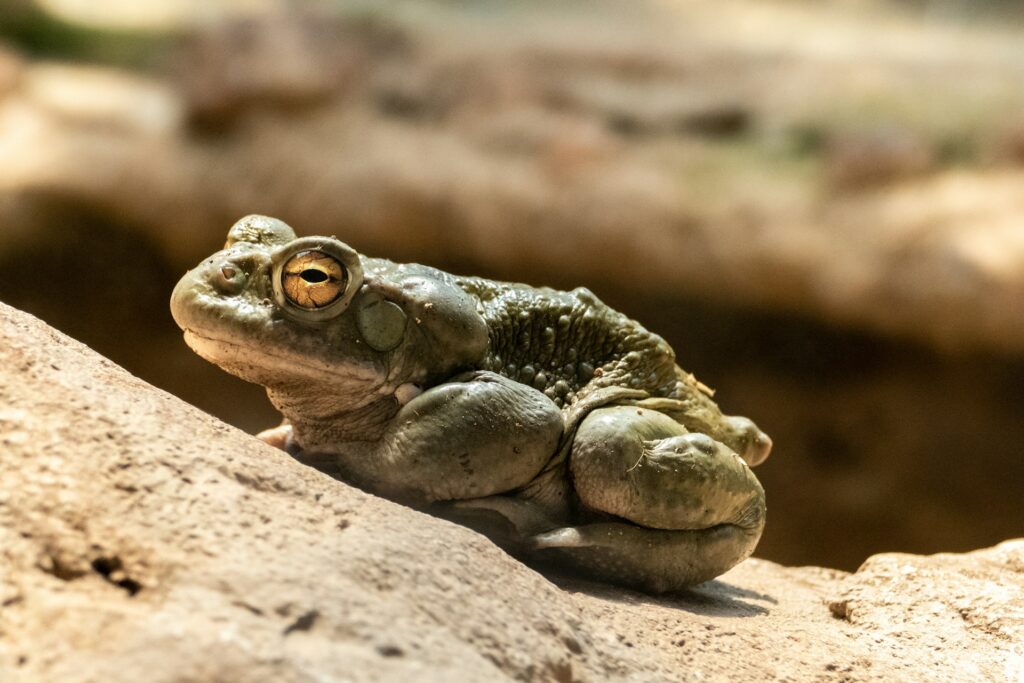
Frogs shed their skin regularly, but they don’t just leave it behind like a snake might. Most frogs actually eat their old skin once it’s come off. It might sound gross, but it’s a great way to recycle nutrients and avoid leaving a scent trail for predators. The whole process is surprisingly quick. A frog will stretch and contort itself to loosen the skin, then pull it into its mouth with its legs. Within minutes, it’s gone. Efficient and weirdly eco-friendly, in the frog world at least.
7. Their eyes come in every colour imaginable.
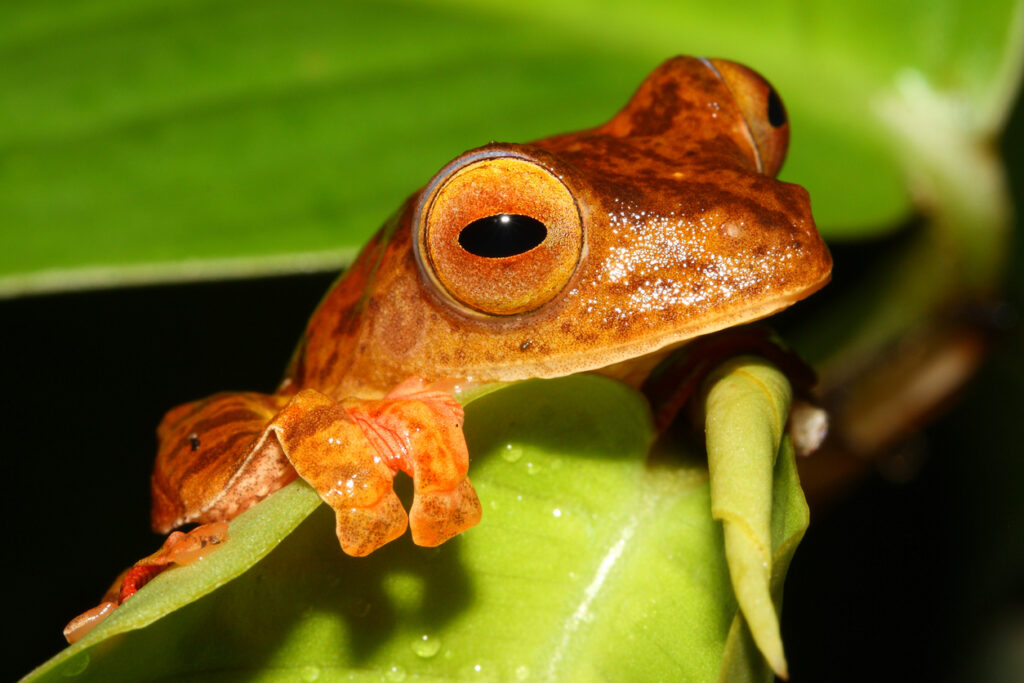
Frogs have some of the most striking eyes in the animal kingdom. Depending on the species, their eyes can be red, gold, silver, green, or even metallic-looking. They’re not just for show, either; they help with everything from depth perception to night vision.
Some frogs have eyes that let them see almost 360 degrees around their head without moving. Their pupils can be vertical, horizontal, or even heart-shaped. It’s one of the reasons they’re such skilled hunters because they’re always aware of what’s going on around them.
8. Some species carry their babies on their backs, or in their mouths.
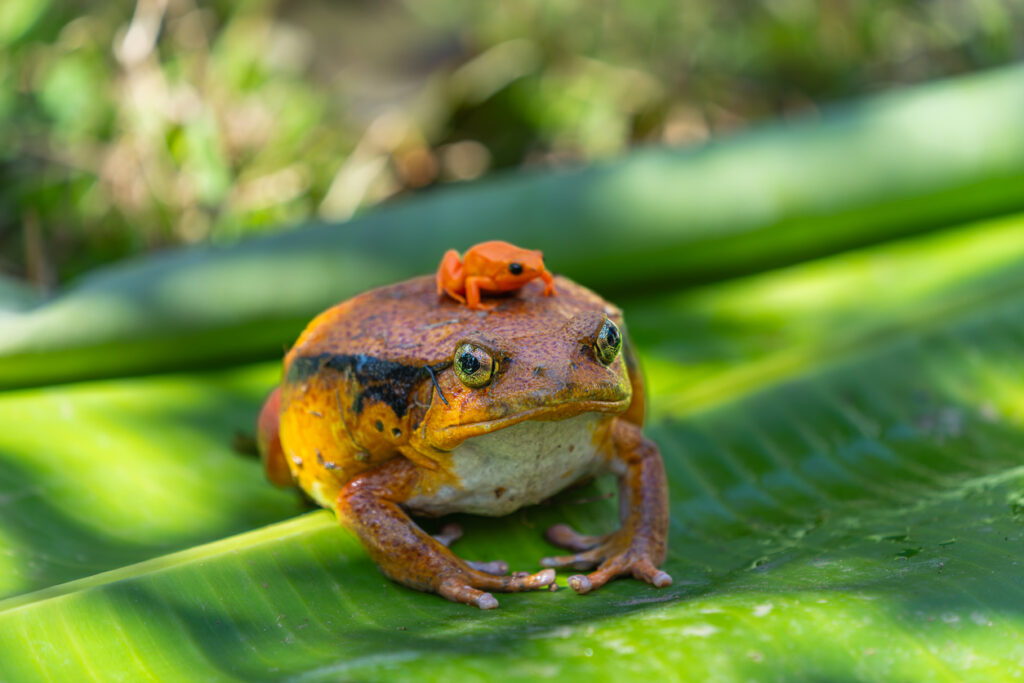
While many frogs lay eggs and move on, some have surprisingly hands-on parenting styles. The Darwin’s frog, for example, keeps its babies safe inside its vocal sac until they’re ready to emerge. And the surinam toad grows her young in little pockets on her back until they hatch.
Other frogs carry tadpoles on their backs and drop them off at different water sources. It’s incredibly resourceful, and a lot more involved than people give frogs credit for. In the world of amphibians, there’s no one-size-fits-all approach to raising a family.
9. Frogs use their voices to claim territory.
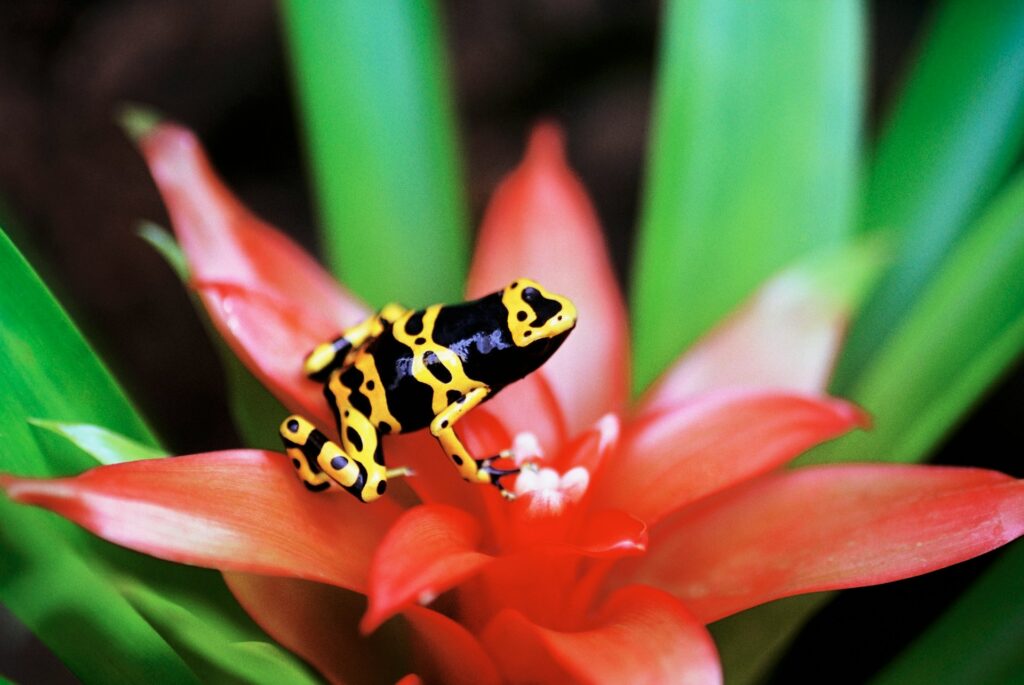
That classic ribbiting sound isn’t just a random noise; it’s actually a way for male frogs to stake their claim. They call to attract females, yes, but also to warn other males to back off. Each species has its own signature call, and some are surprisingly loud for such small creatures.
In fact, some frogs can be heard from over a mile away. They inflate their vocal sacs like balloons to amplify the sound. It’s their version of a loudspeaker, and in the dense noise of a wetland or rainforest, being heard first often means mating first.
10. They’ve been around since the dinosaurs.
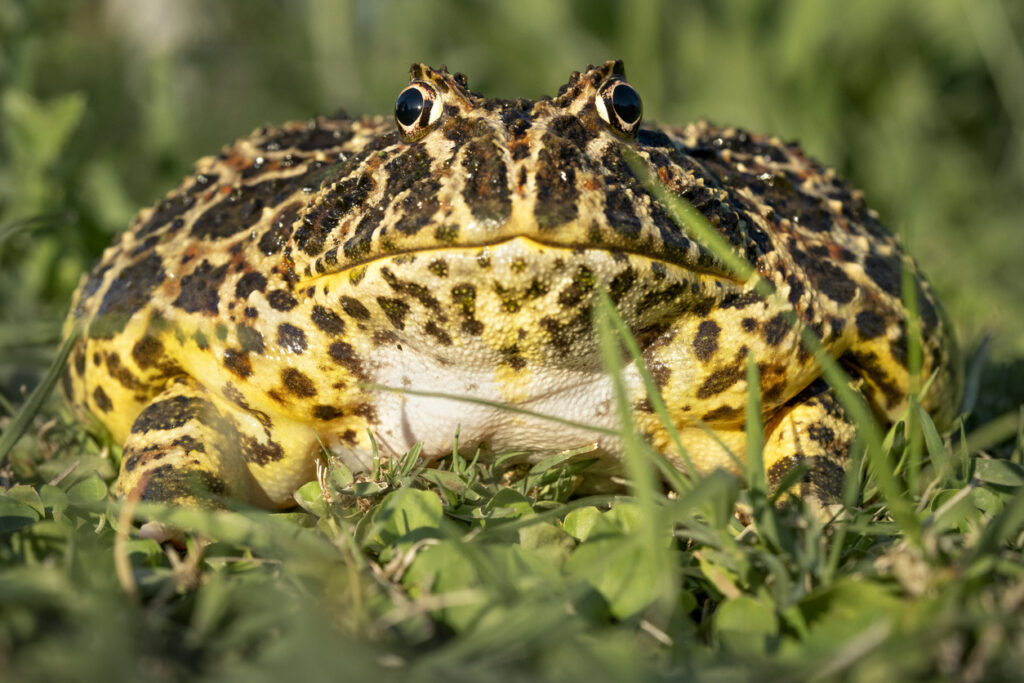
Frogs are ancient. Like, seriously ancient. They first showed up more than 250 million years ago, before most dinosaurs ever walked the Earth. And while a lot has changed, the basic frog formula has stayed surprisingly consistent.
They’ve outlived extinction events, climate shifts, and continents drifting apart. Their adaptability is one of the reasons they’re found all over the planet, from deserts to rainforests to icy mountains. When you look at a frog, you’re basically looking at one of nature’s oldest success stories.