Indoor plants might look delicate, but many of them actually love a bit of outdoor time in the summer—if you introduce them to it the right way.
The extra light, fresh air, and even rainfall can give them a boost, but moving them too quickly can leave them sunburnt, soggy, or totally stressed out. If you want your houseplants to enjoy a summer holiday instead of suffering a leafy meltdown, here’s how to ease them into outdoor life without causing a shock to their system.
Start by checking the forecast.

Before you even think about moving your plants outside, have a look at the weather for the next few days. If there’s a cold snap, heavy rain, or strong wind coming, it’s best to wait. Sudden changes in temperature or intense conditions can do more harm than good. Ideally, aim for a run of mild, settled weather with no extremes. A stretch of warm but not scorching days gives your plants a chance to adjust gradually, which is exactly what they need to avoid shock.
Let them adjust slowly.
Don’t just shove your plants straight out onto a sunny patio and hope for the best. Like people coming out of winter hibernation, they need time to adapt. Start by placing them outside for just a couple of hours a day, in a shaded or lightly dappled spot. Gradually increase the time over a week or two, letting them get used to the light and temperature bit by bit. If your plant looks a bit wilted after its first outing, don’t panic—it just needs a gentler reintroduction.
Avoid direct sun straight away.
Most indoor plants live in lower light conditions, so they’re not ready to handle strong sun. Putting them directly into full sunlight can scorch their leaves, even if the temperature doesn’t feel that hot. Start them off in a shady spot like under a tree, on a covered porch, or somewhere they get morning sun and afternoon shade. This will help toughen them up without frying them in the process.
Keep an eye on the wind.

Wind can dry out soil quickly, knock over light pots, and damage leaves, especially if the plant’s not used to being outside. Indoor plants are sheltered from drafts, so even a breeze that feels light to you might be a bit much at first. If possible, position plants near walls or fences to block the wind. You can also group them together for extra protection and stability. Taller plants might need a stake or a weight at the base to keep them upright.
Use the right pots.
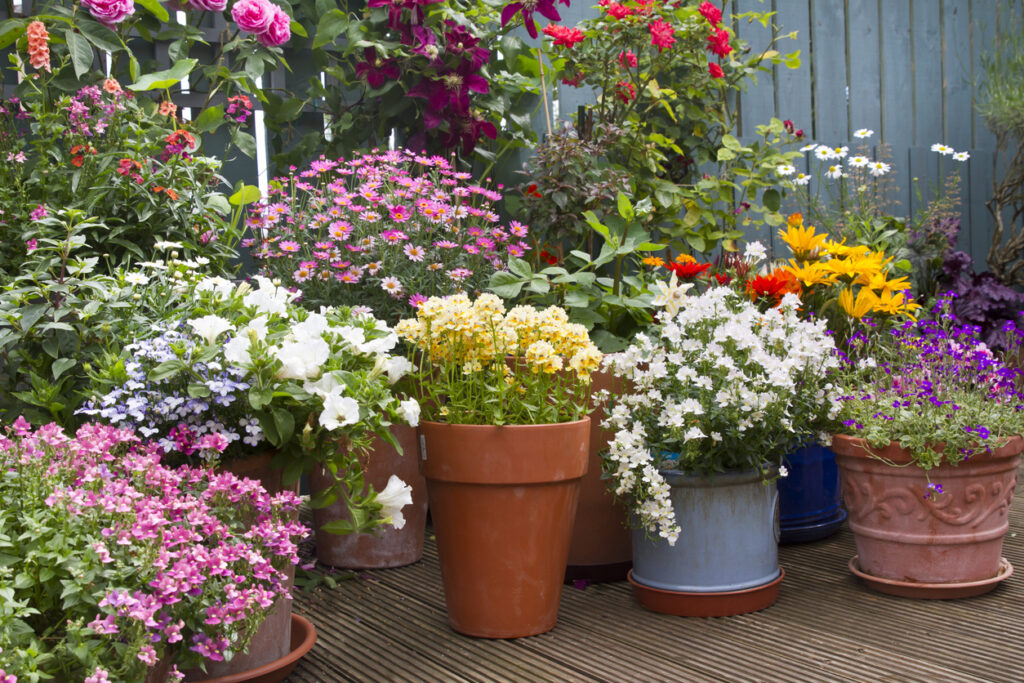
Plastic pots can heat up quickly and dry out faster in direct sun, while ceramic ones may crack if left in changing temperatures. Think about how exposed your plants will be and whether their containers are suitable for outdoor life. Drainage is also key—outdoors, your plant might get caught in a rainstorm, and you don’t want it sitting in soggy soil for days. Make sure the pot has proper holes and consider raising it slightly off the ground with pot feet or bricks.
Watch out for pests.
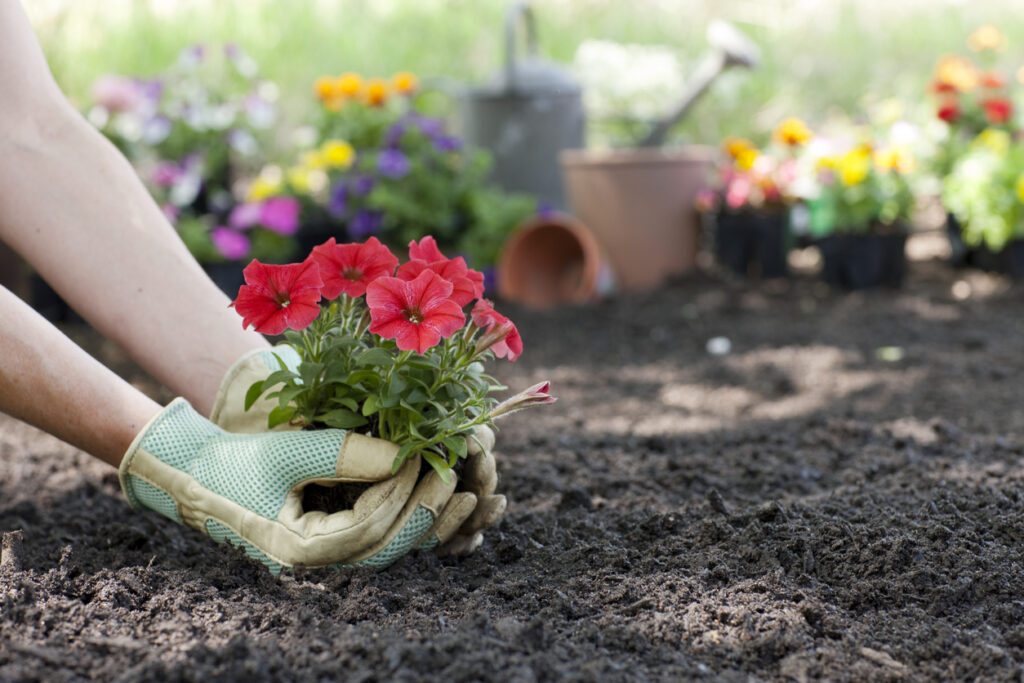
Outdoors means sharing space with slugs, aphids, caterpillars, and a whole host of garden creatures. Your indoor plant might suddenly look like a snack to something crawling past. Check your plants regularly for holes in leaves, sticky residue, or clusters of tiny bugs. If something seems off, isolate the plant before bringing it back indoors and treat the problem early with a gentle pest control solution.
Water differently than you would indoors.
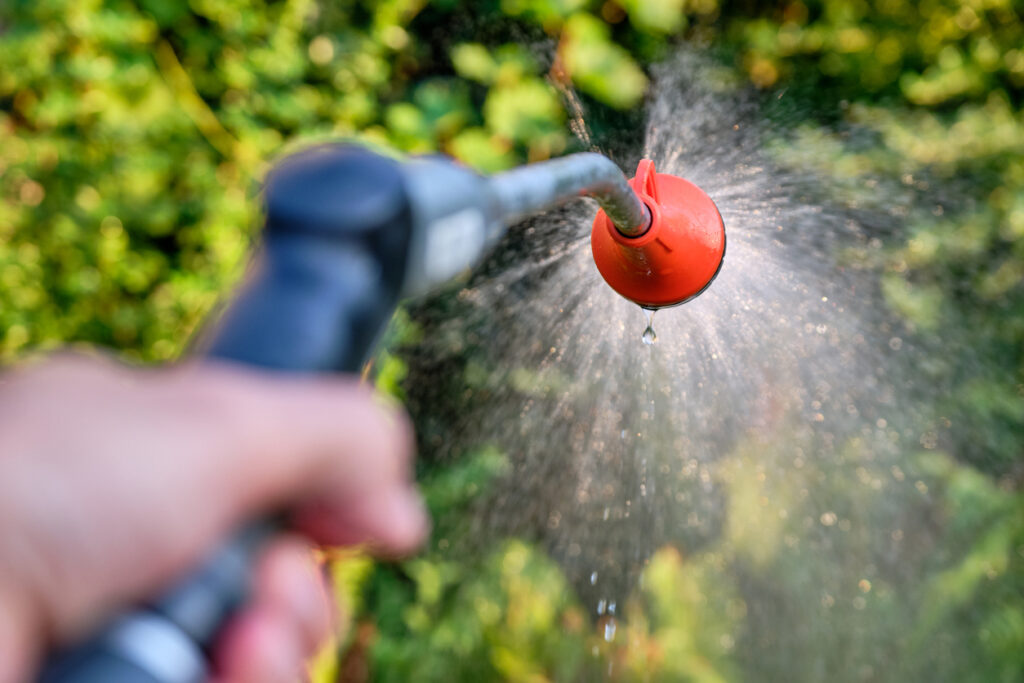
Outside, plants dry out quicker—especially if there’s a breeze or the sun’s been out. But they might also get rained on, which means you’ll need to stay flexible. Water when the top couple of inches of soil feel dry, not just out of habit. You’ll likely need to water more frequently than you would indoors, but keep checking the weather, too. If there’s rain on the way, skip the watering can and let nature handle it.
Bring them back in at night (at first).
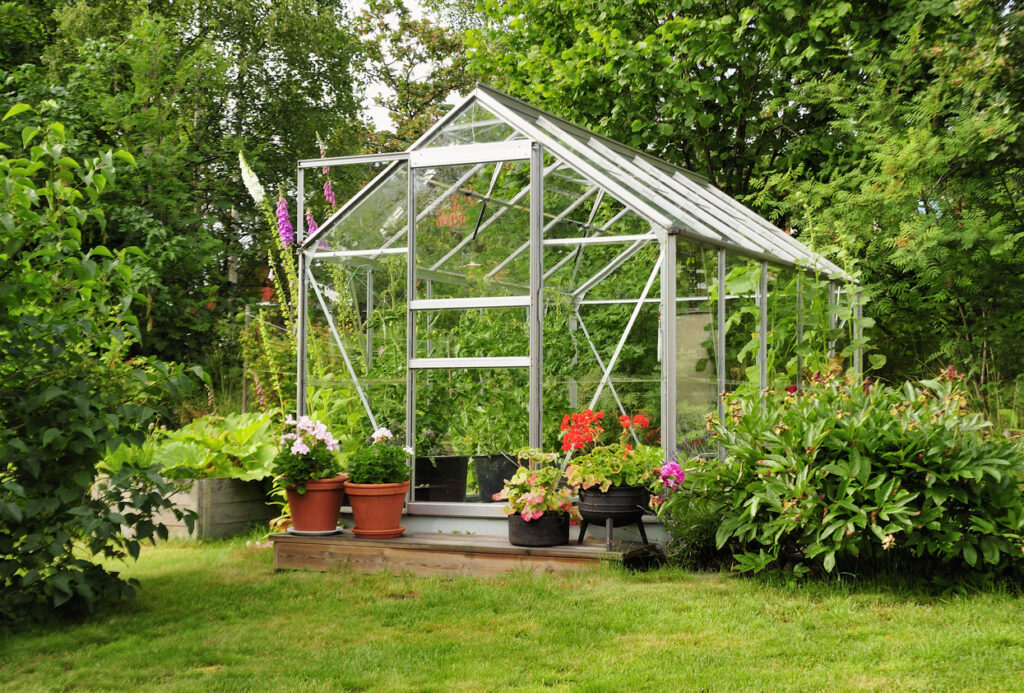
Nights can still be chilly, especially early, or late in the summer season. Most houseplants don’t love cool drops in temperature, so it’s worth bringing them indoors at night until the weather stays consistently warm. Even if the days are mild, a cool night can cause stress, especially for tropical plants. A good rule of thumb is to wait until overnight lows are above 12–15 °C before leaving them out full-time.
Don’t move everything at once.
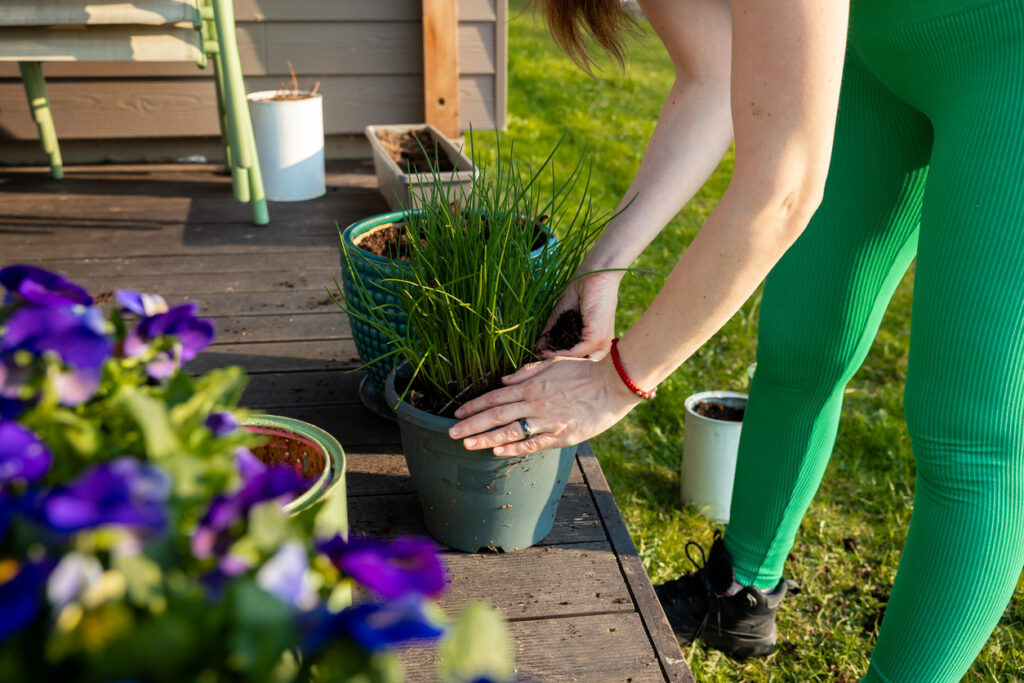
If you’ve got a big collection, don’t haul all your houseplants out in one go. Test a few first, especially your hardier ones, and see how they respond to outdoor life. This gives you a chance to tweak your setup before risking the more sensitive plants. You’ll also learn which areas of your garden or balcony offer the best balance of shade, wind protection, and light. Every outdoor spot is slightly different, and your plants will have preferences.
Be ready to adjust as summer progresses.
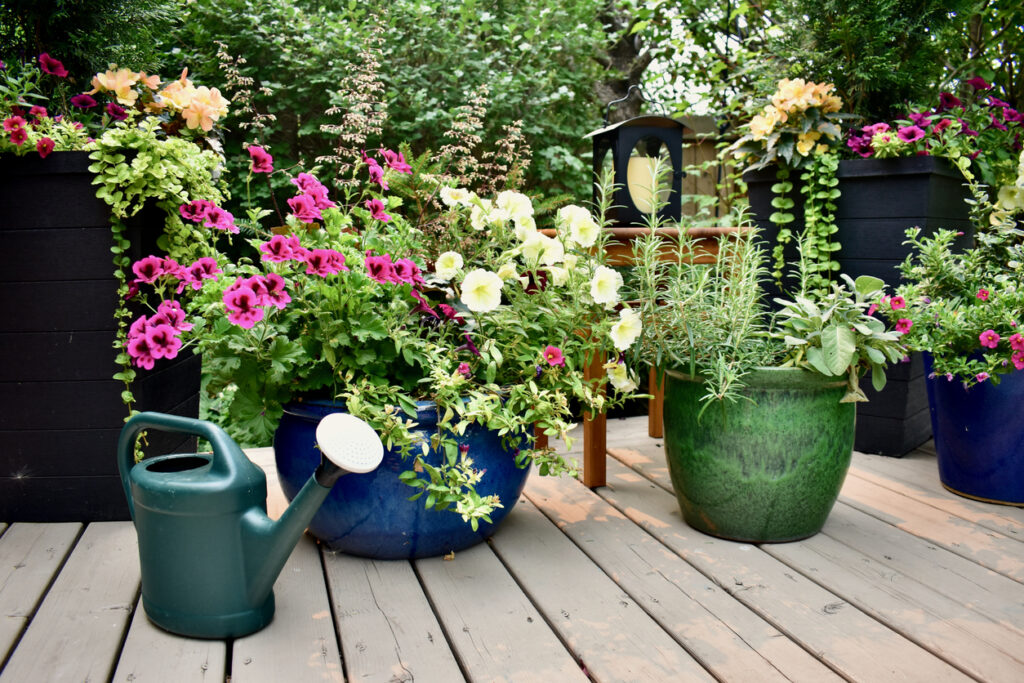
As the season goes on, the sun gets stronger and conditions can change. A spot that was perfect in June might become too hot or exposed by August. Keep an eye out for signs of sun stress like yellowing or crispy edges. You might need to move pots around or create extra shade using outdoor furniture, parasols, or even a bit of cardboard for quick fixes. Plants love consistency, so stay tuned in to how they’re doing and adjust as needed.
Know which plants prefer to stay inside.
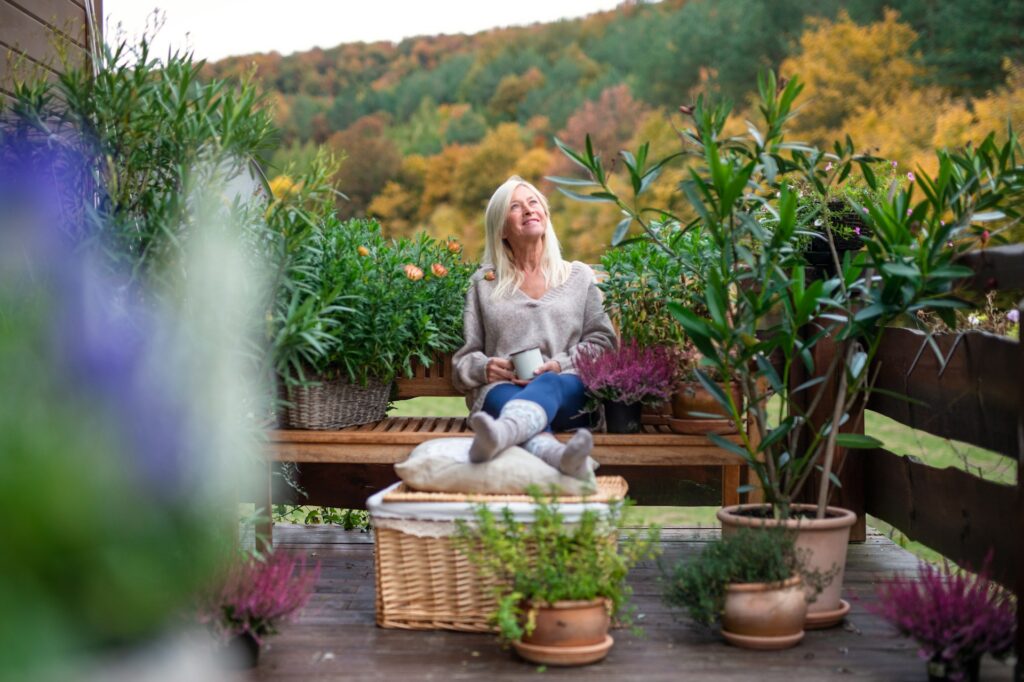
Not all houseplants enjoy a summer outside. Delicate tropical varieties like African violets, moth orchids, and certain ferns prefer stable conditions and humidity that’s hard to maintain outdoors. If a plant looks unhappy even after a careful introduction to the outdoors, it might just be one that prefers indoor life. Trust your instincts and don’t feel like you have to move every single one out for the season.
Bring them back in before autumn hits.
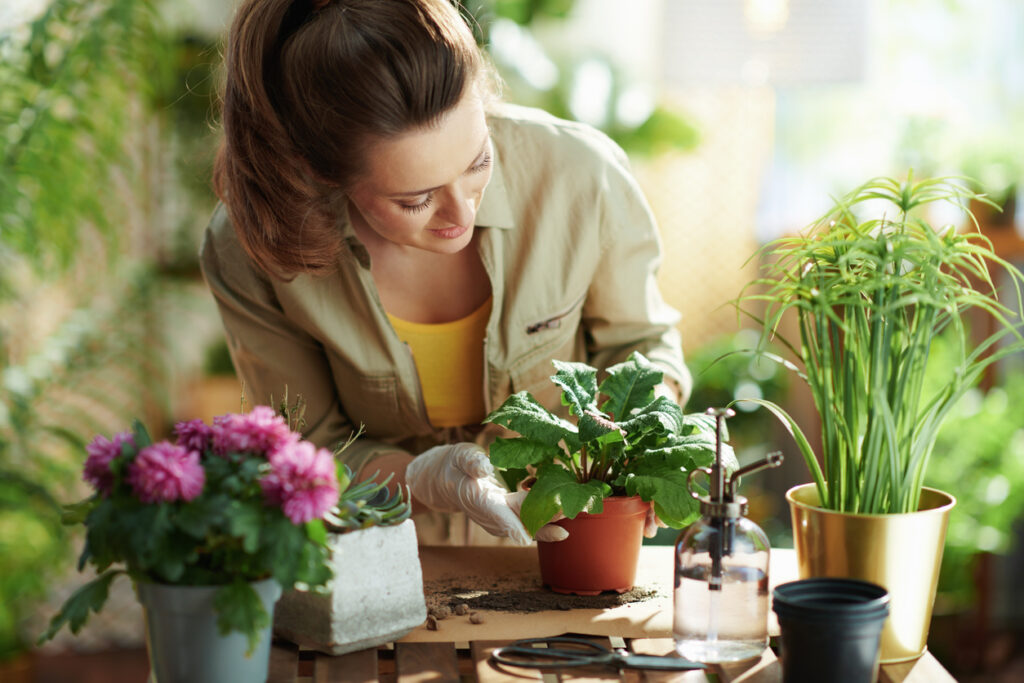
As the nights start to cool in early autumn, it’s time to bring your houseplants back indoors—ideally before you switch the heating on or things get chilly. Sudden drops in temperature can undo all your careful acclimatisation work. Before bringing them in, give each plant a once-over for pests and give the leaves a gentle clean if needed. A smooth transition back inside will help them settle in quickly for the cooler months ahead.