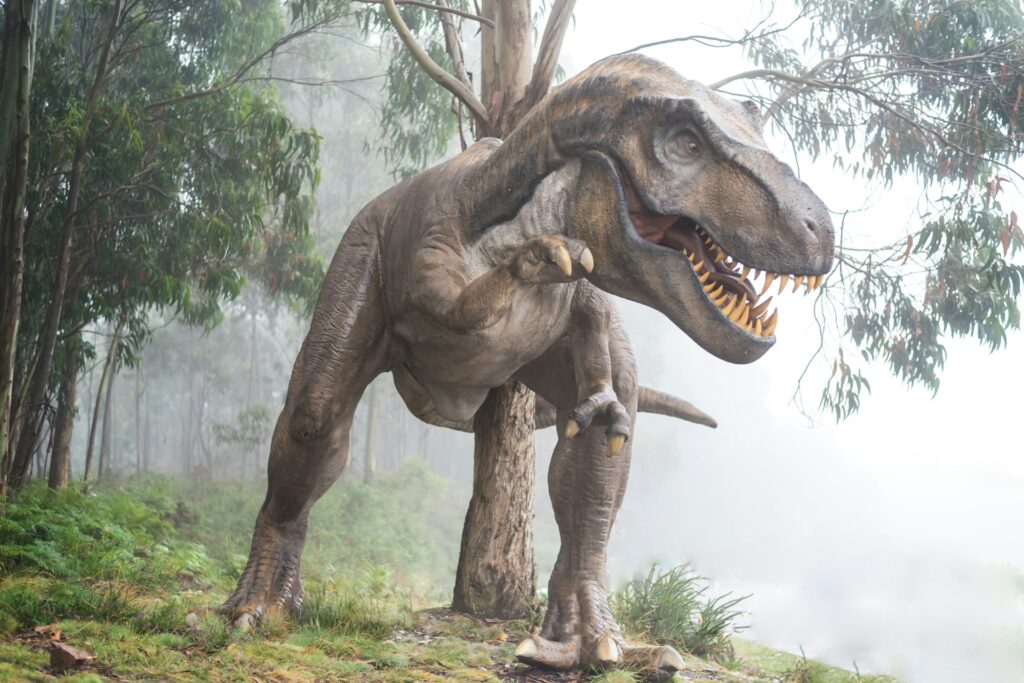
The adult Tyrannosaurus rex has a reputation that needs no introduction: massive, toothy, terrifying. But what about baby T. rex? Were they born as pint-sized predators with the same killer instinct, or did they start off surprisingly cute, maybe even fuzzy? Palaeontologists have been digging (literally) into this question for years, and what they’ve found might change how you picture these prehistoric icons.
They were surprisingly small at birth.
Despite the adult T. rex growing up to 40 feet long, hatchlings were only about the size of a turkey—around 3 feet long, including their tail. That’s still not tiny by modern standards, but it’s a far cry from the monsters we usually imagine. Their eggs were probably soft-shelled and laid in nests, and the babies would have emerged fully formed but much more lightweight. They had a lot of growing to do, and fast.
They grew at an insane rate.
Once hatched, baby T. rex didn’t stay small for long. Research suggests they packed on the pounds quickly, gaining several kilograms per day during their peak growth years. That kind of pace is unheard of in most modern animals. It was like nature pressed fast-forward. By the time they were teenagers, they were already taller than most humans and developing their trademark muscle and bite power.
They probably had some kind of feathers.
It’s very likely that baby T. rex were covered in a light layer of feathers or down, similar to modern chicks. While we haven’t found direct evidence of feathers on T. rex itself, their smaller cousins, like Yutyrannus, definitely had them. That fluffy coat wouldn’t have lasted into adulthood, but it probably helped keep hatchlings warm in their early, more vulnerable days. So yes—fluffy baby T. rex was a real possibility.
Their teeth were much more blade-like.
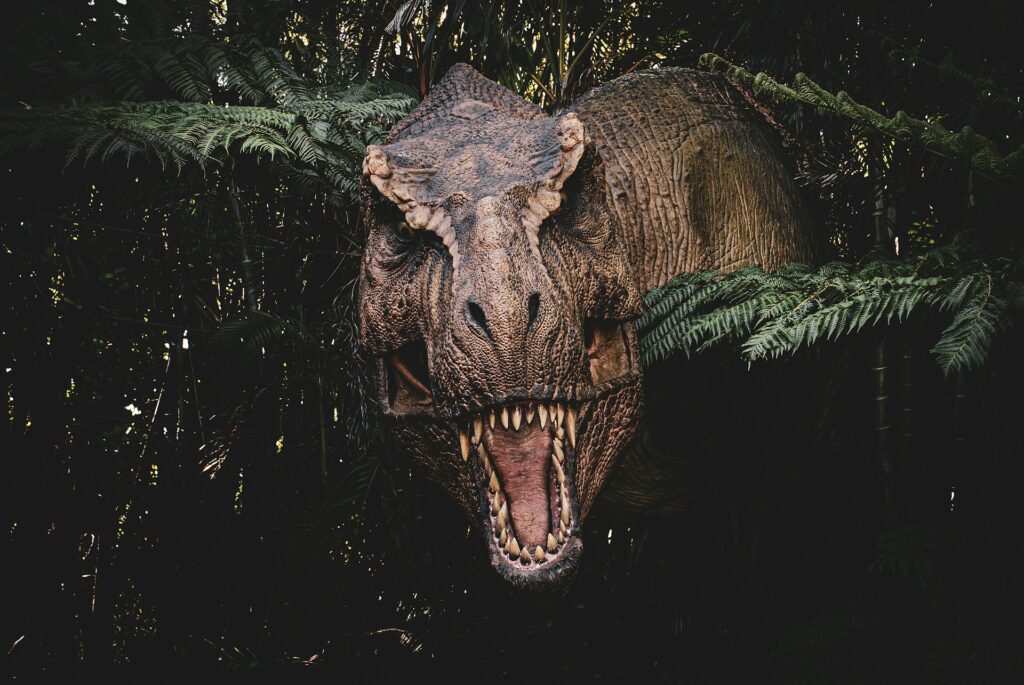
Unlike the thick, bone-crunching teeth of adult T. rex, babies had smaller, sharper teeth better suited for slicing than crushing. This suggests they hunted smaller, softer prey like lizards and mammals rather than taking on the big herbivores. In other words, they weren’t stomping through forests after triceratops just yet—they had a more manageable menu, but still very much played the predator role.
They were fast and agile.
Baby T. rex had longer legs in proportion to their body size and were built more like sleek raptors than bulky tanks. This likely made them fast runners and nimble hunters in their early stages. As they grew, they traded speed for strength, but while they were young, agility was key. Think less bulldozer, more velociraptor with ambition.
They probably didn’t hunt in packs.
There’s little evidence that young T. rex coordinated with others for group hunting. Most scientists think they were more likely to be solitary, even as juveniles, competing for food rather than sharing it. This meant young ones had to rely on their own speed, stealth, and sharp senses to survive. They may have avoided adults entirely, who could easily have seen them as competition, or even a snack.
They had excellent vision from the start.
Even as babies, T. rex likely had brilliant eyesight. Their eye sockets were already developing the forward-facing position that gives great depth perception, essential for tracking prey. This gave them an edge over other baby dinosaurs in their ecosystem. Combined with a sharp sense of smell, they were built to hunt effectively from a young age, even if the prey was small at first.
They were incredibly curious.
We don’t have video footage of baby T. rex running around, but based on brain structure and modern animal comparisons, they were likely intelligent and curious. That’s both cute and slightly terrifying when paired with claws and teeth. Their curiosity would’ve helped them learn their environment quickly—where food was, where threats were, and how to avoid becoming someone else’s lunch. It wasn’t all instinct; they had to learn on the go.
They were vulnerable to predators.
As tough as they sound, baby T. rex weren’t at the top of the food chain right away. Bigger dinosaurs, including adult T. rex, could pose a real threat to hatchlings. Their small size and inexperience made them an easy target. That’s likely why they had feathers for warmth and camouflage, and why they stayed hidden early on. It wasn’t all roaring and hunting from day one—they had to survive long enough to grow into their legendary size.
Fossil evidence is rare but growing.
For a long time, most of what we knew about T. rex came from adult skeletons. However, recent discoveries of juvenile bones have started filling in the gaps, giving us better insight into how they changed as they aged. In 2021, scientists uncovered a tiny jawbone that belonged to a hatchling T. rex. It showed the animal was already developing serrated teeth and a strong bite even at a few weeks old—baby-faced but no pushover.
They had proportionally big feet.
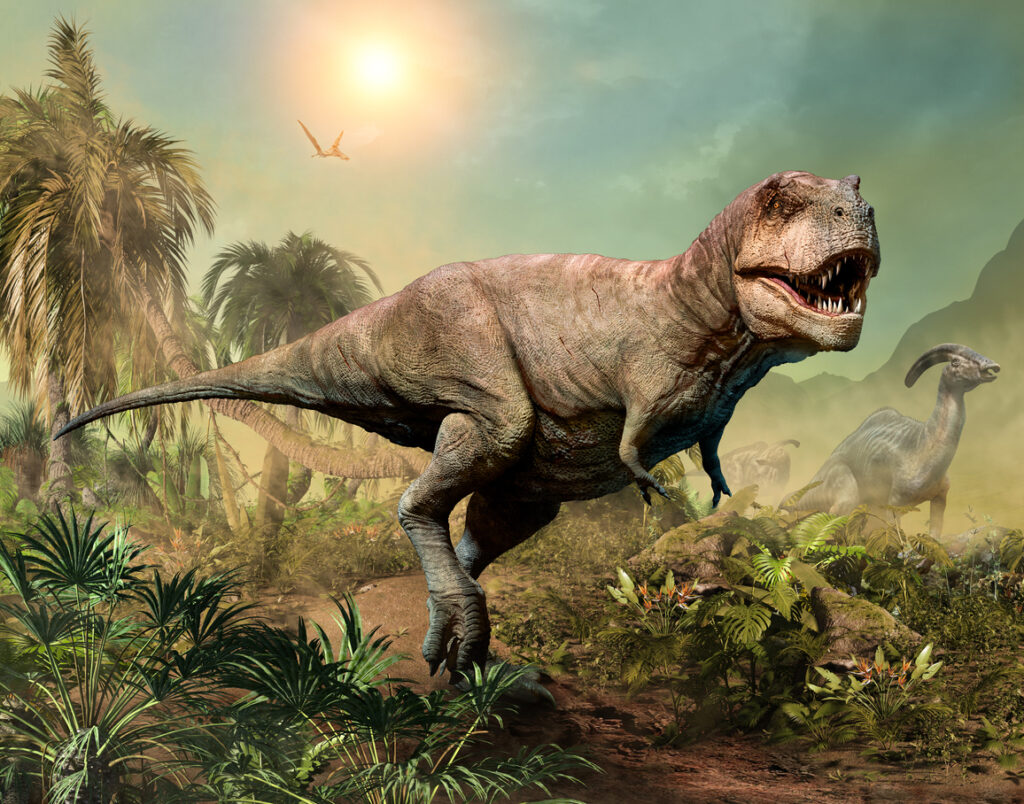
Hatchling T. rex had surprisingly large feet compared to their bodies. This might’ve helped with stability as they learned to run and balance their awkward, fast-growing frames. It’s a bit like human toddlers with oversized shoes—slightly comical, but practical. Their big feet gave them an edge in speed and mobility while everything else was catching up.
So, what’s the verdict? Were they cute or killers?
Honestly, a bit of both. Baby T. rex were almost certainly covered in fluff, curious about their world, and oddly endearing in size, but they were also sharp-toothed, fast-moving, and ready to hunt the second they could walk. So while they might have looked cute to us, to anything smaller than them, they were a very real threat. Fluffy little predators—because in the Cretaceous, even the babies didn’t mess around.