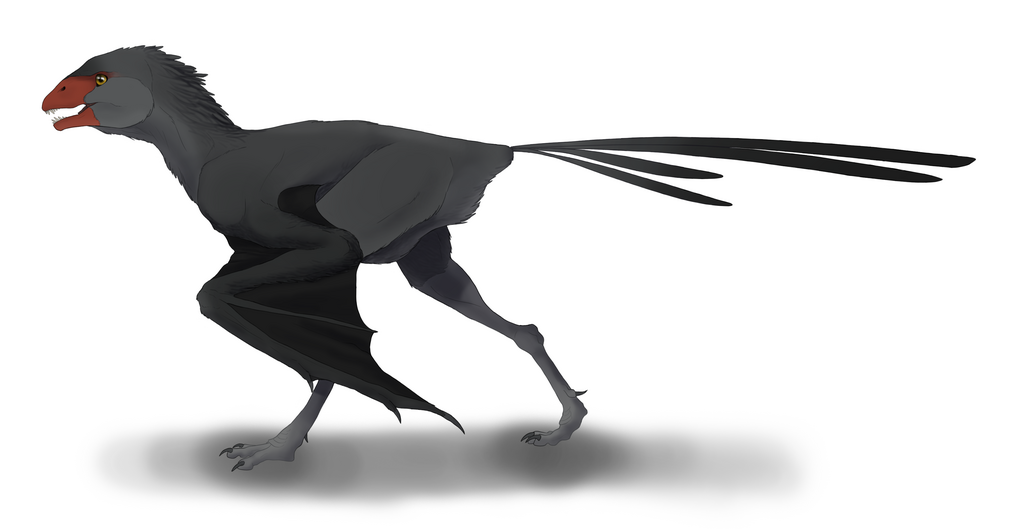
When we think of dinosaurs, we usually imagine scales, teeth, and a thunderous stomp. However, many dinosaurs, especially smaller theropods, actually had feathers. Weirdly enough, though, a lot of them couldn’t fly. So what were the feathers for? Turns out, flight was just one possible use. From staying warm to showing off, here are some of the reasons dinosaurs may have evolved feathers long before the idea of flying was even on the table.
Feathers helped regulate body temperature.
One of the clearest reasons dinosaurs developed feathers was for insulation. Just like modern birds fluff up their feathers to stay warm, early feathered dinosaurs likely used theirs to maintain a stable body temperature, especially the smaller ones that would’ve lost heat quickly. This lines up with growing evidence that many dinosaurs were warm-blooded or somewhere in between warm- and cold-blooded. Feathers gave them a natural layer of protection against cooler nights, wind, or seasonal changes in climate.
They may have been used for display.
Think about peacocks. Their feathers aren’t about flying; they’re about showing off. Some dinosaurs likely did the same. Brightly coloured or unusually shaped feathers may have helped them attract mates, scare rivals, or signal to others in their species. Fossils show evidence of symmetrical tail fans, crest feathers, and elaborate patterns. These structures probably made certain individuals stand out in the crowd—something that’s often crucial in the natural world when it comes to mating or asserting dominance.
Feathers offered protection from the elements.
Feathers might not be waterproof like scales, but they still offered some shelter from the elements. A light feather covering could shield skin from the sun, repel light rain, or even keep out biting insects. In the wild, survival often comes down to small advantages. A bit of extra protection, even if it’s patchy or sparse, could help a dinosaur endure harsh conditions better than its scaly counterparts.
They likely started out as simple filaments.
Not all dinosaur “feathers” looked like the sleek wings we see on birds today. Many started out as simple hair-like filaments, sort of like down feathers or fuzzy tufts. These early structures didn’t offer lift, but were still useful in other ways. Evolution tends to work with what’s available. Those little filaments were the first step in a long process. They may have helped trap heat, felt good during social grooming, or played a role in camouflage before developing into more complex feathers.
Some feathers may have helped young dinosaurs survive.
Juvenile dinosaurs, like young birds today, were more vulnerable to the cold and predators. Feathers could’ve offered both warmth and visual protection during their early, most fragile stages of life. In some species, downy feathers may have even helped camouflage hatchlings by breaking up their outline or helping them blend in with their environment. Staying hidden for those early weeks could mean the difference between life and becoming someone else’s lunch.

They allowed for gliding before full flight evolved.
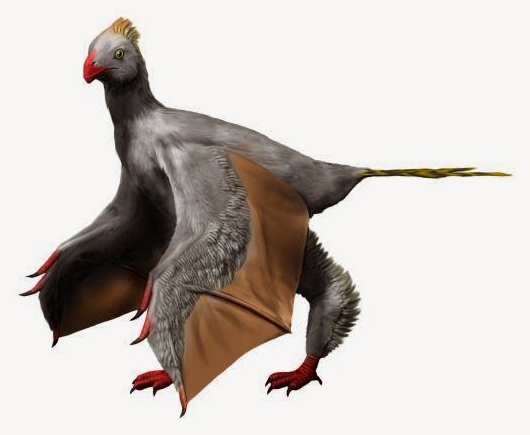
Flight didn’t happen overnight. Some feathered dinosaurs likely used their plumage for gliding, especially those with long arms and broad feather fans. Species like Microraptor had feathers on both their front and back limbs, which was perfect for tree-to-tree travel. These gliding abilities would’ve helped with escaping predators, reaching food, or moving quickly through dense forests. It wasn’t quite flying, but it was a step in that direction, and it gave natural selection more to work with over time.
They may have played a role in balance and movement.
Feathers on the arms and tails of dinosaurs may have helped them stay balanced during fast runs or sudden turns. Just like modern birds use their tail feathers for aerial control, non-flying dinosaurs may have used feathered tails to stay agile on the ground. In species that were fast runners or active hunters, anything that improved coordination could be a big advantage. Tail feathers may also have acted like a visual signal, helping herd members coordinate or intimidate rivals.
They could’ve made them harder to catch.
Feathers may have helped dinosaurs avoid predators, not by hiding, but by making them harder to grab. A predator trying to bite or claw at something covered in fluff might struggle more than if it were grabbing smooth scales. Even if it sounds small, that split-second delay could allow a feathered dinosaur to wriggle free and escape. It’s a similar idea to how some lizards shed their tails to avoid capture—minor features can save lives.
They were likely useful in social behaviour.
Feathers may have also helped dinosaurs recognise each other. In species that lived in groups, different feather patterns or colours could’ve signalled age, sex, or rank within a group. This kind of visual cue keeps social dynamics clearer and reduces conflict. We see this in modern birds all the time. Think of how roosters differ from hens, or how juvenile birds look different from adults. Dinosaurs may have used feathers for similar purposes, especially in complex social species.
They may have served as a warning system.
In nature, bright colours often serve as warnings—“stay away, I’m dangerous or poisonous.” While we can’t know exactly what colours feathered dinosaurs were, it’s possible some used feather patterns to warn off predators or competitors. This would’ve made sense if they were toxic, fast, or particularly aggressive. A bold feather display might tell other animals not to waste their energy chasing or challenging them, especially if the warning was backed up by a nasty surprise.

Feathers could’ve supported better parenting.
Some species of dinosaurs, like Oviraptor, are believed to have brooded their eggs similarly to birds. Feathers would have made that process easier, helping keep the eggs warm and protected while the parent crouched over them. This parenting style, combined with insulating feathers, suggests a big step toward modern bird-like behaviours. Even without flight, feathers gave these creatures a better chance at raising their young successfully.
They may have offered camouflage.
Feathers aren’t just for show. They can also help animals blend in. Some feathered dinosaurs likely had muted, mottled patterns that broke up their shape and helped them hide in forests, ferns, or shadows. This would’ve been especially helpful for smaller species, or for juveniles trying to avoid predators. Blending into your background is one of nature’s oldest tricks, and feathers only made it more effective.
Feathers developed long before birds existed.
The first feathers appeared millions of years before the first true birds evolved. That means flight wasn’t the original purpose. They were adapted for it later. Feathers had other benefits first, and flying came later down the evolutionary path. So even dinosaurs that couldn’t fly helped pave the way for birds as we know them today. Feathers weren’t “wasted” on them. They were just part of a much longer story that was still unfolding.
Evolution doesn’t always need a purpose right away.
One thing to keep in mind: not every evolutionary feature appears with a clear goal. Feathers may have started as something small and random, filaments that didn’t get in the way, and then slowly gained function over time. Once they were in place, natural selection found new ways to use them. It’s a reminder that evolution isn’t about perfect design—it’s about trial, error, and surprising outcomes. Dinosaurs didn’t need to fly to make feathers useful. They just had to survive long enough to pass them on.