If you’re after a low-maintenance, eco-friendly garden, native plants are hard to beat.
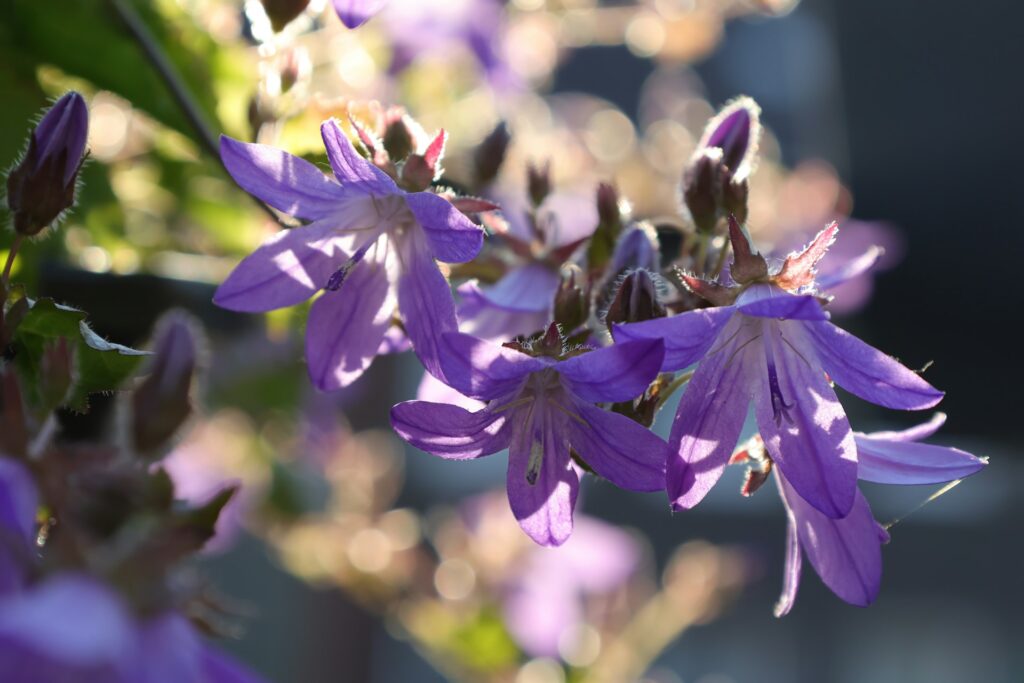
Once established, many of them don’t need extra feeding at all. They’ve evolved to thrive in local soils, local weather, and with very little fuss. Whether you’re working with poor soil or just want to cut down on fertiliser use, these native UK plants are strong, reliable, and perfectly content without chemical help.
1. Foxglove (Digitalis purpurea)

Foxgloves are one of the easiest wildflowers to grow, and they’re incredibly tolerant of less-than-perfect conditions. Once they’ve settled in, they’ll happily pop up each year without any fertiliser or fuss. Just let them seed themselves and they’ll keep going. They love semi-shade and thrive in woodland-style borders or cottage gardens. The tall spikes draw in bees and give your space that romantic, slightly wild look, without you having to lift a finger.
2. Common knapweed (Centaurea nigra)
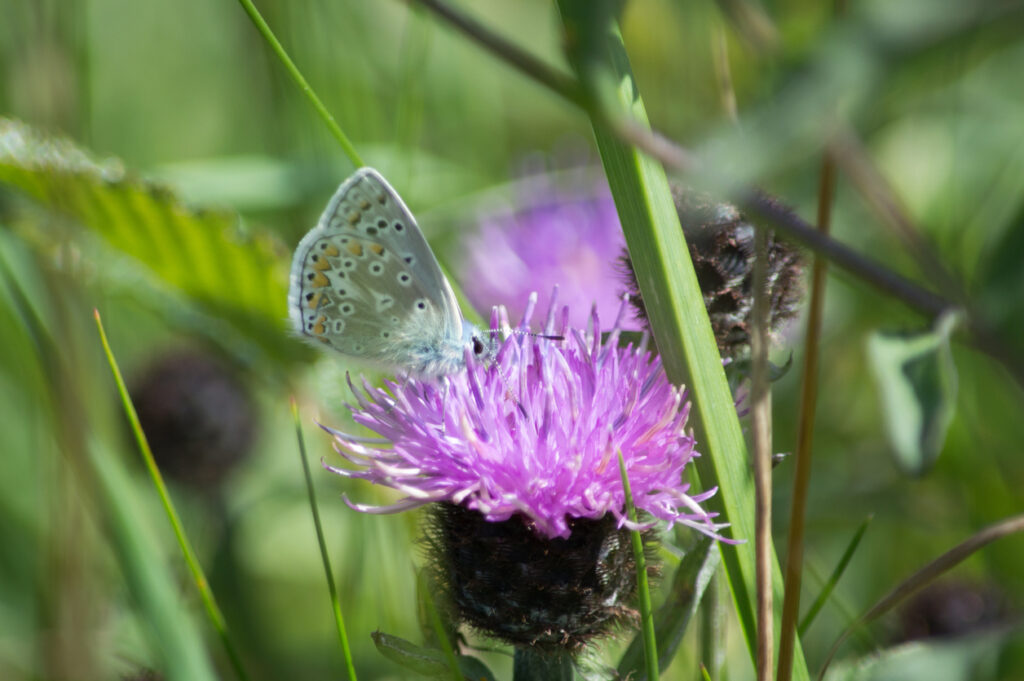
This plant’s got old meadow energy. Knapweed thrives in poor, dry soils and actively dislikes being pampered. In fact, giving it rich soil can actually weaken its flowering. Once it’s taken root, it pretty much runs on autopilot. It’s great for pollinators, and its purple tufts give any border a more natural, relaxed vibe. Ideal if you’re going for a wilder patch and want to encourage bees without endless upkeep.
3. Field scabious (Knautia arvensis)
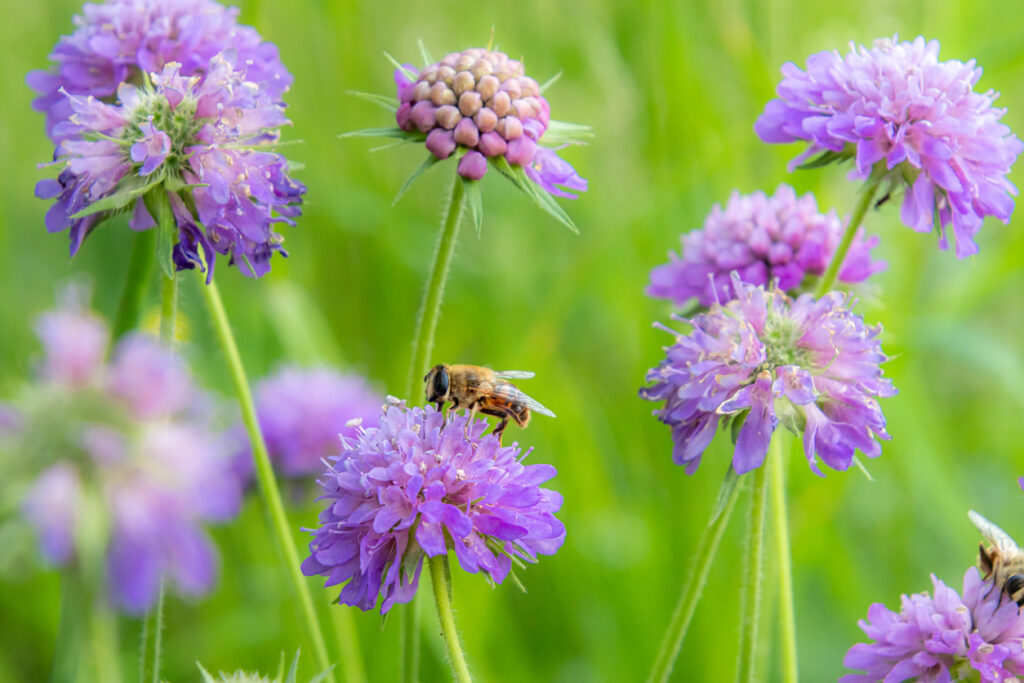
Field scabious is one of those wildflowers that seems to do its own thing. It doesn’t care if your soil’s poor or your watering habits are inconsistent. Once established, it can survive happily without added fertiliser. The lilac flowers bloom through summer and are a magnet for butterflies and hoverflies. Just give them a bit of space and some sun, and they’ll reward you with months of colour and movement.
4. Betony (Stachys officinalis)
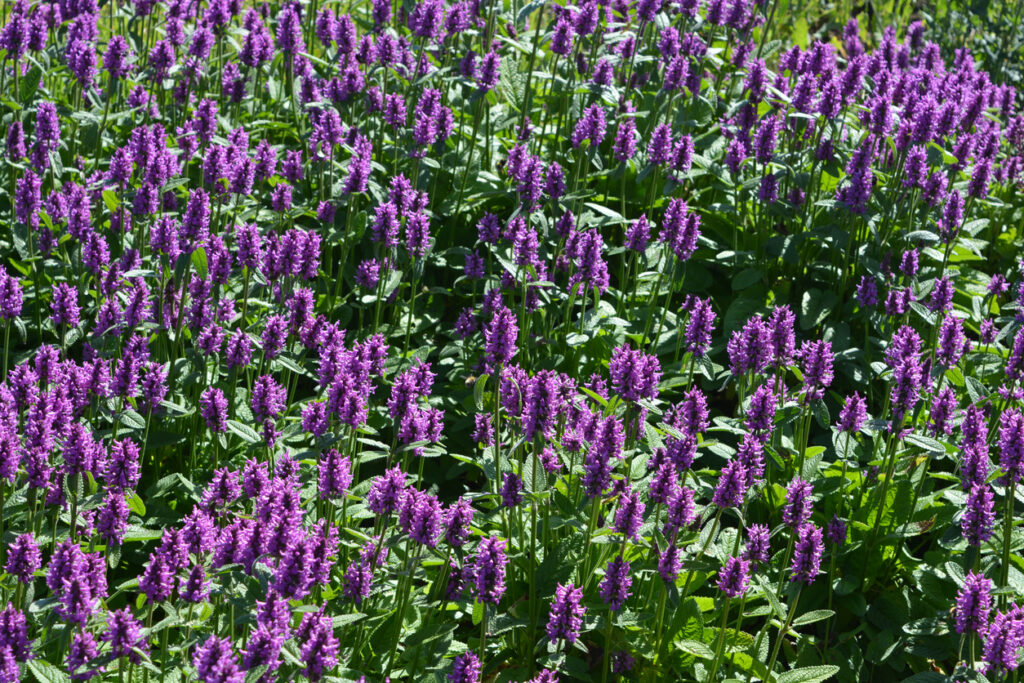
Betony is a tough little native perennial that can deal with dry soil, low nutrients, and full sun or light shade. Once it’s settled in, you’ll never need to feed it. It’s a plant that knows how to fend for itself. It produces spiky magenta flowers from late spring through to early autumn and is well-behaved enough to mix in with more formal borders, despite its wild roots.
5. Meadow cranesbill (Geranium pratense)
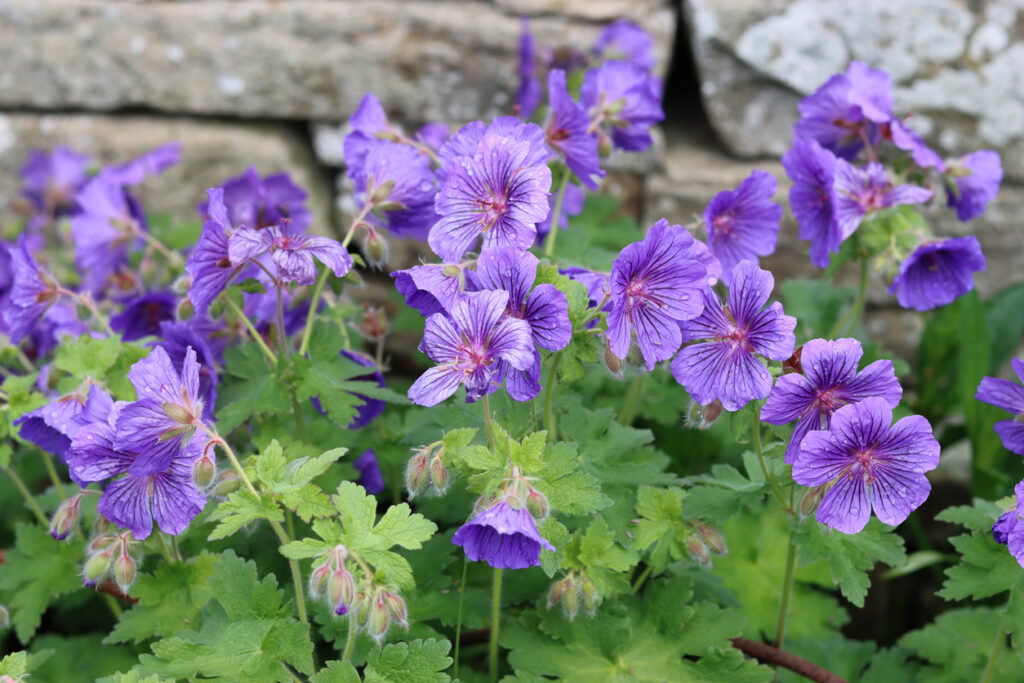
With its sky-blue flowers and soft, rounded leaves, meadow cranesbill looks delicate, but don’t be fooled. It’s as tough as they come and doesn’t want or need fertiliser to keep blooming. It copes well with most soil types, including chalky or sandy ones, and spreads gently without becoming invasive. It’s also a hit with bees and makes a great companion plant in wildflower areas or mixed beds.
6. Oxeye daisy (Leucanthemum vulgare)
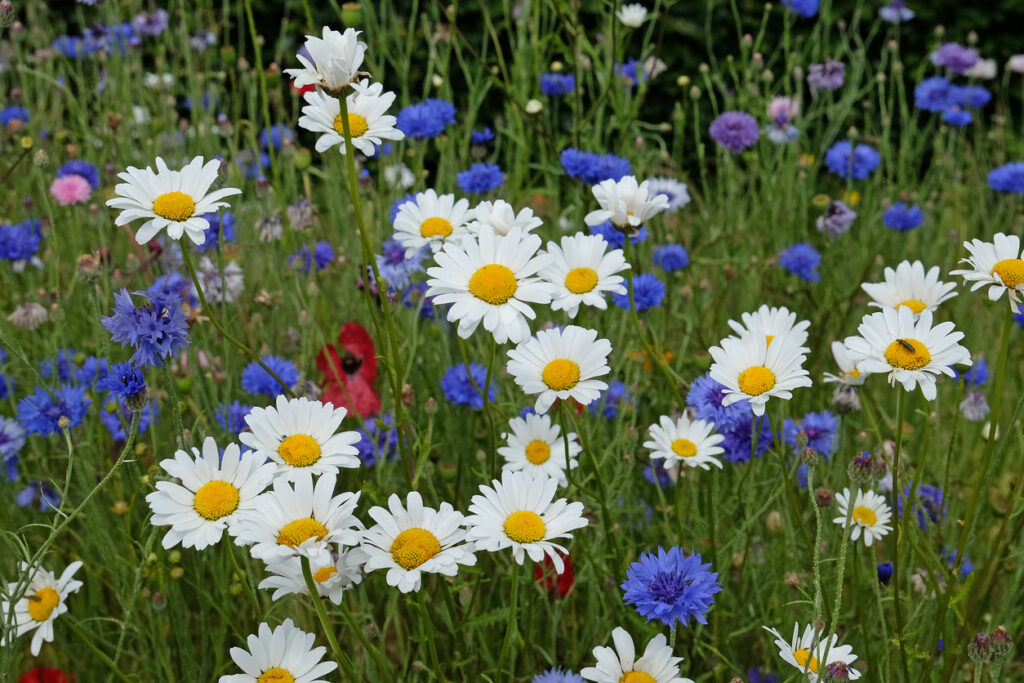
Big cheerful daisies with absolutely no demands—that’s oxeye daisy in a nutshell. This native wildflower actually prefers poor soil, and it thrives in spots where other plants might give up. Let it naturalise in your lawn, along paths, or in a wild corner. It spreads easily by seed and creates a bright, meadow-like feel wherever it grows—no fertiliser required.
7. Common yarrow (Achillea millefolium)
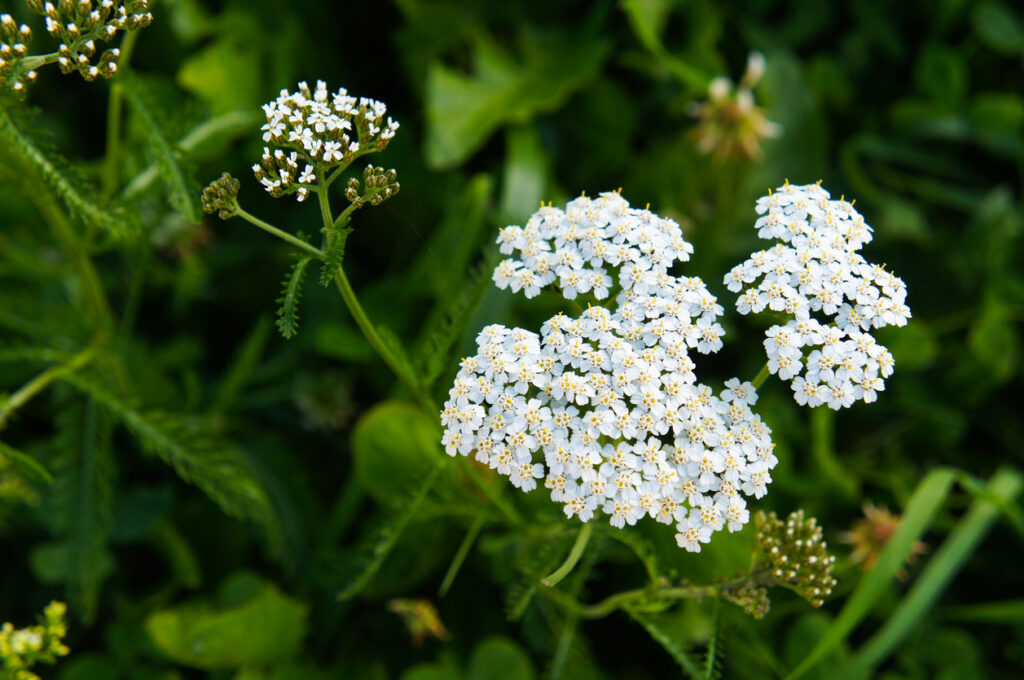
Yarrow is built for survival. It grows in everything from roadside verges to rocky hillsides and doesn’t care if the soil is light on nutrients. Once established, it’ll return every year with almost no input from you. The feathery leaves and flat flower heads come in soft whites and pinks, attracting insects and adding texture to your planting. It’s also drought-tolerant, making it a good choice for changing weather patterns.
8. Red campion (Silene dioica)
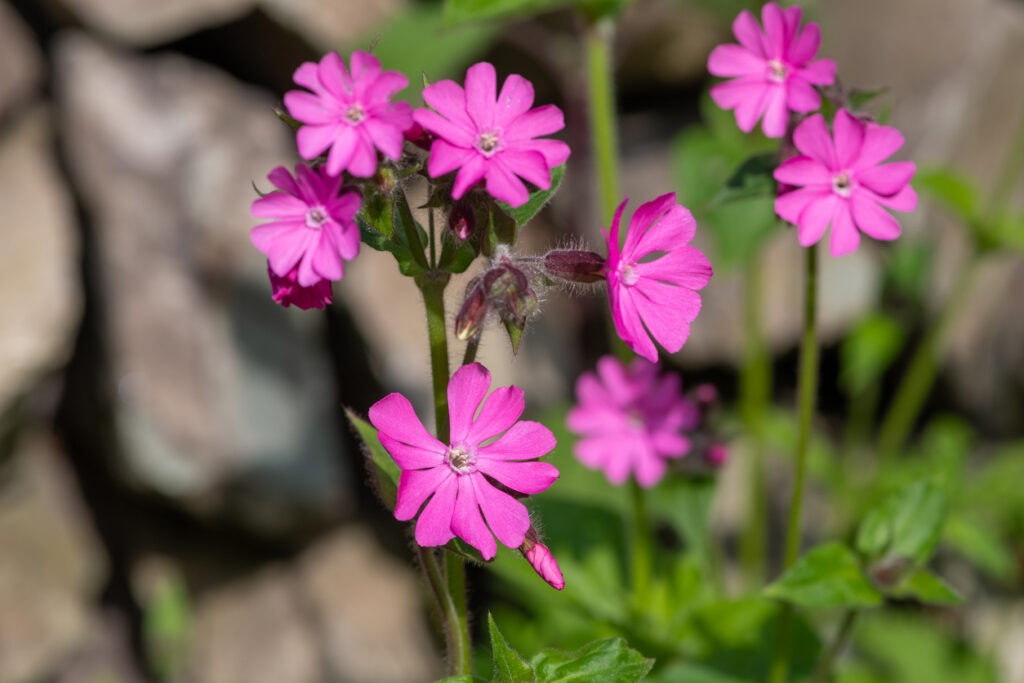
Red campion adds a splash of colour to shady spots and woodland edges, and once it finds its feet, it doesn’t need any feeding at all. In fact, it tends to do best when left alone. Its pink blooms appear from spring through summer, and it self-seeds gently without taking over. Great if you’re looking to fill out those tricky semi-shaded areas without ongoing care.
9. Harebell (Campanula rotundifolia)
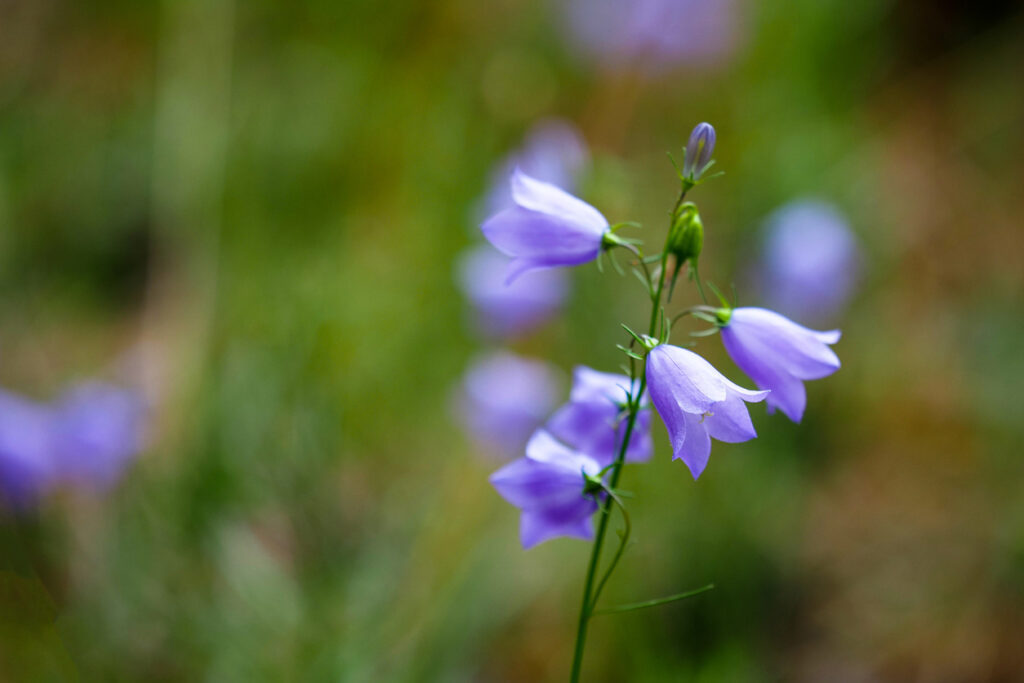
These delicate bell-shaped flowers sway on thin stems and look dainty—but they’re far from fragile. Harebells do best in dry, nutrient-poor soils, where they’ll flower reliably each summer without any extra help. They’re especially good for gravel gardens, rockeries, or exposed spots where pampered plants might struggle. Give them a sunny position, and they’ll more than hold their own.
10. Self-heal (Prunella vulgaris)
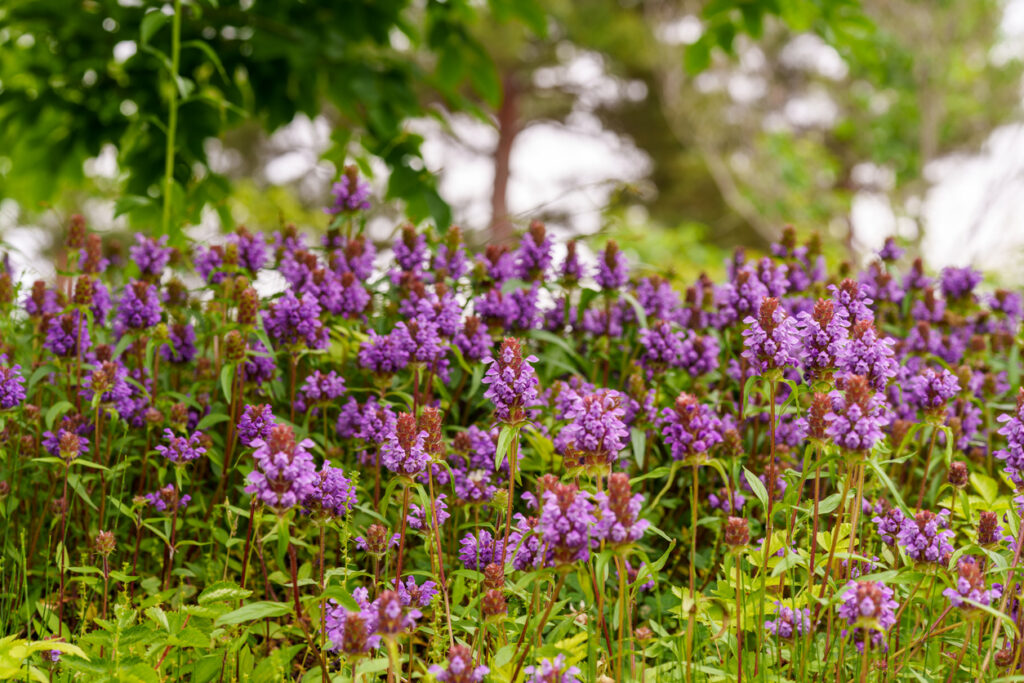
This humble purple wildflower is a champion of lawns, meadows, and naturalised borders. It grows low and dense, and once it’s established, it needs no fertiliser and barely any water to keep going strong. It’s great for ground cover, especially in areas where you want something native, hardy, and pollinator-friendly. You can mow it or let it spread. It’s happy either way.
11. Wood anemone (Anemone nemorosa)
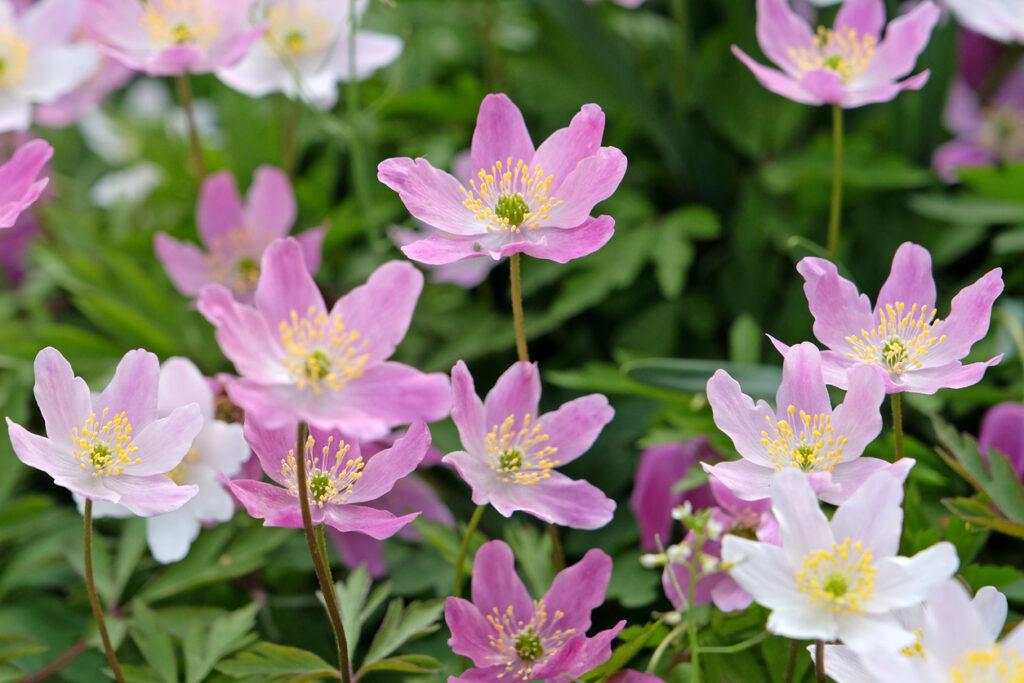
Wood anemones bring early spring charm to shady areas and need virtually nothing from you once they’ve settled in. They thrive in dappled woodland light and natural leaf mulch, no extra feeding necessary. These star-shaped flowers pop up from a creeping root system and gently carpet the ground over time. Let them do their thing and enjoy the soft, low-maintenance beauty they bring each year.
12. Lady’s bedstraw (Galium verum)
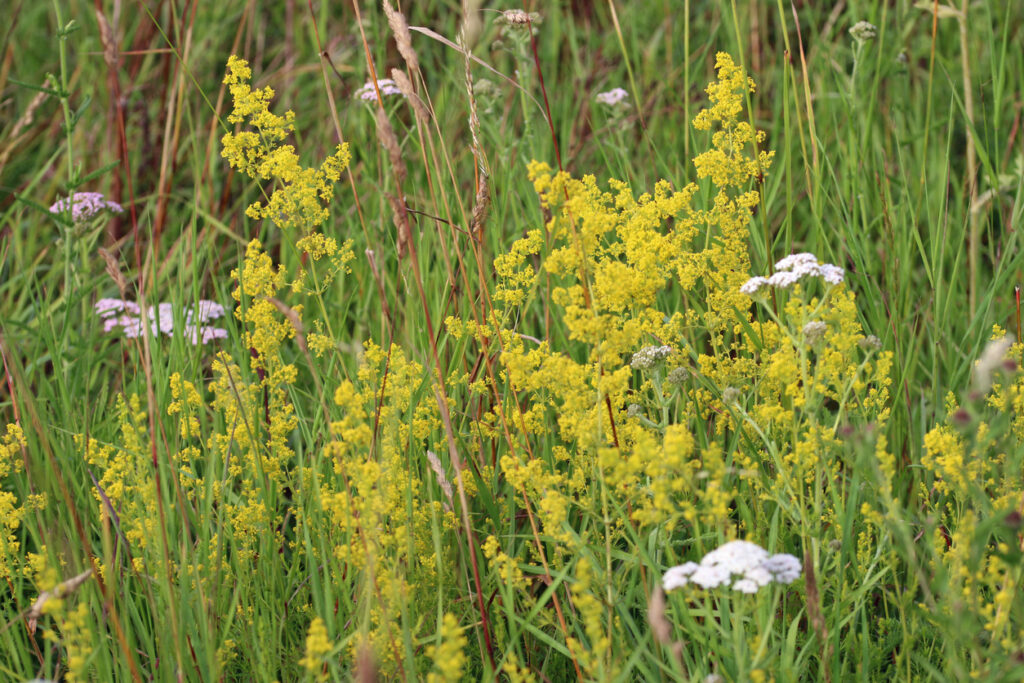
This golden-flowered native was once used to stuff mattresses, hence the name, and it’s just as comfortable in your garden, especially if the soil is dry and poor. It doesn’t need fertiliser and actually sulks if the conditions are too rich. Its delicate stems and clouds of yellow flowers add a soft, airy feel to borders or meadow patches. It’s particularly good for sunny spots where you want something light and fragrant with zero maintenance.