
Most of us have had at least one unfortunate run-in with a patch of nettles, usually while wearing shorts, walking the dog, or reaching for something without looking. However, what exactly makes nettles sting in the first place? And is there any truth to the age-old advice about rubbing dock leaves on the rash? Turns out, there’s a bit of fascinating science behind that burning sensation, and some surprisingly logical reasons why it works the way it does.
Nettles sting because of tiny needle-like hairs.
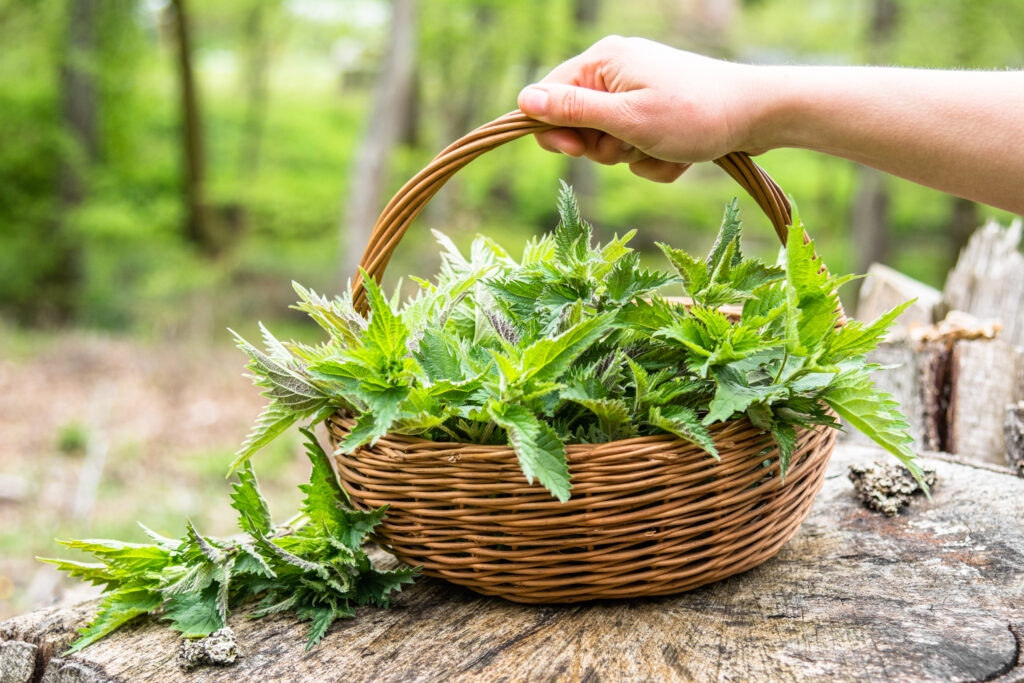
Stinging nettles are covered in fine, hollow hairs called trichomes. These act like miniature hypodermic needles: sharp at the tip and full of irritating chemicals. When you brush against them, the tips break off and inject the stinging mixture into your skin.
They’re more than just pokey, though. These hairs are built to pierce skin easily and leave behind a cocktail of chemicals designed to make animals think twice about munching on them. Evolution, it turns out, is full of deterrents with attitude.
The sting comes from a chemical mix.
Inside those hairs is a mixture that includes histamine, acetylcholine, formic acid, and serotonin. Together, they trigger a burning, itchy, stinging reaction, which is your skin’s way of sounding the alarm that something’s not right. It’s a mix that causes both pain and inflammation. Histamine sparks the redness and swelling, while other compounds confuse nerve endings and prolong the discomfort. That’s why the sting doesn’t stop the moment you walk away.
It’s a defence mechanism, not an attack.
Nettles don’t sting because they’re aggressive. The sting is a protective measure meant to keep animals, humans, and curious grazers from tearing them up. It’s a natural version of “do not touch” tape. By making the experience unpleasant, nettles give themselves a better shot at survival in the wild. Many plants have thorns or bad tastes. Nettles just took a sharper, itchier approach to self-defence.
Not all nettles sting.
It’s easy to assume every nettle will sting, but not all of them do. Some species, like the dead-nettle (which looks similar), have no stinging hairs at all and are perfectly harmless to touch. Dead-nettles are often mistaken for their stingy cousins, but their flowers are usually more prominent, and their leaves tend to feel softer. If you’re not sure which you’re dealing with, it’s best to use caution and maybe keep your sleeves rolled down.
Dock leaves grow nearby for a reason.
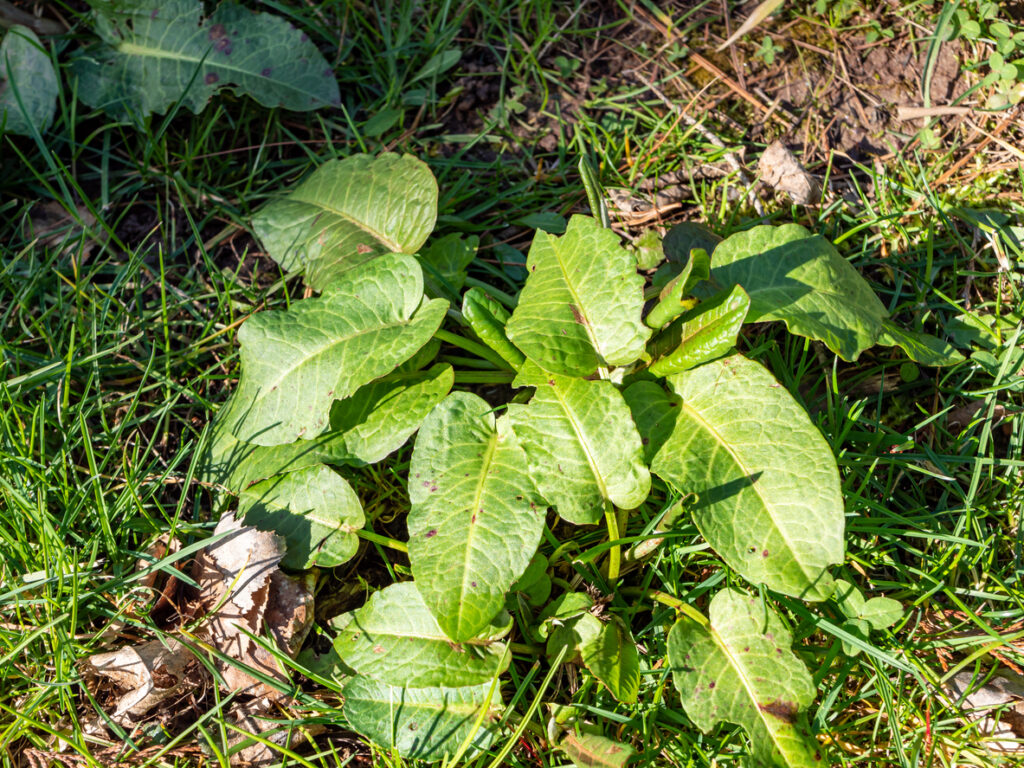
It’s not a coincidence that dock leaves often grow near nettles. They both like similar conditions—moist soil, disturbed ground, shady hedgerows. So when you get stung, help is often right at hand. This proximity is why dock leaves became the go-to natural remedy generations ago. They were simply the most available and recognisable plant in the area, and when you’re itching, that’s good enough.
Do dock leaves actually work?
Scientifically speaking, dock leaves don’t contain any magical anti-sting compound—but rubbing them on your skin can help in a few practical ways. The cool moisture soothes the sting, and the rubbing action helps distract your brain from the burning. It’s a mix of placebo, distraction, and gentle relief. While they might not neutralise the chemicals directly, they offer comfort, which can be just as helpful in the moment. In short: they’re not miracle cures, but they’re far from useless.
Rubbing a leaf helps remove nettle hairs.
Some of the pain from a nettle sting comes from the hairs still lodged in your skin. By rubbing a large, smooth leaf (like a dock leaf) gently over the area, you can help dislodge the remaining hairs and ease the reaction faster. It’s like brushing off nettle splinters, reducing the chances of extra chemicals going deeper. Just make sure the leaf is clean, and you’re not accidentally rubbing on something you’re allergic to instead.
Cooling the sting is key.
Whether it’s a dock leaf, cold water, or even a chilled can from your backpack, anything cool can help calm the inflammation and dull the pain. Nettles don’t cause permanent damage, but the sting can linger for a while if left untreated. Cooling the area helps shrink the blood vessels, reducing swelling and calming irritated nerves. That’s why running your hand under cold water or pressing something cold onto the skin usually feels amazing after a sting.
Antihistamines can help with stronger reactions.
If you’re especially sensitive or have been stung on a more delicate area, an over-the-counter antihistamine can reduce the itch and redness. These work by blocking the histamine your body releases in response to the sting. It’s usually not necessary for most minor stings, but for kids, repeated stings, or people with sensitive skin, it can make a big difference in how uncomfortable the aftermath feels.
Prevention beats cure.
Knowing what nettles look like is your best defence. They’ve got jagged, heart-shaped leaves with a textured surface and grow in clusters about knee-height, often in shaded or overgrown areas. Long sleeves, trousers, and a bit of awareness go a long way. If you do get stung, at least now you know what’s going on and what you can do about it, dock leaf optional.