Most people don’t associate the British countryside with exotic-looking flowers, but if you know where to look, some of the UK’s wild orchids are genuinely show-stopping.
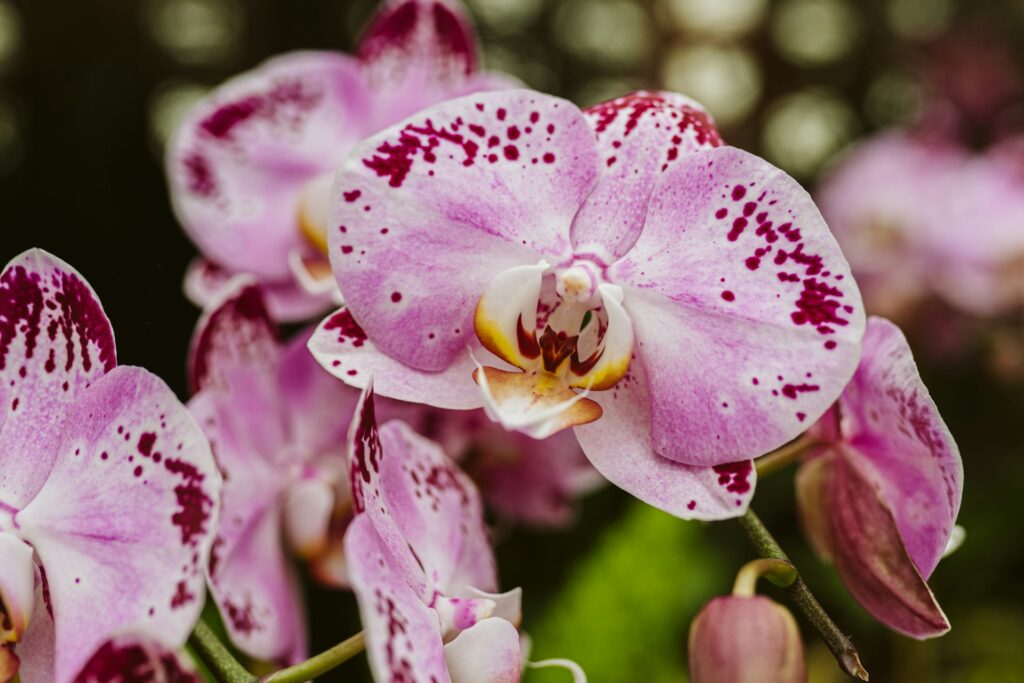
These aren’t greenhouse divas. They’re hardy, seasonal, and often hidden in woodlands, chalk grasslands, and quiet corners of meadows. Many of them are rare, some are threatened, and all of them have that weird, elegant charm orchids are known for. Here are 13 of Britain’s most beautiful wild orchids worth keeping an eye out for.
1. Lady’s-slipper orchid
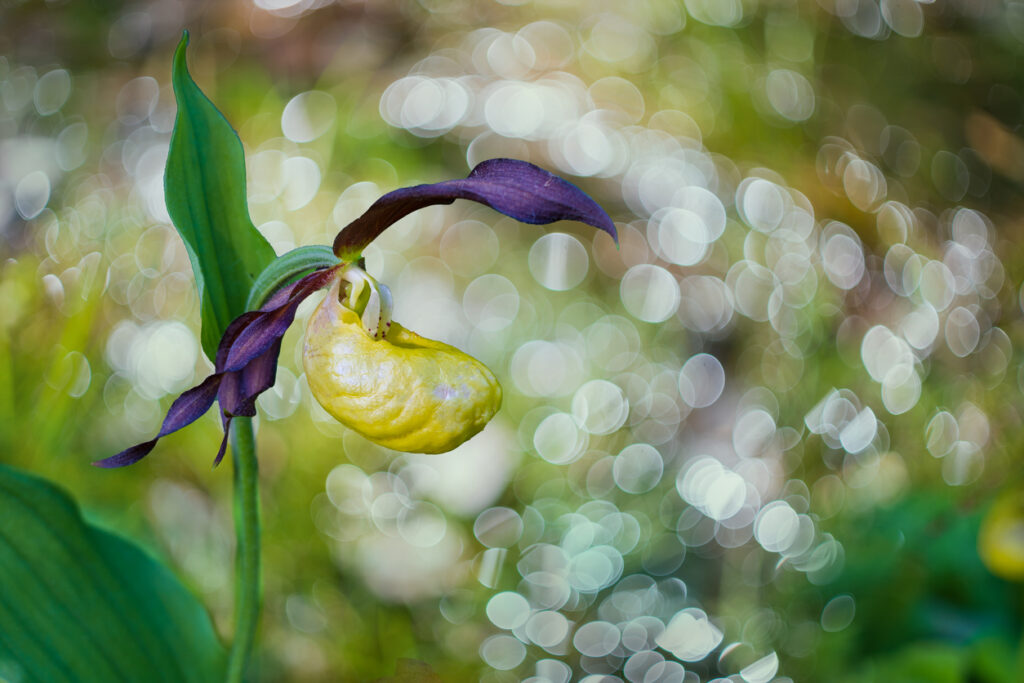
Once thought to be extinct in the UK, the lady’s-slipper orchid is making a cautious comeback. Its bright yellow “slipper” and rich maroon petals make it look like something out of a fairytale, and it only grows in a handful of secret sites in northern England. Conservation efforts have helped bring this stunner back from the brink, but it’s still one of the rarest flowers in Britain. If you do spot one, consider yourself lucky, and definitely don’t try to pick it.
2. Bee orchid

The bee orchid gets its name from its uncanny ability to mimic the look of a female bee. This helps lure in real bees for pollination, though in the UK, they mostly self-pollinate these days. They’re more common than many others on this list and can pop up in meadows, roadside verges, and even golf courses. You’ll usually see them in early summer, with their fuzzy, cartoonish flowers standing about 30 cm tall.
3. Early spider orchid
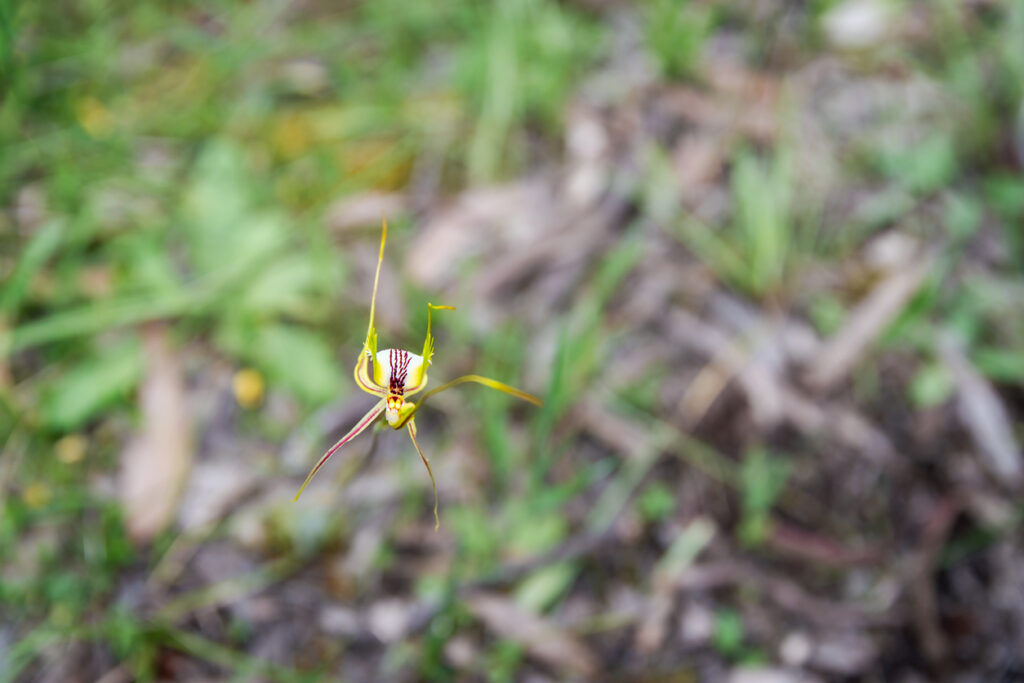
With its dark brown, spider-like markings, the early spider orchid is one of the UK’s most distinct native species. It’s mostly found in Dorset and other parts of the south coast, blooming as early as April. Despite its spooky name, it’s not dangerous—it’s just playing a visual trick to attract pollinators. This one thrives on chalky soil and tends to grow in small, easily missed clusters close to the ground.
4. Monkey orchid
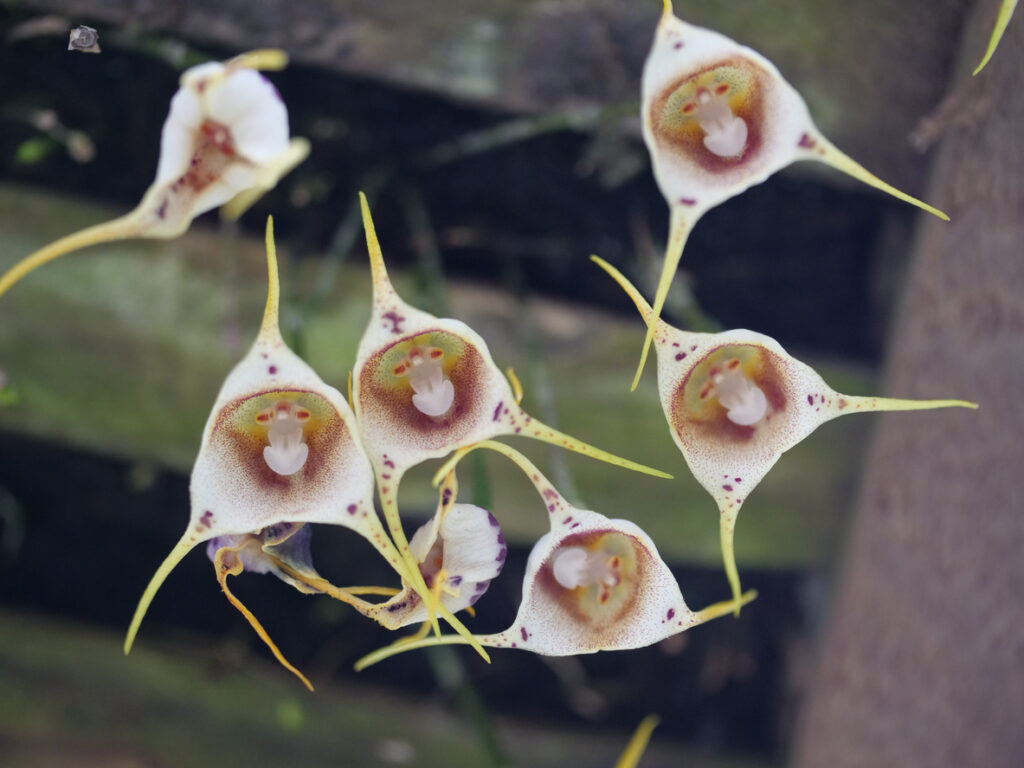
This rare orchid actually resembles a little dancing monkey if you squint just right. Its pale petals are streaked with purple, and its flower spikes grow upright from grassy banks and open woodlands. You’ll only really find it in a few places in Kent and Oxfordshire, where it’s been carefully protected. It blooms in May and June and is a strong contender for one of the UK’s weirdest wildflowers.
5. Fly orchid
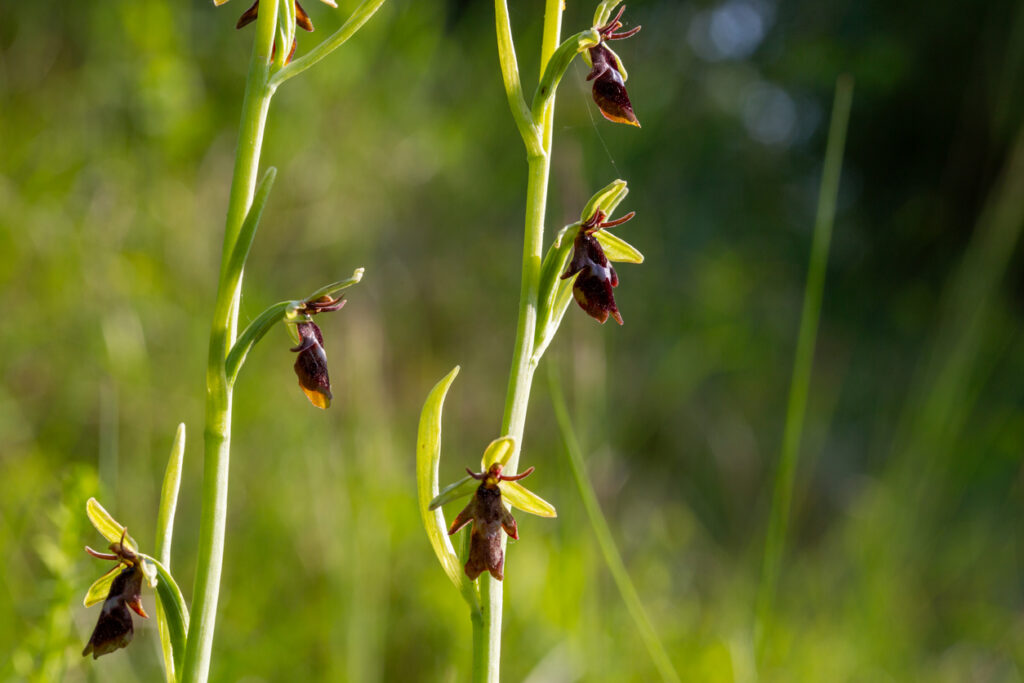
Despite the name, the fly orchid is oddly beautiful. Its flowers look like tiny, dangling insects—deep burgundy and shiny, with two bright “eye spots” on each one. It’s a clever disguise designed to attract flies for pollination. You might spot it in woodland clearings or along chalky slopes, often standing tall among grasses. Its eerie charm makes it a favourite among orchid enthusiasts and wildflower photographers.
6. Pyramidal orchid
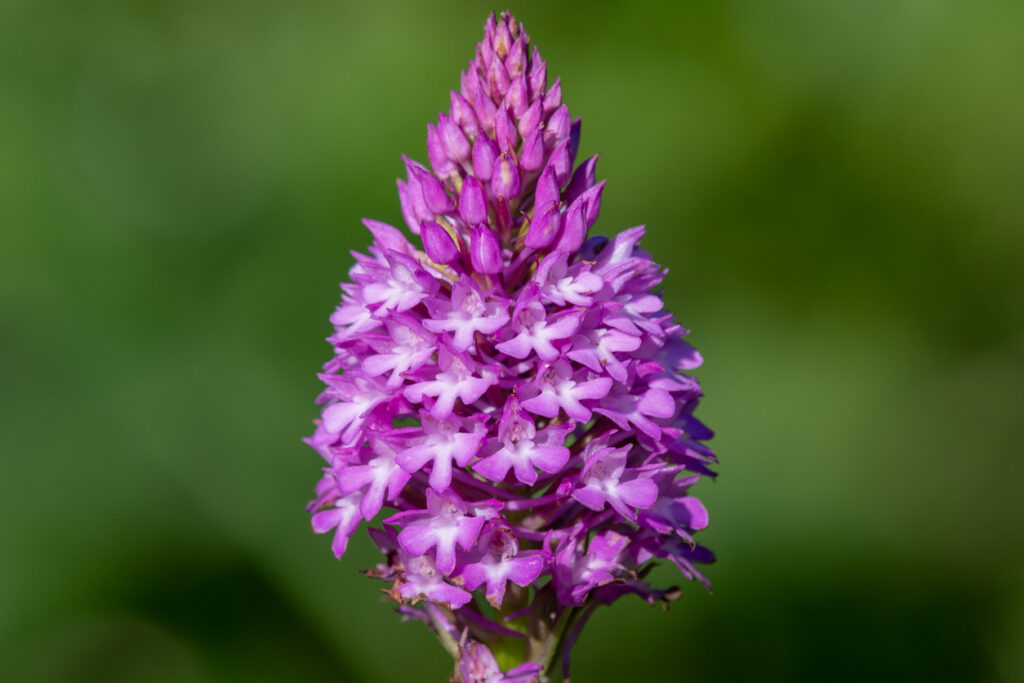
This one’s easier to find but still absolutely lovely. As the name suggests, it grows in a neat pyramid shape with bright pink or purple flowers packed into a cone-like cluster. Pyramidal orchids thrive in sunny, grassy spots across much of southern England and Wales. They usually bloom in June and July and are a good introduction to spotting wild orchids in the UK.
7. Green-winged orchid
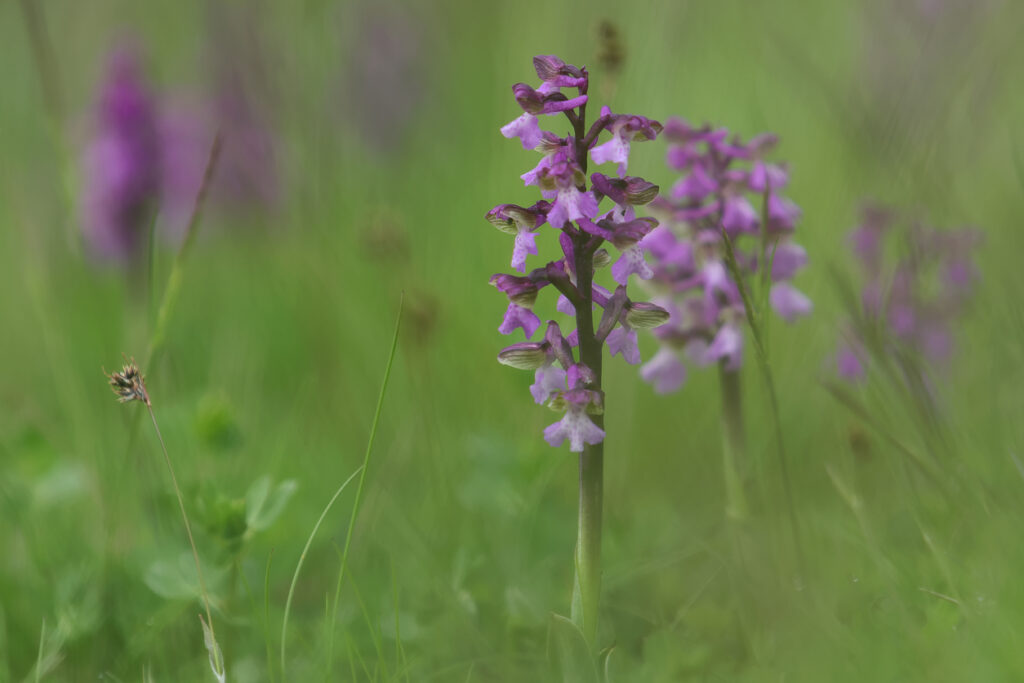
This spring bloomer is named for the green stripes on the sides of its purple petals, which look a bit like insect wings. It’s a compact, charming little plant that’s become increasingly rare in recent decades. It tends to grow in ancient meadows and unimproved pastures—places that haven’t been ploughed or reseeded. The best time to catch them is late April to early May, especially in southern and central England.
8. Greater butterfly orchid
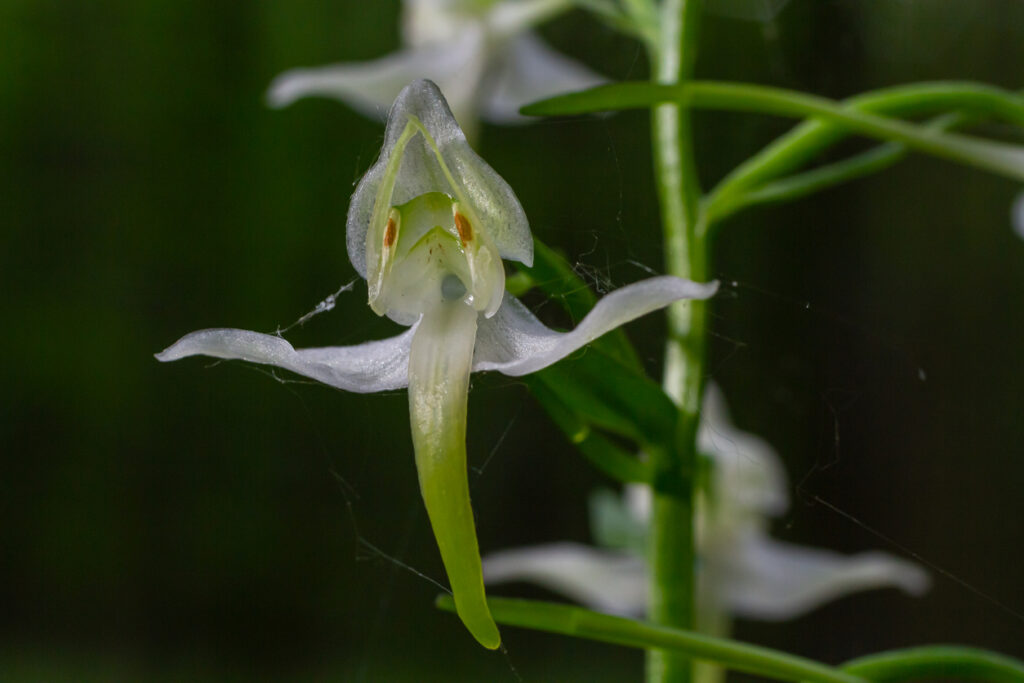
With its soft white flowers and long, elegant shape, the greater butterfly orchid has a subtle beauty that’s easy to miss. Look closely, though, and its slender petals and sweet scent make it a standout. It’s often found in shady woodlands or grassy banks and is one of the few wild orchids you might smell before you see. It’s most active in June and early July and does well in areas with low disturbance.
9. Lesser butterfly orchid
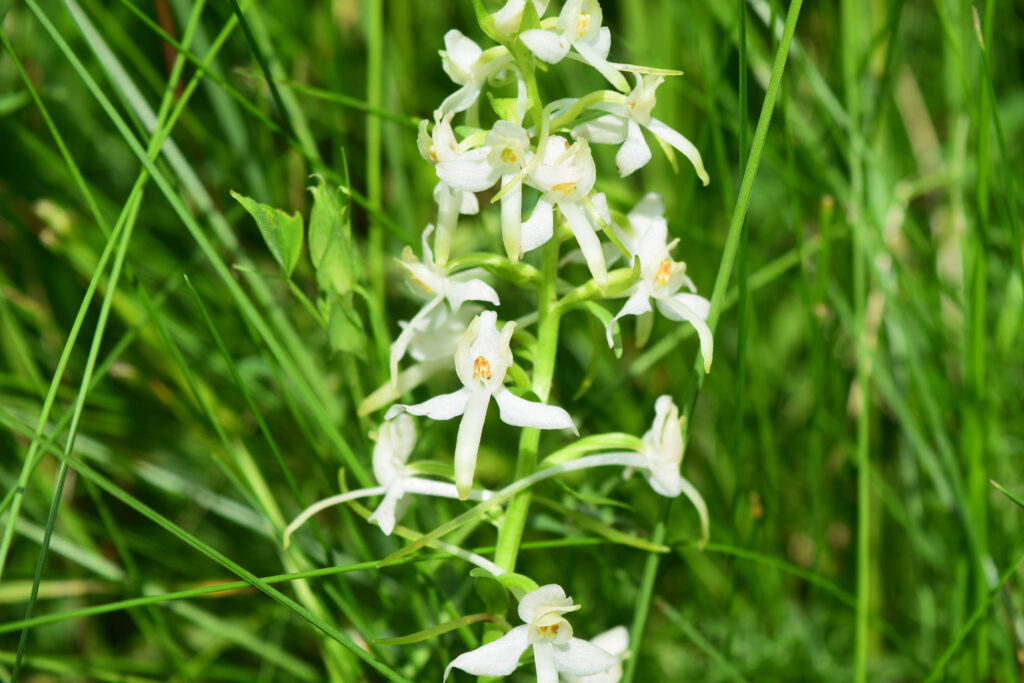
This close cousin of the greater butterfly orchid is, unsurprisingly, a bit smaller and more delicate-looking. It shares the same creamy-white colour but grows in fewer locations and prefers slightly wetter soil. You’ll usually find it in western parts of the UK, particularly in upland meadows or boggy grasslands. It’s one of those flowers that rewards patient observers, often hiding in plain sight among taller grasses.
10. Marsh helleborine
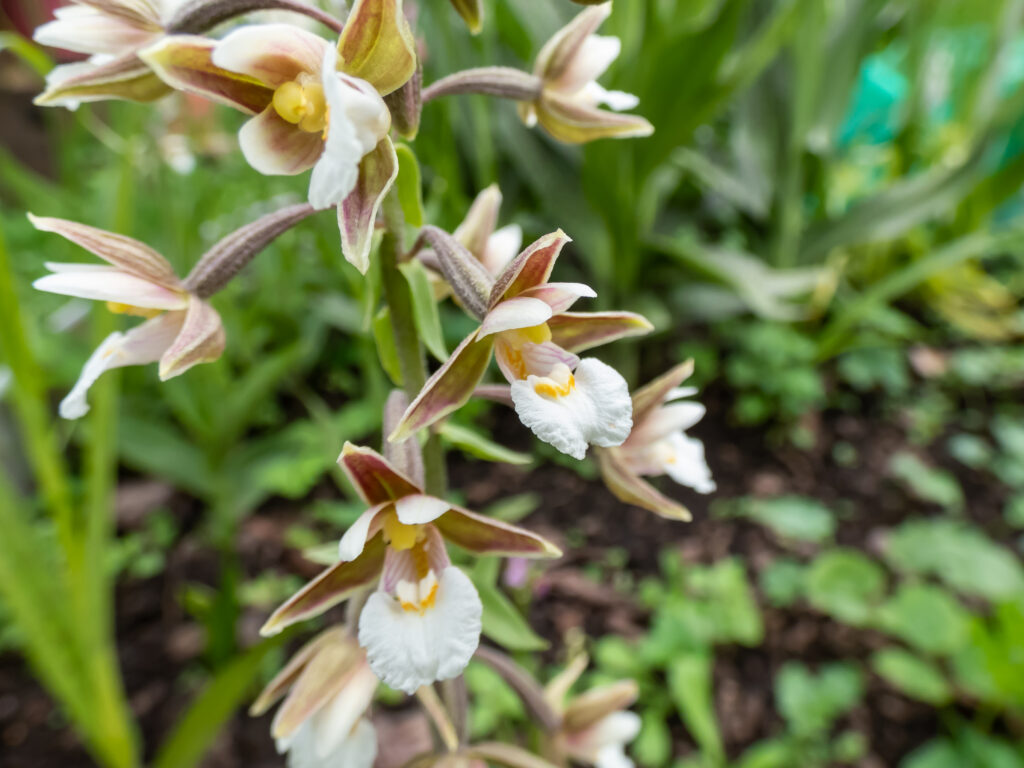
This stunning orchid grows in wet, lime-rich places like fens and dune slacks. Its pink and white petals look almost tropical, with frilly inner lips and a striped central vein that catches the light beautifully. Though rare, it can sometimes be found in coastal areas of Wales and northern England. Flowering between June and August, the marsh helleborine is proof that even British wetlands can surprise you with colour and flair.
11. Burnt-tip orchid
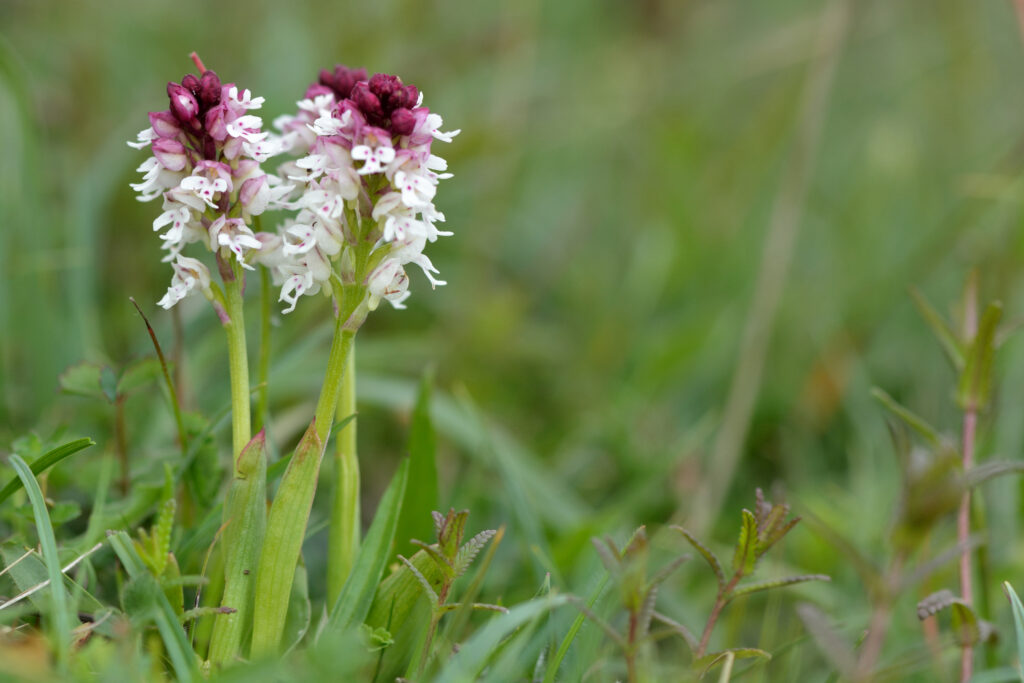
This rare beauty gets its name from the way its dark purple flower buds contrast with the white blooms beneath, giving the spike a scorched look. Despite its dramatic appearance, it’s surprisingly tiny, often under 20 cm tall. You’ll have the best chance of spotting it on old, undisturbed grasslands, especially in Dorset, Wiltshire, or the South Downs. It flowers from May to June and is one of the UK’s most threatened orchid species.