When a heat wave hits, it’s not just people who struggle—your garden does too. Flowers, in particular, can wilt, scorch, or completely give up if the sun’s too intense or the soil dries out. But with a few simple tricks, you can help them survive the worst of the heat without turning your garden into a full-time job. Here’s how to keep your blooms looking bright when the weather’s anything but kind.
Water early or late, not in the midday sun.
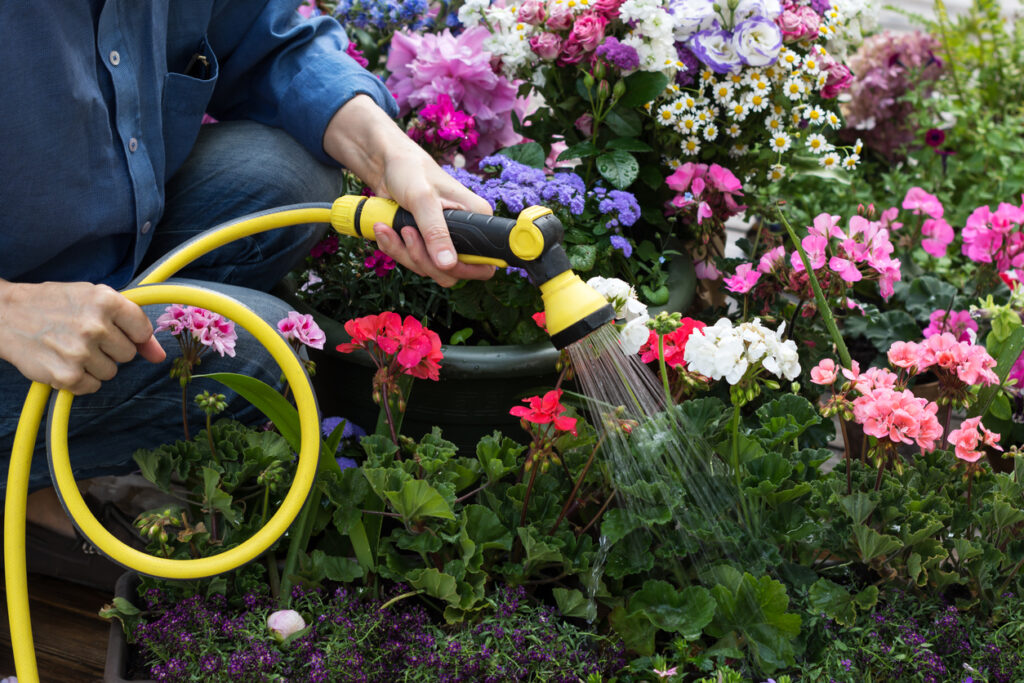
The best time to water your flowers is early in the morning or late in the evening. This helps the soil absorb the moisture properly without it evaporating straight away in the heat. Midday watering often does more harm than good—sunlight on wet leaves can cause scorching, and most of the water just steams off before the plants can drink it. Early and deep watering gives them the best chance of staying hydrated.
Focus on the roots, not the leaves.
When watering, aim for the base of the plant rather than spraying over the top. Leaves don’t take in water, roots do, so you want to soak the soil around the base where it really counts. Wet leaves in direct sun can also lead to burns, so keeping your watering low and focused helps protect the entire plant. It’s a small habit change that makes a big difference.
Add a layer of mulch.
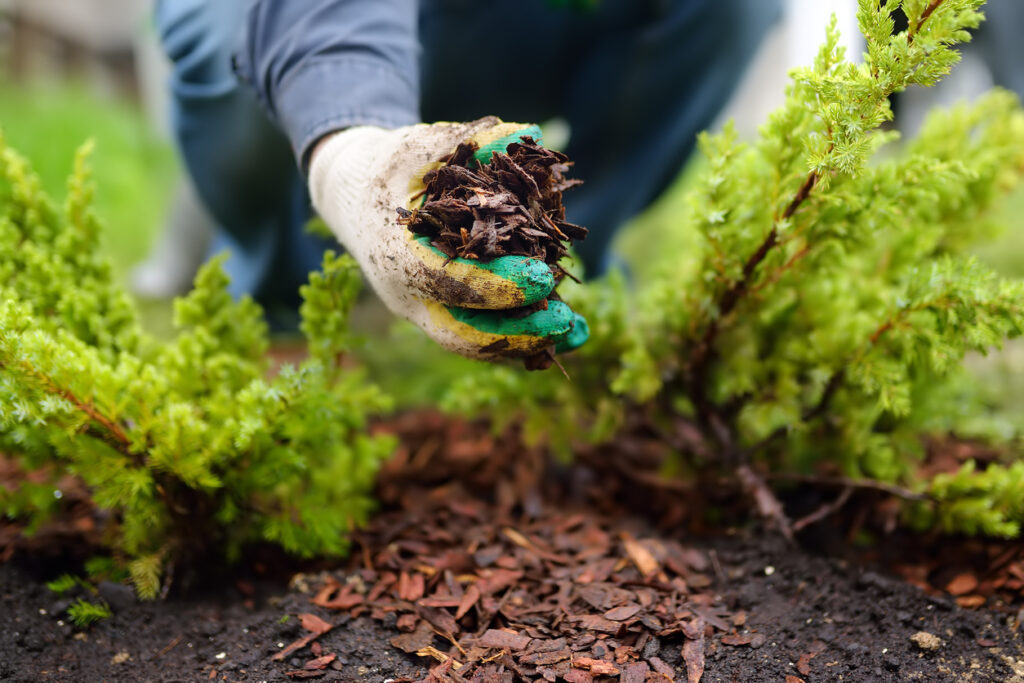
Mulching is one of the easiest ways to keep soil cool and moist during a heat wave. A layer of bark, straw, or even grass clippings can stop water from evaporating and protect the roots underneath. It also suppresses weeds, which compete for moisture. Just make sure the mulch doesn’t touch the plant stems directly. Leave a small gap to avoid rot in damp conditions later on.
Move pots into the shade.
Potted flowers are especially vulnerable because they heat up faster and dry out quicker. During a heat wave, move them into a shadier spot—under trees, next to walls, or anywhere that gets a break from direct sun. If you don’t have much natural shade, use garden umbrellas, shade cloths, or even a bit of DIY cardboard to give them cover. Just that bit of shelter can stop plants from wilting entirely.
Group plants together.
Clustering pots and containers together helps create a more humid microclimate. Plants lose less moisture this way, and the surrounding air doesn’t dry out quite as fast. It’s also easier to water them all at once, and they can shade each other’s roots slightly. Think of it as teamwork for survival. It really does work better than leaving them isolated.
Use shade cloth or garden fabric.
Temporary shade cloth can be a lifesaver for delicate or newly planted flowers. Draped over canes or supports, it reduces sunlight intensity while still letting air circulate. If you don’t have official garden fabric, old sheets or lightweight towels will do in a pinch. It’s especially useful for areas that get full sun all day with no natural cover.
Cut back faded blooms and weak stems.
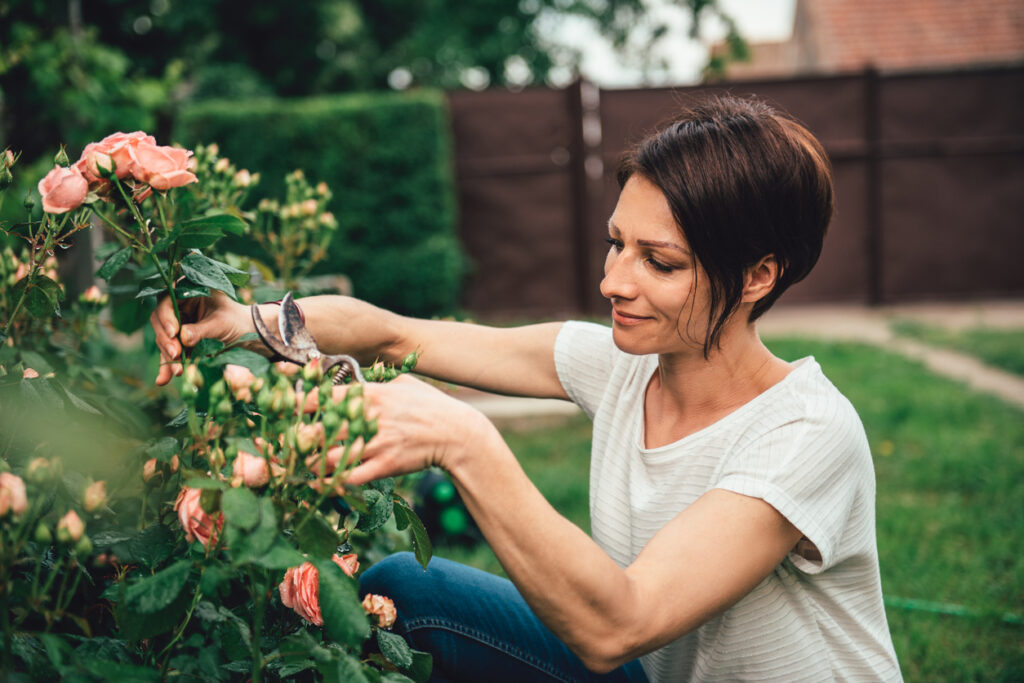
Deadheading and pruning during a heat wave might seem counterintuitive, but it helps your plants conserve energy. By removing flowers that are already struggling, you give the plant more strength to focus on survival. Trim away anything crispy, drooping, or faded. It tidies things up, reduces stress, and stops the plant wasting water on flowers that won’t recover.
Avoid fertilising until it cools down.
Heat waves aren’t the time to encourage new growth. Fertilisers push plants to produce more leaves and flowers, which puts extra pressure on them when water is limited and temperatures are high. Wait until the weather settles before feeding your flowers again. Right now, it’s all about maintenance, not pushing them to do more than they can handle.
Water slowly and deeply.
A quick splash from the hose isn’t going to cut it. In hot weather, water often runs off before it gets deep enough to reach the roots. The trick is to water slowly so it sinks in properly. You can use a watering can or a slow trickle from the hose, giving each plant a few minutes to soak. Deep watering once a day is better than shallow watering twice. It trains roots to go deeper.
Keep hanging baskets cool.
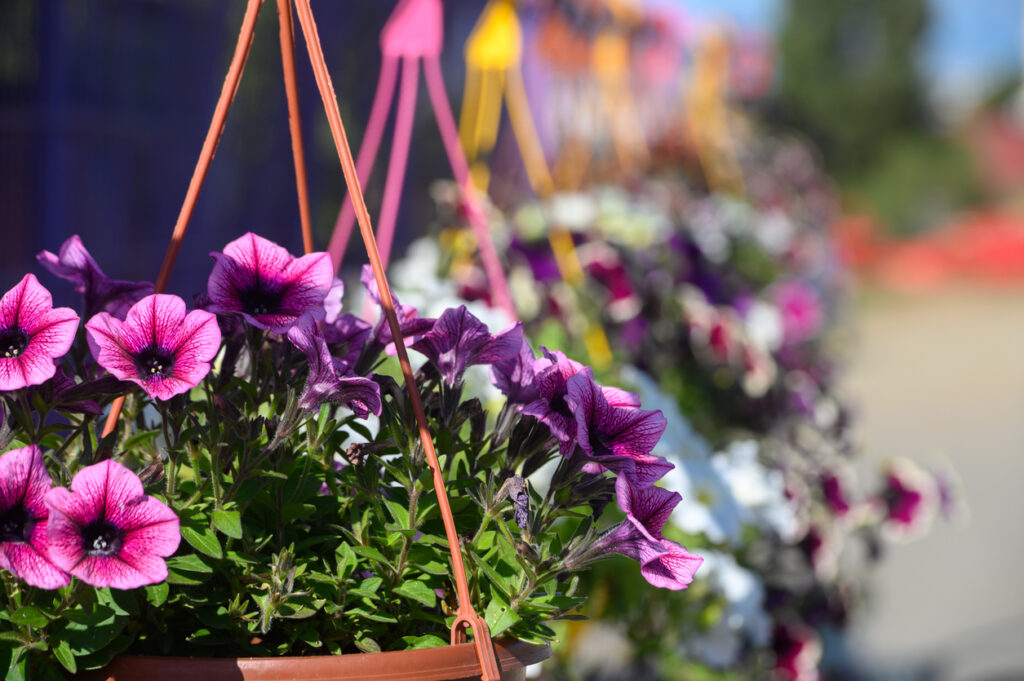
Hanging baskets dry out incredibly fast in the heat, especially if they’re in full sun. Take them down during the hottest days and move them somewhere shadier if you can. You can also dunk the entire basket into a bucket of water and let it soak for a few minutes. This ensures the whole root ball gets rehydrated. It’s a quick rescue trick that works wonders.
Use water-retaining gel or granules.
If you’ve got flowers in pots or baskets, adding water-retaining gel to the compost helps keep them moist longer. These gels absorb water and release it slowly as the soil dries out. It’s not a substitute for watering, but it buys you more time and reduces the chances of plants drying out between waterings, and it’s especially helpful if you’re heading out for the day.
Be gentle with new plants.
Seedlings and recently planted flowers are more sensitive than established ones. They haven’t built up deep root systems yet, so they dry out faster and can go limp in a matter of hours. Give them priority when watering, and consider using temporary shade to help them get through the toughest days. Once they’ve had a few weeks to settle in, they’ll be better at handling heat.
Don’t panic if things look bad.
Some flowers will naturally wilt during the hottest part of the day, even if they’re healthy. If they perk up again in the evening, they’re likely fine. It’s just how they cope with the stress. The key is to keep them supported without overreacting. Stay consistent with watering, offer shade when you can, and let the plants recover gradually once the heat passes. Most are tougher than they look.