Fences and gardens seem to go hand in hand with neighbourly grumbles in the UK.

Maybe your clematis is leaning a little too far, or your neighbour’s ivy has snuck its way across the line. When it comes to planting near shared boundaries, things can get surprisingly awkward. Here’s what you actually can and can’t do with plants near a neighbour’s fence, so you can keep your garden looking good without starting World War III over a rose bush.
You can plant right up to the boundary if it’s your land.

There’s no legal minimum distance required between your plants and the boundary line in most cases. If it’s your land, you’re allowed to plant right up to it, even a hedge or tree, as long as it’s not physically on or over the line. That said, it’s always wise to be neighbour-aware. Even if it’s legal, a huge shrub blocking someone’s light or view can still cause tension. Good fences make good neighbours, but so do a few thoughtful choices.
You can’t grow plants that lean or grow over the fence.
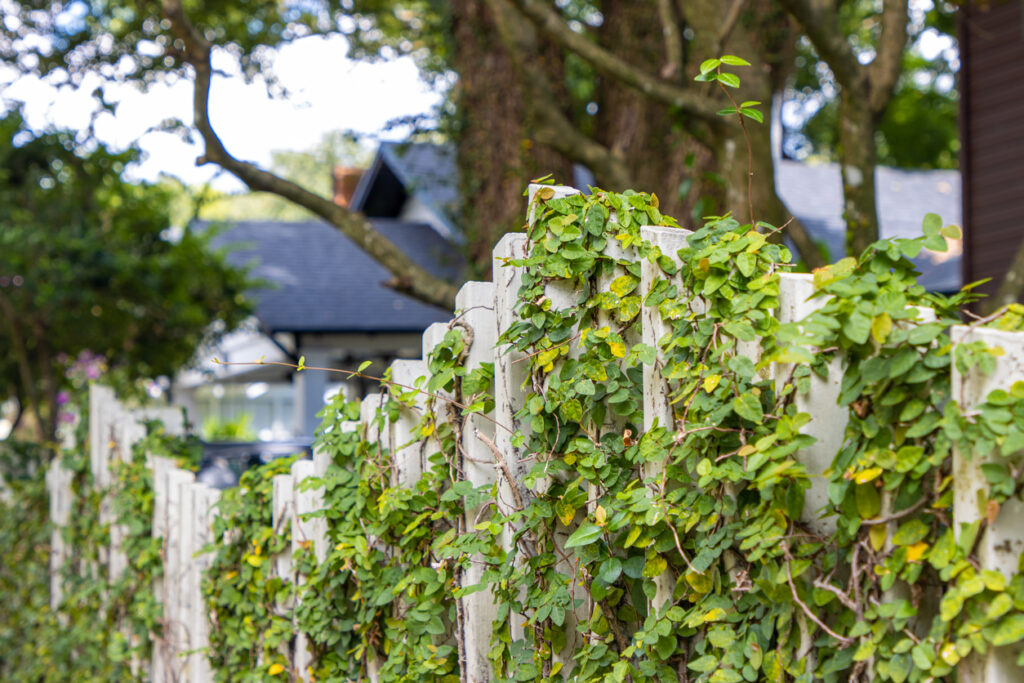
If your tree, bush, or climber starts growing over your neighbour’s fence, they’re within their rights to trim it back to the boundary line. They don’t need your permission—but they do have to return any trimmings if you ask for them. The big rule here is: you can’t invade their space, even accidentally. If your wisteria is turning their fence into a jungle, expect them to take action—and legally, they can.
You can’t attach anything to their fence without permission.
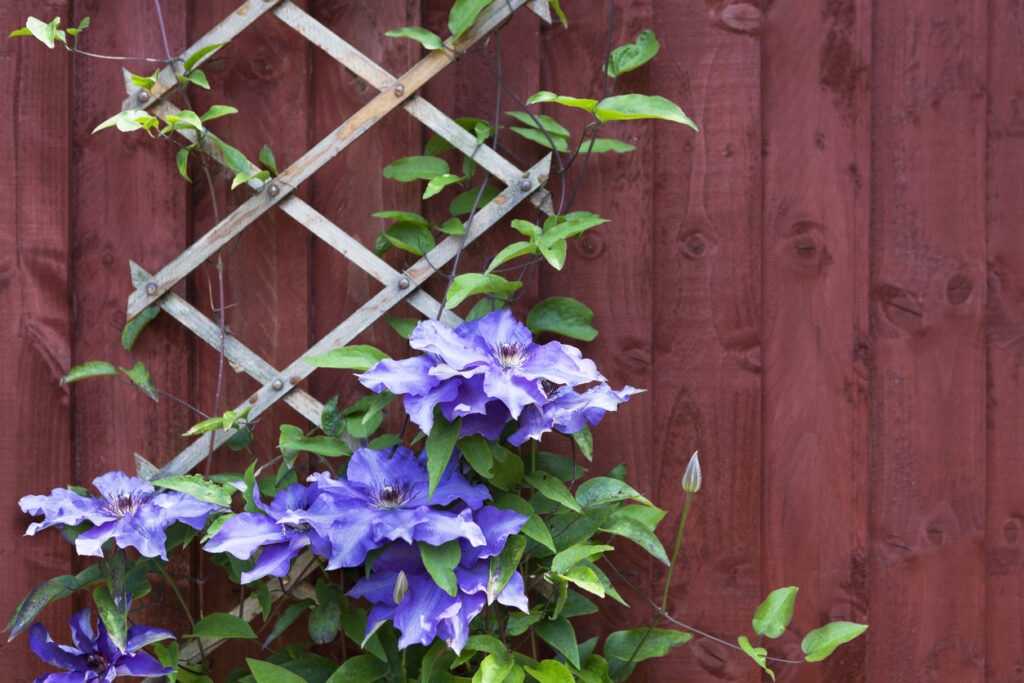
If the fence belongs to your neighbour (which it usually does if the “good” side faces your garden), you’re not allowed to attach things to it—no trellis, no hooks, and definitely no nails or screws—without asking first. That also applies to plants. If you’re training climbers or vines, keep them on your side with a freestanding support system. Don’t assume it’s fine to lean things against or grow up their fence just because it’s there.
You can trim overhanging plants from their side, but only up to the boundary.
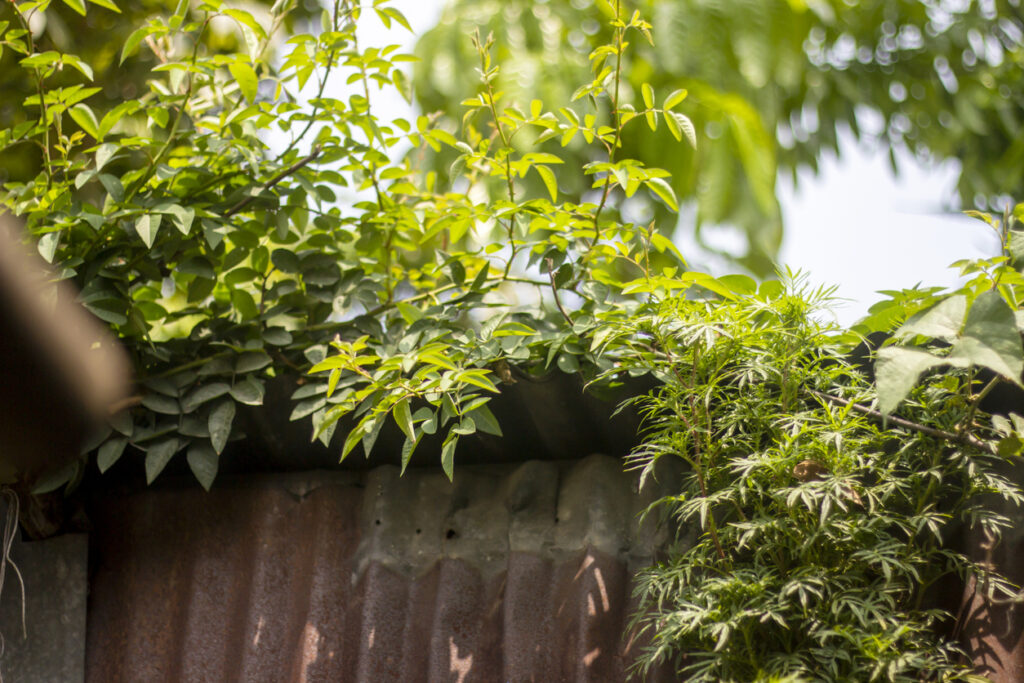
If your neighbour’s plant is hanging into your garden, you are legally allowed to cut it back to the boundary line, but that’s all. You can’t dig up the roots or reach onto their side to sort it out. Anything you cut off still technically belongs to them, so it’s polite (and legally correct) to offer it back, especially if it’s something valuable like apples or branches from a prized tree.
You can’t remove a hedge that’s shared, even if you hate it.
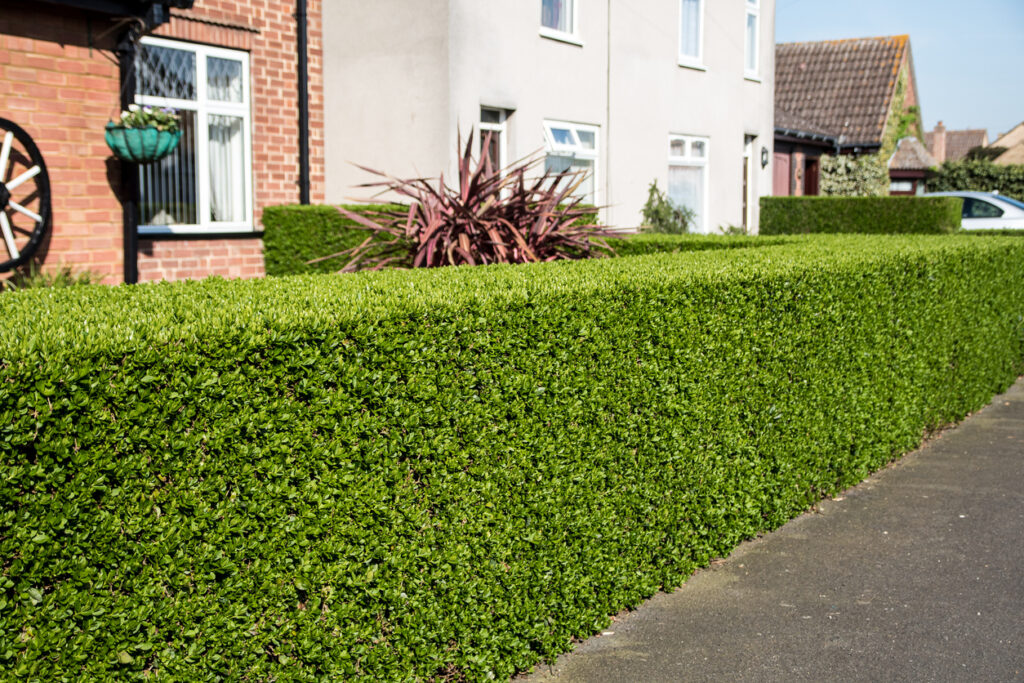
If there’s a hedge right on the boundary line, chances are it’s jointly owned. That means you can’t remove it entirely without your neighbour’s permission, even if it’s a prickly mess or blocks your sun. You can usually trim your side, but major changes need discussion. If in doubt, check the property deeds. Some hedges come with responsibilities or agreements you might not be aware of until it’s too late.
You can grow tall plants, but be realistic about their impact.
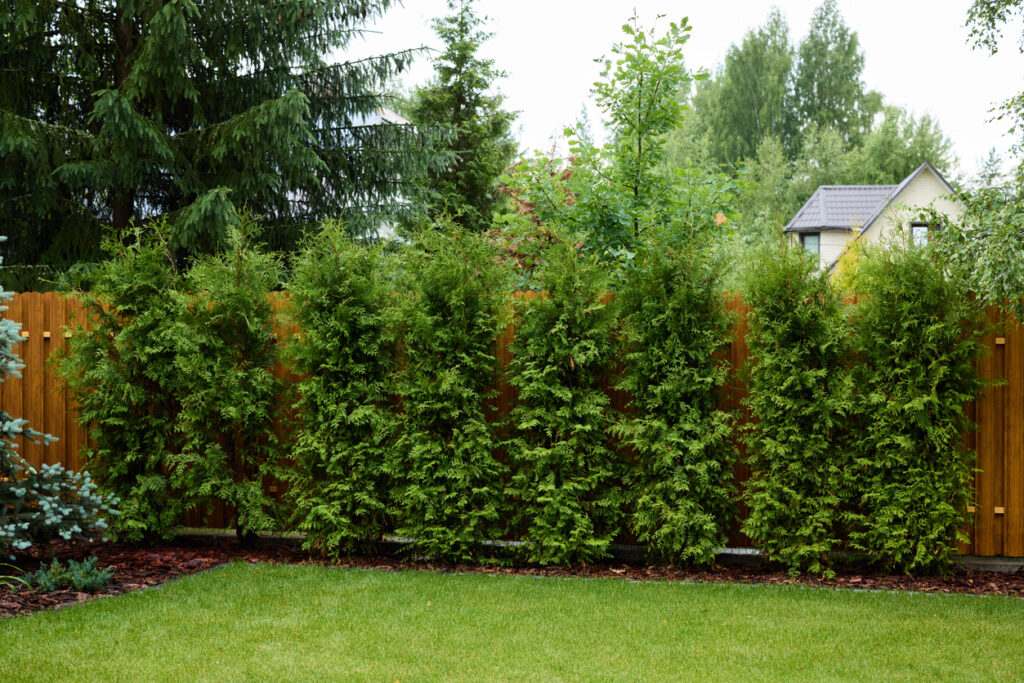
There’s no legal height limit on most plants, unlike fences (which are generally capped at 2 metres without planning permission). However, if your fast-growing hedge or tree starts affecting your neighbour’s enjoyment of their garden, they could raise a complaint. Especially if the plant blocks light or drops a lot of mess, you might be forced to trim it back or manage it more carefully. It’s not just about your right to grow—it’s about the impact it has on them.
You can’t plant a high hedge that becomes a nuisance.
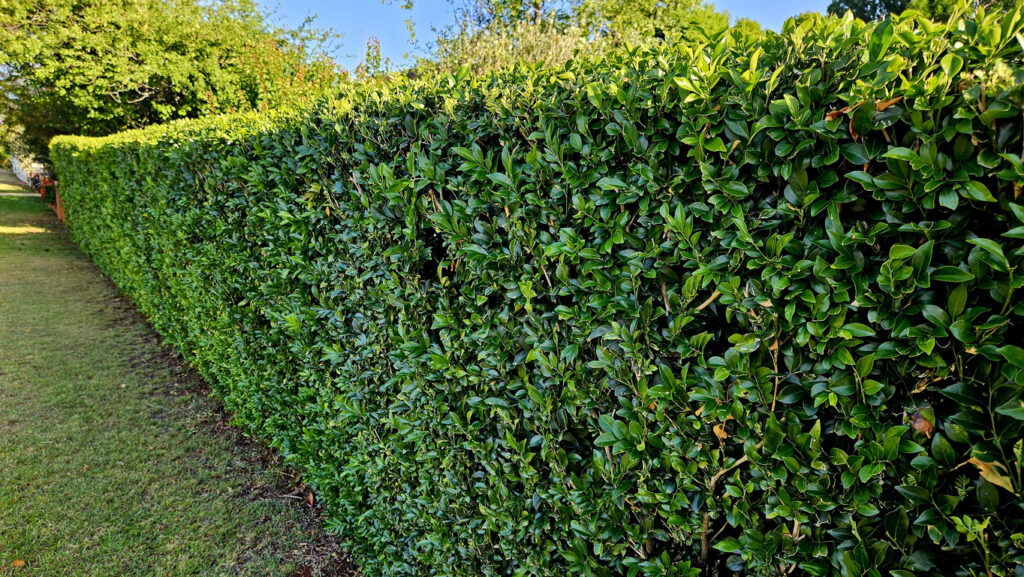
Under the UK’s Anti-Social Behaviour Act, if a hedge of two or more evergreen trees or shrubs gets over 2 metres and starts affecting a neighbour’s use or enjoyment of their home, they can file a formal complaint. That could lead to a council order requiring you to cut it back. It doesn’t happen instantly, but if your leylandii turns into a light-blocking wall, don’t be surprised if someone takes action.
You can grow climbers, just not on their fence.
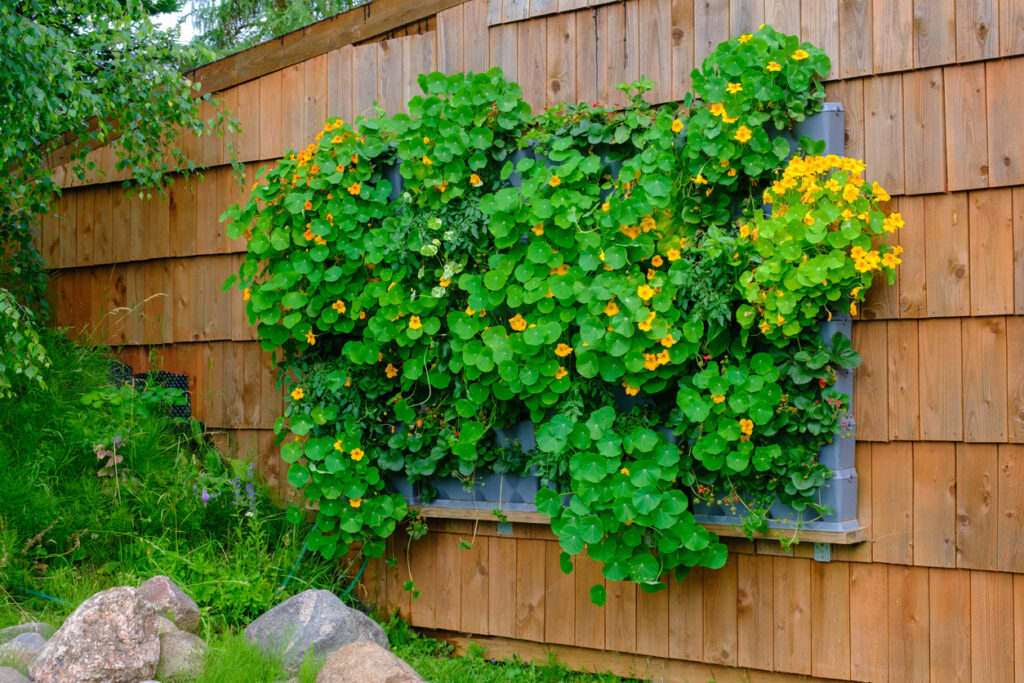
If you love honeysuckle, clematis, or ivy, go for it—but make sure it’s trained on your own trellis or frame. It’s tempting to let it sprawl over a shared fence, but without permission, that’s a no-go. Even gentle climbers can cause damage over time, and if it’s their fence, you’ll be the one in the wrong. Keep structures freestanding, and your garden will stay beautiful and drama-free.
You can ask about shared planting projects if you get along.

If you have a good relationship with your neighbour, planting a shared hedge, border or trellis can be a lovely way to soften a boundary and improve both gardens. However, it has to be a joint decision. Don’t assume shared space means shared plans. A casual chat or even a friendly note can go a long way toward avoiding misunderstandings, and might even open the door to something better for both sides.
You can’t claim their tree’s fruit, even if it falls in your garden.
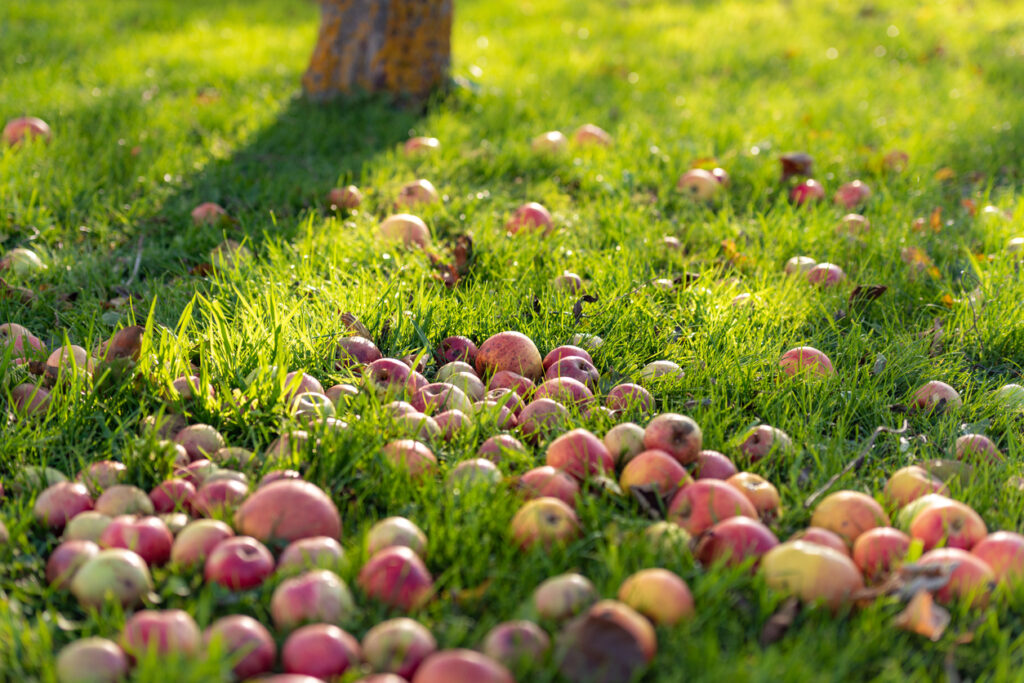
Legally, anything that grows on their tree belongs to them, even if a windstorm dumps a load of apples or plums on your lawn. Taking it without asking counts as theft in the eyes of the law. That said, most neighbours won’t mind if you gather up what’s dropped. Still, the polite thing is to check. A quick “do you want these back?” keeps things civil and avoids any awkwardness.
You can’t damage their plants, even if they’re a nuisance.
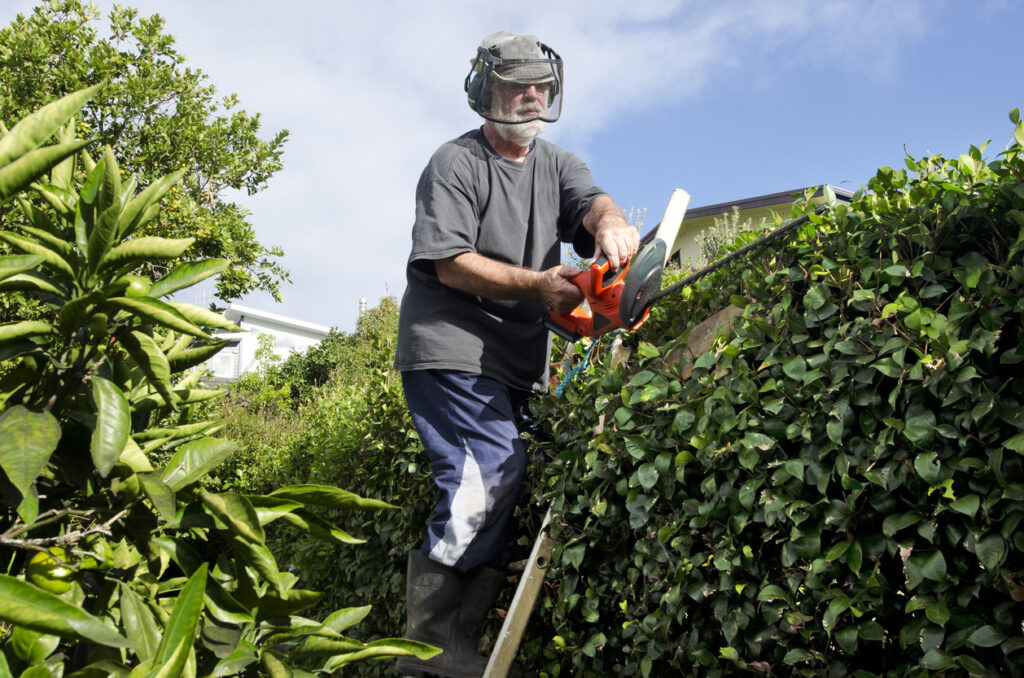
Maybe their bamboo’s taking over, or their ivy’s creeping through the fence panels. It’s frustrating, but you can’t take matters into your own hands and start cutting, spraying, or ripping things out from their side. You’re within your rights to cut what’s on your side, but doing damage on theirs is considered trespass or even criminal damage. Always try a conversation first. It might save you a legal headache later.
You can log problems in case things escalate.

If a neighbour refuses to trim back overgrowth or lets a plant damage your property, start keeping a quiet record. Take photos, log dates, and note conversations, just in case it needs reporting later. You don’t need to start a feud. But if things get serious, having a clear paper trail can help you get support from your council or mediation service without it turning into a full-blown dispute.