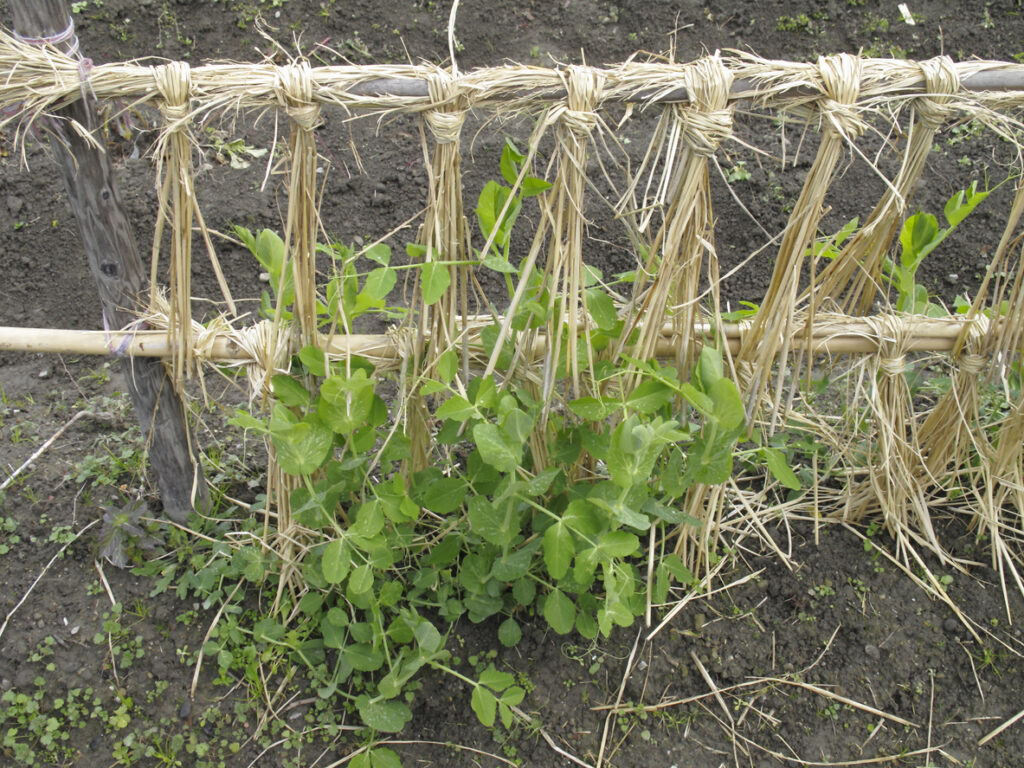
Peas are one of the most rewarding crops for home gardeners—sweet, simple, and surprisingly low-maintenance. However, the minute you think about growing them, the trellis conversation starts. Do you need one? Will your peas flop without it? The good news is, not all peas require the same level of climbing support. In fact, with a bit of know-how, you can grow a thriving pea patch without building a single trellis. Here’s how to make it work if you’re going trellis-free.
Choose the right variety.
If you’re skipping the trellis, the type of pea you plant really matters. Look for dwarf or bush varieties—like ‘Meteor’, ‘Kelvedon Wonder’, or ‘Douce Provence,’ which naturally grow shorter and sturdier, usually staying under 60 cm tall. These compact growers don’t need much help to stay upright. They can often support themselves with just a bit of space and decent airflow, making them perfect for containers, raised beds, or small patches where vertical structures are impractical.
Let them sprawl—within reason.
Peas can and will grow horizontally if given the chance. While it’s not their most efficient posture, letting them spread across the ground is a valid (if slightly messy) approach, especially if you’ve got the space to spare. The trick is to keep an eye on airflow and avoid overly damp conditions. When peas sprawl in soggy or compacted areas, they’re more prone to rot and mildew. Raised beds or well-drained soil can help cut down on those risks.
Use natural ground cover as a support buffer.
If your garden includes thick low-growing herbs or greens like thyme, lamb’s lettuce, or spinach, your peas can rest against them for support. This helps reduce soil contact while keeping the vines somewhat upright. It’s not a perfect system, but it does keep the peas from flopping entirely and adds a bit of insulation and protection. Think of it like using a friendly neighbour’s shoulder instead of bringing your own chair.
Try pea netting flat on the ground.
If you’ve already got some pea netting or chicken wire lying around, you can lay it directly onto the soil surface instead of stringing it vertically. As the vines grow, they’ll grip onto the net and form a tangle of their own support. This technique helps keep pods off the soil and encourages a little upward reach without needing posts or stakes. It’s a handy workaround if you want a bit of structure but can’t be bothered with full-on trellis construction.
Let your container do the work.
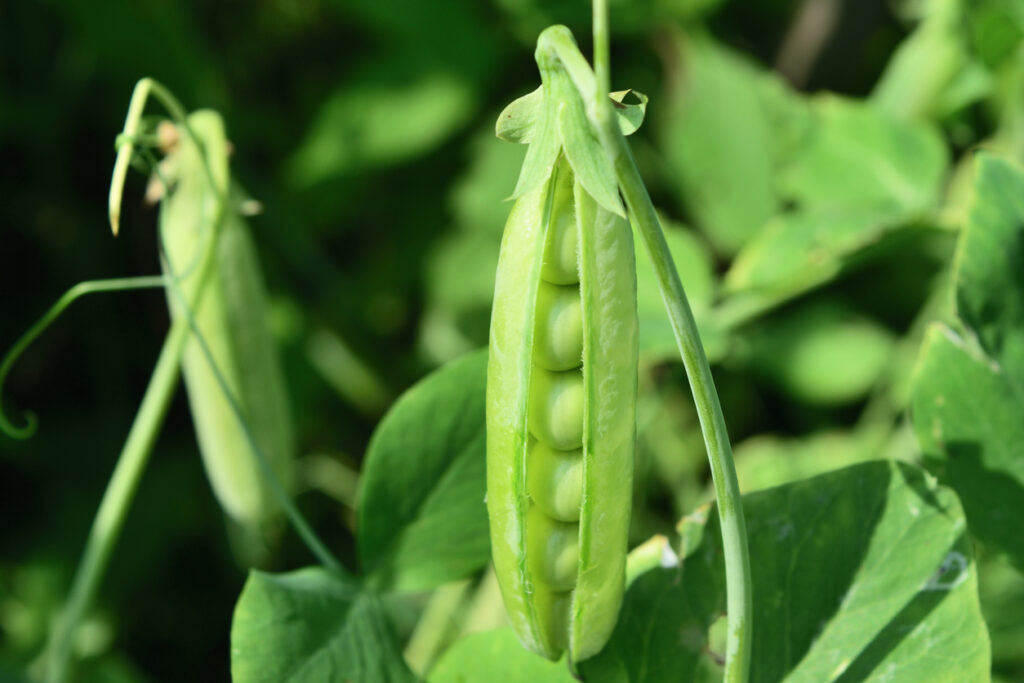
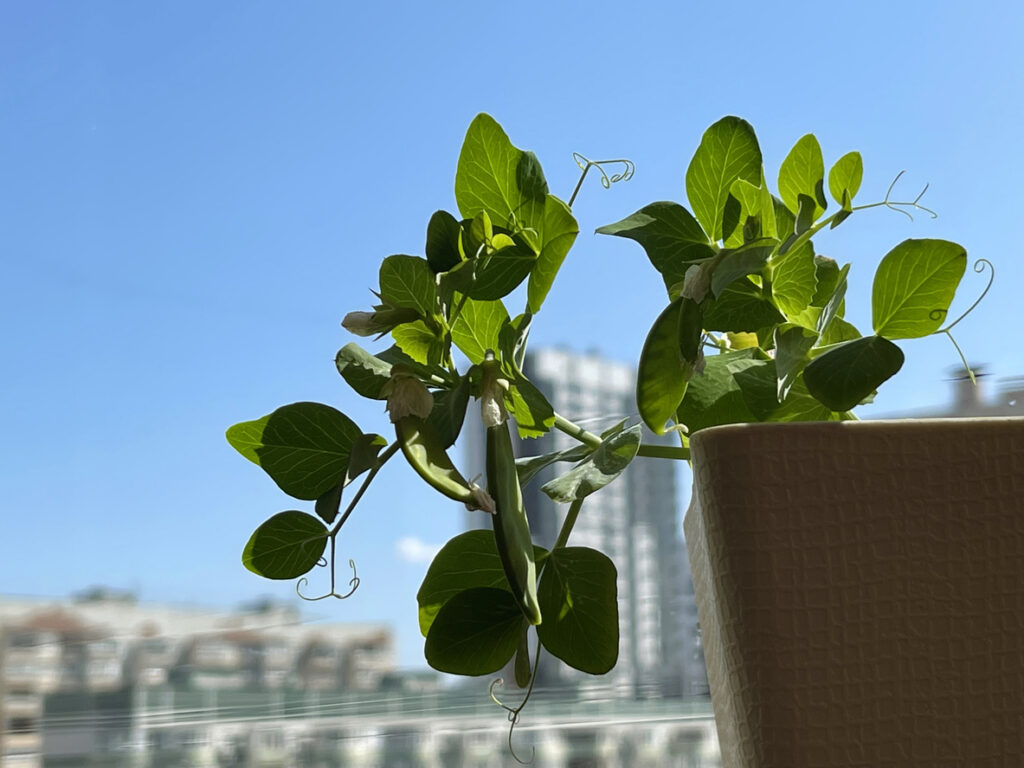
In a pot or trough, the walls of the container can help hold up small pea plants naturally, especially if you’re growing compact varieties. As they grow, they’ll lean gently outward, but won’t usually collapse entirely. For extra support, you can poke a few twigs or short sticks around the edges. These give the tendrils something to cling to without turning your balcony or patio into a mini scaffolding site.
Interplant with sturdier veg.
Growing peas alongside stronger, upright plants like spring onions, garlic, or even dwarf beans can give them a bit of informal scaffolding. The tendrils naturally grab whatever’s nearby, and companion plants can quietly play the role of garden assistant. This also maximises space and adds a little biodiversity to your plot. Just make sure you’re not crowding everything together too much, or you’ll risk shading out your more delicate growers.
Build a no-fuss stick teepee.
If you decide you do want a bit of lift but don’t want to commit to a full trellis, grab a few twigs or bamboo canes and make a small teepee shape. It’s quick, easy, and gives your peas enough structure without needing nails or tools. Even minimal support like this can stop your plants from collapsing in a heap as they grow. It’s not cheating; it’s just light-touch gardening that still gets results.
Keep the soil loose and well-drained.
Peas growing flat on soggy, compacted soil are much more likely to rot. Without the height of a trellis to keep airflow strong, your best defence is healthy soil that drains well and doesn’t stay wet after every rainfall. Dig in compost before planting and avoid planting too close together. That’ll give your pea plants their best shot at staying upright and fungus-free, even if they’re lounging a little more than climbing.
Mulch to keep things clean.
A light mulch of straw, shredded paper, or dry leaves around your peas can help protect them from soil-borne issues. It creates a buffer between the stems and the dirt, which matters a lot more when there’s no vertical lift. It also helps hold moisture without drowning your plants, especially during dry spells. Bonus: mulching makes the whole patch look tidier, even if your peas are taking the scenic route across the ground.
Harvest early and often.
Even low-growing peas can get top-heavy if the pods start piling up. Picking them regularly keeps the plant balanced and encourages more production over time, whether or not they’ve got anything to climb on. Plus, younger pods are sweeter and less starchy—so you get better flavour and help your plants stay manageable in one go. It’s a win-win, especially for hands-off gardeners.