It’s easy to end up with a shed full of tools that barely see the light of day, especially when garden centres tempt you with shiny new gadgets every spring.
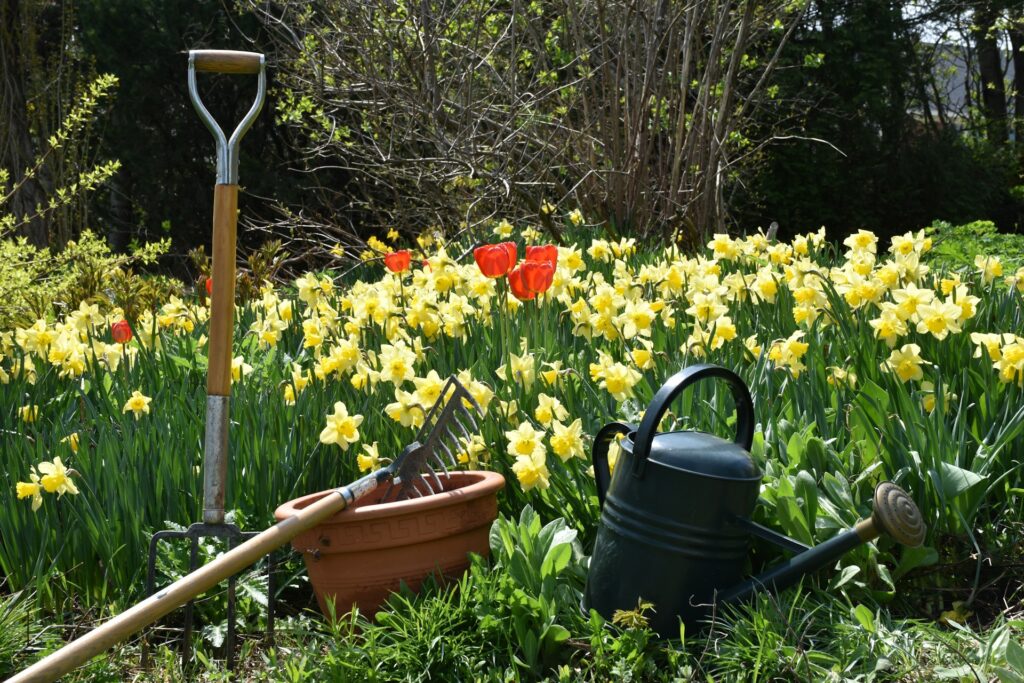
But in reality, most garden jobs only need a handful of well-made essentials. The right tools make the job quicker, easier, and more enjoyable, while the rest just take up space. Here’s a rundown of the garden tools that truly earn their place, and a few you probably don’t need at all.
A solid hand trowel (essential)
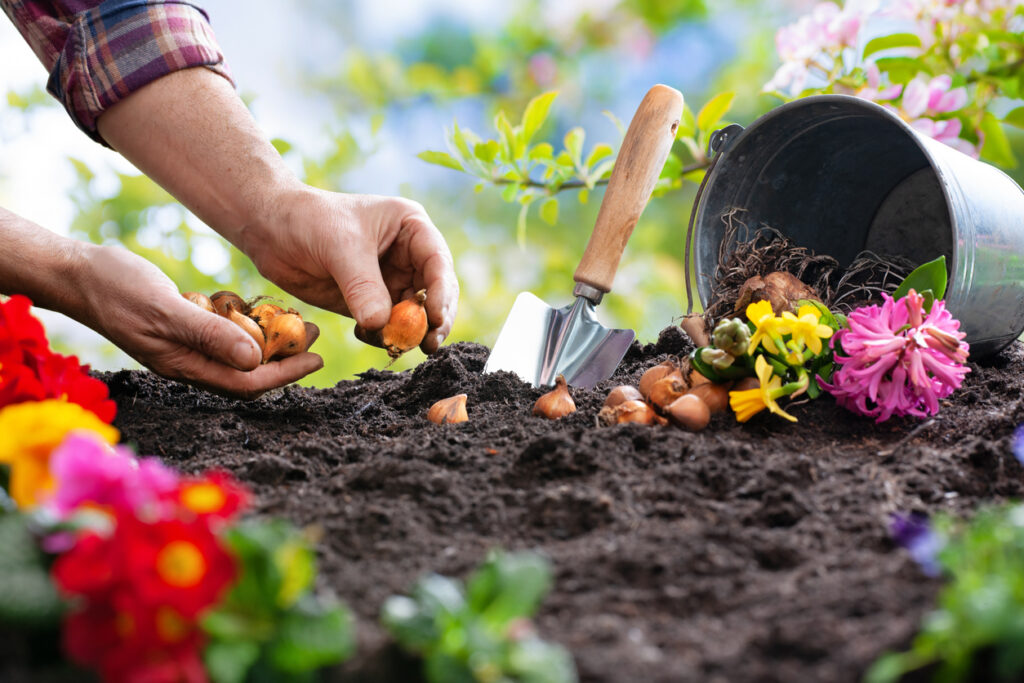
If you’re only going to own one tool, let it be a sturdy hand trowel. It handles everything from planting out seedlings to digging up weeds or shifting compost into pots. Look for one with a comfortable handle and a blade that doesn’t bend under pressure. It’ll be the tool you reach for almost every time you head outside.
Bypass secateurs (essential)
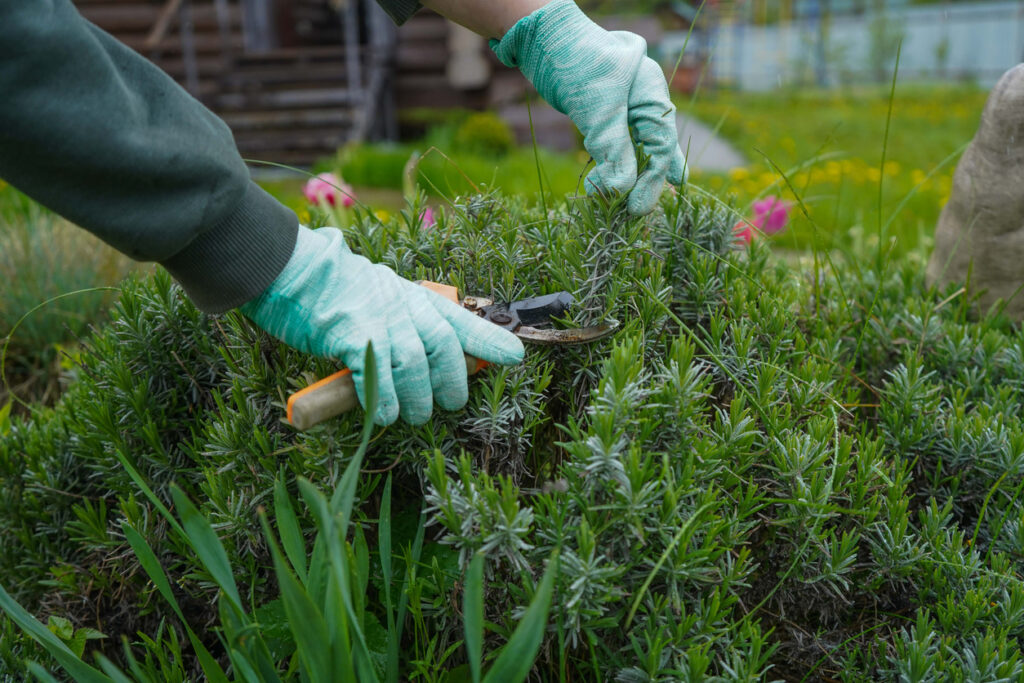
For pruning shrubs, deadheading, and tidying up plants, a good pair of bypass secateurs is worth every penny. They give clean cuts that help plants heal faster and keep your garden looking neat. Choose a pair that feels good in your hand and is easy to sharpen. Avoid anvil-style pruners unless you’re cutting through thick, dead wood—bypass versions are gentler on live growth.
A decent watering can (essential)
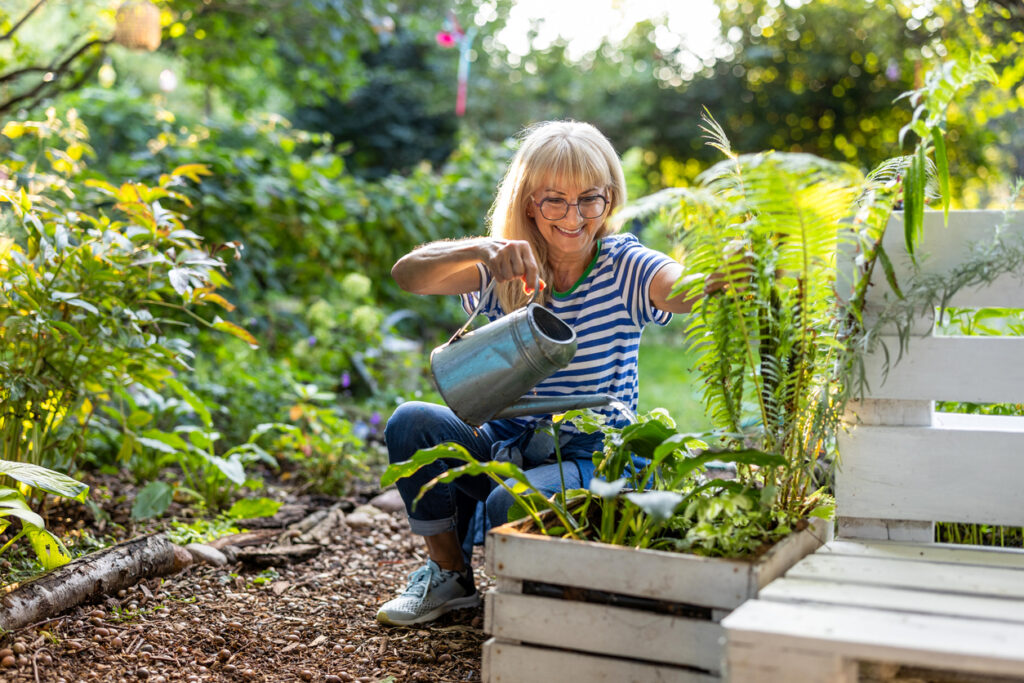
Whether you’re watering seedlings or topping up a hanging basket, a good watering can is one of those tools you don’t appreciate until you’ve got the wrong one. Look for one that’s easy to carry when full, with a well-balanced handle and a rose attachment for gentle watering. It’ll save your back and your plants.
A sturdy garden fork (essential)
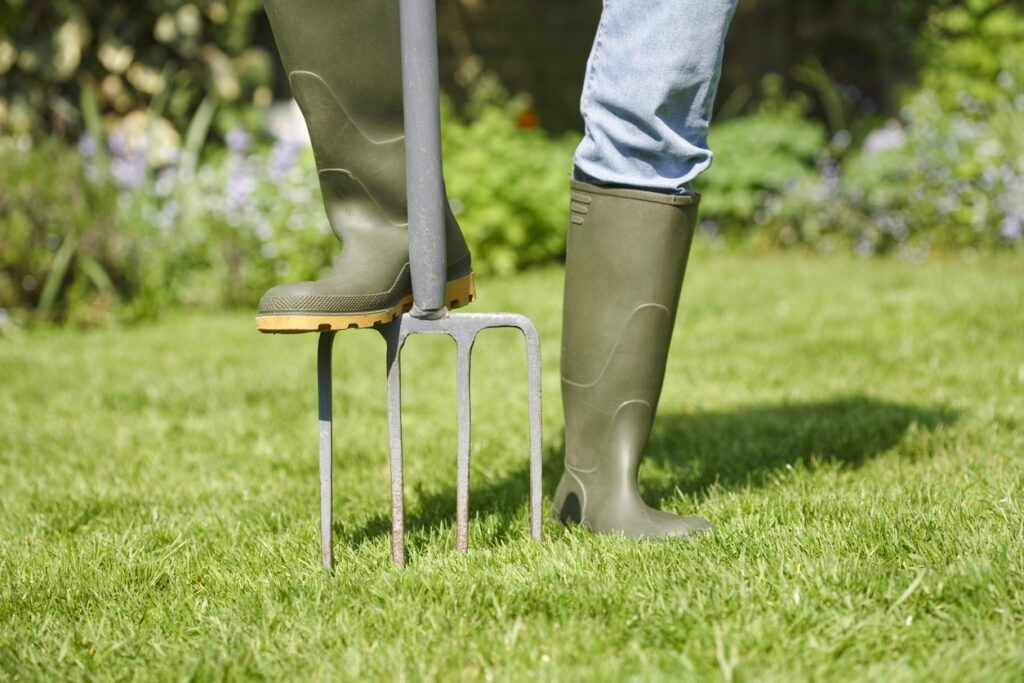
For breaking up soil, lifting root veg, or aerating compost, a garden fork is a real workhorse. It does the jobs that would leave a spade struggling. Steel tines are a must—they’re tough enough to get through compacted ground without snapping. A wooden or fibreglass handle will keep it lightweight but strong.
A long-handled hoe (essential)
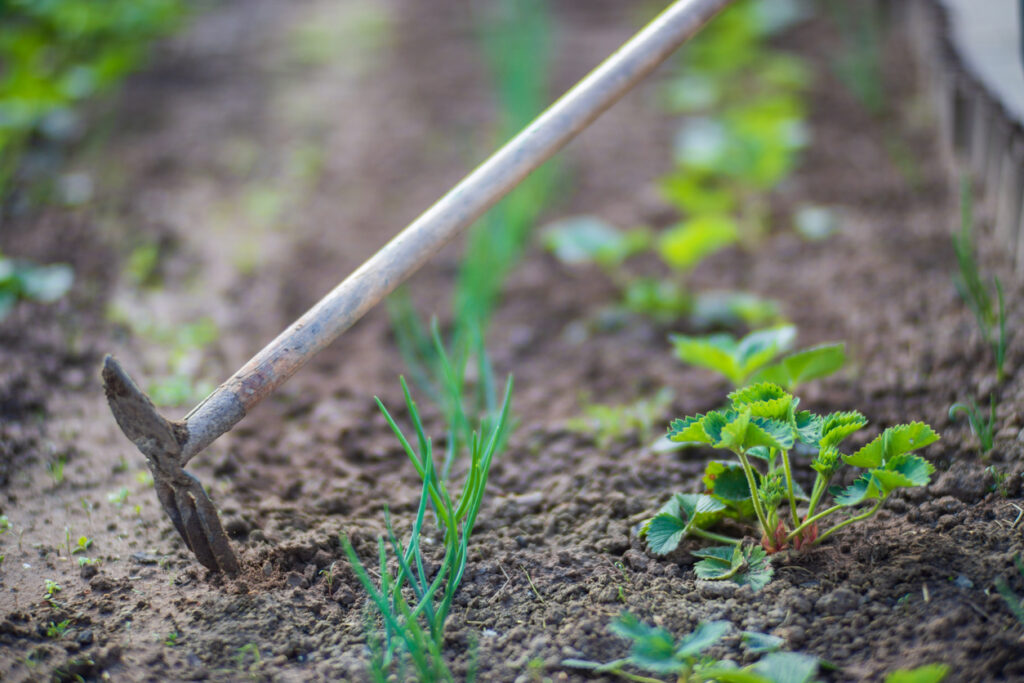
Weeding might not be glamorous, but it’s much easier with a proper hoe. A long-handled version lets you stay upright while slicing off weeds just below the surface. It’s especially useful in larger beds or veg patches where bending over repeatedly gets old fast. Plus, it saves time, and your knees.
A half-moon edging tool (worth having)
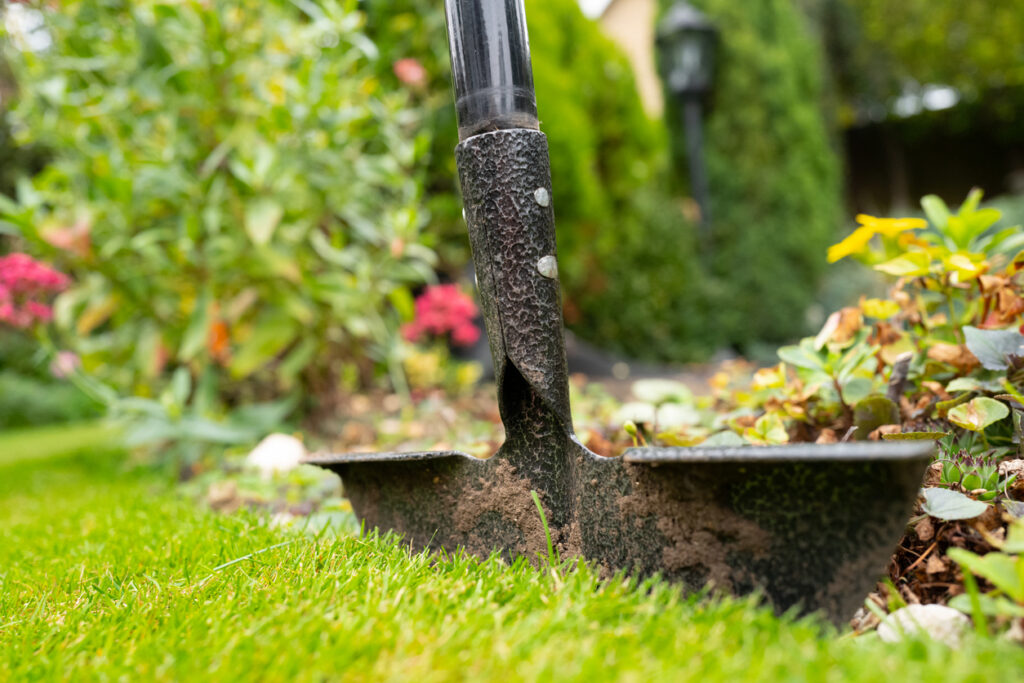
If you like clean lines and tidy lawn edges, a half-moon edger is surprisingly satisfying. It creates a sharp divide between grass and beds, instantly making the garden look neater. It’s not a daily-use tool, but it’s one of those things that earns its keep when used once or twice a season. Especially useful if your lawn tends to sprawl.
A kneeling pad or kneeler (worth it)
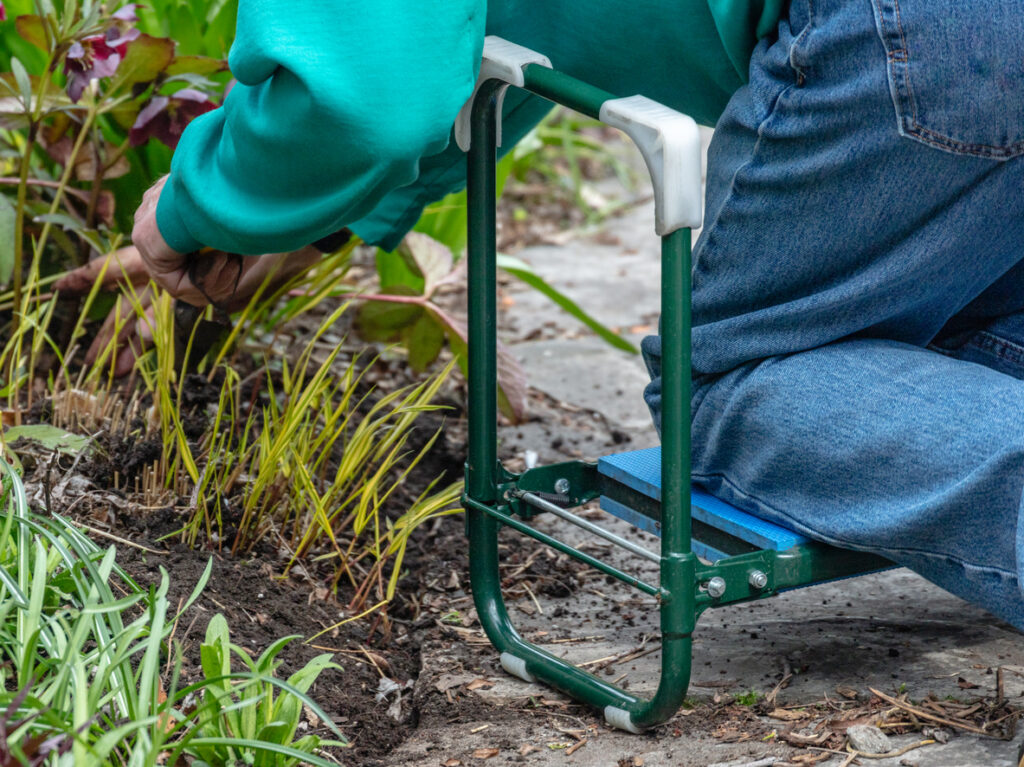
This one might seem unnecessary until you’ve spent twenty minutes on damp soil trying to weed a border. A soft kneeler protects your knees and keeps you comfortable longer. If you do a lot of low-level work, the foldable kneelers with handles can double up as a seat. It’s not glamorous, but it’s a small thing that makes gardening easier on your body.
A wheelbarrow or garden trug (essential for bigger gardens)
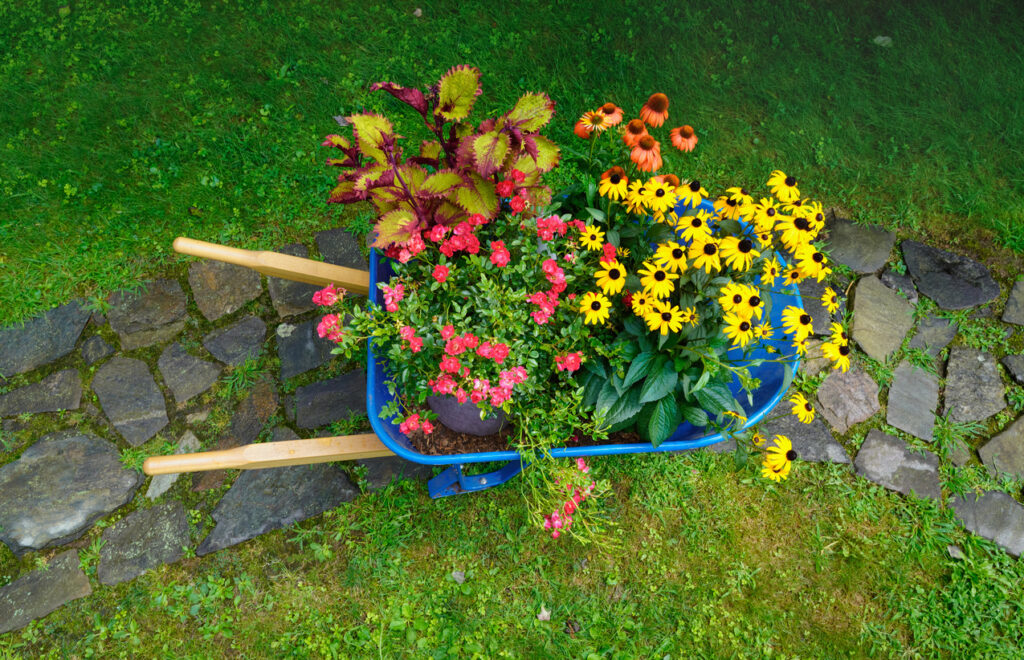
For bigger gardens, a wheelbarrow saves endless back-and-forth trips with tools, compost, or cuttings. Even in smaller spaces, a large trug or flexible tub does a similar job. If you’re working with raised beds, container gardens, or an allotment, something to carry larger loads is definitely worth having, especially if you want to avoid juggling tools and soil.
A soil rake (worth having)
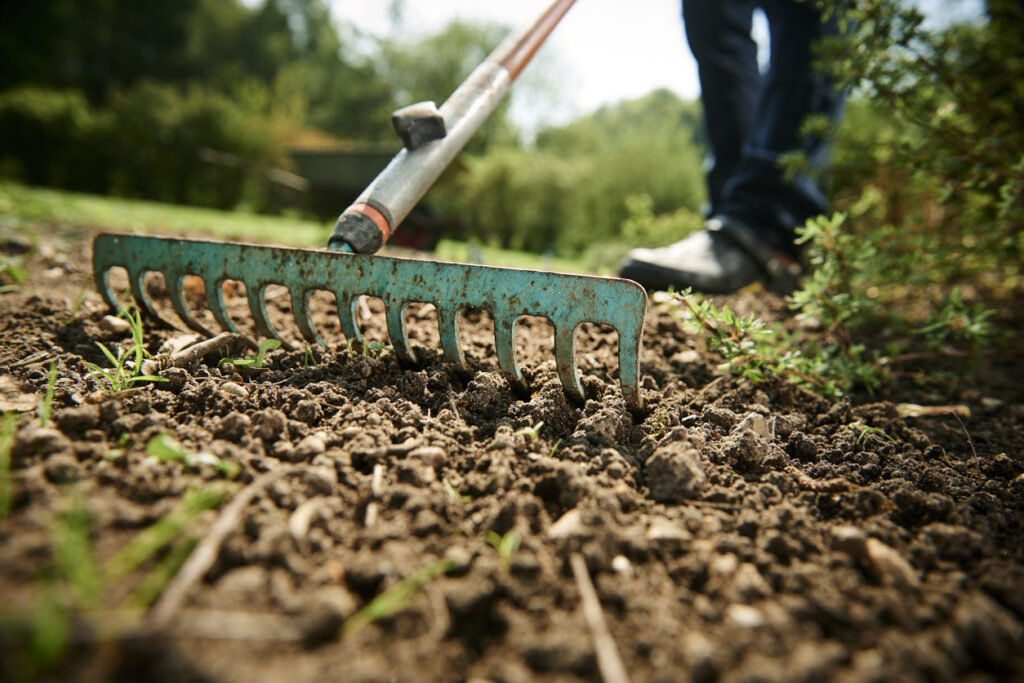
Not to be confused with a leaf rake, a soil rake is great for levelling beds, spreading compost, and breaking up clods of earth. It gives a neat finish after digging. It’s not used daily, but when you’re preparing soil for sowing or planting, it does the job beautifully. A wide metal version is the most useful all-round option.
A garden dibber (skip it)
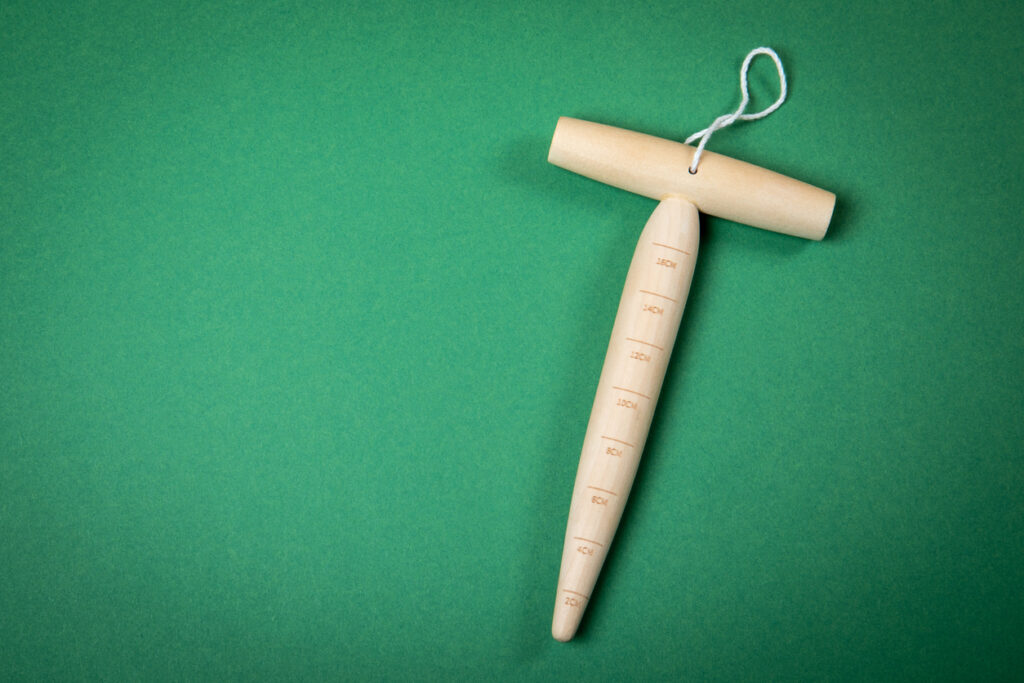
Dibbers make neat holes for sowing seeds or planting bulbs, but unless you’re sowing in rows or doing a lot of plug planting, a finger, or the handle of your trowel does the job just as well. Nice to have if you enjoy precision planting, but definitely not a must-buy. Most gardeners find they forget they even own one.
A leaf blower (skip it for most gardens)
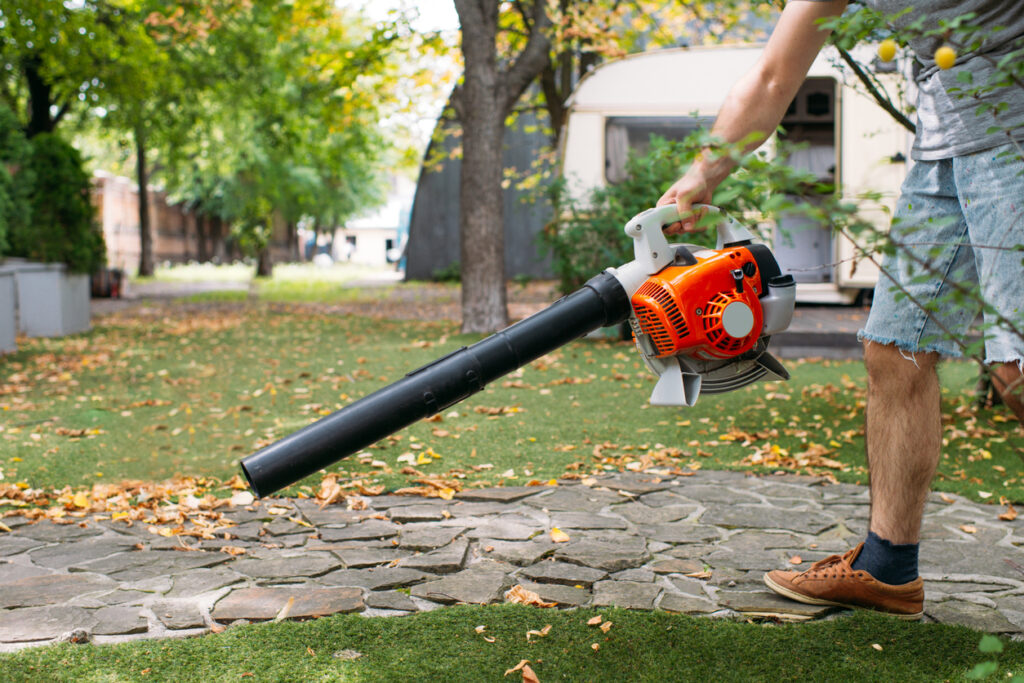
Unless you’ve got a very large lawn or a long driveway covered in trees, leaf blowers are noisy, bulky, and mostly just a fast way to rearrange mess. A decent rake and a bit of patience do the same job—and don’t take up half the garage. For smaller spaces, it’s hard to justify the storage.
A hand fork (essential)
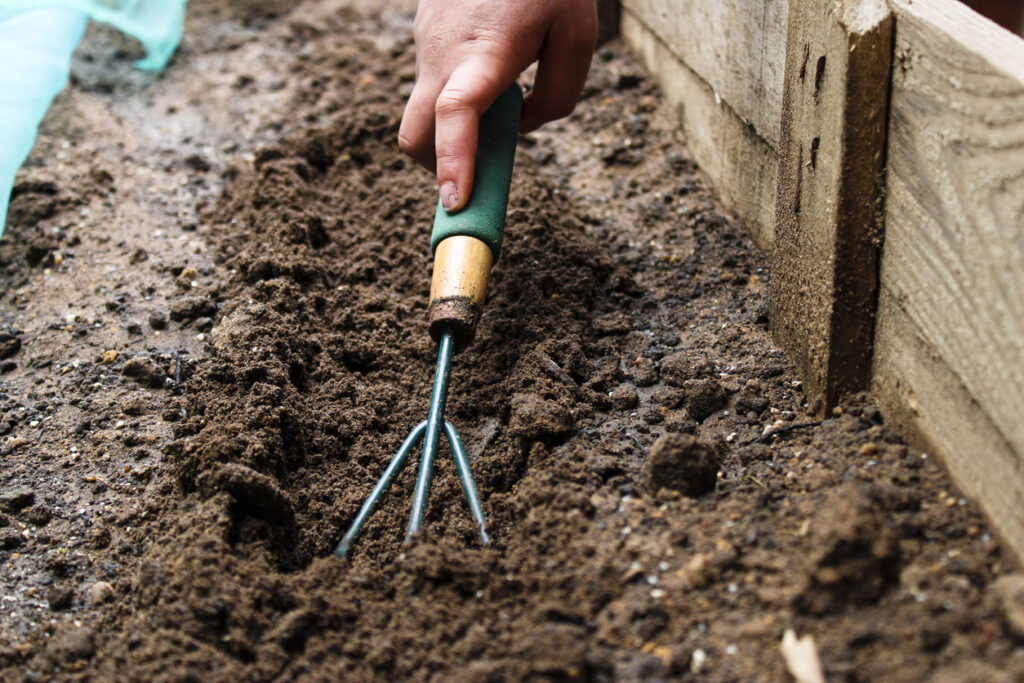
For loosening soil, mixing in feed, or teasing out weeds without disturbing roots, a hand fork is right up there with the trowel. It’s especially handy in tight spaces or around established plants. Go for one that’s got strong prongs and a handle that fits your grip comfortably. It’s a classic tool for a reason; you’ll use it more than you expect.
A hose with adjustable spray (worth it)
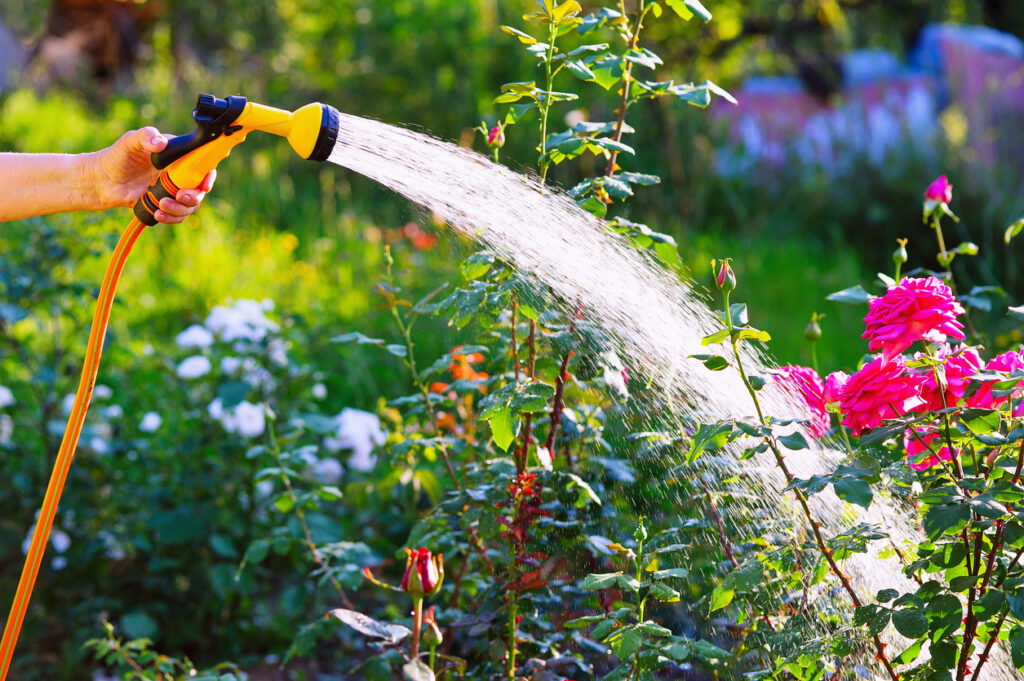
Dragging watering cans across the garden can get tedious. A hose with an adjustable spray nozzle gives you full control, from a gentle mist for seedlings to a stronger stream for beds. If you’re tight on outdoor tap space, a good hose reel or expandable hose can save a lot of faff. Just make sure it’s long enough to reach where you need it.
Fancy gadgets and novelty tools (skip most of them)
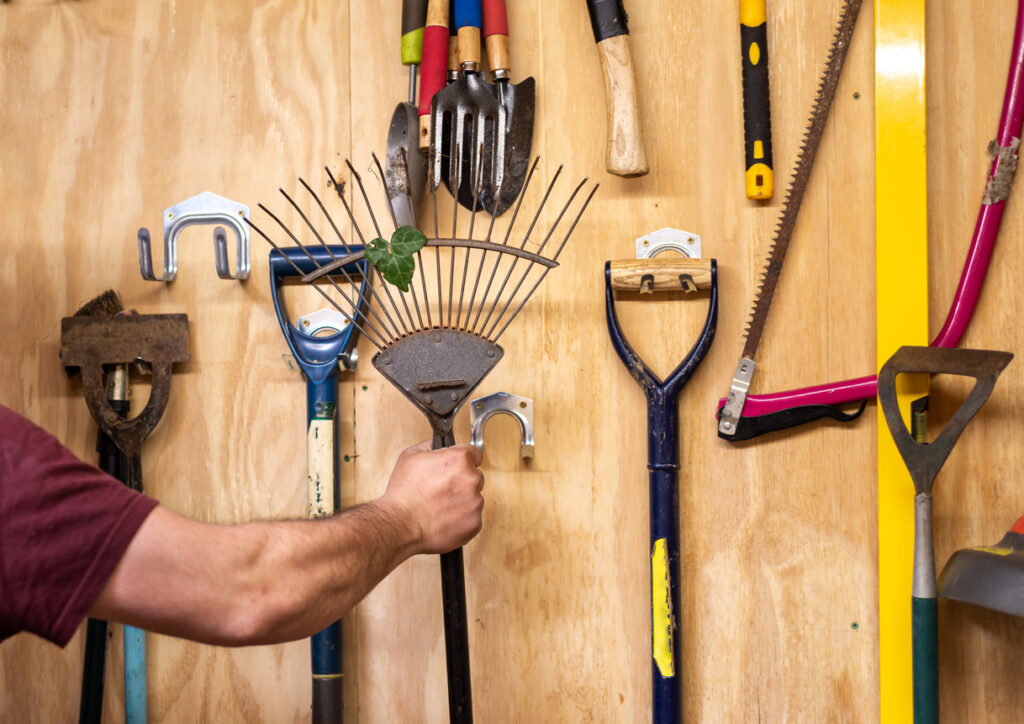
Seed dispensers, plant tape tools, or anything that looks like a gimmick probably is. They clutter up your shed and rarely make gardening easier in the long run. Stick with the basics that actually save you time or effort. The rest might look fun, but most gardeners end up using their hands and a trowel instead.