Perfect lawns and tidy borders have their place, but sometimes it’s the crumbling archway, mossy tower, or forgotten corner that really steals the show.

Garden ruins and follies, those deliberately decorative structures with no real function, add a touch of mystery and storybook charm that can’t be replicated by neat rows of plants alone. Whether they’re genuine remnants of the past or purpose-built to look that way, these quirky features give a garden depth, character, and something to talk about. Here’s why they’re more magical than you might expect.
They create a sense of history.
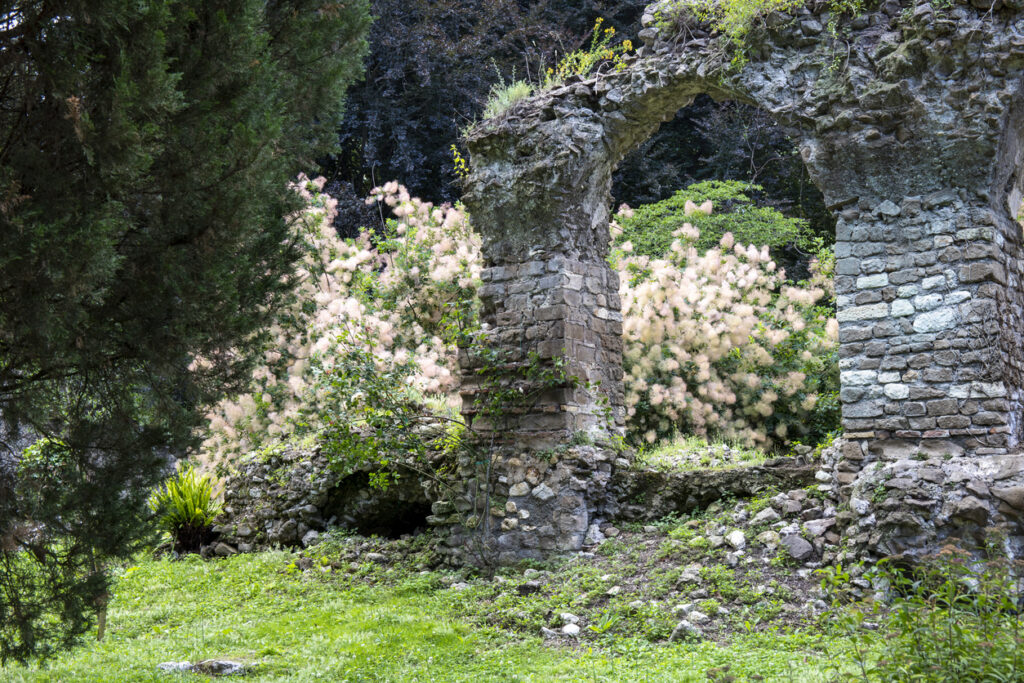
Even if a ruin was built last year, it instantly gives the impression that something came before, something worth wondering about. It sparks the imagination and makes a garden feel older and more rooted in time. This subtle sense of age can soften a landscape and make it feel more lived-in. It adds depth without needing explanation, giving your space a quiet weight that draws people in without them even realising why.
They turn your garden into a story.
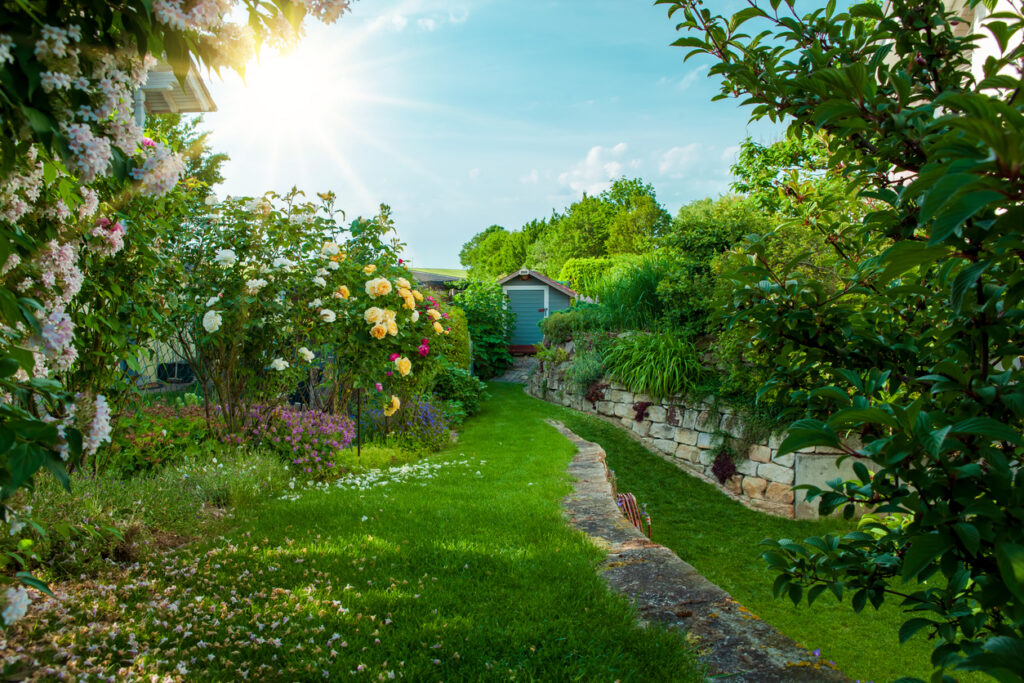
A folly or ruin is like a plot twist in a novel in that it changes the rhythm of a space. Suddenly, your garden has mystery, something half-hidden or hinting at a forgotten tale. Whether it’s a fake temple, broken staircase, or crumbling wall, these features suggest there’s more going on. It invites curiosity, and that’s often what makes a garden linger in people’s memories.
They’re the ultimate focal point.

In a sea of plants, your eye needs somewhere to land. A well-placed ruin or folly gives the entire layout a centrepiece, something strong and solid that anchors everything else. It doesn’t need to be big. Even a weathered stone plinth or archway can act as a visual pause, breaking up flower beds and guiding the viewer’s gaze exactly where you want it.
They blend beautifully with nature.
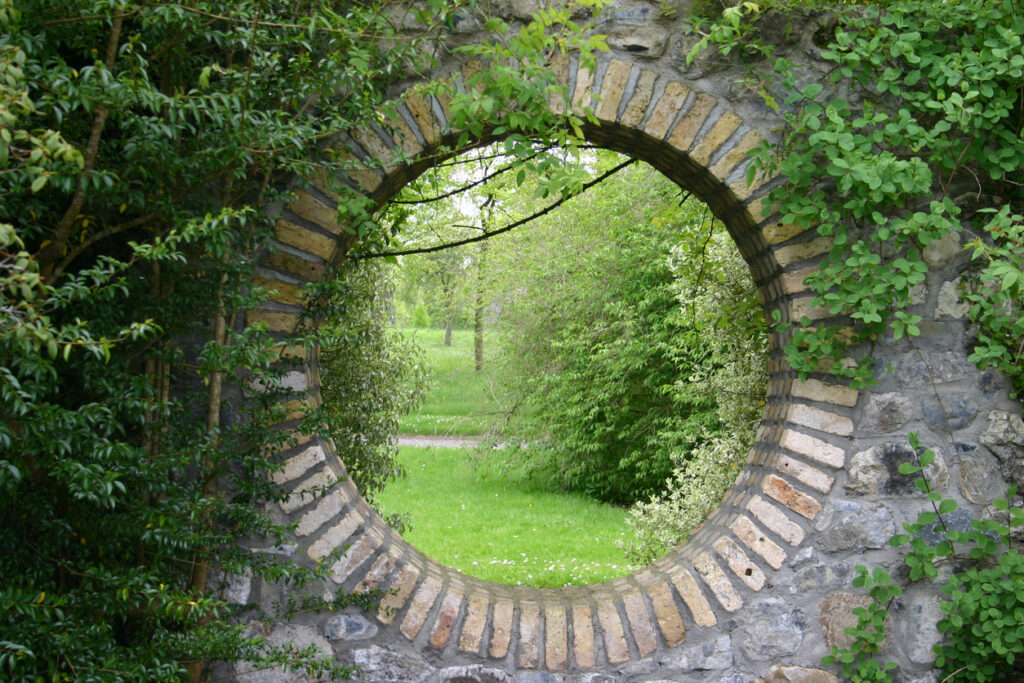
There’s something special about the way plants reclaim stone or brick. Moss creeps in, vines wrap around corners, and nature starts softening the edges until the structure feels like it belongs there. Unlike modern sculptures or bright furniture, ruins age gracefully alongside your garden. They don’t need upkeep; they actually get better the more weathered and overgrown they become.
They invite slower wandering.
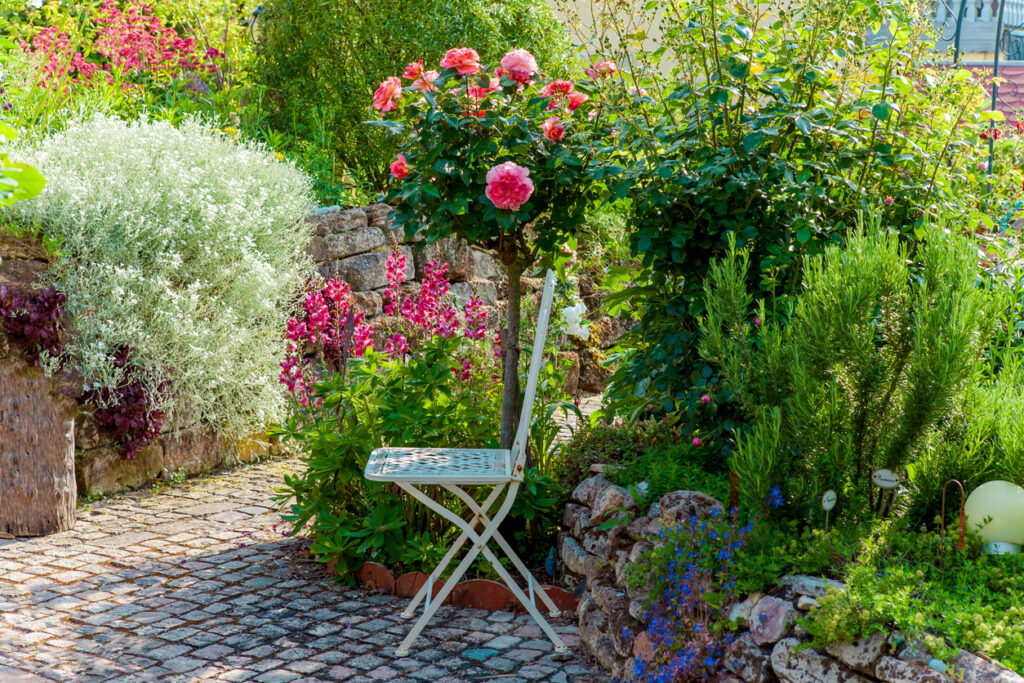
People tend to walk differently when there’s something slightly mysterious around the corner. A ruin makes you slow down, peek through openings, and explore instead of rushing past. This encourages a more immersive experience of the garden. You’re not just looking; you’re stepping into a space, wondering what’s next, and seeing things from new angles as you go.
They suit every size garden.
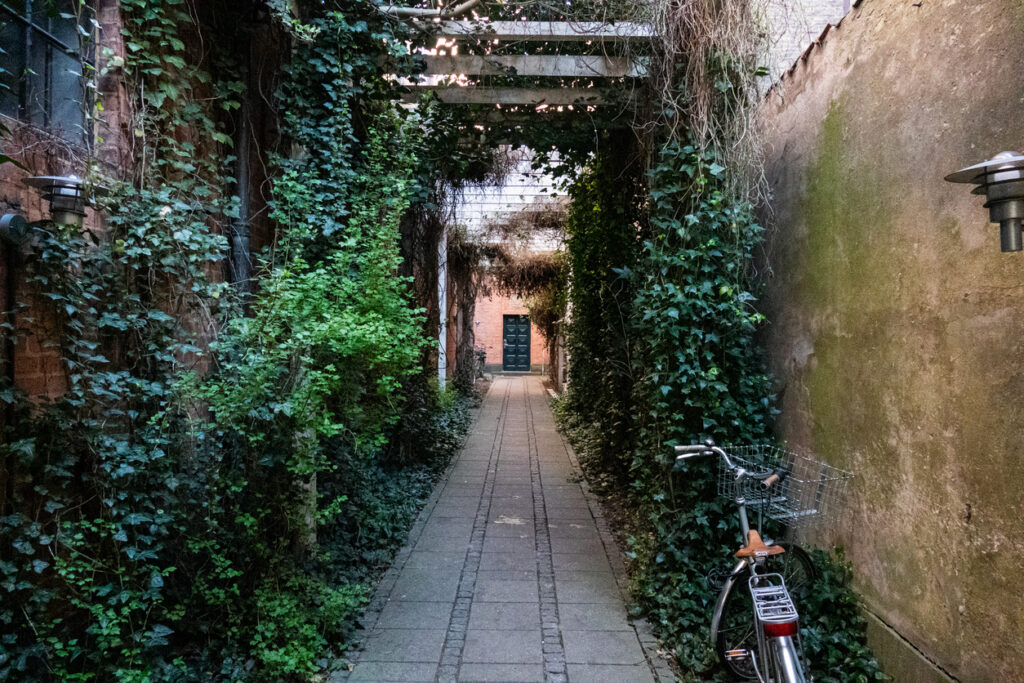
You don’t need acres of land to include a bit of architectural intrigue. Even small gardens can host a rustic bench that looks like it’s been there forever, or a reclaimed brick arch nestled among tall plants. It’s more about suggestion than scale. A cleverly placed ruin gives even compact spaces a layered, cinematic feel, like a secret world squeezed into a corner of reality.
They hold emotional weight.

Ruins often carry a feeling of stillness or reflection. They’re quiet spaces that suggest loss, memory, or simply the passage of time without being gloomy. This makes them great for sitting areas, memorial spots, or places to pause. A bench inside an old-looking alcove can feel far more meaningful than one placed out in the open.
They’re great for wildlife.
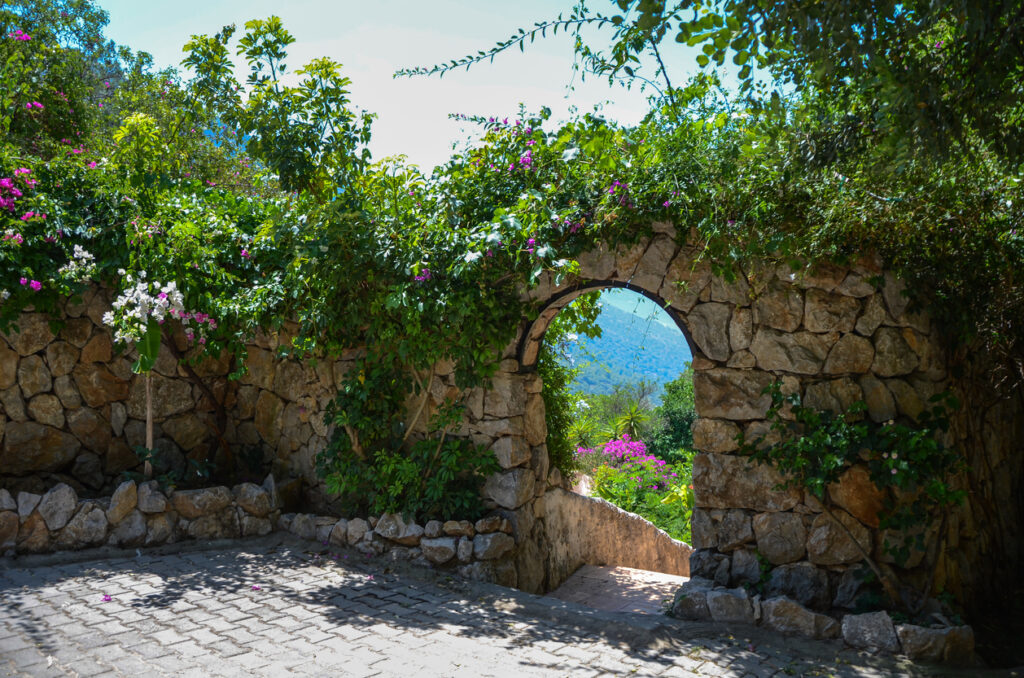
Cracks in old brickwork, gaps in stone, and even roofless towers create brilliant hiding spots for bugs, birds, frogs, and more. Ruins often become microhabitats without you needing to lift a finger. Because they’re usually undisturbed and naturally sheltered, they attract life in a subtle but steady way. You might not notice at first, but they quickly become a little haven within your garden.
They photograph beautifully.

Want to capture your garden in a way that feels timeless and atmospheric? Ruins do all the heavy lifting. Their texture and shape give depth to photos and work beautifully with changing light. They also make plant photos feel more anchored. A wildflower bed looks lovely—but put it in front of a tumbledown wall, and suddenly, it feels like a fairytale painting.
They can be made from almost anything.
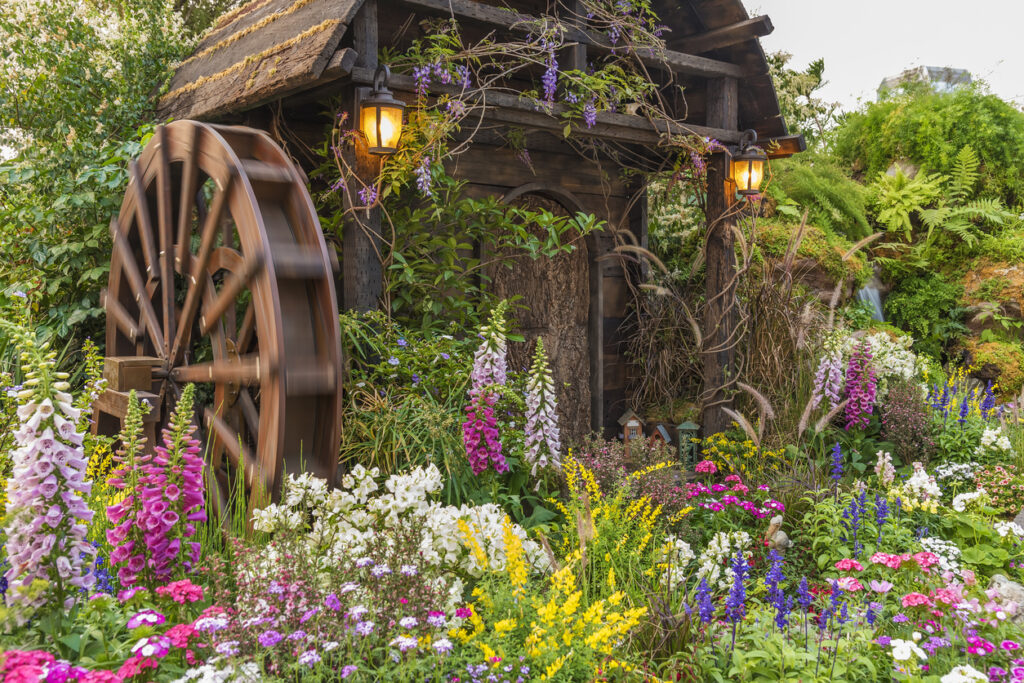
You don’t need an original castle fragment to get the effect. Old bricks, broken paving slabs, salvaged pillars, or even leftover timber can be used to create something that looks beautifully aged. Part of the fun is embracing imperfection. Unlike most DIY projects, a garden ruin is meant to look worn and uneven, so it’s one of the few projects where “messy” actually works in your favour.
They work all year round.
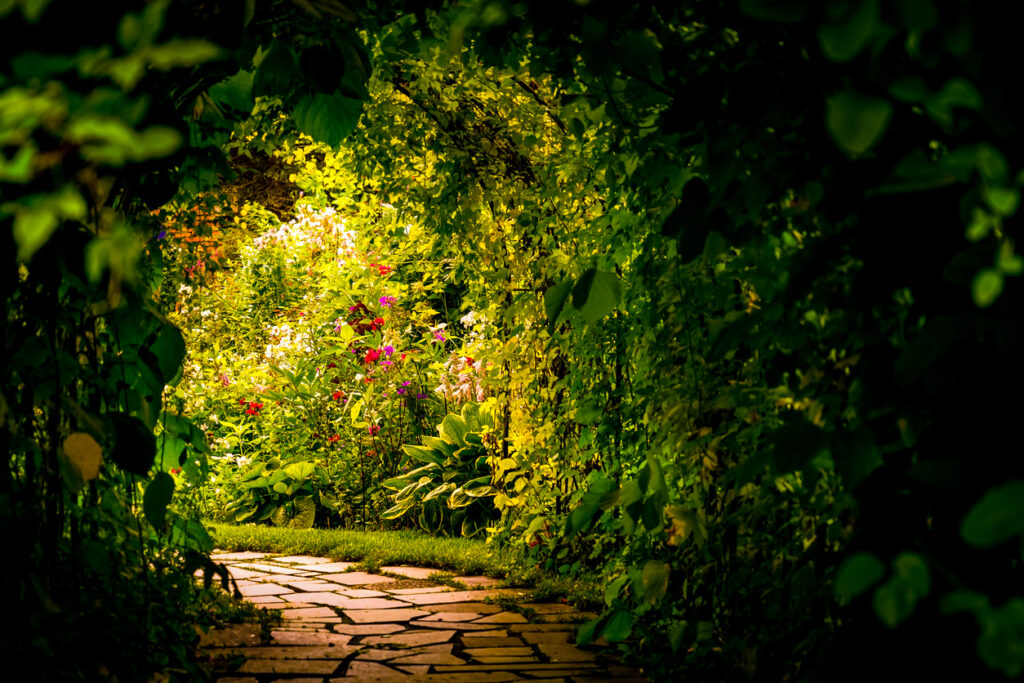
While your plants go through cycles, a ruin stays. In winter, when the beds are bare, that mossy arch or crumbling wall still gives the garden shape and interest. It acts like the bones of the garden, helping it hold together even in its quietest months. When spring arrives again, the contrast with new growth makes it even more magical.
They encourage playful design.
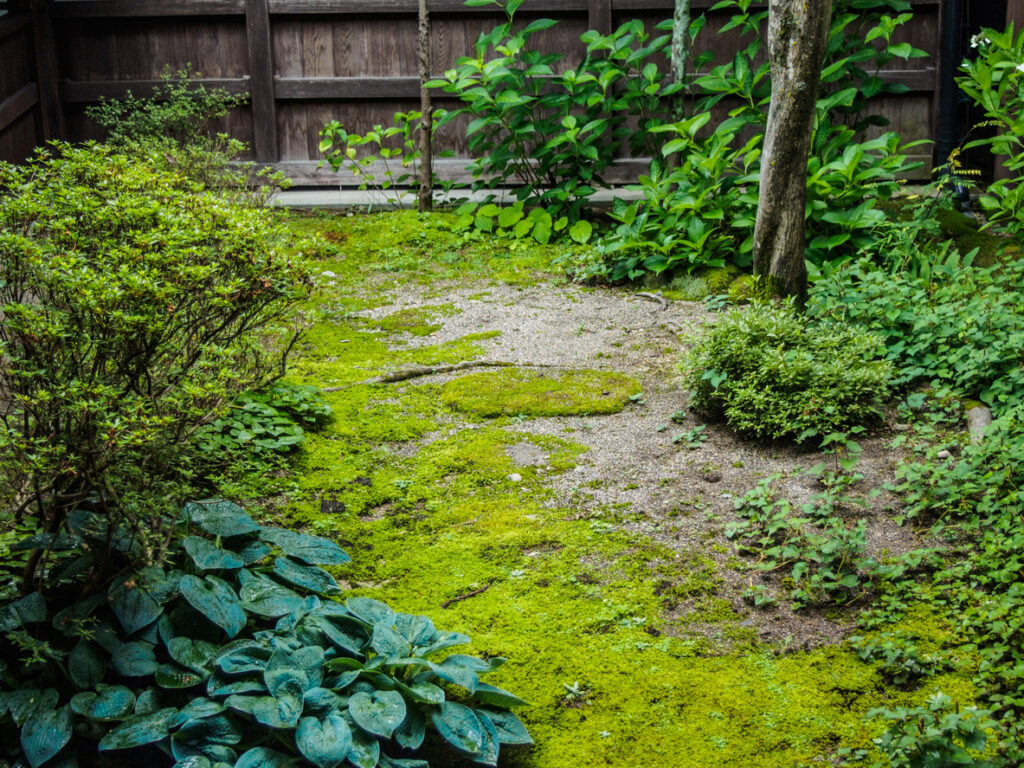
Follies are fun by nature; they were never meant to be practical. Adding one gives you permission to play, to be whimsical, and to step outside the rules of tidy garden design. That freedom can be surprisingly liberating. It opens up space for creativity and personal flair, making the garden feel like yours in a way that perfectly curated flowerbeds never quite can.
They make the garden feel timeless.
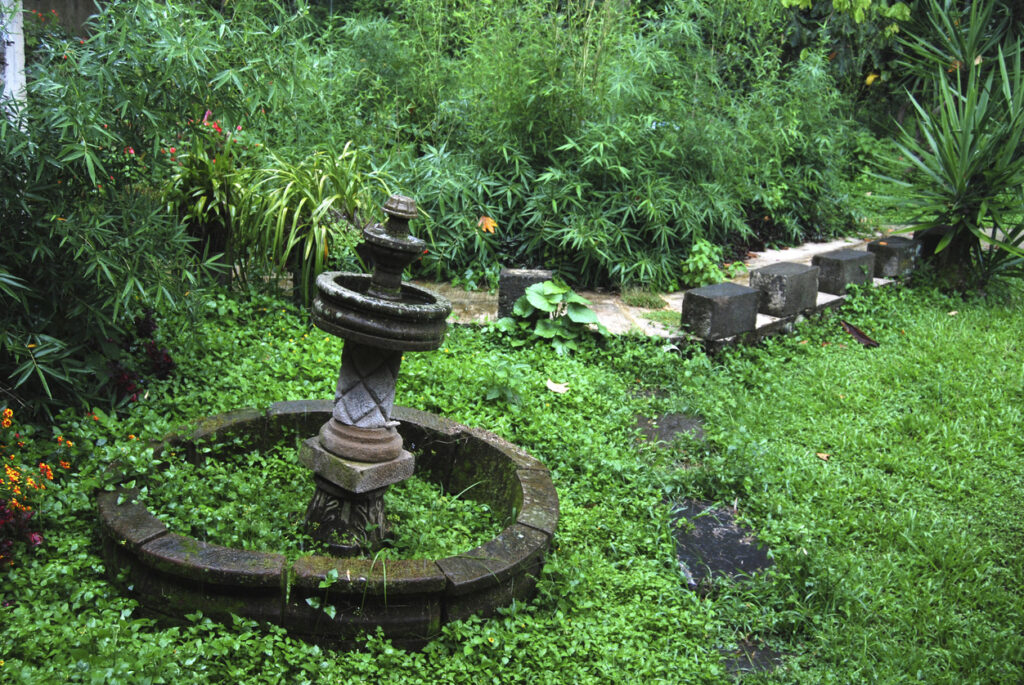
Whether you’re in the middle of a city or a village garden, a ruin gives the impression that your space has always been there. It detaches you slightly from the modern world in the best possible way. It’s like your garden exists outside of time—a bit of escapism, a bit of fantasy, and a quiet reminder that beauty doesn’t need to be new or polished to be powerful.