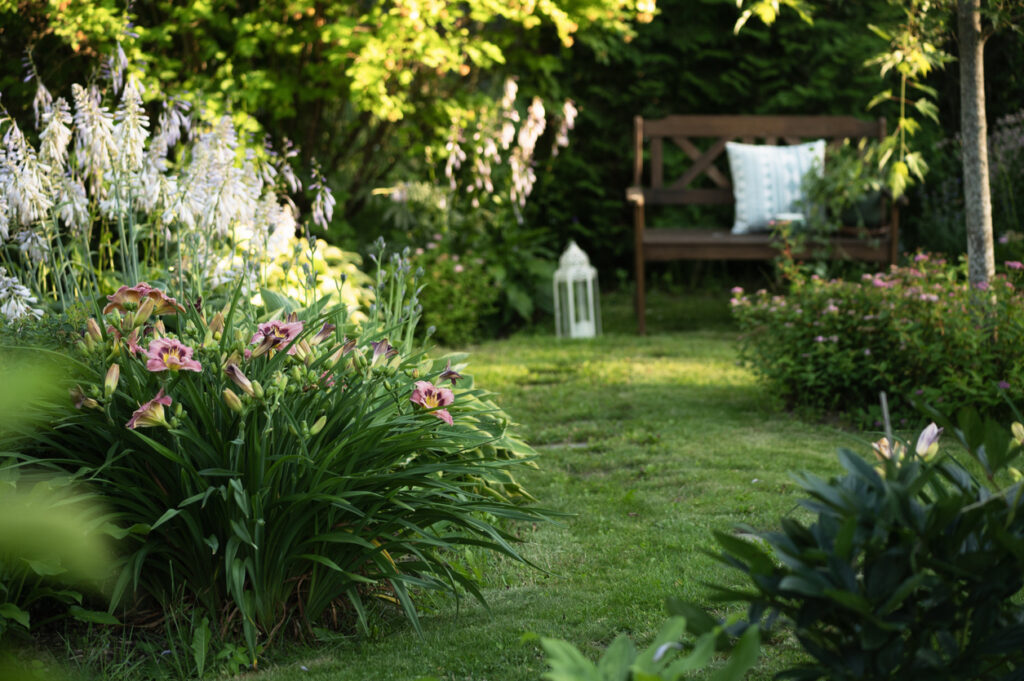
We’ve all fallen in love with a plant, carefully placing it in the garden… and then watched it struggle like it’s been dropped on the wrong planet. It’s not always your gardening skills to blame. Often, it comes down to microclimates, those small, often-overlooked patches of garden that act like their own little weather zones. Shady corners, sun traps, windy spots, warm walls… they all make a difference. Here’s how to understand and tweak your garden’s microclimate, so your plants can actually thrive where they’re planted.
Start by mapping your sun and shade zones.
Every garden has its own light patterns that change with the seasons. Track where the sun hits throughout the day, noting which areas get full sun, part shade, or deep shade. Even small changes, like that neighbour’s tree casting shade for two hours, can make or break a plant’s success. Once you understand your light patterns, you can group your plants more strategically. Sun-lovers like lavender and rosemary won’t stand a chance in your damp, shaded corner, but ferns or hostas will absolutely love it.
Use walls and fences to your advantage.
South-facing walls can act like giant radiators, storing heat during the day and releasing it at night. This creates a much warmer microclimate, perfect for more delicate or heat-loving plants like figs, olives, or even a sheltered grapevine. On the flip side, north-facing walls tend to stay cool and shaded, which is ideal for plants that burn easily or wilt in strong sun. Understanding the orientation of your boundaries helps you make the most of what’s already there.
Improve drainage where needed.
Microclimates don’t just come from sun and wind. They’re shaped by the soil, too. If you’ve got a boggy patch where water lingers, you’ll need to amend the soil with grit, compost, or even consider raised beds to improve drainage. Plants that hate wet feet, like lavender or rosemary, will never be happy in a soggy spot. On the other hand, moisture-loving species like astilbe or meadowsweet might actually thrive there. Work with what the space gives you.

Plant windbreaks in exposed areas.
If your garden is frequently battered by wind, it creates a harsh microclimate that dries out the soil and damages tender leaves. Installing hedges, fences, or even staggered rows of tough plants can act as a natural windbreak. Using dense evergreens like holly, yew, or escallonia can help create pockets of calmer air where other plants can flourish. You don’t need to block the wind entirely, just slow it down enough to give your plants a fair shot.
Harness heat with paving or gravel.
Hard surfaces like paving stones and gravel absorb and radiate heat, making surrounding areas slightly warmer, especially on sunny days. This can give you a microclimate boost in cool spots or shoulder seasons. It’s particularly helpful for Mediterranean herbs and succulents that like dry heat. Just be mindful of how much heat you’re introducing—it can make nearby spots too warm for some leafy or shade-loving plants.
Create cooler zones with dense planting.
On the flip side, if your garden is one big sun trap, you can create cooler microclimates using layers of planting. Taller plants provide shade and wind protection for more delicate ones underneath. That kind of vertical layering mimics natural woodland environments and works well for gardens that get baked in summer. It’s also brilliant for helping retain soil moisture and shielding young plants from harsh midday rays.
Make the most of raised beds and containers.
Containers and raised beds heat up faster than ground soil and tend to drain better too, which creates slightly warmer, more controlled microclimates. This is ideal for plants that hate cold feet or soggy roots. You can move pots around to chase the sun, shelter them in winter, or group them together for warmth. It gives you more flexibility to grow fussier species that wouldn’t survive in your open beds.

Use mulch to stabilise soil temperature.
Mulching does more than just suppress weeds. It also helps regulate soil temperature and moisture. A good layer of bark, compost, or straw keeps roots cooler in summer and insulated in winter. This is especially useful in exposed spots where the soil swings from too hot to too cold. Plus, it improves the soil over time, which is a bonus for any microclimate trying to support finicky plants.
Create pockets of humidity for tropicals.
If you love tropical or moisture-loving plants like ferns, cannas, or colocasia, you’ll need to raise the humidity around them. Grouping these plants together in a sheltered, shady area helps trap moisture in the air. You can also use shallow dishes of water or plant near a pond to help maintain a more humid environment. It mimics their natural habitat and prevents the crispy leaf edges that happen when they’re too dry.
Watch how frost moves through your garden.
Cold air sinks, which means low points in your garden, like dips or hollows, are more likely to collect frost. If you’ve ever wondered why one part of your lawn goes icy while another stays clear, this is why. To protect tender plants, avoid putting them in these “frost pockets.” Try lifting them into raised beds or placing them near walls or fences, where they’ll get a bit more overnight warmth.
Keep an eye on reflected heat.
Light-coloured walls, gravel, and even windows can bounce sunlight back onto your plants, effectively doubling the heat they receive. This can be great for sun-loving varieties, but disastrous for anything that prefers it cool. If you notice plants looking scorched despite not being in full sun, check what’s reflecting onto them. You may need to move things around or add a bit of shade cover to stop accidental overheating.

Experiment with small tweaks first.
You don’t have to overhaul your whole garden to improve its microclimates. Sometimes, a simple trellis, a few paving stones, or moving a pot to the left can completely change the growing conditions of a plant. Try testing areas before committing fully—pop a plant in a pot, observe how it does in a new corner, and adjust from there. Your garden is more flexible than you think, and small changes can lead to big improvements.
Work with your climate, not against it.
At the end of the day, no amount of tweaking can make a cactus love a soggy, shaded corner. The key is choosing plants that like the conditions you already have, then slightly enhancing those areas to bring out their best. Embracing microclimates means less struggling, less replacing, and more thriving. You don’t need a perfect plot. You just need to understand its quirks and learn how to make each part work for the plants it’s most suited to.