Fungal problems in the garden can creep in slowly, then take over fast.
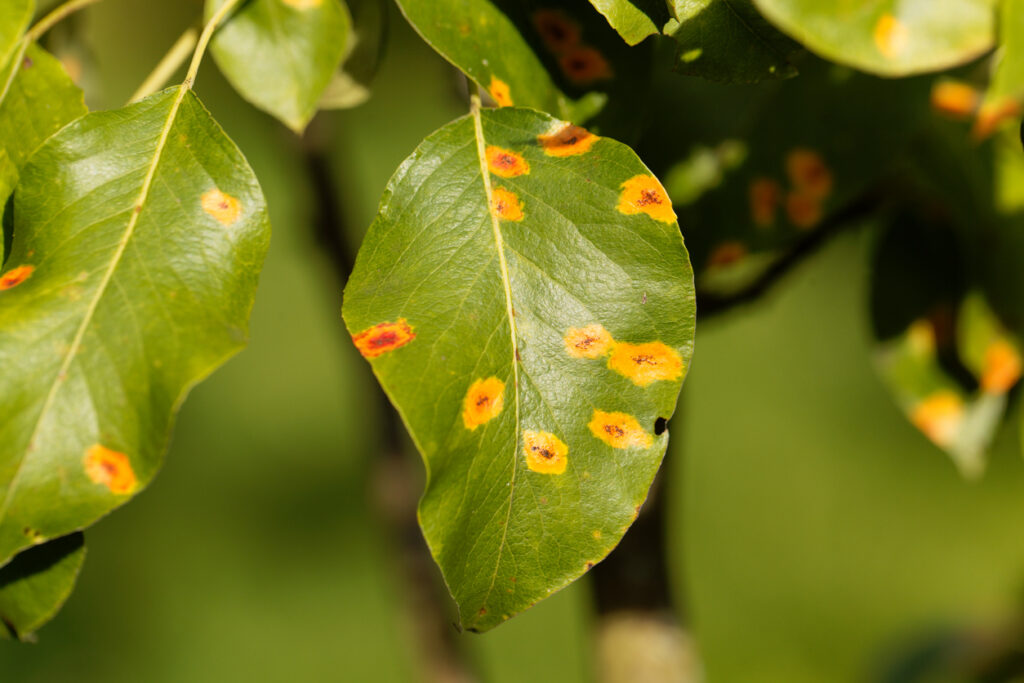
One day your roses are thriving, the next they’re dropping leaves like it’s autumn. Issues like black spot, powdery mildew and rust aren’t just cosmetic annoyances—they can seriously weaken your plants if left unchecked. However, the good news is, most of them are manageable once you know what to look for. Here’s what’s really behind the most common garden fungal issues, and how to deal with them without turning your flowerbeds into a battlefield.
1. Black spot (Diplocarpon rosae)
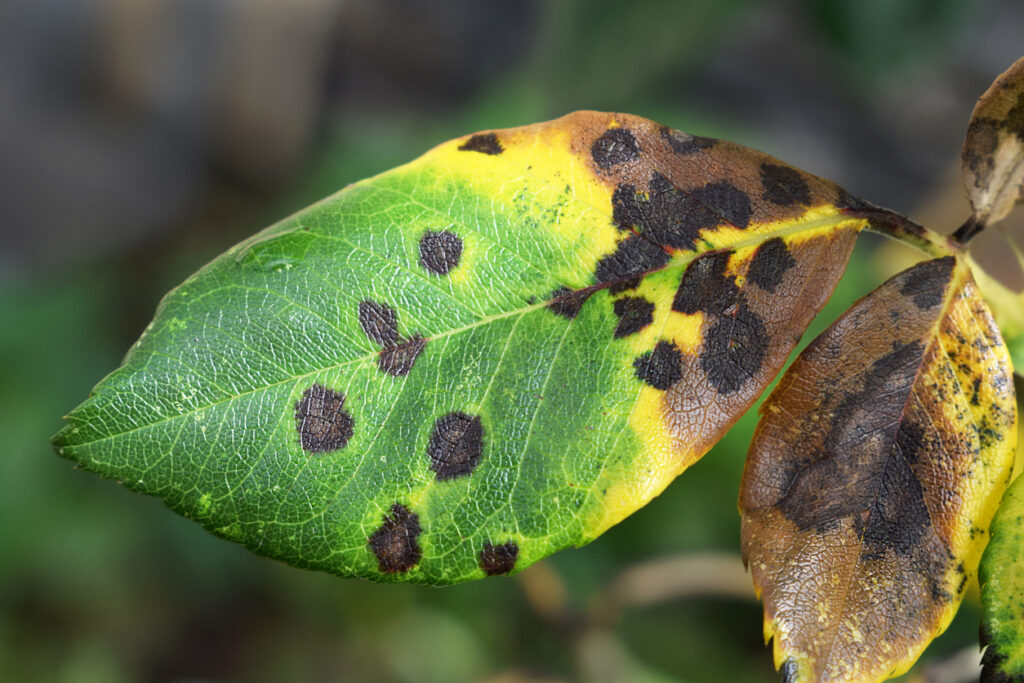
This is the bane of many rose growers. It shows up as dark, round spots with fringed edges on leaves, which then yellow and drop off. It weakens the plant over time, making it less able to flower and fend off other issues. Good airflow is key—space your roses out and prune regularly to keep air moving. Remove infected leaves as soon as you see them (don’t compost them), and water at the base, not over the foliage. There are fungicides available, but prevention works best.
2. Powdery mildew

If your plants look like they’ve been dusted with flour, it’s probably powdery mildew. It affects a wide range of plants—from courgettes and cucumbers to delphiniums and phlox, especially in dry conditions with poor airflow.
Unlike many fungal problems, it doesn’t need wet leaves to spread. Keep plants healthy and well-watered at the roots, and cut back any crowded growth. Homemade sprays like diluted milk or baking soda solutions can help, but consistent care is your best defence.
3. Rust
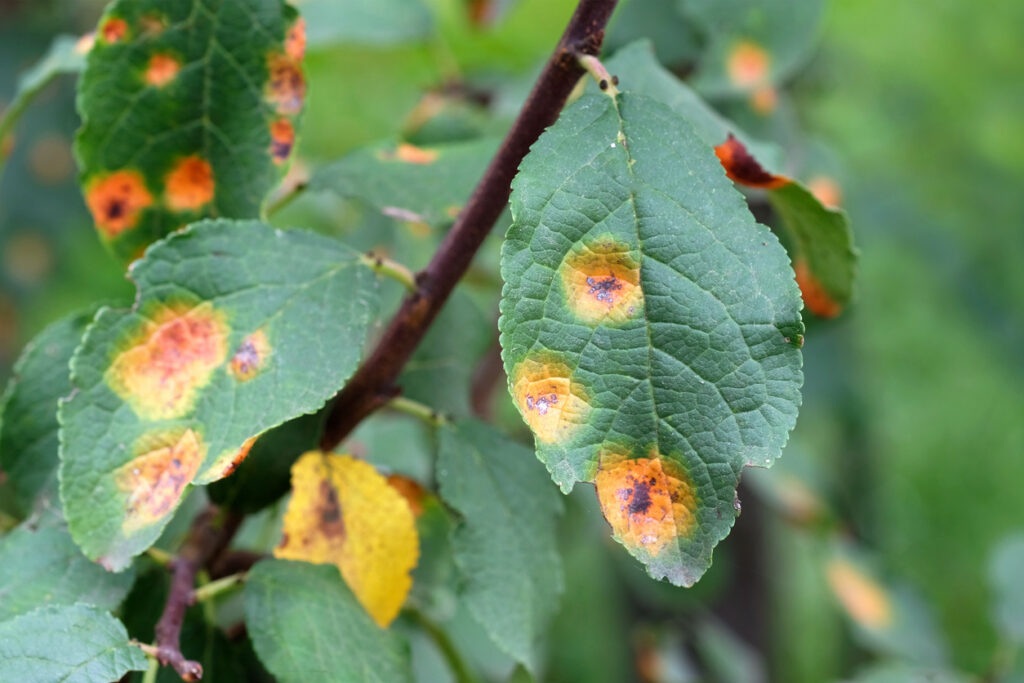
Rust shows up as orange, yellow or brown pustules on the underside of leaves. It often affects hollyhocks, snapdragons and fruit trees, and can weaken plants by reducing their ability to photosynthesise properly. Remove and destroy affected leaves and try rotating where you plant susceptible species each year. Good spacing and removing weeds also helps reduce the risk, since fungal spores can linger in soil and debris.
4. Grey mould (Botrytis cinerea)
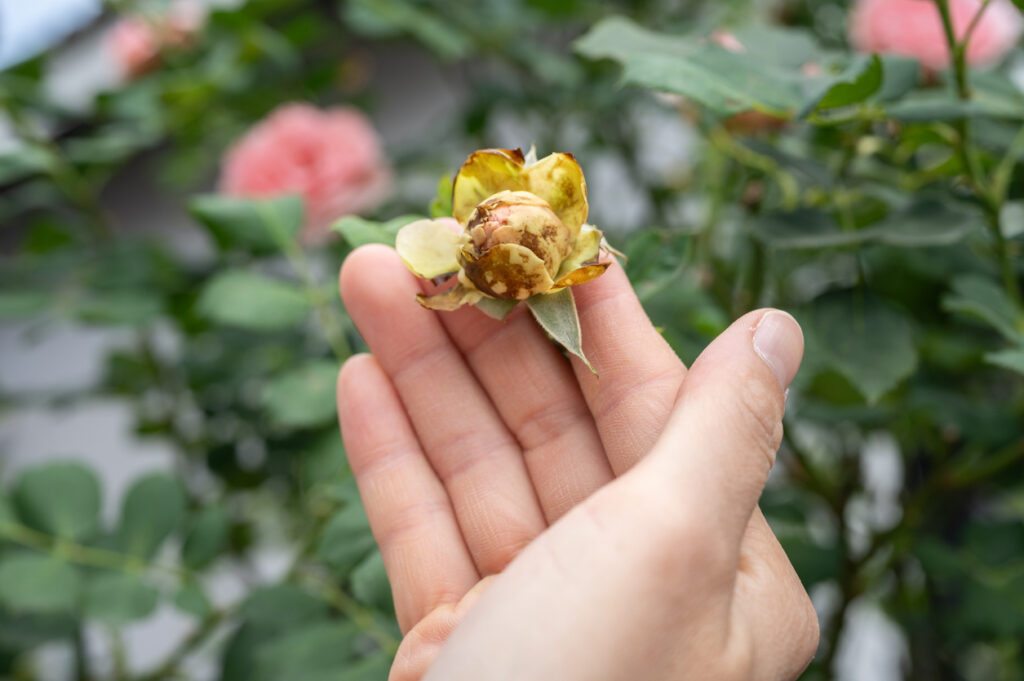
This fuzzy, grey fungal growth thrives in damp, humid conditions and can affect flowers, fruits and even stems. It’s especially common in greenhouses and overwatered areas of the garden. Remove infected parts quickly and improve ventilation, especially in covered or crowded growing areas. Avoid overhead watering and clear up dead material regularly, as grey mould loves decaying plant matter.
5. Leaf spot
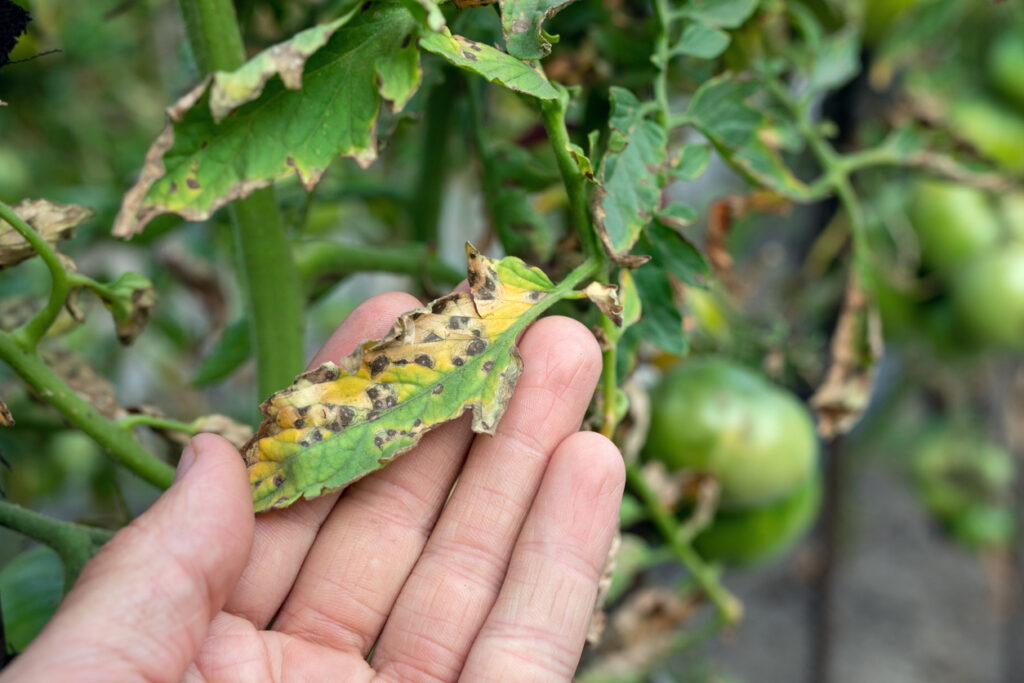
Leaf spot is a general term for various fungal (and bacterial) infections that cause small spots on leaves. These can be brown, black, or tan, often with a yellow halo. It weakens the plant’s overall health and looks untidy, too. Rake up and bin infected leaves, and avoid splashing water on foliage if you can. Improving air circulation and avoiding overcrowding will also reduce the spread. If needed, a general garden fungicide can help break the cycle.
6. Blight
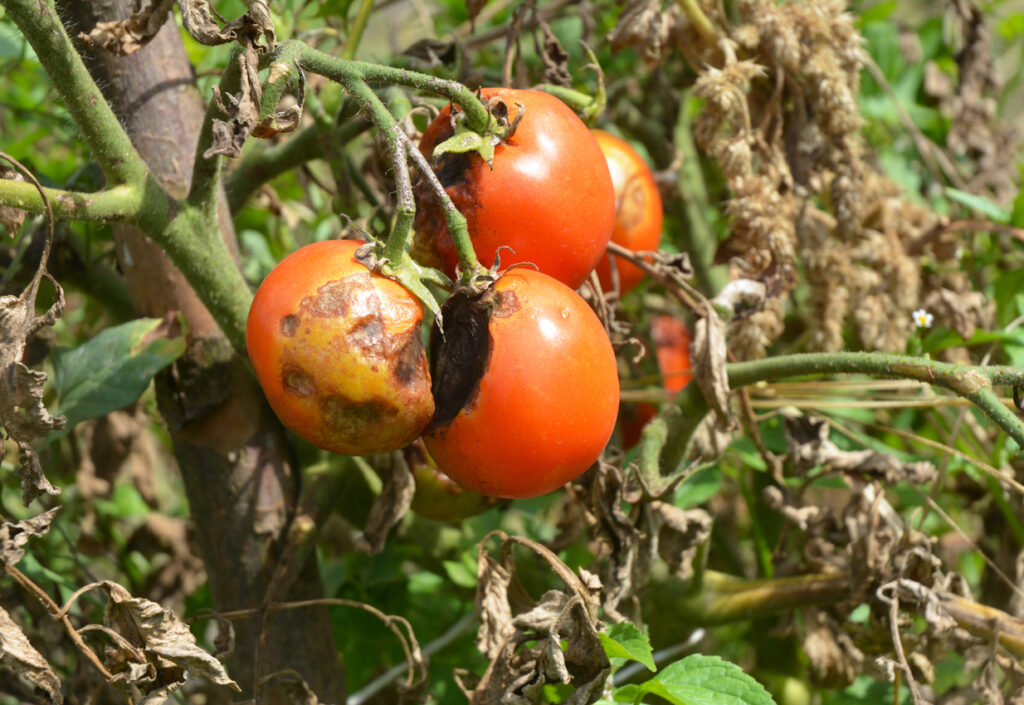
Blight is a serious fungal problem, especially for tomatoes and potatoes. It starts with dark patches on leaves and quickly spreads to stems and fruit. Once it takes hold, it can wipe out your crop in days. Try growing blight-resistant varieties, rotate crops annually, and avoid planting tomatoes and potatoes in the same spot year after year. If blight appears, remove and destroy all affected material immediately—don’t compost it.
7. Damping off
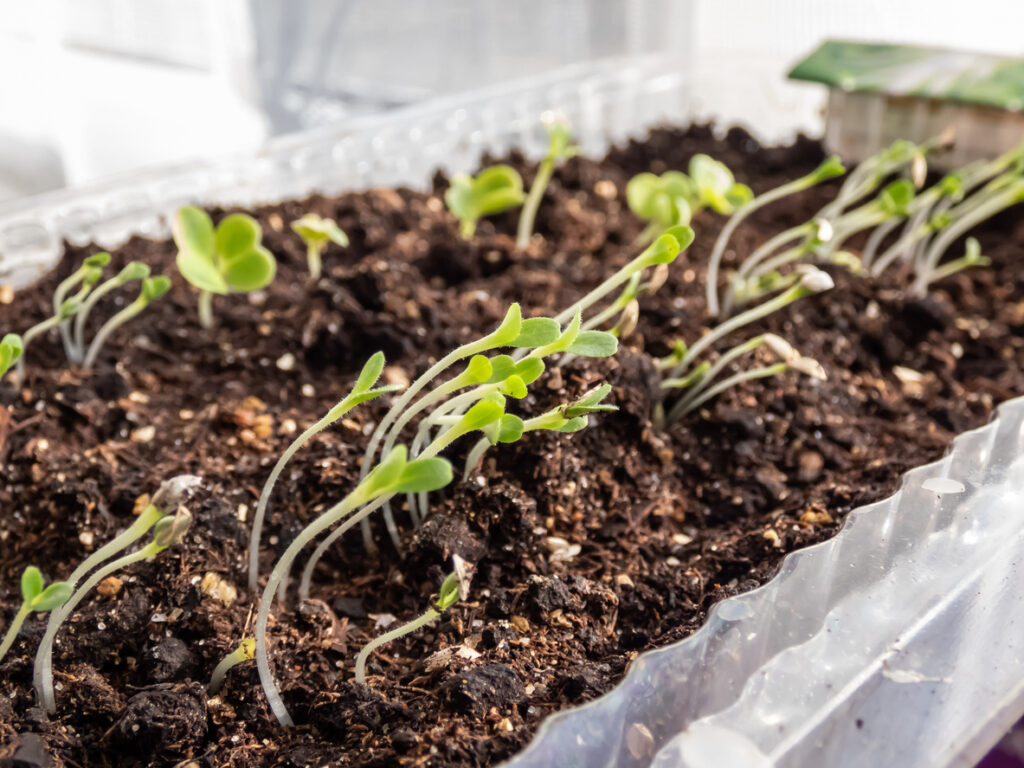
This one mainly affects seedlings. A white, fuzzy mould forms at the base of the stem, which quickly collapses and kills the plant. It’s caused by fungi in overly wet, poorly ventilated soil or seed trays. Use clean pots and seed compost, avoid overwatering, and give seedlings good airflow. Once damping off starts, there’s no saving the affected ones, but improving your setup can prevent it next time.
8. Downy mildew
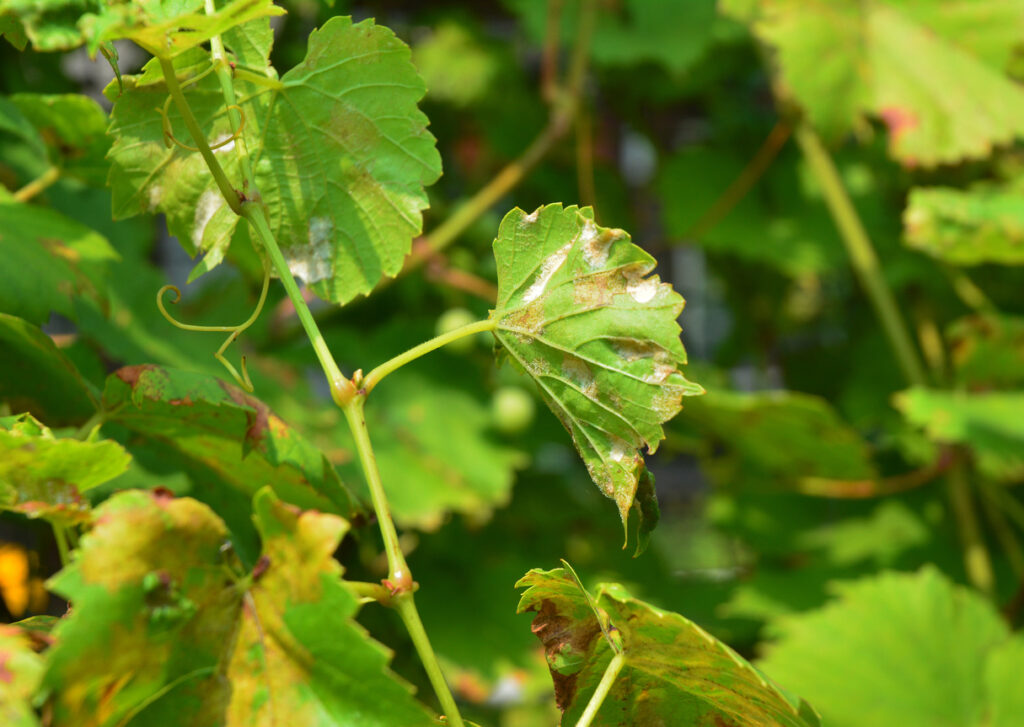
Downy mildew looks like yellowish or pale patches on top of leaves, often with a downy grey or white fuzz underneath. It thrives in cool, damp conditions and can spread rapidly across lettuce, grapes, and brassicas. Make sure you’re not watering late in the evening when moisture lingers overnight. Improve drainage, and pick off infected leaves before it gets out of hand. In severe cases, copper-based fungicides may help.
9. Sooty mould
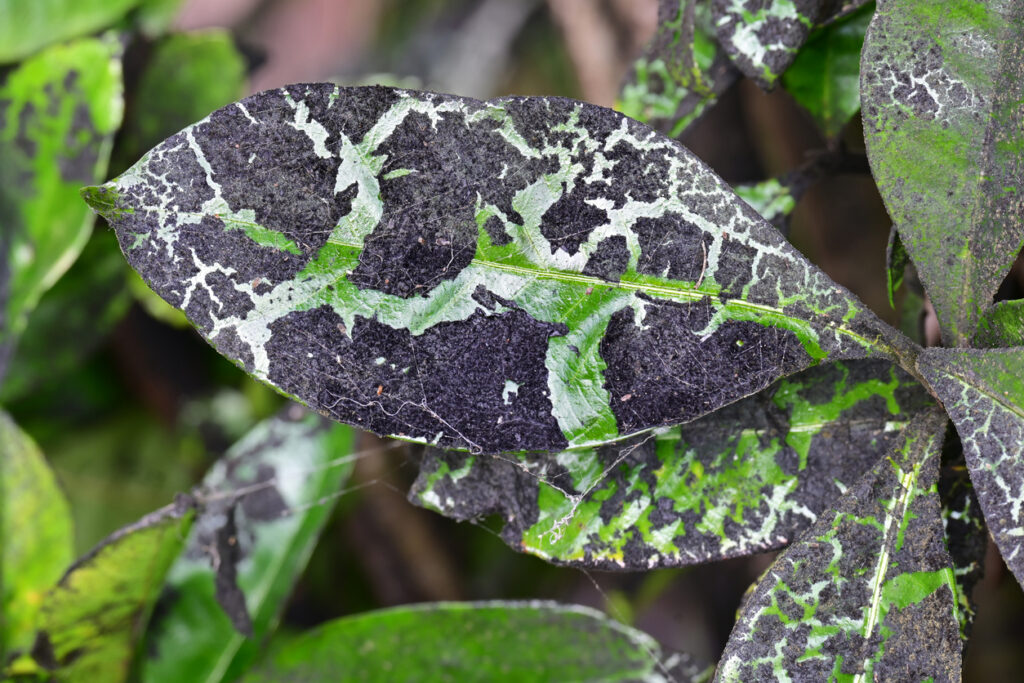
This black, powdery-looking fungus usually appears on leaves already sticky with honeydew, the sugary residue left behind by aphids and other pests. The mould itself isn’t harmful, but it blocks sunlight and slows growth. Control the insects causing the honeydew and the mould will stop forming. Wash off affected leaves with a damp cloth or mild soap solution. It’s more of a symptom than a disease, but still needs addressing.
10. Clubroot
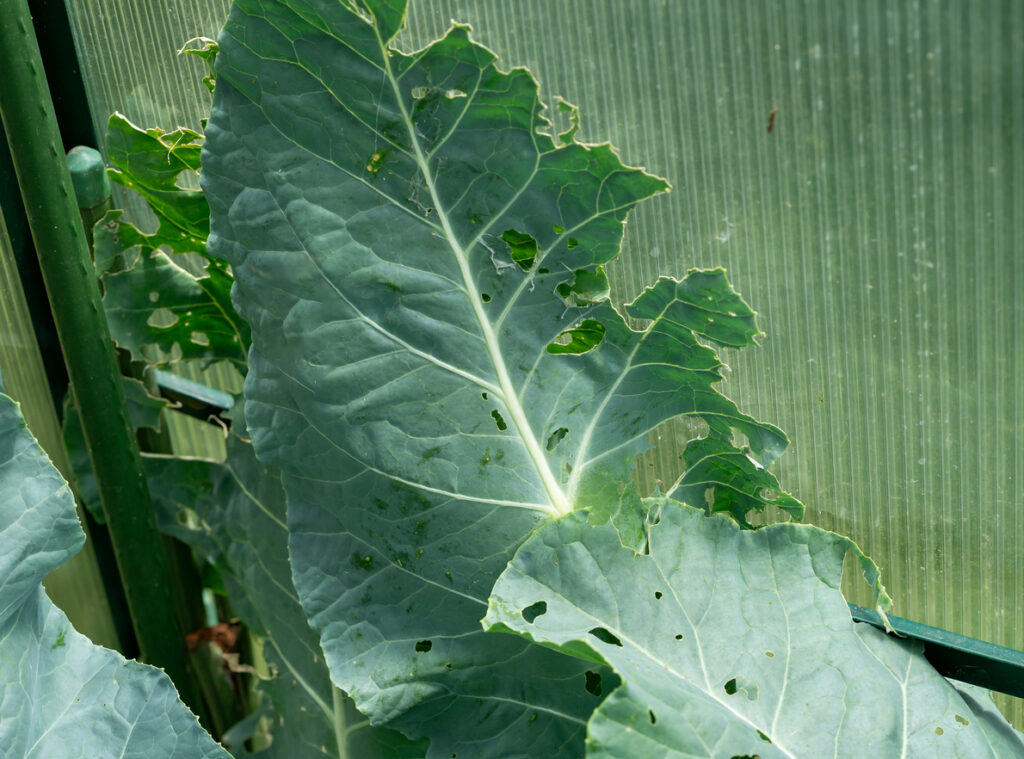
Clubroot affects brassicas like cabbage and broccoli, causing swollen, distorted roots and stunted growth. It’s a soil-borne fungus that can hang around for years, so prevention is key. Choose resistant varieties if possible, and don’t grow brassicas in the same spot more than once every four years. Improving drainage and raising soil pH with lime can make the soil less welcoming to the fungus.
11. Shot hole disease
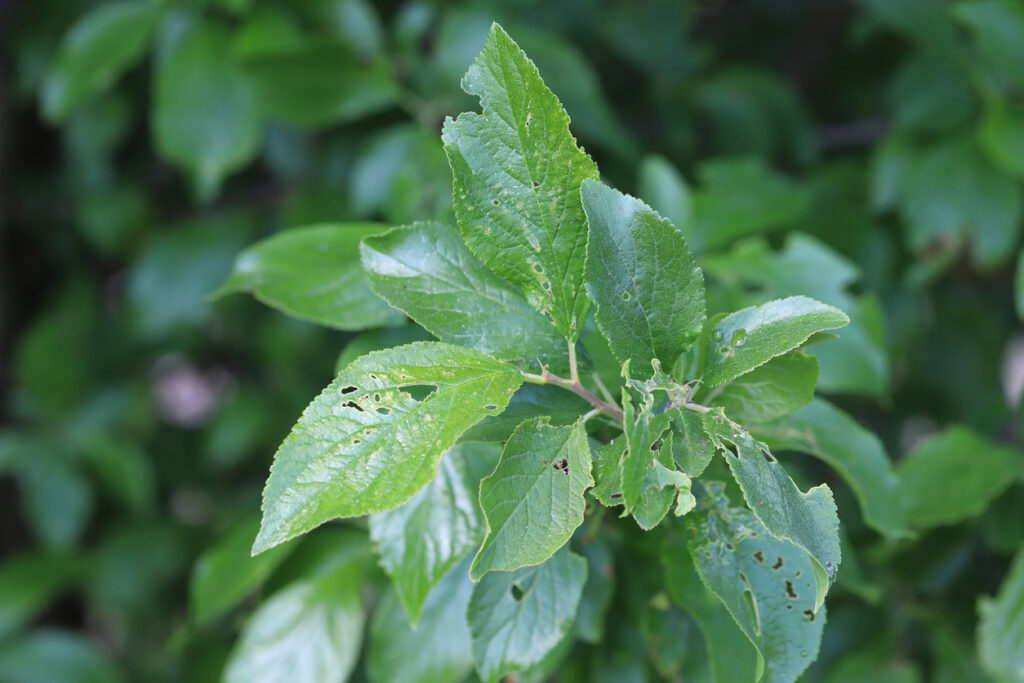
This causes small holes in leaves after infected tissue drops out, making leaves look like they’ve been hit with a shotgun. It’s especially common in cherry and plum trees. Prune and dispose of affected leaves and branches, and avoid overhead watering. Ensuring good airflow through the tree canopy helps reduce humidity and keeps fungal spores at bay.
12. Anthracnose
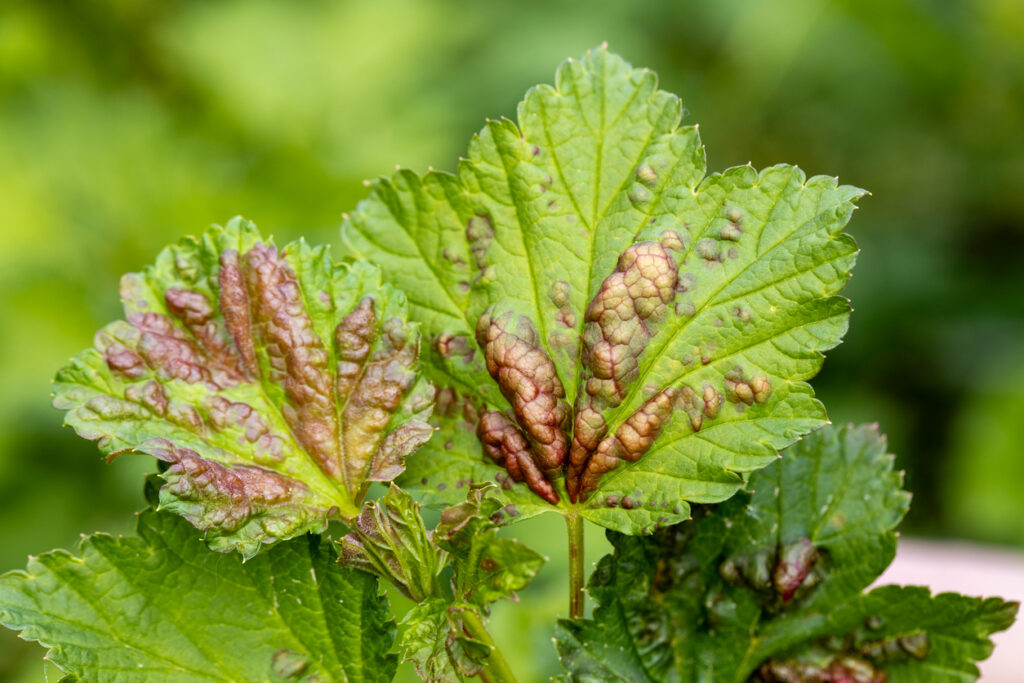
Anthracnose causes sunken, dark lesions on leaves, stems or fruit, and can affect a wide range of plants including cucumbers, beans, and strawberries. It often spreads in warm, wet conditions. Rotate crops, avoid watering the leaves, and clean up garden debris. If it becomes a recurring issue, try resistant plant varieties and give them plenty of space to breathe. Quick action can stop it from spreading across your patch.