Box plants (or boxwood, if you’re feeling posh) are a classic garden staple—great for hedges, topiary, or just giving a bit of structure to a border.
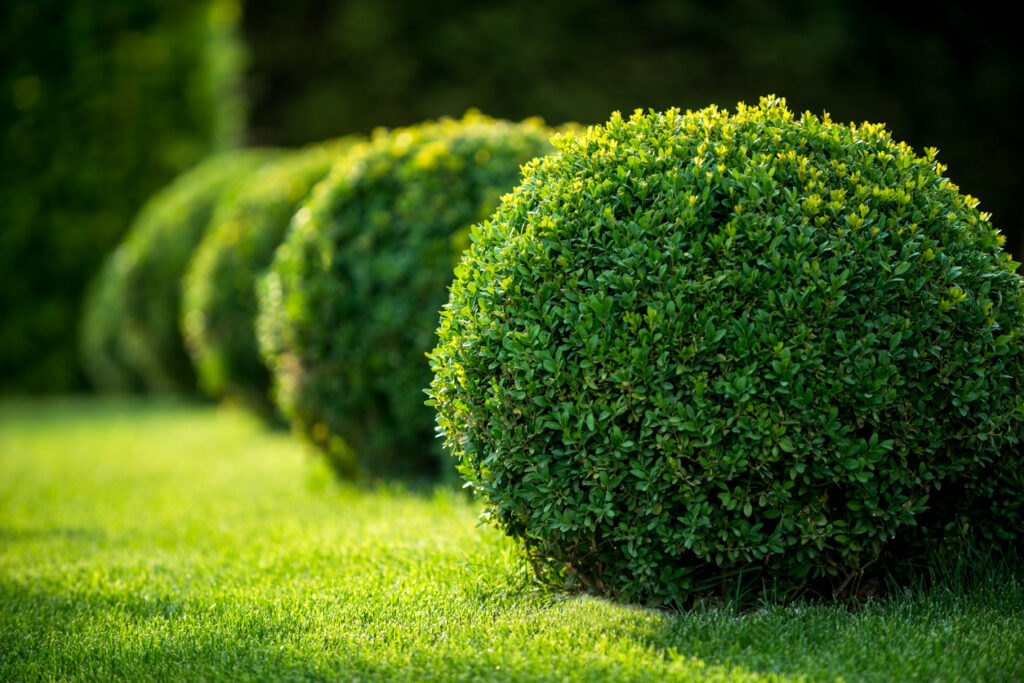
However, if yours suddenly look patchy, sad, or downright skeletal, you’re not imagining things. Box problems are more common than ever, especially in UK gardens. Between pests, diseases, and a few common care mistakes, even the healthiest-looking plants can go downhill fast. Here are some common reasons yours might be looking worse for wear, and what you can actually do to help them bounce back.
1. Box tree caterpillar has moved in.
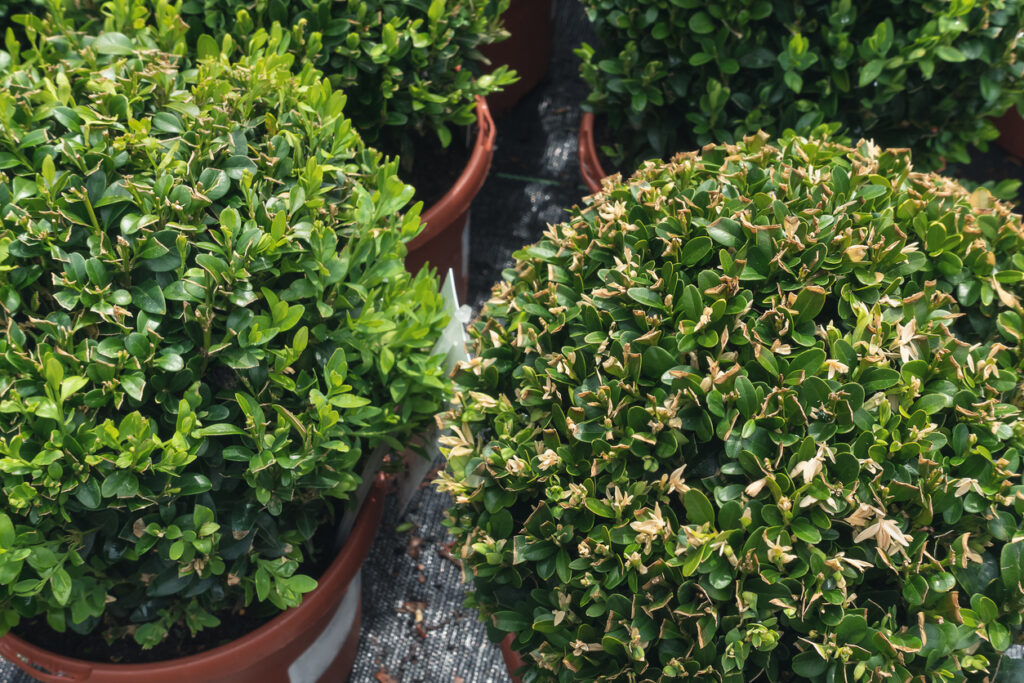
These little green munchers are one of the biggest culprits behind bare or ragged-looking box plants. The larvae of a moth, they eat the leaves fast and leave behind webbing and droppings—nice. If you spot them, act quickly. Prune out the worst-affected sections, remove caterpillars by hand, and use a biological control or approved insecticide. It may take a few rounds, but you can win the battle.
2. Box blight is causing dieback.
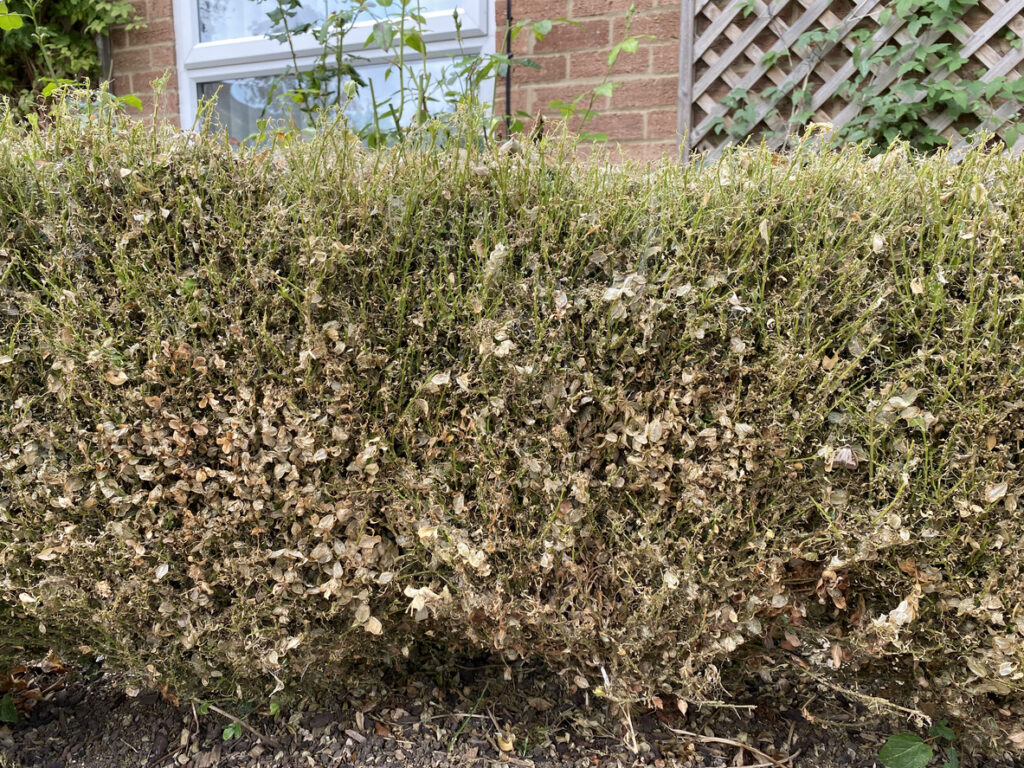
Box blight is a fungal disease that causes leaves to fall off in patches, leaving twiggy, bald sections behind. It thrives in damp, overcrowded conditions and spreads easily in wet weather. Cut out infected sections with clean, sharp tools and bag up the waste—don’t compost it. Improve airflow around your plants and avoid overhead watering to keep things drier and less hospitable to fungus.
3. Poor pruning has weakened the plant.
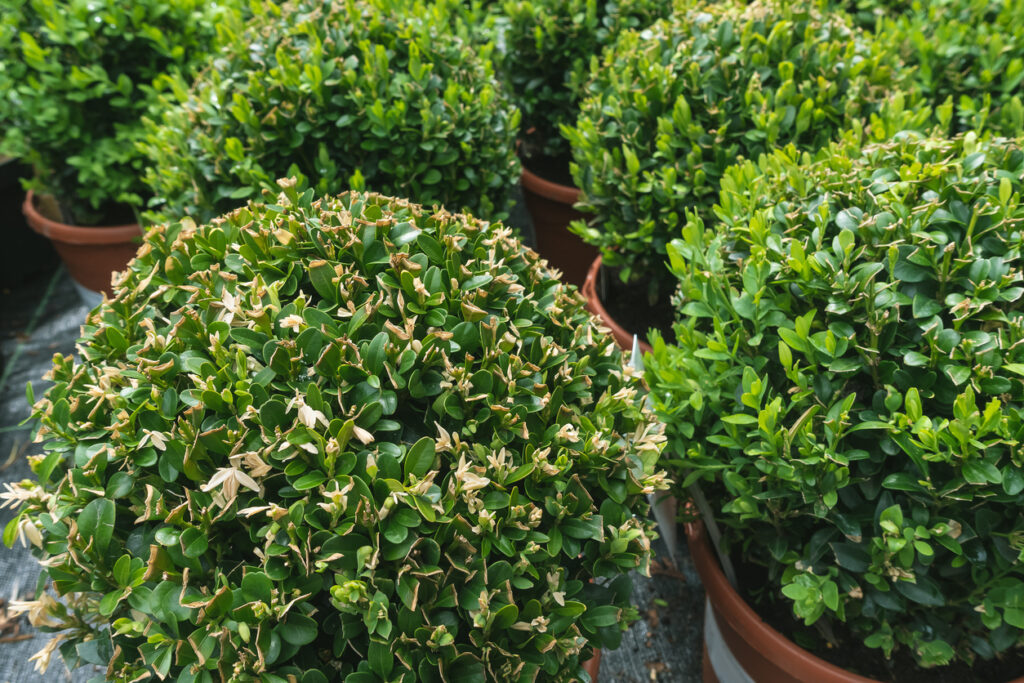
Box responds well to regular trimming, but aggressive or poorly timed pruning can stress the plant and leave it vulnerable to pests and disease. If it’s suddenly looking bare, harsh cutting may be the reason. Try pruning in late spring or early summer, avoiding damp conditions. Use sharp shears, and only take off a bit at a time, so the plant has time to recover and regrow properly.
4. Lack of light is affecting growth.
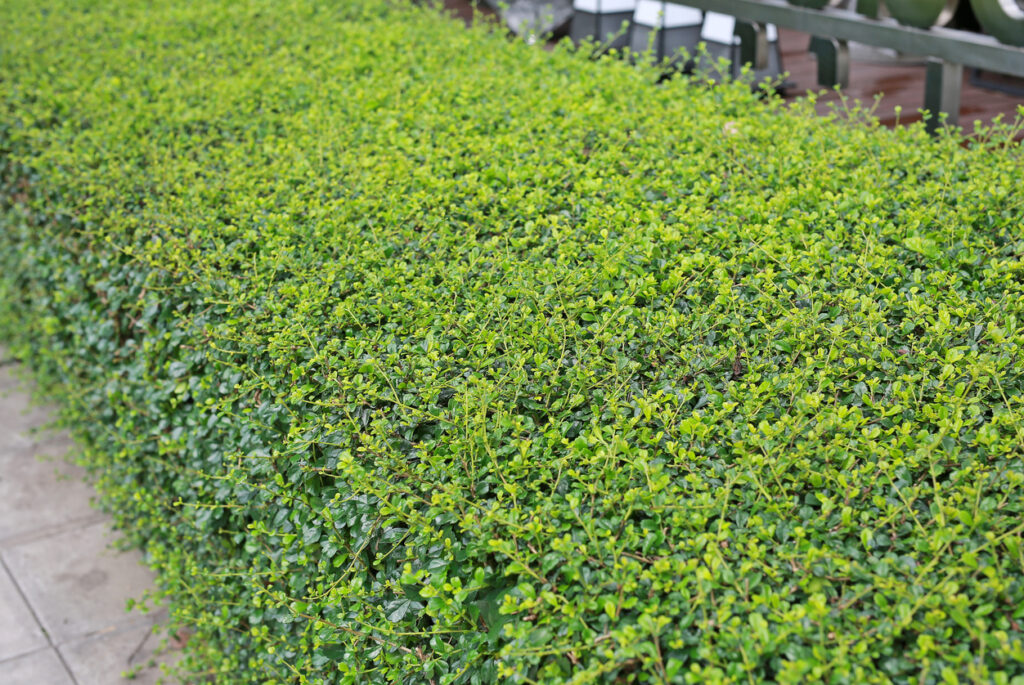
Box can tolerate some shade, but too much, and it starts to look leggy, sparse, or patchy. If your plants are struggling in low-light areas, they might need a sunnier home—or a bit of thinning around them. If moving them isn’t an option, try pruning nearby plants to let in more light. Even a bit of extra sun can help box bounce back and fill out more evenly.
5. Your soil might be too wet.
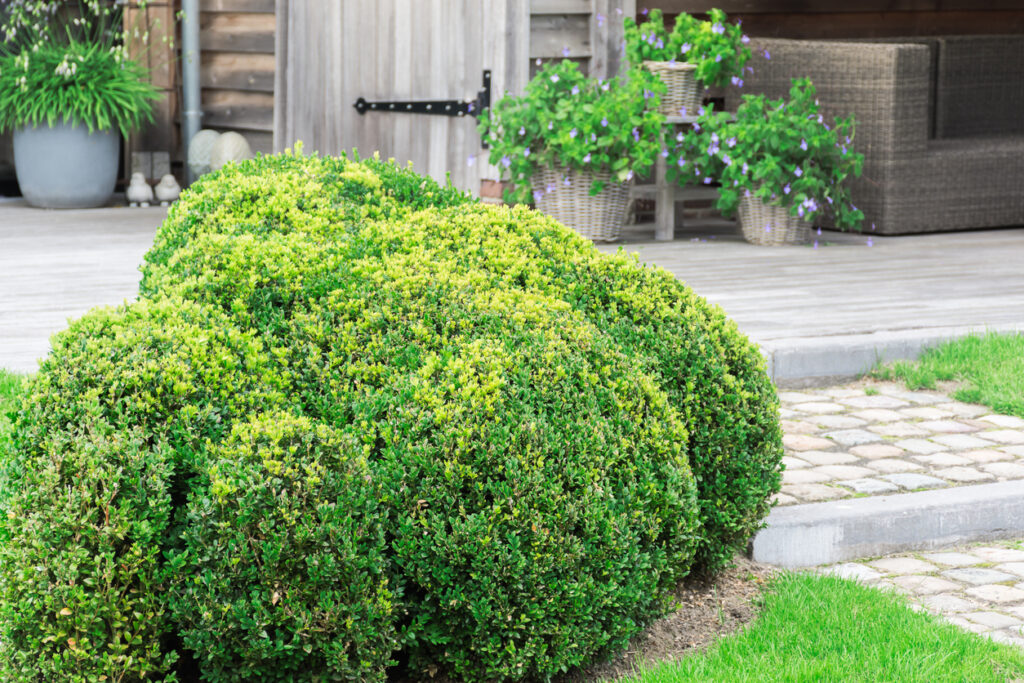
Box plants don’t like sitting in soggy soil. Poor drainage can lead to root rot, where the roots die off, and the plant can’t take up nutrients properly, leading to yellowing, thinning, or sudden dieback. If you suspect drainage issues, lift the plant and improve the soil with grit or compost. In very wet areas, consider switching to raised beds or containers where you can control the conditions better.
6. They’re in a container that’s too small.
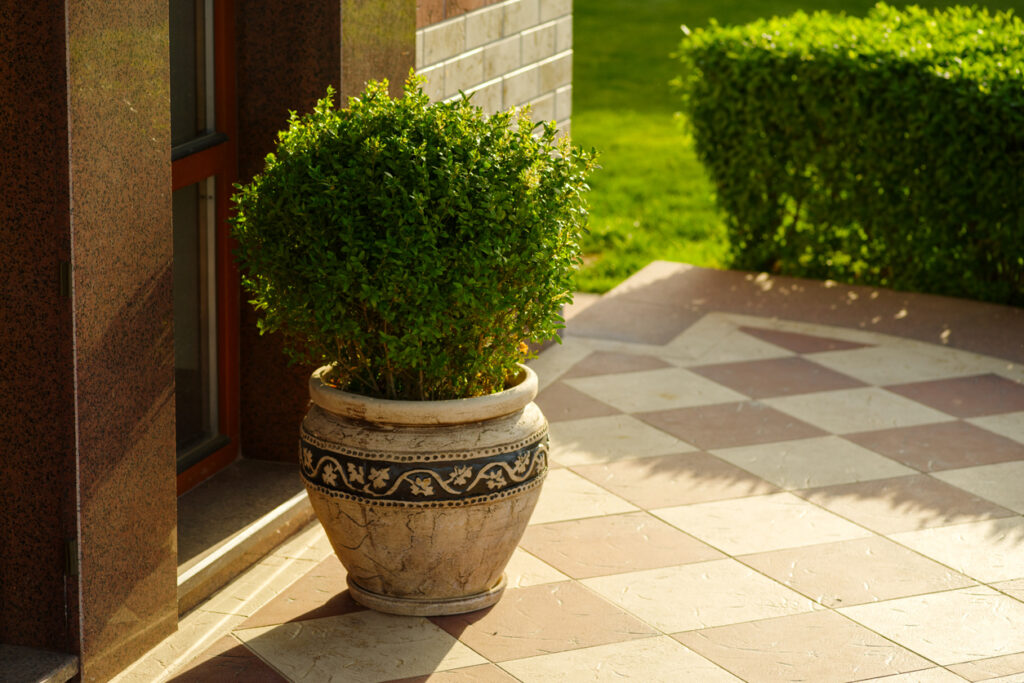
Box in pots can outgrow their space quietly. Once the roots have filled the pot, the plant starts to suffer—growth slows, leaves drop, and bare patches appear as it struggles to keep up. Check if the roots are circling or poking out of the drainage holes. If so, it’s time for a bigger pot, fresh compost, and a good drink to help it bounce back.
7. Nutrient deficiencies are taking a toll.
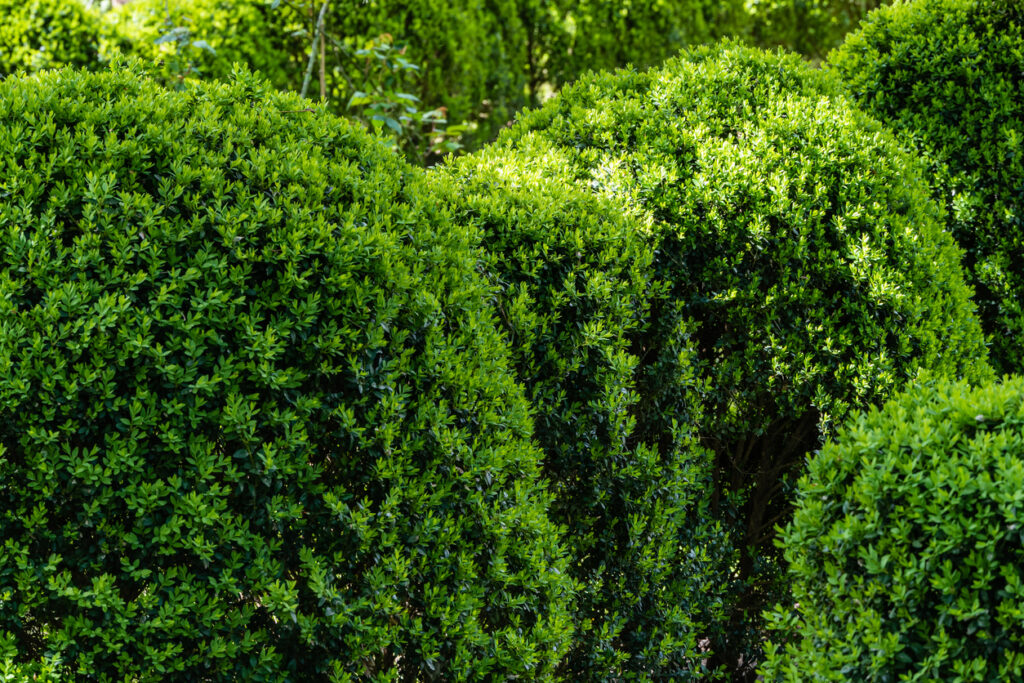
If your box is pale, sparse, or growing unevenly, it might not be getting what it needs from the soil. Like most evergreen shrubs, box benefits from regular feeding during the growing season. Use a balanced, slow-release fertiliser in spring, or feed with a liquid evergreen feed every few weeks through summer. Healthy plants are more resistant to pests and bounce back faster from stress.
8. They’ve been hit by frost damage
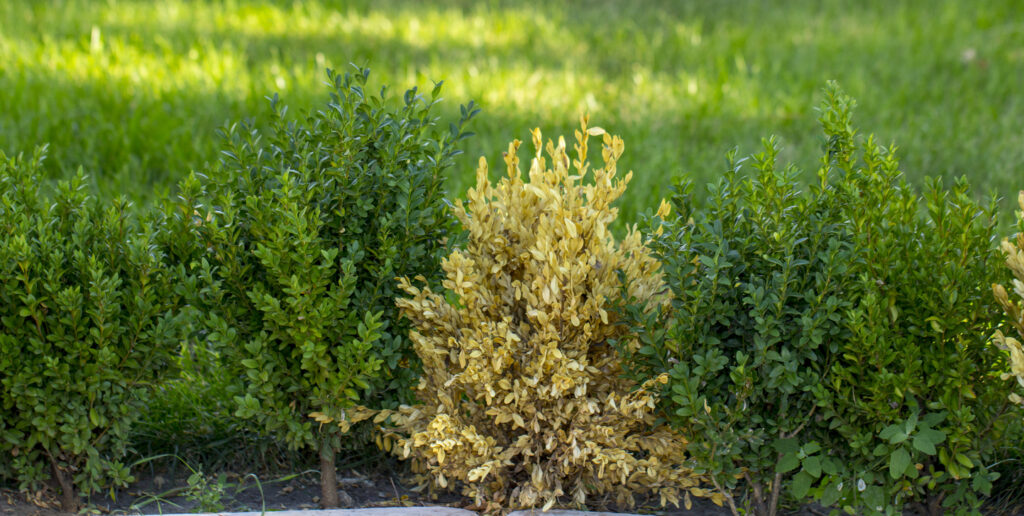
Cold snaps, especially after a warm spell, can burn new growth on box, leaving it brown and patchy. Frost-damaged leaves might not drop straight away, but over time you’ll see thinning and bare patches. Prune out damaged areas once the risk of frost has passed, and don’t panic—box is slow but usually recovers well. A light feed and gentle trim can help encourage new growth.
9. The plant is simply old and tired.
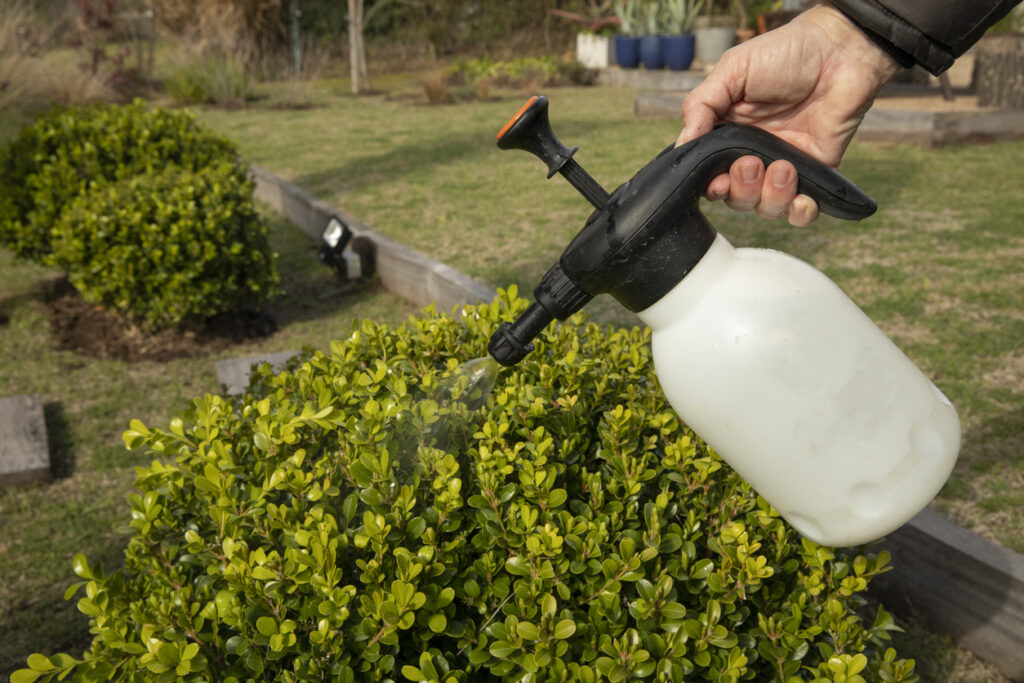
Box plants can live for decades, but they do get tired. Older plants sometimes become woody in the centre, with sparse foliage and fewer signs of life near the base. Give them a rejuvenating prune—cutting back by about a third in spring—and feed well through the season. It might take a year or two, but you can often bring an old plant back to life with a bit of patience.
10. They’ve suffered a heatwave hit.
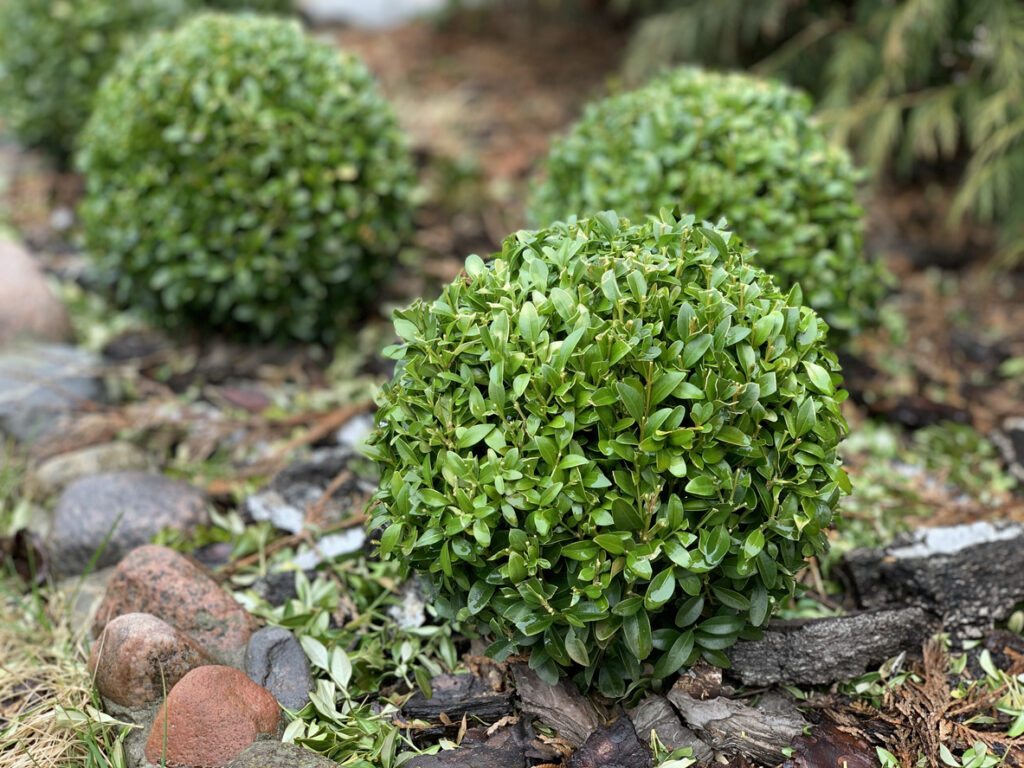
Hot, dry summers can leave box plants scorched, especially if they’re in pots or exposed spots. Browning, curling, or sudden leaf drop can follow an intense heat spell without enough water. Keep box well-watered during hot weather and consider adding a layer of mulch to help retain moisture. Shading pots during the worst of the sun can also prevent root stress and keep them looking healthier.
11. Too much clipping, not enough recovery.
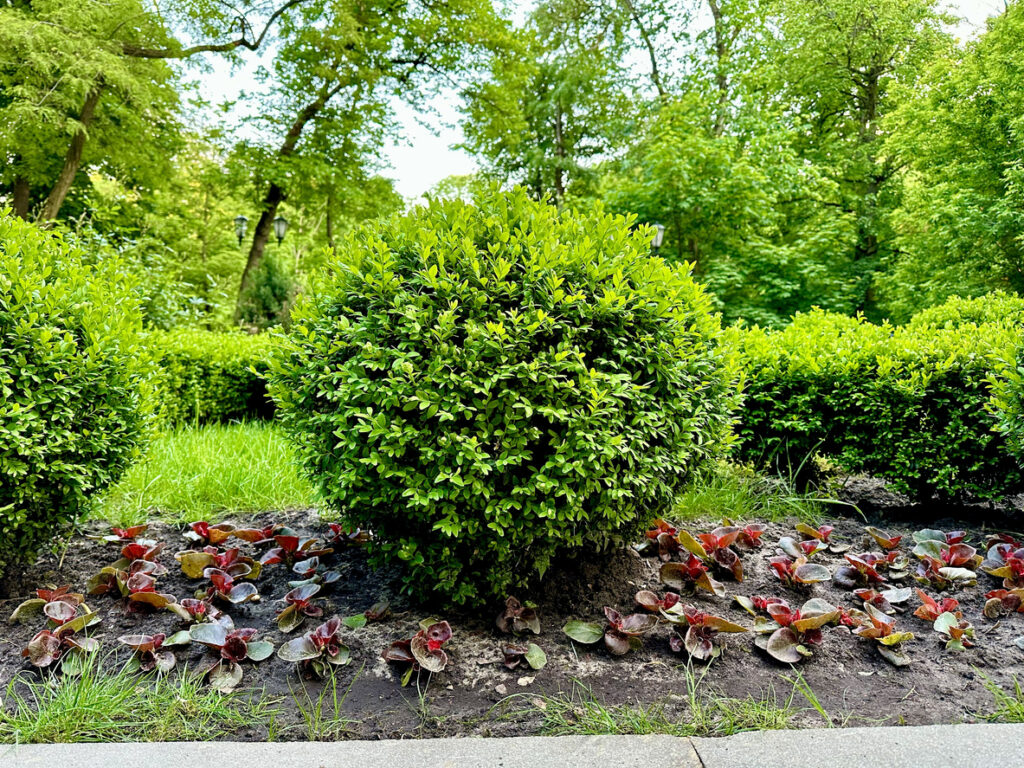
Some people get overexcited with the shears, especially when aiming for that perfect topiary shape. But constant clipping without giving the plant time to photosynthesise properly can weaken it. Try leaving a bit more green growth after trimming, and avoid cutting in very hot or very wet weather. A few imperfect shapes now are better than a plant that can’t recover at all.
12. They’re just going through a rough patch.
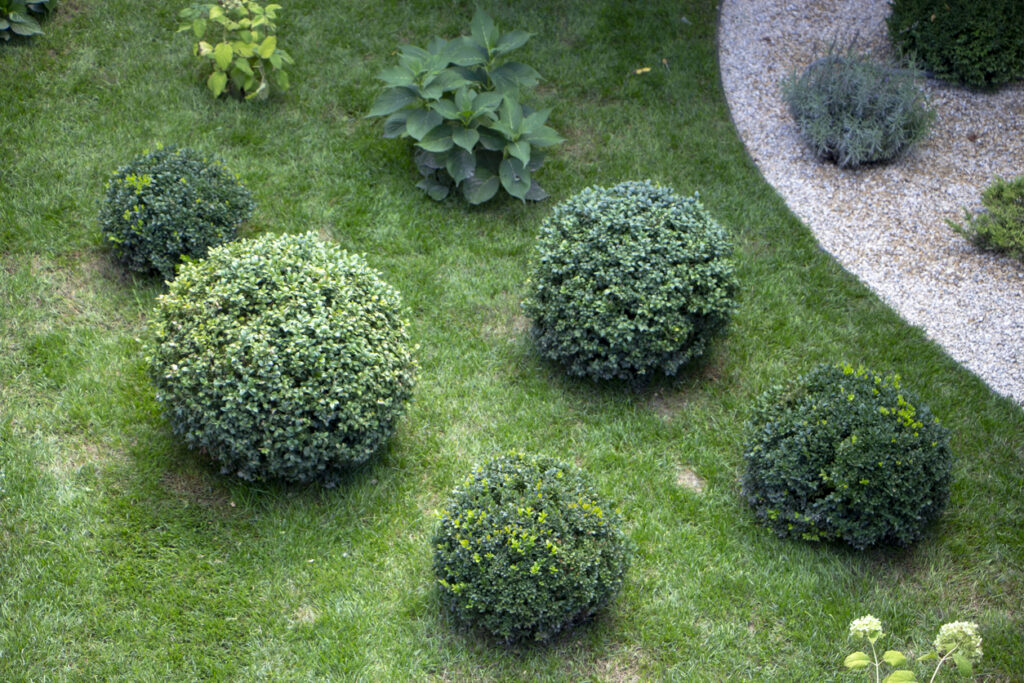
Sometimes, box plants have an off year. Maybe it’s been a long winter, or they’ve had a series of minor stresses that just added up. Plants get tired, too. If the roots are still healthy, don’t rush to replace it. Give it a proper feed, clear any debris, and trim gently to encourage fresh growth. With a bit of care and time, box can often bounce back better than expected.