Just because you don’t have a big garden doesn’t mean you can’t enjoy a bit of greenery.
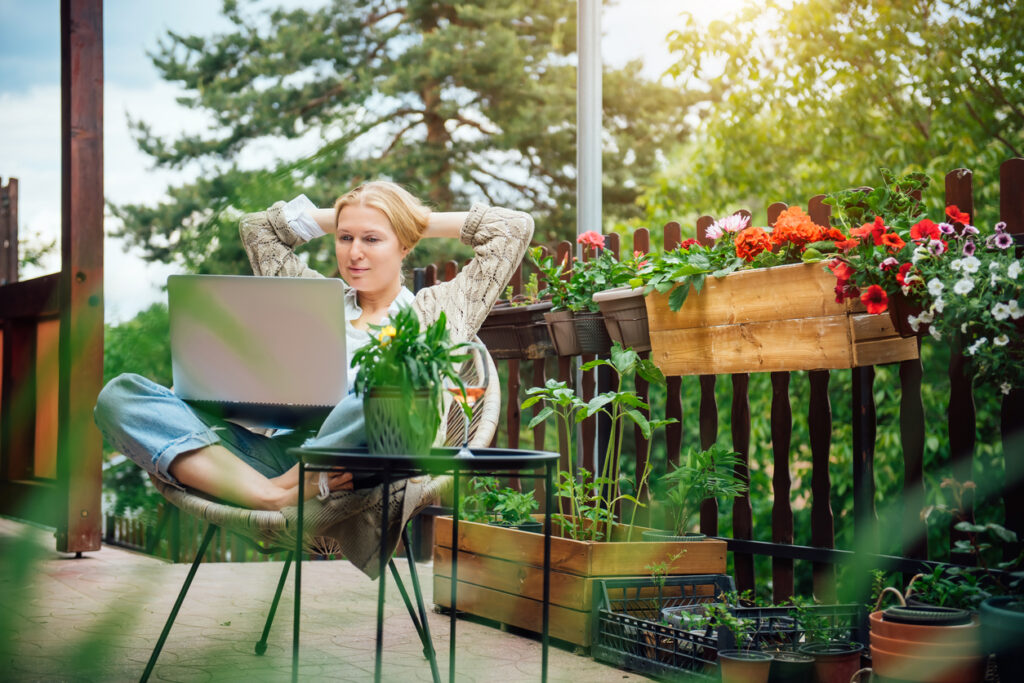
Container plants are perfect for balconies, patios, windowsills, and even tight courtyards. With a bit of creativity and planning, small spaces can be turned into lush, vibrant spots full of colour, scent, and personality. Whether you’re after herbs, flowers, or something to nibble on, here’s how to get the most out of every square inch with container plants.
Choose the right size pots.
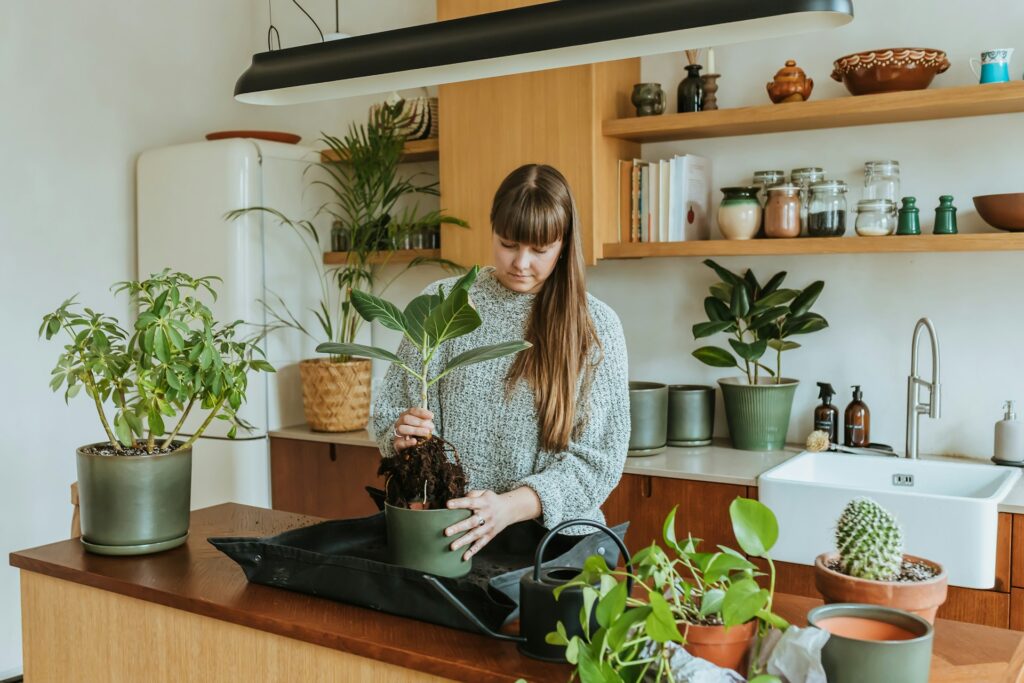
It’s tempting to cram lots of little plants into small containers, but cramped roots lead to stressed plants. Go for pots that give your plants room to grow, especially for anything long-term like shrubs or small trees. Bigger containers also hold moisture better, which means less frequent watering.
That said, don’t overload your space with heavy or awkward pots. Lightweight plastic or fabric containers work well in tight spots, and you can always elevate smaller ones with plant stands to create height without cluttering the floor.
Think vertical.
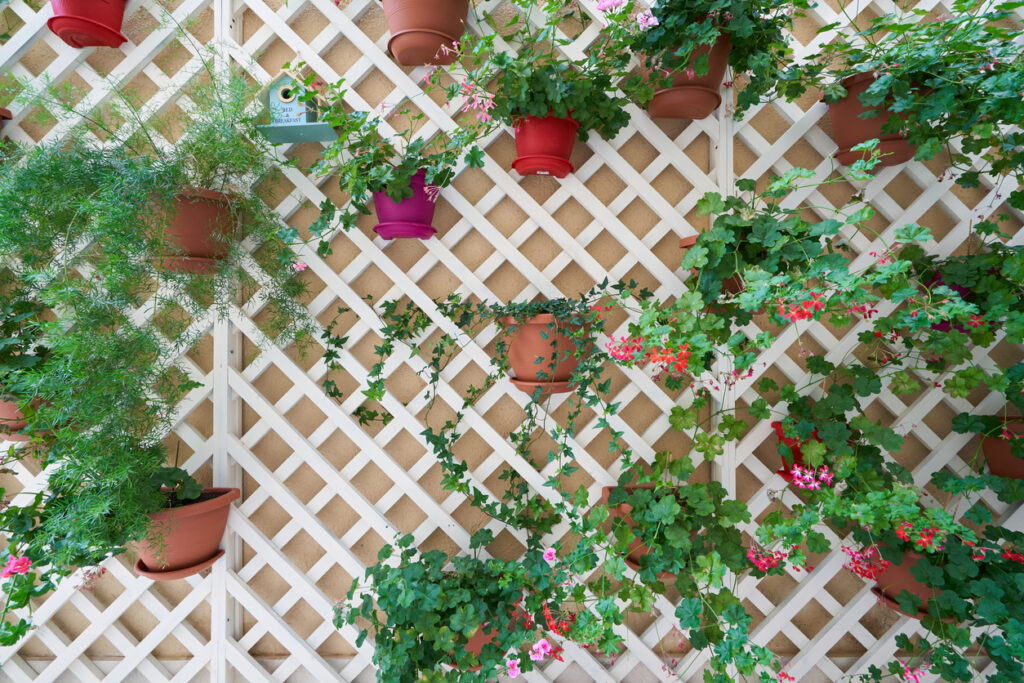
When space is limited, go up. Wall planters, ladder shelves, hanging baskets, and trellises make the most of vertical space and free up the ground for other things. It’s a great way to grow vining plants like tomatoes, nasturtiums, or sweet peas without sacrificing precious surface area.
You can also use old crates, shoe organisers, or shelves to create a tiered display. This lets you mix textures and colours at different heights, which makes small areas feel more alive and less boxed in.
Group plants with similar needs.
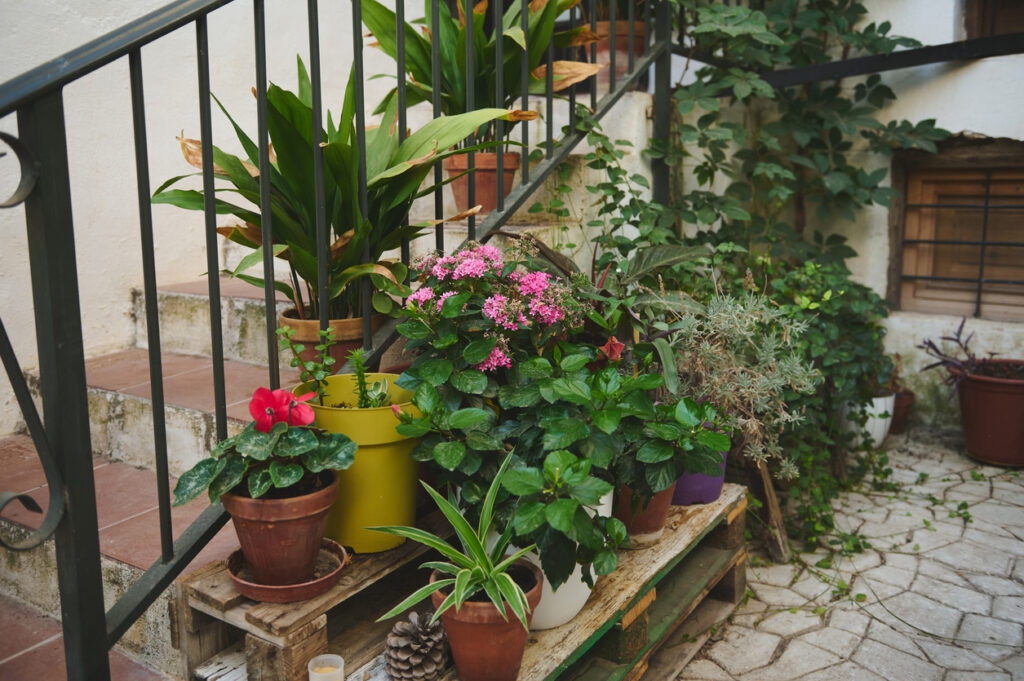
If you want your plants to thrive, group them based on light, water, and soil preferences. Mixing a thirsty fern with a drought-tolerant succulent just means someone’s going to suffer. Keep things simple by clustering plants with similar habits together in shared containers or nearby pots.
This also makes watering easier—you’ll spend less time checking individual pots and more time actually enjoying your mini garden. It’s the small-space version of smart landscaping, just on a more manageable scale.
Use lightweight compost.
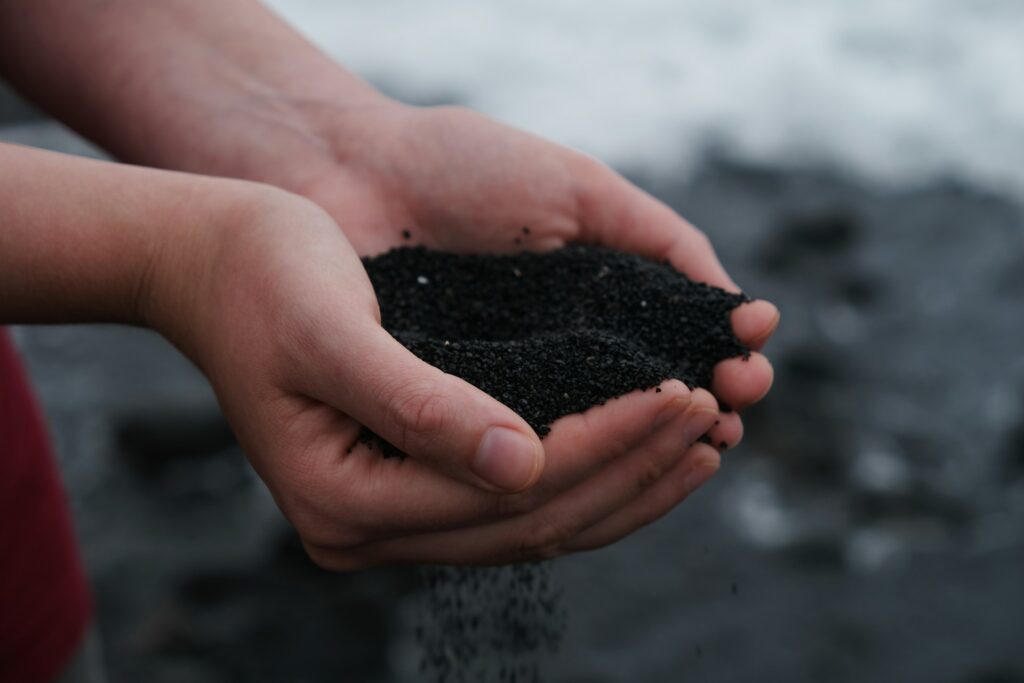
Heavy garden soil can compact quickly in containers and make life hard for roots. Go for a lightweight potting mix with good drainage and some organic matter like compost or coir. For plants that hate wet feet, mix in a bit of grit or perlite too. It’s also worth topping your soil with a layer of pebbles or bark chips. This helps retain moisture, suppress weeds, and gives the pot a neat finish. Just don’t pack the soil too tightly—roots need room to breathe.
Drainage matters more than you think.
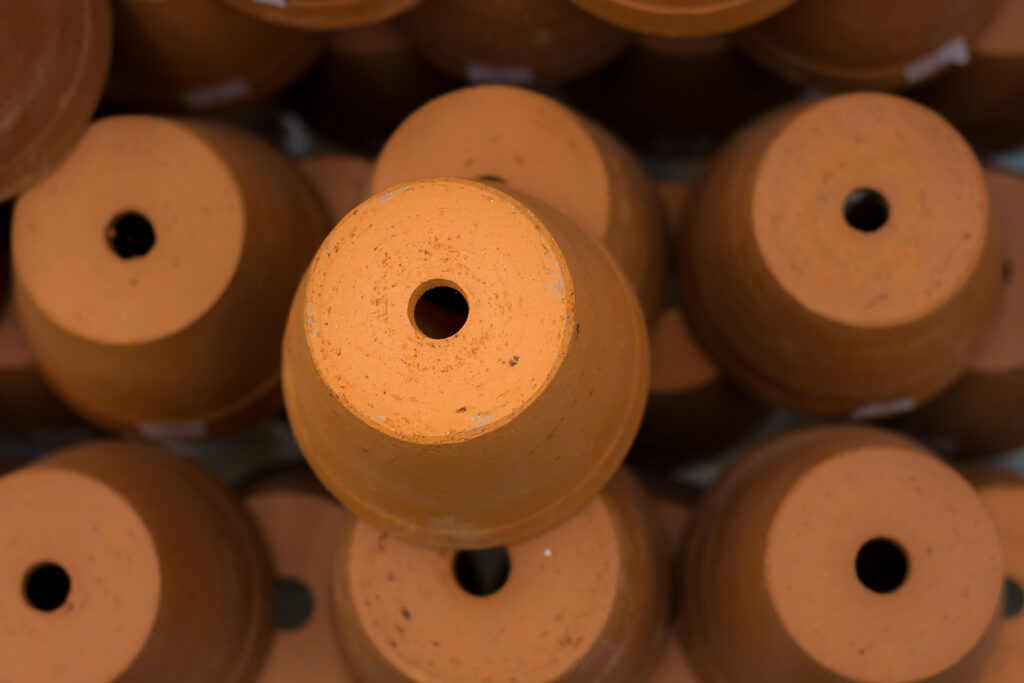
Even the prettiest pot won’t do much good if water sits at the bottom and rots the roots. Always choose containers with drainage holes, and pop a saucer underneath if you’re worried about mess on the patio or windowsill. If a pot you love doesn’t have holes, either drill some in or use it as a decorative outer layer, then slip a proper nursery pot inside. It’s a clever way to get the look you want without risking your plants’ health.
Grow what you’ll actually use.
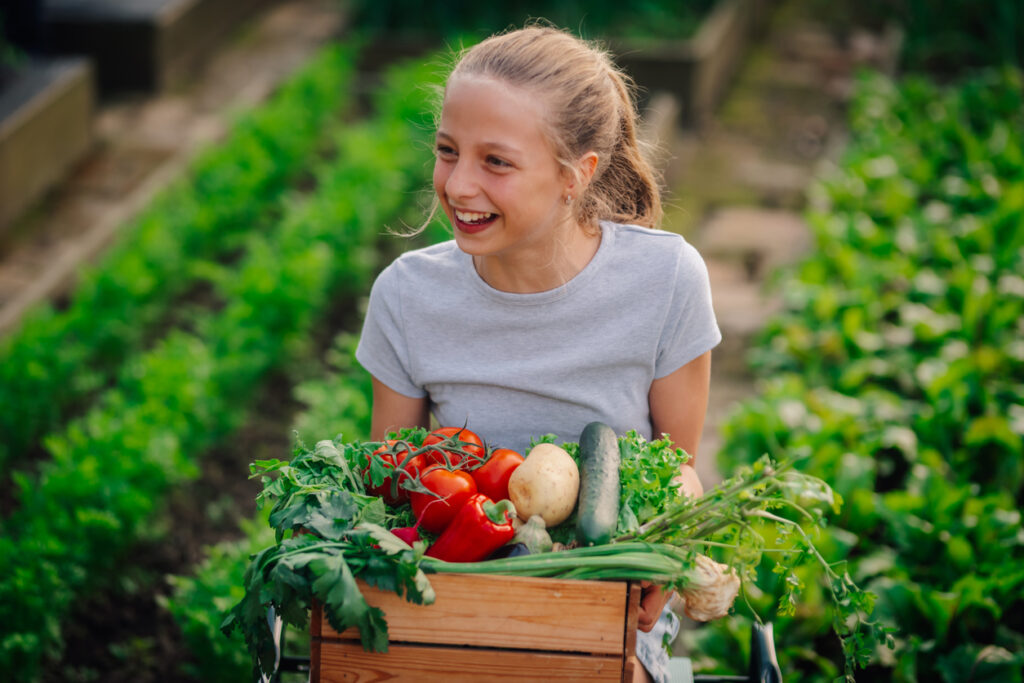
In small spaces, every plant should earn its place. That means picking things you’ll enjoy, whether it’s fresh herbs for cooking, flowers for colour, or leafy greens you’ll actually eat. If you’re short on room, usefulness makes all the difference. Herbs like thyme, mint, basil, and chives thrive in pots and don’t need loads of space. Plus, you’ll get the bonus of scent and flavour right outside your kitchen door or window ledge.
Keep watering consistent.
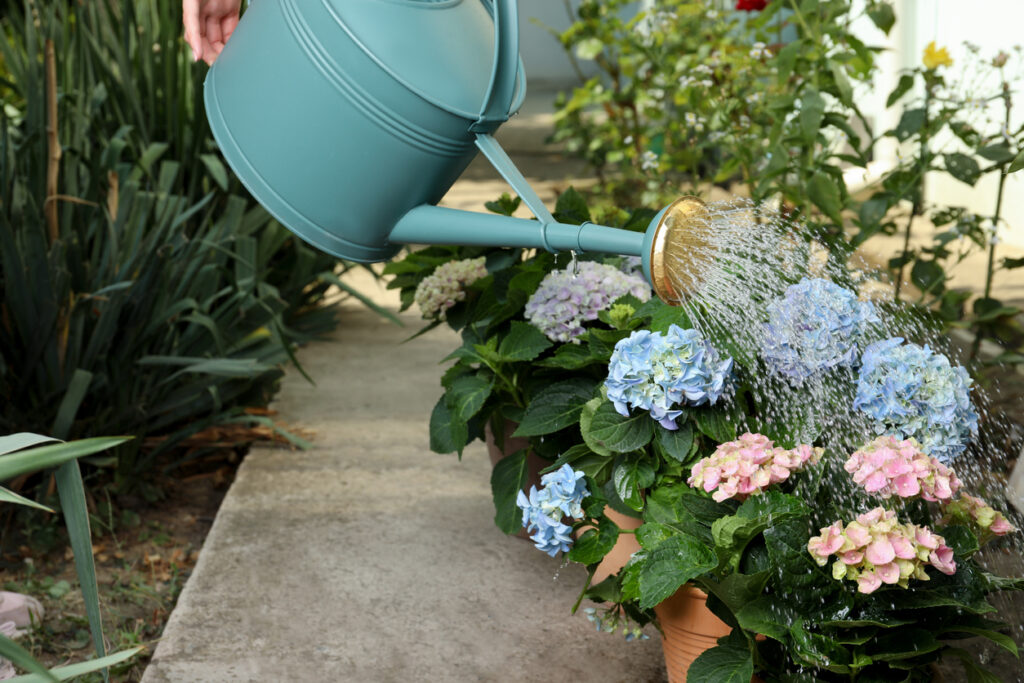
Container plants dry out faster than in-ground ones, especially in sunny or windy spots. That means regular watering is essential, but overwatering is just as risky. Check soil moisture before topping up, and try to water early in the day when it’s cooler. Self-watering pots, watering spikes, or even old wine bottles can help regulate moisture if you’re prone to forgetting. For smaller setups, just keeping a jug nearby makes it easier to stay on top of things.
Use colour to add impact.
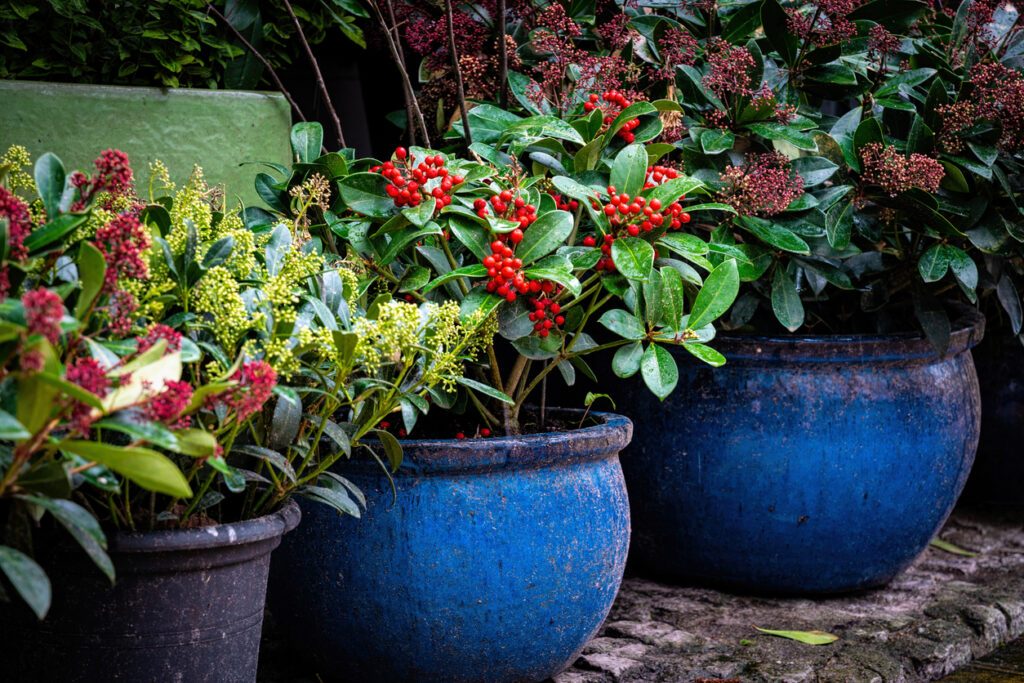
Limited space doesn’t mean limited personality. Use bright pots, colourful foliage, and bold blooms to create interest and contrast. A few vivid flowers or variegated leaves can make a space feel much more lively and intentional. Don’t forget that foliage comes in loads of shades—not just green. Plants like coleus, heuchera, or ornamental kale can add unexpected colour without needing constant replanting.
Refresh pots through the seasons.
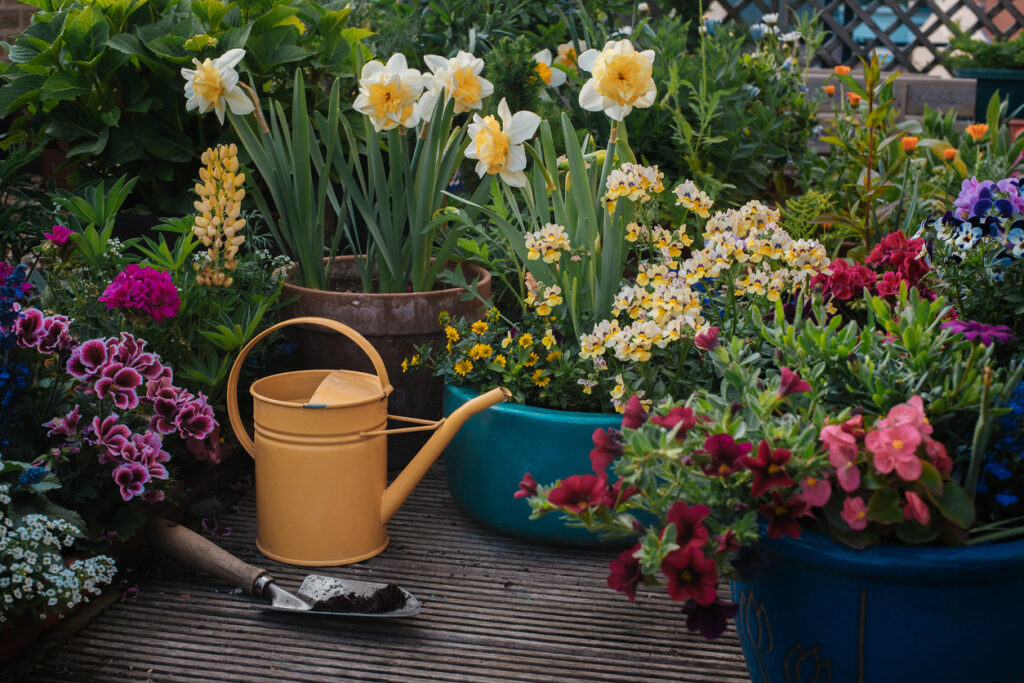
One of the best things about container gardening is how easily you can swap things out. Spring bulbs, summer bedding, autumn grasses, and even winter evergreens all have their moment. With a small space, rotation keeps things interesting year-round. Use this to your advantage by changing your display as the seasons shift. It’s a great excuse to try new plants, and you won’t feel stuck with something that’s past its prime.
Don’t forget scent.
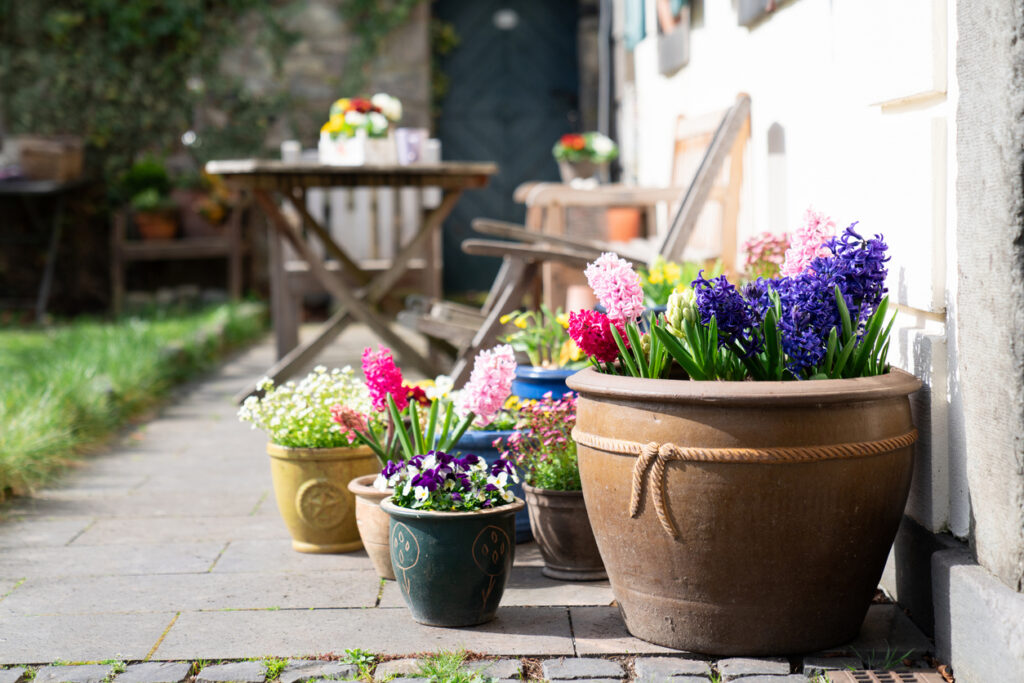
In small spaces, fragrance can completely change the mood. Plants like lavender, jasmine, rosemary, or scented geraniums pack a lot of punch in a small pot. Place them near seating areas or doorways so you catch the scent as you move past. Even if you only have space for one or two containers, choosing plants that smell amazing gives your setup more impact than something purely visual.
Create privacy with tall pots or screens.
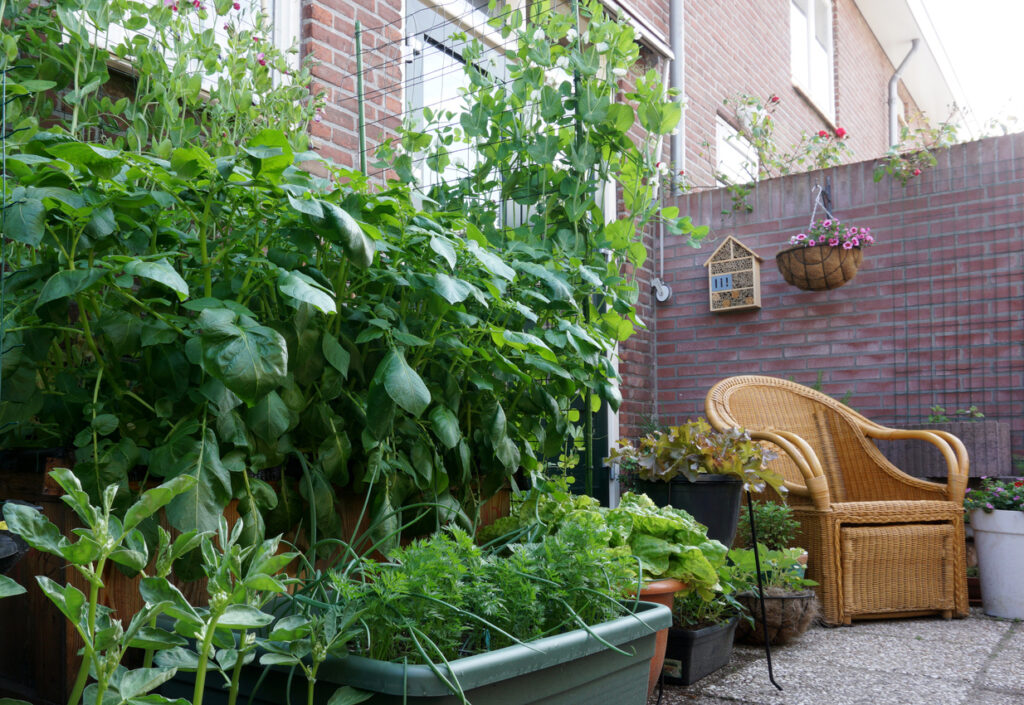
If you’re overlooked by neighbours or just want a cosier feel, container plants can double as privacy screens. Tall grasses, bamboo in pots, or trellised climbers like clematis and honeysuckle work well for adding height and cover. Even a few large pots lined up strategically can act as a visual barrier. It’s a much softer look than fencing and gives you the chance to experiment with layers and structure.
Feed regularly.
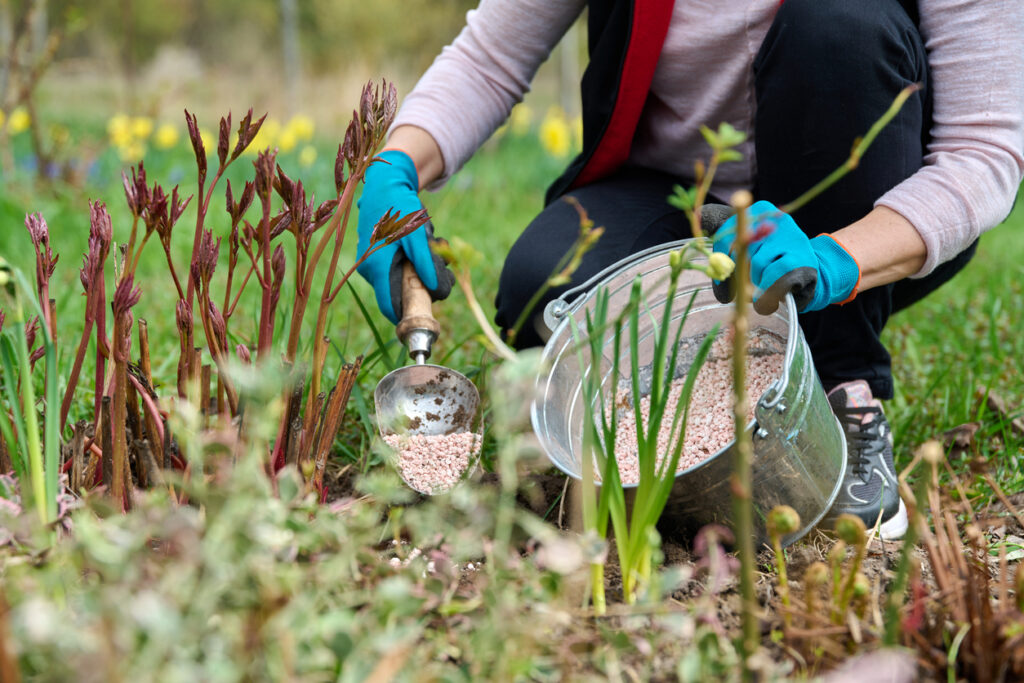
Since container plants can’t reach out for extra nutrients like garden ones can, they need a bit of help. Most composts only feed plants for a few weeks, so add liquid feed or slow-release fertiliser to keep things healthy. Each type of plant has slightly different needs, but a general-purpose feed every few weeks usually does the trick. Look out for signs like yellowing leaves or leggy growth—they’re often signals your plant wants a boost.
Use every nook and cranny.
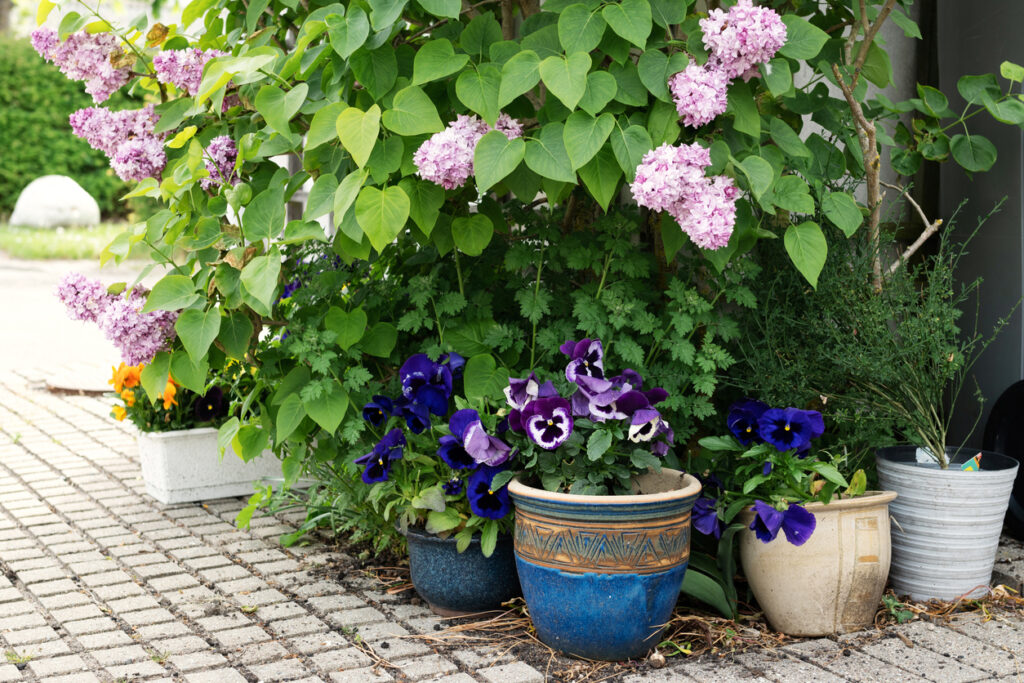
Even the smallest spaces have hidden potential. Windowsills, steps, ledges, and fence posts can all hold small pots, planters, or even upcycled containers. If you’ve got a wall, there’s probably room for something to grow on it. Think outside the box with how you use space—and don’t be afraid to mix practical with pretty. A few pots of lettuce under a window box of marigolds? Perfectly fine. In small-space gardening, rules are flexible and creativity counts for a lot.