Thinking about keeping chickens in your back garden? You’re not alone.
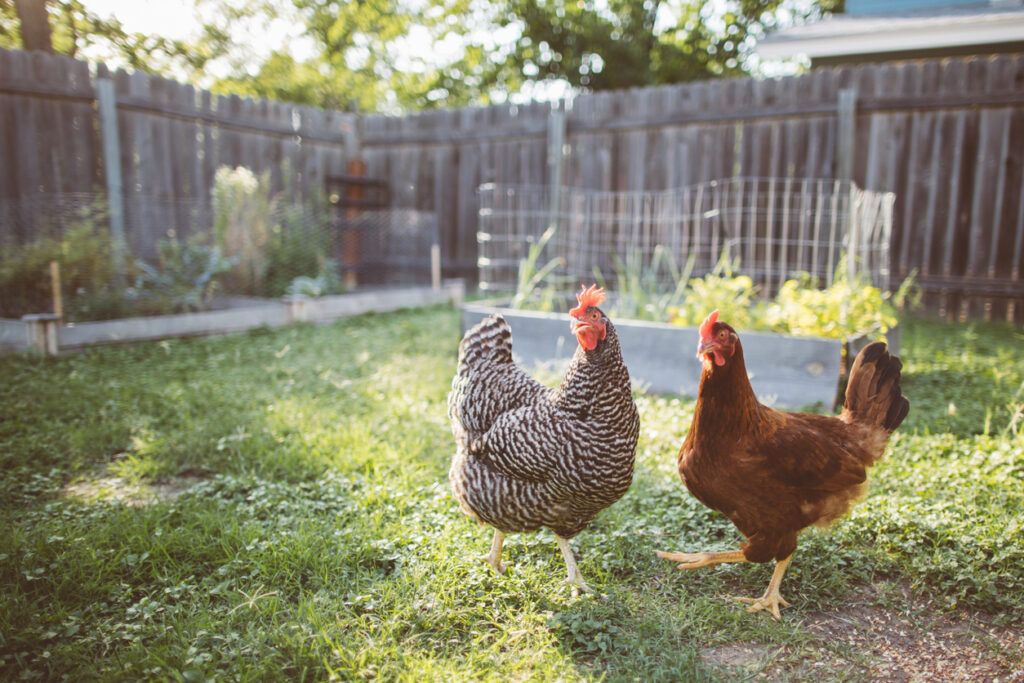
It’s one of the fastest-growing hobbies for people craving a slower, more sustainable lifestyle. But while collecting fresh eggs and having feathery friends pottering about sounds idyllic, there’s a lot more to it than popping up a coop and hoping for the best. Chickens are brilliant animals, but they do come with responsibilities, mess, and a bit of a learning curve. Here’s what to know before you take the plunge into backyard chicken keeping.
You’ll need more space than you might think.
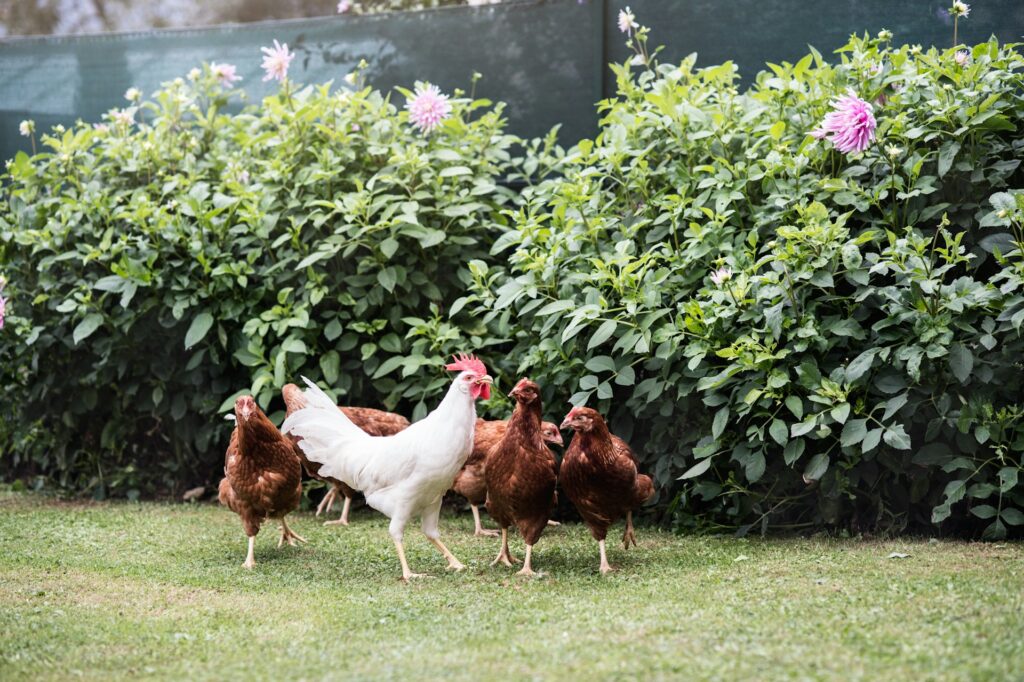
Chickens don’t just sit quietly in a coop all day—they need room to roam, scratch, and peck. A basic run is fine, but if you want happy, healthy hens, you’ll need to give them a good amount of outdoor space. Think of it as a chicken playground: the more freedom they have, the better their mood and egg production.
In tight urban gardens, space can be a challenge, so consider how you’ll keep things clean, safe, and enriched. Even a small flock can tear up a lawn fast if they’re not rotated around or given distractions like logs, compost piles, and straw bales.
Chickens can be surprisingly loud.
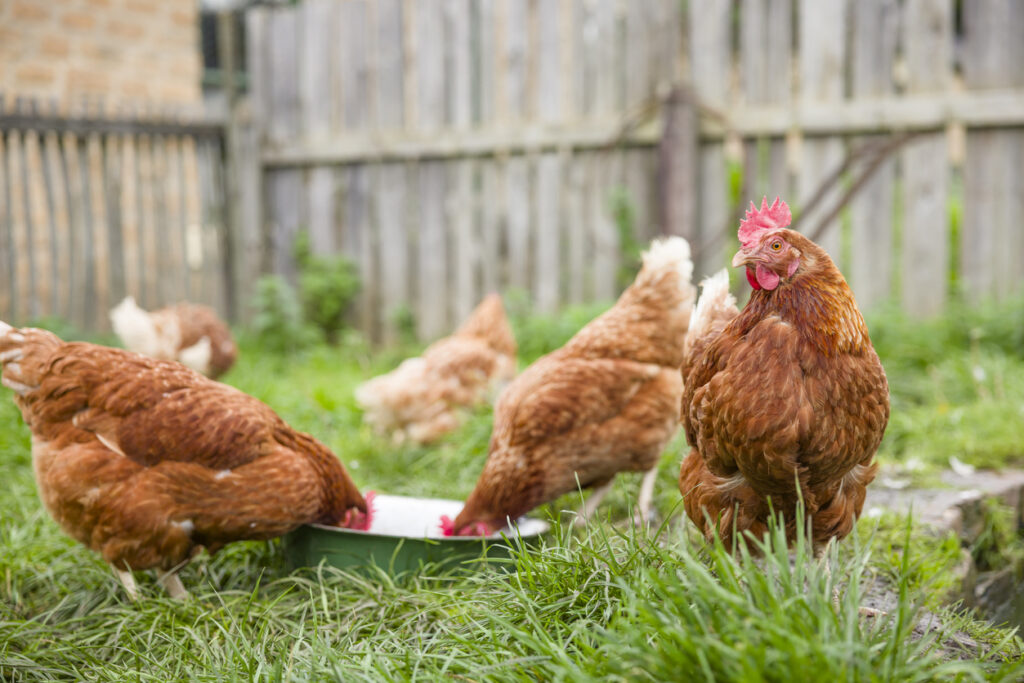
Even without a cockerel, hens make quite a bit of noise, especially after laying an egg. It’s not unbearable, but if you’ve got close neighbours or live in a quiet area, it’s worth checking whether the clucking chorus is going to become a point of tension. A quick chat with your neighbours beforehand can save you a lot of awkwardness later. And for your own sake, place the coop well away from bedroom windows if you fancy a lie-in now and then.
You don’t actually need a rooster to get eggs.
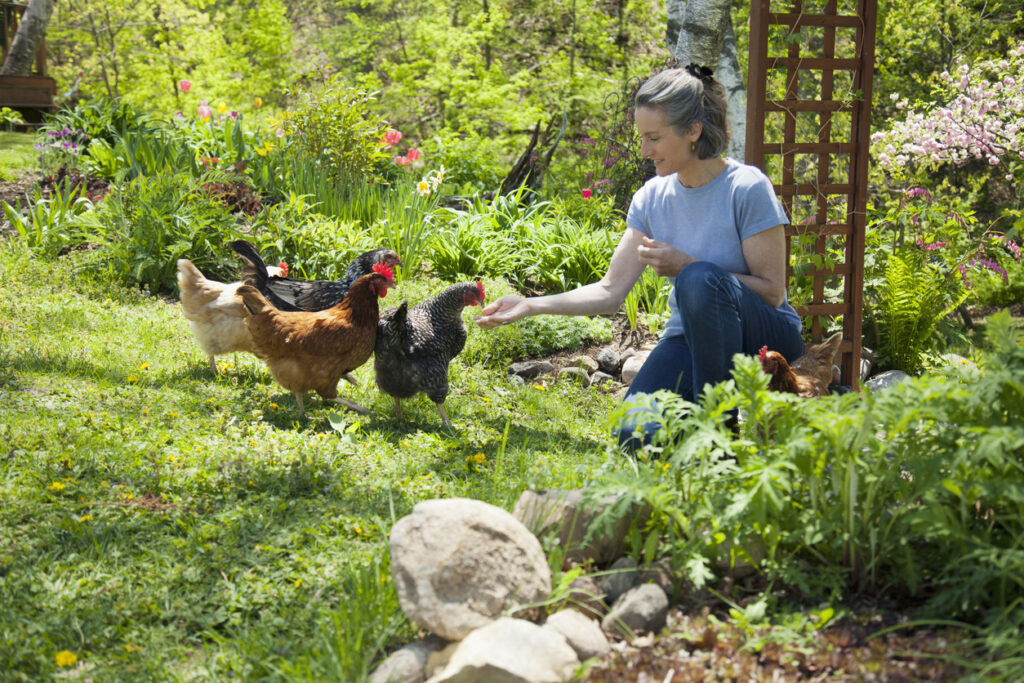
This one surprises a lot of beginners. Hens lay eggs whether there’s a rooster around or not—the only difference is those eggs won’t be fertilised (and can’t hatch chicks). So unless you’re looking to breed chickens, skip the rooster altogether. Roosters also tend to be louder, more territorial, and can clash with local council rules. For a peaceful backyard flock, hens on their own will keep things far simpler—and quieter.
They’re social animals, so get at least three.
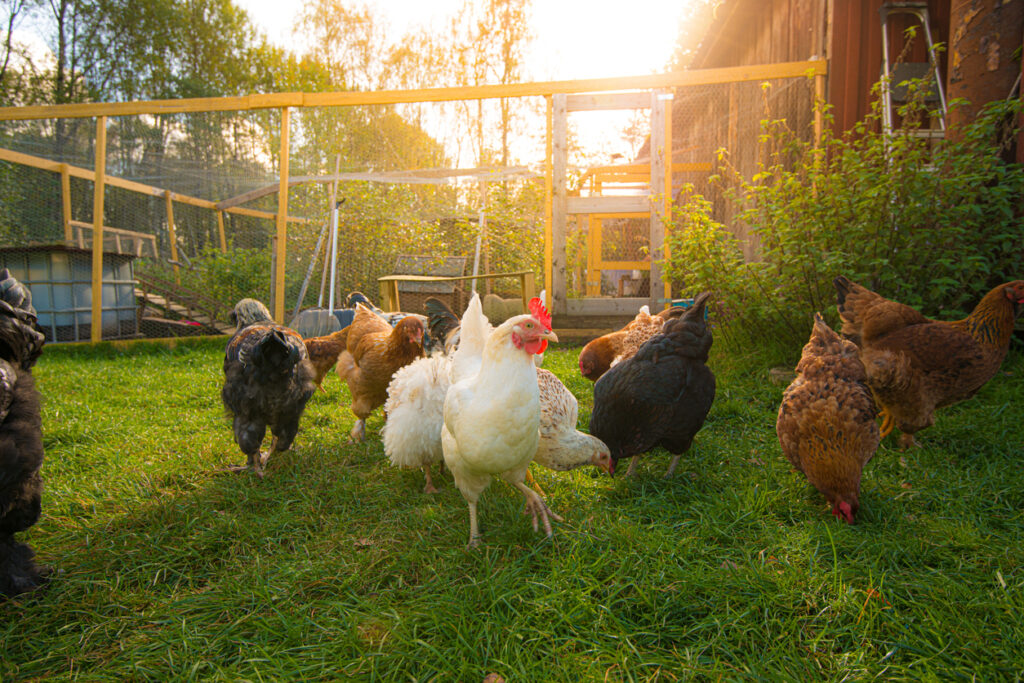
Chickens aren’t solitary creatures. They need company to stay mentally stimulated and emotionally balanced. Keeping just one or two can lead to bullying, stress, and boredom-related problems like feather pecking. Three to six hens is usually a good number for most households. It gives them enough social structure without overwhelming your space. Plus, you’ll have a steadier supply of eggs with a slightly bigger group.
You’ll need to fox-proof everything.
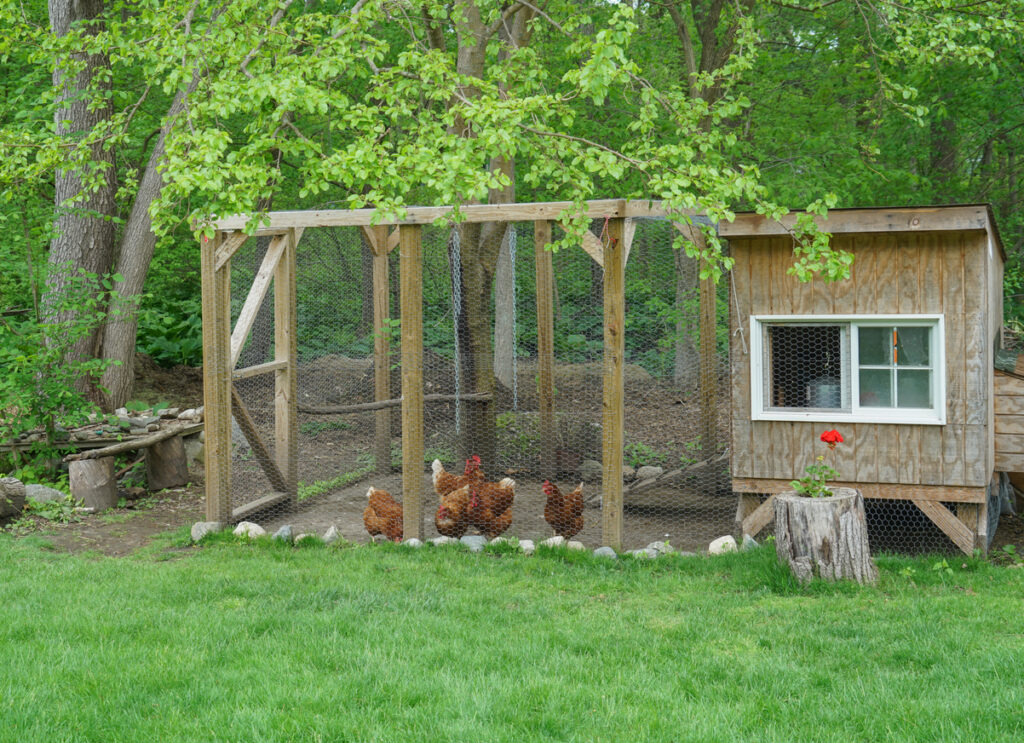
Urban foxes are clever, persistent, and not easily discouraged. A standard wooden coop isn’t always enough to keep them out. You’ll want secure latches, buried wire mesh to stop digging, and ideally a covered run to keep predators at bay. It’s heartbreaking to lose a flock to a fox attack, especially when it could’ve been avoided with stronger barriers. If you’re building your own coop, assume a fox will test every corner, door, and weakness, and plan accordingly.
Egg-laying isn’t forever.
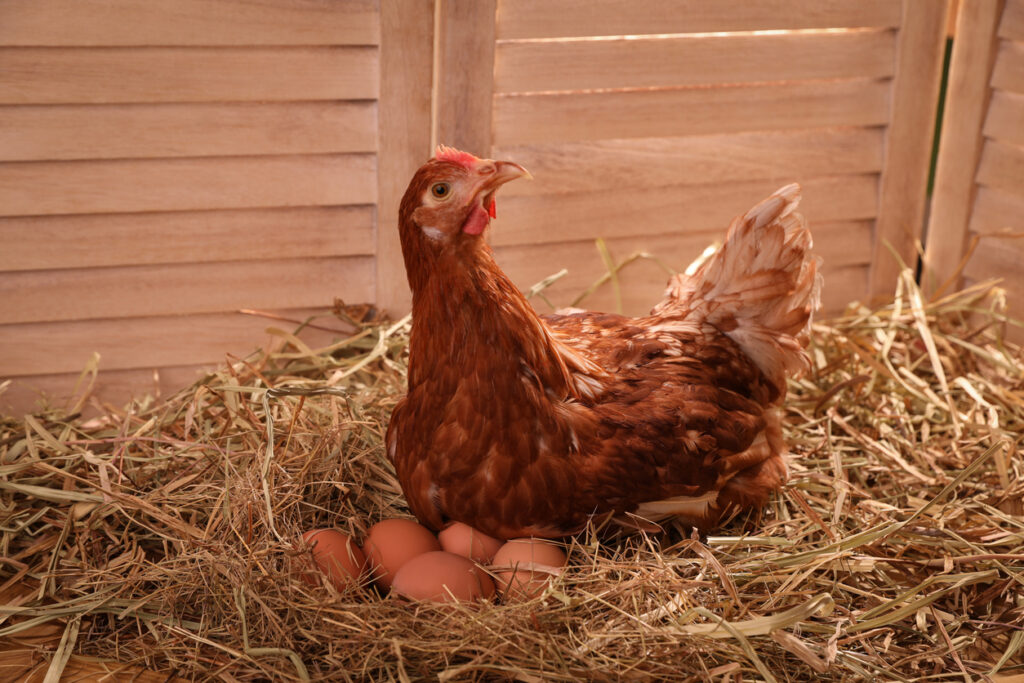
Most hens lay well for about two to three years, but they can live for ten or more. That means after their prime laying years, they’ll still need care, food, shelter, and vet attention—without giving you daily eggs in return. If you’re only in it for the eggs, it’s important to plan for what happens when your hens age out of production. Backyard chicken keeping is a long-term commitment, not just a cute weekend hobby.
Their poo will appear everywhere.
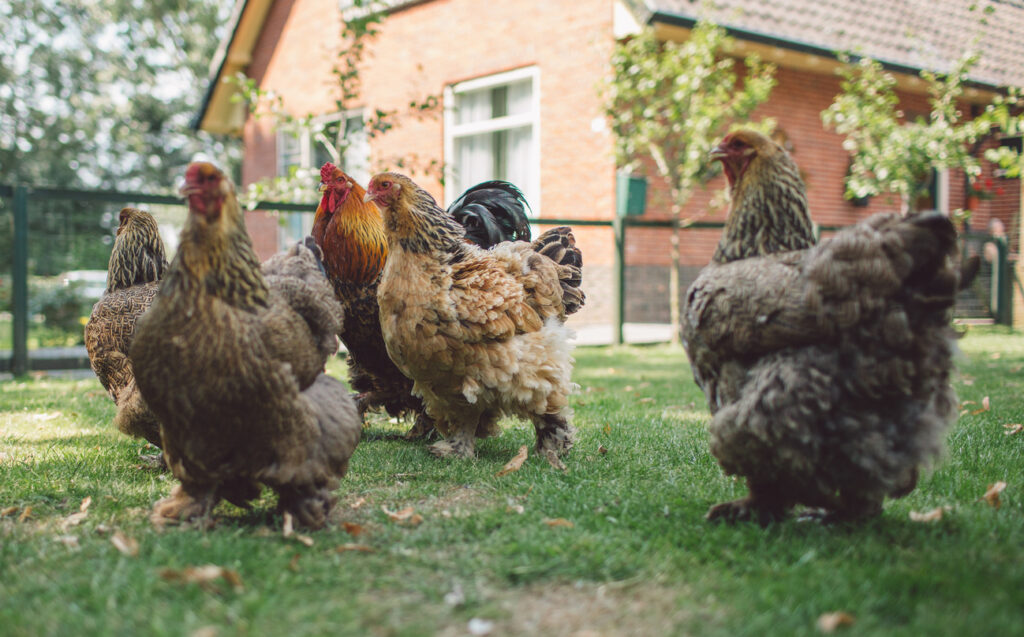
Chicken poo is part of the deal, and they’re not picky about where they drop it—garden paths, your patio, even your doorstep if they’re free-ranging. It’s excellent fertiliser, but it’s messy, smelly, and adds to your cleaning workload. You’ll need to clean out the coop regularly, rake runs, and keep their living area hygienic to avoid smell and disease. Some keepers compost the manure for their veg patch, but it does need proper handling first.
They’re smarter than they look.
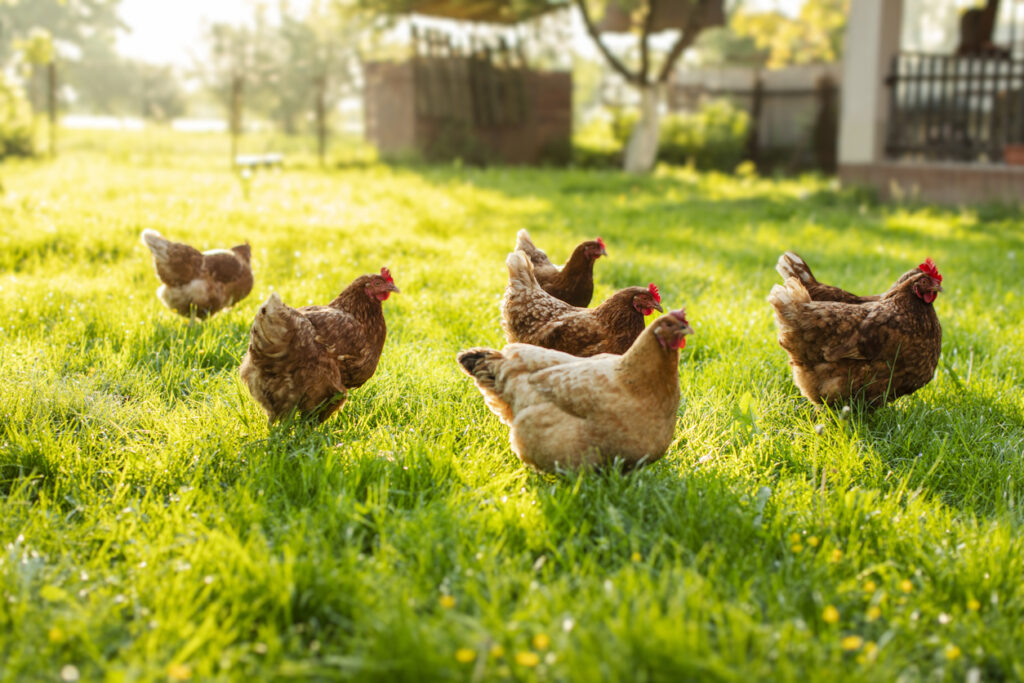
Chickens are often underestimated, but they’ve got personalities, preferences, and routines. Some will follow you around, others will have favourite spots in the garden, and most learn quickly when food’s involved. Giving them things to peck at, climb on, or scratch through will keep their brains engaged and reduce destructive habits. Bored chickens tend to cause chaos—engaged chickens just make happy clucks and dig up a few worms.
You’ll need to check local council rules.
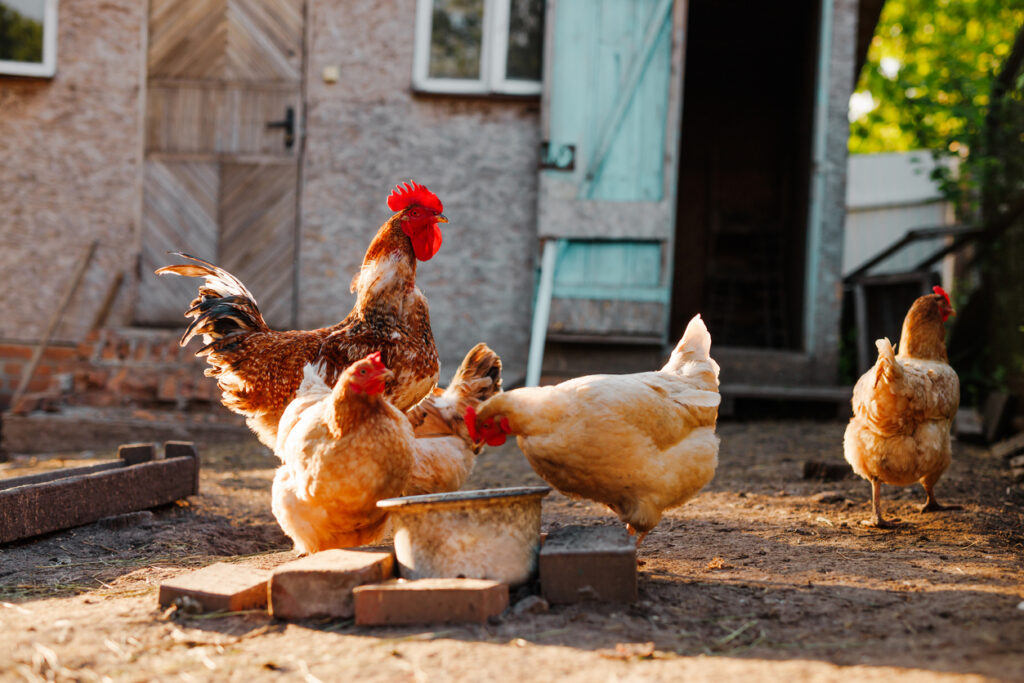
Before you start ordering coops or picking out breeds, double-check what your local council allows. In most UK areas, you can keep a few hens without a problem, but some places have restrictions on noise, smell, or proximity to boundaries. Planning permission isn’t usually required, but it’s worth being safe rather than sorry—especially if neighbours complain or if you ever decide to expand your setup later on.
Not all breeds are equal.
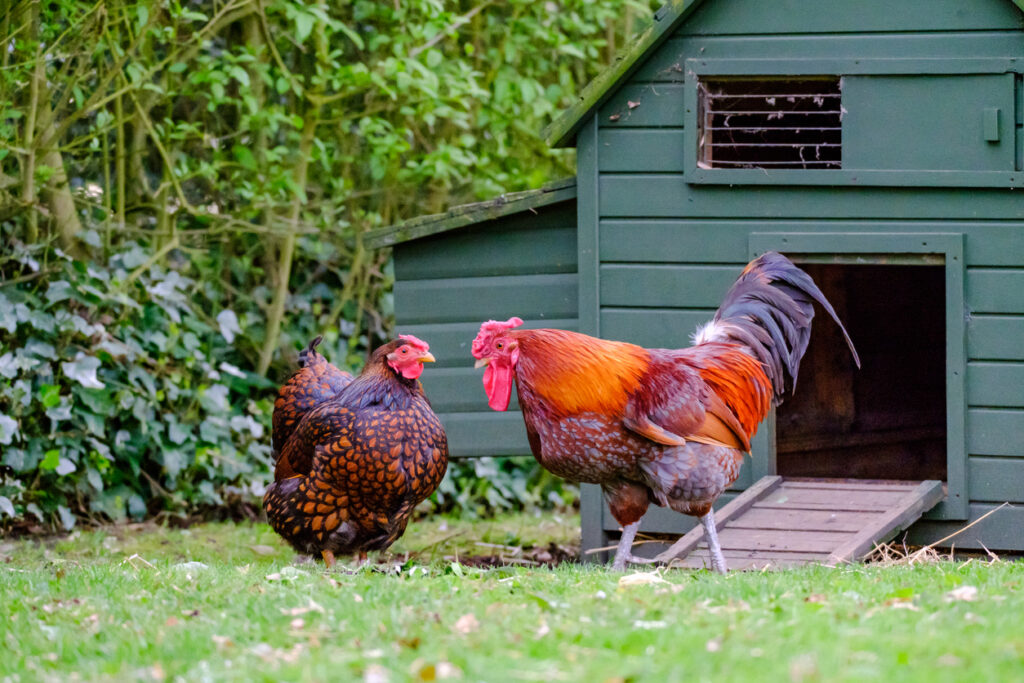
Some chickens are better suited to beginners than others. Hybrid breeds like Warrens and Isa Browns are hardy, friendly, and lay loads of eggs. Others, like Silkies or Polish hens, are adorable but more delicate and fussy in cold weather. Think about what matters most—egg production, temperament, appearance, or climate tolerance—and pick your breeds based on that. Mixing a few different types can be fun, but make sure they get along first.
They’ll dig, scratch, and wreck flower beds.
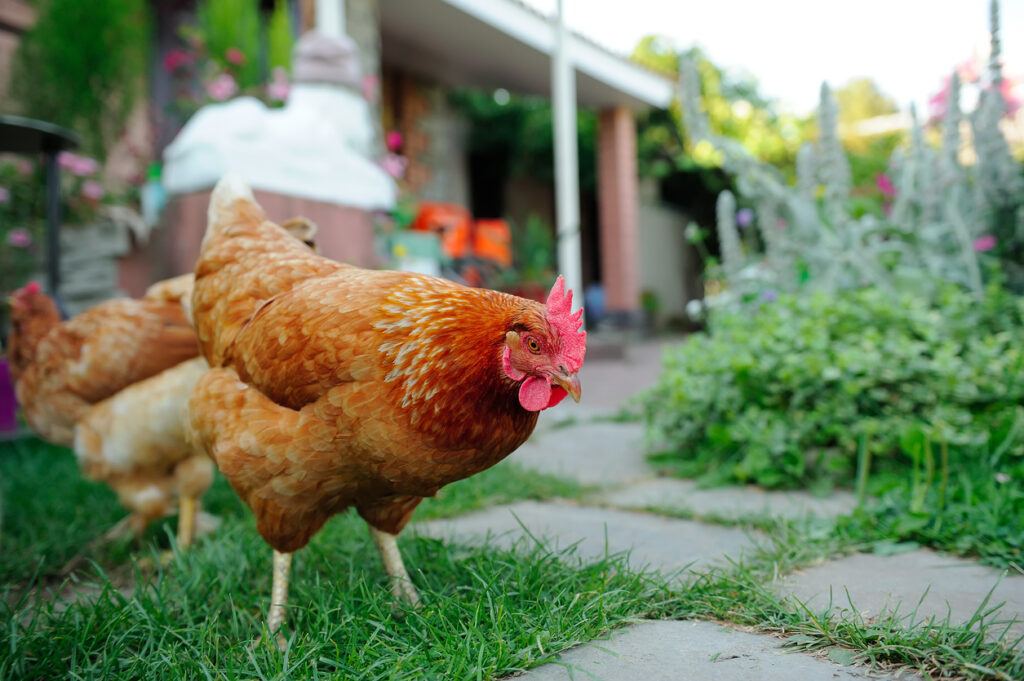
Free-ranging hens will absolutely rearrange your garden. They love to dust bathe in dry soil, uproot seedlings, and scratch through flower beds like little feathered bulldozers. If you’re precious about your plants, you’ll need to fence things off. You can still let them roam, but you’ll want to chicken-proof your veg patch and consider a separate area for them to explore. Otherwise, that herb spiral you spent three weekends building might not survive the week.
They really do bring joy.
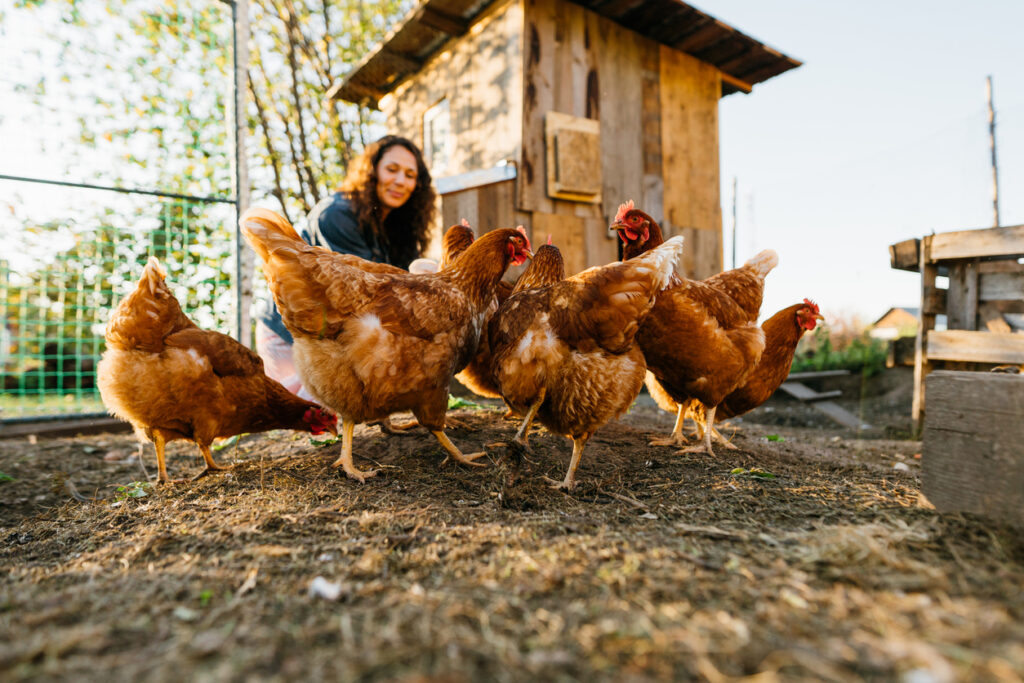
For all the mess, clucking, and fox-proofing stress, chickens are genuinely lovely animals to have around. They’re funny, social, and oddly calming. There’s something grounding about watching them scratch through the grass or settle into a cosy roost at dusk. You’ll probably start recognising their individual voices and quirks. And yes, the eggs taste better—but it’s the daily rhythm and simple companionship that keeps people hooked on backyard chicken keeping for years.