
Botanical names might look like a jumble of Latin, but they’re actually more useful (and less scary) than most people think. Unlike common names, which can change from place to place, botanical names give you a universal way to identify plants, even the ones with confusing lookalikes. And once you learn how to break them down, they start making a lot more sense. Here’s how to decode those official-sounding labels, and what they’re secretly telling you about the plant.
The first word is the genus, and it’s like the plant’s surname.
When you see a botanical name like Lavandula angustifolia, that first word (Lavandula) is the genus. It’s always capitalised and groups together related species, kind of like a family name. All lavender plants fall under Lavandula, but there are many different kinds within that group.
Knowing the genus can help you figure out a plant’s general traits—like whether it’s a type of mint, daisy, or rose. Even if you’re not sure about the exact species, recognising the genus gives you a decent idea of what the plant’s about.
The second word is the species, and that’s its specific ID.
While the genus gives you the family, the species gives you the exact member of that family. In Lavandula angustifolia, angustifolia means “narrow-leaved.” It’s a clue about what makes this particular type of lavender unique. The species name is always lowercase, and often describes a feature of the plant—like the colour, shape, habitat, or origin. It’s surprisingly descriptive once you know the Latin roots.
Latin isn’t random—it’s packed with clues.
Most botanical names are Latin (or Latin-ish), and they’re not as cryptic as they look. Words like alba mean white, rubra means red, officinalis means medicinal, and sativa means cultivated. You’ll start spotting patterns quickly once you learn the common ones. So when you see a plant called Salvia officinalis, you know it’s a type of sage that’s traditionally used in medicine. Suddenly, the name isn’t just Latin fluff—it’s useful info.
Hybrid plants often have a little “×” in their name.
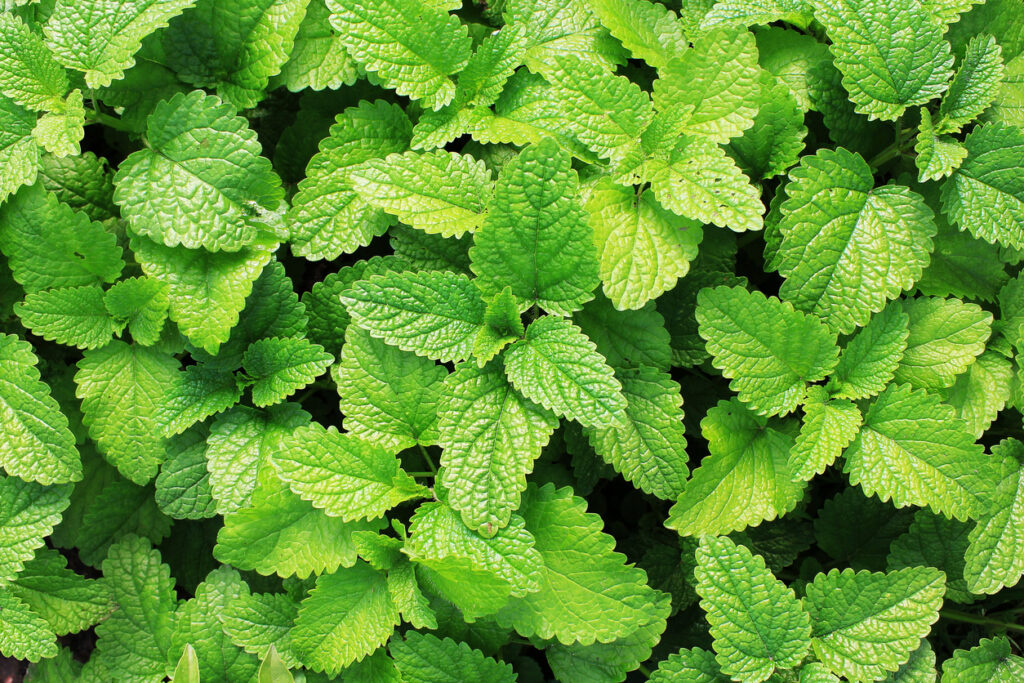
If you spot an “×” in the middle of a plant name, it means it’s a hybrid, either between two species or two different genera. For example, Mentha × piperita is peppermint, a hybrid between watermint and spearmint. This little symbol lets you know the plant isn’t a naturally occurring species, but one that’s been crossed for a specific trait—like better flavour, colour, or hardiness. It’s a neat way to see human influence at play in plant names.
Cultivar names are written in quotes.
A cultivar is a cultivated variety—basically, a plant bred or selected for a particular characteristic. These are written after the botanical name, in single quotes and with regular capitalisation, like Rosa rugosa ‘Alba’. This naming system helps gardeners, growers, and sellers keep track of exact plant types, especially ones that wouldn’t survive or reproduce the same way in the wild. Think of it like a brand name on top of the plant’s original ID.
Some species names tell you where the plant is from.
Geography shows up a lot in plant names. If you see words like japonica (from Japan), canadensis (from Canada), or sibirica (from Siberia), they’re clues to the plant’s native range or origin. This helps you guess what kind of climate or soil the plant might prefer. Even if the name looks intimidating, you can spot a pattern if you’ve brushed up on your place names.
Descriptive names often reference shape or size.
Botanical Latin loves to describe plants in detail. Words like grandiflora mean large flowers, angustifolia means narrow leaves, macrocarpa means big fruit, and nana means dwarf or compact. Once you know these bits, plant names start reading like little descriptions. It’s a handy shortcut when comparing similar varieties—especially when you’re trying to choose the right one for your space.
Some names honour people (and you can spot it).
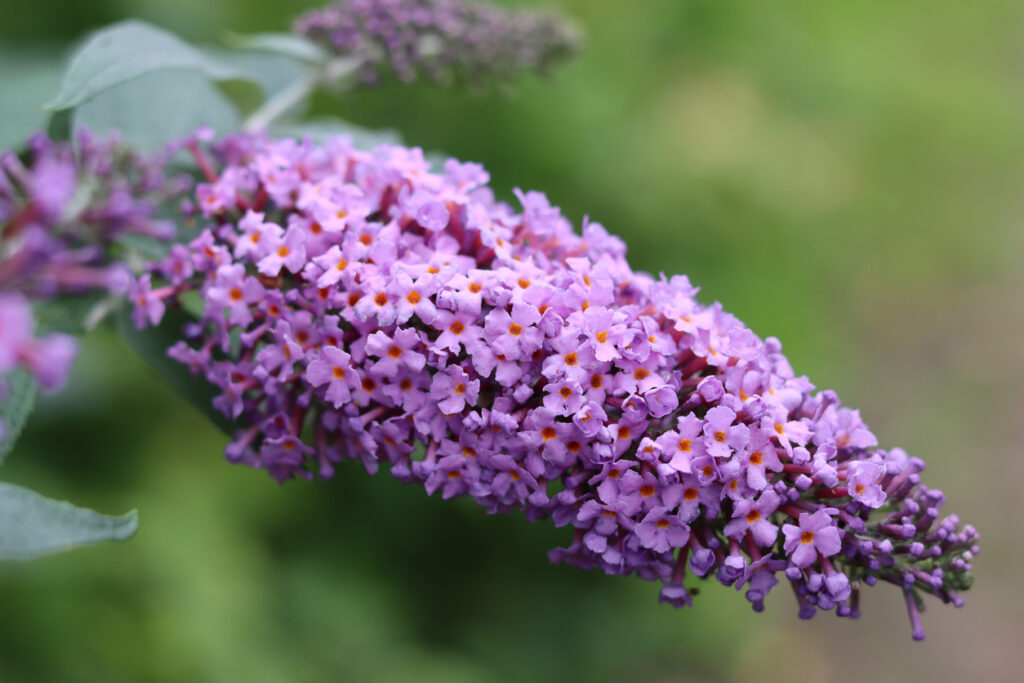
When a plant is named after a person, you’ll usually see something like davidi or wilsonii at the end. These often honour botanists, explorers, or the person who discovered or bred the plant. So, if you come across Buddleja davidii, you’re looking at a butterfly bush named after Father Armand David, a French missionary and naturalist. It’s a bit of plant world trivia hidden right in the name.
“Officinalis” means it was used in traditional medicine.
You’ll see officinalis in quite a few botanical names—like Melissa officinalis (lemon balm) or Valeriana officinalis (valerian). It means the plant was officially listed in pharmacopoeias or used in apothecaries. It’s a nod to its long history of medicinal use, not just its scent or shape. If you spot officinalis in a name, chances are the plant has a background in herbal healing.
Family names usually end in -aceae.
If you ever need to know what broader plant family something belongs to, look for the name ending in -aceae. For example, Rosaceae is the rose family, Lamiaceae is the mint family, and Asteraceae is the daisy family. These names aren’t always listed in garden centres, but they’re useful for grouping plants with similar growing needs or appearances. If two plants share a family, there’s a good chance they’ll like similar conditions.

Some names reflect ancient uses or folklore.
Names like Digitalis purpurea (foxglove) hint at folklore, old uses, or mythical stories. Digitalis refers to fingers (the flowers look like glove fingers), while others like Bellis perennis (common daisy) mean “pretty and everlasting.” These bits of language are a window into how plants were viewed, valued, and used through history. They’re like little time capsules you can grow in your garden.
The names may sound fancy, but they’re designed for clarity.
At the end of the day, botanical names are meant to simplify things. It might not feel that way at first, but once you get the hang of them, they’re way more reliable than common names like “buttercup” or “daisy,” which can refer to loads of different plants.
And while you don’t need to learn fluent Latin, picking up a few basics makes plant shopping, ID’ing, and understanding labels way easier. It’s a bit like learning how to read a menu in another language—once you know the keywords, everything clicks.