Donkeys and mules are often lumped together in conversation, but they’re definitely not the same animal.

Whether you’re spotting them on a walk in the countryside or just trying to figure out which one carried supplies through mountain trails in an old documentary, there are actually loads of differences between the two. One is a species, the other’s a hybrid, and that’s just the start. Here’s what sets them apart, and why it’s a bit of a miracle they exist at all.
1. One’s a species, the other’s a hybrid.

Let’s start with the basics: a donkey is its own species (Equus asinus), while a mule is a cross between a male donkey (a jack) and a female horse (a mare). That makes the mule a hybrid, not a species in its own right. This crossbreeding is entirely manmade and doesn’t happen naturally in the wild. It’s done because mules inherit specific traits from each parent, making them useful work animals, but also giving them a bit of an identity crisis in the animal kingdom.
2. Mules are (usually) sterile.

Because mules come from two different species with different numbers of chromosomes, they almost always end up sterile. Their odd genetic makeup means they can’t reproduce, so every mule that exists has to be bred from scratch. Donkeys, on the other hand, can reproduce just fine with other donkeys. This reproductive gap is one of the clearest biological differences between the two, even if it’s not immediately visible.
3. They sound very different.
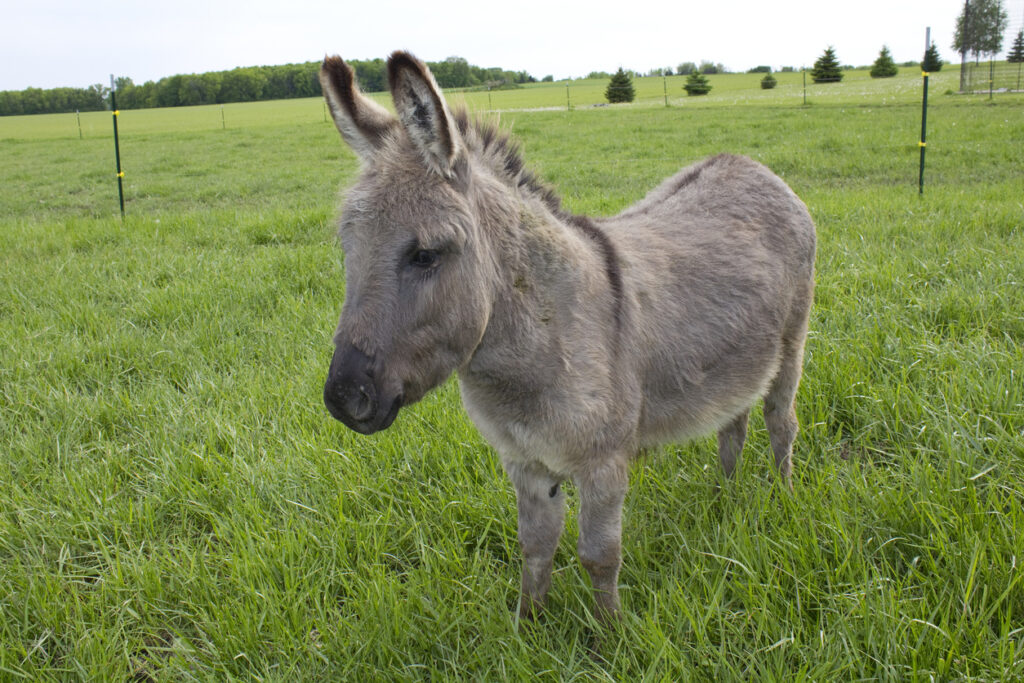
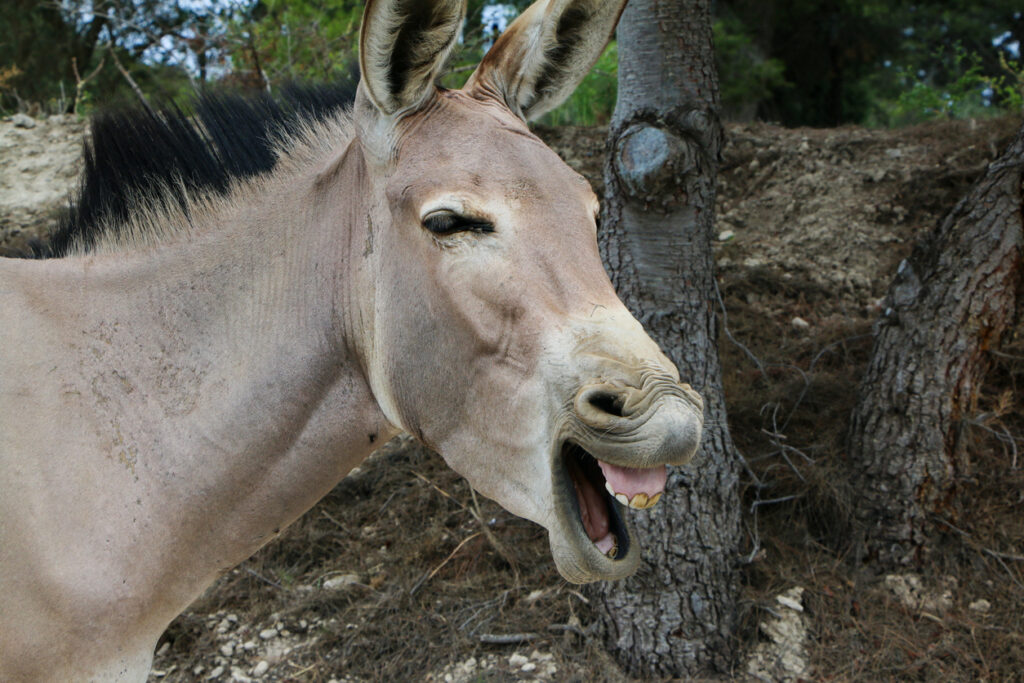
If you’ve ever heard a donkey bray, you know how distinct and unmistakable it is—a loud, drawn-out “hee-haw” that echoes across fields. Mules, on the other hand, have a much more unusual voice. Their bray sounds like a strange mix between a donkey’s hee-haw and a horse’s whinny. It can come out raspy, squeaky, or even slightly broken, depending on the individual. It’s another sign that they’re stuck somewhere between two worlds, never quite one thing or the other.
4. Mules are typically larger.
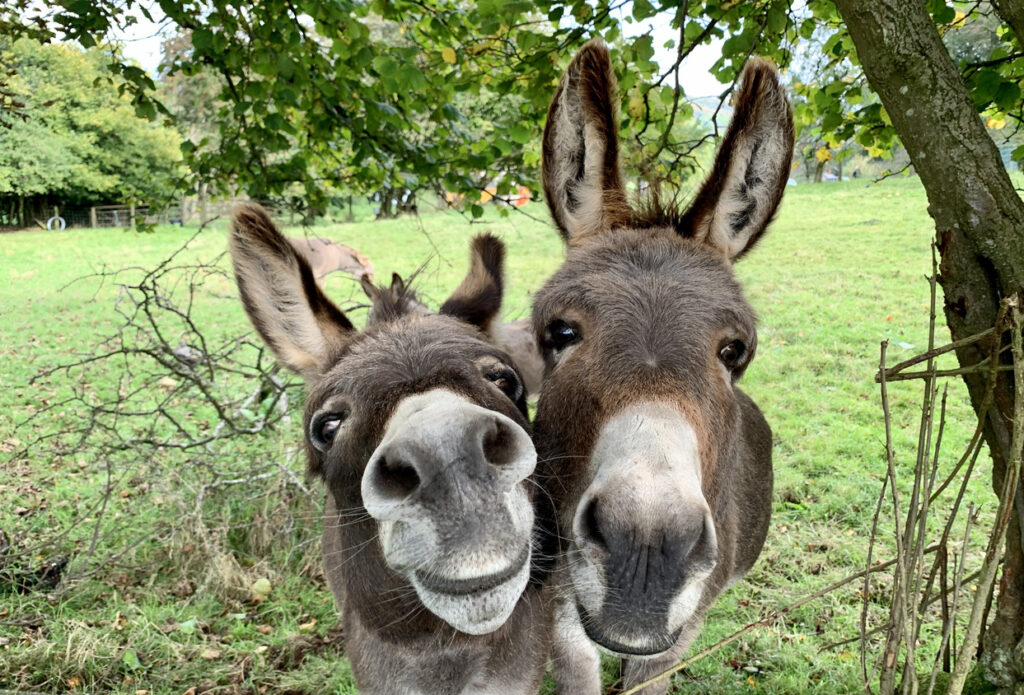
Mules tend to be bigger and more muscular than donkeys, thanks to inheriting their size and strength from their horse mothers. They often have longer legs, broader backs, and more powerful bodies overall. Donkeys are generally shorter and stockier. Their build is more compact, which makes them great for navigating narrow paths or carrying loads in trickier terrain, but they don’t have the same raw strength as a mule.
5. Donkeys have longer ears.
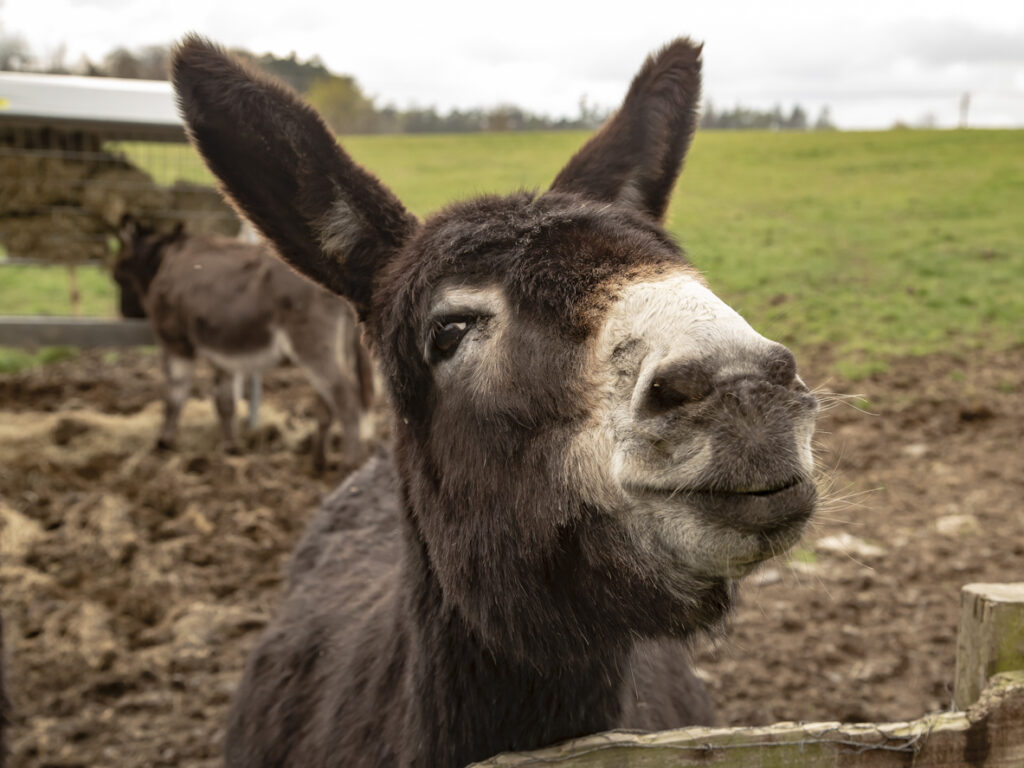
One of the easiest ways to tell them apart visually is by looking at the ears. Donkeys have long, expressive ears that are much larger in proportion to their heads than horses or mules. Mules do have big ears too, but they tend to fall somewhere in the middle. Not quite as long as a donkey’s, but definitely longer than a horse’s. It’s a quick, handy clue when you’re not sure which one you’re looking at.
6. Mules are more sure-footed.
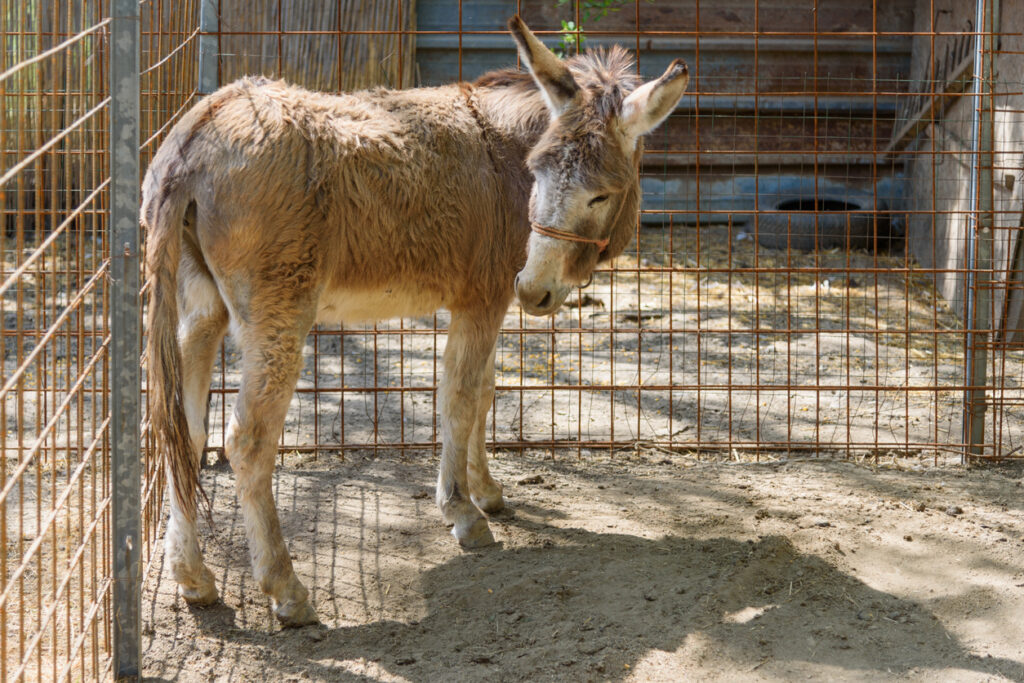
Thanks to their unique blend of genetics, mules are famously steady on their feet. They’re known for being more sure-footed than horses, and even more so than donkeys when carrying loads in steep or rocky terrain. This makes them the preferred pack animals in many mountainous regions around the world. Their ability to assess terrain before moving forward also means they’re less likely to stumble or panic in tricky situations.
7. Donkeys are more cautious by nature.
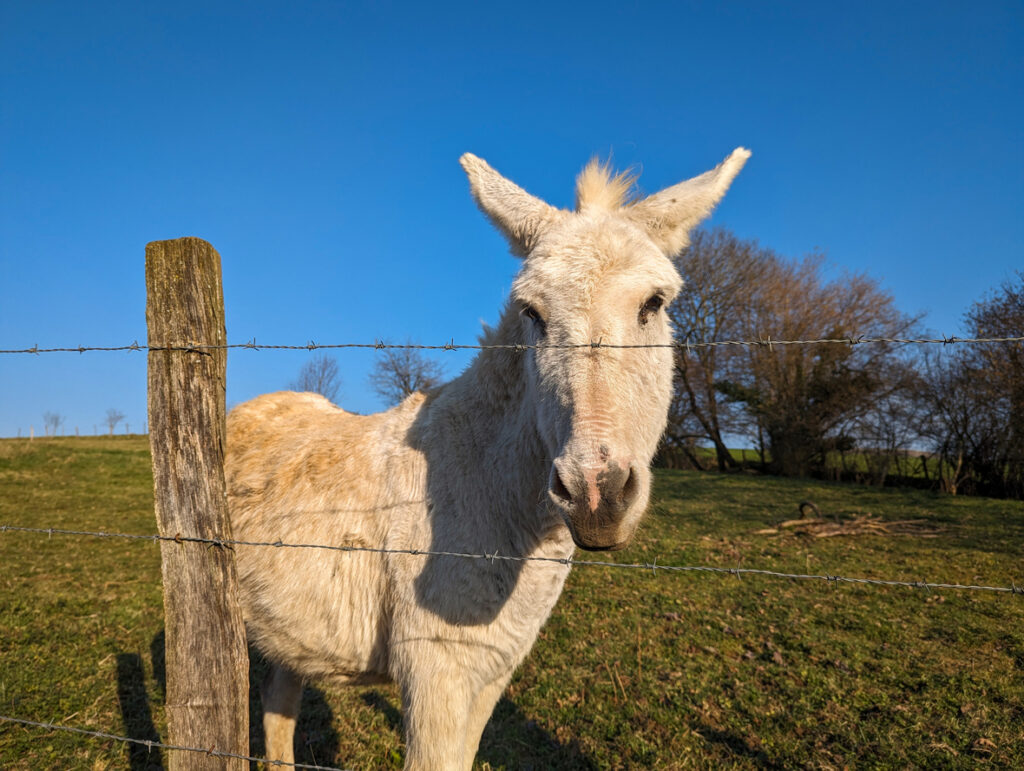
Donkeys often get a bad reputation for being “stubborn,” but that’s not entirely fair. They’re actually just incredibly cautious and will freeze or refuse to move if something seems off. It’s more of a survival instinct than a personality flaw. Mules, by contrast, are a bit more forward-moving. They inherit some of the bolder traits of horses while still keeping a donkey’s sense of self-preservation, which gives them a balanced temperament that many handlers appreciate.
8. Mules can carry heavier loads.
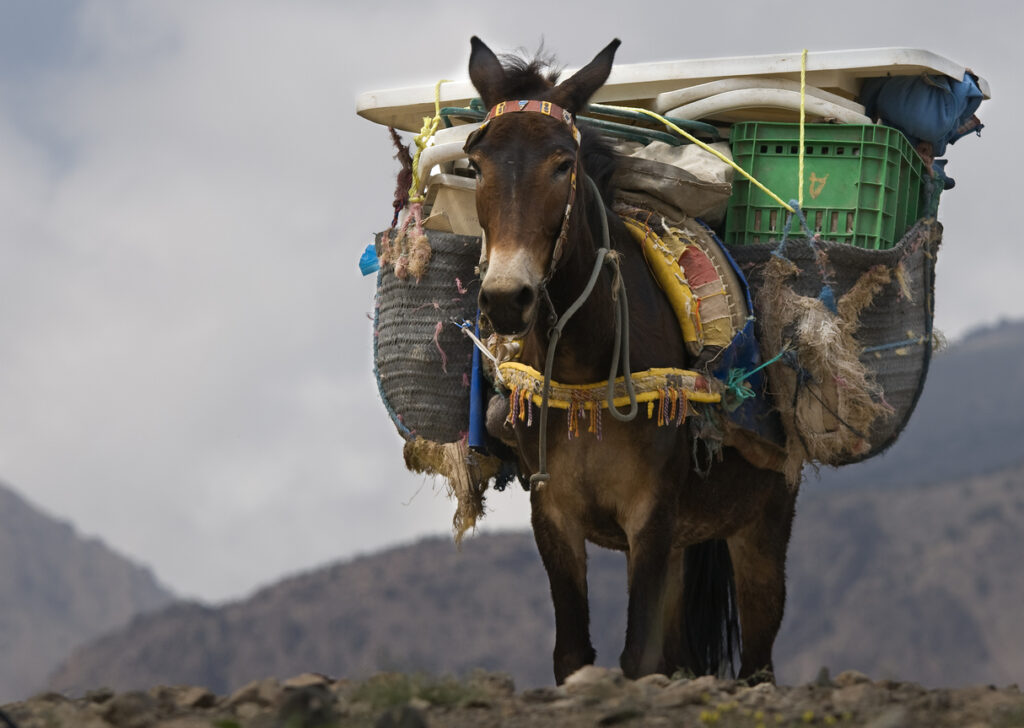
When it comes to strength-to-size ratio, mules are tough to beat. They’re often used in places where serious load-carrying is needed—think mountain trails, military logistics, or agriculture in rough terrain. Donkeys are still strong for their size, but they’re not built for the same heavy lifting. They’re better suited to lighter packs, short distances, or more specific tasks like guarding livestock or keeping company with other animals.
9. Their tails are shaped differently.
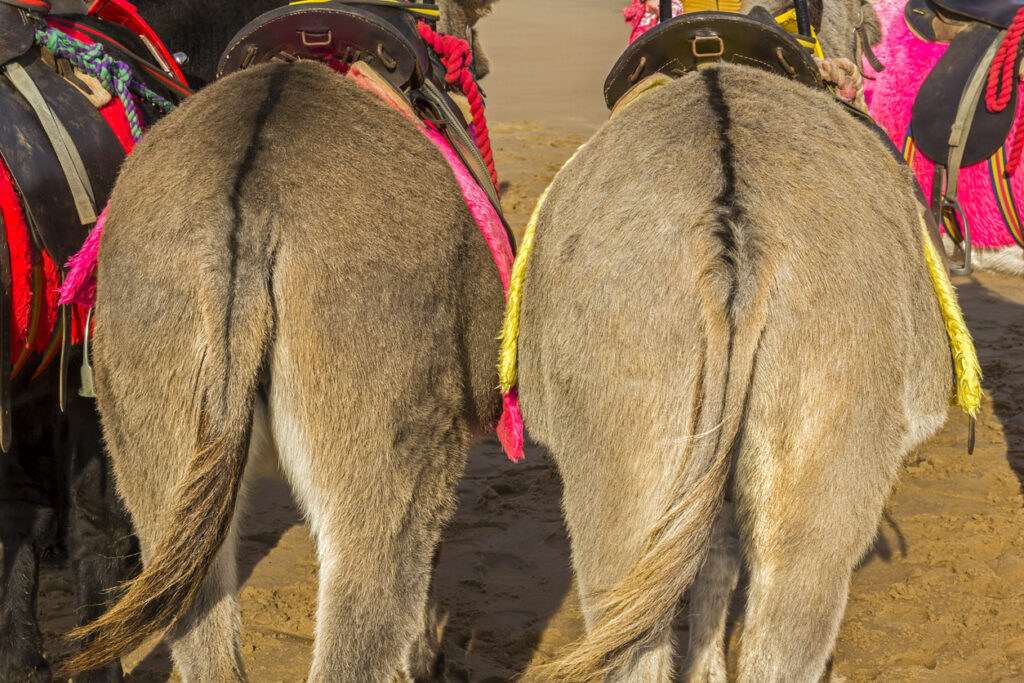
Tail shape can be another easy visual cue. Donkeys have tails that look more like cows’—thin and wiry with a tuft of hair at the end. It’s very different from a horse’s thick, flowing tail. Mules usually inherit the horse-like tail, making it longer, fuller, and more elegant. It’s one of those small details that helps identify them from a distance, especially if you’re trying to spot differences quickly.
10. Mules are generally healthier and tougher.
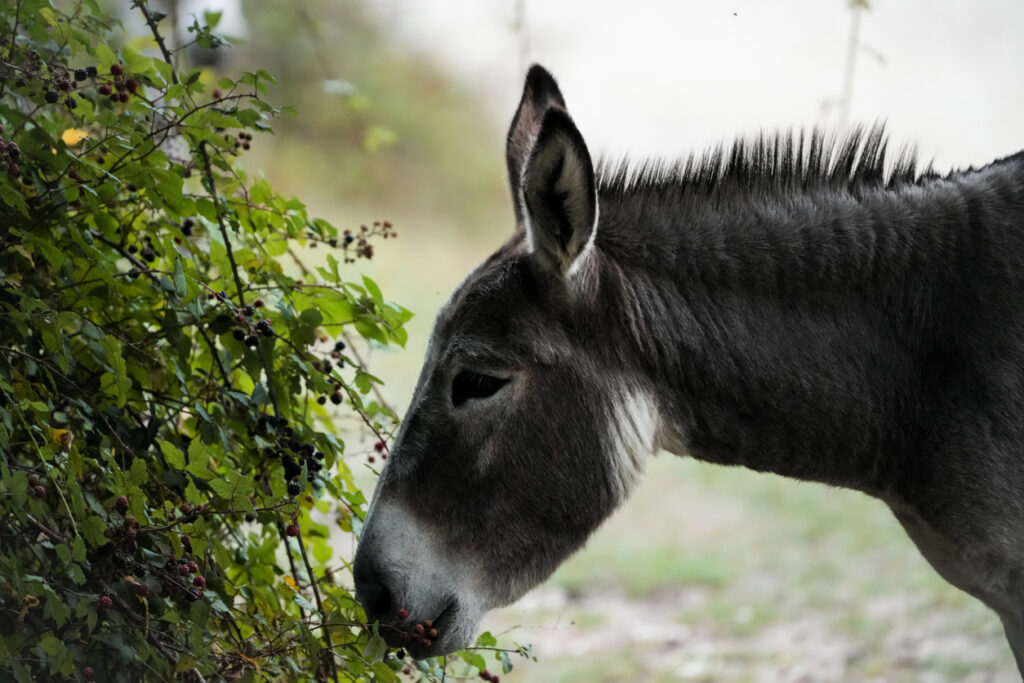
Mules benefit from what’s known as hybrid vigour. Because they come from two different species, they often end up hardier than either parent—less prone to disease, better immune systems, and able to thrive in tougher conditions. Donkeys are already pretty hardy themselves, especially in dry or arid environments. But mules tend to outperform both donkeys and horses when it comes to sheer resilience and long-term health.
11. Donkeys form stronger social bonds.
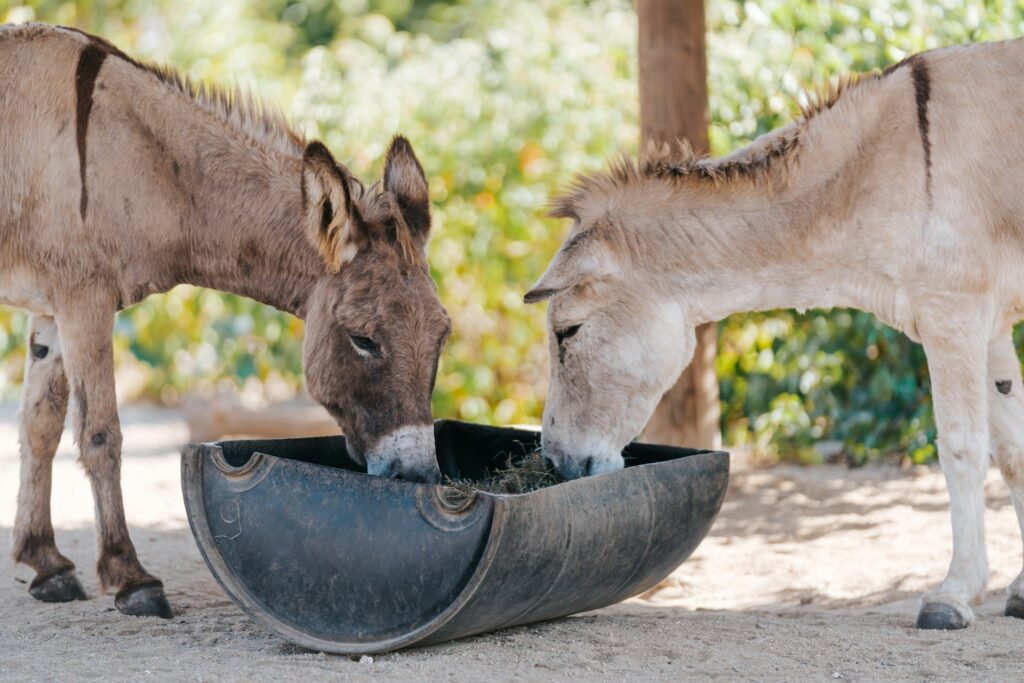
Donkeys are deeply social animals that often form close, lifelong bonds with other donkeys or animals they live with. You’ll often see bonded pairs standing close together, grooming, or even calling out when separated. Mules can also be social, but they tend to be more independent, possibly due to their horse lineage. While they can enjoy company, they don’t usually form the same intense attachments as donkeys do.
12. Mules are more expensive and harder to come by.
Since mules are sterile, each one has to be bred from a specific pairing of a male donkey and a female horse. That takes more planning, cost, and effort, so naturally, mules tend to be pricier and less common. Donkeys, on the other hand, breed naturally and more predictably. They’re often easier to find, and because they’re lower maintenance, they’re also cheaper to keep in many cases.
13. Donkeys have been domesticated longer.
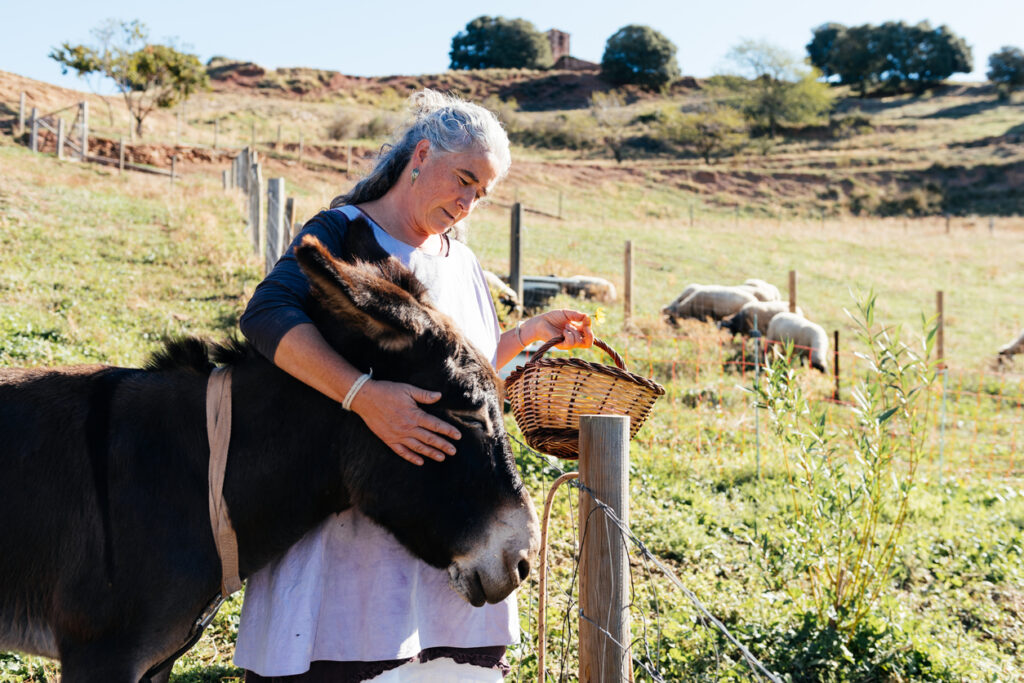
Donkeys have been domesticated for thousands of years, dating back to ancient Egypt and Mesopotamia. They were used for transport, farming, and trade long before horses were widely adopted. Mules, being a human-made hybrid, don’t have that same ancient lineage. They’ve only been bred intentionally since around 3,000 years ago. That still makes them old, but they’re definitely the newer kid on the working-animal block.