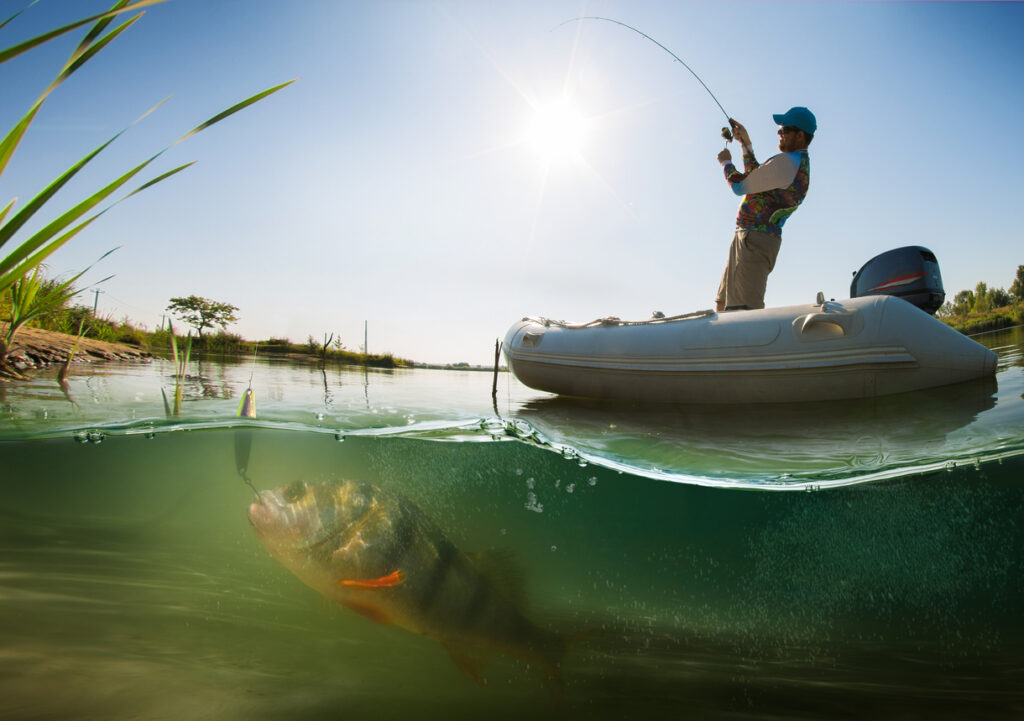
It’s one of those uncomfortable questions that pops into your mind the minute you see a fish flailing at the end of a line: do they actually feel pain, or is it just a reflex? Anglers and animal advocates have gone back and forth on this for years. While fish don’t have the same nervous system layout as humans, modern research has challenged a lot of old assumptions. Here’s what we now know, or are beginning to understand, about how fish experience pain, and what that might mean for how we treat them.
Fish do have nerves, but they’re wired a bit differently.
Fish have nociceptors, which are nerve receptors that detect things like heat, pressure, and physical injury. These are the same type of nerves that trigger pain responses in humans, and their presence in fish suggests they are at least physically capable of detecting harmful stimuli. That’s an important piece of the puzzle because, for a long time, it was assumed fish simply couldn’t sense damage in the same way mammals do.
The key difference is in how that sensory information is processed. Fish have simpler brains and lack the neocortex, the region in human brains associated with conscious thought and emotion. That being said, simpler doesn’t mean incapable since other areas of the fish brain appear to serve similar roles. Plus, just because they’re not feeling pain like us doesn’t mean they’re not feeling something unpleasant at all.
They react to being hooked, but is it reflex or real distress?
When a fish gets hooked, it doesn’t just passively hang there. It thrashes, flees, and resists in what looks very much like pain. Some argue this is purely instinctive, a built-in survival mechanism triggered by physical pressure or danger. But reflexes don’t usually come with the sort of learned behaviours fish have shown in experiments.
Many fish can remember and avoid situations where they were previously hooked or injured, suggesting they associate those moments with something negative. That sort of avoidance behaviour implies a more complex response than a simple muscle reflex. It hints at something emotional, or at the very least, a memory of discomfort they’d rather not repeat.
Fish brains are different, but not emotionless.
Yes, fish lack a neocortex, but that’s not the whole story. Just because they don’t have our brain setup doesn’t mean they don’t experience pain at all. Many animals process pain through different areas of the brain than humans do, and fish appear to have functional equivalents that deal with emotion and memory in their own way.
What this tells us is that we might be looking at fish through too human a lens. If we define pain only in terms of our own experience, we risk missing how other species experience it. There’s a growing movement among researchers to assess animal sentience in terms of behaviour and physiology, not just brain structure, and that’s reshaping the conversation around fish welfare.
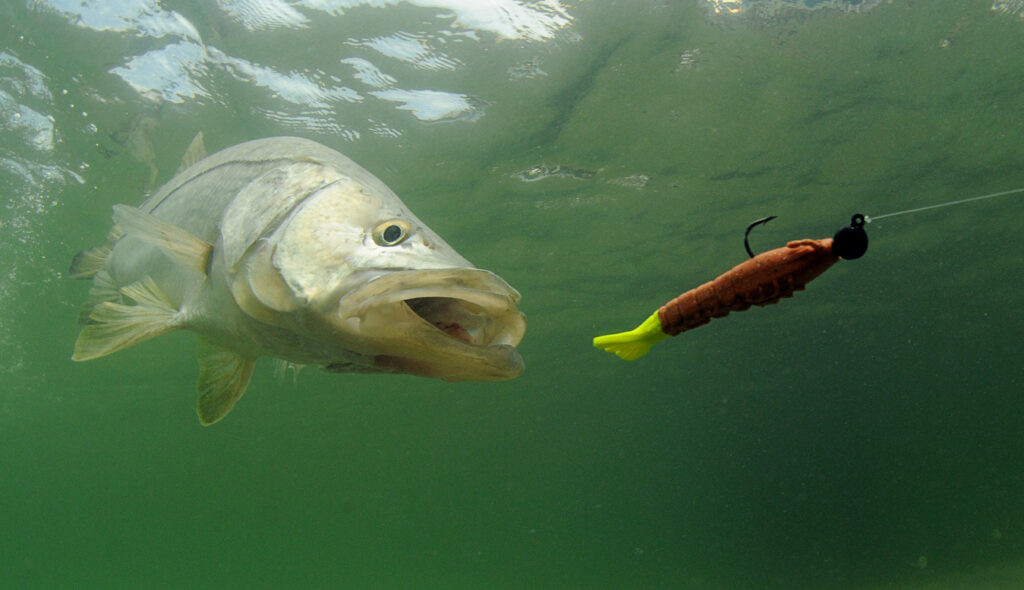
Some studies show signs of stress and fear.
In controlled experiments, fish subjected to harmful experiences such as mild electric shocks or fin clipping show spikes in stress hormones, just like humans under duress. They also become more cautious, stop feeding, or isolate themselves, which are behaviours we tend to associate with emotional distress in other animals.
These aren’t just momentary flinches; they’re prolonged changes in behaviour that suggest an internal emotional state. Fish don’t just react to pain in the moment, either. They often continue to behave differently long after the stimulus has passed. That persistence is one of the most compelling signs that the experience is meaningful to them, not just a fleeting reflex.
They can learn from pain.
Fish have been shown to remember painful experiences and change their behaviour to avoid them. In lab settings, fish that receive a mild shock in one part of a tank will avoid that area in future tests. The ability to associate an experience with a negative outcome is a core element of what we consider pain in more complex animals.
What’s especially interesting is that the learned avoidance sometimes sticks for days or even weeks. That means the experience isn’t just fleeting. It actually lingers in their memory. For many scientists, this kind of learning is a clear sign of sentience, and a strong argument against the idea that fish are emotionally unaware of what’s happening to them.
Anaesthetics work on fish.
When vets or researchers sedate fish for handling or surgery, the use of anaesthetics changes their behaviour in much the same way it does in mammals. They stop reacting to external stimuli and show reduced stress responses during and after the procedure.
If fish didn’t experience pain, anaesthetics wouldn’t make a difference. The fact that they do, and that fish behave more calmly when sedated, suggests that whatever they’re feeling when hooked or injured, it’s more than just mechanical twitching. It points to a capacity for suffering that can be alleviated with the right treatment.

Some species show empathy-like behaviour.
Certain social species of fish, like zebrafish, have shown signs of emotional contagion, reacting with stress when they witness another fish in visible discomfort. This isn’t empathy in the full human sense, but it does suggest social awareness and the ability to respond to the emotions of others.
It also hints at a kind of inner life we don’t often attribute to fish. If they can recognise and respond to other fishes’ distress, it’s not a huge leap to assume they experience similar distress themselves under the same conditions.
Ethical fishing practices are evolving.
As more evidence points to fish having some capacity for pain or suffering, fishing communities are slowly adapting. Barbless hooks, shorter catch-and-release windows, and wet handling techniques are becoming more common, especially among hobby anglers who value both the sport and the wellbeing of the animals involved.
You don’t have to stop fishing entirely to care about fish welfare. Even small changes in how you handle, unhook, or return them can make a big difference. That change in thinking away from seeing fish as unfeeling is a sign that awareness is growing, even in unlikely places.

Aquaculture and welfare research is growing.
The rise of fish farming has brought with it a new focus on fish health and welfare. Researchers are developing better systems to reduce stress, improve tank environments, and minimise handling injury, all based on the idea that fish are capable of discomfort and deserve humane treatment.
If fish truly felt nothing, none of this would matter. But clearly, companies and researchers are recognising that stress, injury, and pain affect not just the animal—but also growth rates, disease risk, and overall quality. Welfare isn’t just ethical, it’s also practical.
Bottom line: it’s not about human-style pain—it’s about sentience
The question isn’t whether fish feel pain exactly like we do, it’s whether they feel enough of it to matter. And increasingly, the answer seems to be yes. From stress responses to learned avoidance, fish show multiple behaviours that suggest a level of conscious experience, even if it’s different from ours.
Ultimately, the safest bet is to assume they feel something. And once you accept that, the way we interact with them, whether through fishing, farming, or keeping them as pets, has to change a little too. You don’t need to see fish as furry friends to treat them with a bit more care.