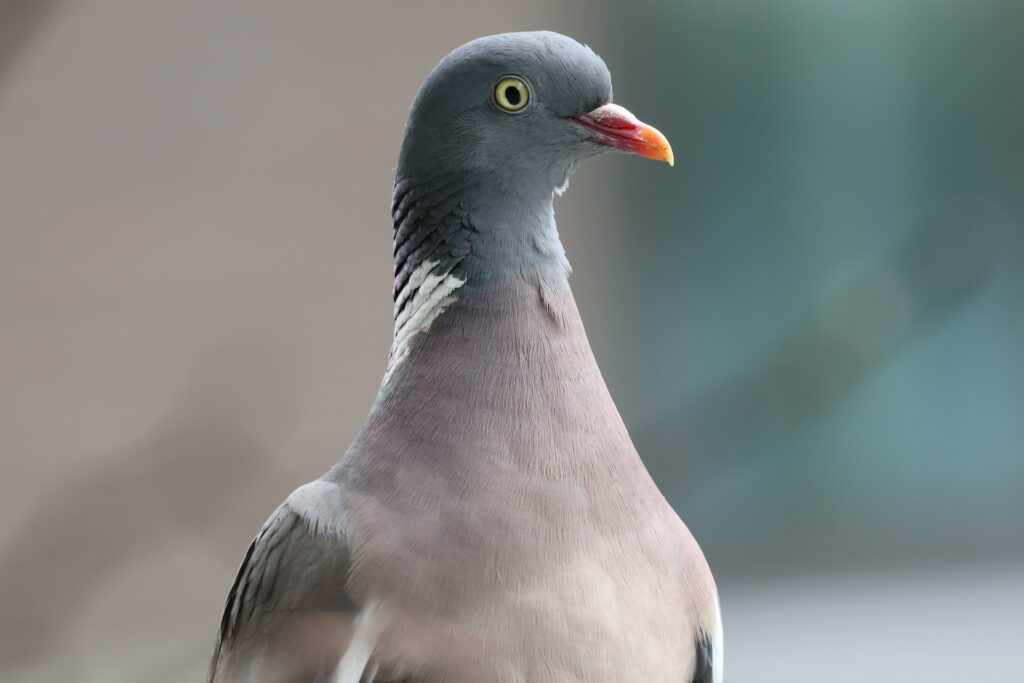
It’s one of those weird little mysteries people bring up on long walks or pub nights—how come we never see baby pigeons, even though adult pigeons are everywhere? Are they hiding? Do they skip childhood? Are we just not looking in the right places? As it turns out, the answer is a mix of biology, behaviour, and urban convenience. Here’s what’s really going on with the elusive baby pigeon, and why it’s not as strange as it seems.
They spend a long time in the nest.
Unlike some bird species that hop out of the nest just days after hatching, baby pigeons stay tucked away for around 4 to 6 weeks. That’s a long time in bird terms. By the time they leave the nest, they’re already nearly adult-sized and feathered. That means they skip the fluffy, awkward stage out in public. Most people wouldn’t even recognise a young pigeon because it already looks so similar to a fully grown one by the time it’s flying around.
Their nests are in hard-to-see places.
Pigeons are city slickers when it comes to nesting. They love ledges, rooftops, bridges, and crevices—anywhere that mimics the rocky cliff faces their wild ancestors would’ve used. These spots are high, hidden, and hard to access. So unless you’re regularly climbing into old buildings or up scaffolding, you’re just not going to spot baby pigeons tucked away in their urban nests. They’re up there… we just can’t see them.
Baby pigeons look surprisingly big.
When they finally leave the nest, baby pigeons—called squabs—are already almost the same size as adults. Their heads might still look a little odd or their beaks a bit too long, but unless you’re watching closely, they blend right in. That means you probably have seen a young pigeon before, but assumed it was just another scruffy adult. There’s not really a cute, fuzzy stage in public view like there is with ducklings or goslings.
Their parents are very hands-on.
Pigeon parents are surprisingly attentive. Both the male and female take turns feeding the chicks with something called “pigeon milk” (a nutrient-rich substance they regurgitate). This close care helps keep the young safe and well-fed until they’re ready to leave. That intense parenting style means baby pigeons are rarely left alone or exposed. They’re sheltered and fed until they can handle the outside world, which adds to the mystery of never seeing them.
We see other baby birds more often by comparison.
Ducks, swans, and geese have babies that follow them around almost immediately after hatching. That’s a very different parenting strategy. These baby birds are out in the open, fluffy, and noticeable from day one. So we associate “baby bird” with something small and very visible. Pigeons go about it the opposite way—keep the babies hidden, feed them constantly, and only let them out once they’re ready to blend in.
They’re born all year round.
Unlike many birds that breed in spring and early summer, pigeons don’t follow strict seasonal rules. Because city life provides steady food and shelter, pigeons can breed any time of year, even in the dead of winter. That means there’s no “baby pigeon season” where you’re more likely to spot them. Their low-key nesting behaviour happens all year long, but it’s mostly invisible unless you go looking for it.
They don’t leave the nest until they can fly.
When pigeons leave the nest, they’re not learning to fly—they’re already flying. That’s a big difference from other birds that might tumble out of the nest early or hang around awkwardly while learning to flap properly. So you won’t see a clumsy baby pigeon flailing around on the pavement. They simply appear one day, wings fully working, gliding around like the grown-ups. It makes spotting their “youth phase” almost impossible.
Urban camouflage helps them blend in.
Pigeons are basically feathered ninjas when it comes to fitting into the city. Their grey and mottled colouring blends in with concrete, stone, and shadow. Even their nests tend to look like debris if you spot them from below. Their natural camouflage means that even if you are near a nest, you probably won’t notice it. The chicks aren’t chirping loudly or demanding attention, either—they’re quiet and low-key, which makes them even harder to spot.
Their nests aren’t photogenic.
Unlike songbirds that weave elaborate twig homes, pigeons build surprisingly messy nests. A few sticks, maybe some feathers, and that’s about it. They’re functional, not fancy. Plus, they’re often tucked into grimy corners of buildings where few people look. So not only are baby pigeons hidden away, but their surroundings don’t exactly attract attention. Unless you’re a rooftop maintenance worker or a particularly curious pigeon fan, you’re unlikely to stumble across one.
People just don’t know what to look for.
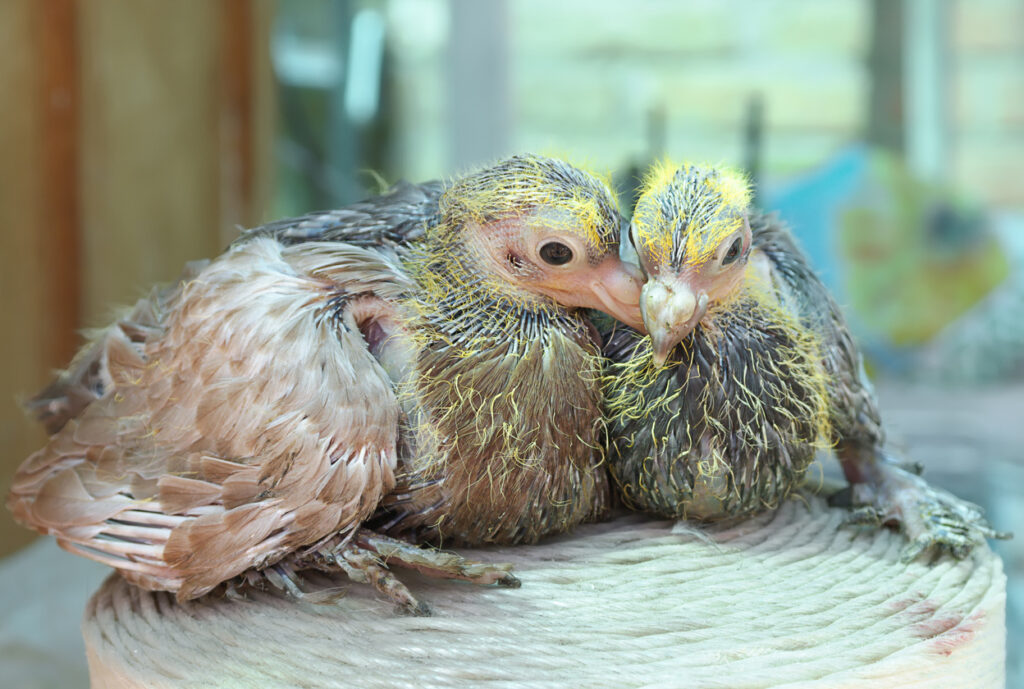
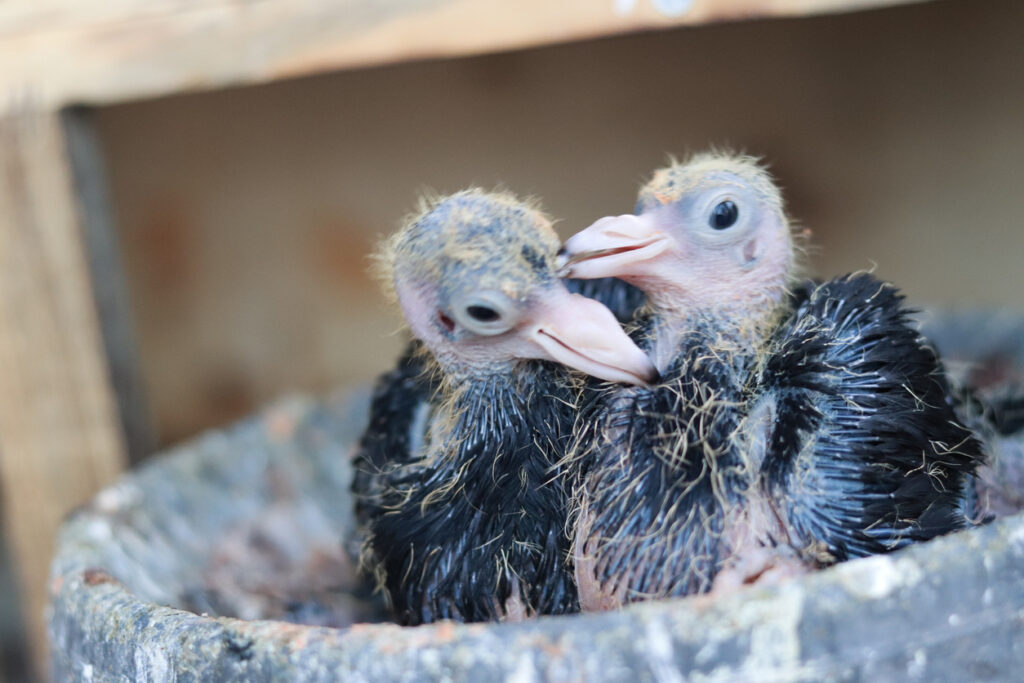
Most people imagine baby pigeons as miniature versions of the adults—small, grey, and waddling about. But they actually look quite different when they hatch: pink-skinned, gangly, with big beaks and sparse feathers at first.
By the time they’re more recognisable, they’re already out of the nest and blending into adult life. The truth is, you’ve probably walked past a few newly fledged pigeons without even realising it. They’re just better at flying under the radar than we ever gave them credit for.