When it comes to planting trees, most of us want the full package—something that offers delicious fruit, decent shade, and still looks beautiful in the garden.
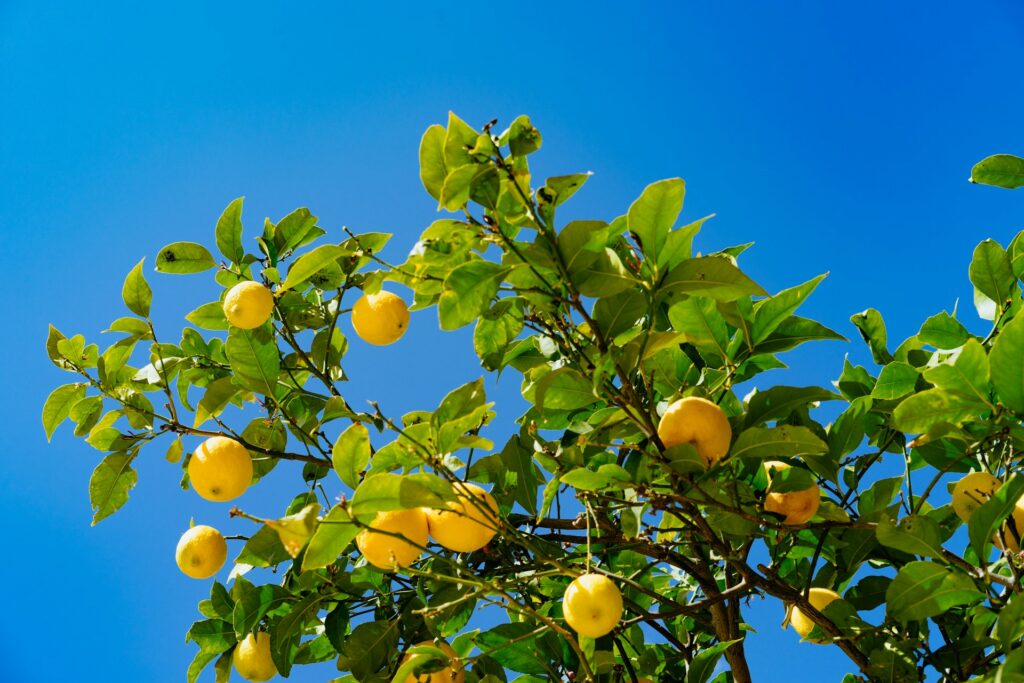
Luckily, some trees tick all three boxes. Whether you’re working with a spacious lawn or a compact urban plot, these trees aren’t just practical—they’re gorgeous to look at and rewarding to live with. Here are some gorgeous trees that bring shade, fruit, and visual appeal in a single plant. While some take longer than others to grow, meaning it might be a while before you enjoy the fruits of your efforts, so to speak, they’re still well worth having around.
1. Apple tree (Malus domestica)
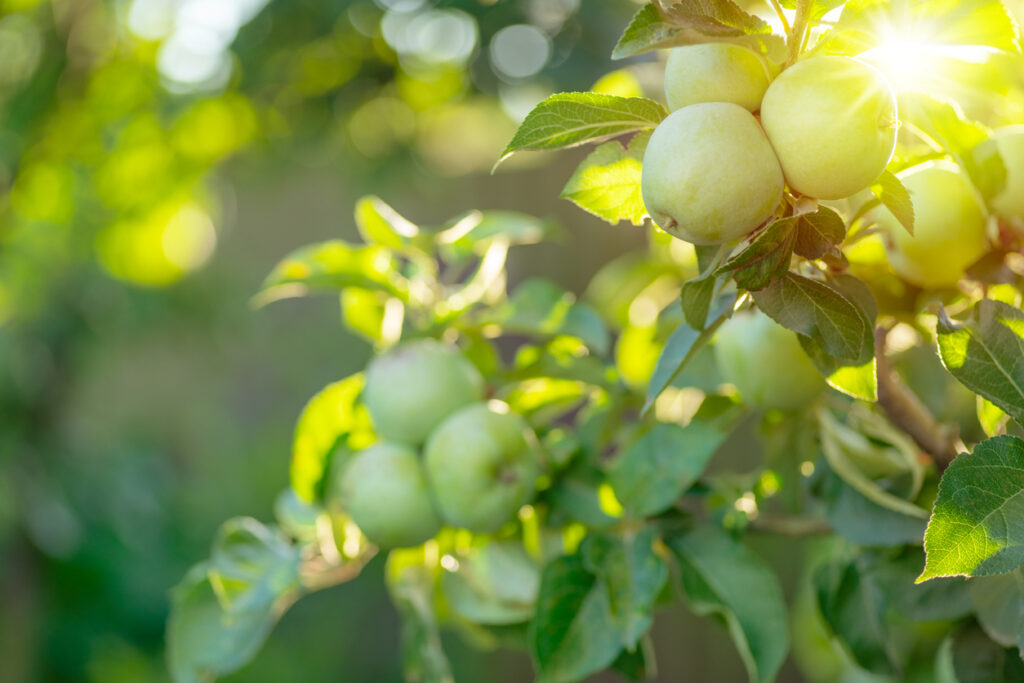
Classic and reliable, apple trees are a go-to for British gardens. They offer spring blossoms, tasty fruit in autumn, and a lovely, rounded shape that provides decent shade. Plus, their branches attract birds, bees, and butterflies alike. Choose from cooking varieties like Bramley or eaters like Egremont Russet or Cox’s Orange Pippin. Dwarf rootstocks are available if space is limited, and even a single well-pruned apple tree can be a seasonal centrepiece.
2. Pear tree (Pyrus communis)
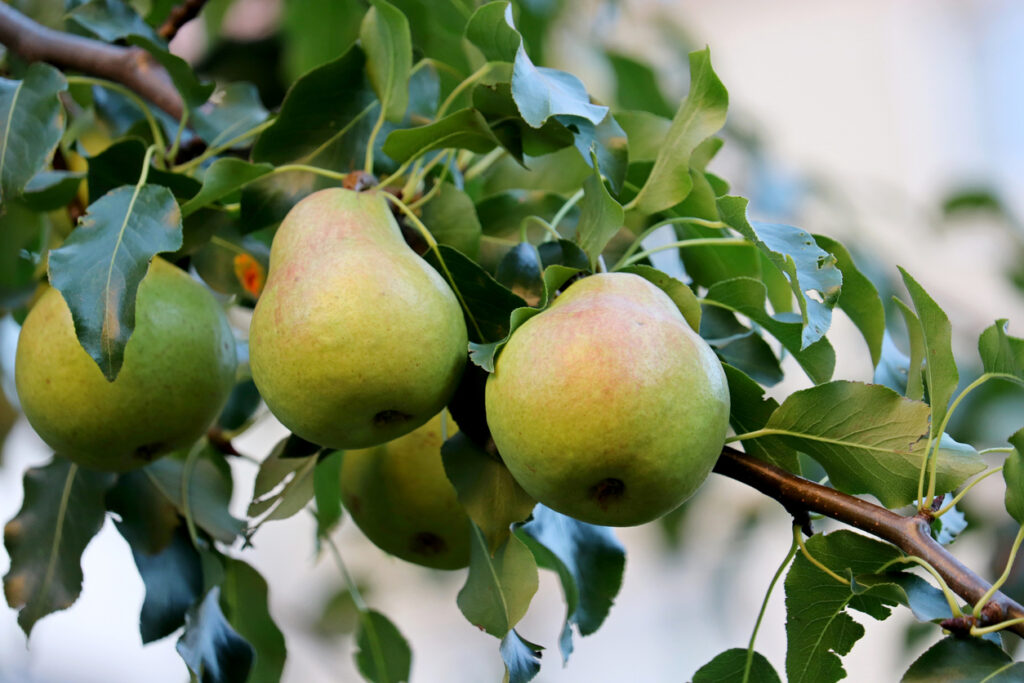
Pear trees have a more upright, elegant form than apples but still provide a good spread of shade once mature. Their spring blossoms are just as beautiful, and the fruit is sweet, juicy, and satisfying. They pair well with apples for pollination and can also be grown as espaliers against walls or fences. Look for varieties like Conference or Concorde that do well in the UK climate.
3. Cherry tree (Prunus avium or Prunus cerasus)
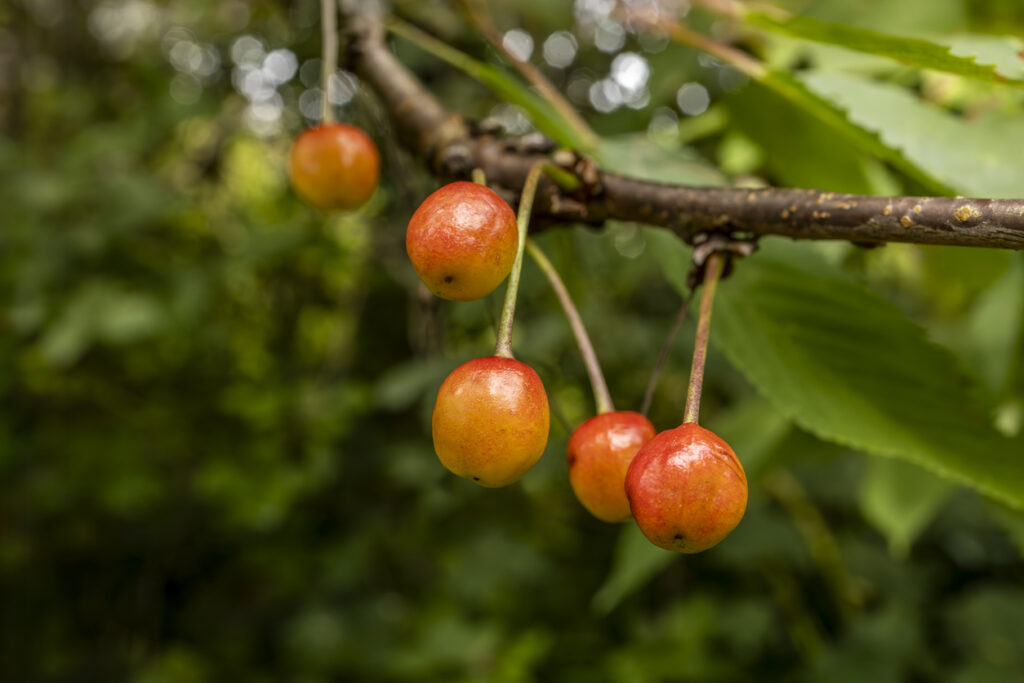
If you want something that delivers fruit and makes a statement in spring, a cherry tree is ideal. Whether it’s a sweet cherry (for eating fresh) or sour cherry (great for cooking), the spring blossom is nothing short of breathtaking. Cherries don’t just bring beauty—they grow quickly and offer a nice spread of dappled shade. Just keep in mind that birds love the fruit too, so netting might be needed if you’re hoping for a personal harvest.
4. Plum tree (Prunus domestica)
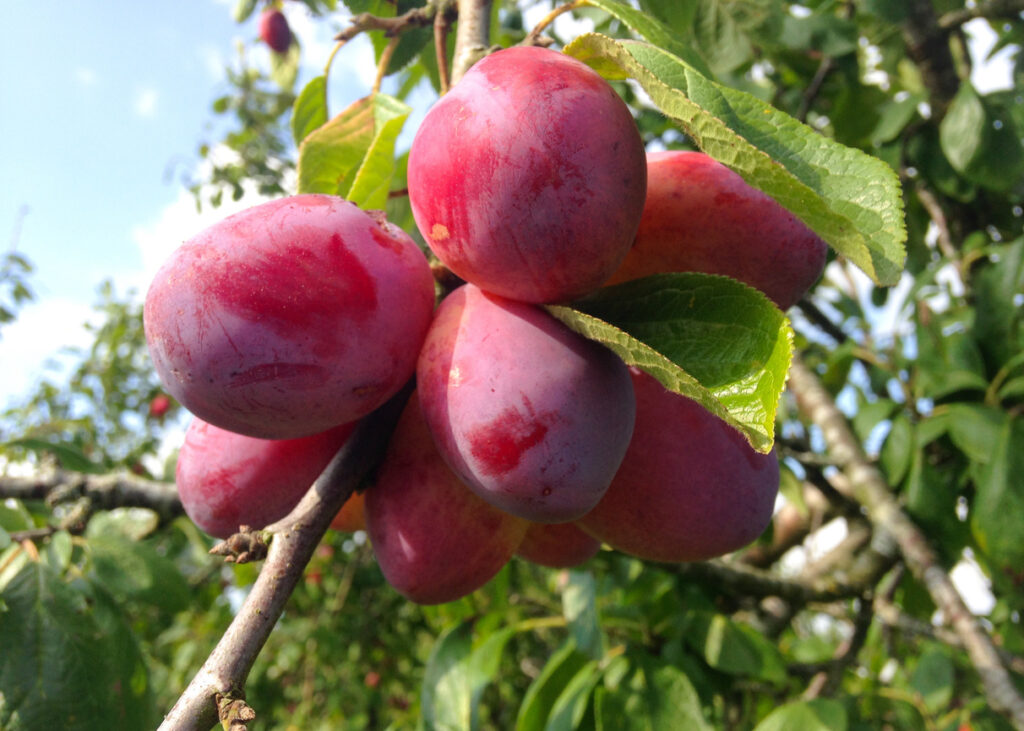
Plum trees are slightly more compact, making them perfect for smaller gardens. They grow quickly, offer good leafy coverage for shade, and their fruit is delicious for eating fresh or turning into jam. Victoria is a popular choice, but there are many other types to explore. The blossom is delicate and appealing, and in late summer, the branches often drip with plums—if the wasps don’t get there first.
5. Fig tree (Ficus carica)
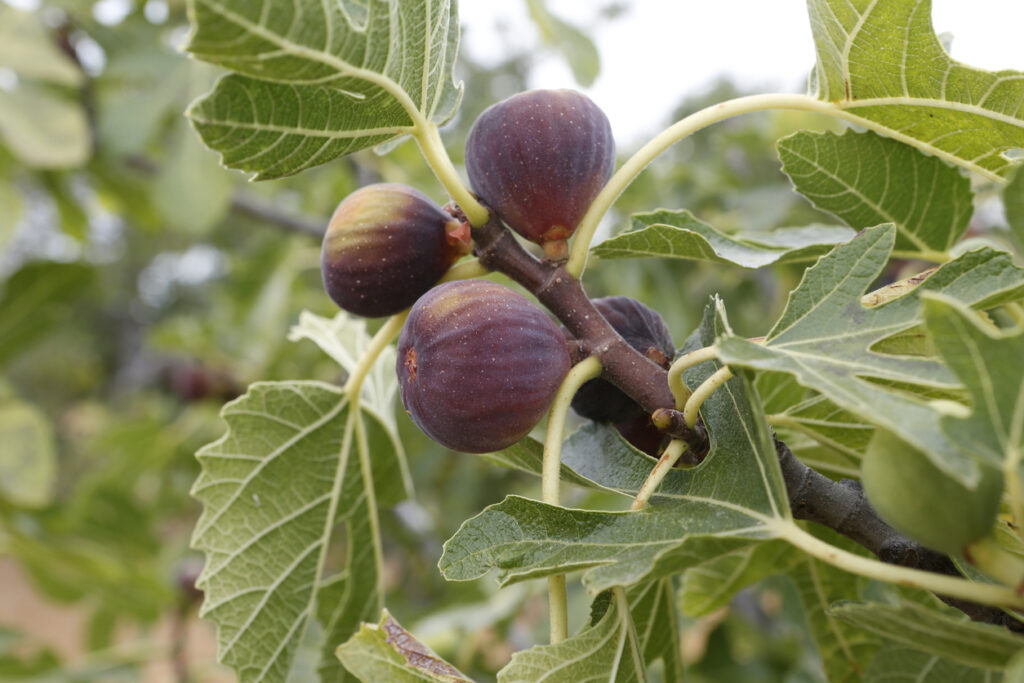
Figs bring a slightly Mediterranean vibe, but many varieties do surprisingly well in the UK—especially against a sunny, sheltered wall. Their large, lobed leaves create lush, wide shade, and their unique fruit has a rich, honeyed flavour. The trees themselves are beautiful and sculptural, especially as they mature. They prefer a warm, south-facing position and are relatively low maintenance once established, making them a brilliant dual-purpose addition.
6. Mulberry tree (Morus nigra)
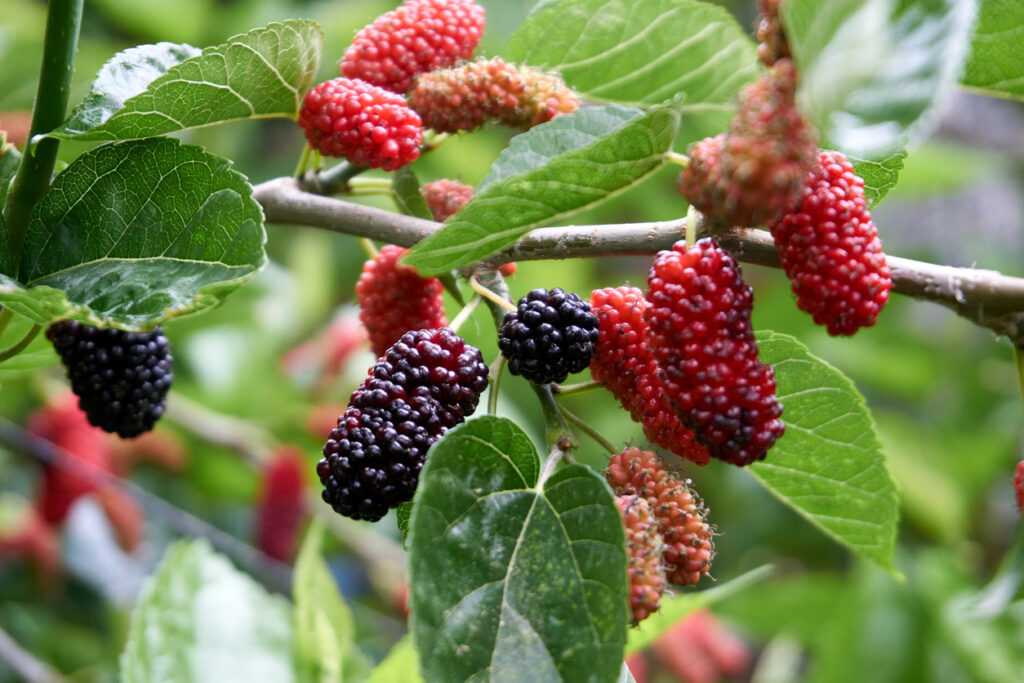
Mulberries are old-world charm in tree form. They grow into a wide, spreading shape that offers fantastic shade, and their fruit—though often overlooked—is sweet, juicy, and packed with flavour (and a bit messy). They take their time to mature, but the payoff is huge: gnarled, character-filled trunks, thick leaf cover, and berries that look like elongated blackberries. Just don’t plant it near patios or driveways unless you want purple-stained shoes.
7. Medlar tree (Mespilus germanica)
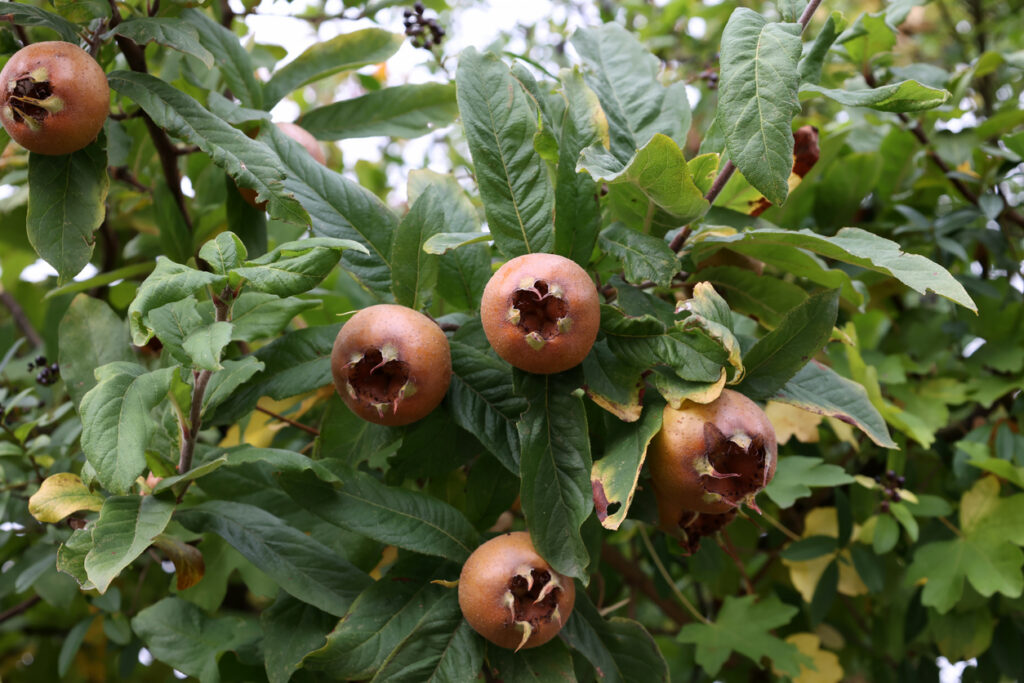
Medlars are one of those old-fashioned fruit trees that deserve a comeback. The tree has a lovely rounded shape, white spring blossoms, and unusual fruits that ripen late in the year and need to soften before eating. The foliage often turns golden in autumn, adding seasonal colour. It’s a compact tree, ideal for small gardens, and a great talking point—most people won’t know what a medlar even is until you introduce them.
8. Service tree (Sorbus domestica)
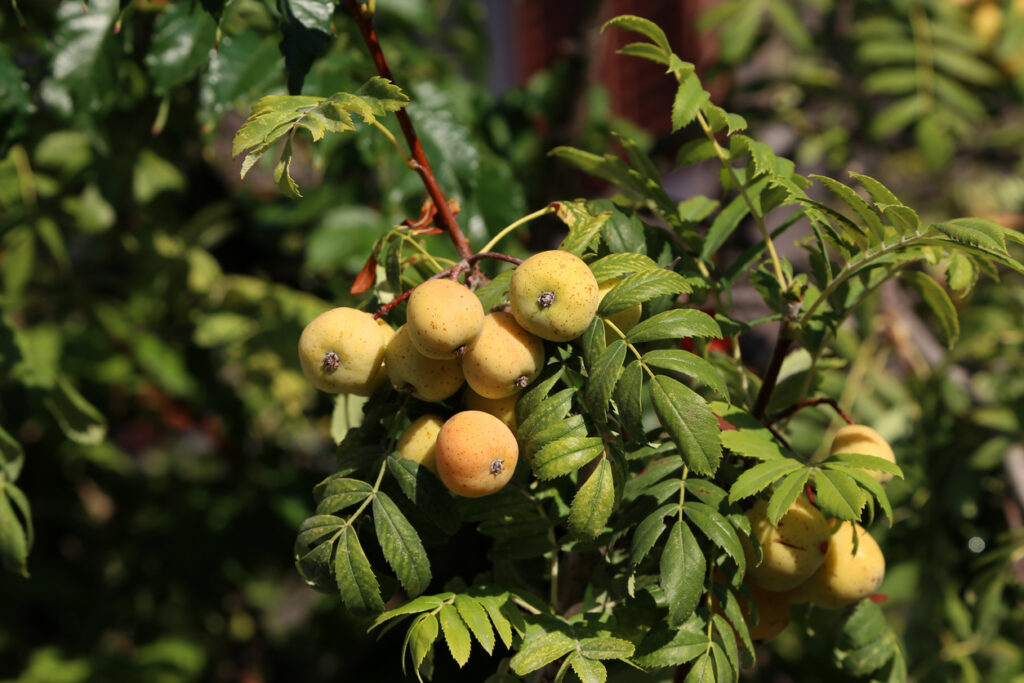
Not to be confused with the rowan, the true service tree is a rare but wonderful find. It offers clusters of white flowers in spring, followed by pear-like fruits that can be made into jelly or cider-like drinks. With broad leaves and a tall, open structure, it gives generous shade and develops a rustic, mature look with time. It’s hardy, attractive, and unusual—perfect if you want something that does the job but still feels a bit special.
9. Crabapple tree (Malus sylvestris)
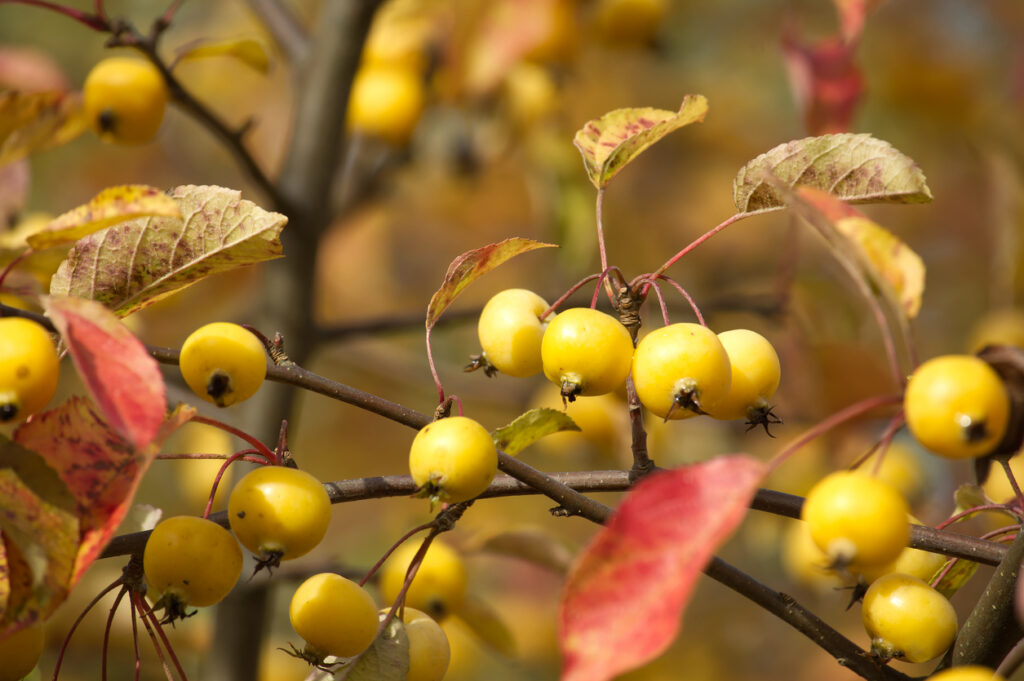
Crabapples are beautiful, compact trees with masses of blossom in spring and small, colourful fruit in autumn. While the fruit isn’t for snacking straight off the branch, it’s fantastic in jellies and attracts loads of wildlife. The shape is ideal for shade in smaller gardens, and the sheer abundance of flowers and fruit makes them a visual joy through multiple seasons. Varieties like ‘John Downie’ or ‘Evereste’ bring extra ornamental appeal.
10. Quince tree (Cydonia oblonga)
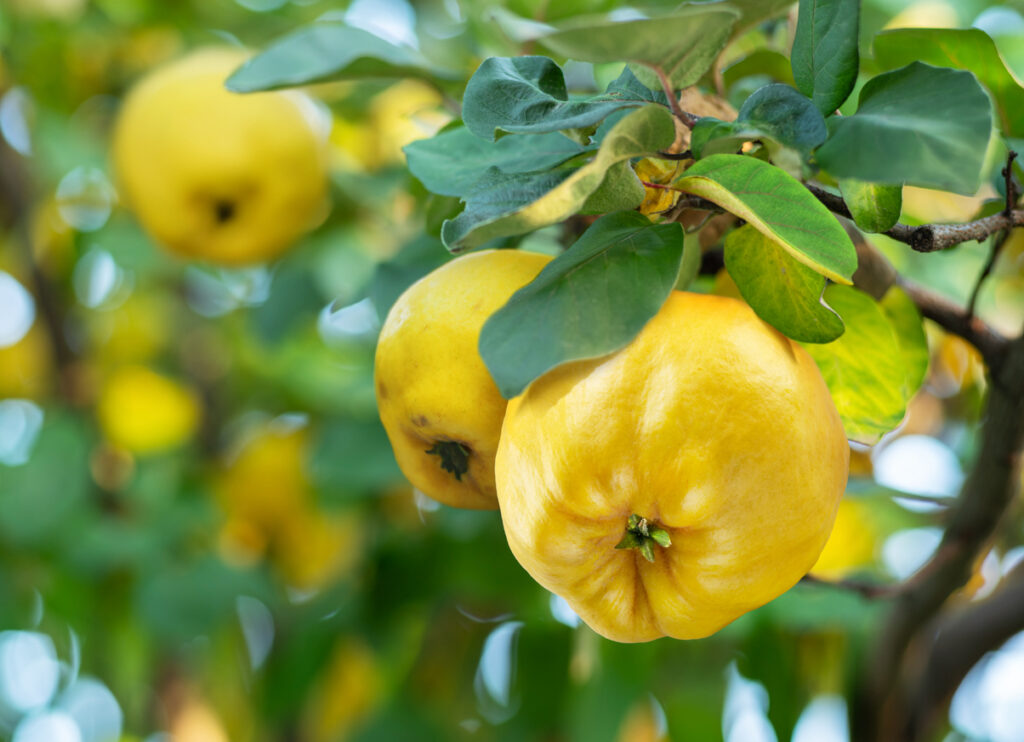
Quinces are a bit like the best-kept secret of the fruit tree world. Their knobbly yellow fruits aren’t for eating raw, but they transform into beautiful jelly and paste with a floral, honeyed flavour. The tree itself has large, velvety leaves and pink-tinged spring blossom. It grows into a graceful, spreading shape that offers good shade, and its slightly old-world look adds plenty of charm to cottage-style gardens.
11. Almond tree (Prunus dulcis)
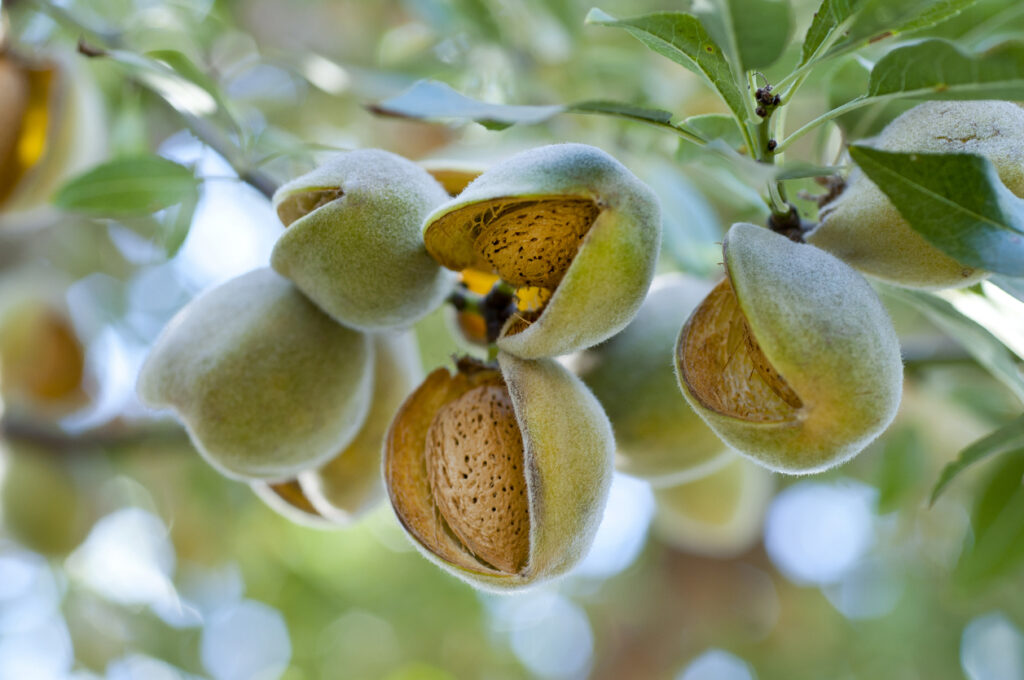
Though slightly more temperamental in the UK, almonds can thrive in warm, sheltered spots. Their early spring blossoms are spectacular—clouds of pale pink flowers that bring bees flocking to your garden. They produce a medium amount of shade with their airy leaf cover and, with luck and good weather, you’ll get edible nuts in autumn. Even if you don’t, the aesthetic alone is well worth the space.
12. Elder tree (Sambucus nigra)
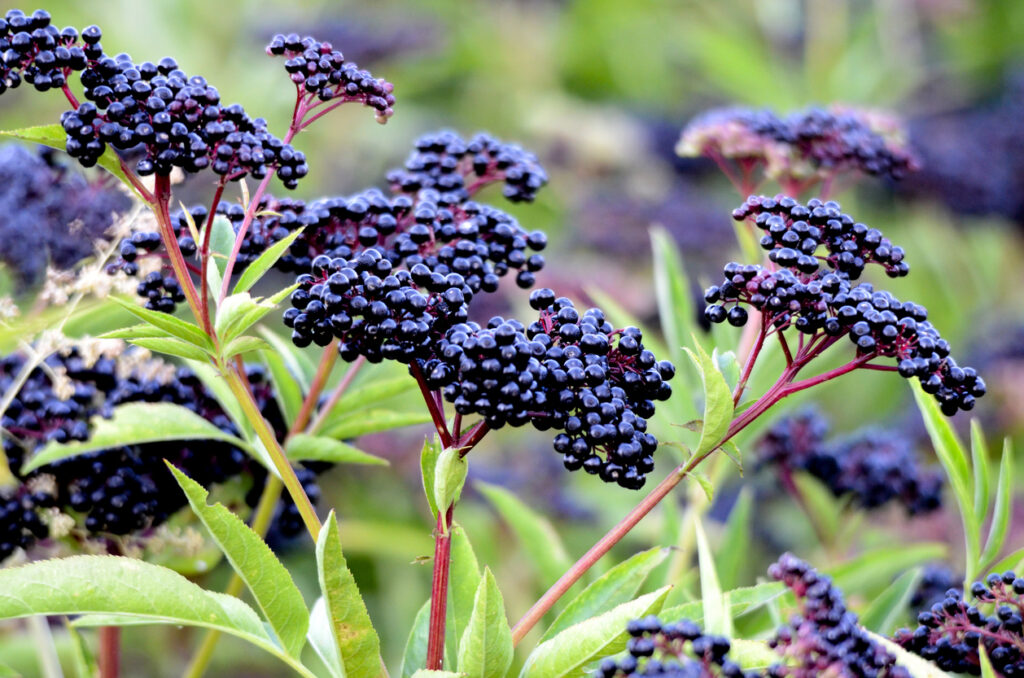
Elder might not look as “polished” as some other trees, but it’s absolutely packed with uses. Its blossoms can be turned into cordial, and the berries are great for syrups, wine, or jam (after cooking, of course). It grows fast, has dense foliage for shade, and works well as a hedging tree or boundary plant. Varieties like ‘Black Lace’ add dramatic foliage to the mix, giving you a fruiting tree that’s also beautifully ornamental.