We usually picture herbivorous dinosaurs as peaceful giants minding their own business while terrifying predators like T. rex ruled the land.
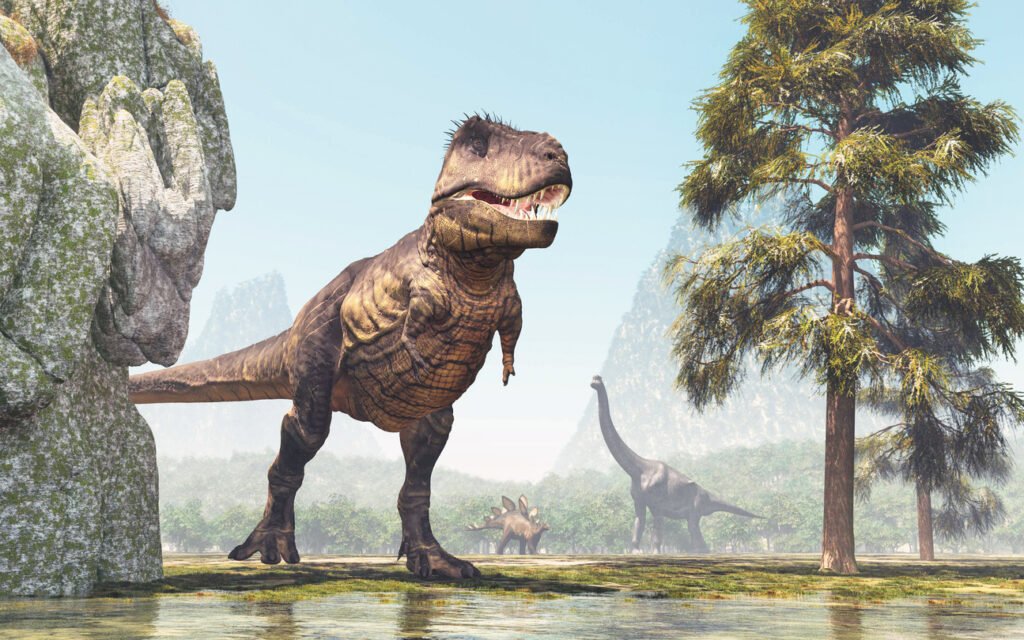
However, not all plant-eaters were helpless. In fact, some had seriously intimidating defences—armour, clubs, speed, even sharp spikes—that made them much harder to take down than you’d think. So, if a T. rex came stomping over the hill looking for a snack, would every herbivore be easy prey? Not exactly. Here’s a look at some of the plant-eaters that could absolutely hold their own.
Triceratops: armed and very dangerous
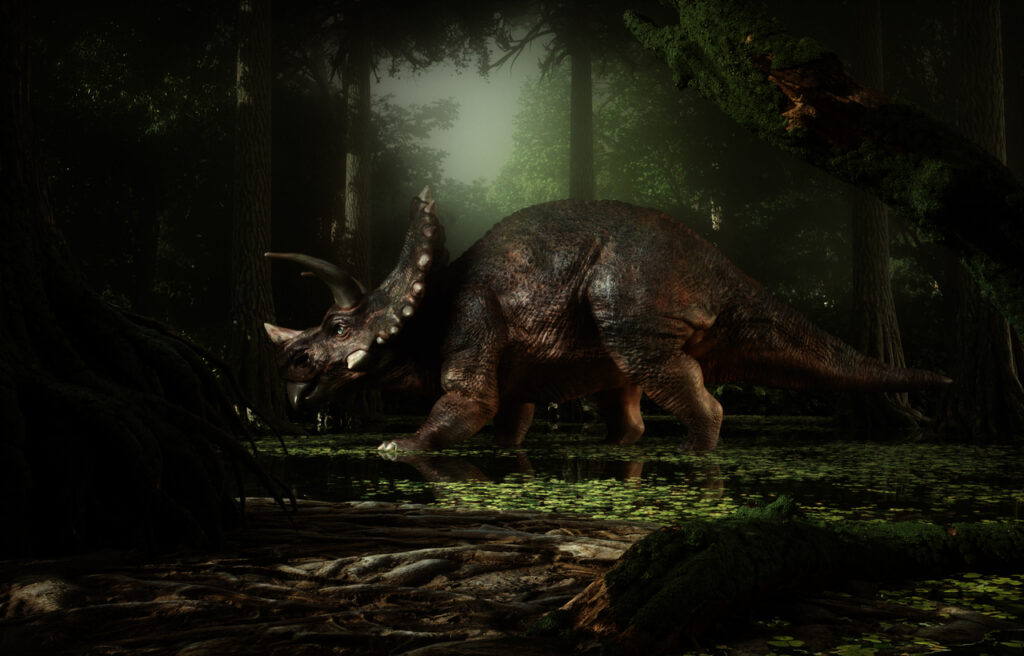
With its massive bony frill and three sharp horns, Triceratops wasn’t just a plant-muncher. It was a walking tank with an attitude. Those horns could be used like spears, and fossil evidence shows they were sometimes locked in battle with predators like T. rex.
This wasn’t a dinosaur that ran from a fight. Its low, stocky build gave it stability, and its facial armour meant it could aim straight for a predator’s vulnerable spots. If a T. rex got too close, there’s every chance Triceratops could inflict some serious damage, or even win.
Ankylosaurus: the living tank
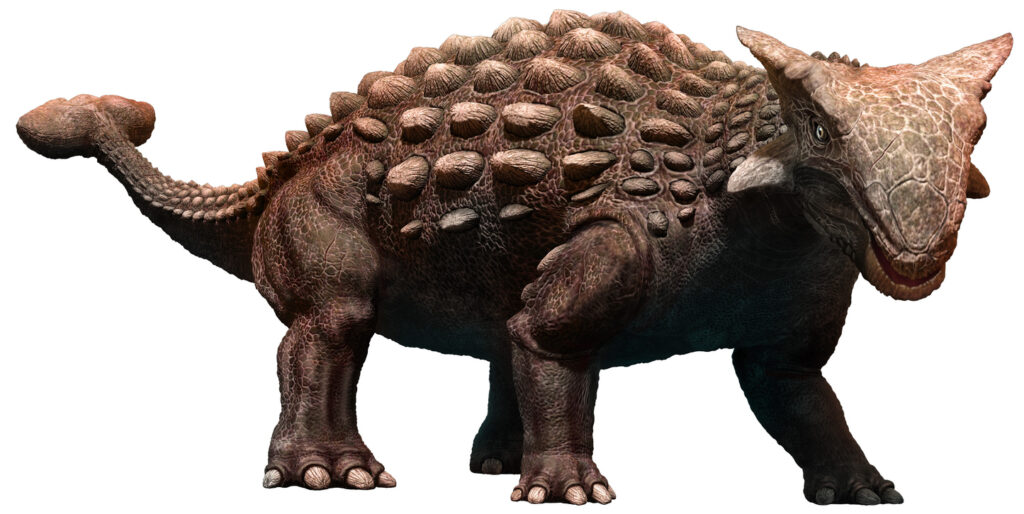
When you’re basically a giant reptilian armoured car, you don’t need to run—you just hold your ground. Ankylosaurus had thick plates of bone embedded in its skin and a heavy clubbed tail that could smash bones with one well-timed swing. If a predator got too confident, one hit from that tail could shatter legs or ribs. T. rex might have had powerful jaws, but if it couldn’t flip Ankylosaurus over or dodge that club, it could be in serious trouble. Definitely not an easy meal.
Stegosaurus: slow, but spiky
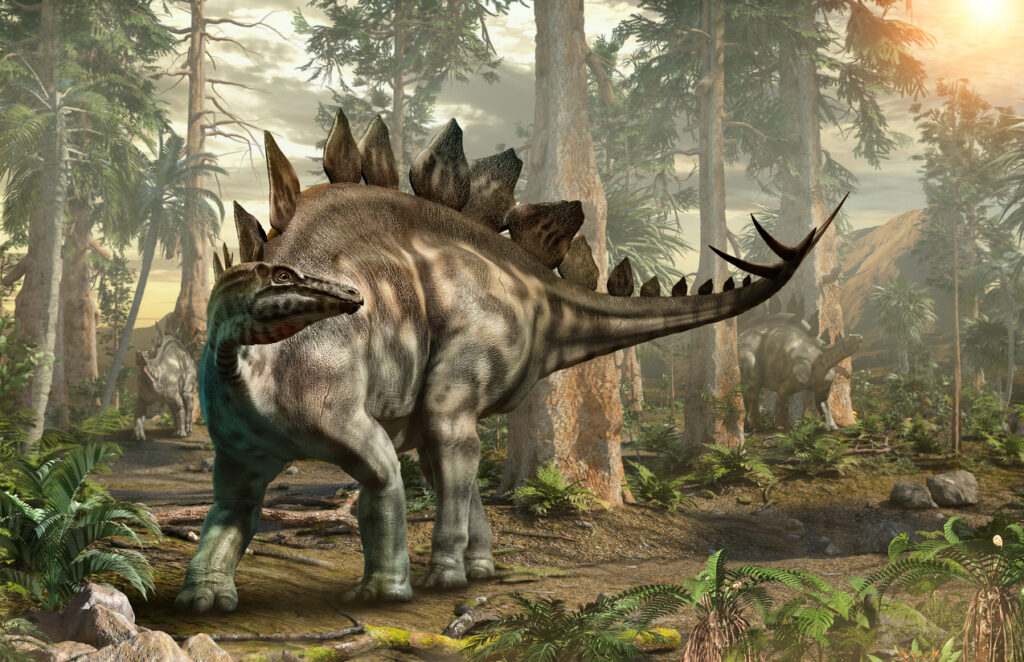
Stegosaurus might have looked a bit awkward, but it had one standout feature—its tail, or more specifically, the four massive spikes on the end of it, known as the thagomizer. Swing that into a predator’s leg or gut, and it was game over. Fossils show signs that Stegosaurus used its tail effectively in self-defence. Sure, it wasn’t fast, but with a brain just big enough to control its body and a back end built for business, it had all it needed to give T-rex a painful reason to back off.
Pachycephalosaurus: headbutt champion
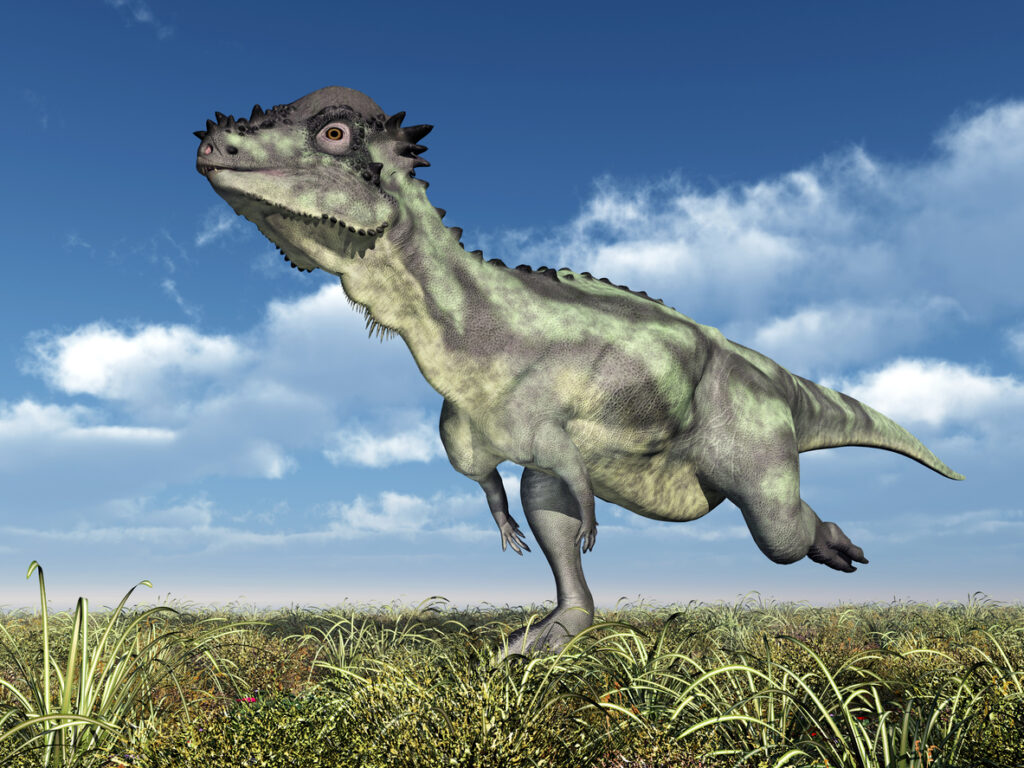
It’s not the most famous dino, but Pachycephalosaurus had a solid dome-shaped skull up to 25 cm thick. This thick headgear was built for ramming, and while it was probably used in mating displays, it could double as a weapon if needed.
Against a predator, a running headbutt could knock an attacker off balance or even cause internal injuries. It’s unlikely to win a one-on-one with a T. rex, but it wouldn’t go down without leaving a dent, and probably a headache, in its attacker.
Iguanodon: surprisingly strong
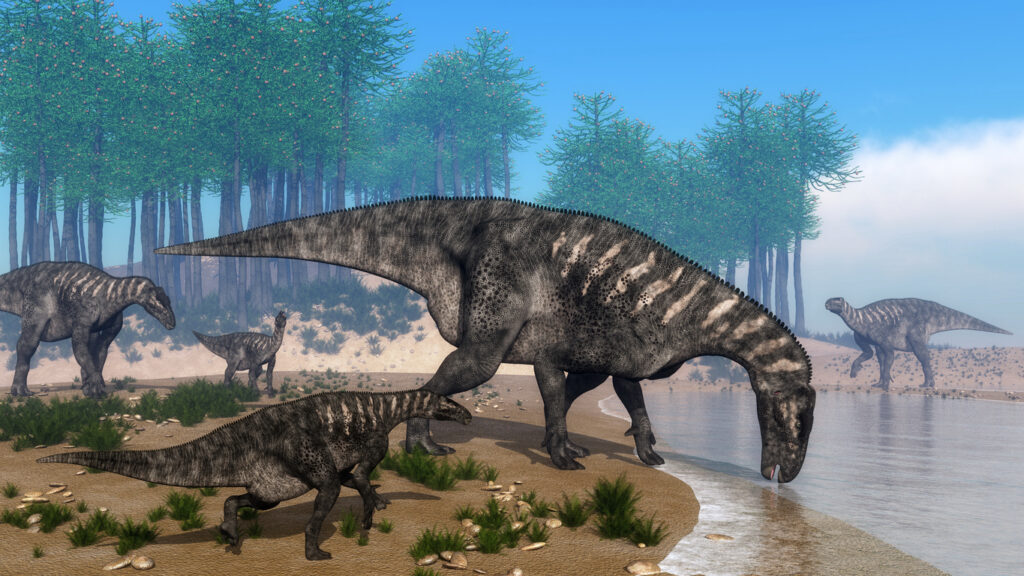
Iguanodon wasn’t flashy, but it had size on its side, and a serious thumb spike. This dinosaur could grow up to 10 metres long and had powerful limbs that made it a surprisingly formidable opponent when threatened. Its sharp thumb spike could be used to stab at attackers, and if cornered, it could potentially rear up and strike with its arms or legs. Fast, sturdy, and spiky, it wasn’t a dinosaur that went down easily, and definitely not one you’d pick a fight with casually.
Therizinosaurus: nightmare claws
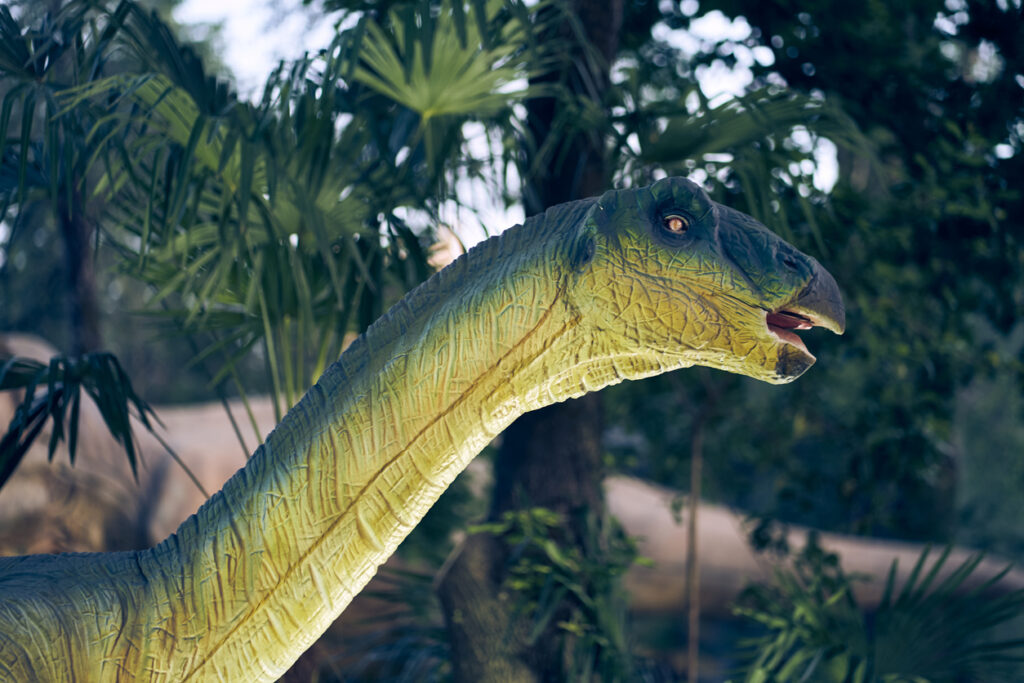
It’s a herbivore, but you wouldn’t guess that by looking at it. Therizinosaurus had enormous claws—up to a metre long—that looked like they belonged in a horror movie. While they were likely used to strip vegetation, they could double as terrifying weapons.
T. rex might’ve been the apex predator, but even it might pause before tangling with a plant-eater that looked like it moonlighted as a slasher villain. Therizinosaurus was big, heavily built, and had the reach to make any ambush risky.
Maiasaura: strength in numbers
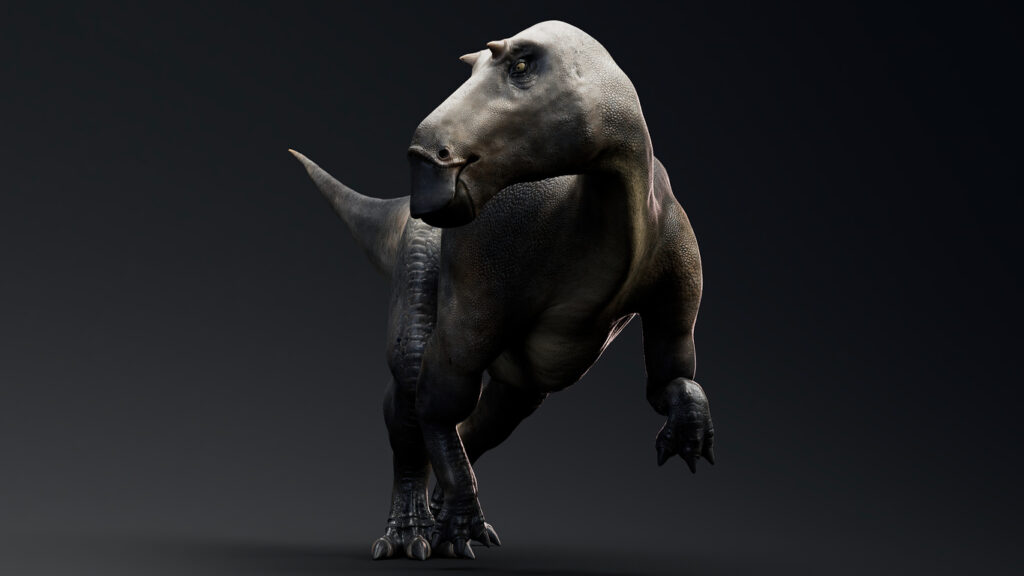
Maiasaura didn’t have built-in weapons, but it had something just as useful—teamwork. These duck-billed dinosaurs are believed to have lived in large herds, raising their young in groups and relying on numbers for safety. A single Maiasaura might be vulnerable, but in a herd, they had collective strength and eyes in every direction. Group movement, coordinated defence, and alarm calls could make ambushes nearly impossible and send predators packing.
Parasaurolophus: alarm system expert
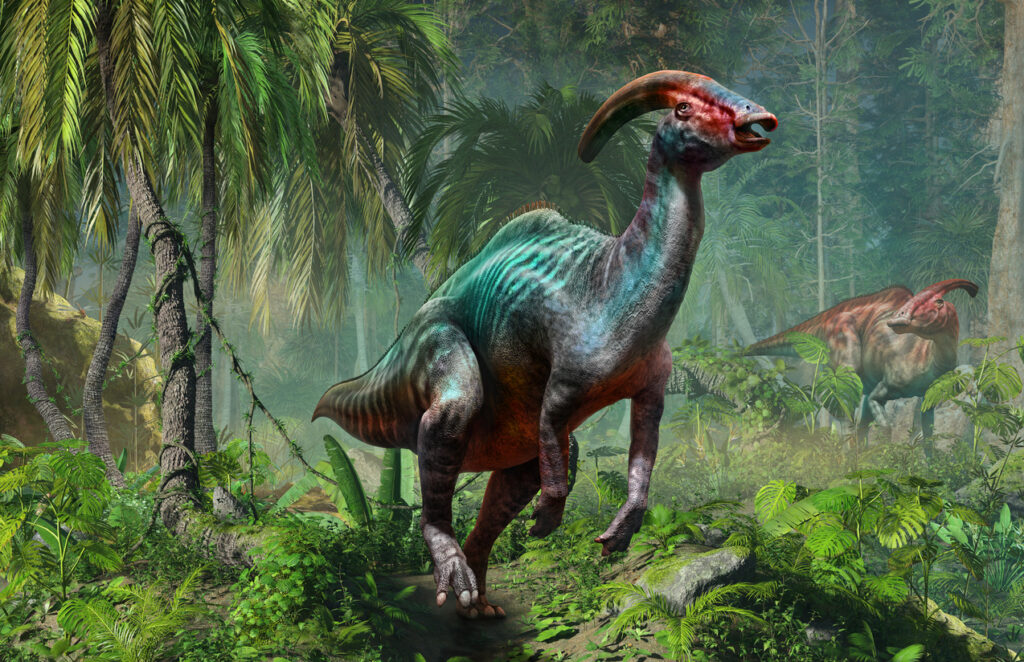
Parasaurolophus had that famous crest, but it wasn’t just for show—it worked like a built-in horn. Scientists think it was used to make loud, low-frequency sounds that could warn others of danger or help the herd regroup. It’s not a physical weapon, but if you can sound the alarm fast enough and get the whole group to safety, you’ve won. T. rex might have been a fearsome hunter, but even it couldn’t chase down an alert, stampeding herd with ease.
Camarasaurus: big, bold, and hard to knock down
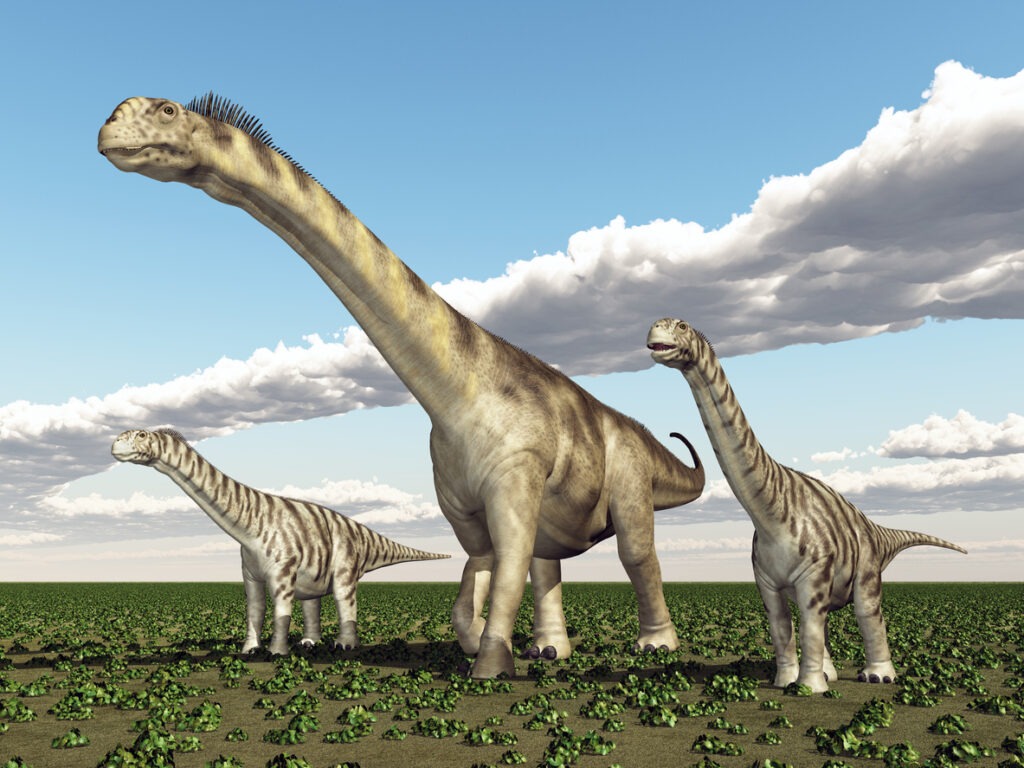
While not as massive as Brachiosaurus or Diplodocus, Camarasaurus was still a solid, chunky sauropod with a strong neck and tail. If a predator got close, it could whip its tail like a club or use its sheer size to knock attackers aside. Size alone is a form of defence, and Camarasaurus had that in spades. Even T. rex would have thought twice about targeting a full-grown adult, especially if others were nearby to lend their weight to the defence effort.
T. rex didn’t always win
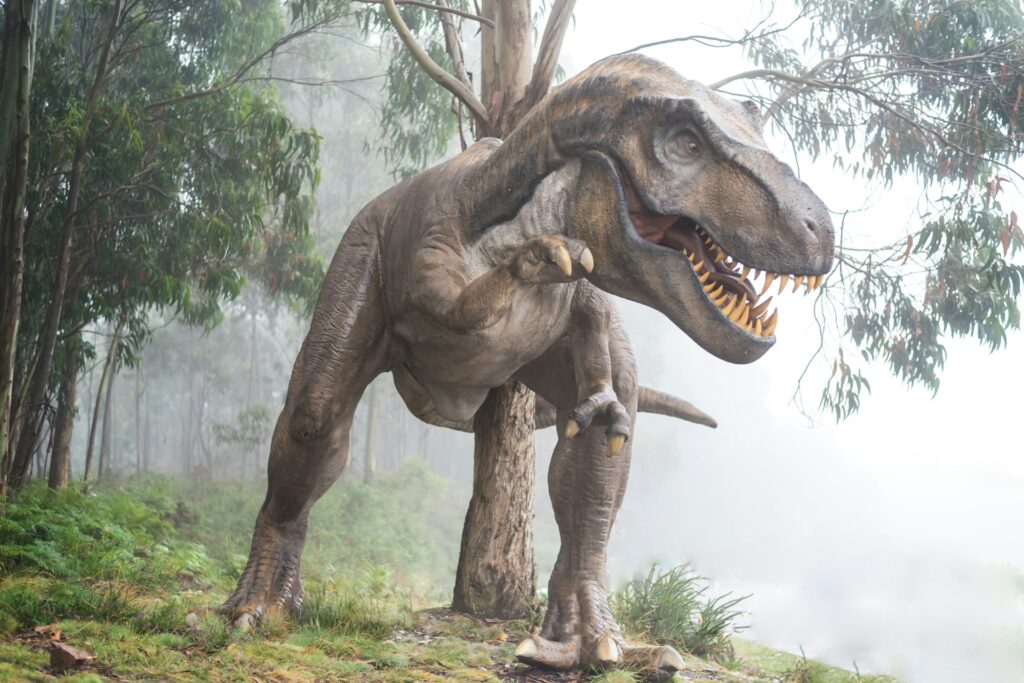
As terrifying as T. rex was, it wasn’t invincible. It had to choose its battles carefully, and going after heavily armoured, spiky, or fast-moving prey came with real risk. A broken limb or failed hunt could mean starvation, or worse.
Herbivores weren’t passive pushovers. Many had evolved impressive tools to fight back, either through brute force, sharp defences, speed, or safety in numbers. T. rex may have been king, but it had to work for its throne, and some battles it probably lost.