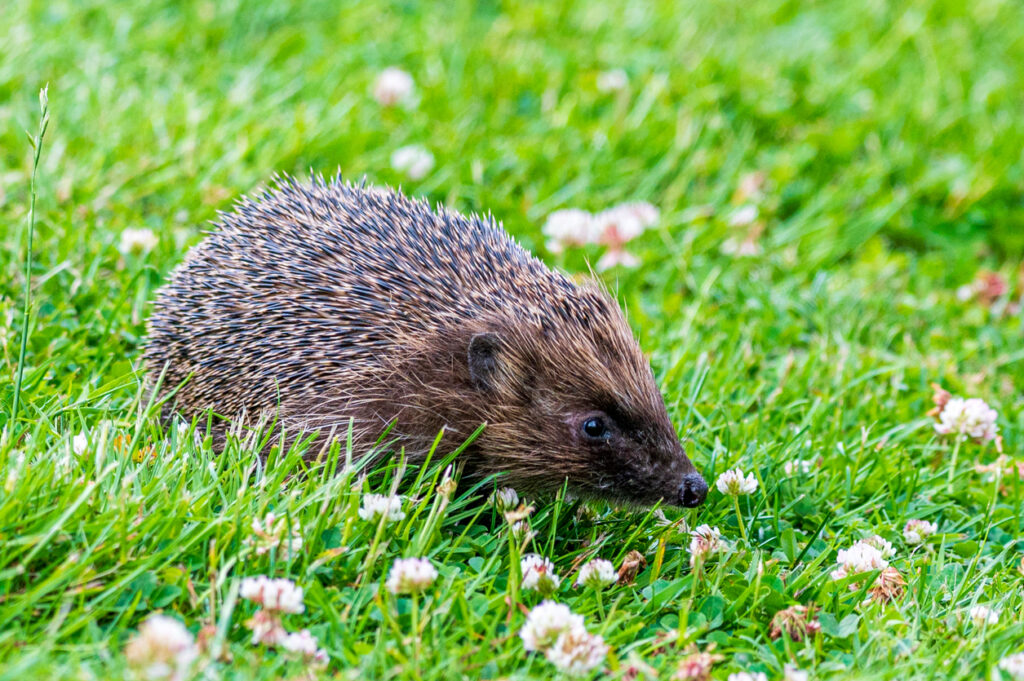
If you’re lucky enough to have a hedgehog wandering through your garden, you might be wondering what to feed them, and what’s best left off the menu. These little nighttime foragers can be a big help when it comes to natural pest control, and offering the right food (especially in summer and autumn) can give them a real boost. Here’s a simple guide to what hedgehogs eat and how to feed them safely.
Insects are their natural diet.
In the wild, hedgehogs mainly eat insects. They love beetles, worms, caterpillars, slugs, earwigs, and other small creepy-crawlies. They’ll also occasionally snack on a frog, a fallen berry, or even an egg if they stumble across one. Think of them as nature’s pest control team. Their diet is protein-rich and full of the kind of wriggly things that help them store up fat for winter. If your garden is teeming with bugs, you’re already doing them a favour.
Wet or dry cat food is a great option.
If you want to feed a hedgehog, the easiest and safest choice is meat-based cat or dog food. Wet or dry, both work fine, as long as you avoid anything fish-flavoured or heavily processed. Chicken, beef or turkey-based options are ideal. There’s also specially made hedgehog food available from wildlife suppliers, which can be a reliable staple. It’s designed to mimic their natural diet without upsetting their digestive system.
Keep treats small and occasional.
Dried mealworms, sunflower hearts or unsalted peanuts can be offered occasionally, but they’re more of a treat than a staple. Too many, especially mealworms, can mess with a hedgehog’s calcium levels and cause long-term problems. Think of these like a sprinkle on top, not a full meal. If you’re offering them, mix them with proper food and only in small amounts to keep things balanced and healthy.
Never give them milk or bread.
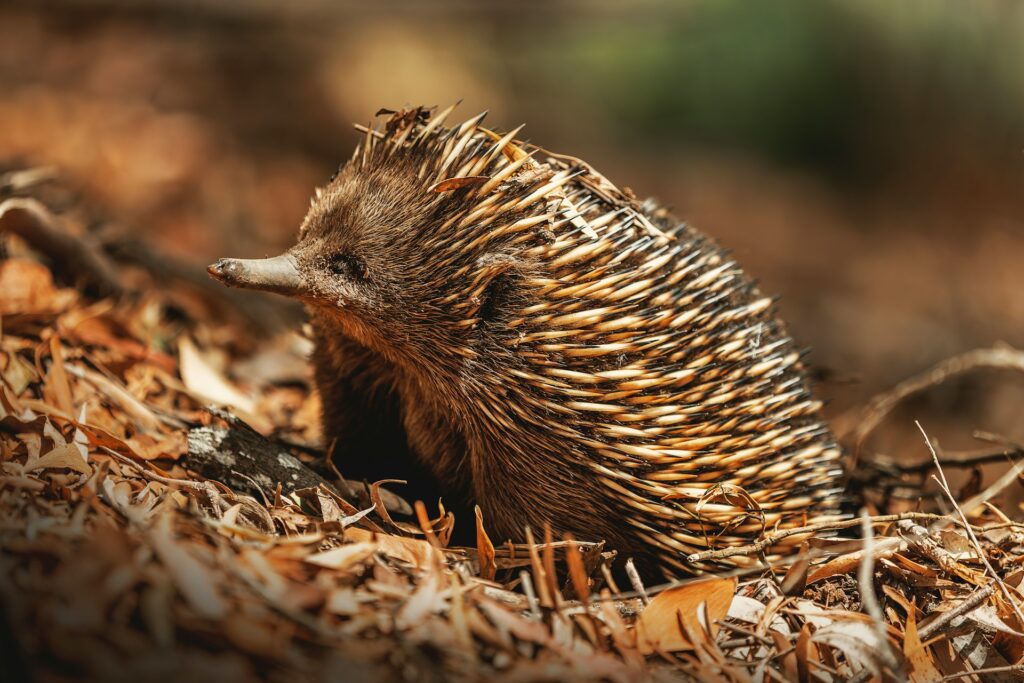
Despite old myths, milk is terrible for hedgehogs. They’re lactose intolerant, so even a small amount can upset their stomach badly. Bread isn’t great either because it fills them up without offering any real nutrition. If you’re putting out a drink, always go for plain water in a shallow dish. It’s all they need, and it’s safe for them to sip throughout the night if they need it.
Offer food in a quiet, sheltered spot.
Place food in a quiet corner of the garden at dusk. Hedgehogs are nocturnal, so this is when they’re most active. Use a shallow bowl so they can easily reach it without tipping it over or getting stuck. If you’ve got neighbourhood cats that tend to pinch the food, pop it into a makeshift feeding station. An upside-down plastic box with a hedgehog-sized hole (around 13 cm x 13 cm) will keep the food accessible to them but not other visitors.
Fresh water is just as important as food.
Hedgehogs can get dehydrated, especially during dry spells or heatwaves. A clean, shallow dish of water in your garden can make a big difference, particularly in late summer and autumn when they’re preparing for hibernation. Keep the water topped up and change it daily if you can. It’s a simple act, but one that can genuinely help hedgehogs survive when natural sources dry up.
Don’t leave food out all night long.
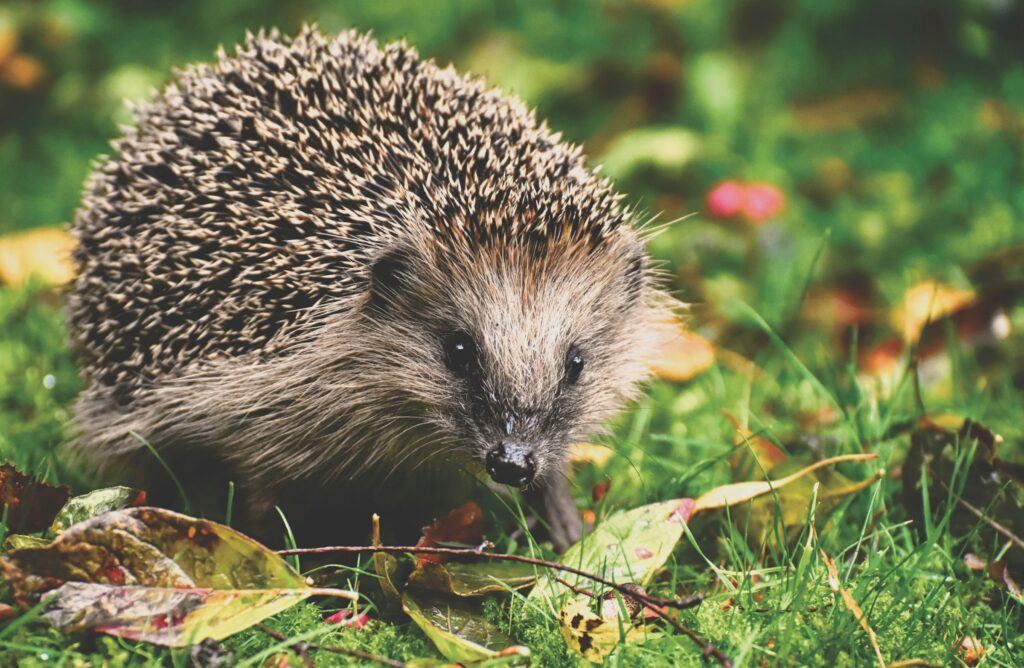
Hedgehogs will visit during the evening and early night, so any food left out after that can start attracting rats, flies, or other unwanted guests. It’s best to remove uneaten food by morning to keep the area clean and safe. Clean bowls regularly too, especially in warm weather, to avoid any build-up of bacteria or unpleasant smells. A tidy feeding spot encourages regular visits and keeps hedgehogs healthy.
Wild patches help them find food naturally.
Feeding is a lovely extra, but it’s also great to make your garden naturally hedgehog-friendly. Leaving a corner a bit wild with leaves, logs, or a compost heap gives them space to forage for bugs the old-fashioned way. The more natural cover and hiding spots you have, the more likely they are to hang around. It’s low-effort, low-cost, and supports other wildlife too, so everyone wins.
Avoid slug pellets and pesticides.
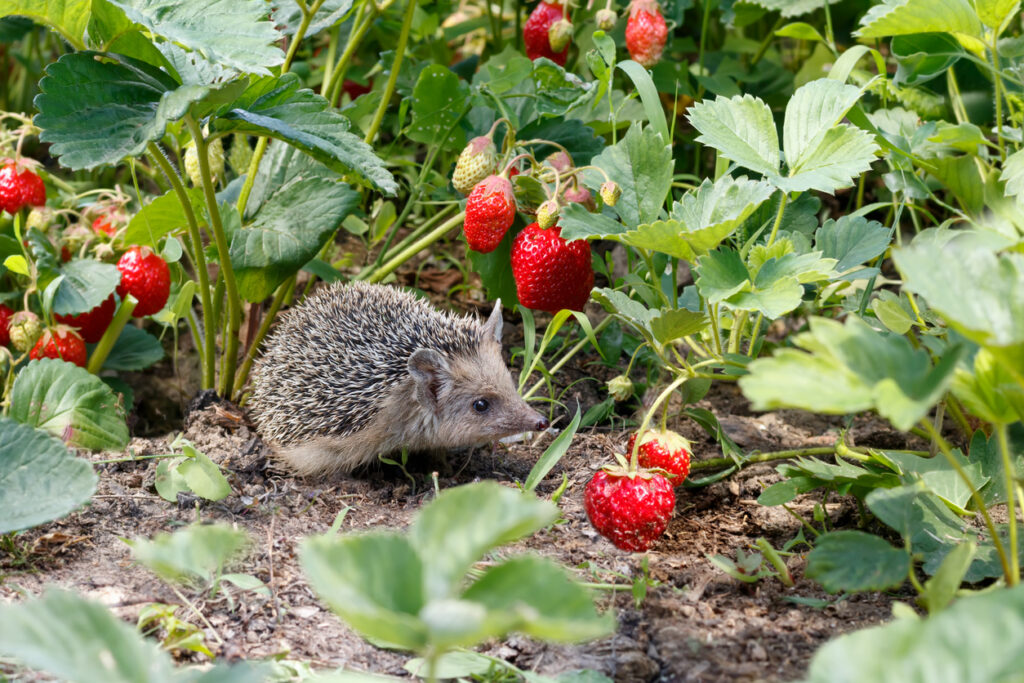
Using slug pellets or chemical sprays might seem helpful for your plants, but they can be really dangerous for hedgehogs. If they eat a poisoned slug or bug, it can make them seriously ill, or worse. Try using wildlife-friendly pest control methods or physical barriers instead. The fewer toxins in your garden, the safer it becomes for hedgehogs and other helpful creatures.
Create a hedgehog highway.
Hedgehogs can travel up to a mile a night, so making sure they can get in and out of your garden is a big help. Cutting a small hole (again, 13 cm x 13 cm) at the base of your fence creates a passage between gardens. This lets them roam for food, find mates, and build nests safely. If you and your neighbours all create little gateways, you’ll have a hedgehog-friendly neighbourhood in no time.