Not all beaches look the same—some are blindingly white, others are deep black, and some sit somewhere in between.
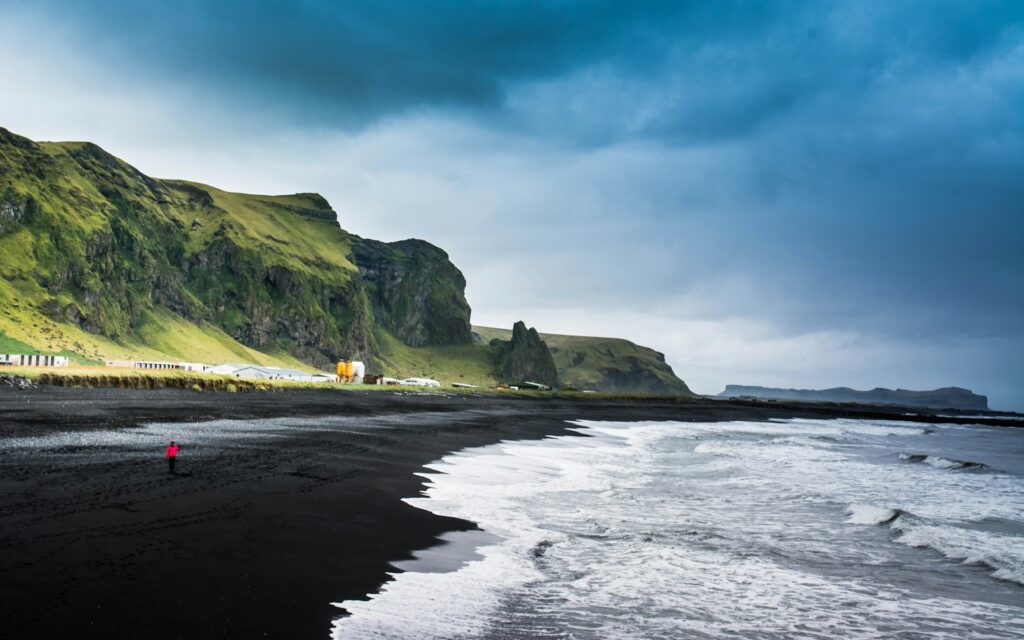
So, why does sand vary so dramatically from one coast to another? The answer lies in what the land around the beach is made of, and how long the waves have been working their magic. Here’s what determines whether a beach ends up white, black, or somewhere in between, and what it can tell us about the planet’s past.
1. White sand usually comes from coral or shells.
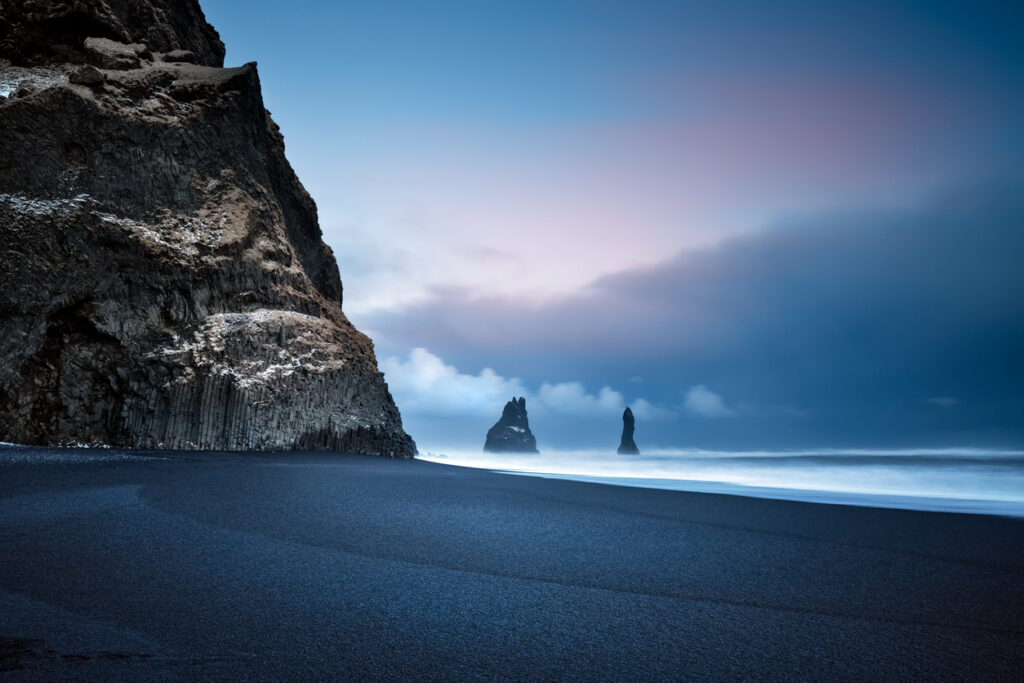
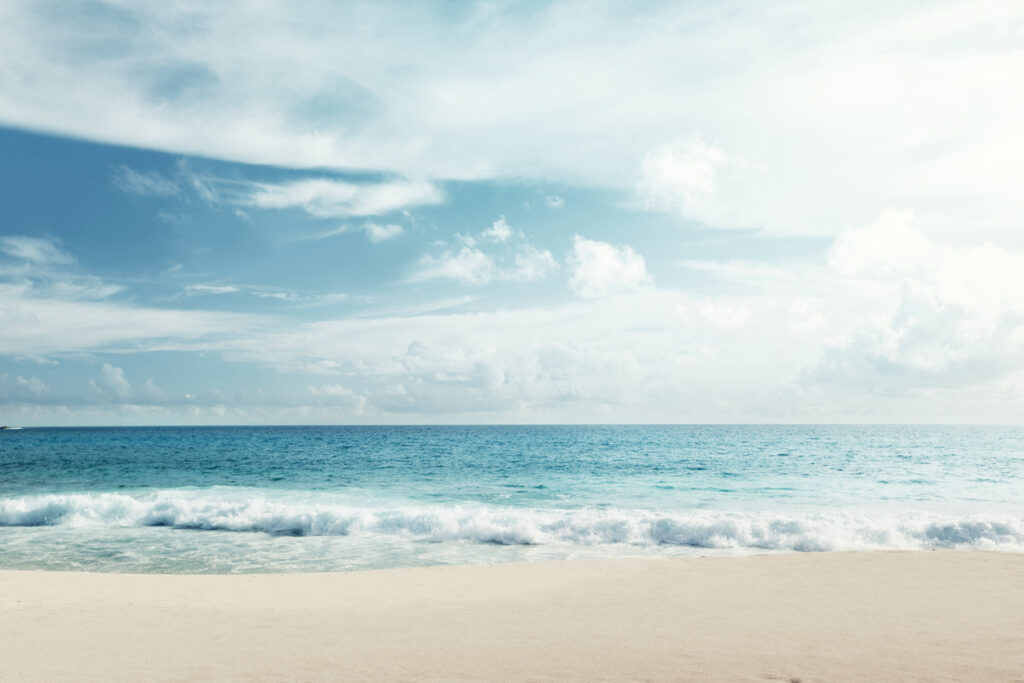
White sand beaches often get their colour from tiny fragments of coral, shells, and limestone that have been broken down over time by the ocean. These materials are high in calcium carbonate, which is naturally white or pale in tone.
In tropical areas, where coral reefs are nearby, wave action and marine life gradually grind down those reef materials until what’s left is fine, soft, white sand. It’s the reason beaches in places like the Maldives, the Bahamas, and Seychelles practically glow in the sun.
2. Black sand is usually volcanic in origin.
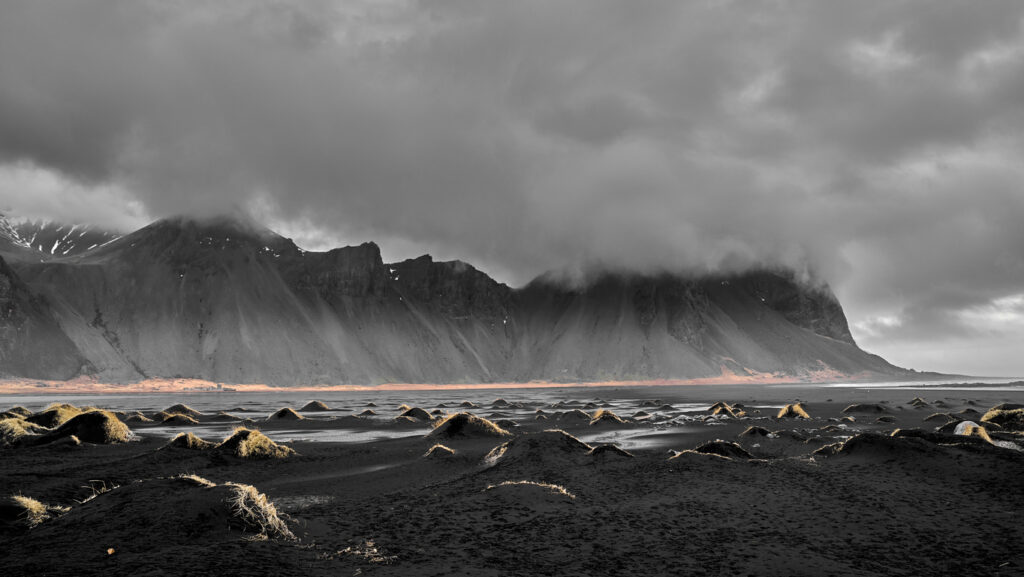
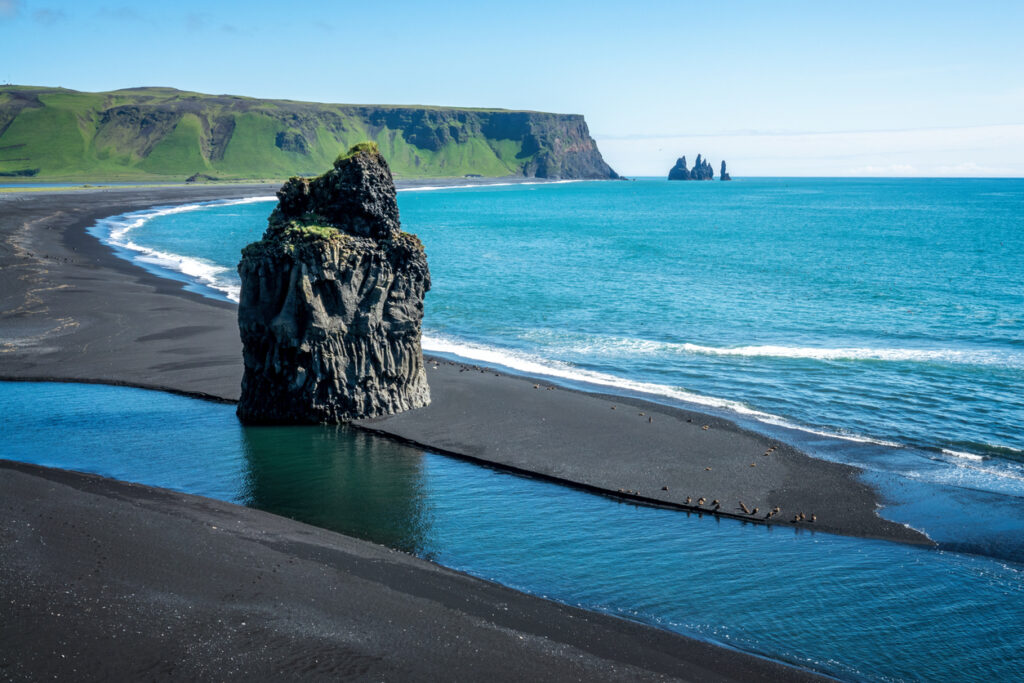
If you’re standing on a beach with black sand, there’s a good chance you’re in a volcanic region. Black sand is typically made from fragments of basalt—cooled lava that’s been broken down by the sea over time.
You’ll often find black sand beaches in places like Iceland, Hawaii, and parts of Indonesia or the Canary Islands, where volcanic activity is still shaping the landscape. The darker the sand, the more likely it’s been formed by fire rather than coral.
3. The colour reflects the local geology.
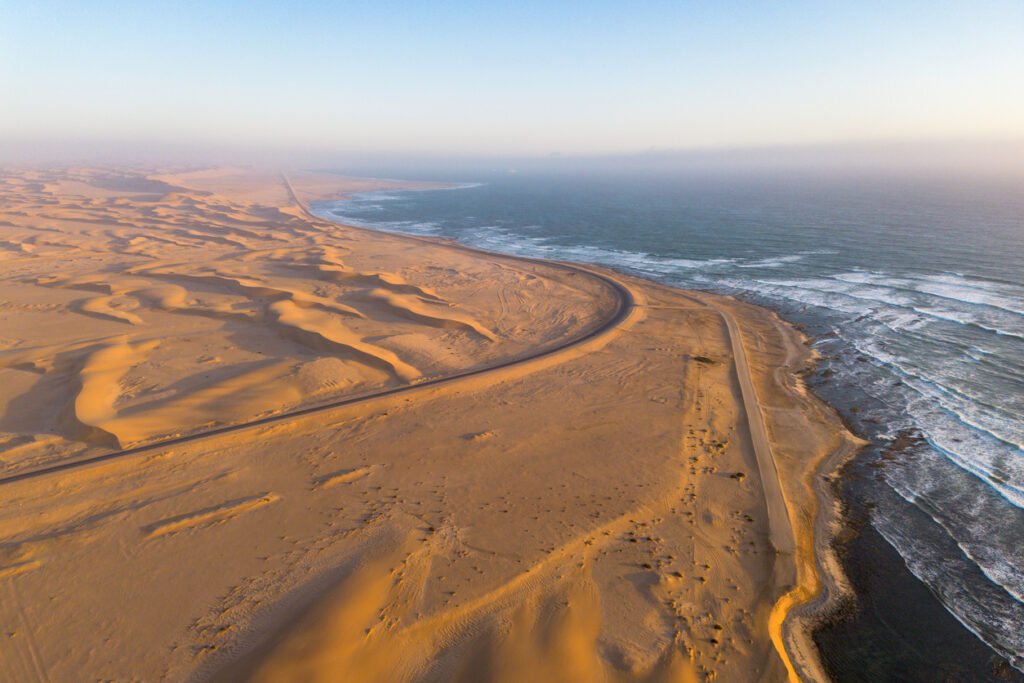
Sand is essentially crushed rock, and the type of rock in the area determines the colour. If you’re near limestone cliffs, you’ll get pale sand. If the land is full of volcanic rock or dark minerals, the beach will reflect that in its tone. That’s why even two beaches just a few miles apart can look totally different. The colour isn’t about the ocean itself—it’s about what the land gives up when the waves come calling.
4. Some beaches mix colours depending on what’s offshore.
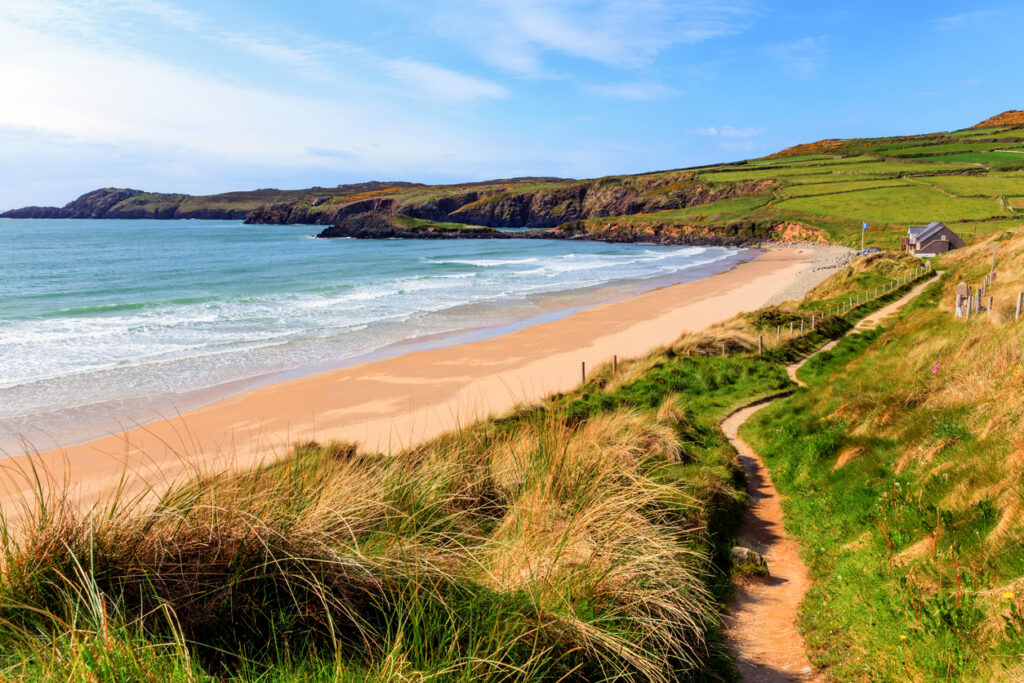
Not all beaches are one solid colour. Some have streaks or swirls of different shades depending on what materials are being washed ashore. For example, a beach might have white sand with patches of black if it’s near both coral reefs and volcanic rock. Others can have pink, green, or even red sand depending on the minerals and shells involved. The result is often surprisingly beautiful, and a clue that multiple forces of nature are at play.
5. Wave energy affects how the sand breaks down.

Stronger waves can break down harder materials like lava rock faster, leading to finer black sand. In calmer areas, shells and coral can decompose slowly and retain that soft, powdery texture that white sand is known for. So it’s not just about what’s available to become sand—it’s about how powerful the ocean is in shaping it. A rough coast with constant pounding surf is going to produce very different sand than a quiet lagoon.
6. Time plays a huge role.
Beaches don’t change overnight. It can take thousands of years for volcanic rock to erode into soft black sand, or for coral reefs to break down into white grains. That means the sand beneath your feet might be much older than you think.
It also means that newly formed islands or beaches near active volcanoes often look different because their sand simply hasn’t had time to evolve yet. The colour can tell you whether you’re standing on something ancient or something freshly formed.
7. Marine organisms help create white sand.
One of the more surprising sources of white sand is parrotfish. These colourful reef fish eat algae off coral and then excrete the ground-up bits of coral as fine white sand. In some tropical locations, a lot of the beach you’re walking on has literally passed through a parrotfish.
It’s a reminder that ecosystems are part of the process, not just erosion. The beaches we love for their beauty often depend on a delicate balance of life and decay happening below the waves.
8. Human activity can alter the colour over time.
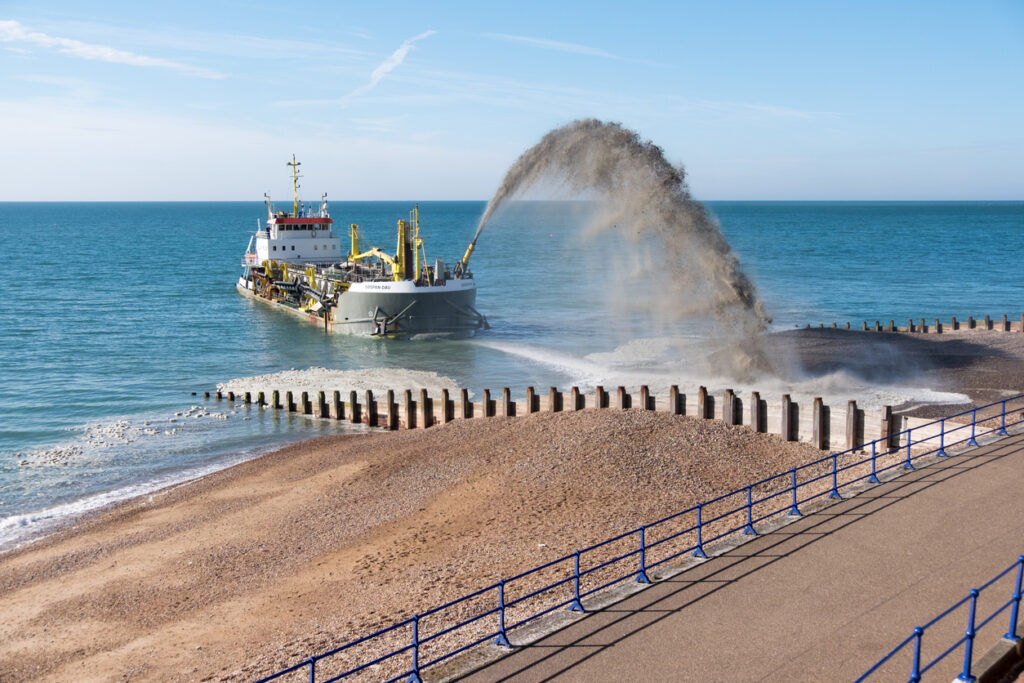
Mining, dredging, construction, and pollution can all change the makeup of a beach, sometimes stripping it of its natural sand or introducing new materials. In some cases, beaches have even had sand imported to improve their appearance for tourism. This can change the colour and texture in unnatural ways, sometimes harming ecosystems in the process. A white sand beach might look postcard-perfect, but not all of it is as natural as it appears.
9. Colour affects how hot the sand gets.
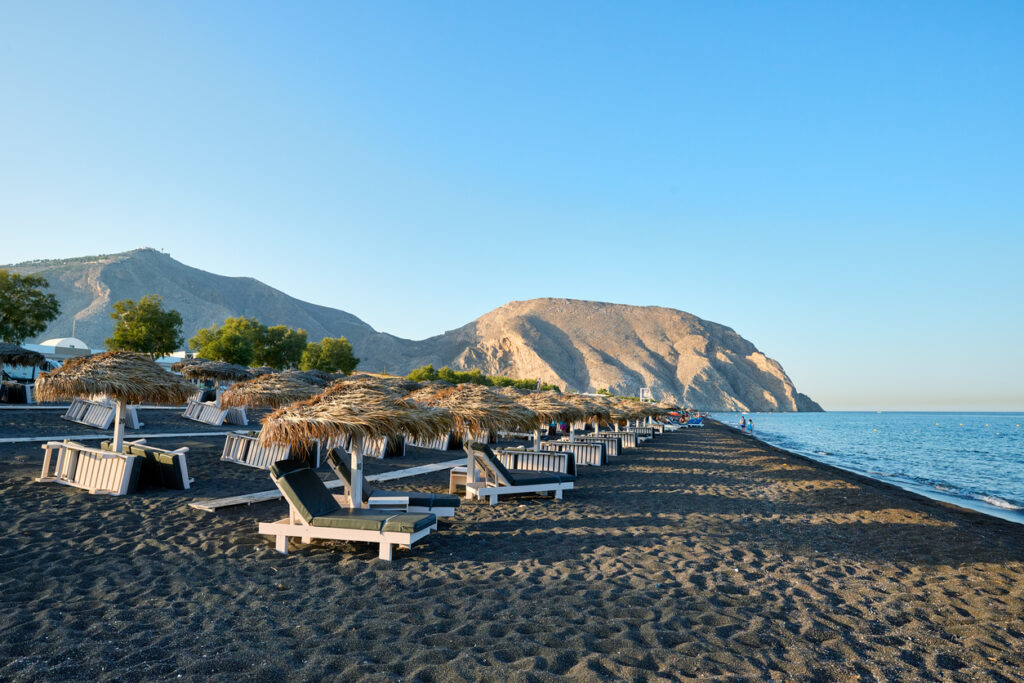
Ever noticed that black sand burns your feet faster than white sand? That’s no accident. Dark colours absorb more heat from the sun, while lighter sand reflects it. That’s why black sand beaches can be scorching by midday, even if the air feels cool. If you’re visiting a black sand beach, flip-flops aren’t optional—they’re survival gear. The temperature difference between light and dark sand can be surprisingly extreme.
10. Each beach tells its own story.
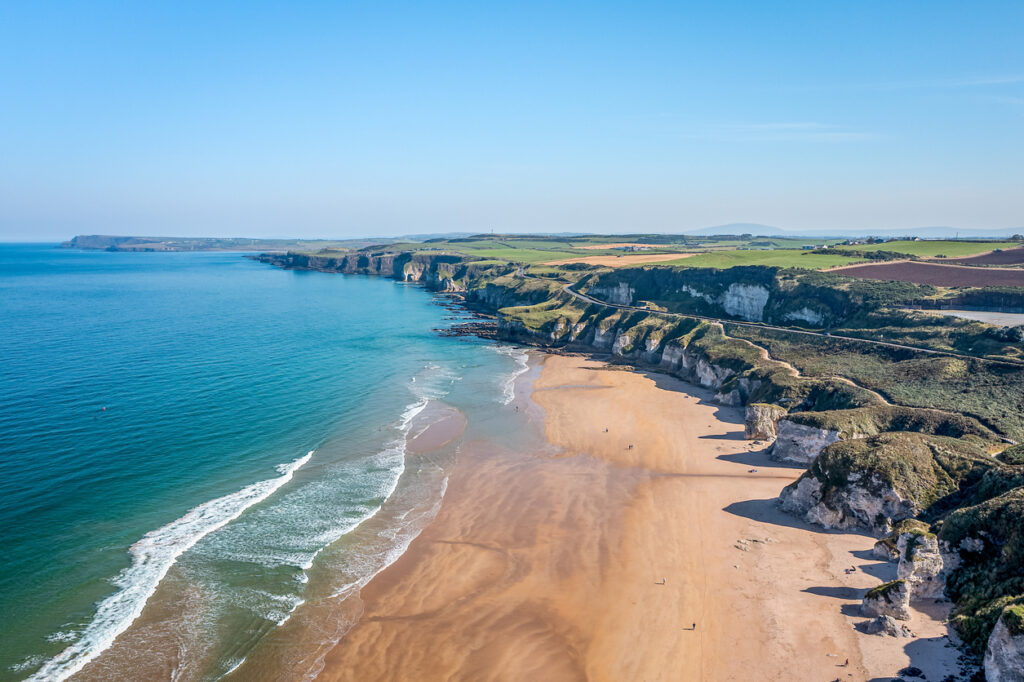
In the end, the colour of a beach is like a fingerprint. It tells you what kind of rocks lie nearby, whether the sea is calm or violent, and even how active the local volcanoes are. It’s a quiet, geological story playing out in plain sight. So next time you’re standing on a beach—whether it’s glowing white, volcanic black, or somewhere in between—take a second to think about what shaped it. That stretch of sand might’ve taken millennia to get there, grain by grain.