We’ve all seen the scenes of screaming humans sprinting away from a charging T. rex, usually just fast enough to survive by a few dramatic steps.

But how likely is that in real life? If you were suddenly dropped into the Cretaceous period wearing trainers and panic, could you actually outrun a Tyrannosaurus rex? Scientists have taken a surprisingly deep look at this, and the answer is more interesting (and maybe more hopeful) than you’d think.
1. The old idea: the T. rex was terrifyingly fast.
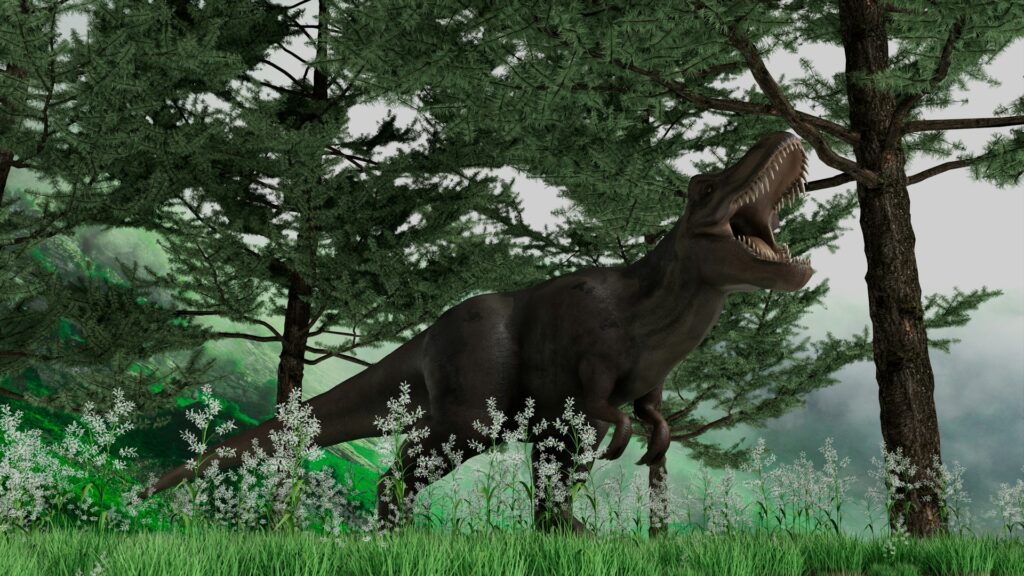
For a long time, popular media painted T. rex as a sprinting machine. Jurassic Park had it easily chasing down a jeep, and early scientific estimates placed its top speed around 30–40 km/h (18–25 mph). That would’ve made it faster than most humans, and definitely fatal if you tried to run.
However, those early guesses were based on limited fossil data and a bit of cinematic flair. More recent research suggests that a full sprint might not have been physically possible for such a massive animal without causing serious damage to its own body.
2. T. rex was big, and that matters.

A fully grown Tyrannosaurus rex could weigh over 8 tonnes. That kind of bulk isn’t just hard to move—it’s hard to stop, too. Running at high speeds would have put huge strain on its bones and joints, particularly the legs and hips. Think of it like trying to sprint in a tank. Powerful? Yes. Agile and fast? Not so much. Most researchers now believe T. rex was built more for crushing force than for top-speed chases.
3. So, what was its actual speed?
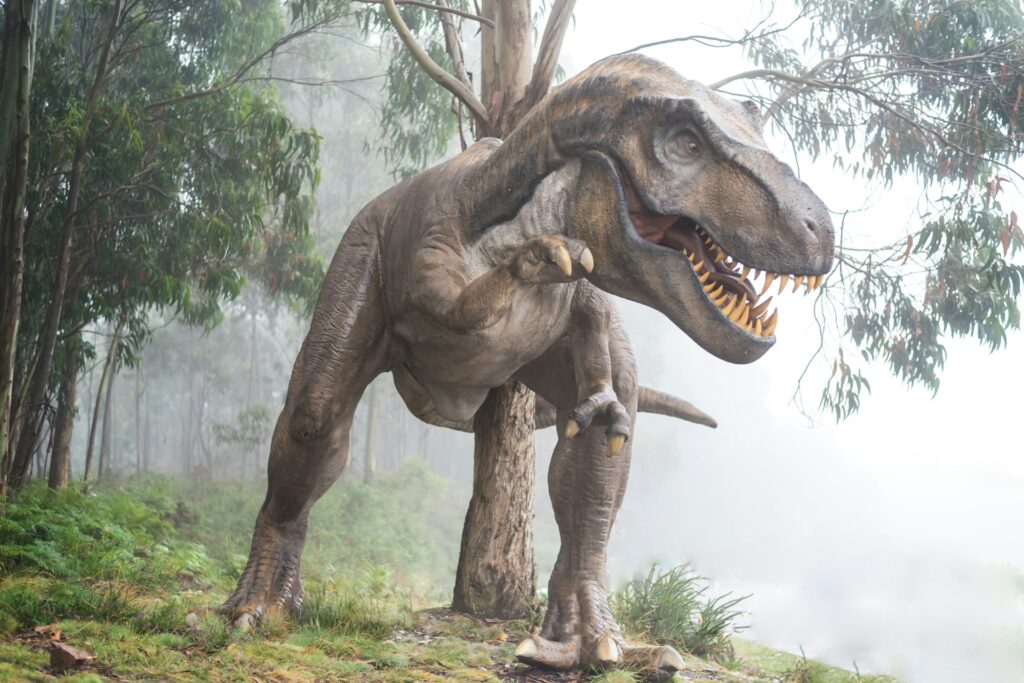
Recent biomechanical models estimate that T. rex likely topped out at around 18–27 km/h (11–17 mph). That’s a brisk pace—faster than a walk, slower than a sprint—but not cheetah-level fast. That’s still faster than the average walking human, but slower than a fit person sprinting flat-out. So if you’re reasonably healthy, and there’s flat ground and a good head start? You might stand a chance.
4. How fast can a human run, really?

The average adult jogs at around 8–12 km/h (5–7 mph). But in full sprint mode, many people can hit 20–25 km/h (12–15 mph) for short bursts. Elite athletes? Usain Bolt clocked over 44 km/h (27 mph) at his peak. So while most of us wouldn’t exactly blaze past a T. rex, it’s not impossible to hit a faster speed, at least briefly. The real question is whether you could keep it up long enough to escape, or whether panic would work in your favour.
5. Terrain would make or break you.
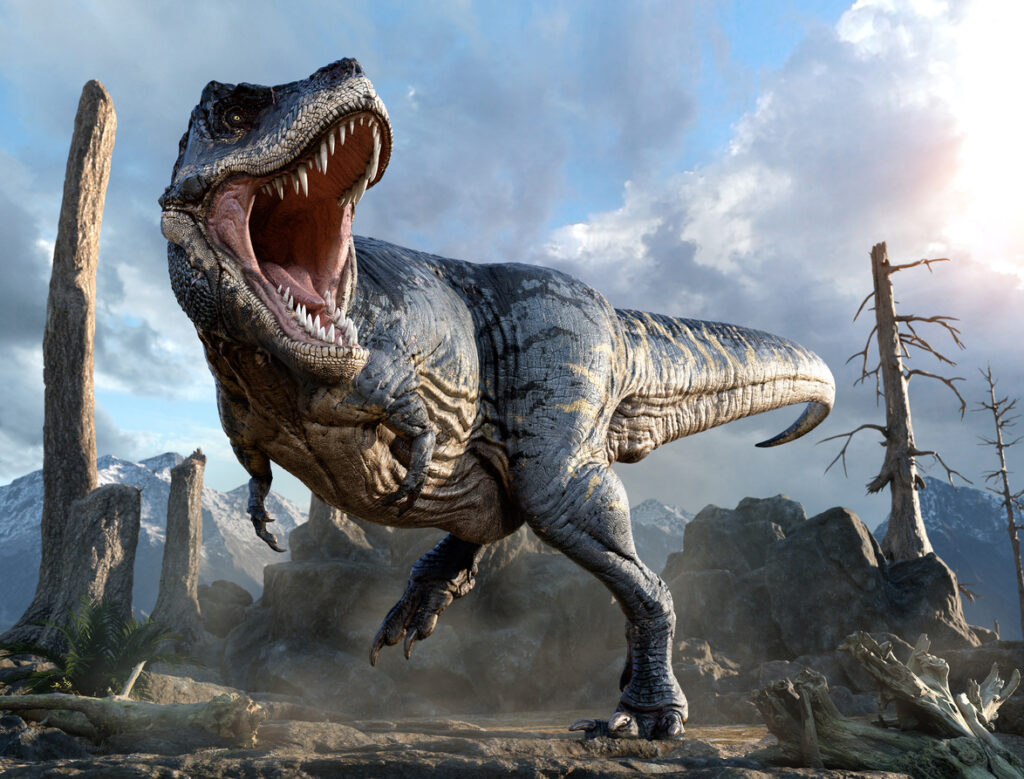
If you’re on rough, muddy, or uneven terrain (which prehistoric Earth definitely had), your chances drop fast. A T. rex wouldn’t have needed top speed if you tripped on a root or fell into a ravine. Its sheer size alone would close the distance. But on clear, flat ground? Especially if you had a bit of warning and started moving early? The odds change a bit. Humans have better endurance than a lot of animals—so even if we can’t sprint for long, we can outlast bigger creatures over distance.
6. T. rex might not have been much of a chaser.
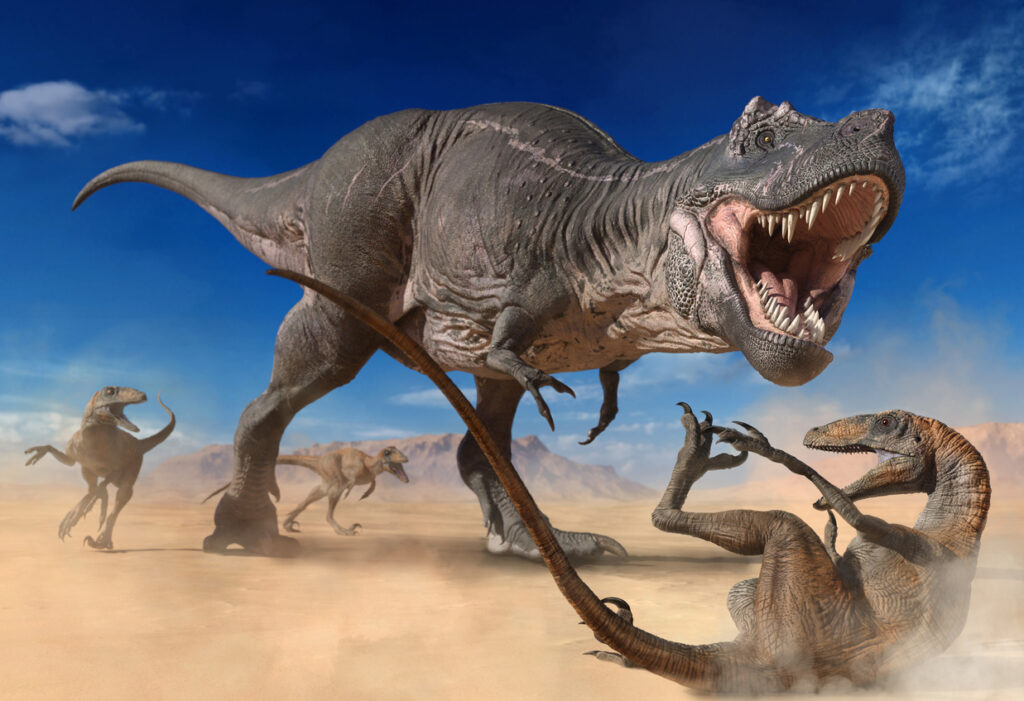
Some paleontologists argue that T. rex didn’t need to chase at all. Its hunting style may have been more ambush-based—waiting, stalking, then launching a short but brutal attack when the time was right. If that’s the case, the best way to survive might not have been to outrun it, but to not be seen in the first place. Once it locked onto you, speed might not matter as much as sheer bad luck.
7. The juvenile T. rexes were a different story.
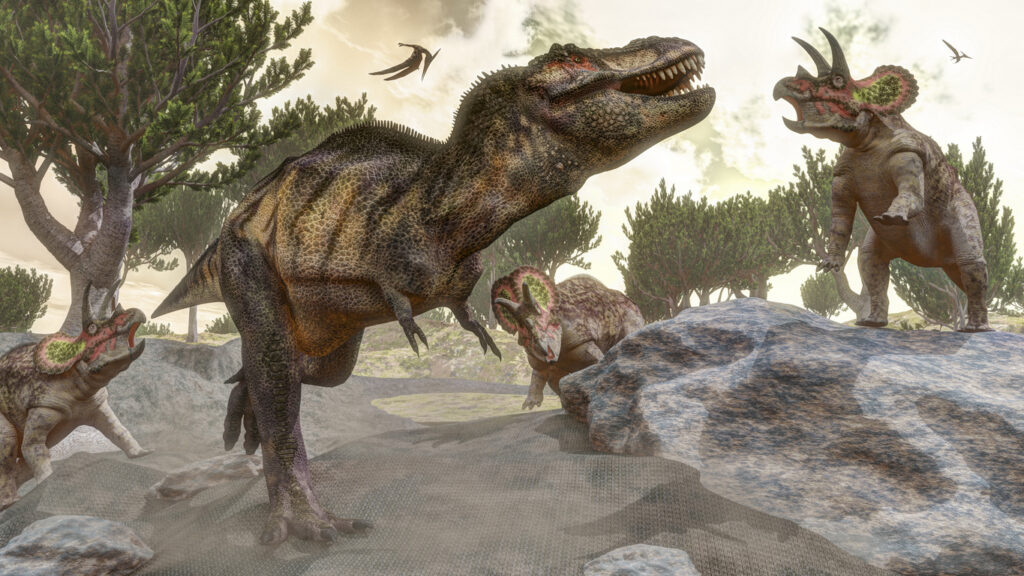
Young T. rexes were lighter, faster, and more agile. Some researchers believe these younger predators could run much faster than adults—maybe even reaching 30 km/h or more. So, while you might have a chance against an older, lumbering adult, being chased by a teenage T. rex? That’s where things get grim. They were faster, leaner, and possibly more energetic, and just as hungry.
8. Human problem-solving could be an advantage.

Speed aside, one thing humans have always had is the ability to out-think our predators. Climbing a tree, diving into water, hiding behind rocks—any of these might give you a chance to survive, even if you’re slower. T. rex may have been big, but it wasn’t great at tight turns or fitting into small spaces. Using the environment could make all the difference. Running in a straight line? Probably not your best move.
9. Panic would be your biggest obstacle.
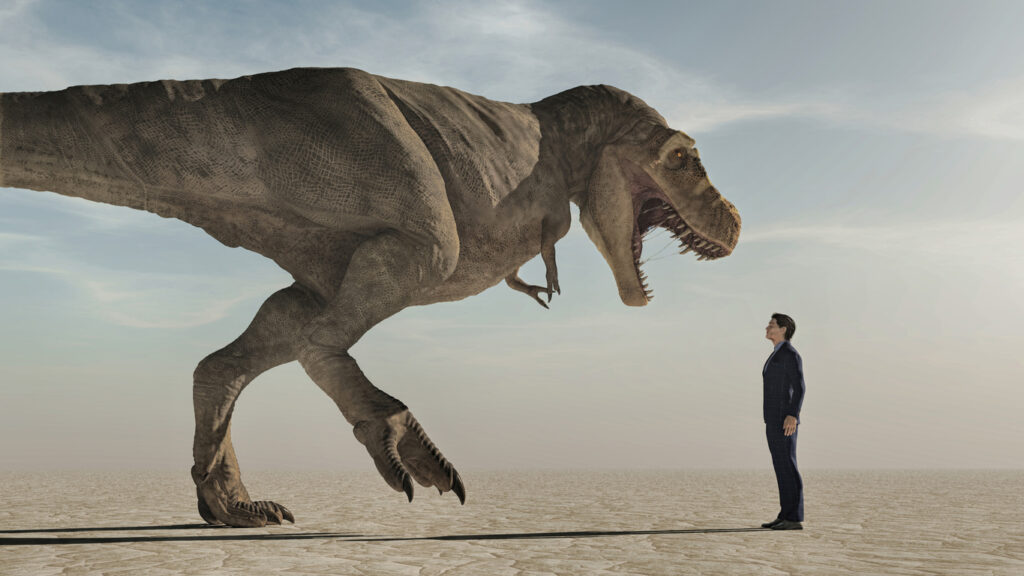
Even if you’re fast, running from something that big would likely trigger full-on panic. That means poor judgement, poor footing, and a higher chance of making a fatal mistake—like turning to look back mid-run. The smartest survival tactic might be to keep calm, stay quiet, and plan an exit—not just bolt and hope. That’s easier said than done, obviously, but it’s what would give you an actual edge.
10. So, could you outrun one?

Maybe. If we’re talking about a full-grown adult T. rex, and you’re reasonably fit, running on flat ground, and you had a decent head start—you might just escape with your life. Barely. But only if you keep your cool and don’t trip over your own feet. In the end, your odds wouldn’t be great, but they wouldn’t be zero, either. That alone is better than Hollywood ever gave us credit for.