Nature can be clever, dramatic, and downright sneaky, especially when survival’s on the line.

While some animals fight, bite, or flee, others have evolved a very different tactic: playing dead or pretending to be unwell to get what they want. The success rate on this tactic is somewhat hit or miss, but it’s certainly saved many creatures lives over the years, and it’s effective enough to still be a viable survival tactic for a lot of animals.
Opossums play dead with full commitment.
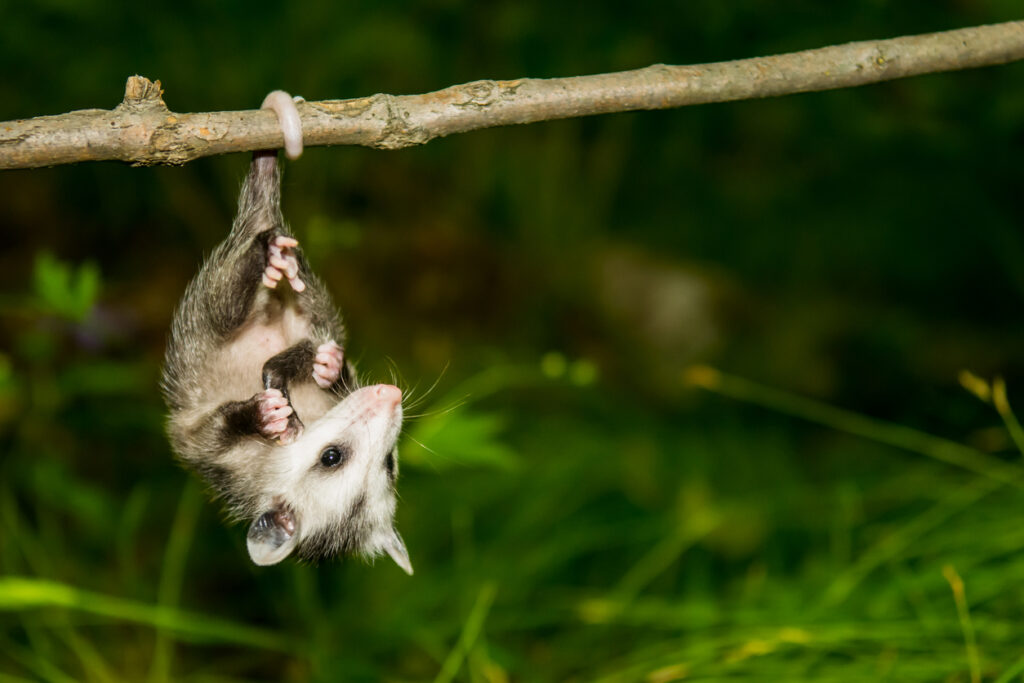
Opossums are famous for their over-the-top dramatic flair. When threatened, they collapse, drool, emit a foul-smelling fluid, and stare blankly ahead like they’ve just met their end. This isn’t casual napping—it’s a full-body act of corpse theatre. The trick usually works. Predators often prefer fresh kills, so a convincingly lifeless opossum isn’t worth the trouble. The possum stays like that until the coast is clear, then snaps out of it like nothing ever happened.
Killdeer birds fake broken wings to distract predators.
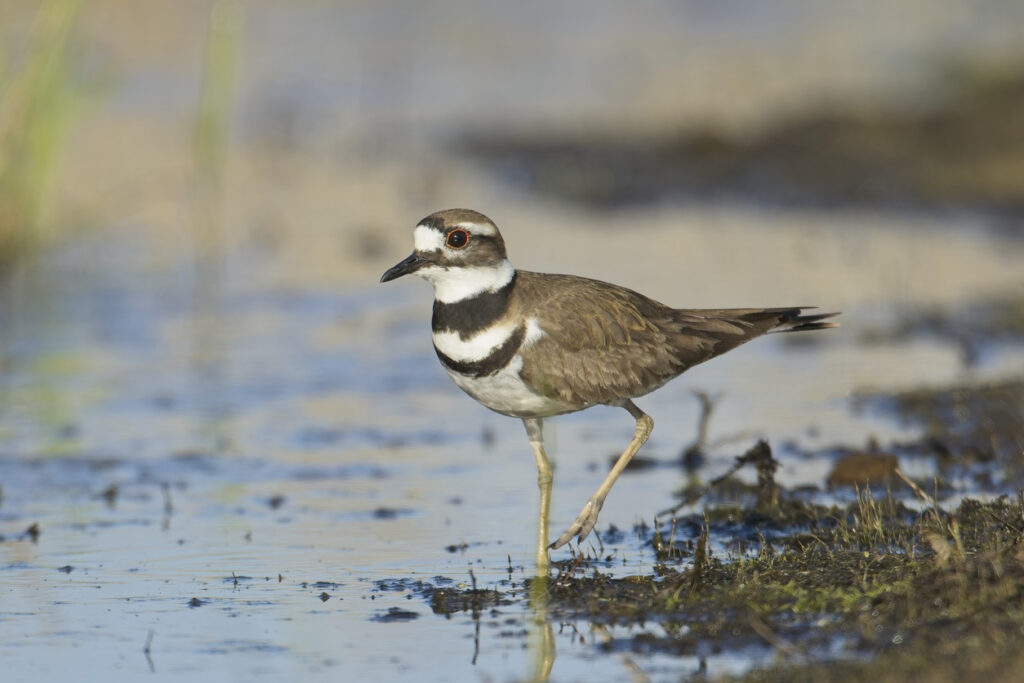
Killdeer are ground-nesting birds, which makes their eggs an easy target. So when danger approaches, they don’t fight—they act. The parent bird will flap around awkwardly, dragging one wing as if it’s injured and helpless. This clever distraction draws predators away from the nest. Once the threat is far enough from the chicks, the bird makes a miraculous recovery and takes off like nothing was ever wrong in the first place.
Hognose snakes pull off a full death scene.
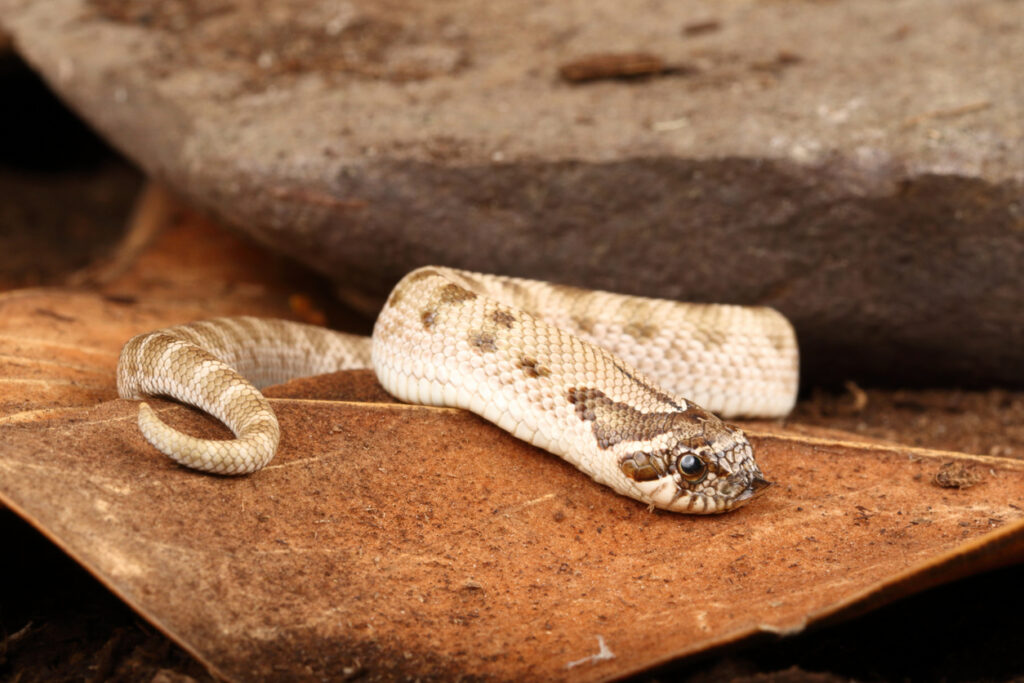
Hognose snakes don’t just play dead—they go full Oscar-worthy. If threatened, they’ll flip onto their backs, open their mouths, let their tongue hang out, and even emit a foul scent to sell the illusion of death. They’re so committed that if you flip one upright, it’ll roll back onto its back again, as if it knows it’s not playing the part properly. Most predators aren’t interested in carrion, so the act pays off.
Cuttlefish fake illness to sneak past rivals.
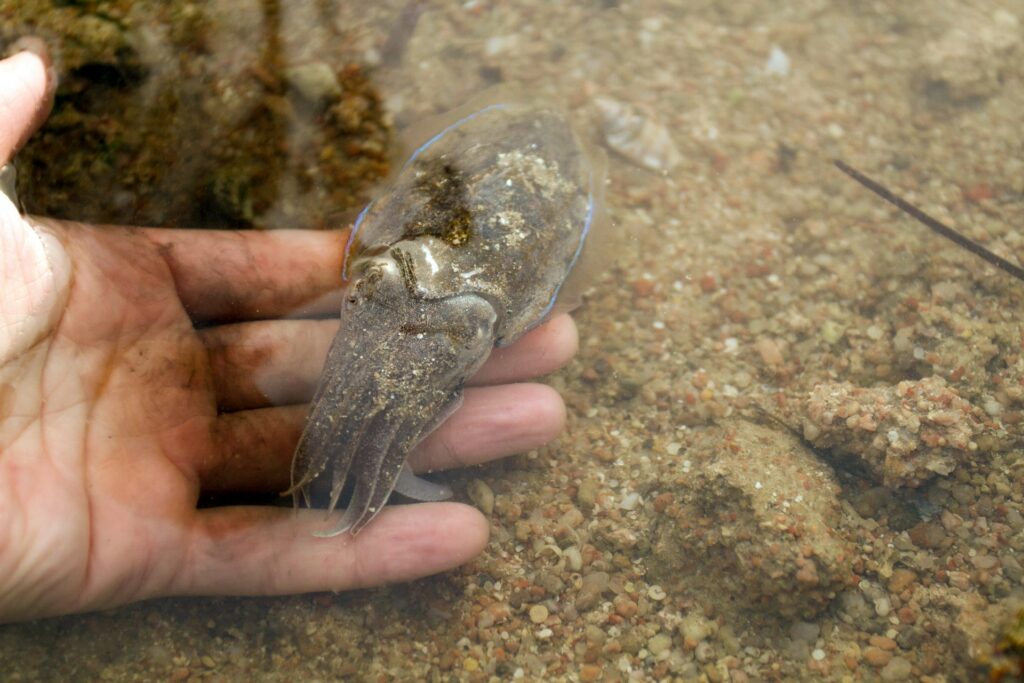
Cuttlefish are impressively intelligent for invertebrates, and males sometimes use deception to bypass stronger rivals. A smaller male will disguise himself by mimicking a female’s colouring and behaviour, essentially pretending to be someone he’s not. This disguise allows him to sneak past larger, aggressive males and mate with an unguarded female. It’s a rare glimpse of strategic thinking in the underwater world, and a reminder that brains can beat brawn.
Eastern coral snakes fake death with flair.
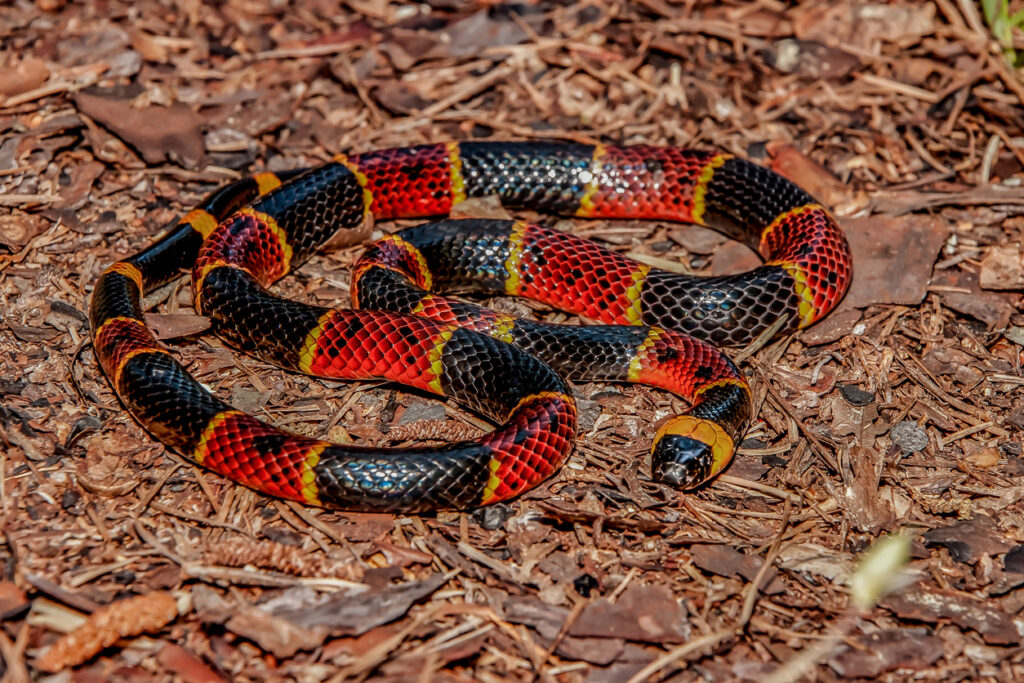
These brightly coloured snakes already have warning colours, but when that’s not enough, they add a bit of drama. Eastern coral snakes will thrash about, curl into strange shapes, and sometimes pretend to die mid-attack. It’s a confusing mix of threat and surrender that throws predators off. The whole routine makes it hard to tell whether the snake is dangerous, injured, or simply unpredictable, which is sometimes all it takes to be left alone.
Some frogs go limp and play dead in danger.
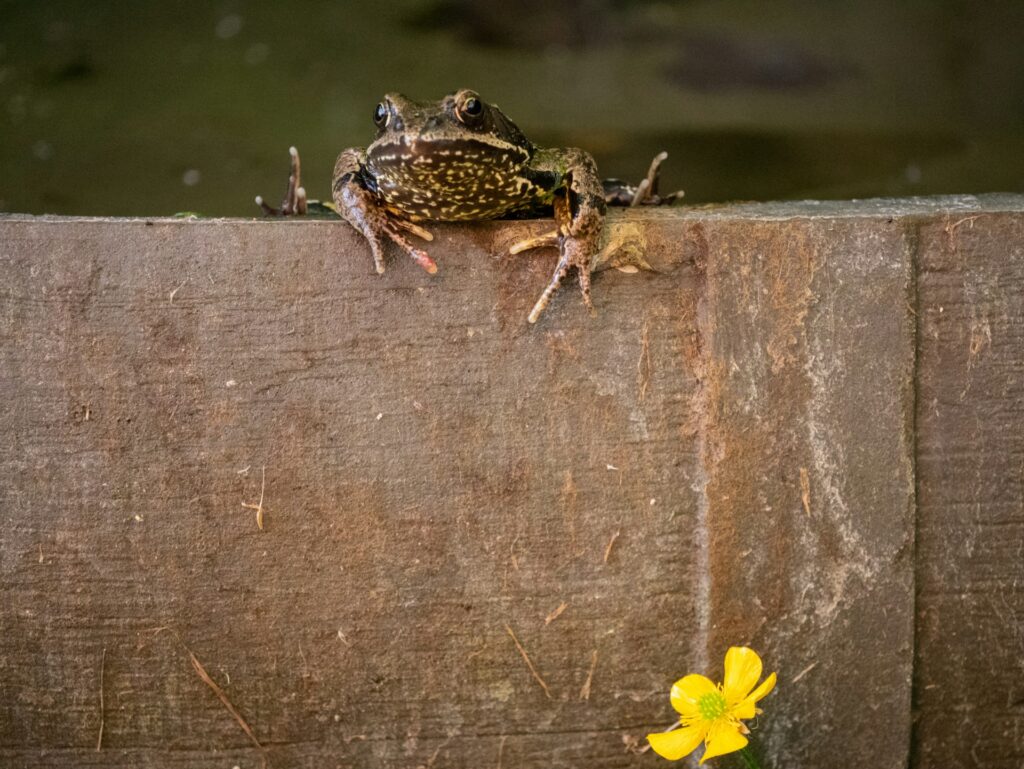
Several frog species, including the wood frog, are known to suddenly stop moving and lie still when grabbed. With legs splayed and eyes dull, they look convincingly lifeless, enough to make a predator drop them in confusion. It’s not as flashy as some animal theatrics, but for a small frog, it’s a solid survival move. The second they’re dropped, they spring back to life and leap for safety like it was all just a ruse.
Ladybirds fake death when threatened.
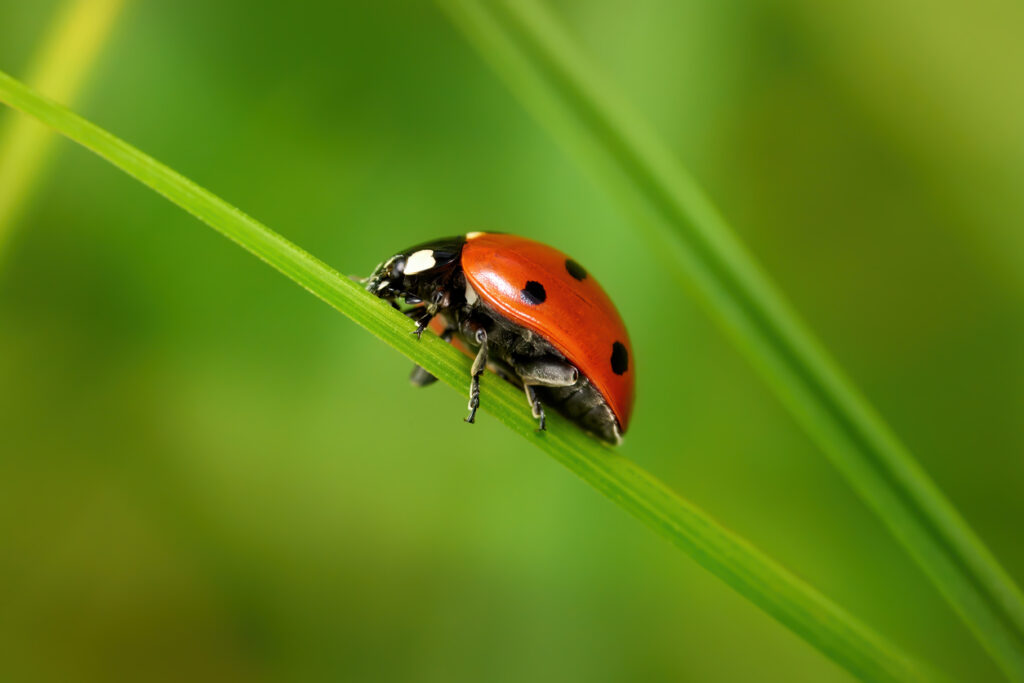
Ladybirds are more than just cute dots on leaves. When disturbed, many species will tuck in their legs and fall to the ground, lying motionless like tiny beetle corpses. It’s a fast, low-effort way to avoid being eaten. This behaviour, called thanatosis, is surprisingly effective. Predators are less likely to go after prey that looks like it’s already past its best-before date. It’s the insect version of ghosting danger entirely.
Crows pretend to be injured to lure threats away.
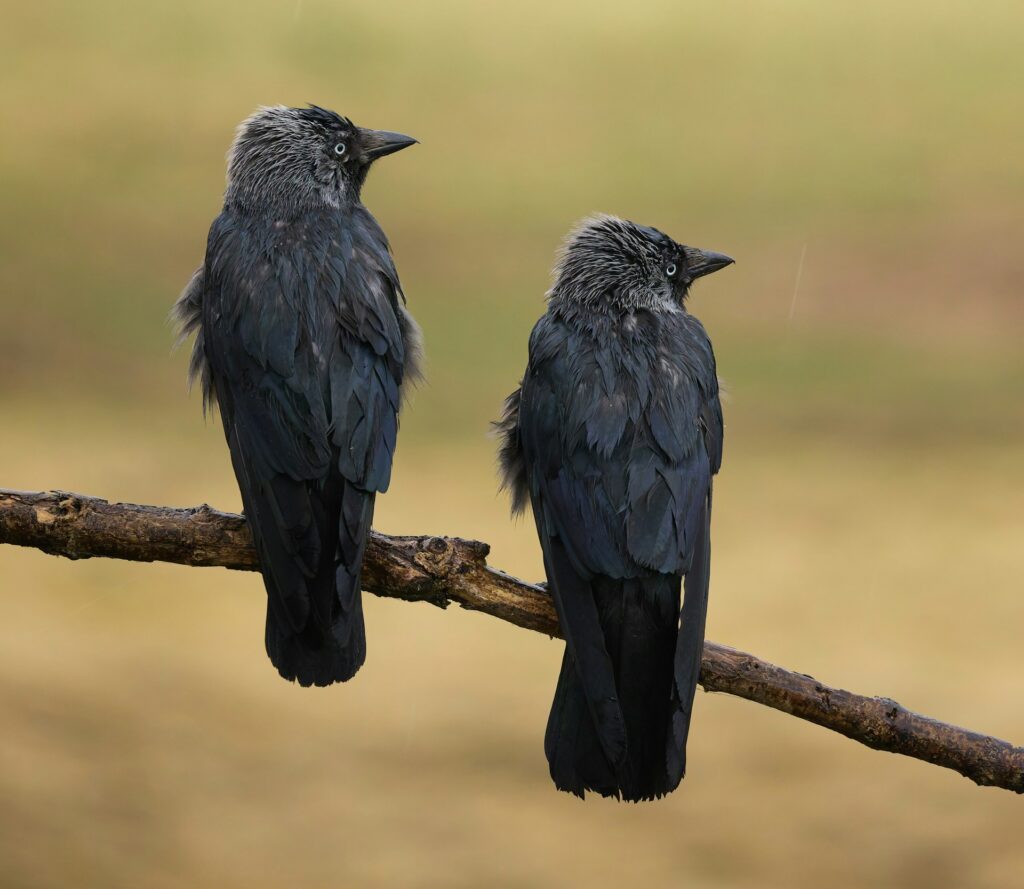
Crows are famously intelligent, and sometimes use trickery to protect their nests. They’ll pretend to be injured—flapping weakly, dragging a wing, and hopping clumsily, while leading a predator or human away from their chicks. Once they’ve pulled the threat far enough away, they recover in an instant and take flight. It’s risky, but when you’re a parent in the bird world, a bit of calculated deceit goes a long way.
Rabbits freeze or flop over when panicked.
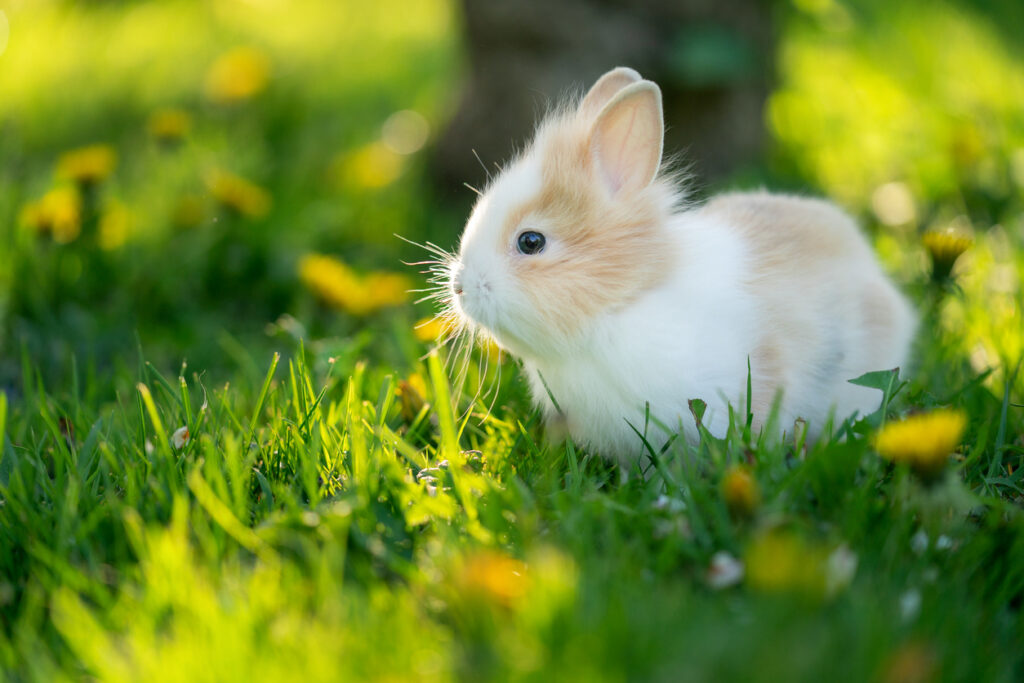
Rabbits can have intense fear responses, sometimes collapsing or becoming completely still when they sense a threat. While it might look like fainting, it’s a defence tactic—one that can momentarily confuse predators. In the wild, that frozen stillness can make them less visible, while a sudden flop can make a fox hesitate just long enough for the rabbit to bolt once the moment passes. It’s instinct, not weakness.
Fire-bellied toads flip to show off their bright bellies.
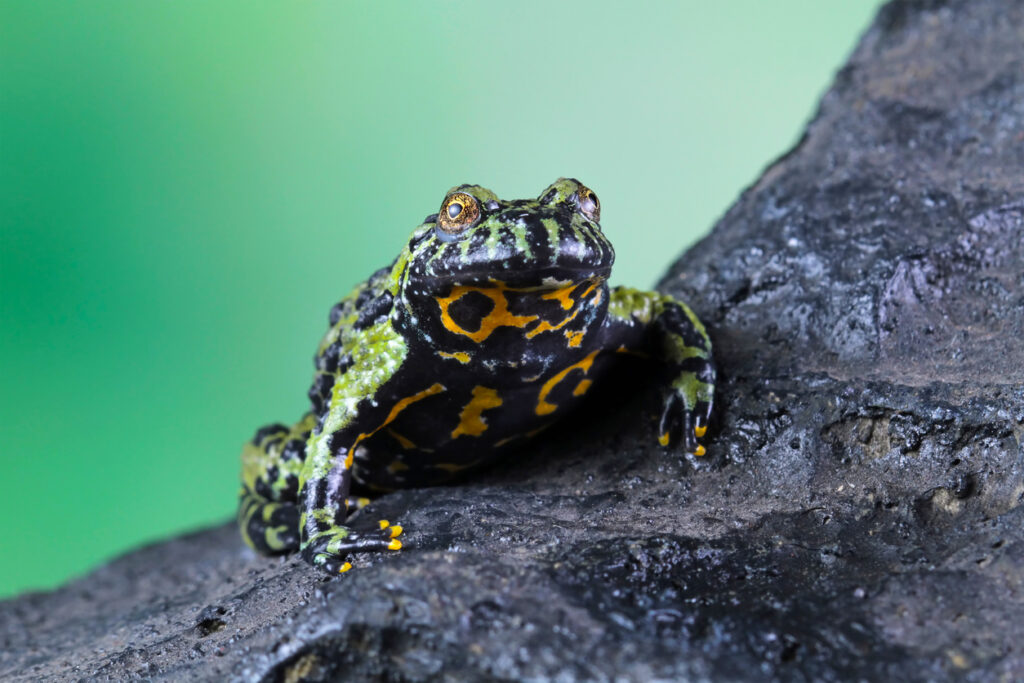
Fire-bellied toads have vivid warning colours on their undersides, and when threatened, they’ll suddenly flip or arch to show them off—sometimes lying on their backs and playing dead just to make sure they’re noticed. The idea is simple: predators associate bright colours with toxicity. Even if the predator’s unsure whether the toad is actually dead or just weirdly shaped, it’s often enough to send them looking elsewhere for dinner.