Age catches up with most of us eventually, but some creatures just don’t seem to get the memo.
While humans and other mammals experience steady physical decline as we get older, a select group of animals seem to hit pause on the whole ageing process entirely. Scientists are still trying to figure out exactly how they do it, but the clues could change everything from medicine to how we understand life itself. These creatures seem to skip ageing altogether, and the science behind them is pretty weird and fascinating.
1. Naked mole-rats
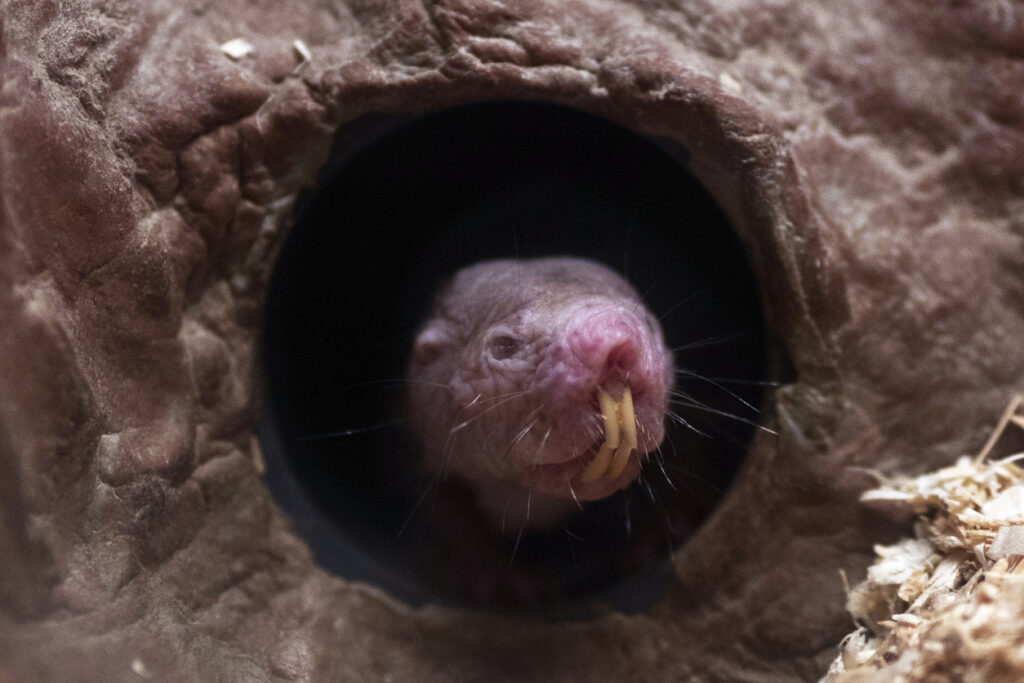
Naked mole-rats are pretty much biological outliers in every way. They live underground, have almost no fur, and don’t seem to show any typical signs of ageing. While most rodents live just a few years, these little mammals can survive for over 30, and they keep their strength, fertility, and cognitive abilities the whole time.
Even stranger, they’re incredibly resistant to cancer and don’t show a higher chance of dying as they get older, which completely defies the rules for mammals. Scientists think it might be down to how their cells repair themselves and how little oxygen they need. Whatever the reason, they’re high on the list of creatures defying biological time.
2. Greenland sharks
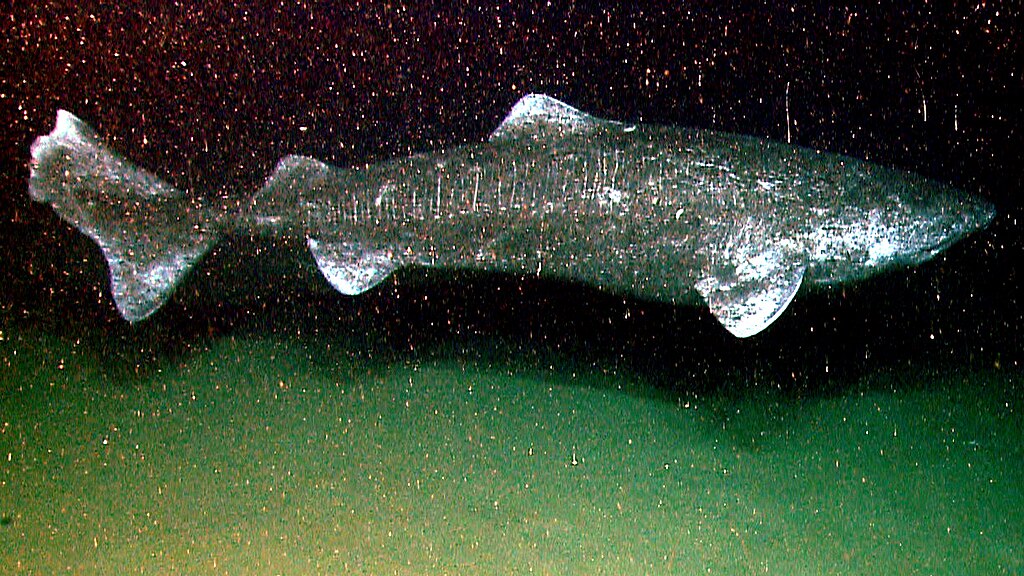
Greenland sharks are slow-moving, deep-sea giants that can live for hundreds of years, possibly up to 500. Scientists have carbon-dated the eye proteins of some individuals and found that they were born before the American Revolution. That’s how slowly they age.
Despite their wrinkled look, they don’t show much internal wear and tear. Their metabolism is incredibly slow, which may help preserve their bodies over time. They’re a perfect example of how extreme environments can lead to extreme biology.
3. Ocean quahogs (Arctica islandica)
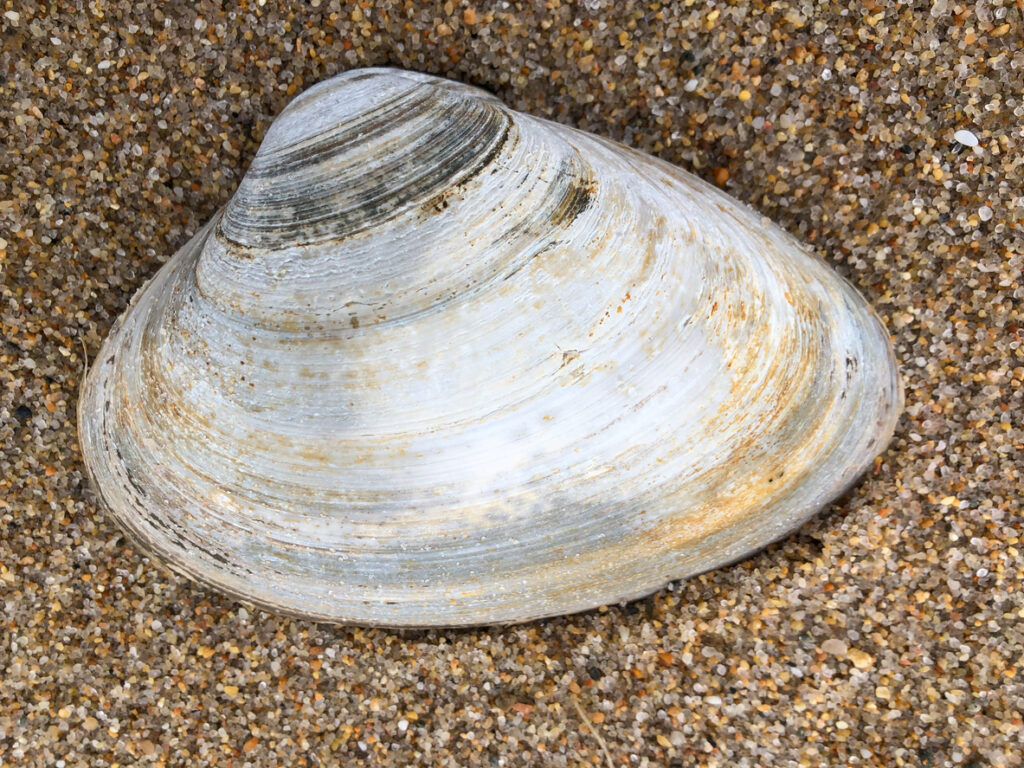
These small, humble clams have lifespans that stretch well over 400 years. One was discovered off the coast of Iceland and later found to be over 500, earning it the nickname “Ming” because it was alive during the Ming dynasty.
Unlike most animals, these clams seem to avoid the cellular damage that usually comes with age. They’re also incredibly efficient at repairing DNA and resisting stress. Their age-defying biology is being studied for clues into how we might delay ageing in humans.
4. Lobsters

Lobsters don’t just look like tough old tanks—they sort of are. As they get older, they don’t show a typical decline in reproductive ability or physical condition. Some even get stronger with age and keep growing throughout their lives.
They produce an enzyme called telomerase, which protects their DNA during cell division. In most animals, telomerase activity drops off with age, but lobsters keep it going strong. That might be one reason why they don’t follow the usual rules of ageing.
5. Hydras
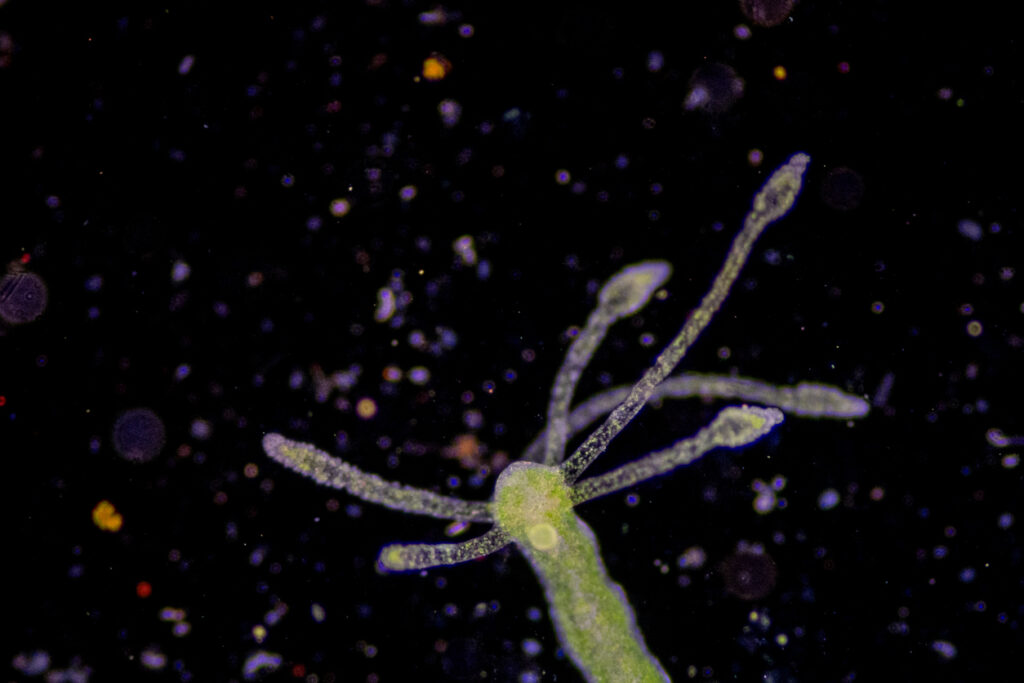
Hydras are tiny freshwater creatures that seem biologically immortal. They reproduce by budding, cloning themselves endlessly, and don’t appear to show any cellular ageing. If you cut one in half, it can regenerate completely from either end.
Researchers think this endless regeneration might come from high levels of stem cells and constant cellular renewal. It’s like they’re always rebooting themselves from scratch. Their simplicity might actually be the secret to their longevity.
6. Tardigrades
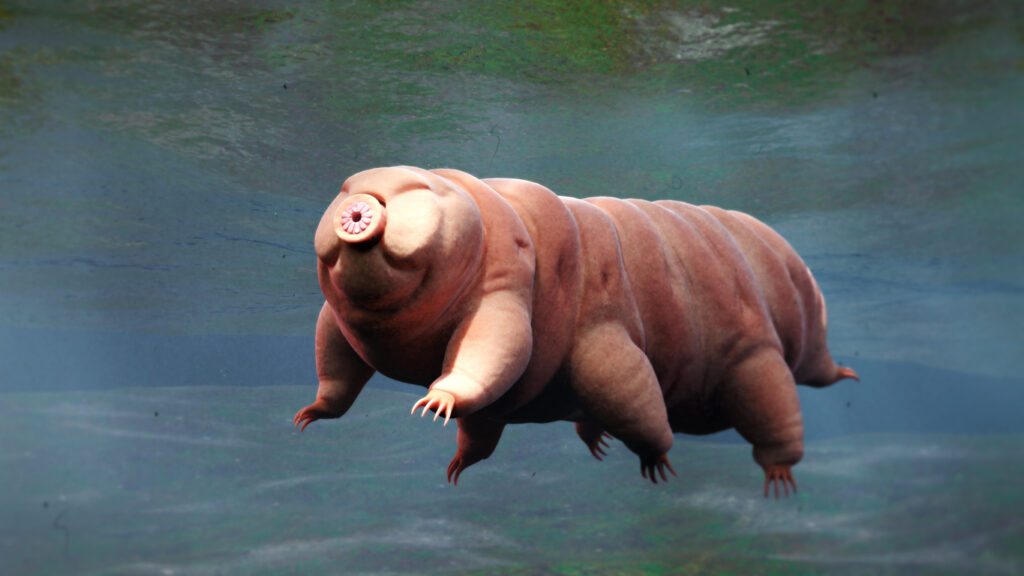
Tardigrades, or “water bears,” are nearly indestructible. They can survive radiation, the vacuum of space, and decades without water. While they don’t technically live forever, they don’t seem to age in any meaningful way during dormancy. When conditions get rough, they go into a kind of suspended animation called cryptobiosis. In this state, all metabolic activity stops, and time basically stands still for them. They can wake back up years later as if nothing happened.
7. Rougheye rockfish
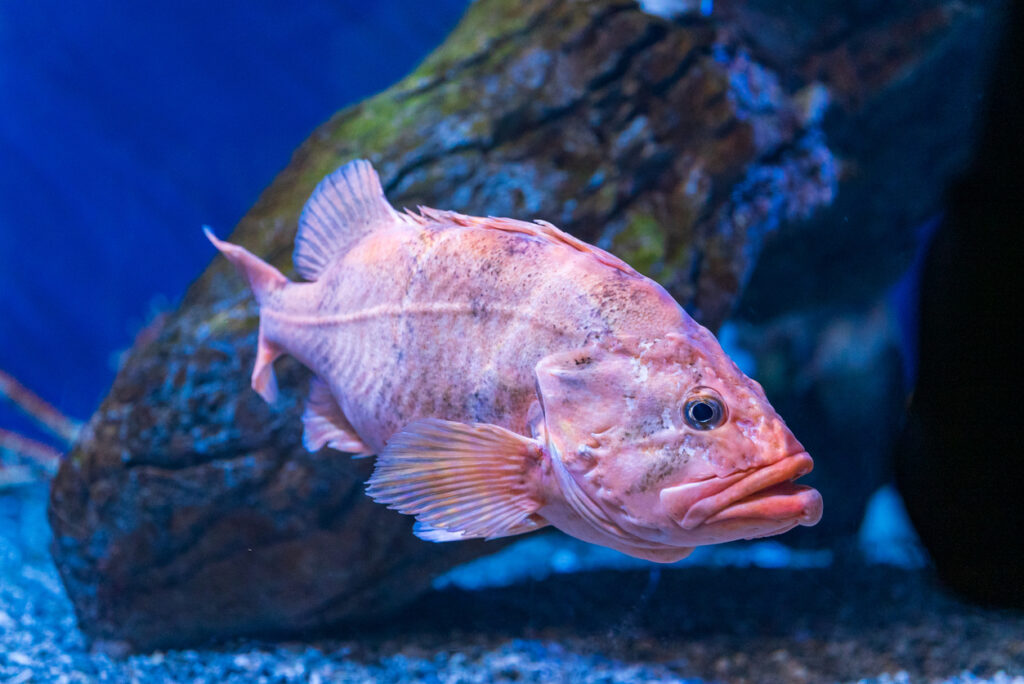
This deep-sea fish can live for more than 200 years, making it one of the longest-living vertebrates. Unlike humans, it doesn’t show any obvious ageing effects—no weakening muscles, no decline in reproductive ability, just steady existence under the sea.
Researchers suspect their slow pace of life in deep, cold waters is part of the reason. The lack of predators and slow metabolism help conserve their bodies, and they’re being studied to understand the genetics behind such extreme longevity.
8. Planarian flatworms
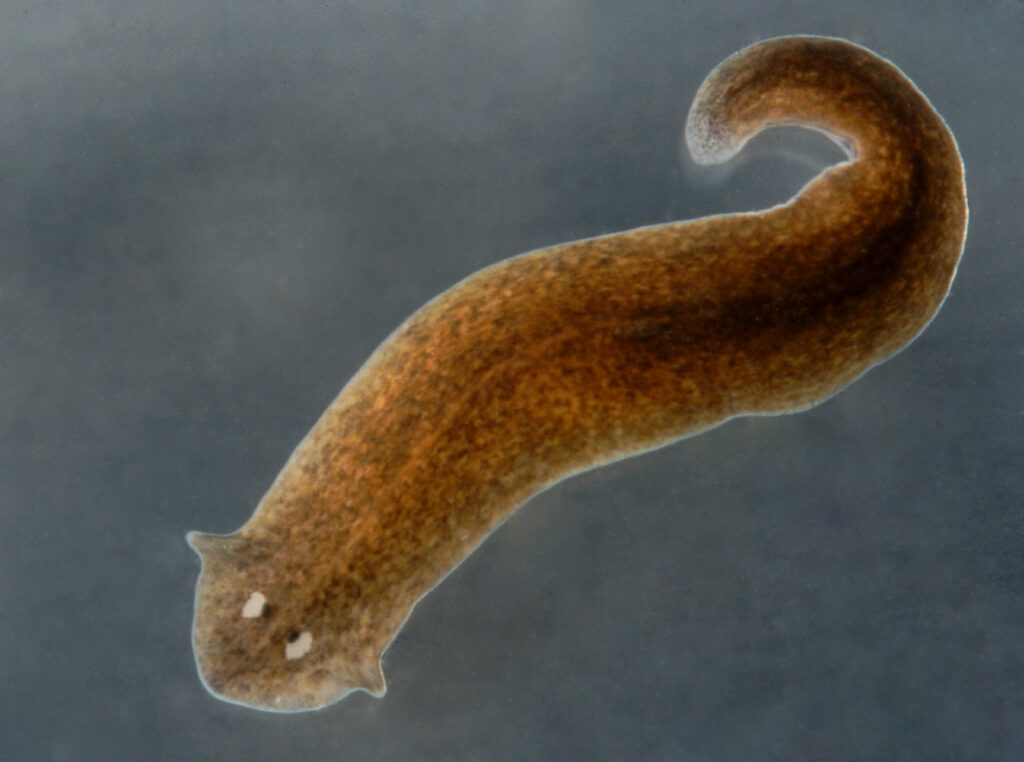
Planarians are best known for their insane regeneration skills. Chop one up into multiple pieces, and each one can grow into a whole new worm. This ability is powered by a huge supply of stem cells that seem to reset ageing with each regeneration. Scientists have been studying them to see how they maintain such cellular youthfulness. Some species even reproduce asexually and seem to avoid ageing altogether, constantly renewing their bodies with fresh cells.
9. Galápagos tortoises
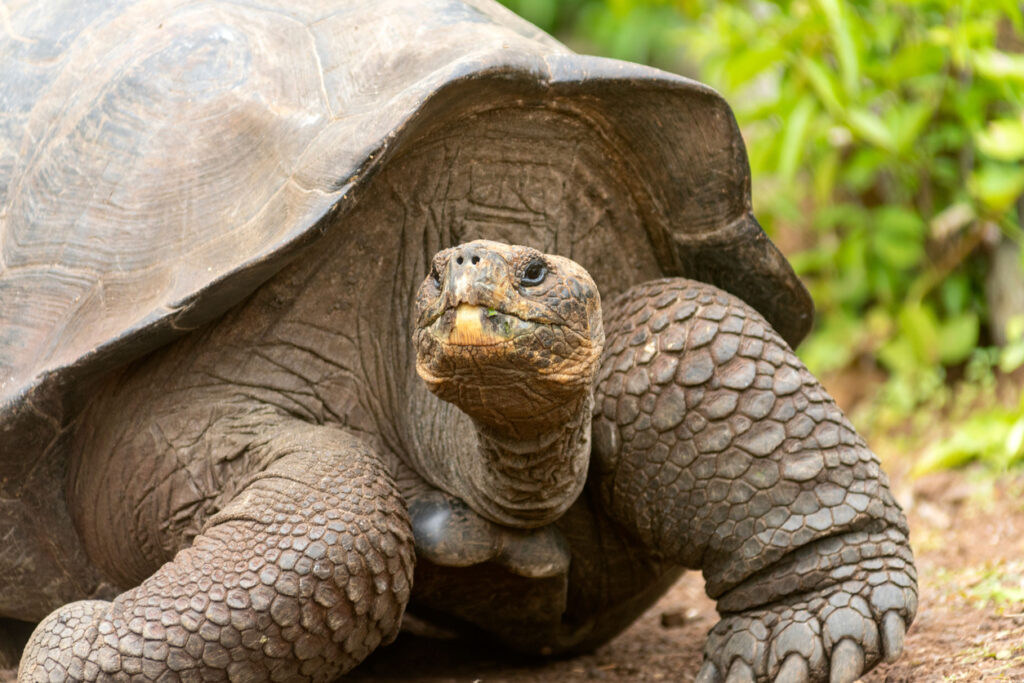
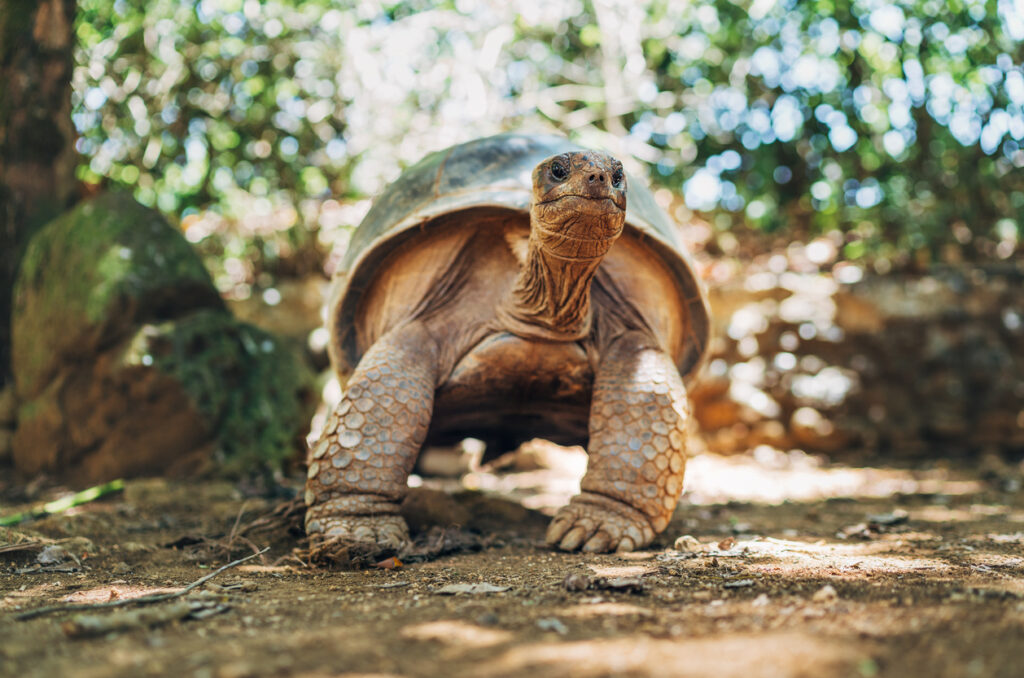
These gentle giants are among the longest-living land animals, regularly hitting 100 years old, and sometimes going well past that. However, it’s not just about living a long time—they age incredibly slowly. Their organs stay functional, and they keep reproducing well into old age.
Studies suggest they may be genetically wired for cellular protection and DNA repair. Their slow metabolism and chilled-out lifestyle also help. They’re proof that you don’t need to rush through life to get the most out of it.
10. Red sea urchins
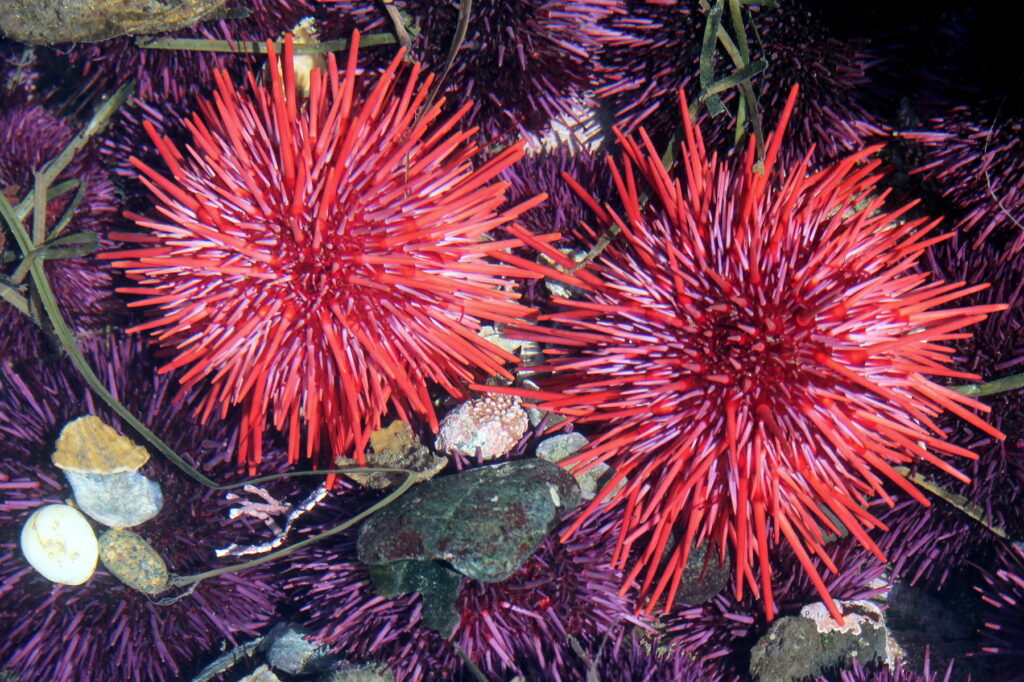
Red sea urchins, found along the Pacific coast of North America, can live more than 200 years. Despite that, they don’t seem to experience age-related decline in their reproductive abilities or overall health. They’re part of a growing list of marine invertebrates that might not follow the same biological limits as land animals. Their long lives are likely tied to stable environments and strong natural defences against cell damage.
11. Lake sturgeon
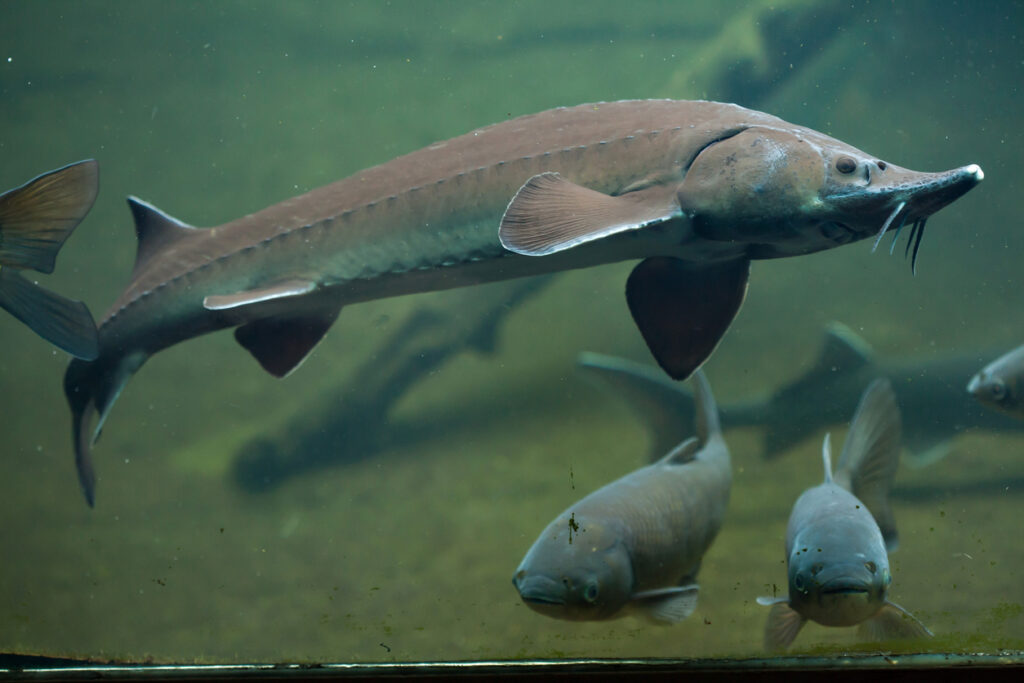
Lake sturgeon are living fossils—ancient fish that can live more than 150 years and keep growing the whole time. They reproduce slowly and aren’t particularly active, which probably helps stretch their lifespan out to an extreme. Because they’re so old-school in appearance and biology, scientists think they hold valuable insights into evolutionary strategies for long life. Protecting them also means protecting a living link to prehistoric ecosystems.
12. Bowhead whales
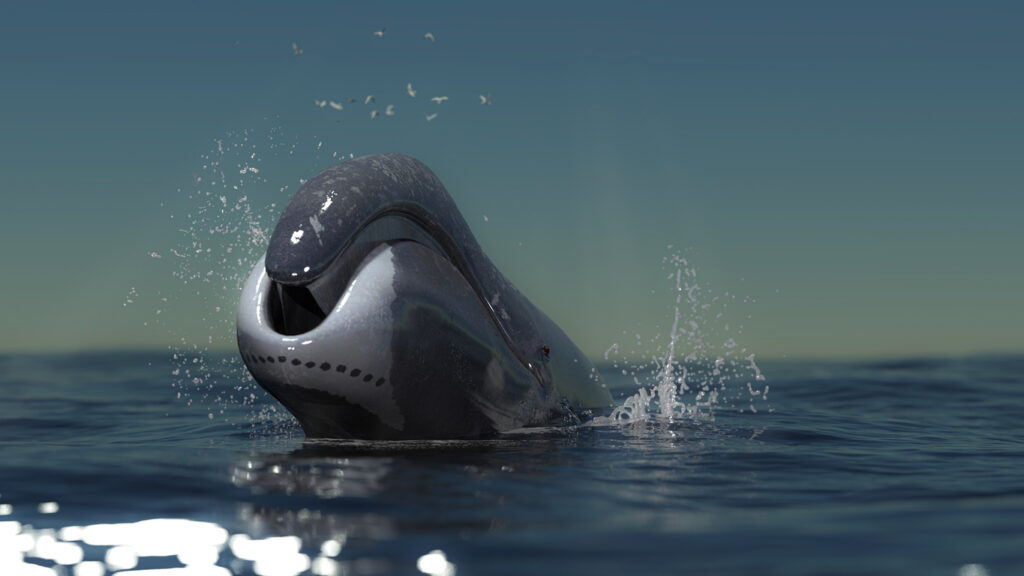
These massive Arctic whales are the longest-living mammals, with some individuals estimated to be over 200 years old. They show very few signs of ageing, and their genes are being heavily studied for their potential links to cancer resistance and tissue repair.
They also seem to keep breeding into old age and don’t develop many of the age-related diseases we see in humans. For researchers looking into human longevity, bowhead whales might hold more clues than any land animal.
13. Glass sponges

These deep-sea creatures can live for thousands of years—some estimates suggest up to 11,000. They grow extremely slowly and don’t really have the kind of wear-and-tear we see in more active organisms. While they don’t exactly move or think, they’re proof that life can persist for millennia under the right conditions. They’re living records of the ocean’s history and may outlast many of the species studying them.