Birds and alligators might seem like total opposites—one flies through the sky, the other lurks in swamps.
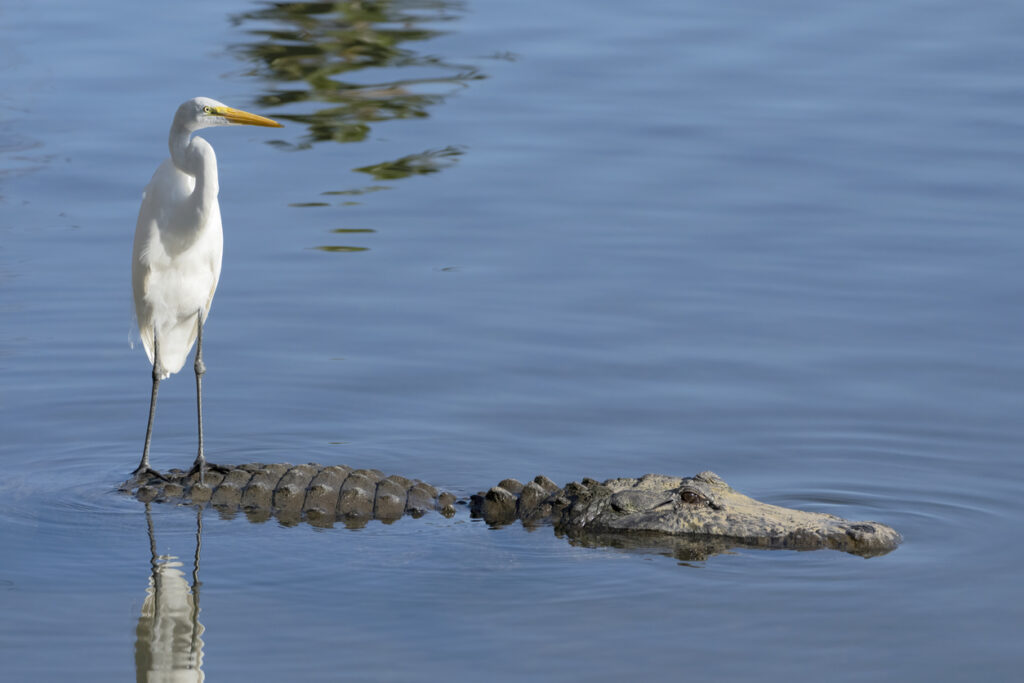
However, they actually share a surprising number of traits thanks to their evolutionary history. Birds didn’t just evolve from dinosaurs—they share a closer connection to crocodilians than most people realise. Once you start comparing the two, the similarities start stacking up fast. Here are some of the more surprising things these two very different animals have in common.
They both evolved from archosaurs.
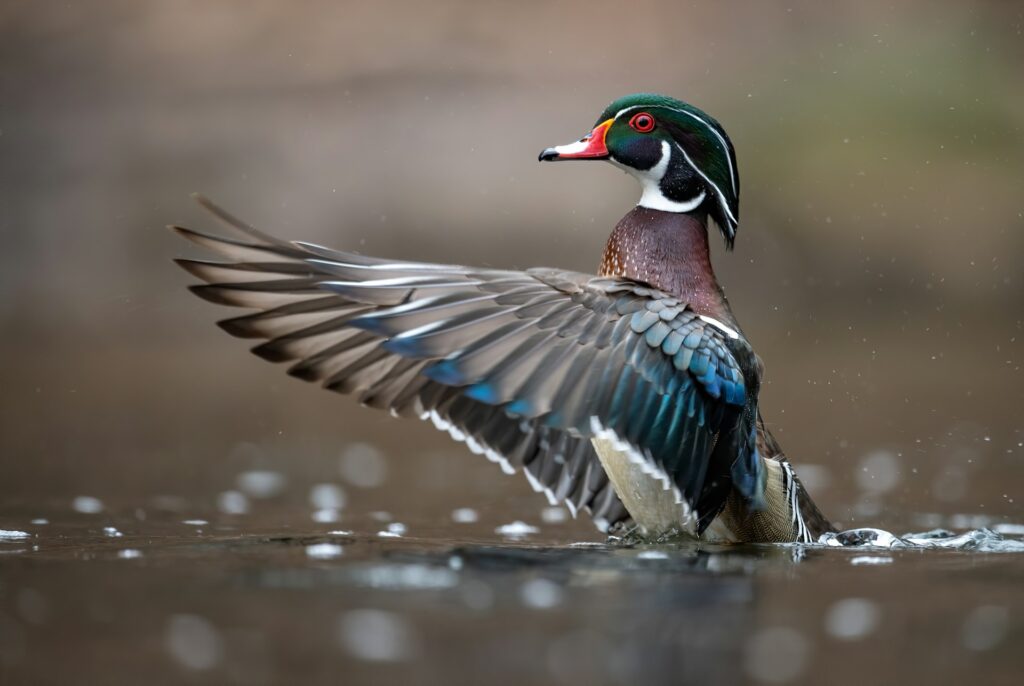
Birds and alligators both come from a group of ancient reptiles called archosaurs. These creatures ruled during the time of the dinosaurs, and their family tree split into two branches—one that led to birds and another that led to crocodilians like alligators. So, while they don’t look alike today, they’re distant cousins with a common ancestor. That’s why they’ve both kept some odd traits that you’d never expect to see in two such different animals.
They both build nests.
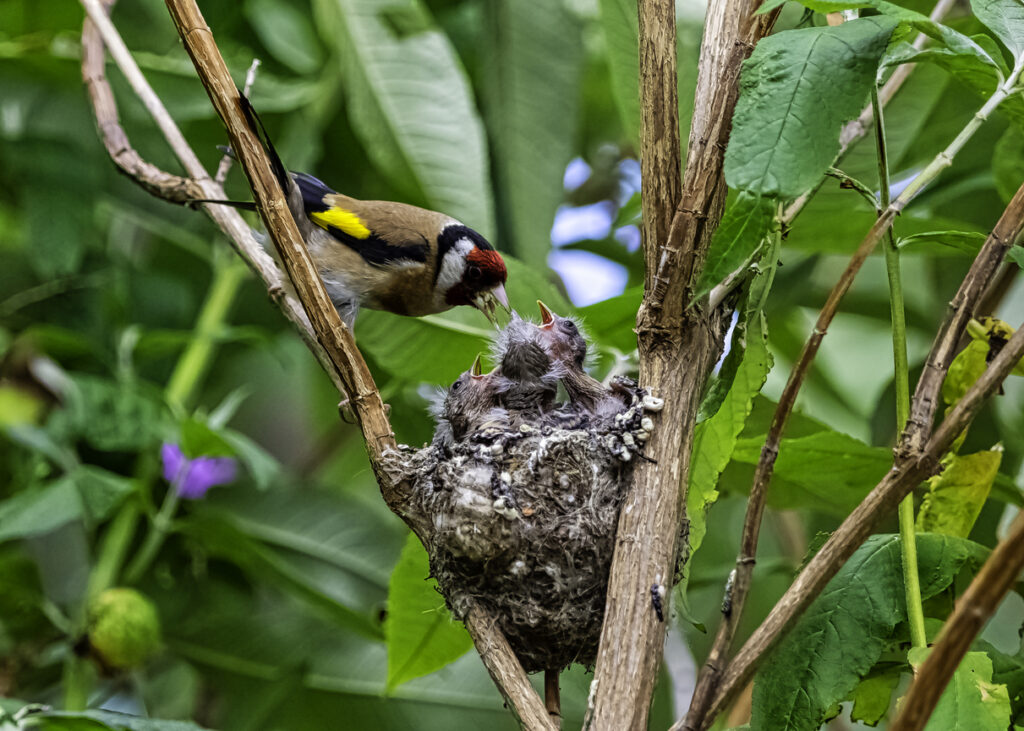
Birds are famous for nest-building, but so are alligators. Female alligators pile up vegetation and mud to make massive nest mounds where they lay their eggs. It’s a surprisingly delicate process for such fearsome reptiles. Like birds, they also guard their nests and stay nearby to protect their young. It’s one of the few reptiles that show real parental care, and it brings them a lot closer to their feathered relatives than most people realise.
They both lay eggs with hard shells.
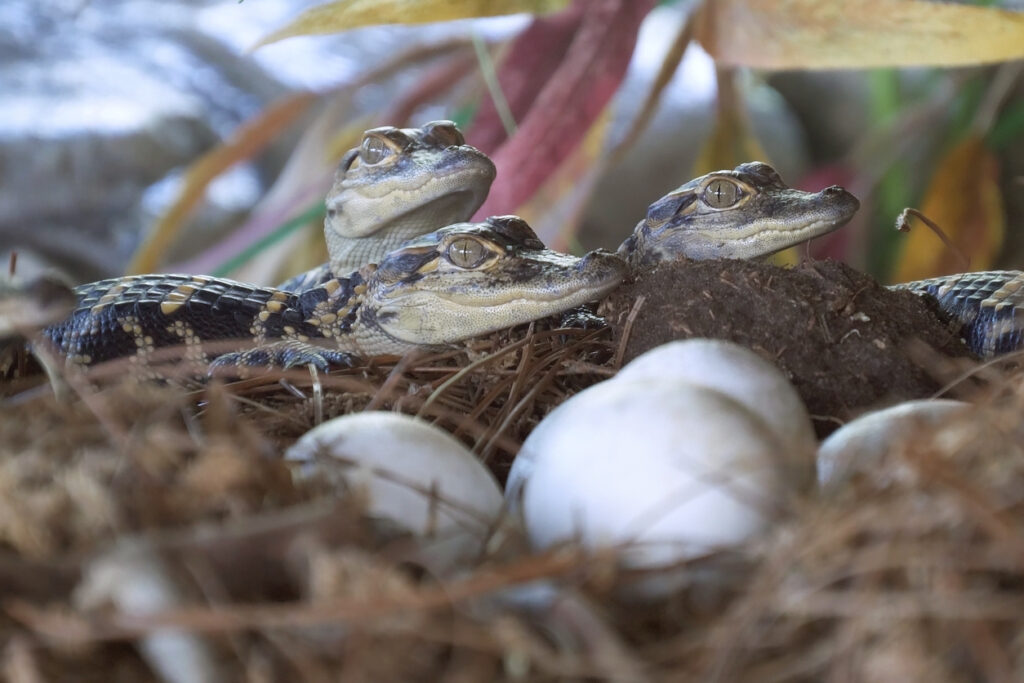
Unlike most reptiles, which tend to lay soft, leathery eggs, both birds and alligators lay eggs with hard shells made of calcium carbonate. This makes the eggs tougher and less likely to collapse or dry out. It also means they can be laid in more open or exposed areas without immediate risk of damage. It’s a feature that likely helped both branches of the family tree survive through millions of years of change.
They use vocal communication.
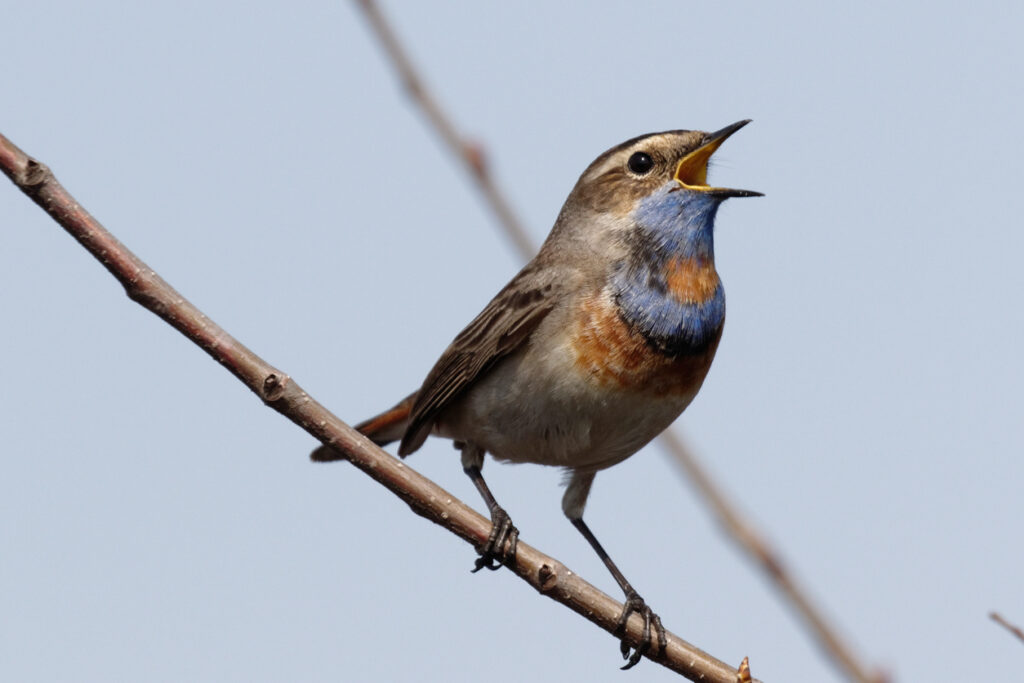
Birdsong is one of the most recognisable sounds in nature—but alligators are pretty vocal too. Baby gators start chirping even before they hatch, and adults bellow loudly to warn others or attract mates. That kind of sound-based communication is rare among reptiles but common in birds. It’s one of the more overlooked signs that these two groups aren’t as far apart as they seem.
They care for their young.
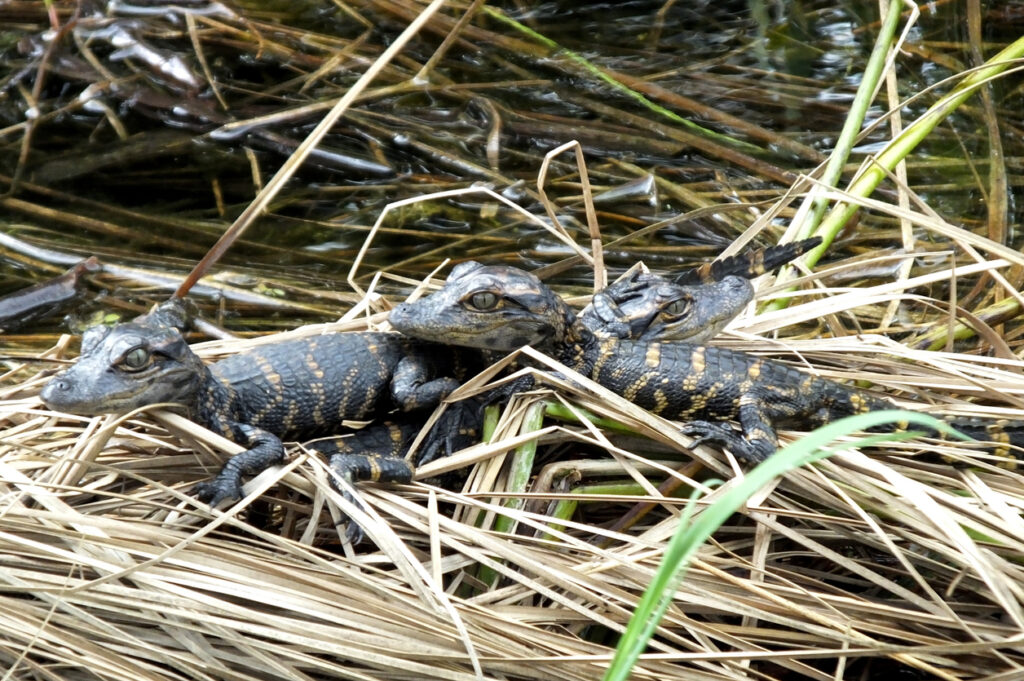
Most reptiles lay their eggs and walk away. But both birds and alligators stick around. Alligator mums will even carry their babies in their mouths to the water and keep a close eye on them for weeks after hatching. That level of parenting is way more similar to birds than to snakes or lizards. It suggests that some form of parental care might have already been present in their shared ancestor.
They both use temperature to determine sex in offspring.

In many bird species, sex is genetically determined. But with alligators, the temperature of the nest plays a big role—certain temperatures will produce mostly males, others mostly females. Interestingly, there’s evidence that some ancient birds and reptiles shared this temperature-dependent sex trait, though modern birds have moved on from it. Still, it’s a fascinating evolutionary quirk that shows up across both lineages.
They both have four-chambered hearts.
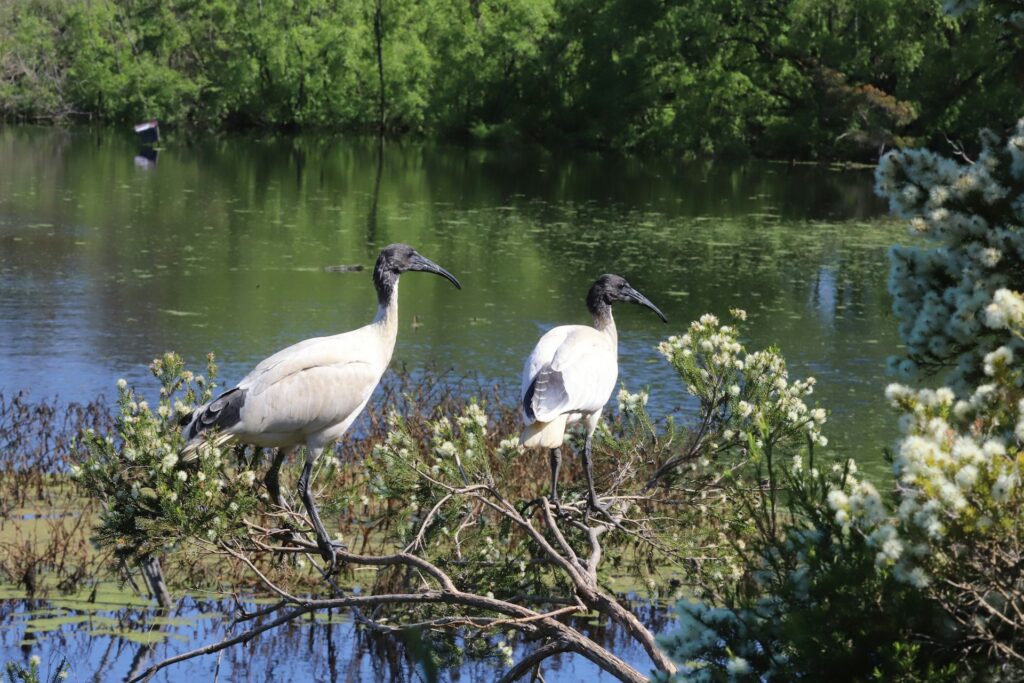
Most reptiles have three-chambered hearts, but both birds and alligators are exceptions. They have fully developed four-chambered hearts—just like mammals—allowing for efficient separation of oxygen-rich and oxygen-poor blood. This setup is ideal for animals that need strong, sustained energy. It supports birds in flight and gives alligators better endurance when underwater. It’s a clear sign of a more advanced circulatory system than typical reptiles.
They both use air sacs for breathing.
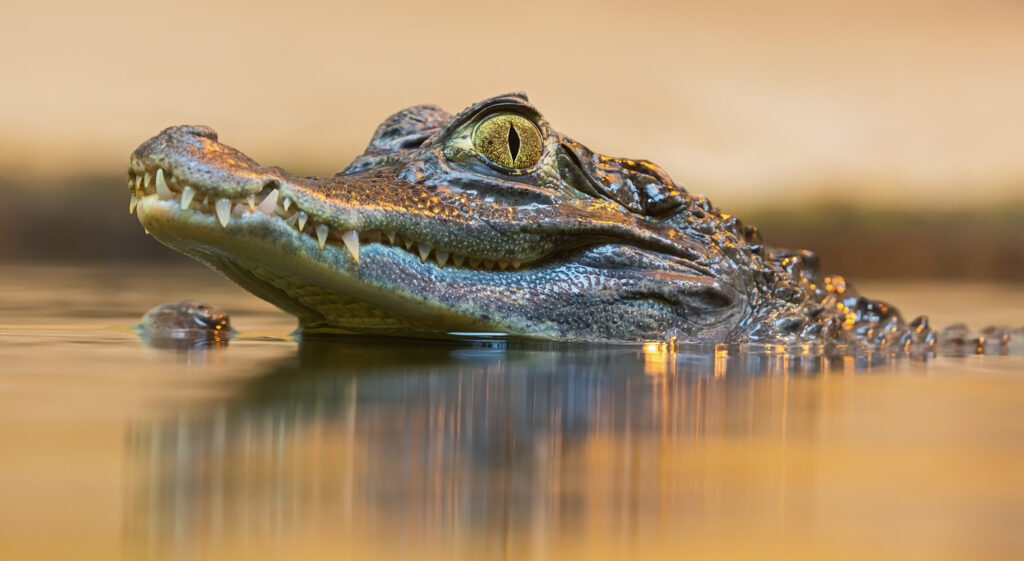
Birds have an advanced respiratory system with air sacs that let them move air in one direction through their lungs, making breathing more efficient. And believe it or not, alligators have a similar system. Studies have shown that air flows through alligator lungs in a looped, unidirectional way—something scientists once thought was unique to birds. It’s likely this system evolved before the two groups split apart, and birds just took it to the next level.
They both have powerful jaw muscles, but for different reasons.
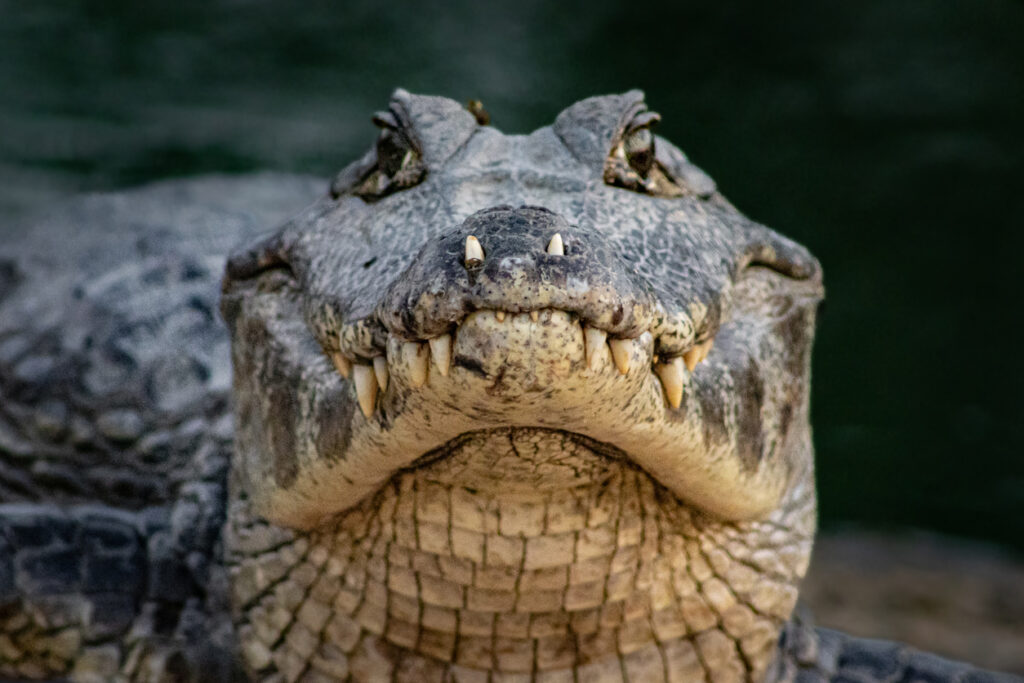
Birds use their beaks for everything from cracking seeds to catching fish, and their jaw muscles are surprisingly strong for their size. Alligators, meanwhile, have one of the strongest bites in the animal kingdom. The strength in both species comes from highly specialised muscles and skull structures. Their shared ancestry gave them the genetic tools, and evolution shaped those tools to fit totally different lifestyles.
Their brain structures share features.
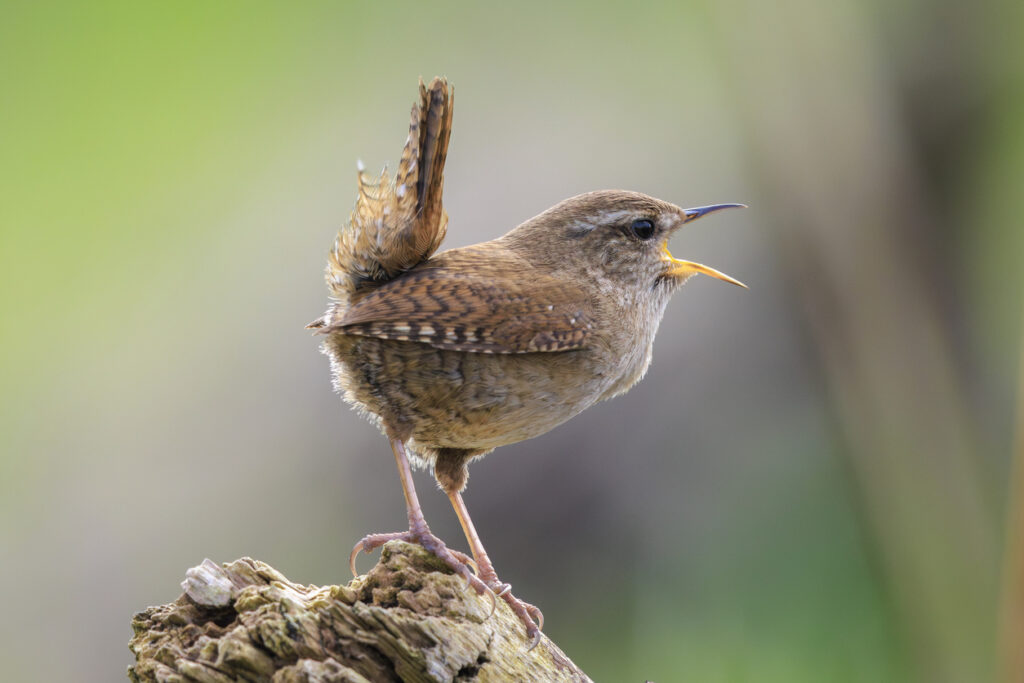
Despite their very different behaviour, birds and alligators show some striking similarities in how their brains are structured, especially in the parts that control instincts and sensory processing. Neuroscientists have found similar circuits in both groups that help them with things like spatial memory, learning, and navigation. This suggests that some complex brain traits were already present in their common ancestor.
Their eyes work in similar ways.
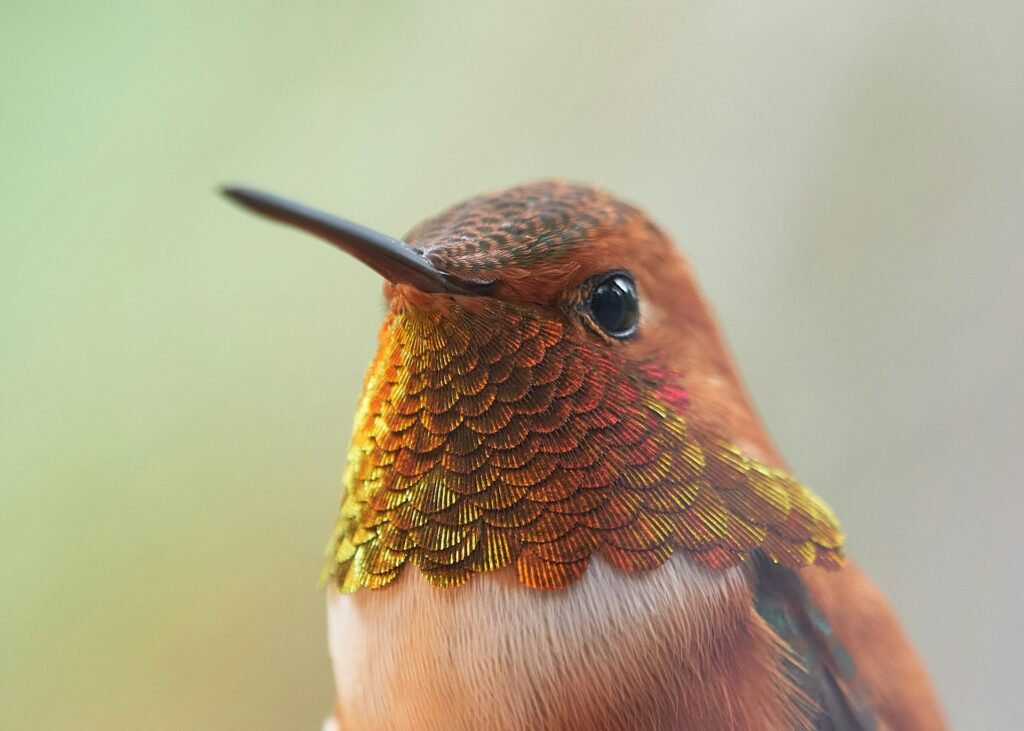
Birds are known for their sharp vision, but alligators are no slouches either. Both animals have a third eyelid (called a nictitating membrane) that protects their eyes and helps them see clearly in water or bright light. They also both rely heavily on visual cues to hunt or navigate, and their eye placements give them strong depth perception. These shared features suggest that their visual systems evolved from a common visual-focused ancestor.
Their bones tell a shared story.
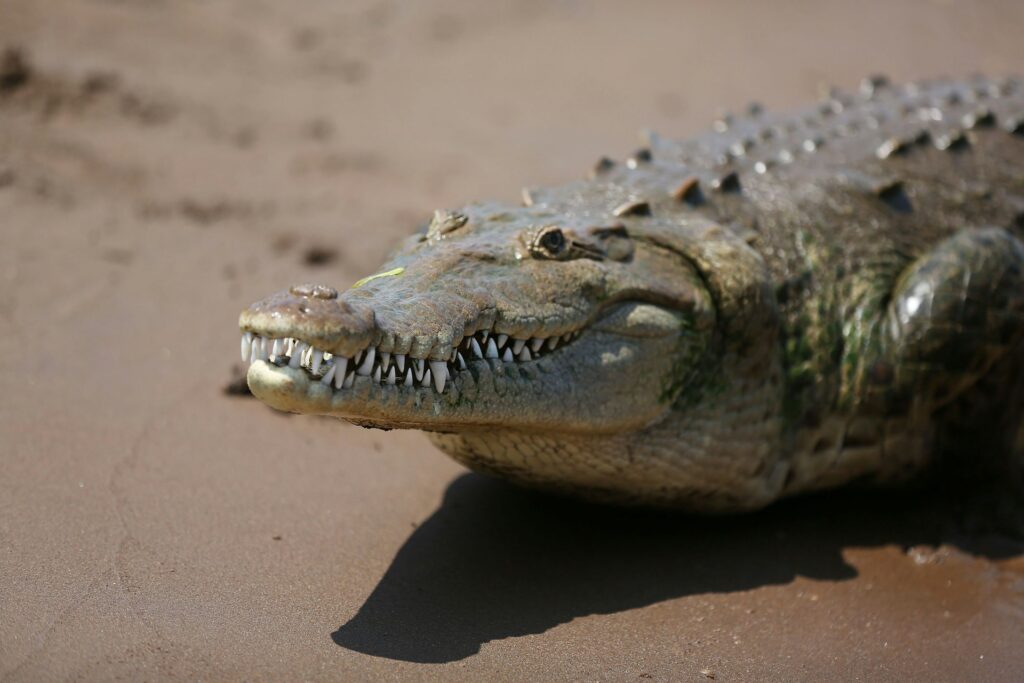
Fossil records show that both birds and crocodilians have similar bone structures in parts of their skeletons, especially in the skull and limbs. These shared traits help palaeontologists link modern species to their ancient relatives. Things like ankle joint structure, skull shape, and the way their spines connect all point to a common lineage. Even though birds got lighter and faster while alligators stayed low and slow, they still carry echoes of the same blueprint.
They’re both survivors of the dinosaur era.
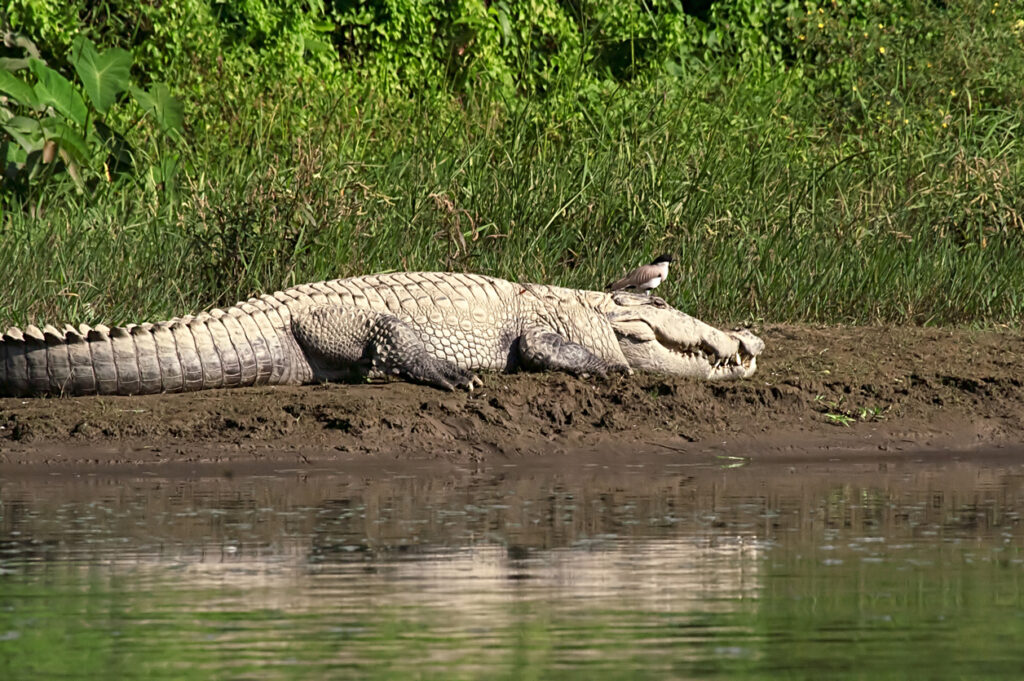
Alligators are often called “living fossils” because they’ve barely changed in millions of years. Birds, on the other hand, evolved rapidly after the mass extinction that wiped out most dinosaurs. But both groups managed to survive that chaotic era. Birds did it by evolving quickly and diversifying; alligators did it by staying in their swampy, water-based niches. Either way, they both carry ancient DNA that stretches back to the age of dinosaurs.