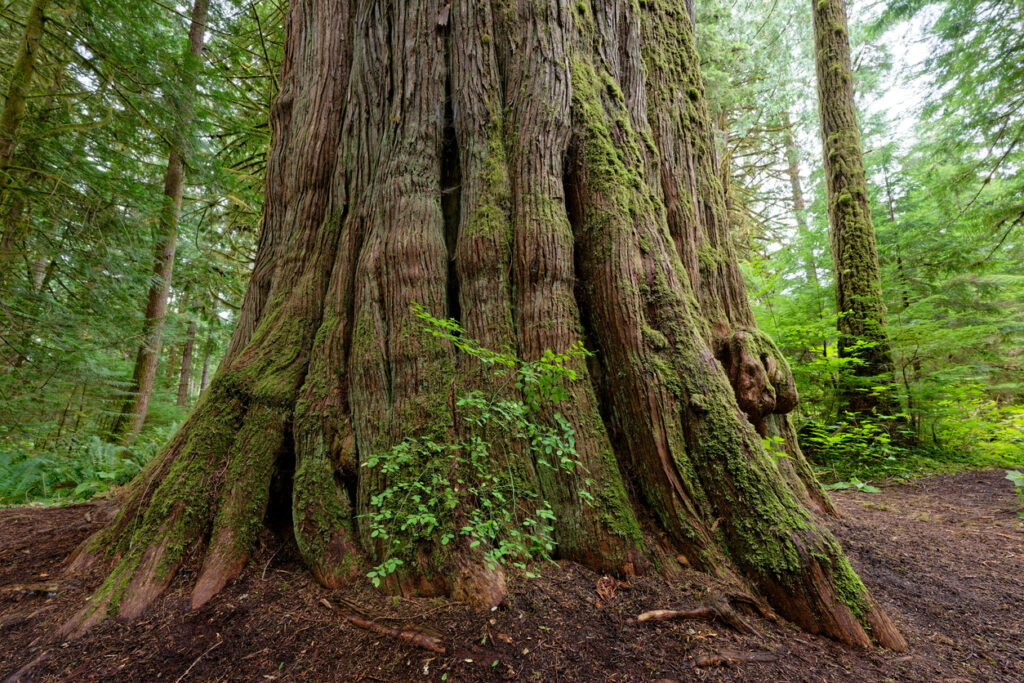
Some ancient trees have stood for more than 2,000 years—surviving climate changes, human history, even invasions. They’re more than old wood; they’re living archives, deeply rooted in our landscapes and stories. Now, as forests are fragmented and land development speeds up, people are stepping in to protect these arboreal giants. Here are ten reasons why these trees deserve more than just a passing glance.
They’re living history.
These trees sprouted long before the Romans set foot in Britain. They’ve witnessed empire-building, wars, cultural changes—and are still standing. That’s more firsthand presence than almost any human. In their rings, you can read drought years, disease outbreaks, even pollen traces from old agricultural practices. They’re not just old—they’re historical time capsules rooted in the present.
They support whole ecosystems.
An ancient oak or yew can host hundreds of species—lichens, fungi, insects, birds—all of which rely on its presence. Lose that one tree, and an entire microhabitat goes with it. They’re not just symbols; they’re keystone species. Their roots, bark, and branches create complex networks that younger trees can’t replicate for centuries.
They store massive amounts of carbon.
Old-growth trees hold far more carbon than young saplings. In a time of climate crisis, their size and longevity make them natural carbon vaults that keep greenhouse gases locked away. When these trees are cut or decline, that stored carbon is released. Protecting them is a simple but essential part of reducing our carbon footprint.
They show us how living things resist change.
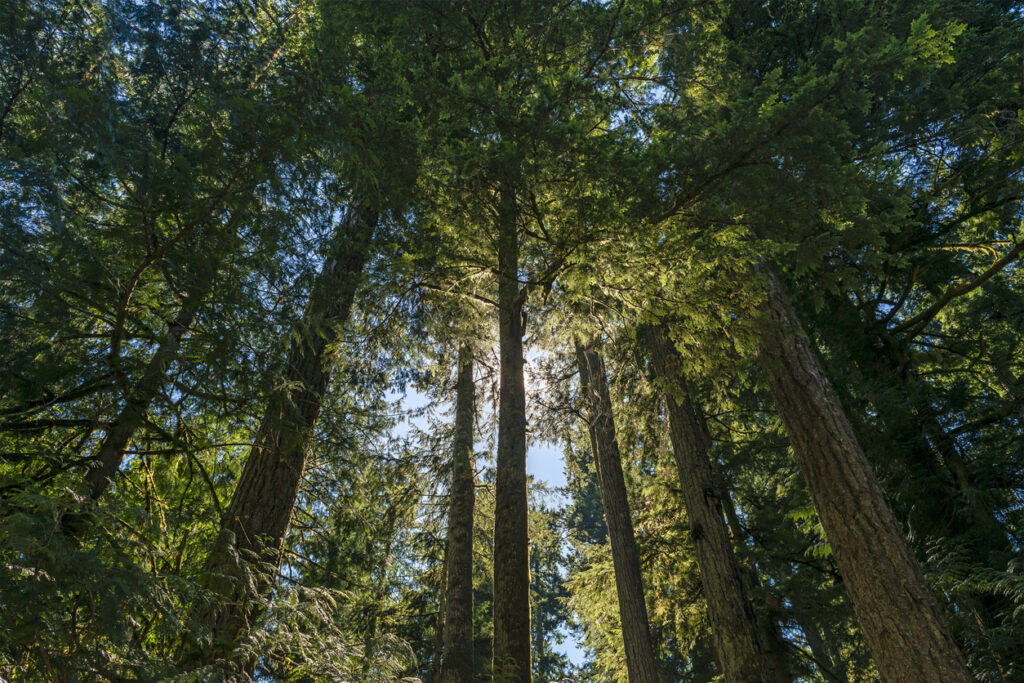
These trees survived through extreme weather, plagues, habitat change and pollution. They’ve evolved resilience that modern ecosystems and isolated saplings can’t mimic yet. Studying them gives scientists clues on adaptability—how species respond to stress, recover from damage and resist new threats. These trees are teachers we’re only just starting to learn from.
They connect us to our ancestors.
Imagine sitting beneath the same boughs your ancestors did, centuries ago. These trees tie communities to the people who lived, worked, and loved around them long before us. They remind us that the land has a memory. Some villages and churches still choose these trees as meeting spots because they literally anchored communal history and belief.
They support rare and endangered species.
Some insects, bats, and lichens are entirely dependent on ancient tree habitats—deadwood, hollow trunks, crevices, moss mats. Without these old giants, those species vanish. In Europe and beyond, conservationists are racing to protect these trees before the last of their dependent species become extinct. Every ancient tree saved is a small victory for biodiversity.
They’re irreplaceable—younger ones can’t fill the gap.
Planting new saplings is great, but the ecological complexity of a thousand-year-old tree takes centuries to develop. Hollow trunks, veteran decay, fungal networks—they don’t exist overnight. It’s not just age. These trees are unique because nobody has ever done exactly what they did. Their features are tailored to time. We can’t restore that with new growth.
They’re cultural and spiritual landmarks.
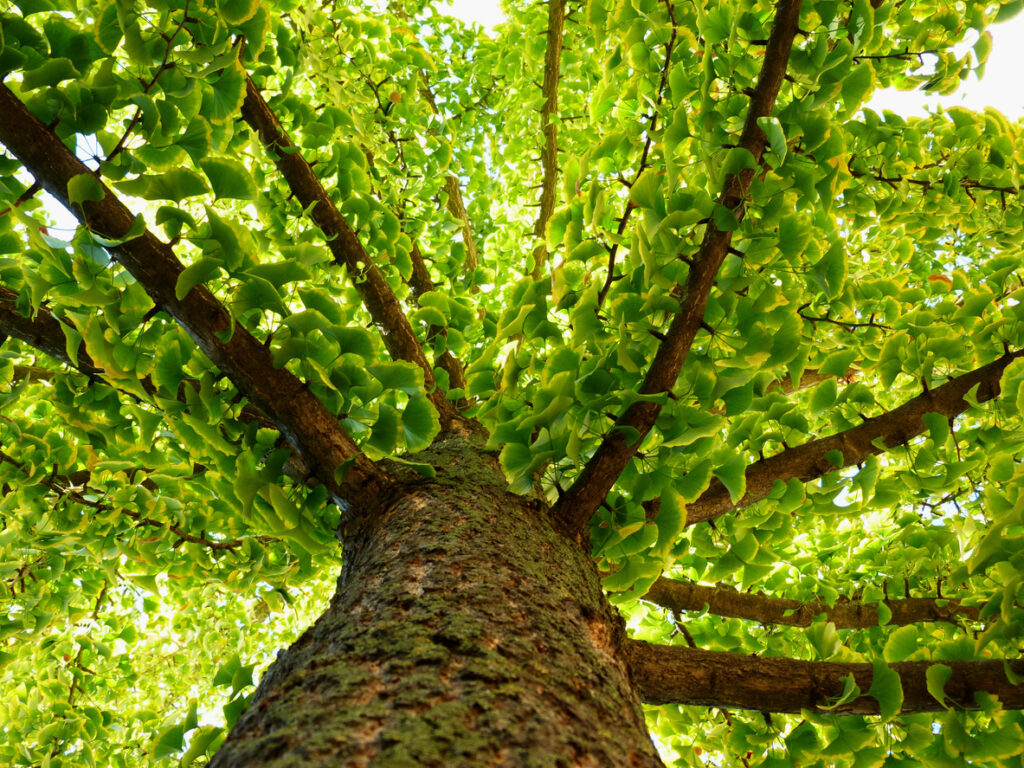
In many cultures, these trees are sacred—and not just romantic sites. They serve as traditional meeting points, local legends, namesakes, and boundary markers going back generations. For some communities, felling an ancient tree is like erasing a piece of identity. Their protection is woven into cultural heritage as much as ecology.
They inspire science and education.
Dendrochronologists, ecologists, geneticists—they all study these trees to learn about age, disease resistance, climate patterns and ecosystem dynamics. They’re living labs. Schools and universities often use local ancient trees for outdoor education. They’re living examples of science-in-action rather than abstract lessons from books.
They remind us what longevity looks like.
In a world that rewards speed and short-term gain, these trees model endurance, patience and slow growth. They’re reminders of deeper timelines beyond quarterly returns. Saving them isn’t just about forest management. It’s a statement that some things are worth preserving for future generations, even if we’ll never live to see it all play out.