Nature’s full of unlikely partnerships, but some are so tight-knit that one species literally can’t survive without the other.
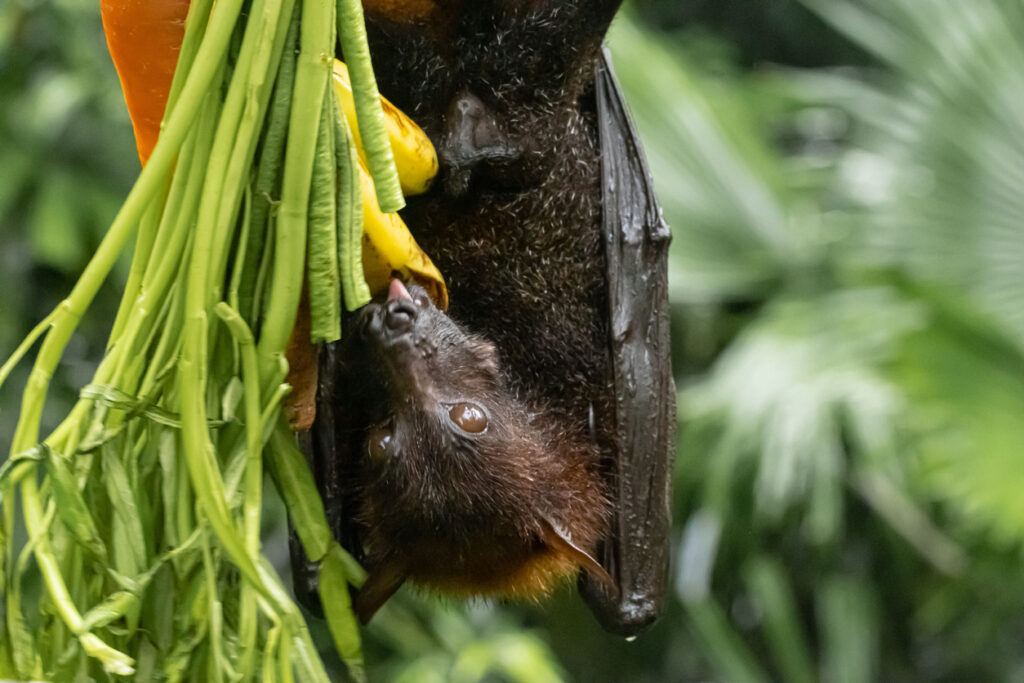
In the case of certain plants, that survival depends entirely on one particular animal, whether it’s for pollination, seed spreading, or protection. These aren’t just friendly collaborations; they’re full-on botanical dependencies. These are 13 brilliant examples of plants that just wouldn’t make it without their chosen creature sidekick. Pretty cool, huh?
1. Yucca and the yucca moth
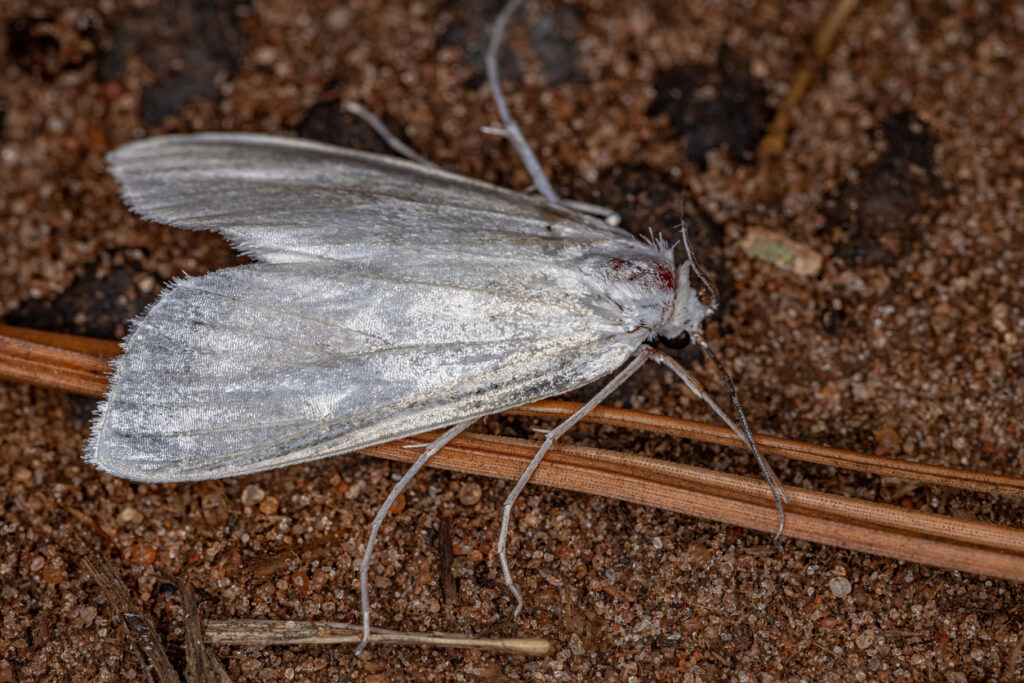
The yucca plant and yucca moth are the definition of a package deal. The moth deliberately lays her eggs in the flower, but while she’s at it, she also takes a moment to pollinate it. No moth, no seeds. No yucca, no place for baby moths. That’s commitment.
It’s a rare case of mutual loyalty in the wild. The plant gets pollinated, and the larvae get a safe nursery. But if too many eggs are laid, the plant actually aborts the flower to avoid being overrun. Even in nature, healthy boundaries matter.
2. Fig trees and fig wasps
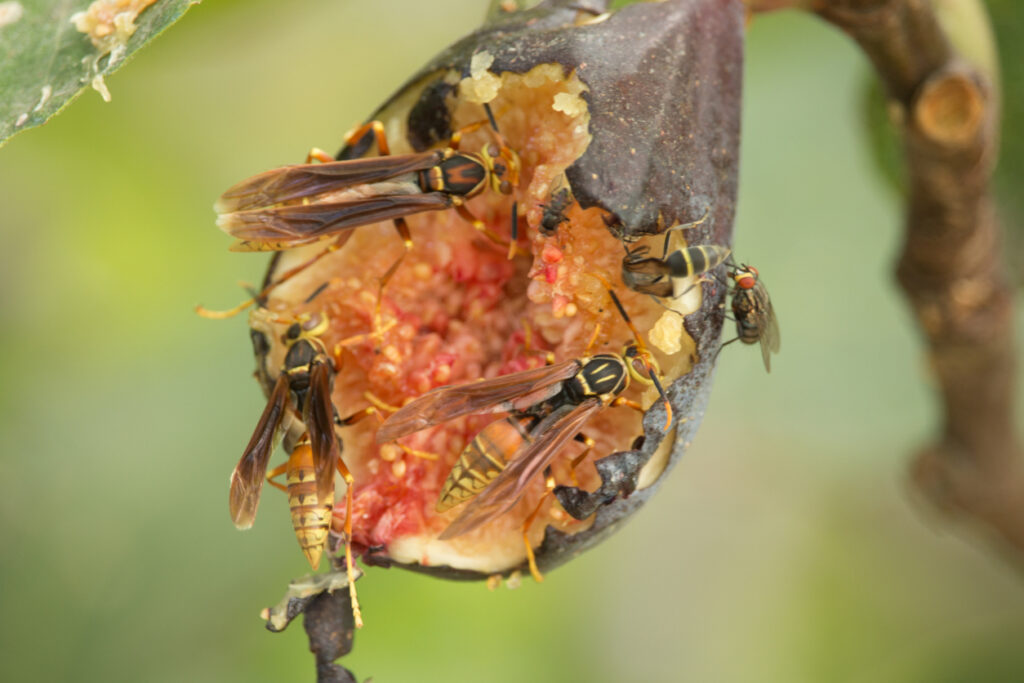
If you’ve ever eaten a fig, thank a fig wasp. Each type of fig tree usually depends on a specific species of fig wasp to crawl inside the fruit and pollinate it. It’s not glamorous, but it works, and neither the tree nor the wasp can complete their life cycle without the other.
The wasp lays eggs inside the fig, pollinating it in the process. When the babies grow up, they fly out to start the cycle again. The tree provides the nursery, and the wasp handles the matchmaking. Nature’s weird, but efficient.
3. Brazil nut tree and the orchid bee
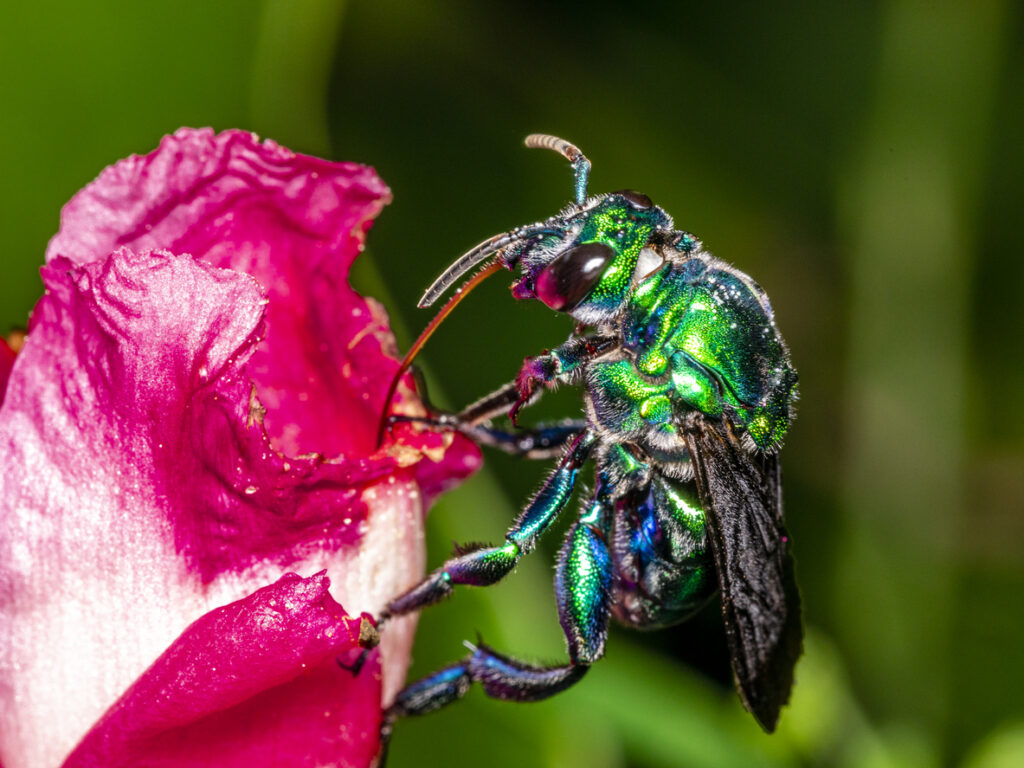
Brazil nuts don’t just grow anywhere. They rely on a very specific type of large-bodied orchid bee to pollinate their flowers. If those bees aren’t around, you’re not getting any nuts—it’s that simple. To make it even more complicated, the bee itself needs a particular orchid to survive, so there’s a whole chain of natural codependency happening here. It’s like a soap opera, but for trees and insects—with Brazil nuts as the prize.
4. Ghost orchid and the giant sphinx moth
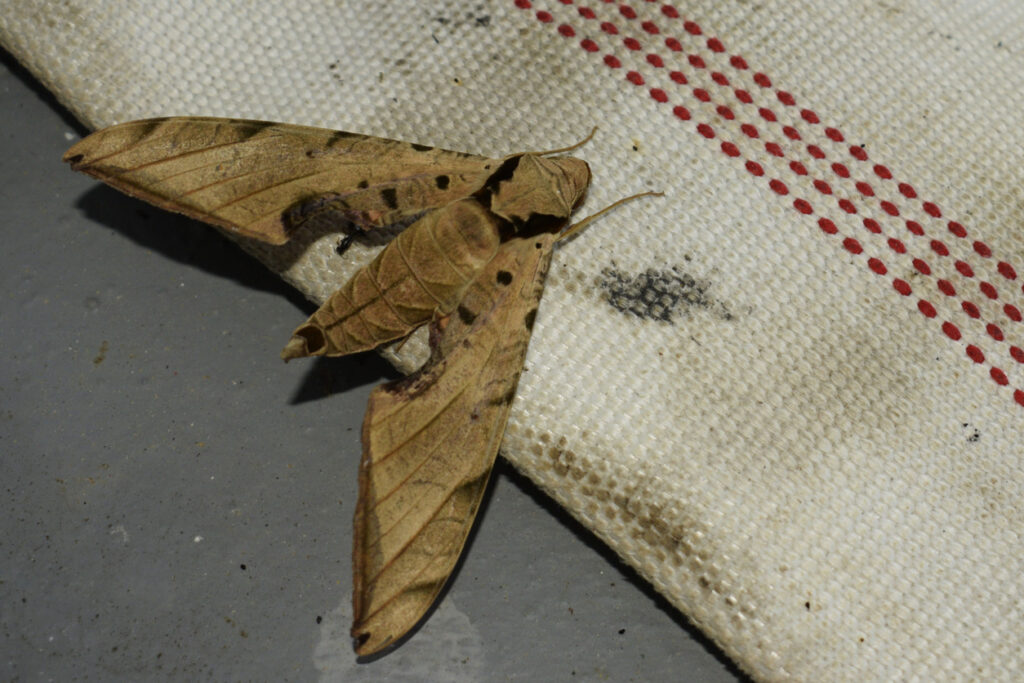
The ghost orchid is rare, hard to spot, and famously picky. It can only be pollinated by the giant sphinx moth, whose tongue is just the right length to reach the flower’s nectar tucked way down deep. With such a specific setup, this orchid’s entire existence hinges on one particular moth showing up at the right time. It’s not exactly a wide safety net, but nature loves a specialist.
5. Wild bananas and fruit bats
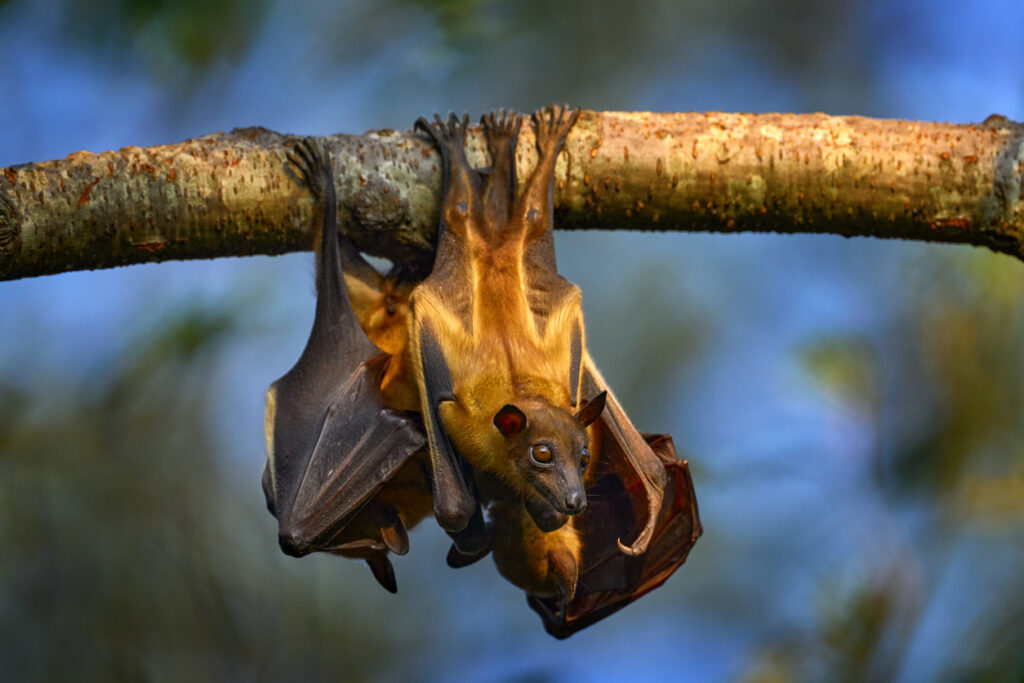
Before they became the domesticated bunches we know today, wild bananas were pollinated by—you guessed it—bats. The plants open their flowers at night and produce loads of nectar to attract fruit bats on the night shift. The bats go in for the nectar and end up dusting pollen from one plant to another with their furry faces. Without them, wild bananas wouldn’t get fertilised. Turns out, your smoothie has a nocturnal origin story.
6. Cork oak and wild boars
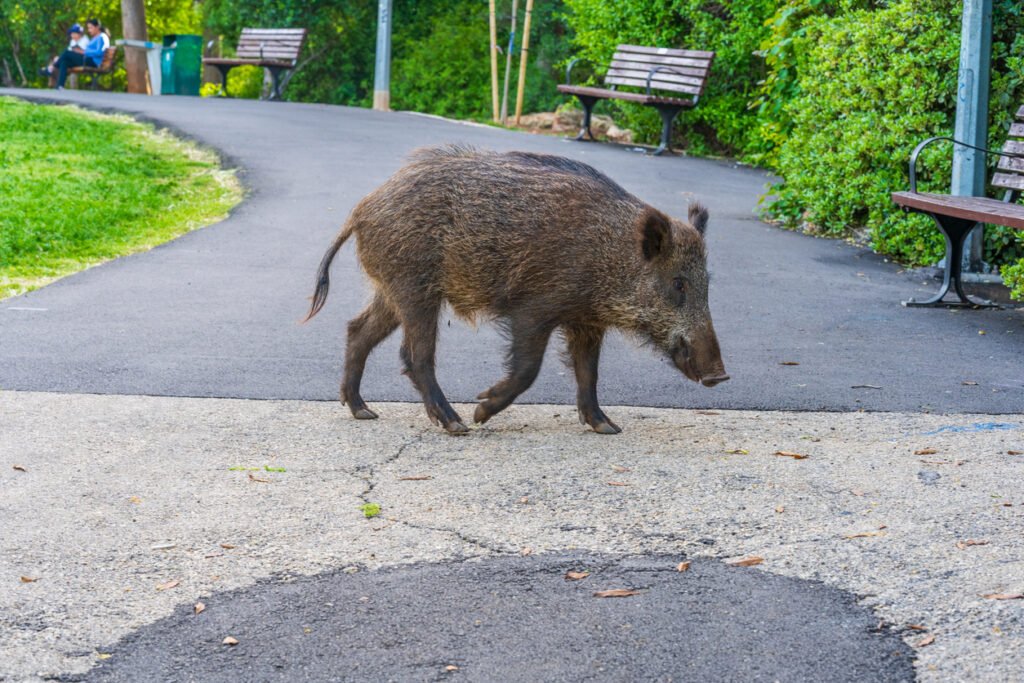
The cork oak produces acorns, and while lots of animals eat them, wild boars play a huge role in dispersing the seeds far from the parent tree. They snuffle around the forest, unintentionally planting the next generation as they go. Without these animals digging and spreading seeds, cork oaks would struggle to repopulate. So the next time you pop a cork on a wine bottle, you can thank a grubby-nosed boar for keeping that tree population going.
7. Dodo tree and the extinct dodo
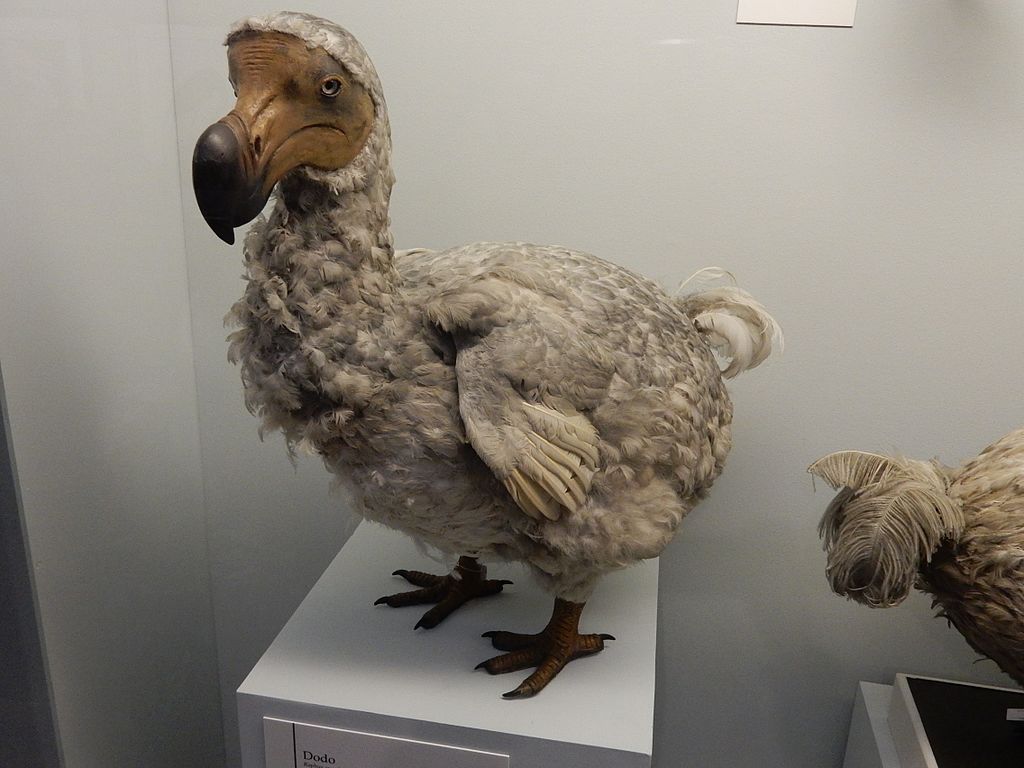
The tambalacoque tree—often nicknamed the dodo tree—was once thought to rely entirely on the now-extinct dodo bird to spread its seeds. The theory was that the seeds had to pass through the bird’s digestive system to germinate. Although modern research suggests that might have been a bit oversimplified, it’s still a great example of how one species’ disappearance can mess up the natural balance. Sometimes when one goes, the whole system gets thrown out of sync.
8. Christmas Island palm and giant crabs
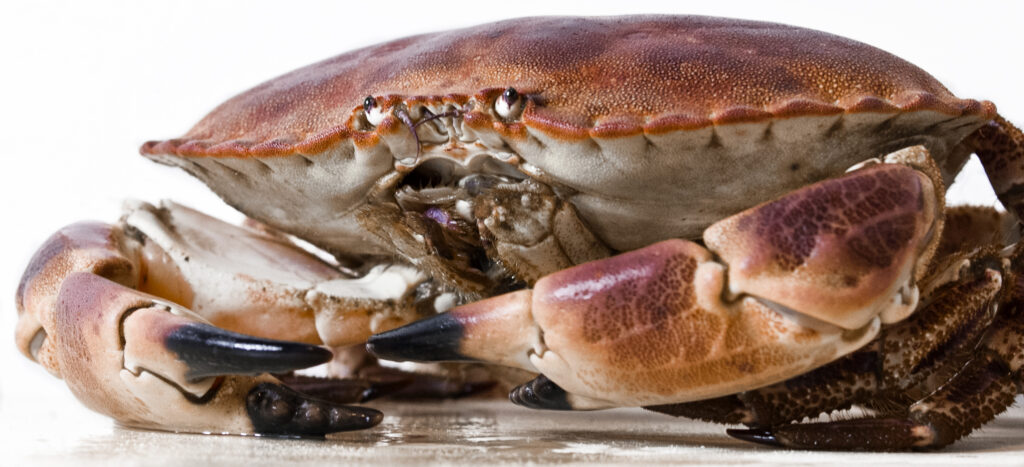
The Christmas Island red crab migration is famous, but fewer people realise how important these crustaceans are to the local plant life—especially the palm trees. The crabs help spread seeds and keep invasive plants at bay by devouring everything else in sight. Without the crabs, the palms would be overrun by competing weeds and have a harder time growing. It’s basically lawn maintenance—but done by sideways-walking, territorial crabs.
9. Devil’s claw and antelope
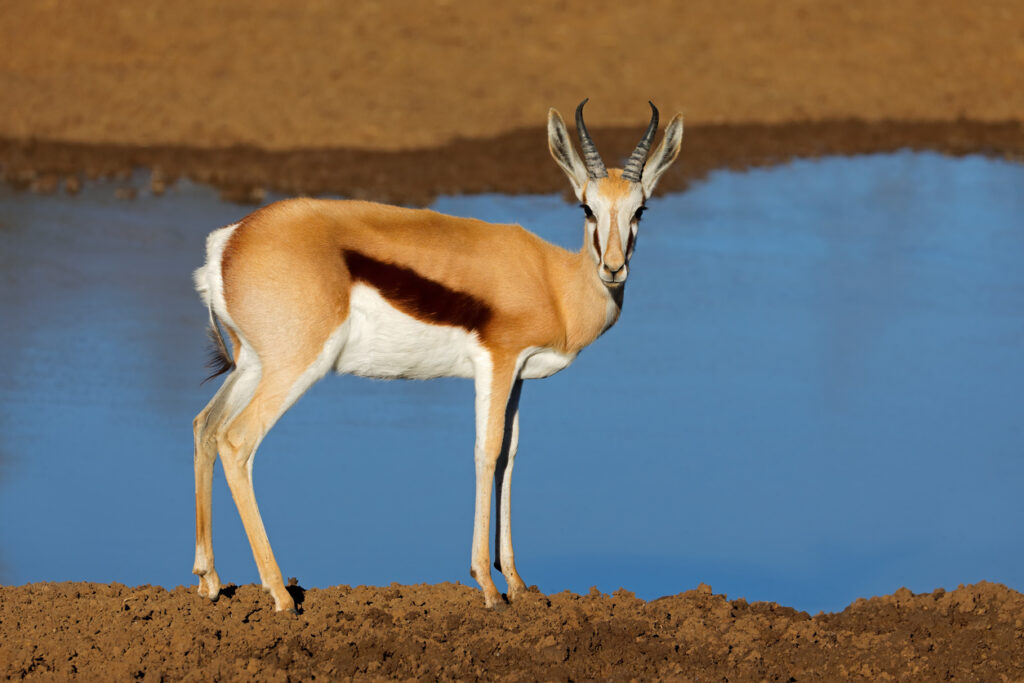
This oddly shaped African plant has seed pods that look like grappling hooks. Why? Because it needs hooved animals like antelope to step on them. The hooked pods latch onto their legs and get carried far and wide before dropping off. Without the animals unknowingly dragging the seeds across the Savannah, devil’s claw would have a hard time spreading. It’s a sneaky but effective method of transportation, like nature’s version of a free lift.
10. Mistletoe and birds
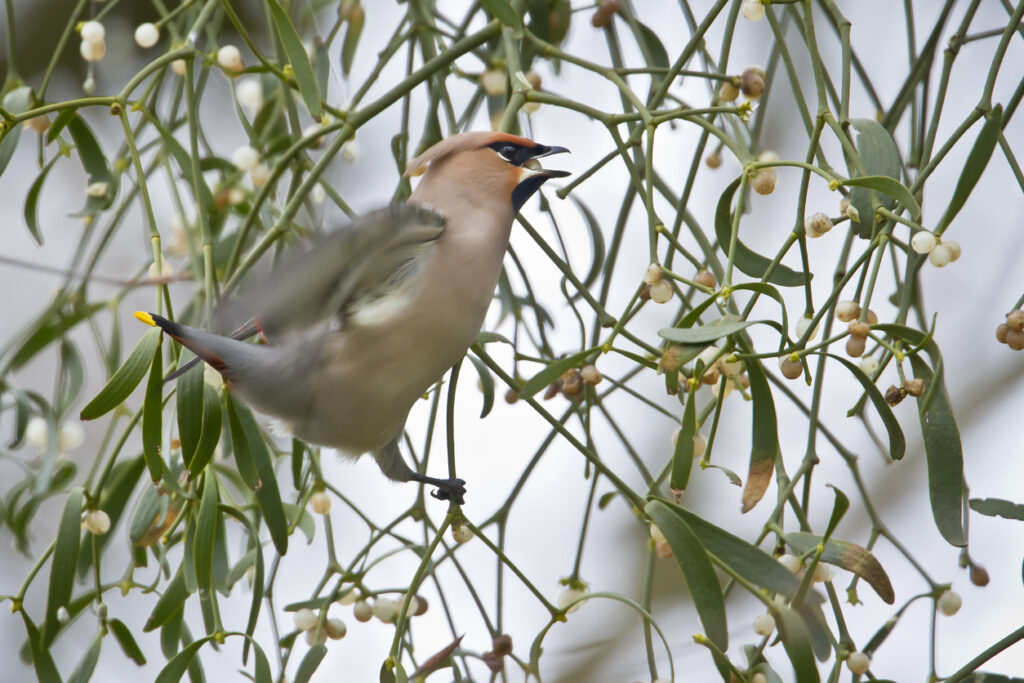
Mistletoe is famously festive, but it’s also semi-parasitic and a little needy. It can’t germinate on its own—it relies on birds like the mistle thrush to eat its berries and then poop the seeds onto tree branches where they can grow. It’s not exactly the prettiest process, but it works. Without birds to play postal service for its seeds, mistletoe wouldn’t survive. A reminder that even holiday cheer depends on a well-timed digestive cycle.
11. Durian and flying foxes
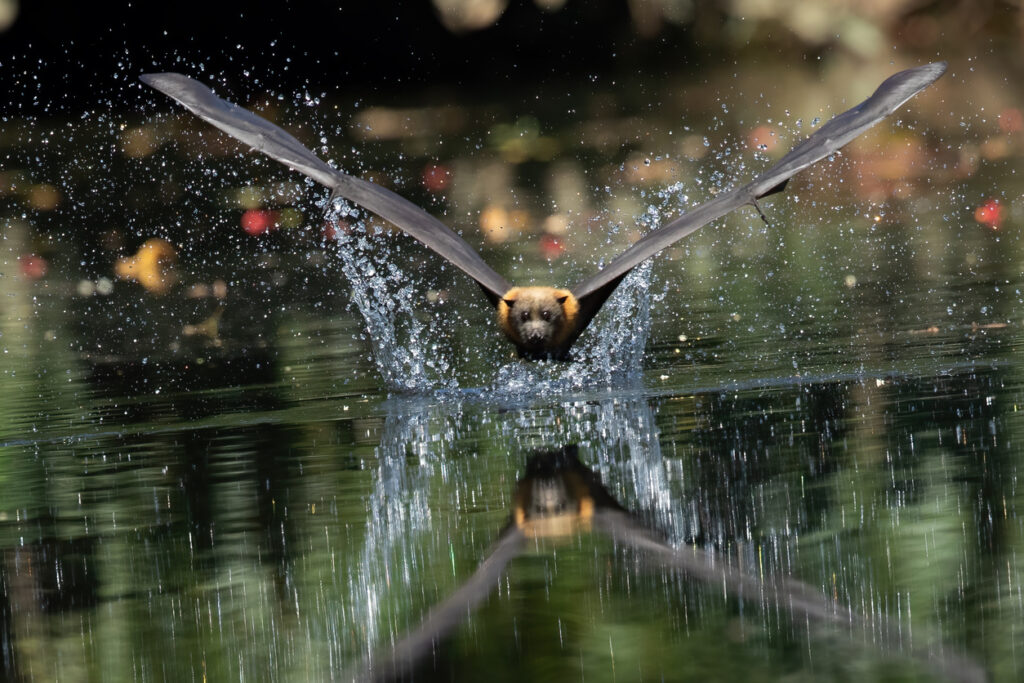
Durian, the famously smelly fruit, owes its existence to flying foxes—giant fruit bats that serve as its primary pollinators. The bats are drawn to the flowers’ strong scent and feast on their nectar while pollinating them in the process. Without the bats, durian trees would struggle to bear fruit. So if you’re someone who weirdly enjoys durian, thank the winged mammals for making it happen (and apologise to anyone within sniffing distance).
12. Calabash tree and bats
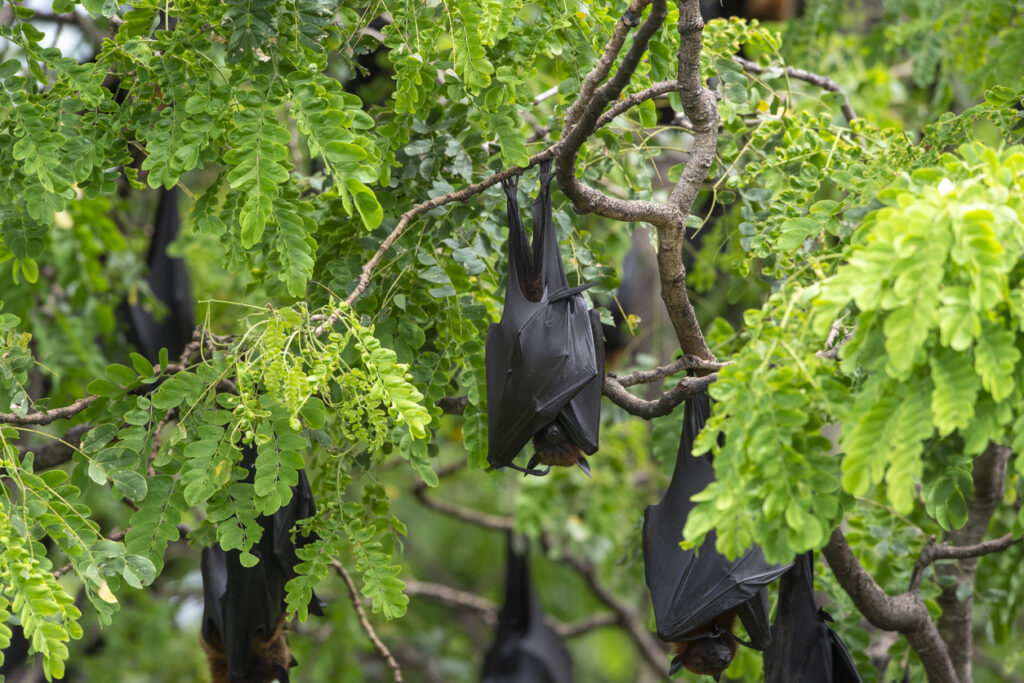
The calabash tree produces heavy, rounded fruits and relies heavily on bats to do its pollination, particularly species that fly at night and feed on its flowers. These bats are perfectly adapted for the task thanks to their long snouts and excellent sense of smell.
The tree’s large, bell-shaped flowers bloom at night, giving bats a perfect landing pad. It’s a brilliant nighttime deal—nectar for the bats, pollination for the tree. Everyone wins (except maybe sleepy insects who missed their window).