Even with all our satellites, sensors, and science, the natural world still manages to surprise us.
There are certain animals that have remained hidden for decades or even centuries. It’s not because they’re extinct or mythical, but because they live so remotely that we barely knew they existed. From deep caves and dense forests to distant islands barely touched by humans, these creatures have thrived in total isolation. These are some of the most isolated animals on Earth, and why we’ve only just started to uncover their strange, secret lives.
The Saola

The saola, found deep in the Annamite Mountains between Laos and Vietnam, is so rarely seen it’s been dubbed the “Asian unicorn.” Despite being discovered in 1992, there have been fewer confirmed sightings of saolas than of some extinct animals. They live in dense forests, avoiding roads, humans, and pretty much anything else that could give away their presence.
Why so hidden? They’re incredibly shy and their mountain habitat is tough to access. Add in how few of them there are, and it’s no wonder we still know shockingly little about how they live, breed, or behave. Some researchers have worked for years without ever spotting one in the wild.
The Aye-aye (Madagascar)
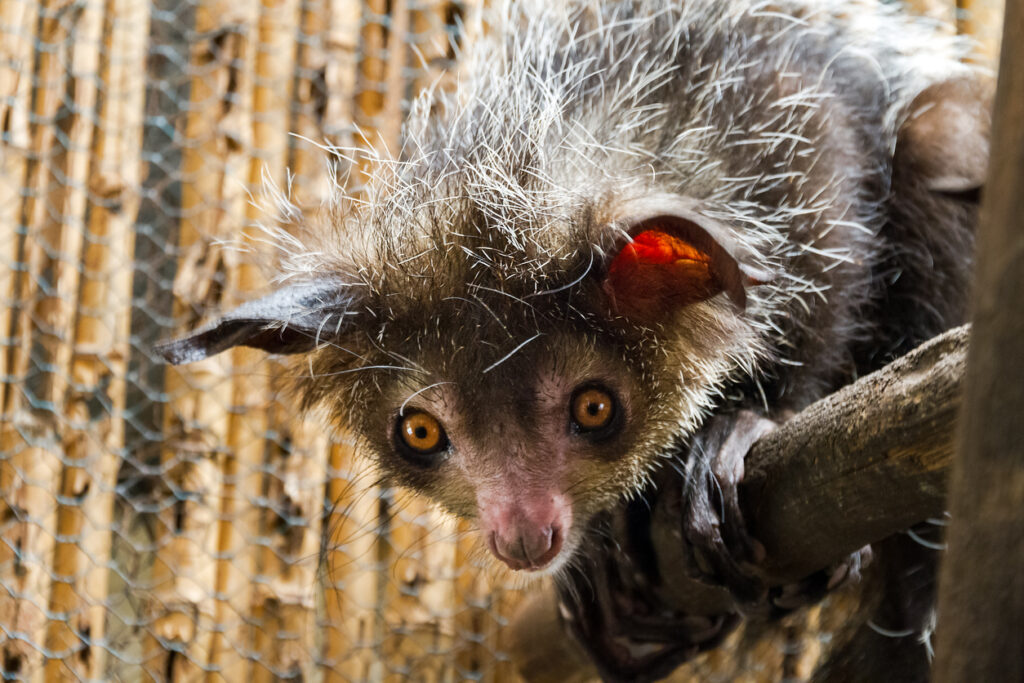
The aye-aye is a nocturnal lemur that lives in the remote rainforests of Madagascar. With big eyes, bat-like ears, and a long skeletal middle finger used for hunting grubs inside trees, it’s unlike anything else on the planet—and it definitely doesn’t come out to make friends.
They’re tough to spot because they’re active only at night and often live in fragmented, shrinking forest patches. Many locals see them as bad luck, which has also led to them being driven further into isolation. Most people wouldn’t even know they exist unless they were looking hard, and at night.
The Giant Palouse Earthworm (USA)
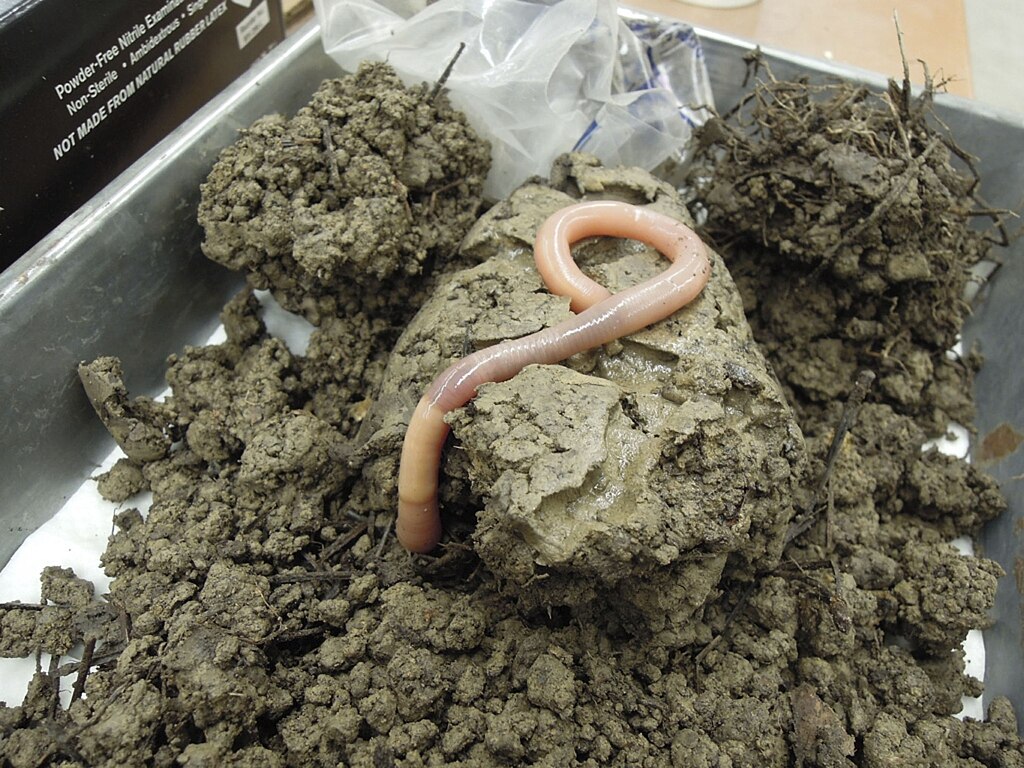
This rare earthworm was once thought to be extinct, and honestly, it sounds made-up. It’s native to the Palouse region of the northwestern US and can grow up to three feet long. Some reports say it smells faintly of lilies when disturbed, which somehow makes it even weirder.
Because it spends nearly its entire life underground and only comes up under specific weather conditions, scientists have struggled to study it. Only a handful of confirmed sightings have happened in the past century. Most of what we know is based on a few lucky digs and educated guesses.
The Pygmy Three-Toed Sloth (Panama)
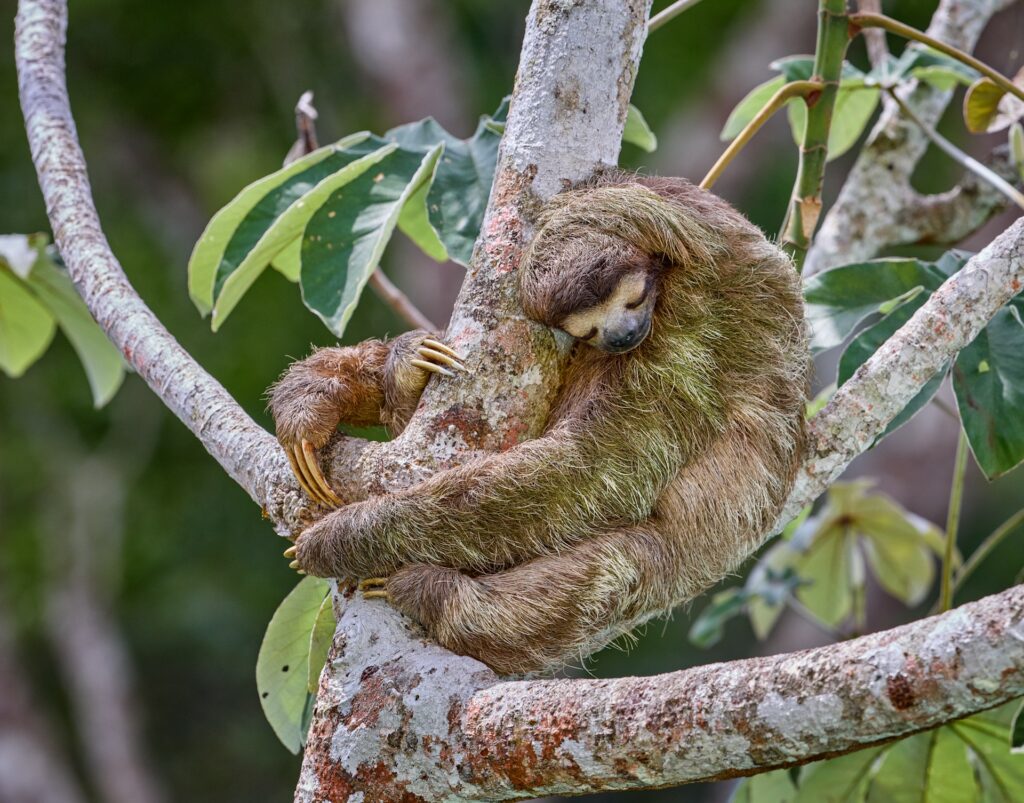
This tiny sloth lives only on a single island off the coast of Panama called Isla Escudo de Veraguas. It’s about half the size of a regular sloth and spends most of its time slowly moving through mangrove trees, far from any human disturbance. Its isolation is extreme—getting to the island requires planning, time, and often cooperation with local people. Because of that, it was only classified as its own species in 2001. Most of what happens in its world goes completely unseen by us.
The Tarsier (Southeast Asia)
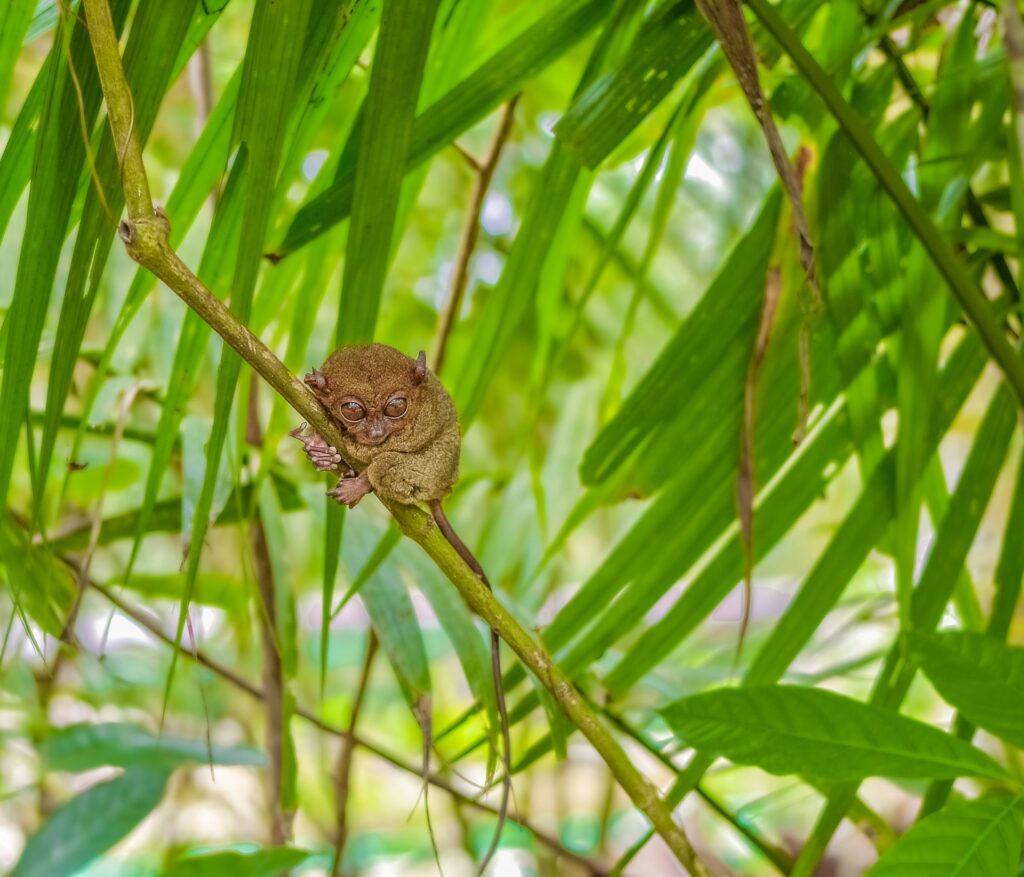
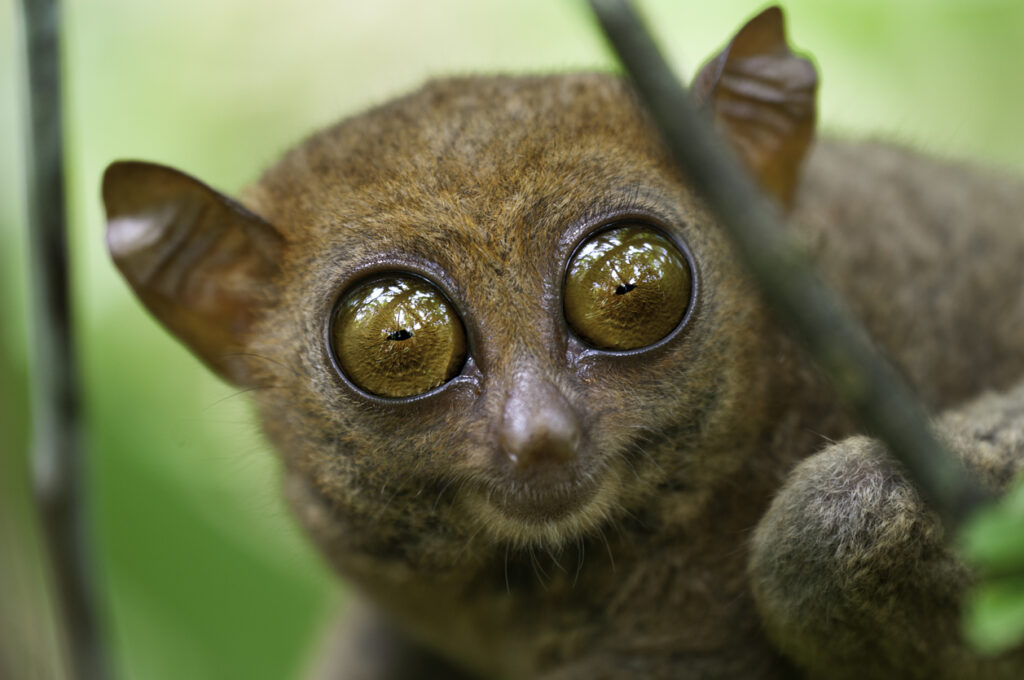
Tarsiers are small primates with giant eyes and a preference for staying as far from humans as possible. Found in parts of the Philippines and Indonesia, they live deep in the forest canopy and move mostly at night. Their huge eyes help them see in the dark, but they don’t help much with staying spotted.
They’re hard to research because they’re tiny, fast, and nocturnal. Add in how quietly they move and how thick their forest homes are, and you’ve got a species that manages to go almost completely unnoticed unless you’re actively hunting for it, with night vision gear.
The Gobi Bear (Mongolia)
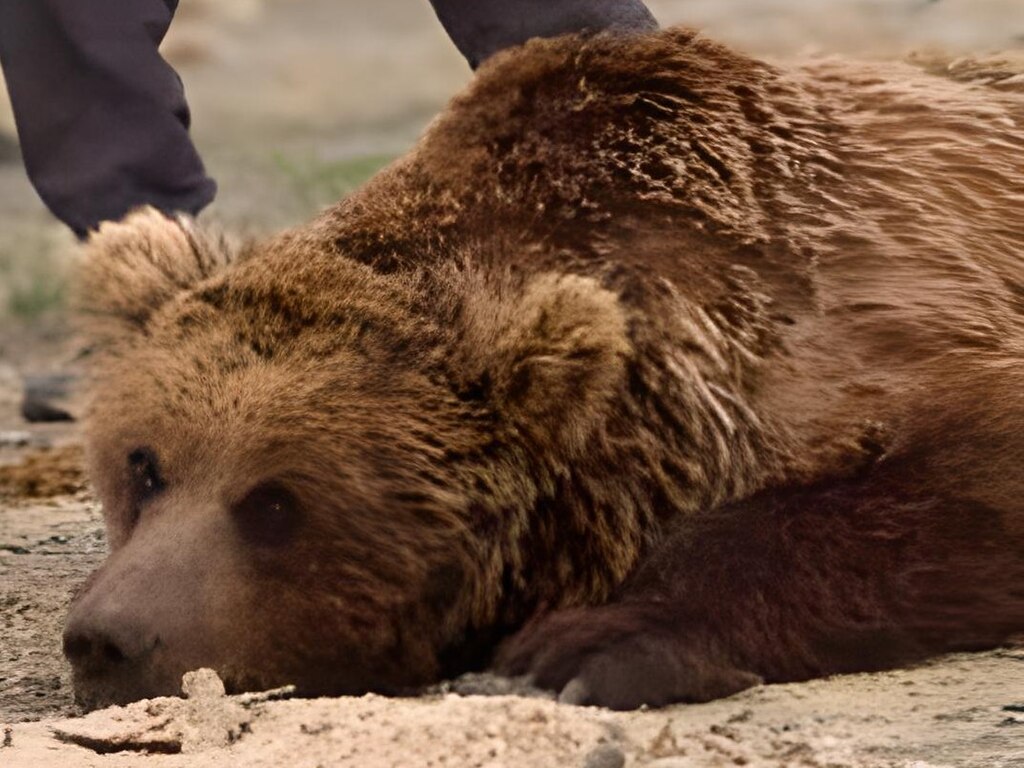
This critically endangered bear lives in the Gobi Desert—one of the harshest, driest regions on the planet. There are believed to be fewer than 40 left, and they’re so elusive that most of what we know comes from camera traps and DNA samples, not direct observation.
They survive by travelling long distances for food and water, and avoid humans by nature and by necessity. Their isolation isn’t just geographic. It’s also due to their near-ghostlike presence. Few scientists have ever seen one in person.
The Kakapo (New Zealand)
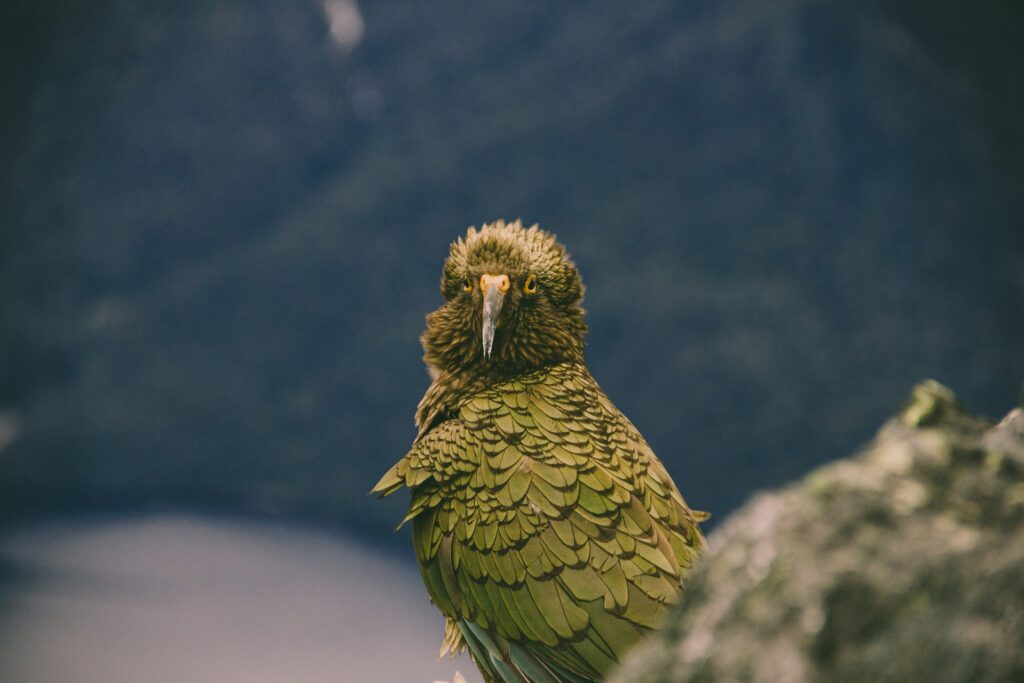
This flightless, nocturnal parrot was once nearly extinct, and still only survives thanks to intense conservation efforts. It lives on a few protected islands where humans aren’t allowed without permission, and even then, contact is limited to avoid stressing the birds.
We missed their behaviour for centuries because they’re so well camouflaged, rarely vocal in the wild, and avoid light. Thanks to tracking technology and dedicated caretakers, we now know a bit more, but they’re still among the most reclusive birds alive today.
The Deep-Sea Dumbo Octopus
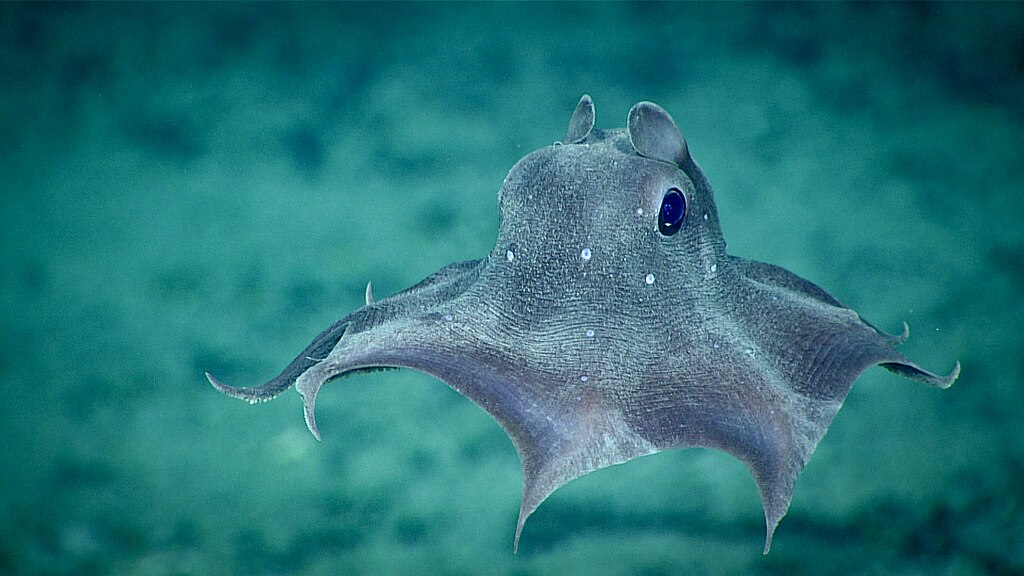
Living between 3,000 and 7,000 meters under the sea, the Dumbo octopus is one of the deepest-dwelling octopus species ever recorded. It’s named for its ear-like fins and moves with a slow, ghostly grace across the ocean floor.
Why don’t we see them more? Because reaching that depth requires high-tech submarines and months of planning. We only started observing them thanks to deep-sea missions in recent decades. Even now, most sightings are caught by chance on remote cameras.
The Ili Pika (China)
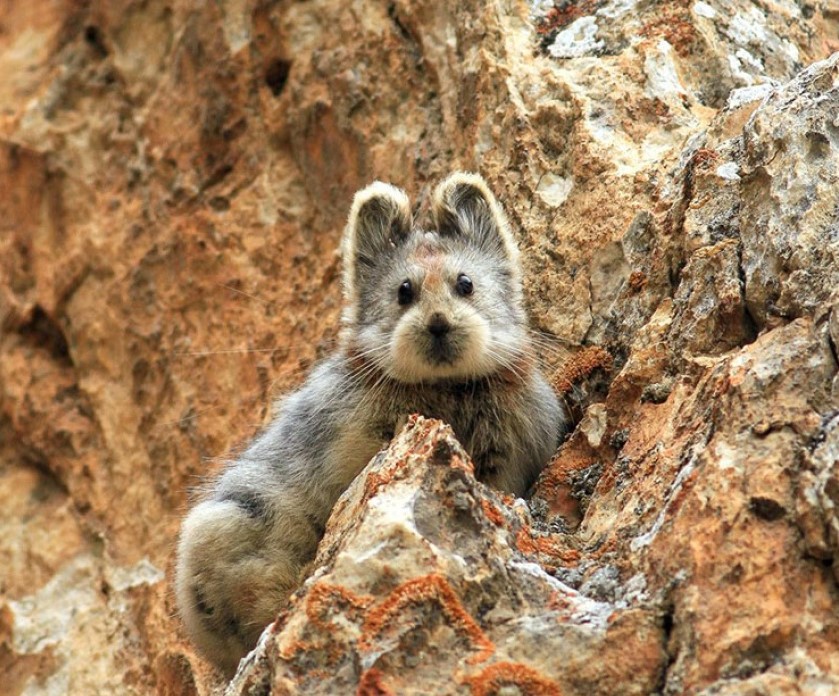
This tiny, rabbit-like mammal lives in the mountains of northwestern China and was only photographed for the second time in 2014, two decades after its initial discovery. It’s so rare that it was once nicknamed the “magic rabbit.”
Its remote mountain habitat, combined with its small size and low population, makes it almost impossible to track. Researchers have spent years trying to find them again, often returning empty-handed. It’s an adorable mystery that still hasn’t been cracked.
The Black-Crested Gibbon (Laos)
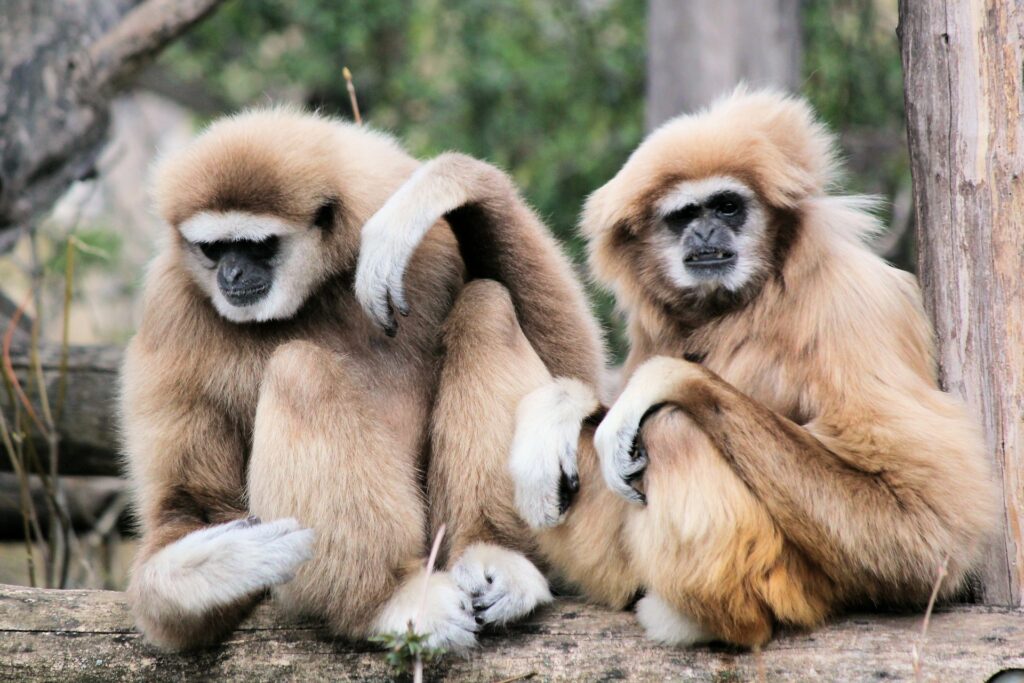
This rare primate lives in the treetops of remote Laotian forests and is almost impossible to spot from the ground. Their calls travel for miles, but they themselves are extremely shy and usually live in hard-to-reach regions.
Much of what we know about them has come from audio recordings and brief glimpses caught by researchers. Their isolation has helped them avoid hunters and deforestation, at least for now, but it also means they’re tricky to study in-depth.
The Giant Tube Worm (Pacific Ocean)
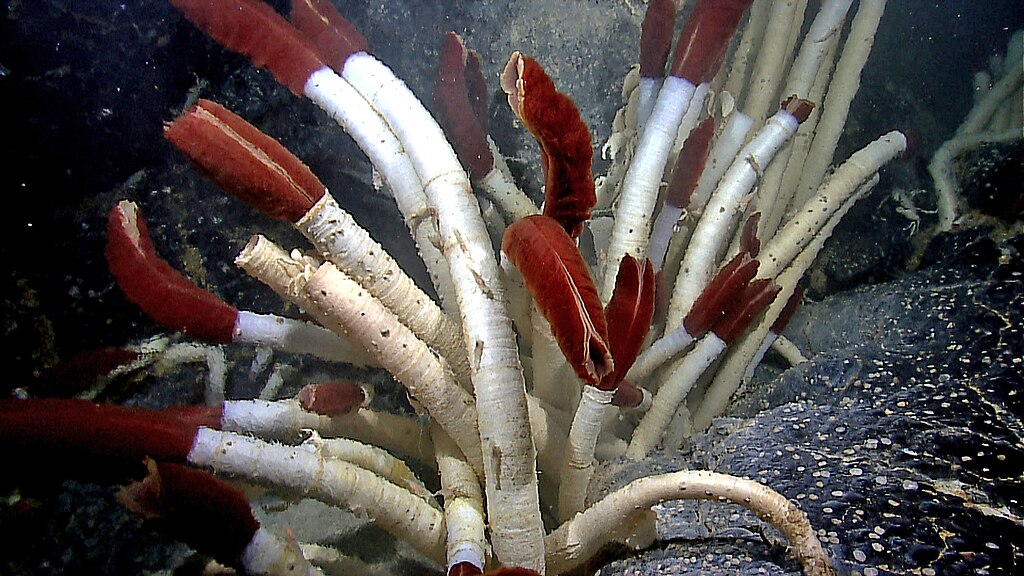
These bizarre creatures live near hydrothermal vents on the ocean floor, thousands of meters below the surface. They were only discovered in the 1970s, during a deep-sea expedition that stumbled on an entire ecosystem we didn’t even know existed.
Giant tube worms thrive in conditions that would kill most animals—no sunlight, extreme pressure, and heat from underwater volcanic activity. Their isolation isn’t just geographical, it’s biological. They live in a world humans only began to explore in the last 50 years.