
Imagine stepping out of your front door and immediately breathing in fresh air, even in the middle of a concrete-heavy city. High-rise forests, also known as vertical forests, are turning that into reality. These leafy buildings aren’t just a green gimmick—they’re starting to reshape how cities function and feel. From cleaner air to calmer minds, here’s how they’re changing the urban experience in ways that matter more than you’d think.
They clean the air and filter pollution.
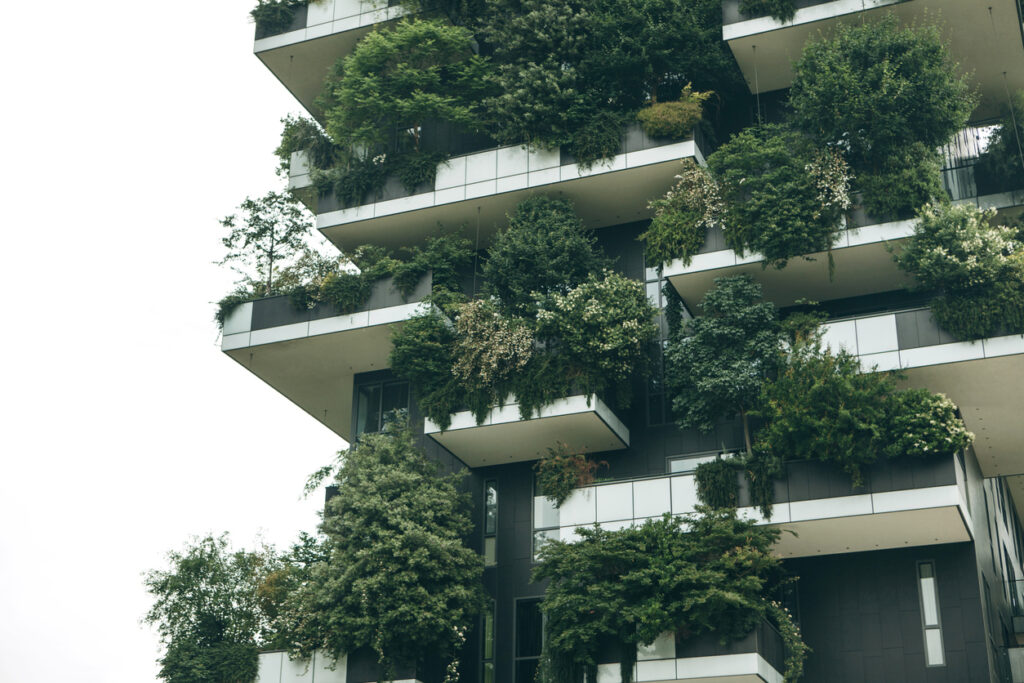
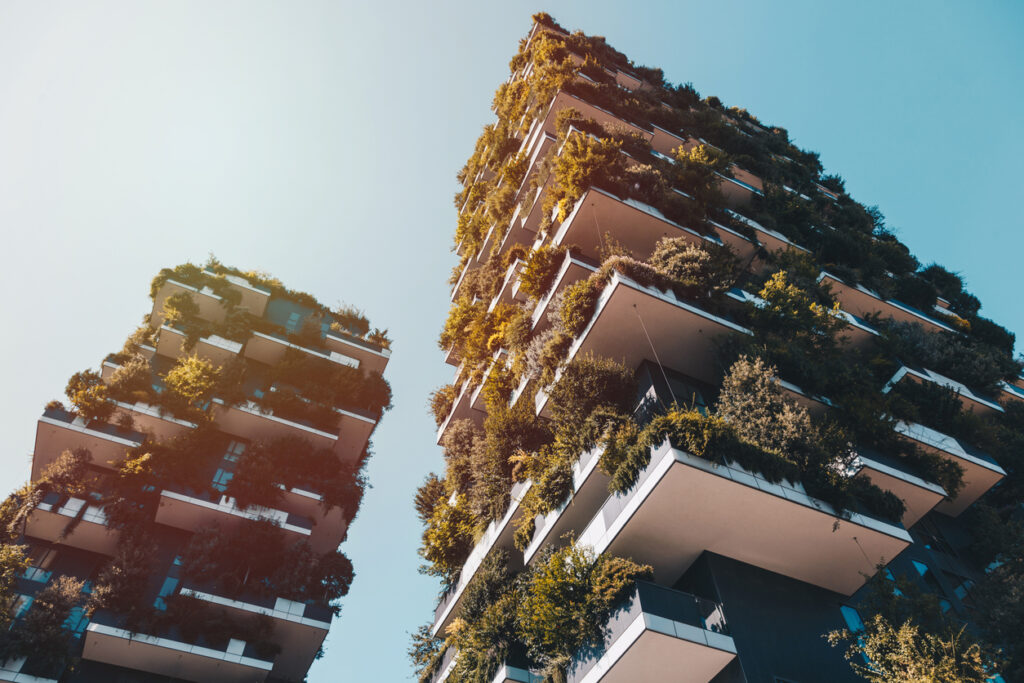
Vertical forests are essentially air filters in architectural form. Their trees and plants help absorb carbon dioxide, trap particulate matter, and release clean oxygen back into the environment. In places like Milan, buildings like Bosco Verticale remove tens of thousands of kilos of CO₂ every year just by existing.
This kind of passive environmental support makes a big difference in cities choked by traffic fumes and industrial emissions. It’s not just good for the planet—it’s good for your lungs, too. Residents near these buildings often notice the air smells fresher and feels less heavy.
They cool cities down naturally.
Concrete and glass buildings absorb heat all day and radiate it long into the night, creating “urban heat islands” that make city living sweaty and miserable. Vertical greenery helps cool things down by shading surfaces and releasing moisture through a process called evapotranspiration.
Even a few green walls can noticeably lower temperatures in surrounding areas. This makes for a more liveable city during heatwaves and reduces the need for constant air conditioning, which also lowers energy use. Nature’s version of urban aircon is surprisingly effective.
They make room for wildlife.
Vertical forests create mini ecosystems that support birds, insects, and even small mammals. What used to be a flat wall of windows now becomes a vertical park, and wildlife quickly takes notice. Some projects have seen hundreds of animal species return to previously barren zones.
This boosts local biodiversity and reminds people that cities don’t have to be wildlife deserts. A sparrow nesting on your 15th-floor balcony? That’s not just charming—it’s progress.
They reduce energy costs.
Greenery acts as insulation. In the summer, it helps keep buildings cooler, and in winter, it traps warmth. This means less strain on heating and cooling systems, which translates into lower energy bills for residents and reduced emissions overall. It’s one of those changes that feels small at first but adds up over time. You might not notice the savings day-to-day, but your future energy bill—and the planet—will thank you.
They improve indoor air quality.
Having plants right outside your window isn’t just good for the view—it’s great for your air. Leaves trap dust and pollutants before they even make it inside. They also regulate humidity, which can help prevent dry air that irritates lungs and skin. So even if you’re 40 stories up, the benefits of greenery come right to your doorstep. It’s a subtle change that supports health in a way that’s easy to take for granted—until you notice the difference.
They reduce noise levels.
Traffic, sirens, shouting—cities are loud. However, leaves, branches, and soil help absorb and dampen sound. High-rise forests act like natural soundproofing, softening the constant urban buzz. This makes homes quieter and more peaceful, especially in busy downtown areas. It’s a subtle change, but it adds up when you’re trying to get a good night’s sleep or enjoy a relaxed morning coffee.
They improve mental health.
Just being around plants can reduce stress levels. It’s called biophilic design—the idea that people naturally feel better when they’re connected to nature. Green buildings lower anxiety, improve focus, and even help with recovery in healthcare settings. Living in a building that doubles as a forest might sound like a luxury, but the emotional benefits are real. It’s a daily reminder that you’re part of something living, even in the most concrete of environments.
They create a stronger sense of community.
Balconies filled with plants invite people outside. Some high-rise forest buildings include communal gardening spaces, where neighbours can chat while tending to herbs or watching the bees. It’s the kind of thing that makes a city feel more human. Instead of isolating people in high towers, vertical forests can actually bring them together. Green space isn’t just good for the planet—it’s good for social lives too.
They inspire better city design.
Once people see what vertical forests can do, it changes how they think about cities. These buildings show that dense urban living doesn’t have to be bleak—it can be leafy, bright, and hopeful. That inspiration spreads. Other architects, planners, and city officials start to take notes and make changes. The more people see it working, the more likely it is to catch on in other cities across the globe.
They push for sustainable innovation.
Vertical forests are built with clever infrastructure behind the scenes. Recycled water systems, solar panels, and smart irrigation tech make sure the plants stay healthy with minimal environmental impact. They show how modern cities can combine nature and technology in ways that don’t feel forced. It’s smart design that respects both people and the planet.
They brighten up grey spaces.
There’s something undeniably refreshing about a tower bursting with green in the middle of a grey skyline. High-rise forests are visually uplifting. They break up monotony and turn ordinary streets into places people want to photograph and explore. Design matters, especially in places where people spend most of their lives. And these buildings prove that functionality and beauty don’t have to be separate goals.
They show cities don’t need to sprawl to grow.
Vertical forests are a smart solution to a growing problem: how do you fit more people into cities without losing green space? The answer isn’t to spread out—it’s to build up, with nature in mind. These projects demonstrate how greenery can be part of the solution, not just a nice-to-have. And as more cities grow upwards, this kind of design could be the key to keeping urban life bearable, and beautiful.