Dinosaurs might be long gone, but scientists are still learning a lot from their bones—and not just about evolution or extinction.
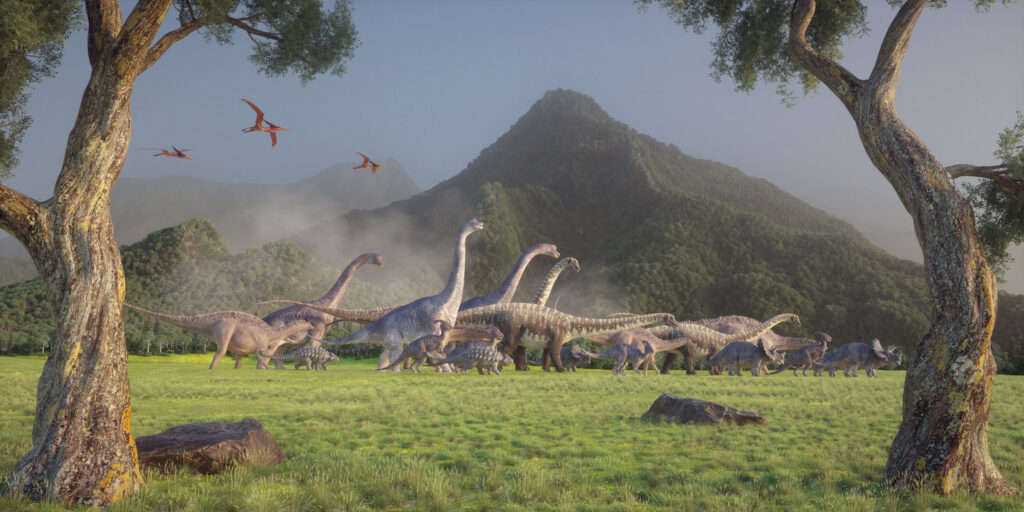
Turns out, the remains of these ancient creatures could help us better understand cancer. That might sound strange, but researchers are finding that the clues locked inside fossilised bones could change how we approach the disease in humans today. Here’s how the study of dinosaurs might just open unexpected doors in cancer research.
1. Some dinosaurs had tumours too.
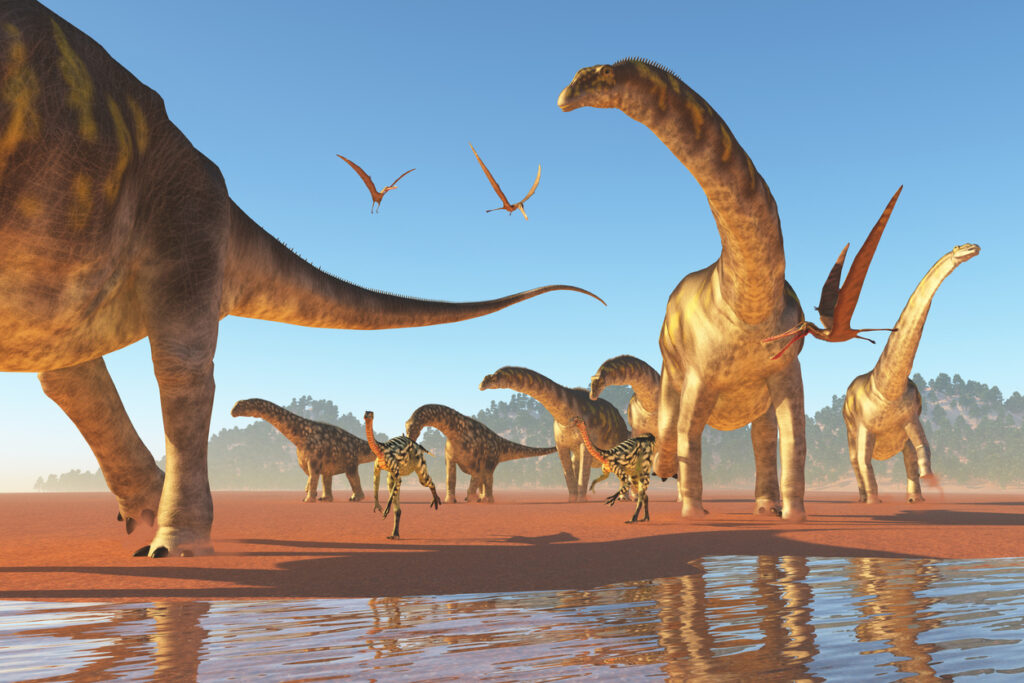
Fossilised bones have revealed evidence of tumours in several dinosaur species. These weren’t random growths—they showed signs of complex diseases, including cancer-like conditions. That alone tells us something big: cancer isn’t new. Understanding how these tumours formed millions of years ago helps scientists study the origins of cancer. The more we know about its long-term existence, the better we might understand how it works in modern humans.
2. Their massive size raises interesting questions.
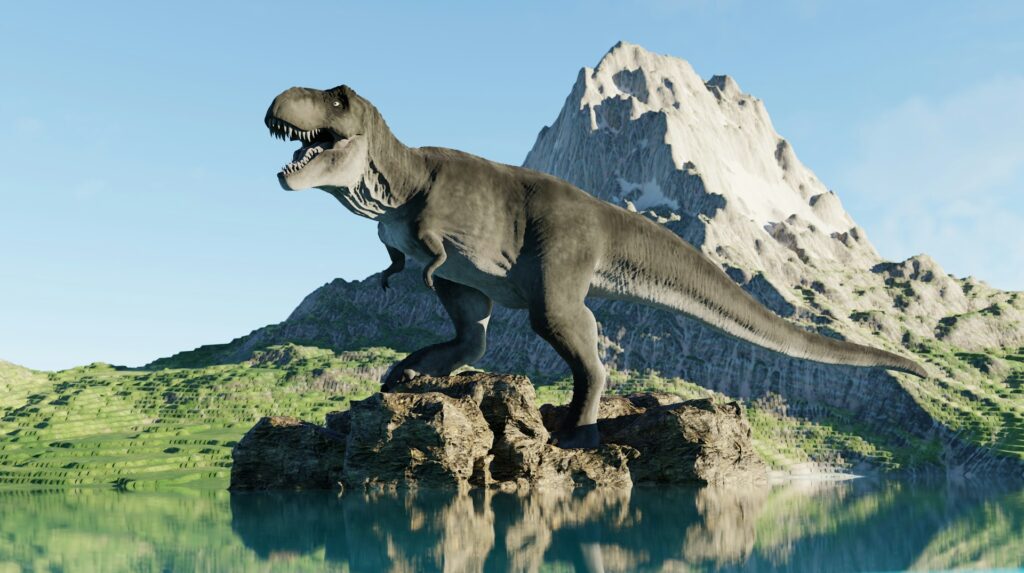
Dinosaurs were huge—some weighed over 50 tonnes. Logically, that should’ve meant more cells, and with it, a higher risk of cancer. But researchers suspect they had biological defences that helped keep cancer at bay. This is where it gets exciting. If we can figure out how large animals like dinosaurs managed their cancer risk despite their size, we might uncover ways to strengthen our own resistance to the disease.
3. Fossils show how cancer behaved over time.
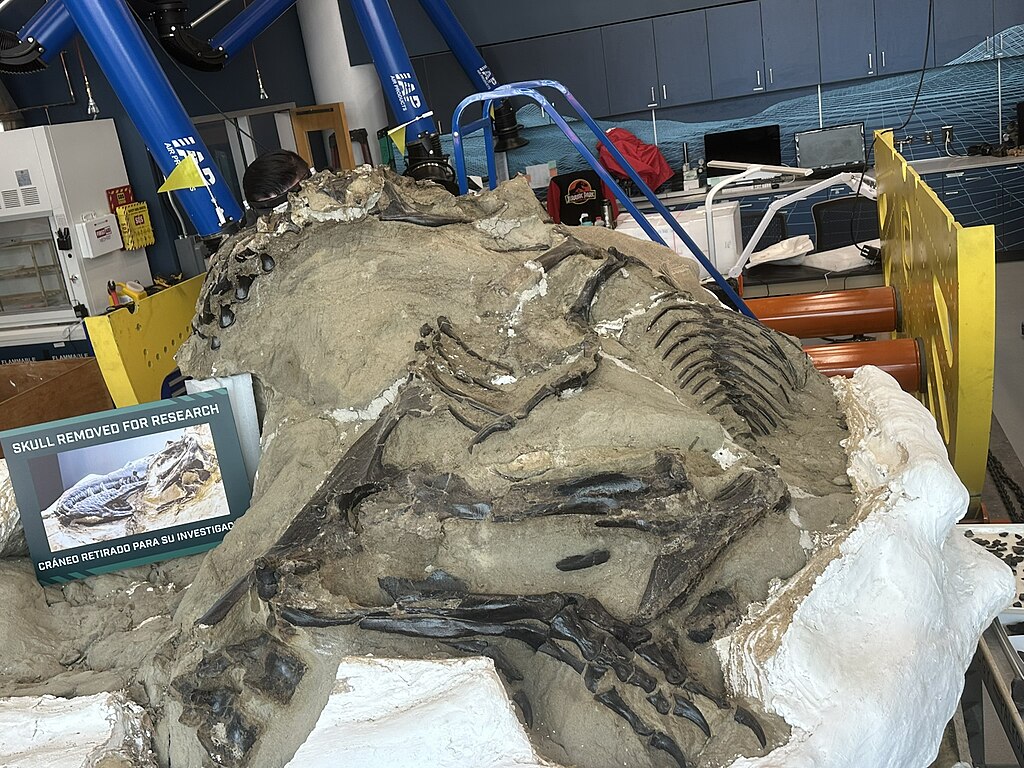
By comparing fossilised tumours to modern ones, scientists can track how cancer has changed—or how it hasn’t. That long timeline offers a unique look at which types of cancer are ancient and which are tied to modern lifestyles. If some cancers barely changed over millions of years, that might point to deep genetic factors. Others may have only become common recently, which could suggest environmental or lifestyle triggers we can actually do something about.
4. Bone cancer leaves clear signs behind.
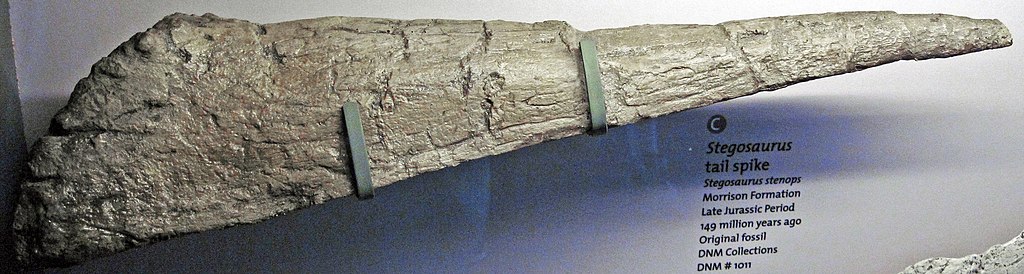
Soft tissue rarely survives the fossilisation process, but bones do—and bone cancer leaves marks that can still be studied. That makes dinosaurs perfect candidates for long-term cancer analysis. CT scans of dinosaur fossils have already revealed lesions and growths that match the patterns of osteosarcoma, a type of bone cancer still seen in people today. These connections give researchers something solid to work with—literally.
5. Evolutionary biology could reveal hidden defences.
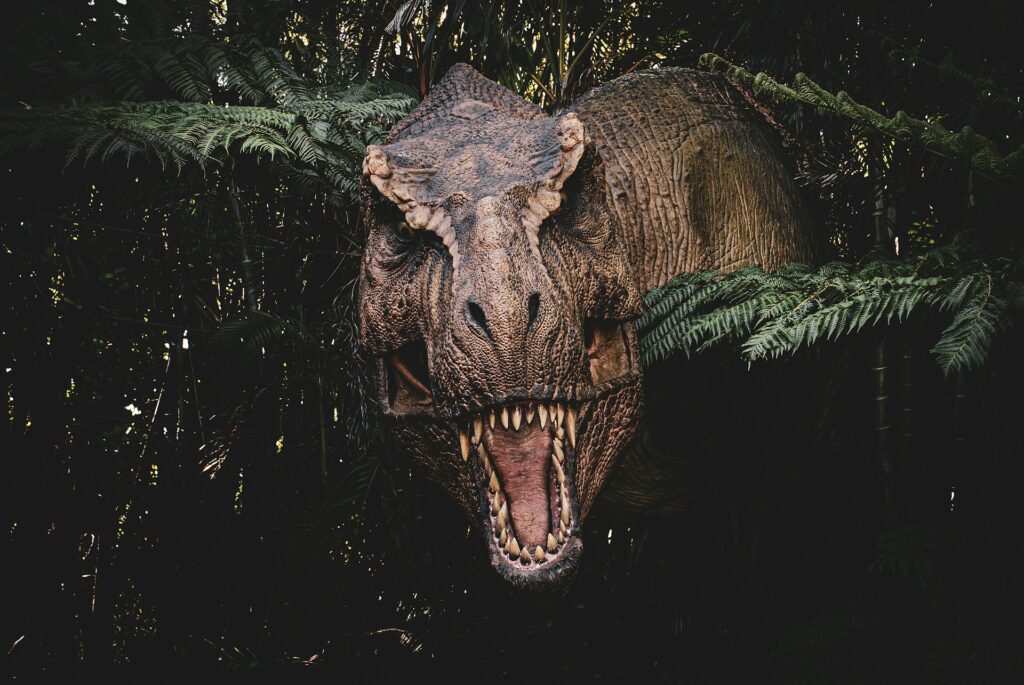
Scientists believe certain species developed built-in cancer resistance over time, especially those that lived long or grew large. Looking at how dinosaurs adapted could help us spot evolutionary patterns worth mimicking. If we can isolate traits that helped ancient animals suppress tumours, it could lead to new genetic approaches in cancer prevention. Basically, evolution may have figured out some solutions—we just haven’t decoded them all yet.
6. Studying them gives us a long-term view of disease.
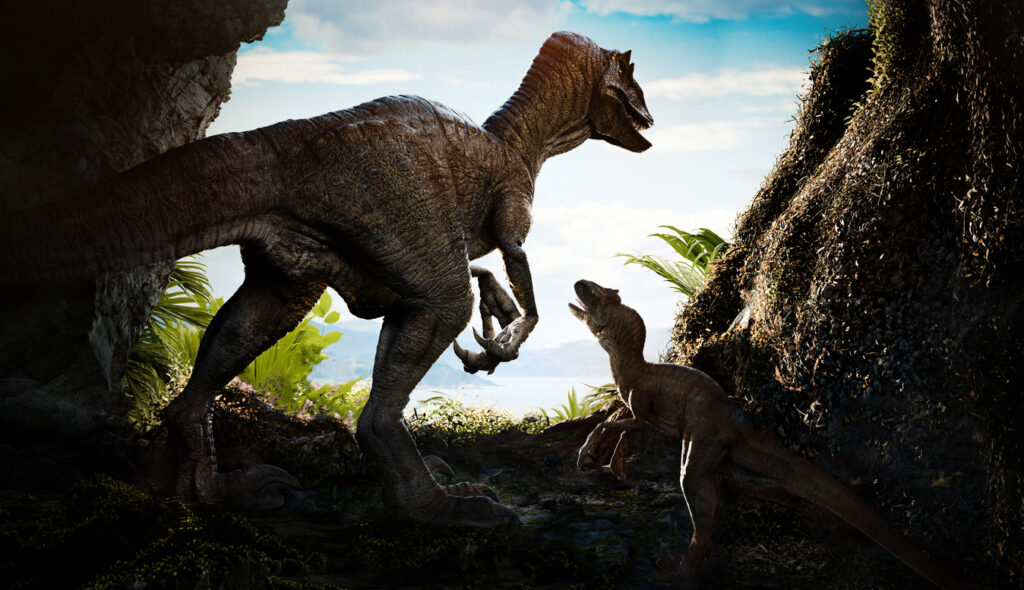
Most medical research looks at decades, maybe centuries, of disease history. Dinosaurs offer a view that spans tens of millions of years. That kind of scale can highlight patterns we’d miss in shorter studies. It’s like zooming way out to see the bigger picture—what cancer looked like before pollution, processed food, or radiation. That perspective could help separate human-driven causes from natural, unavoidable ones.
7. Dinosaur DNA remnants could hold clues.
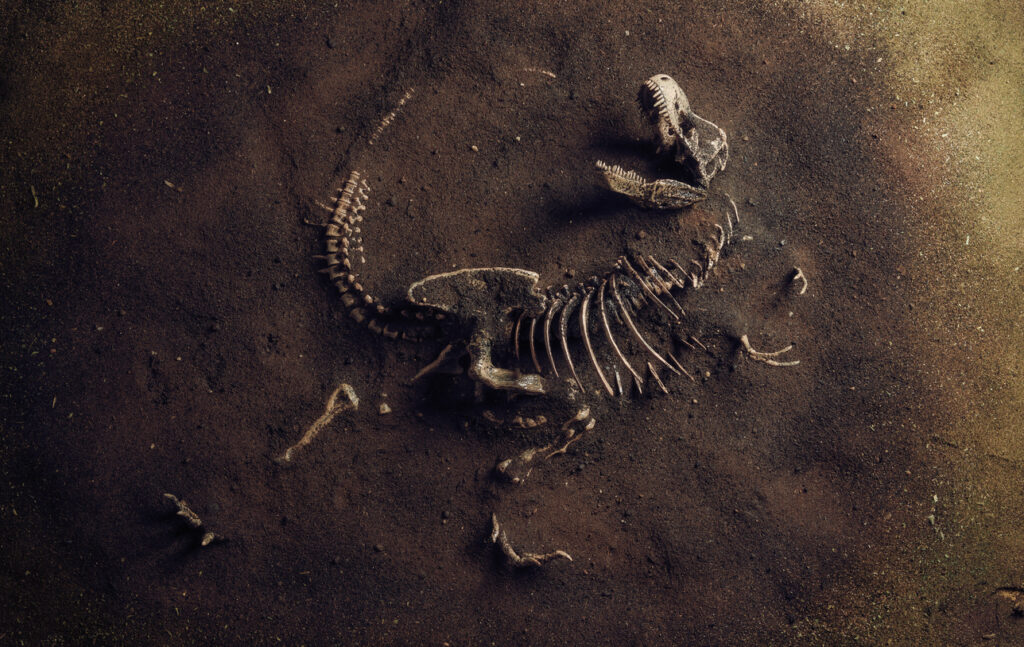
We don’t have full dinosaur DNA, but fragments and proteins have been found in fossils. These ancient biological traces might contain hints about how their cells handled damage, mutation, or repair. If we can understand how dinosaur cells managed genetic stress, we might uncover new ways to prevent mutations in our own bodies—mutations that often lead to cancer.
8. They’re helping us study Peto’s paradox.
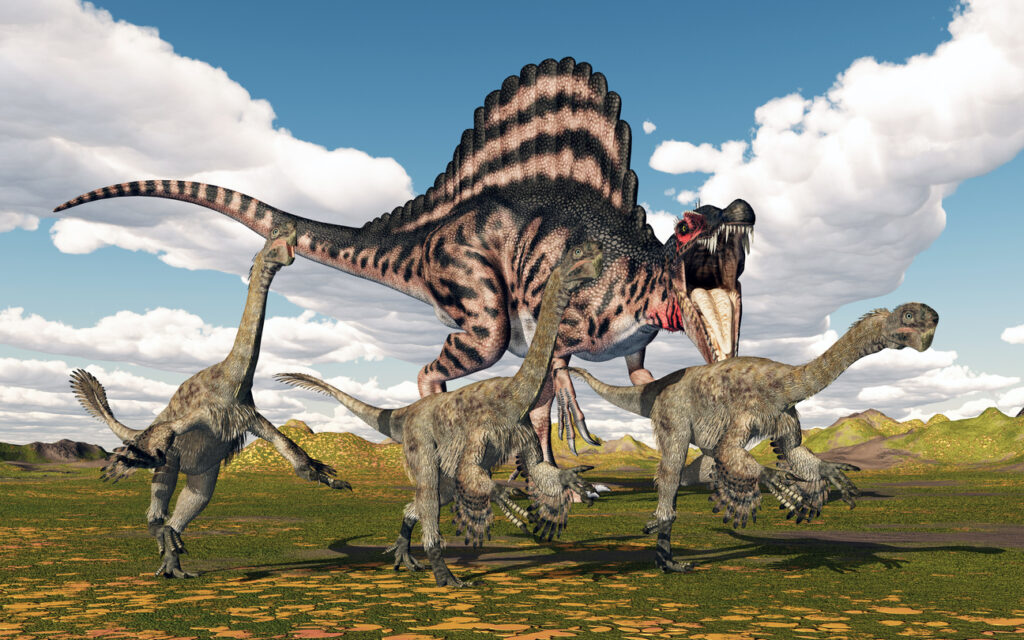
Peto’s paradox asks why large animals like elephants (or dinosaurs) don’t get cancer more often, even though they have way more cells. Dinosaurs are now part of that mystery—and studying them could help crack it. Solving Peto’s paradox could lead to major breakthroughs in cancer prevention. If we learn how nature protects big animals, we might be able to apply that logic to human biology.
9. Modern tools can analyse ancient cells.
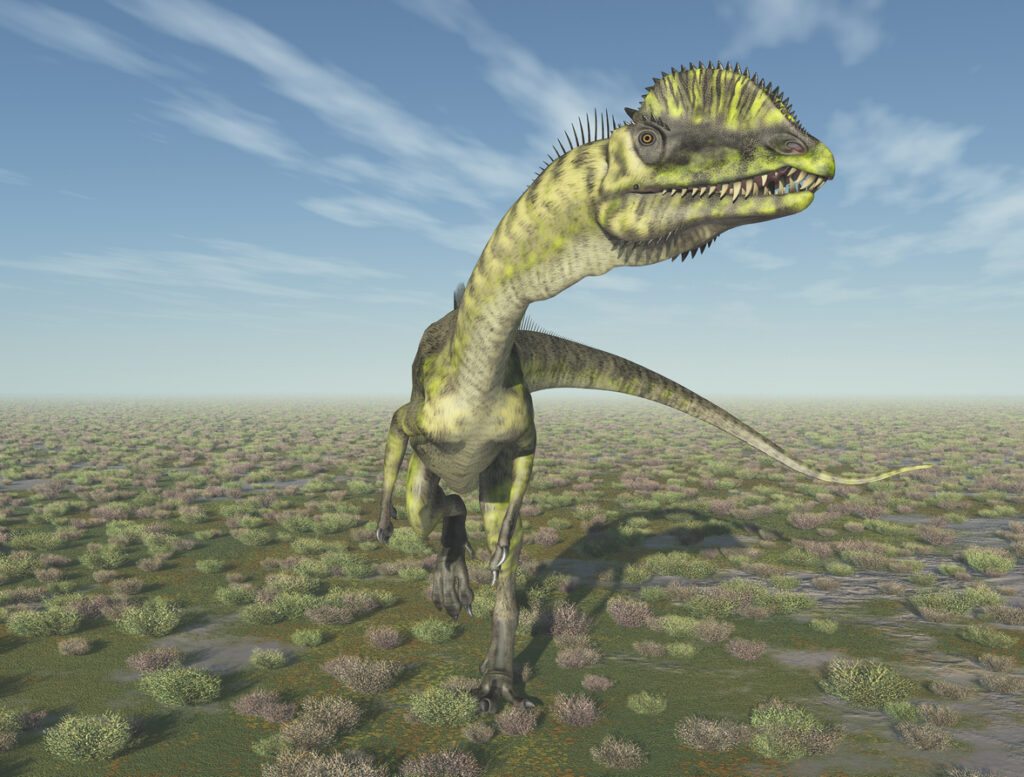
Thanks to tech like high-resolution CT scans and chemical mapping, scientists can now study fossilised tissues in microscopic detail. That means we’re no longer just guessing—we’re observing. This allows researchers to identify growth patterns, chemical signatures, and possible immune responses in ancient bones. It’s a whole new way of understanding how ancient bodies reacted to disease.
10. It reminds us cancer isn’t just a “modern” disease.
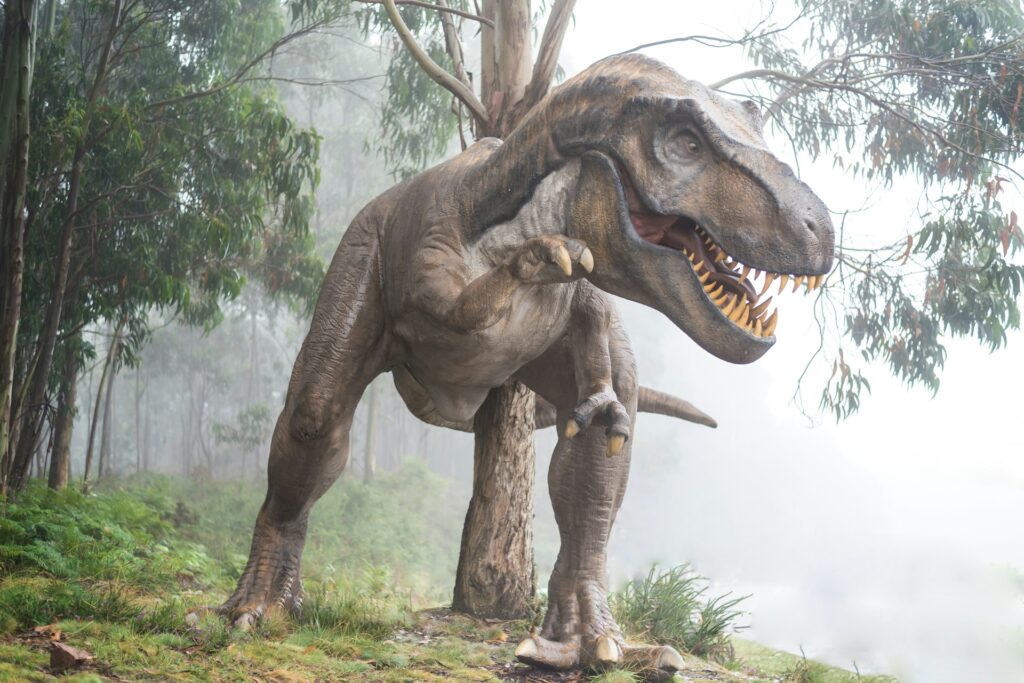
People often think of cancer as a product of modern life—and while some types are linked to environment and diet, cancer itself has always been around. Dinosaurs prove that. That realisation shifts how we think about the disease. It’s not just a modern plague—it’s part of biology. And that might lead to more grounded, wide-angled approaches to how we treat and prevent it today.