From biodegradable circuits to algae-powered energy, plants are slowly but surely stepping into the spotlight.
One thing is clear: we can’t keep going the way we have been if we want to save the planet. That means we need to come up with alternative materials and methods to make life a bit more planet-friendly. As sustainability becomes a bigger priority, here’s a look at the plant-based tech that could become completely normal within the next decade.
1. Mushroom-based packaging

Polystyrene’s days are numbered, and mushrooms are taking its place. Mycelium, the root system of fungi, can be grown into shapes to create sturdy, shock-absorbent, and totally compostable packaging. It’s already being tested as a replacement for foam and plastic fillers in everything from furniture to electronics.
In the next 10 years, it’s easy to imagine receiving your next laptop or speaker in a box lined with mushroom material instead of plastic. It decomposes naturally, doesn’t leave behind microplastics, and can even be grown locally with agricultural waste. Basically, it’s future packaging that doesn’t cost the planet.
2. Algae-powered batteries

Algae might not look like much, but it’s being explored as a clean energy source, especially in battery development. Some prototypes have already shown that algae can generate small amounts of electricity through photosynthesis, which could one day power low-energy devices.
While it won’t be charging your phone just yet, researchers are refining how algae can be used in portable solar cells, wearables, or off-grid tech. If they crack the efficiency issue, algae-based batteries could become a greener option for smart devices that don’t need much juice.
3. Corn and sugarcane electronics

Bioplastics made from corn, sugarcane, or other crops are starting to replace petroleum-based plastics in things like phone casings and circuit boards. These materials can mimic the properties of plastic while being far more biodegradable.
Some companies are already experimenting with bioplastic components in consumer electronics. Over the next decade, you might own gadgets where entire parts, like the shell or inner wiring structure, are derived from crops instead of oil. It’s tech that returns to the soil rather than lingering for centuries.
4. Plant-based leather for tech accessories

Vegan leather made from apples, pineapples, cacti, or even mushrooms is moving into the mainstream. What started as a fashion experiment is now being adapted for laptop sleeves, phone cases, and wearable straps, no cows involved.
This plant-based leather is often just as durable and stylish as the real thing, but with a fraction of the environmental impact. Expect to see a rise in accessories that don’t just look good—they also come with a much lower carbon footprint and way less water use.
5. Biodegradable phone cases and earbuds

Phone cases and wireless earbuds are some of the worst offenders for plastic waste. But plant-based alternatives made from flax, wheat straw, bamboo fibres, or other natural materials are starting to appear on the market, and they’re getting better each year.
In 10 years, you might buy tech accessories that biodegrade when composted or dissolve in water without leaving behind toxins. The goal isn’t just sustainability—it’s making throwaway products that can return safely to the earth instead of cluttering up landfills.
6. Transparent wood for screens and windows

It sounds like something out of a sci-fi film, but researchers have developed ways to make wood transparent by removing a component called lignin. The result? A strong, biodegradable alternative to glass and plastic that lets in light while offering insulation.
This could be used for screens, phone displays, solar panels, or energy-efficient windows. If perfected, transparent wood might become a go-to material in both tech and construction, combining sustainability with performance in a way we’ve never really seen before.
7. Hemp-based concrete and insulation
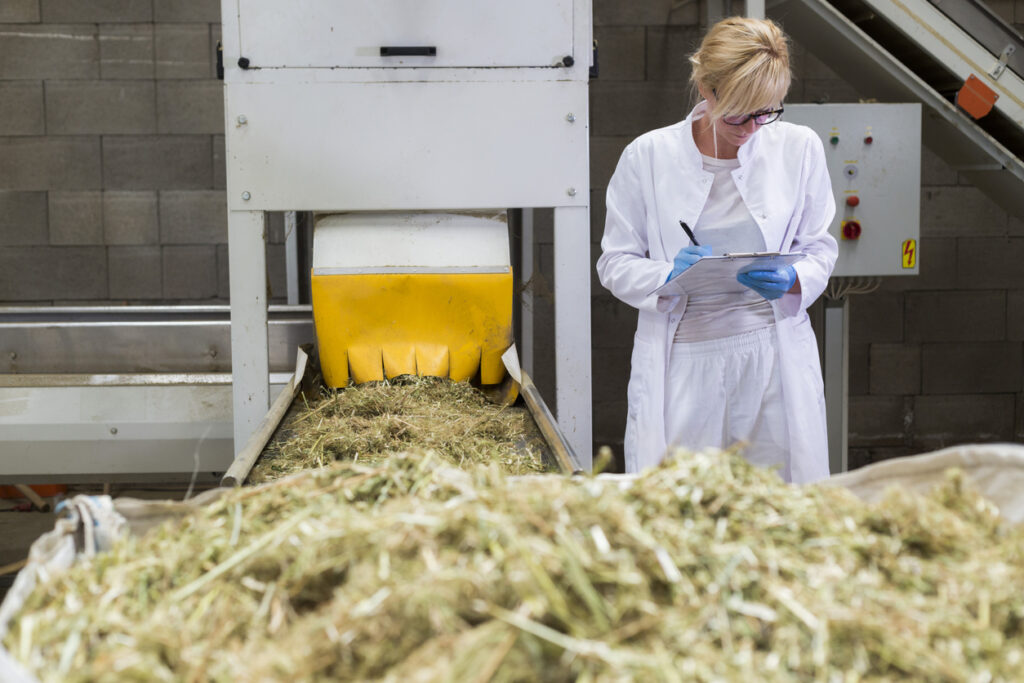
Hemp isn’t just for clothing—it’s also being used to make a lightweight concrete alternative known as hempcrete. This plant-based building material stores carbon, regulates humidity, and is fire- and pest-resistant. It’s starting to be used in sustainable housing projects across Europe and beyond.
Over the next decade, it could become a standard in green construction, especially in eco-tech homes designed for off-grid or passive energy living. Imagine smart houses built with plant-based walls that are both insulating and low-impact—that’s where hemp is heading.
8. Bio-inks for printing circuits

3D printing is growing fast, and bio-inks made from cellulose or other plant polymers are now being used to print electronics. These inks can create flexible, biodegradable circuit boards and sensors, making the whole product greener from the inside out.
This kind of printing could lead to disposable tech, like medical sensors or environmental monitors, that naturally break down instead of adding to e-waste. It’s a quieter revolution, but one that could dramatically change how we build and discard tech.
9. Plant-based water filtration systems

Plant fibres like coconut husks, banana peels, and even tree bark are being turned into surprisingly effective water filters. They remove bacteria, heavy metals, and microplastics, all without the need for chemical treatments or complex hardware.
In 10 years, rural or developing areas might rely on these filters as a low-cost way to access clean water. And in cities, plant-powered filtration could work inside smart homes, too—built right into taps or showers, using natural materials to clean up what comes through the pipes.
10. Algae-based plastics for 3D printing
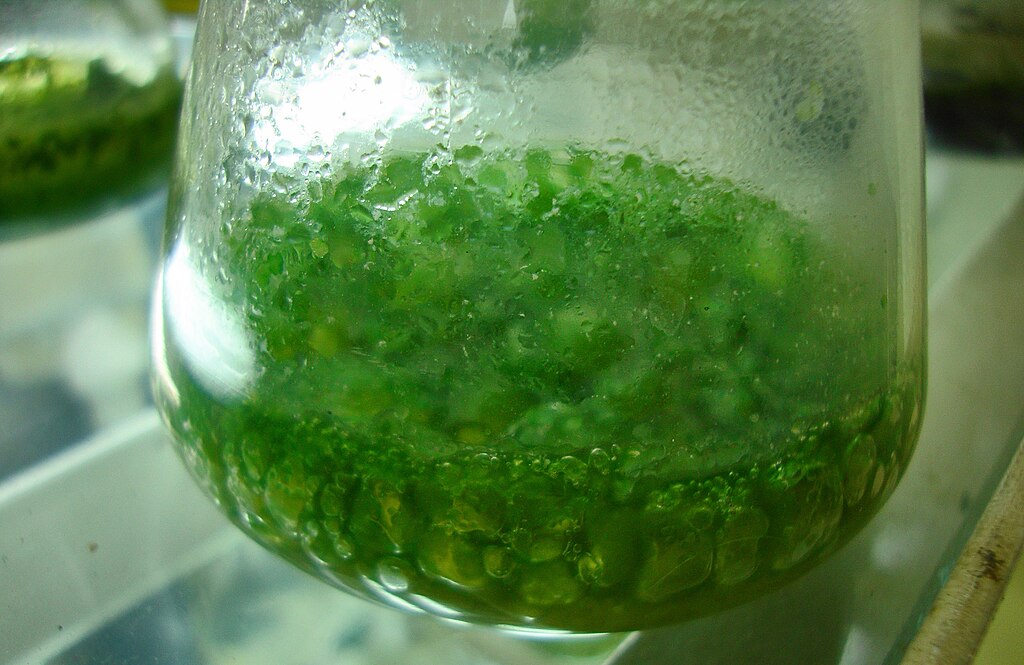
Algae isn’t just useful for power—it’s also showing up in plastic alternatives. Algae-based resins are now being tested in 3D printing, where they can offer flexibility, strength, and biodegradability in one package.
As 3D printing becomes more common in manufacturing and at-home creativity, these plant-based materials could reduce reliance on petroleum plastics. Whether you’re printing tools, parts, or art, you might one day be working with algae and not even realise it.
11. Smart fabrics made with plant fibres

Wearable tech is getting an eco-upgrade. Smart fabrics are being made with fibres like flax, cotton, and hemp—woven with conductive threads or printed with plant-based polymers that can track movement, temperature, or heart rate.
This means the next generation of fitness trackers or medical wearables could be soft, washable, and fully compostable. Instead of plastic-heavy straps and bulky monitors, we could have t-shirts that track your vitals and biodegrade when you’re done with them.
12. Bioluminescent plants for ambient lighting

One of the most futuristic ideas out there is using glowing plants as light sources. By genetically tweaking certain plant species with genes from bioluminescent organisms, scientists have created plants that emit soft light naturally, no bulbs or electricity required.
We’re not there yet, but the tech is progressing fast. In 10 years, public spaces, indoor gardens, or even your home might be lit with glowing greenery instead of LEDs. It’s sustainable, low-energy, and undeniably cool—lighting, reimagined by nature itself.