We tend to think of birds as peaceful background characters, but rising noise pollution is changing that.

From motorways to suburban streets, the constant rumble of traffic is doing more than drowning out birdsong—it’s making birds act differently. Here are just some of the ways our cars, construction work, speakerphone conversations, and general living noise is causing a problem for our winged friends.
1. Noise drowns out their communication.

Birds rely heavily on vocal communication—for mating, territory, warnings, and coordination. However, traffic noise, especially low-frequency hums from cars and lorries, overlaps with the frequencies birds use to talk to each other. When they can’t be heard, they get frustrated.
Imagine trying to have a serious conversation next to a construction site. You’d raise your voice, repeat yourself, and probably get annoyed fast. Birds do the same—only instead of just shouting, many species respond with more aggressive behaviour to defend space or attract a mate.
2. Louder birds are seen as more dominant.

In noisy areas, birds that can sing louder or at higher pitches are more likely to be noticed. This changes the social dynamics. Quieter birds get pushed aside, and the ones that adapt to the volume get more territory and attention.
That creates a new kind of pressure—if you’re not loud enough, you lose out. This competitive environment pushes some birds to become more confrontational just to survive. Noise pollution doesn’t just affect hearing—it messes with the pecking order entirely.
3. Traffic noise increases stress levels.

Living near constant road noise isn’t just annoying—it actually raises cortisol levels in birds. That’s the same stress hormone we experience when we’re overwhelmed or anxious. And just like in humans, chronic stress in birds can lead to irritability and aggression.
When birds feel under threat and overstimulated, their instinct is to defend harder. So a territory dispute that might’ve been a short skirmish becomes a full-on fight. Stress turns everything up a notch, especially their reactions to other birds.
4. It throws off their internal clocks.
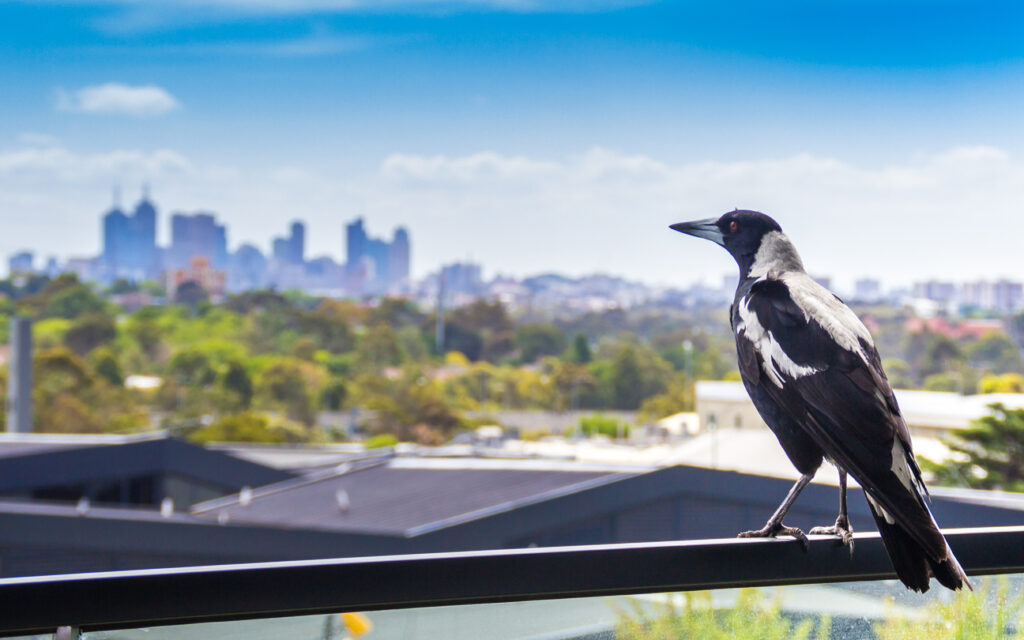
Loud urban environments can interfere with a bird’s circadian rhythm. Streetlights and constant sound blur the natural signals that usually tell them when to wake, eat, mate, and rest. That confusion leads to earlier dawn songs and strange patterns in behaviour.
When a bird thinks the day starts earlier or ends later, it’s going to try to cram in more competition, more territory defence, and more calls, all in a messed-up timeframe. This overextension can fuel short fuses and more aggressive reactions.
5. Parental instincts become fiercer.

In high-noise areas, birds with chicks often become more defensive. When they can’t hear incoming threats or nearby predators as easily, their response is to pre-emptively act more aggressive—just in case. It’s a form of survival paranoia.
This overprotective behaviour might seem extreme, but it’s instinct. If a bird can’t trust its senses, it compensates with behaviour. That can look like aggressive chasing, pecking, or guarding, even when there’s no actual threat present. The noise creates uncertainty, and that uncertainty breeds defensiveness.
6. They have to compete harder for mates.

Birdsong plays a huge role in courtship, and when songs get drowned out, the whole mating system gets disrupted. Birds might sing longer, louder, or more often to get noticed. But they’re also more likely to confront rivals directly.
When your usual song isn’t working, it’s easier to resort to physical displays or pushing others out of the way. Noise pollution is essentially changing the rules of dating in the bird world—less singing, more showing off, and more aggressive behaviour when things don’t go to plan.
7. Migration becomes more stressful.
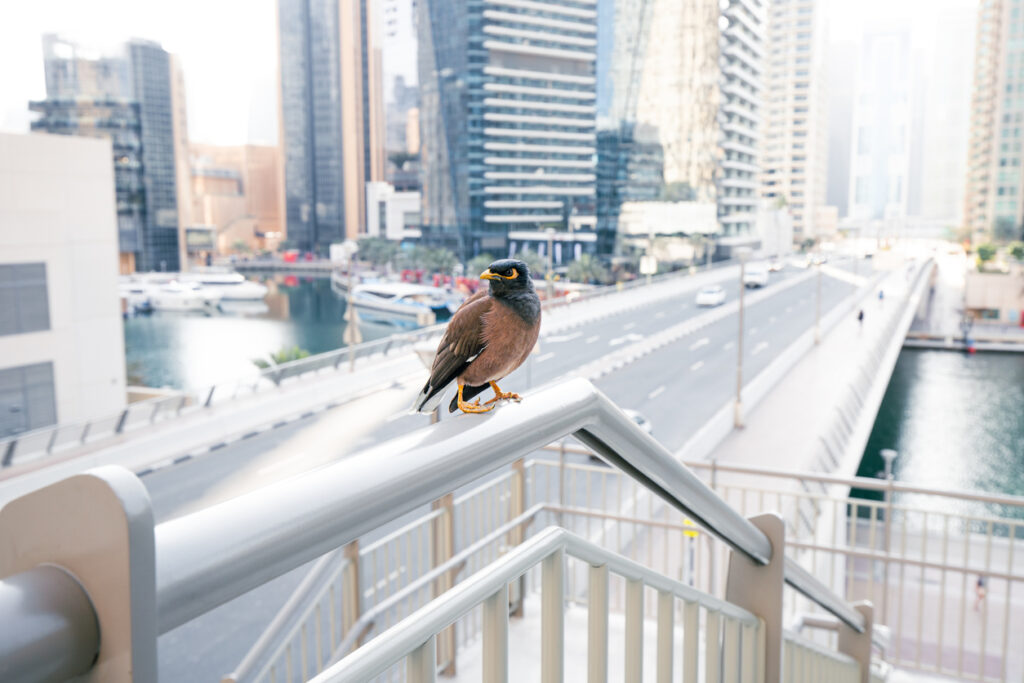
For birds passing through urban or roadside environments during migration, loud areas add a layer of difficulty. The stress of constant traffic noise can affect sleep, foraging, and energy levels, so when they stop to rest, they’re already on edge.
That edginess leads to more clashes, shorter tempers, and a lower tolerance for other birds in shared spaces. It’s not just about surviving the journey—it’s about trying to stay calm in a world that won’t shut up. And for many birds, that’s pushing them past their usual limits.
8. Territory disputes last longer.

When birds can’t hear each other clearly, they’re more likely to misinterpret signals. A simple “stay away” call might go unheard, or be responded to with a challenge rather than avoidance. Miscommunication fuels conflict.
This can drag out fights that would’ve otherwise ended quickly. Instead of vocal posturing, birds are forced into more physical encounters to make their message clear. The result? More frequent and drawn-out aggression, just because the signal got lost in traffic noise.
9. Species are changing their entire songs.
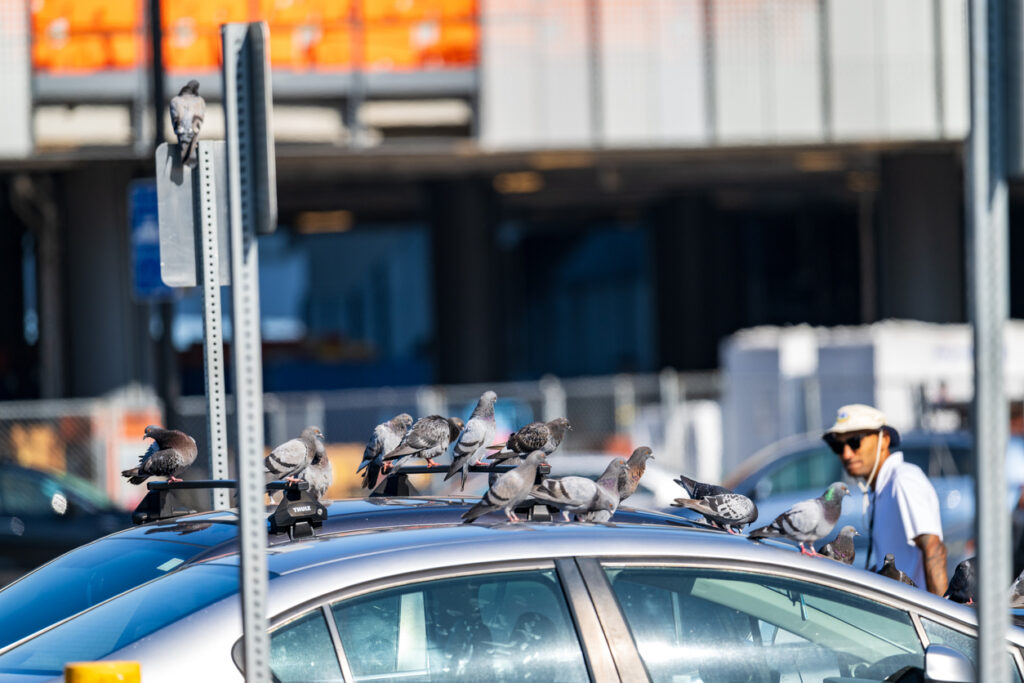
Some birds in noisy cities have actually evolved to change their song pitch or rhythm to cut through background traffic. While that might help them get heard, it’s also changing how they interact with each other, and with potential mates from quieter areas.
This shift in vocal behaviour can cause confusion between individuals who no longer “speak the same language.” And when communication fails, frustration follows. That can easily turn into aggression, especially when birds are defending food, space, or nesting sites.
10. Urban birds are getting tougher overall.
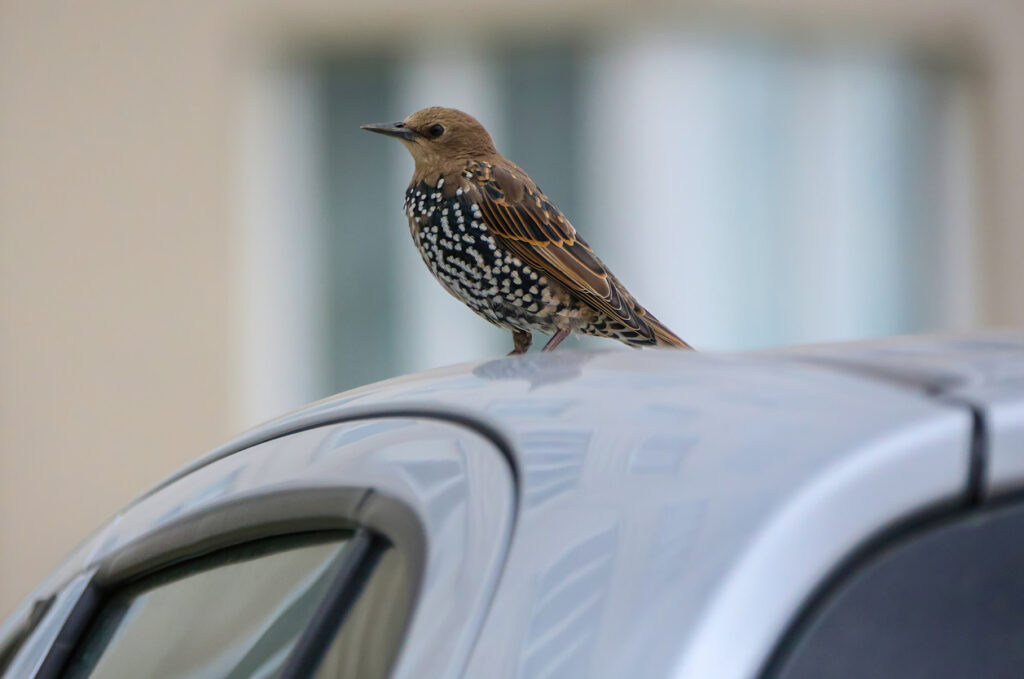
Studies suggest that birds living in louder, more urbanised areas tend to be more assertive and less tolerant of others than their rural counterparts. Over time, noise exposure is actually changing bird personalities. The gentle ones are pushed out. The aggressive ones thrive.
It’s a subtle but powerful shift. Noise pollution isn’t just background clutter—it’s shaping which birds survive, how they behave, and even how their species might evolve. And right now, it looks like aggression is becoming a survival strategy in our louder world.