We rarely give it much thought, but the moon quietly does a lot more than just light up the night sky.
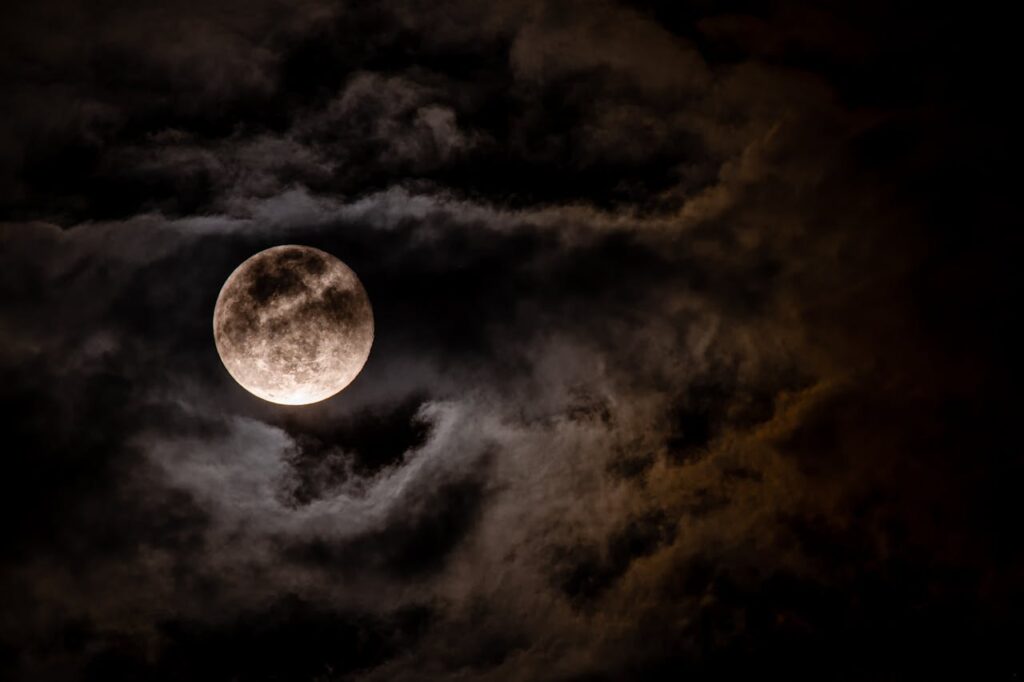
It’s been circling Earth for over four billion years, subtly holding everything in balance without asking for attention. So what if it just vanished—no explosion, no drama, just gone? The consequences would be a lot more intense (and weirder) than you might expect. Here’s what would actually start happening if the moon suddenly disappeared from Earth’s side.
1. Earth’s tilt would go haywire.
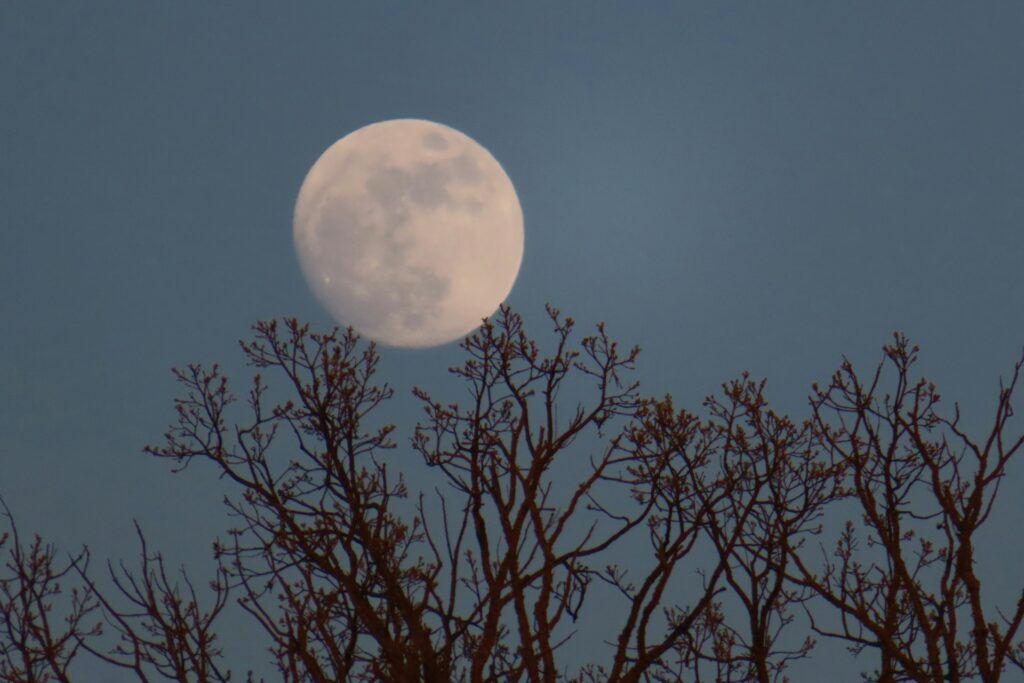
The moon stabilises the Earth’s axial tilt—basically the angle at which the planet spins. Right now, that tilt gives us predictable seasons and a fairly stable climate. Without the moon acting like a gravitational anchor, Earth’s tilt could start wobbling wildly, swinging between almost no tilt and extreme angles over long periods of time.
That might not sound dramatic at first, but it would completely rewrite our seasons, change climate zones, and possibly make Earth way less hospitable. One millennium we’d be roasting, the next we’d be locked in snow. Life could still go on—but it’d be a much bumpier ride.
2. The tides would shrink dramatically.
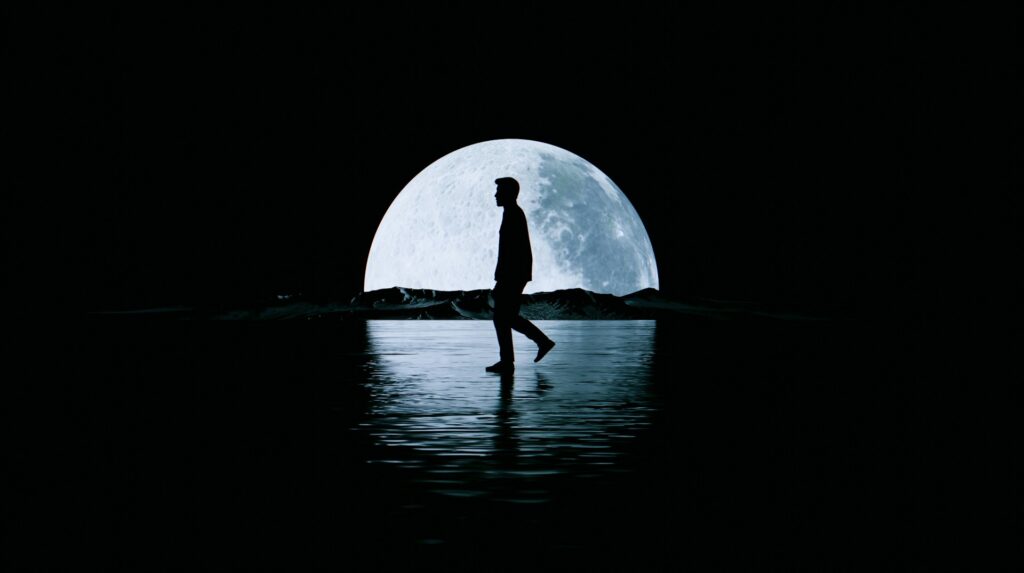
The moon’s gravity is the main reason we have high and low tides. Without it, tides wouldn’t disappear entirely, but they’d become tiny and irregular. The sun causes smaller tides, but they’re nothing compared to the moon’s pull.
For coastal ecosystems that rely on tidal flows, like estuaries, salt marshes, and tidepools, this would be devastating. Entire food chains could collapse, and species that depend on these environments could vanish. Even humans would feel the hit in industries like fishing, shipping, and coastal agriculture.
3. Nights would be much darker.
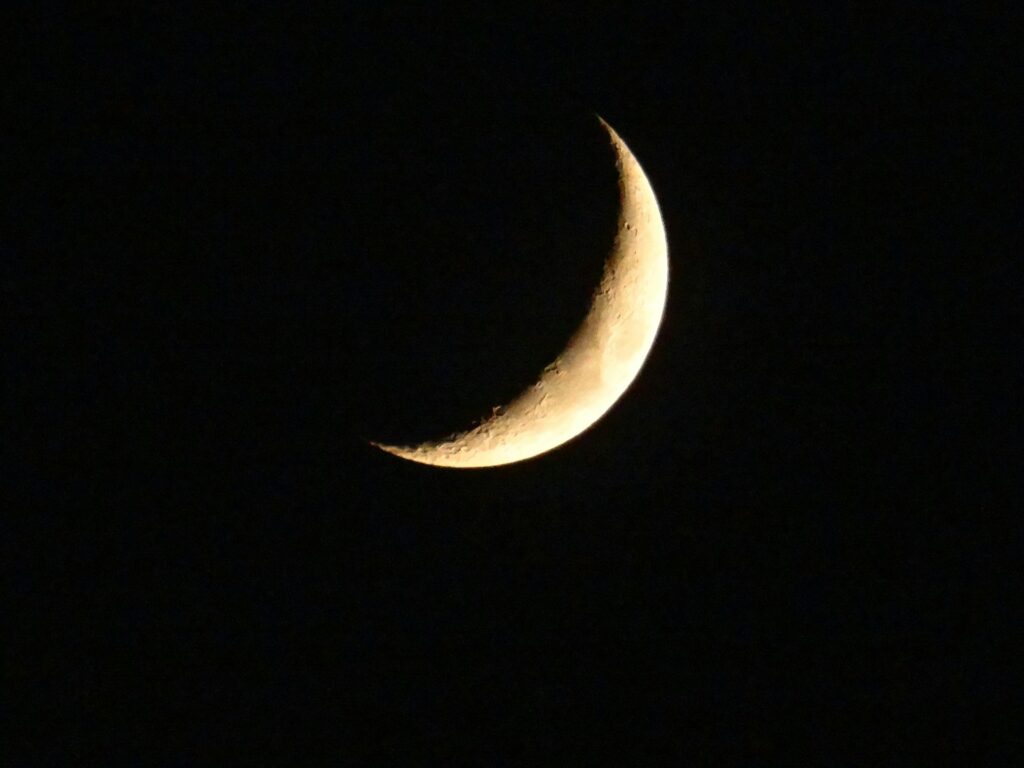
This one’s obvious, but still strange to imagine: no moonlight. On clear nights, the moon lights up landscapes in a way we take for granted. Without it, night would be pitch black except for the stars, and even they wouldn’t cast usable light for animals or humans.
No moon would change how we travel, how animals hunt, and even how safe we feel outdoors at night. Creatures that rely on the moon to navigate, like sea turtles and some bird species, would be completely thrown off course.
4. Wildlife behaviour would change overnight.
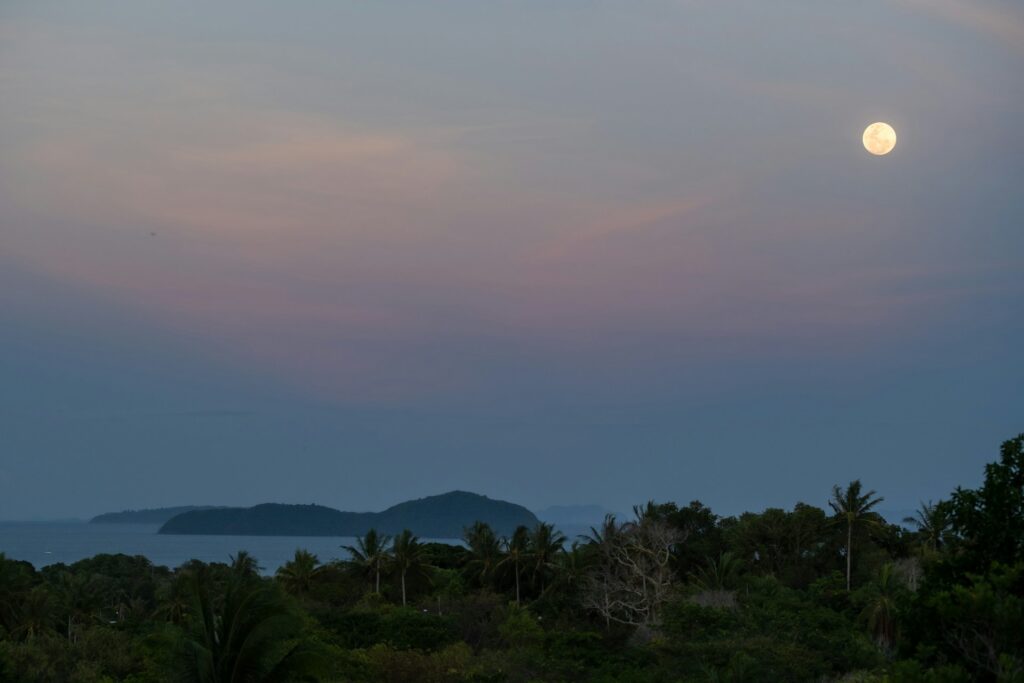
Many animals use the moon to time things like migration, mating, and feeding. From wolves howling to coral spawning, a lot of nature runs on lunar cycles. Take away the moon, and you’d end up with confused behaviour across multiple species.
This wouldn’t just cause a few missed mating seasons. It could disrupt entire ecosystems. Predator-prey patterns would be thrown out of sync, and some species could decline simply because their timing no longer works in the moonless world.
5. We’d lose a cultural and spiritual symbol.
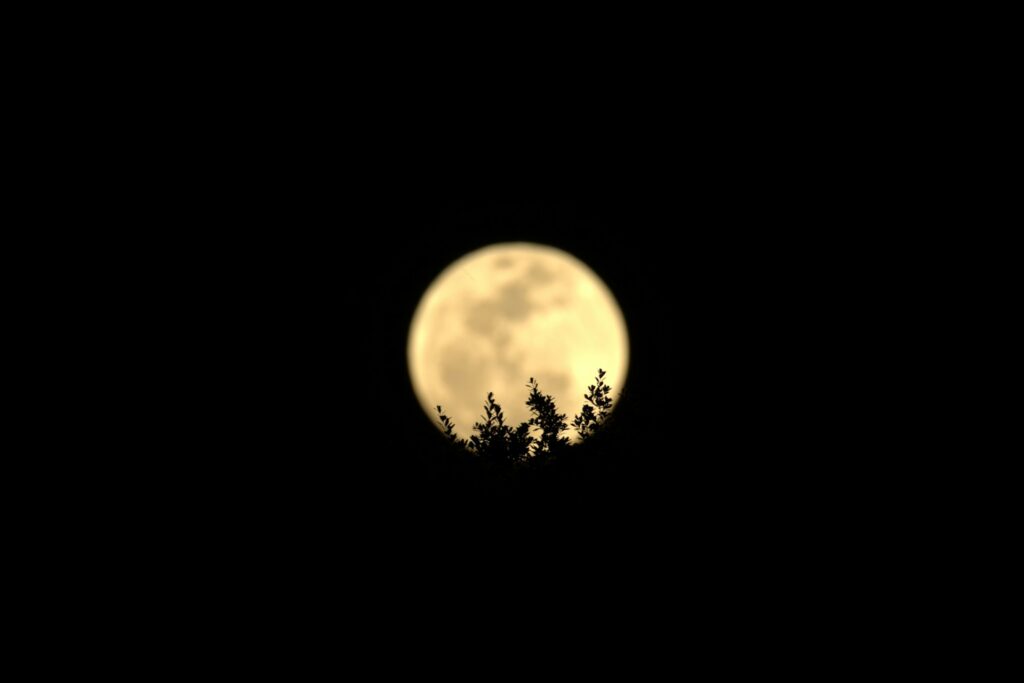
The moon isn’t just a chunk of rock—it’s deeply woven into human storytelling, art, religion, and even timekeeping. It’s inspired poetry, mythology, and late-night existential crises for millennia. Its phases mark rituals and festivals across nearly every culture.
If the moon disappeared, humanity would lose something emotionally grounding. The night sky would feel empty, and our sense of connection to the cosmos would change. It would be a loss that goes beyond science—something that touches human identity and meaning itself.
6. Months would make less sense.
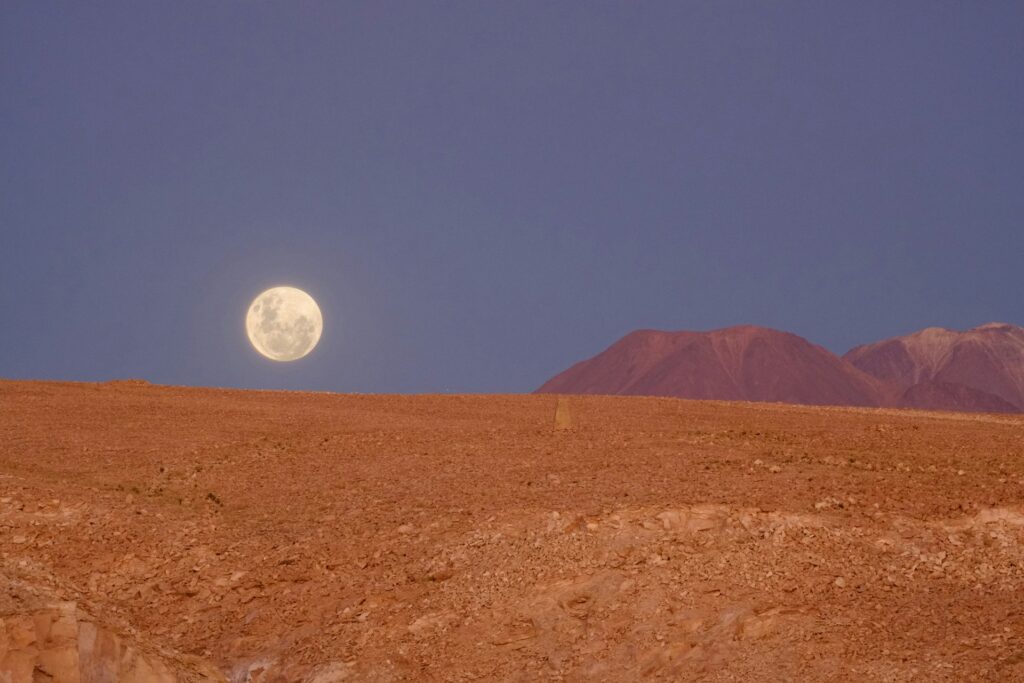
The word “month” comes from “moon,” and lunar cycles are what early humans used to track time. Without the moon, months would become arbitrary numbers on a calendar, detached from anything we can see in the sky. This wouldn’t wreck society, but it would unmoor one of our oldest natural time markers. Over time, our relationship with time itself might change, from something observed and felt to something strictly scheduled and mathematical.
7. Earth’s rotation could speed up.
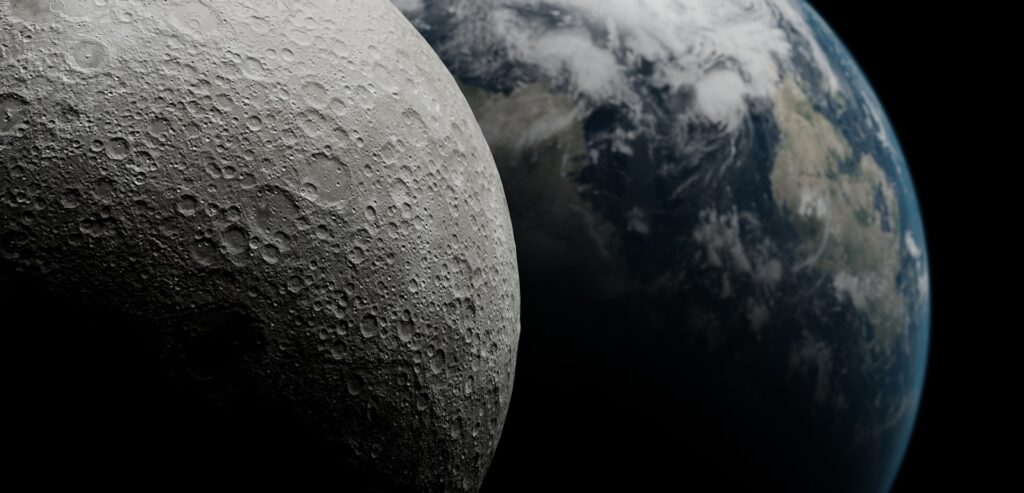
The moon has been gradually slowing down Earth’s rotation over time. Without it, that deceleration would stop, and over millions of years, Earth’s spin could gradually speed up again. That means shorter days and nights.
You wouldn’t feel the change overnight, but eventually, days could shrink from 24 hours to something closer to 20. That would mess with circadian rhythms, sleep patterns, and potentially even weather systems that depend on our current day-night cycle.
8. Ocean currents could weaken.
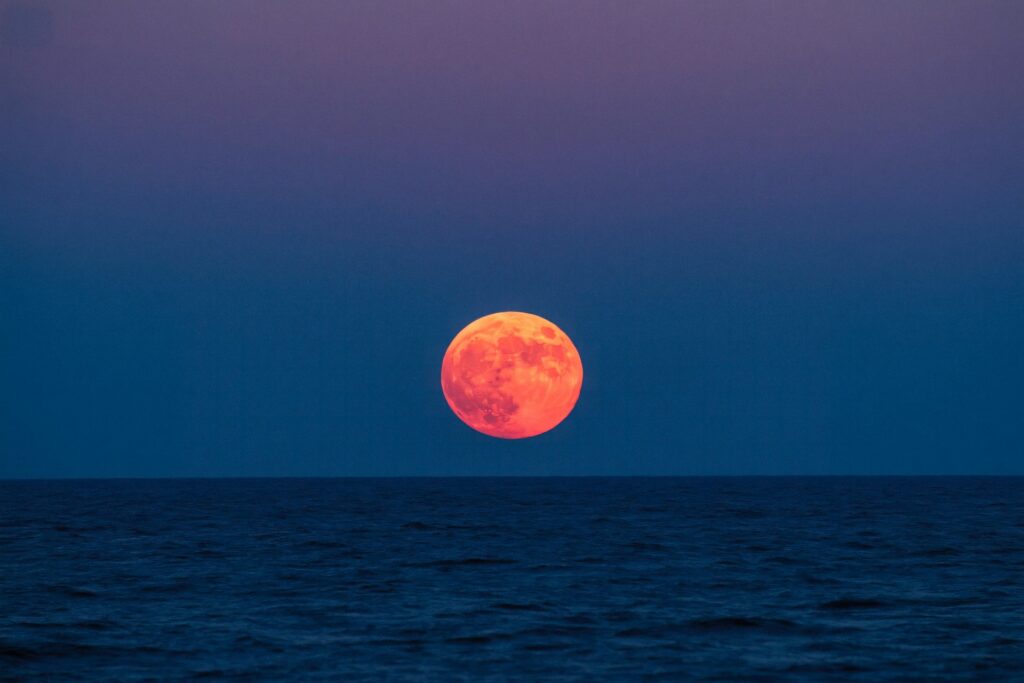
Ocean tides don’t just slosh water back and forth. They help drive global currents. These currents transport heat, regulate temperatures, and keep marine ecosystems thriving. With the moon gone, that whole engine would sputter. Without tidal force to stir them, major ocean currents could slow down, altering climates across the planet. Some places would get colder, others hotter. It would be a slow but widespread disruption to the global balance of weather and life.
9. Earthquakes and volcanic activity might change.

The moon’s gravitational tug also subtly affects tectonic activity. While it’s not the cause of earthquakes or volcanoes, it can influence their timing. Without that regular tug, pressure could build differently in Earth’s crust. This might lead to changes in how and when geological activity happens. It wouldn’t create disasters overnight, but over time, the patterns and intensity of tectonic events could change in ways we don’t yet fully understand.
10. Our understanding of physics would take a hit.

The moon’s existence has helped us test and confirm some of our most important scientific theories. We’ve used it to study gravity, motion, relativity—you name it. Remove the moon, and we lose a living lab that’s helped us understand the universe.
That’s not to say science would fall apart, but we’d lose a valuable reference point. For future space exploration and physics research, having a big, nearby celestial body we can study has been an enormous advantage.
11. Lunar science would become impossible.
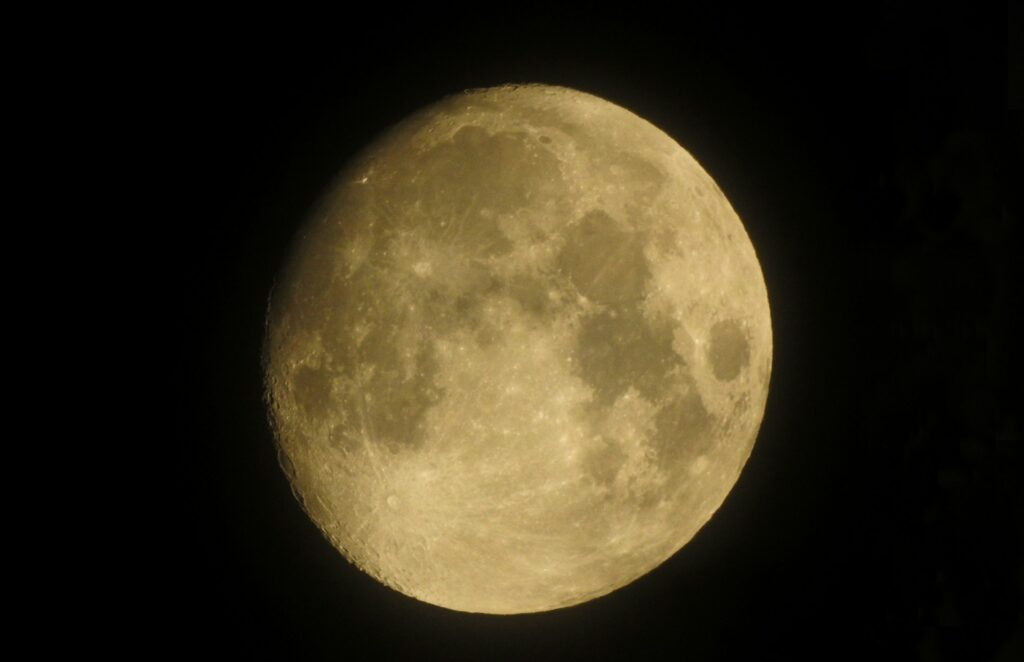
This one’s obvious but still sad: without the moon, we lose all direct study of its geology, history, and formation. We’d be left with only the samples we’ve brought back, and some telescopic data of other moons in the solar system. Future missions, colonies, or research projects would be off the table. The moon has been a stepping stone in space exploration, and without it, our long-term goals for becoming a spacefaring species would take a serious blow.
12. The night sky would feel emotionally off.

Look up at a moonless night, and even if you’re not into stargazing, you’d feel the difference. It’s not just about light, it’s about presence. The moon has a way of making the sky feel alive, like someone’s always keeping watch. Without it, the sky would feel oddly flat. Still beautiful, but lonelier. It’s hard to explain, but people would notice. It’s one of those things we don’t fully appreciate until it’s not there anymore.
13. The Earth-moon system’s absence would be rare in the universe.
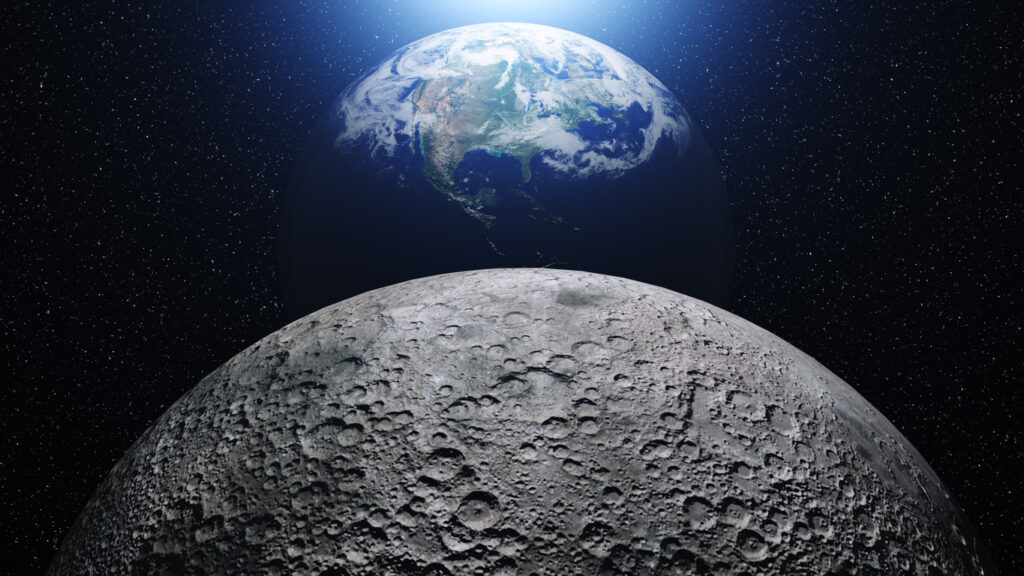
Our moon is unusually large for a planet our size. That kind of relationship is rare, and it may have played a big role in Earth becoming as stable and life-friendly as it is. Without it, Earth would be an outlier in a different way—less stable, more chaotic.
Scientists believe the moon helped create conditions that allowed life to develop and thrive. Without it, we might still exist, but perhaps not in the same rich, diverse form we see today.
14. Humans would probably start dreaming up ways to replace it.
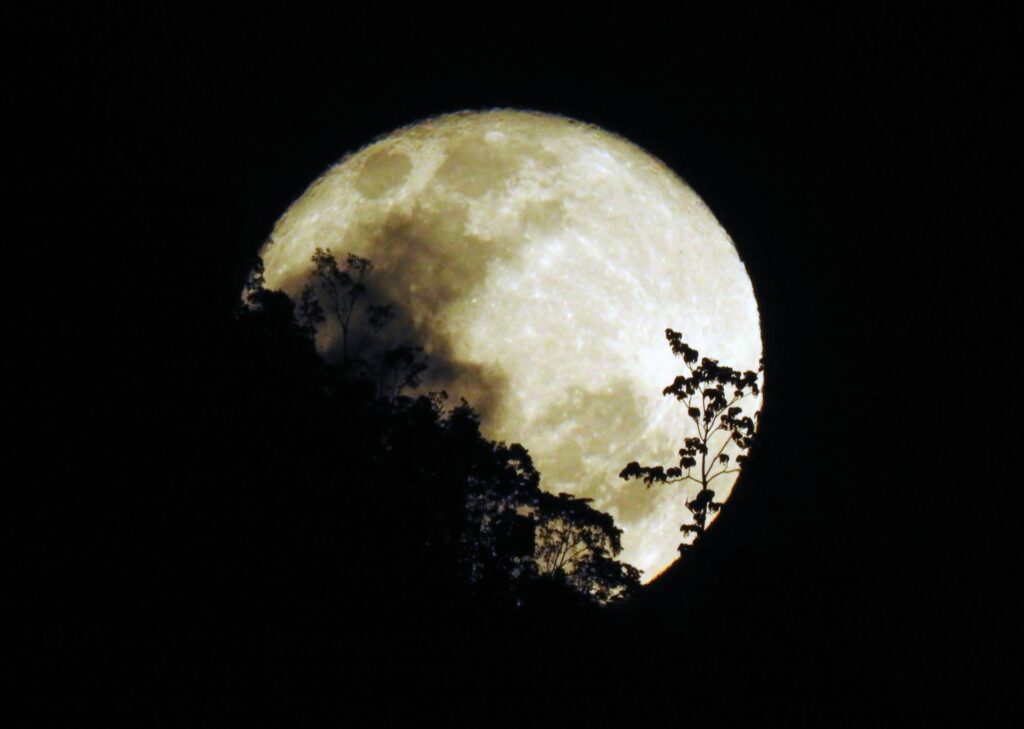
Let’s face it—once we noticed what we lost, we’d probably try to build something to take its place. Artificial satellites, floating light sources, or even simulated tides—humanity would find a way to fill the void, even if it’s imperfect.
That says a lot about our species. We adapt, we create, we mourn, and then we build something new. But even then, nothing we create could fully match the quiet, ancient pull of the moon. Some things are irreplaceable, and the moon might be one of them.