Nature never stops surprising us, that’s for sure.
While many animals have been studied for centuries, new technologies and deeper research are still revealing astonishing talents that went unnoticed until recently. Here are 12 species whose hidden abilities were only uncovered in the last ten years. They’re proof that there are likely countless others out there we still haven’t been lucky enough to discover just yet.
1. Cuttlefish can delay gratification.
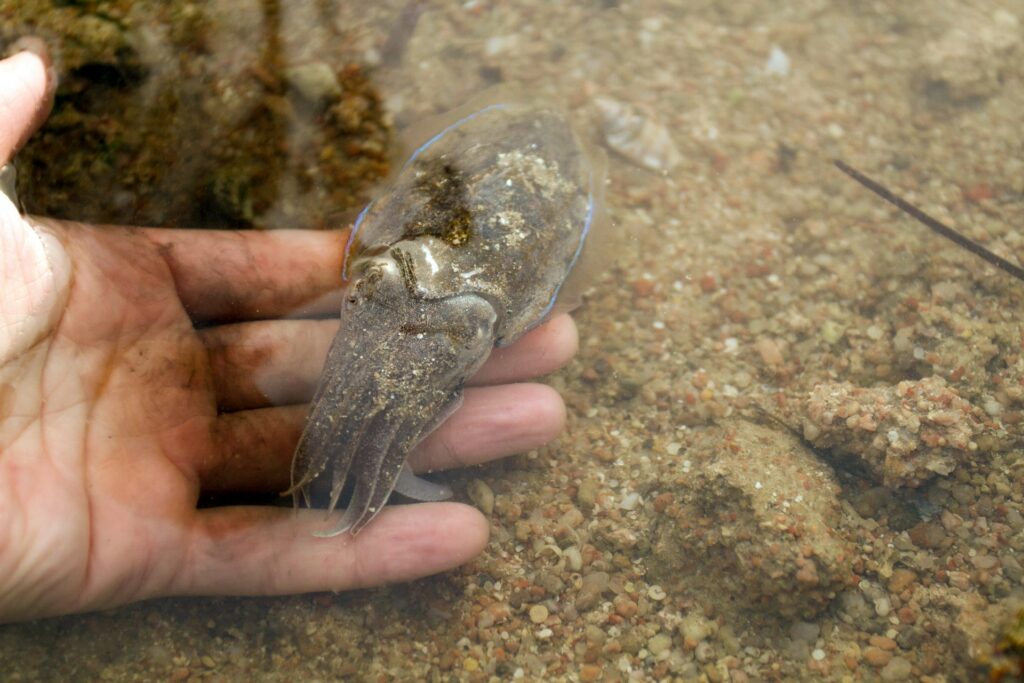
In a 2021 study, cuttlefish were found to pass a version of the marshmallow test—waiting for a better reward rather than snatching a quick one. If they knew a better treat was coming, they’d wait patiently, sometimes for over a minute.
This level of self-control is rare even in mammals and suggests a far more complex cognitive world for cephalopods than previously imagined. It hints at planning and decision-making capabilities in a creature once written off as instinct-driven.
2. Zebra finches can mentally rehearse their songs.
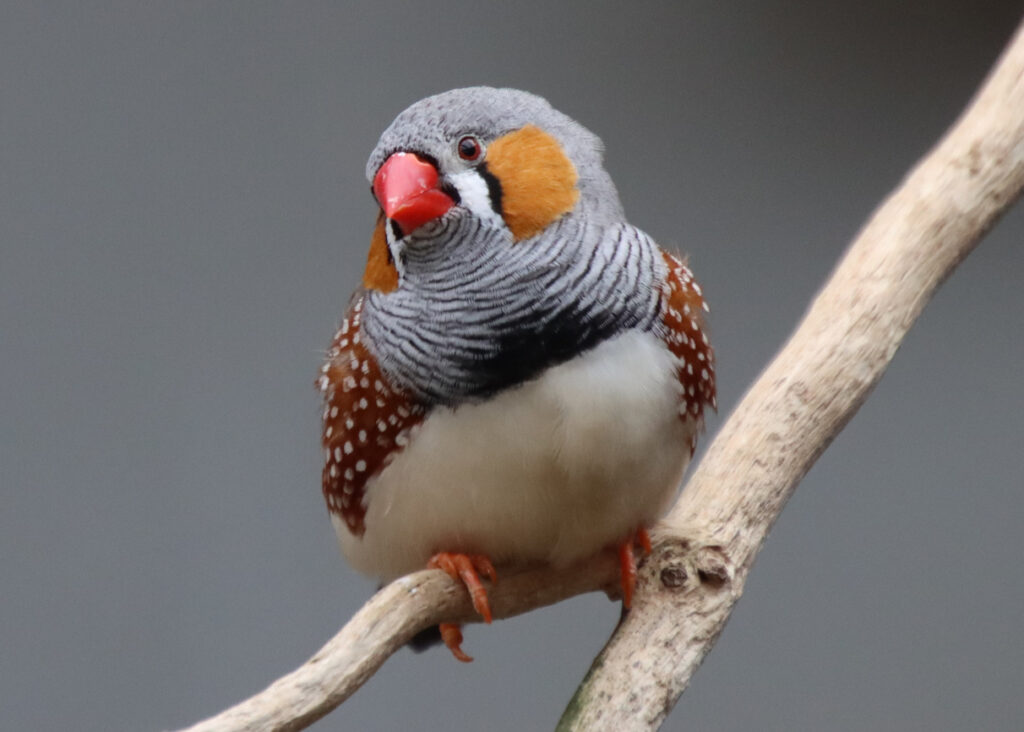
In 2020, researchers discovered that zebra finches run through their songs in their heads while asleep, essentially mentally practising their vocal patterns. Brain scans showed neural activity in sleep that mirrored their waking performance. Their ability to rehearse, adjust and refine song structures while at rest reveals a level of memory processing that’s surprisingly similar to human dreaming and learning cycles. It redefines how we understand songbirds and memory.
3. Octopuses can throw things (and sometimes aim at others).

Only recently caught on camera in 2016, wild octopuses were seen deliberately gathering debris—shells, silt, and algae—and flinging it through the water. Sometimes they even targeted other octopuses, possibly as a form of social reprimand.
This isn’t just random movement—it involves coordination, choice of object, and direction. The idea that octopuses might engage in targeted, even passive-aggressive, behaviour challenges everything we thought we knew about invertebrate intelligence.
4. Crows understand water displacement physics.

New Caledonian crows were already known for tool use, but a 2014 experiment showed they also understand water displacement. Faced with a problem-solving task, they dropped stones into a tube of water to raise the water level and retrieve a floating treat.
This means they grasp cause and effect in a way previously assumed to be limited to young children. Their understanding of physics—without language or formal learning—is a quiet marvel of avian intelligence.
5. Elephants can use their trunks like leaf blowers.
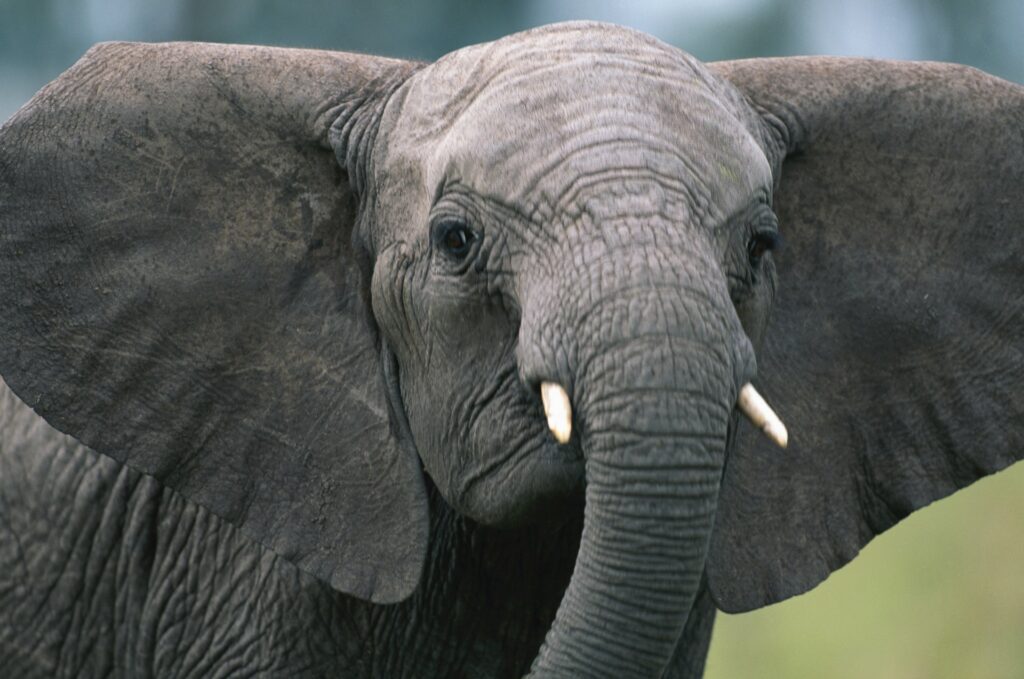
In 2018, scientists noticed that elephants could adjust the speed and force of their trunk air to move food into more convenient positions—essentially blowing snacks closer like a gentle vacuum or leaf blower.
This subtle talent reveals just how nuanced their trunks are—not just strength-based tools, but sensory and manipulative instruments with incredible fine control. It adds another layer to their already complex behavioural profile.
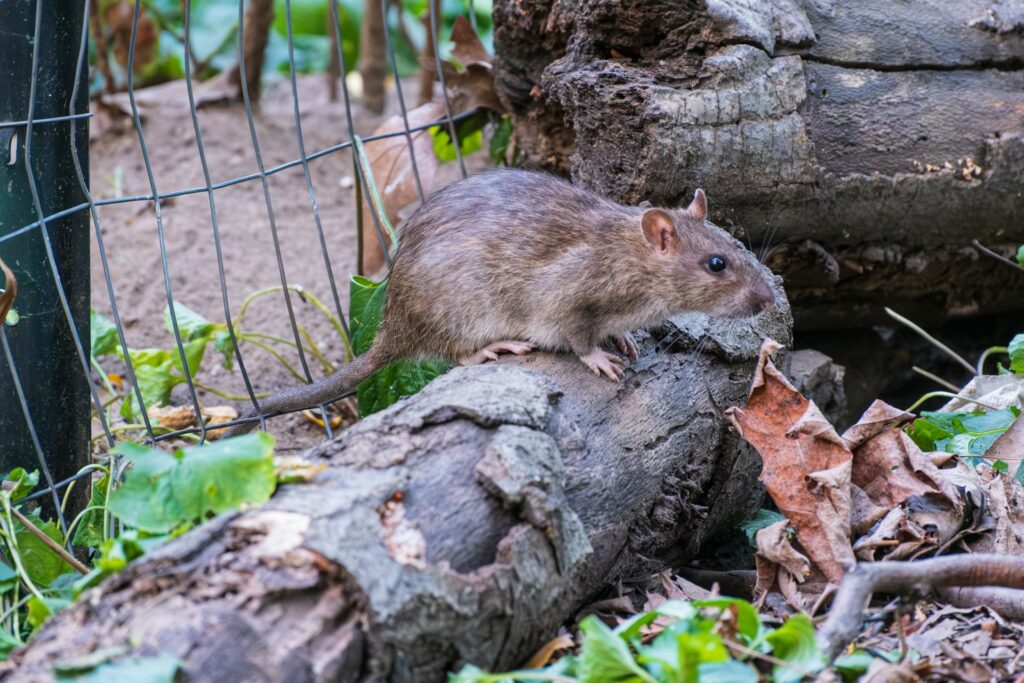
6. Rats have been trained to drive tiny cars (and seem to enjoy it).
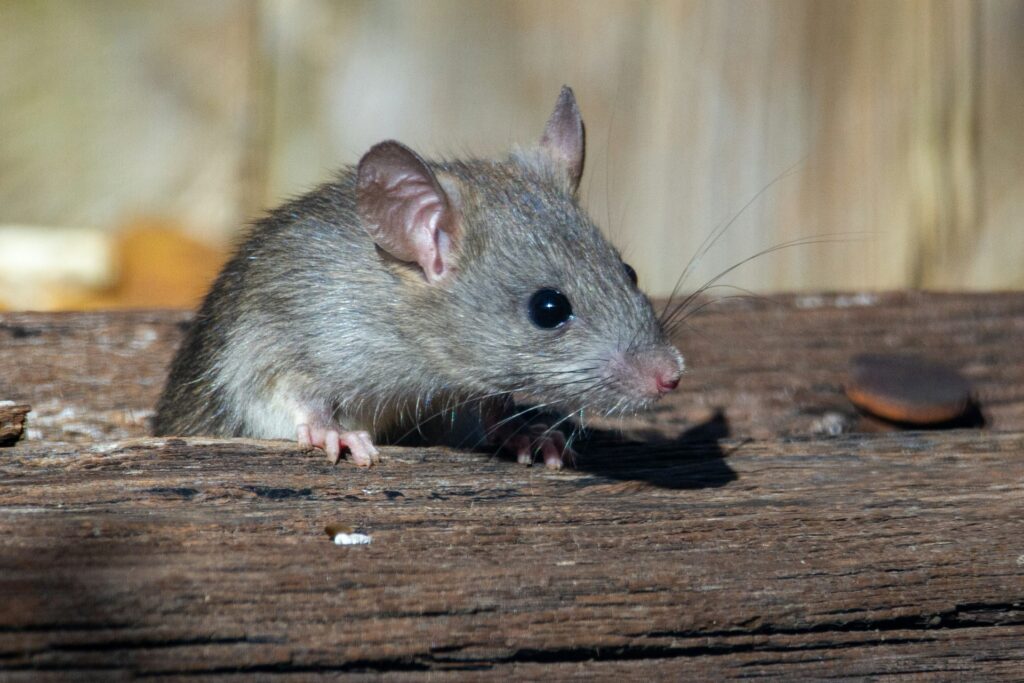
In 2019, researchers trained lab rats to operate small vehicles in exchange for treats. The rats used their paws to steer and showed signs of reduced stress during the process—suggesting a sense of agency and even enjoyment. This experiment revealed not only cognitive flexibility, but the ability to learn spatial control in a completely novel context. It challenged how we think about rodent curiosity, problem-solving, and emotional engagement.
7. Honeybees can understand the concept of zero.
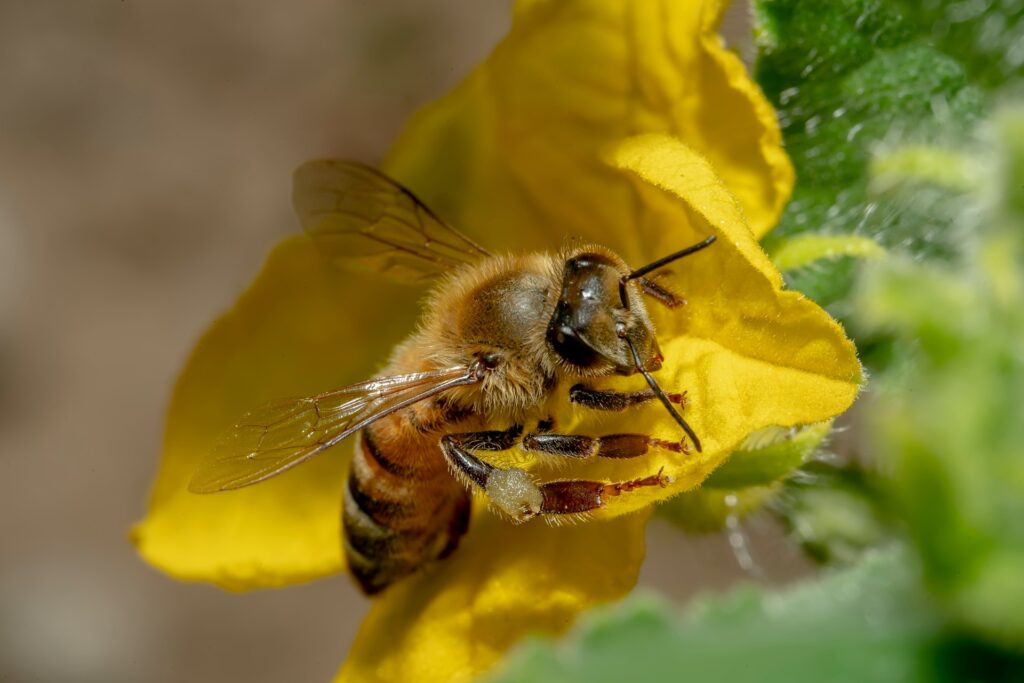
In 2018, a study showed that bees could rank numbers and even grasp the concept of “none.” When given a choice between cards showing zero vs. other quantities, they consistently recognised that zero was the smallest. This was astonishing—zero is a tough concept, even for some primates. The fact that bees, with such small brains, could understand it reveals an unexpected depth in insect intelligence and numerical perception.
8. Dogs can detect heat with their noses.

Discovered in 2020, dogs have a special patch of skin on their noses that can detect subtle changes in thermal radiation. This gives them the ability to “see” warmth from a distance—like a living heat sensor. This ability may help them track warm-blooded prey, even without sight or scent cues. It’s a hidden talent that explains why their noses seem almost eerily accurate in search tasks and hunting.
9. Ants can diagnose and treat infection in their nestmates.
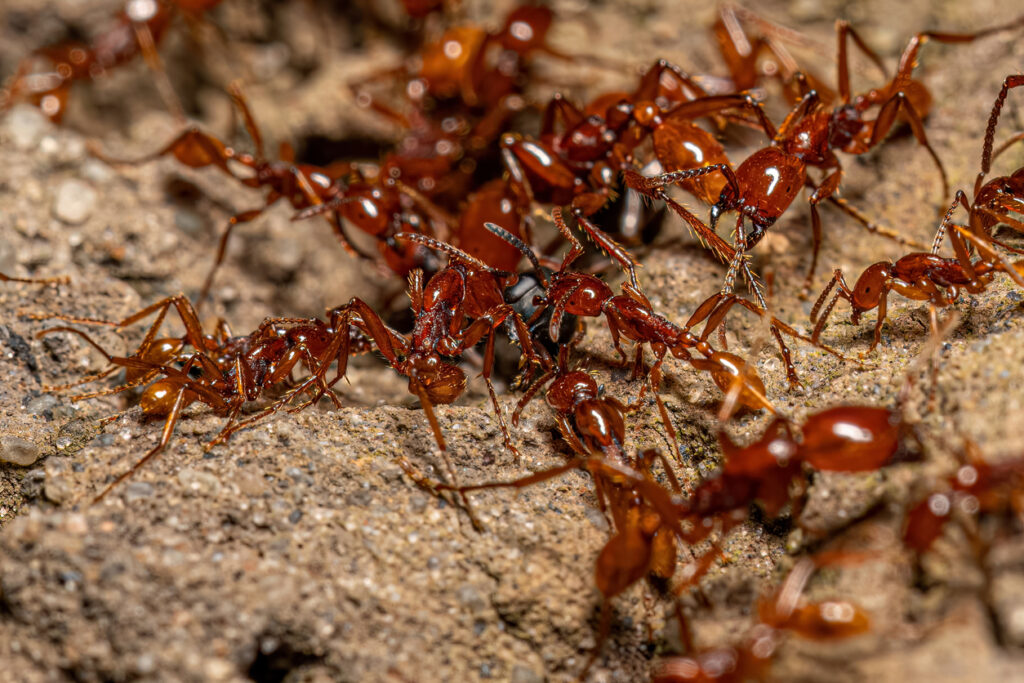
In 2022, scientists discovered that certain ant species use antimicrobial treatments on wounded nestmates. They clean the wound and then secrete substances from their glands to prevent infection—dramatically improving survival rates. It’s a level of collective care that feels surprisingly sophisticated. These behaviours aren’t just instinct—they’re responsive, targeted, and suggest a deeper form of social health management in the insect world.
10. Parrots understand probability and make predictions.
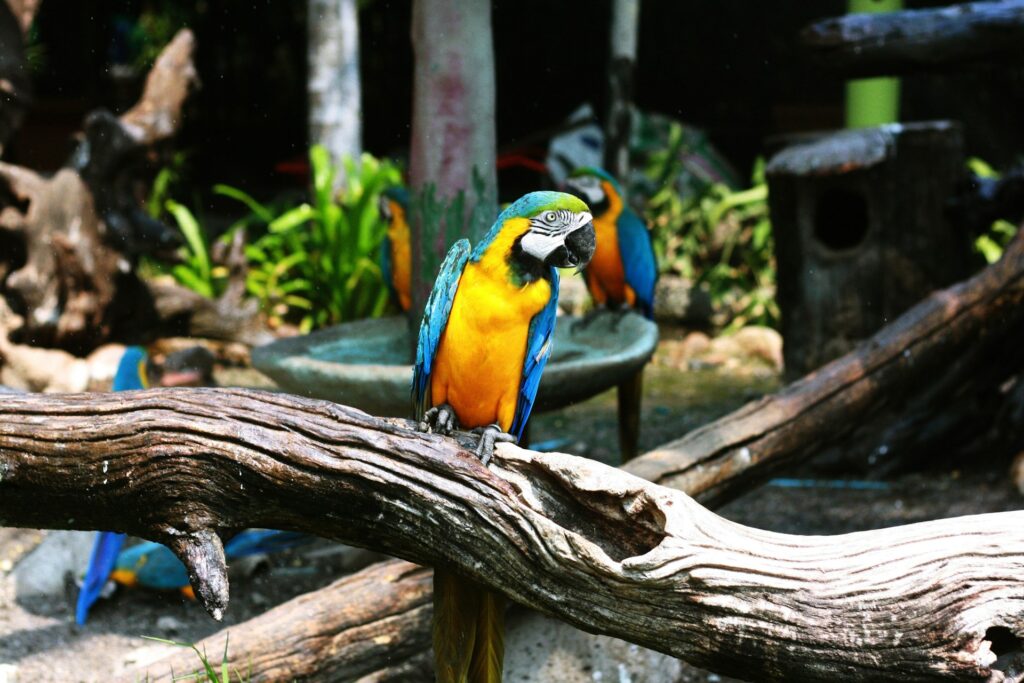
Keas, a species of alpine parrot from New Zealand, showed in a 2020 study that they could make choices based on statistical probability. When presented with transparent containers containing different reward ratios, they consistently chose the more likely option.
This ability to predict outcomes based on chance puts them on par with great apes in decision-making experiments. It’s another reminder that intelligence doesn’t follow a straight line through the mammal kingdom.
11. Spiders can tune their web like instruments.
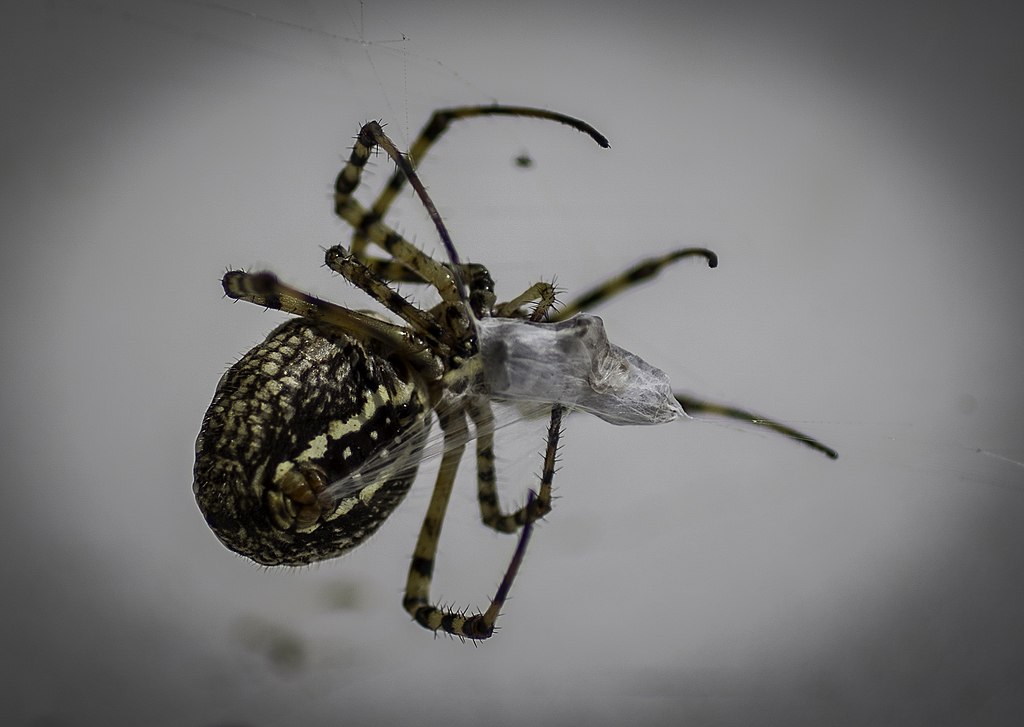
In 2016, scientists discovered that some orb-weaver spiders adjust the tension of their web strands to detect specific vibrations—like tuning a stringed instrument. Each tension change alters how vibrations travel, helping the spider identify prey, mates, or danger.
It’s a sensory adaptation that turns silk into a precision tool. What seems like passive web-sitting is actually an ongoing act of sensory management and environmental monitoring—almost like playing a harp with invisible hands.
12. Cephalopods might experience something like dreams.

In 2021, researchers observed octopuses going through active sleep phases that resembled REM cycles in mammals. Their skin changed colours rapidly during this state, suggesting internal activity—possibly memories or imagined scenarios. While we can’t confirm if they’re dreaming in the human sense, this discovery hints at a vivid internal life. It challenges long-held beliefs about consciousness and mental depth in animals we still barely understand.