Some environmental threats are loud and immediate—oil spills, wildfires, record-breaking heatwaves.
However, others are slower, quieter, and far more dangerous over time. These are the ecological time bombs: environmental tipping points that are currently active, largely underestimated, and steadily building toward crisis. Left unchecked, they could reshape ecosystems, economies, and human lives around the world. Here are some of the most urgent ones we’re facing right now.
1. Thawing permafrost in the Arctic
.jpg)
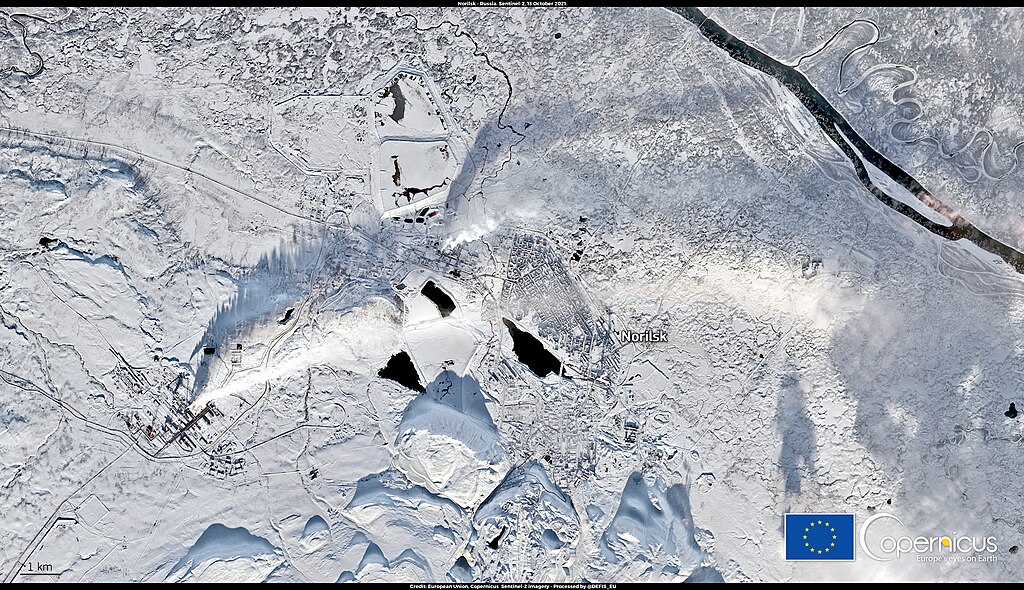
Permafrost—frozen soil that’s remained solid for thousands of years—is beginning to thaw rapidly in the Arctic due to rising global temperatures. The issue isn’t just the melting itself. As it thaws, it releases huge amounts of methane and carbon dioxide that have been trapped for centuries.
This creates a feedback loop: the more greenhouse gases are released, the warmer the planet becomes, which causes even more thawing. What’s scary is that this release isn’t fully factored into most climate models, meaning we could be underestimating the pace of global warming.
2. The Amazon rainforest approaching a tipping point
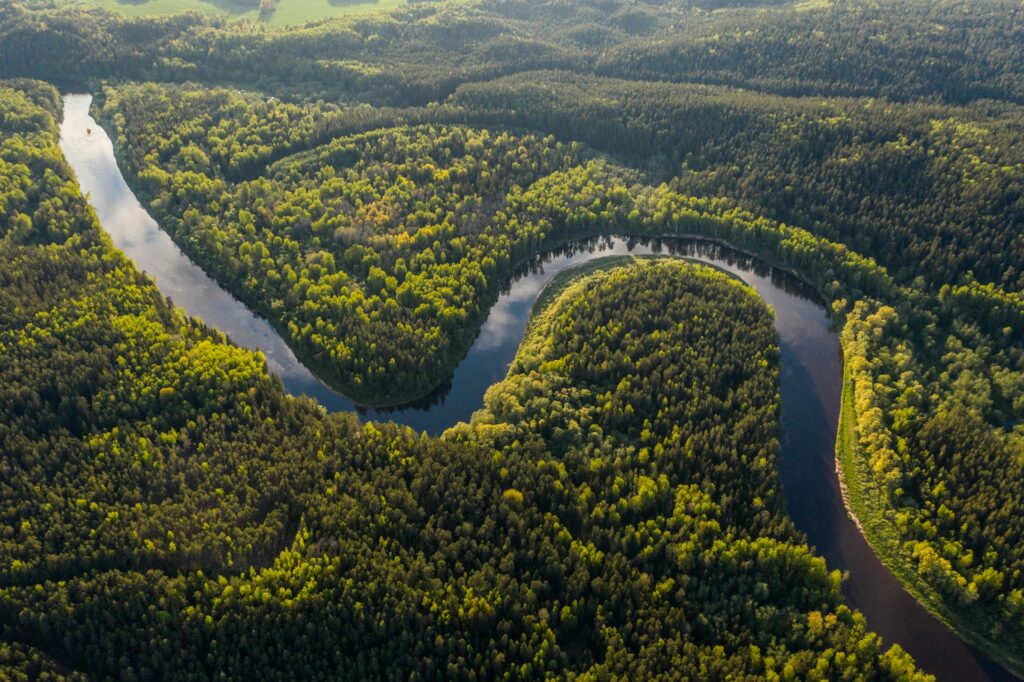
The Amazon has long been called the “lungs of the Earth,” absorbing massive amounts of carbon dioxide. However, sadly, decades of deforestation, fires, and illegal logging are pushing it dangerously close to collapse.
Some scientists believe the Amazon could soon hit a tipping point where it transitions from a rainforest to a savanna-like ecosystem. That shift would not only devastate biodiversity, but also release billions of tonnes of stored carbon—turning a carbon sink into a carbon source.
3. Ocean acidification killing marine life silently
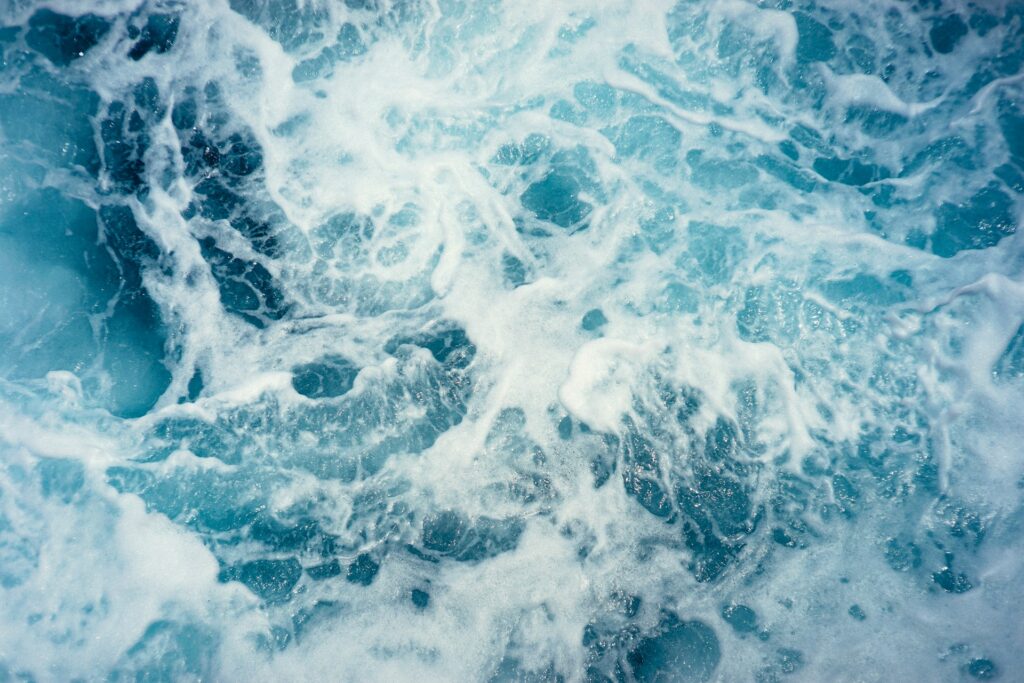
As oceans absorb more CO₂ from the atmosphere, they’re becoming more acidic. This shift is gradual and mostly invisible, but the consequences are already showing up in coral reefs, shellfish populations, and plankton—the tiny organisms at the base of the marine food chain.
Once ocean chemistry passes a certain threshold, entire marine ecosystems could collapse. It’s not dramatic to say this could affect everything from global fisheries to oxygen levels in the water, making this one of the most serious slow-burn threats to ocean life.
4. Groundwater depletion in major farming regions
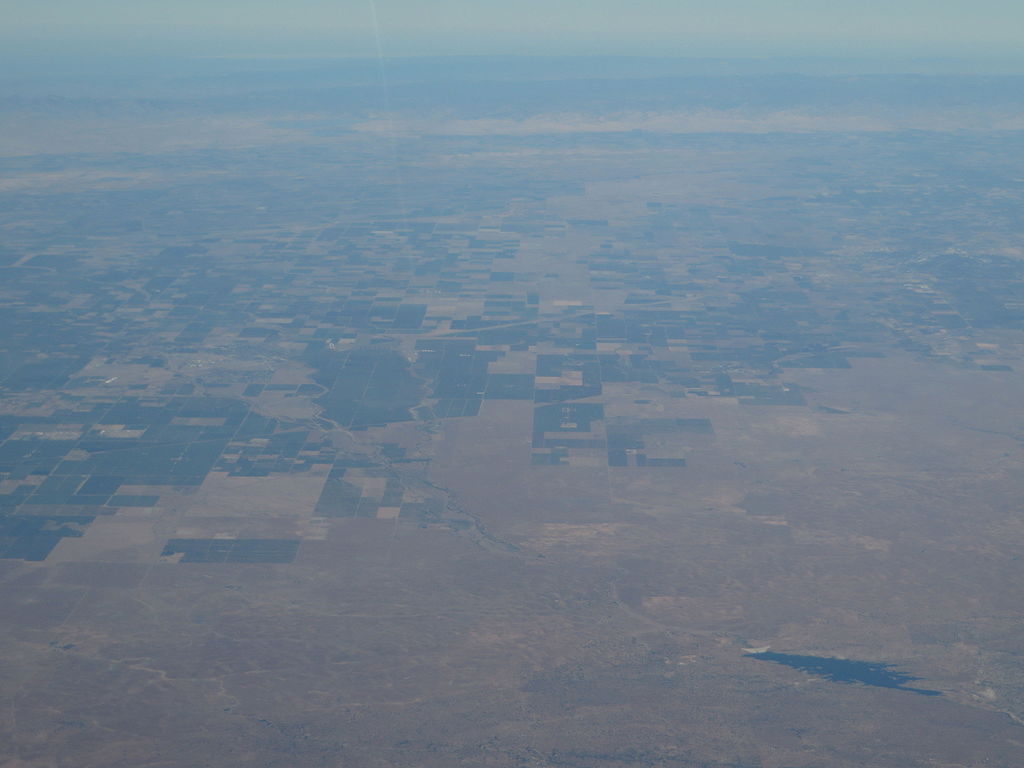
Underground aquifers take thousands of years to fill, but many are being drained in just decades. Areas like California’s Central Valley, India’s Punjab, and parts of the Middle East are using groundwater far faster than it can be replenished. Once these reserves are gone, they don’t come back—and the agricultural systems that rely on them will collapse. This isn’t just a local problem; many of the world’s food supplies depend on these hidden water sources.
5. Plastic pollution reaching the food chain
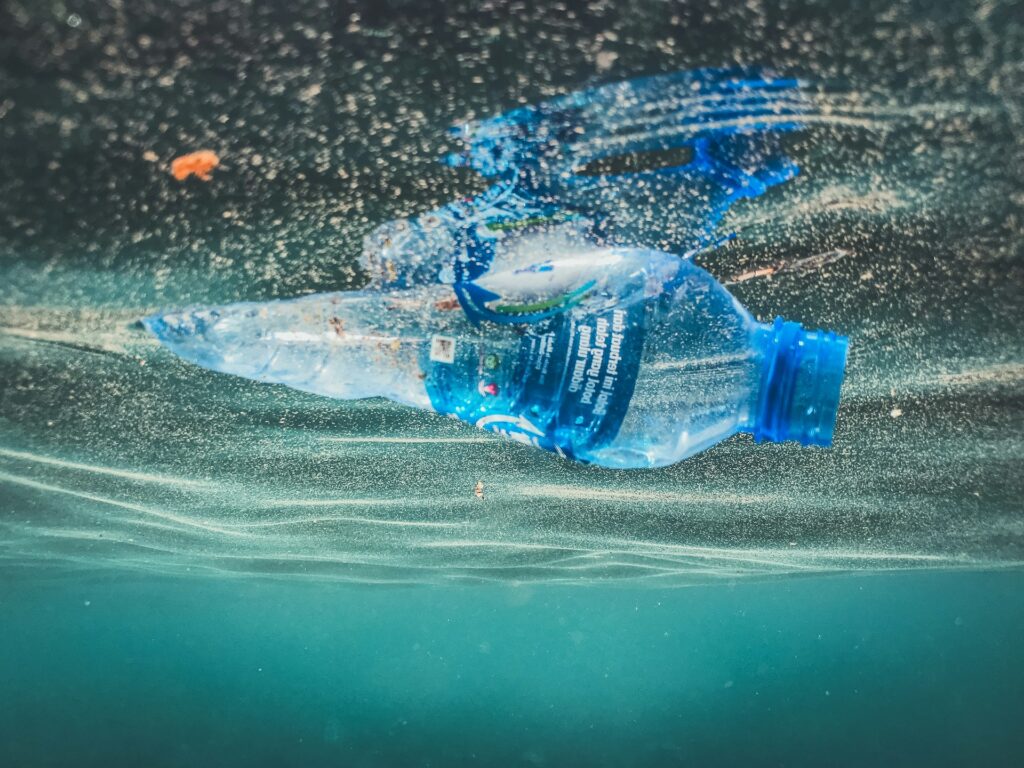
We already know the oceans are drowning in plastic, but the full extent of the damage is still unfolding. Microplastics have now been found in rainwater, soil, seafood, and even human blood. As plastic breaks down further, it becomes nearly impossible to remove. The long-term health effects on wildlife and people remain unknown, but the fact that we’re ingesting microscopic bits of synthetic material on a daily basis is deeply unsettling.
6. Coral reef systems on the verge of collapse
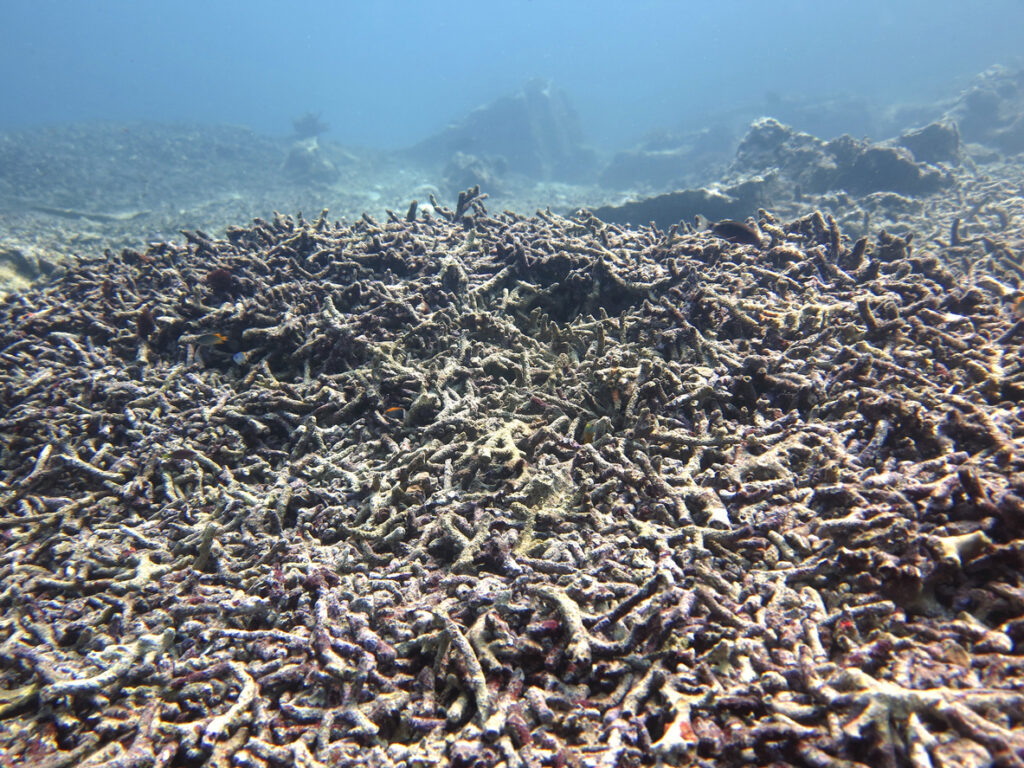
Coral reefs support 25% of all marine species, yet they’re dying off at alarming rates due to bleaching, pollution, and warming seas. Entire reef systems, like Australia’s Great Barrier Reef, have lost over half their coral in the last few decades.
Reefs act as buffers for coastlines and as breeding grounds for countless species. Once they go, entire ecosystems collapse with them, and recovery—if possible—takes centuries. The loss isn’t just ecological; it’s also economic and cultural for communities that depend on reef tourism and fishing.
7. Invasive species spreading due to climate change
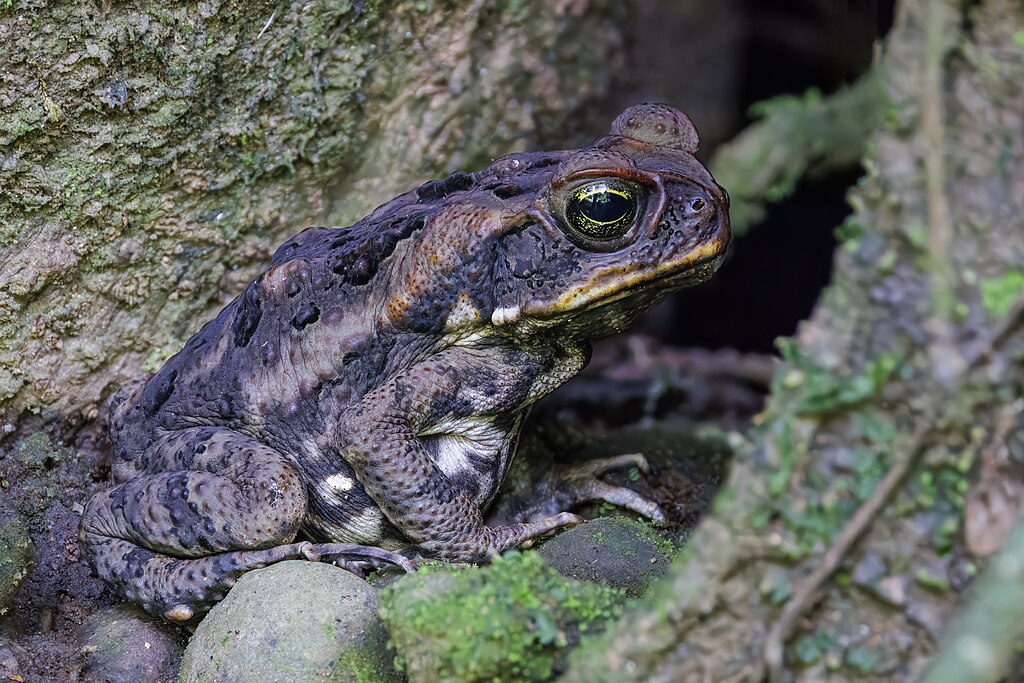
As temperatures shift, many invasive species are expanding their range into new territories. Plants, insects, and animals that were once limited to specific areas are now thriving in places where native species have no defence.
This leads to ecological imbalances that can devastate local ecosystems. Think cane toads in Australia, emerald ash borers in North America, or lionfish in the Caribbean. These invasions can collapse food chains and cause permanent changes in biodiversity.
8. Melting glaciers disrupting freshwater supplies
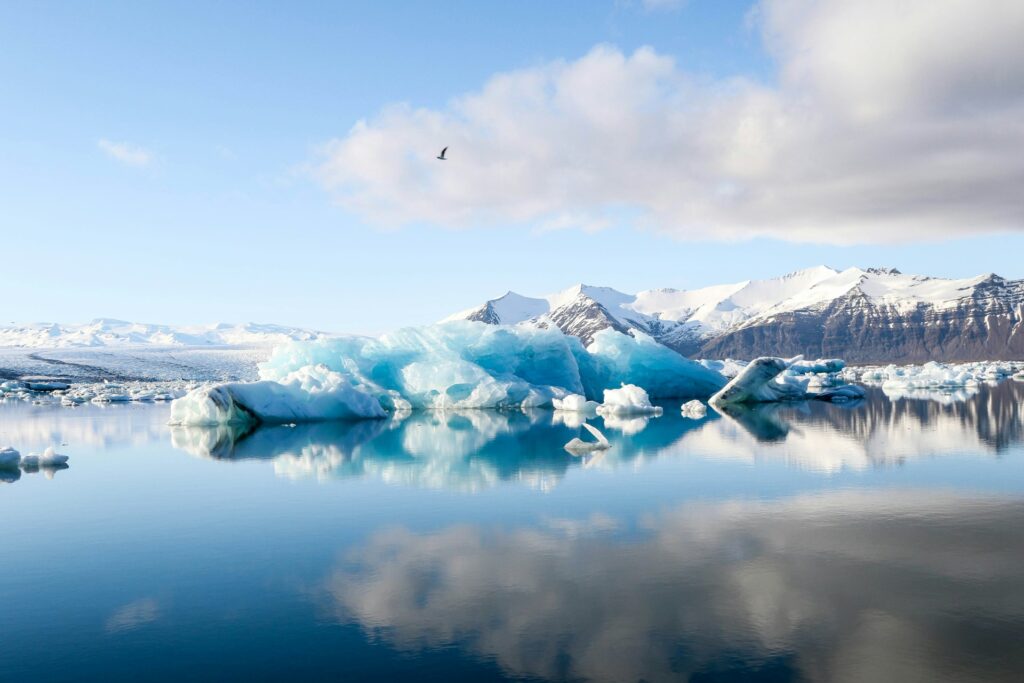
In regions like the Himalayas, Andes, and Alps, glaciers act as natural water towers—slowly releasing water that feeds rivers and supports millions of people. As these glaciers melt faster than they can replenish, the consequences are twofold: increased flooding now, followed by severe droughts in the future.
This isn’t just an alpine issue. Major rivers like the Ganges, Yangtze, and Amazon are fed by glacial melt. When those sources dry up, the water crisis could ripple across entire nations and continents.
9. Biodiversity loss reaching irreversible levels
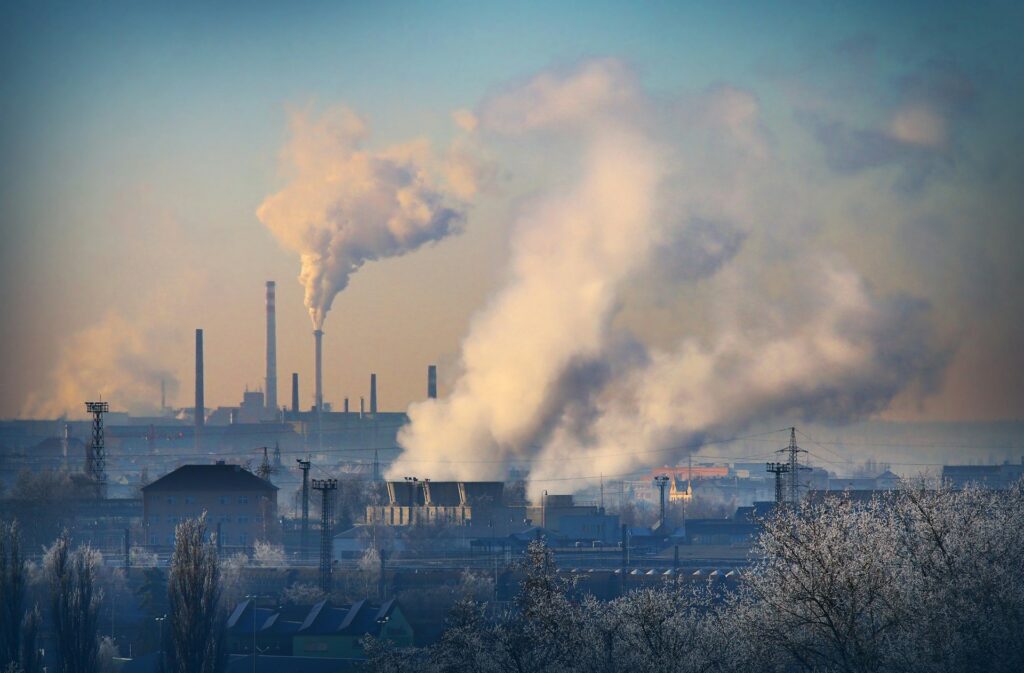
Species extinction is happening at a rate not seen since the dinosaurs disappeared. Habitat destruction, climate change, pollution, and overfishing are all accelerating this sixth mass extinction—and the problem is, ecosystems don’t function properly when key species vanish.
Pollinators, predators, and keystone species hold entire food webs together. Once those links are broken, the damage can’t be undone. And yet biodiversity loss still gets far less attention than climate change, even though the two are deeply intertwined.
10. Peatland destruction releasing ancient carbon
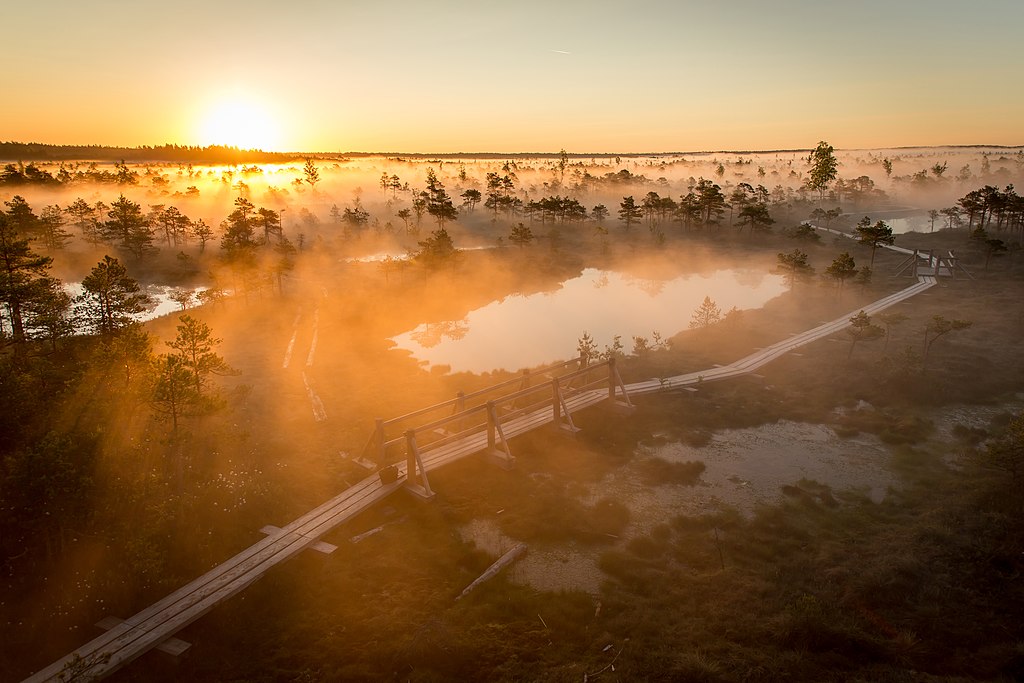
Peatlands are waterlogged ecosystems that store vast amounts of carbon—more than all the world’s forests combined. But they’re being drained, dug up, and burned for agriculture and fuel in places like Indonesia, the Congo Basin, and parts of Northern Europe.
When peatlands dry out, they become highly flammable and start releasing their stored carbon into the atmosphere. Not only does this contribute massively to emissions, it also destroys one of the planet’s most efficient carbon sinks in the process.