Regeneration sounds like something out of science fiction—an arm grows back, a heart mends itself, or entire body parts reappear after injury.
However, in the natural world, some creatures pull this off routinely, and often in ways that leave scientists completely baffled. These animals aren’t just healing—they’re rewriting the rules of biology as we know it. Here are 10 creatures whose regrowth abilities still have researchers wondering how on earth such a thing is possible.
1. Axolotls

The axolotl is basically the poster child for extreme regeneration. These Mexican amphibians can regrow entire limbs, their spinal cords, parts of their brains, and even parts of their hearts. What makes them even more fascinating is that the regenerated tissue is indistinguishable from the original—no scars, no signs it was ever damaged.
Scientists are studying axolotls intensely in hopes of uncovering how their genes allow for such perfect rebuilding. While we understand some of the mechanics, the level of cellular coordination involved is still beyond current medical replication.
2. Sea stars
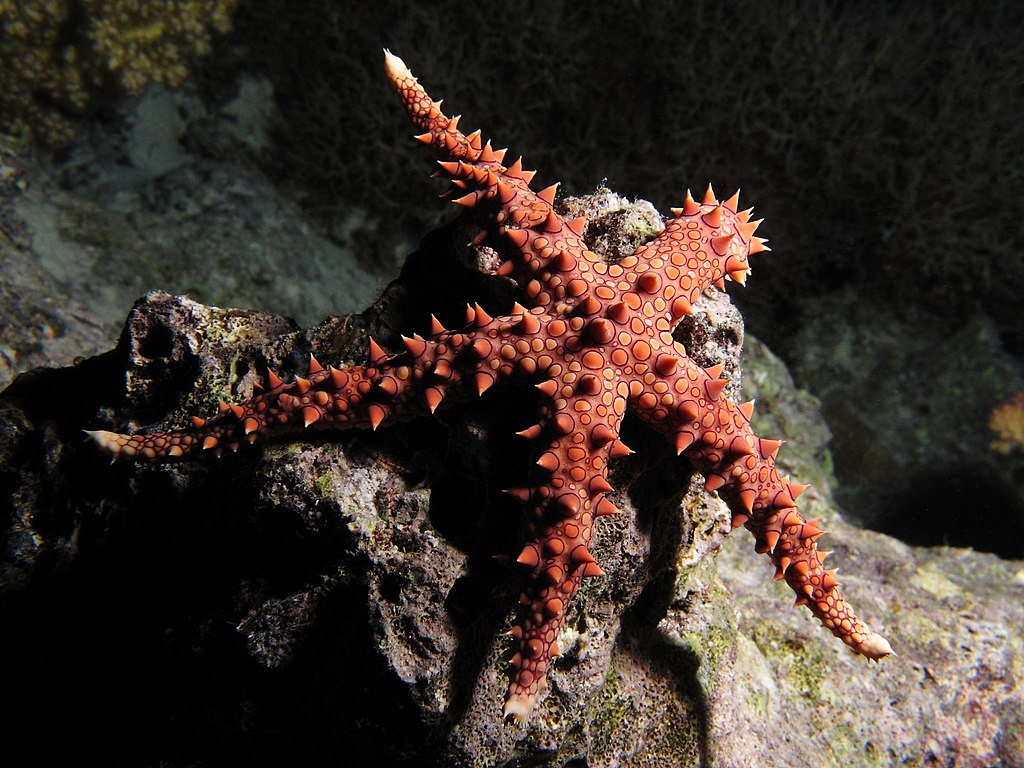
Most people know that starfish can regrow lost arms—but some species can do far more than that. If you slice certain sea stars in half, they don’t just survive—they regenerate into two fully functioning creatures.
What’s baffling is how they manage this with such simple nervous systems. Their ability to regrow central body components, including parts of the mouth and internal organs, is something that still defies full scientific explanation.
3. Planarian flatworms
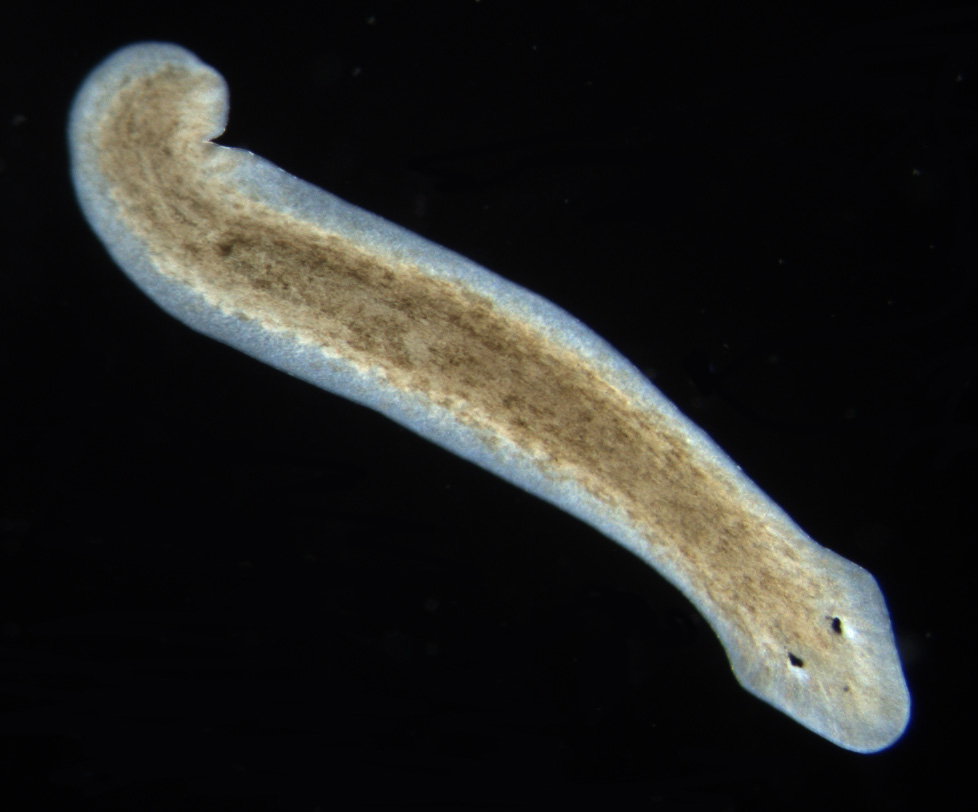

Cut a planarian into multiple pieces, and each one can regrow into a whole new worm. It’s not just a party trick—it’s full-body regeneration from scraps. Some scientists have sliced them into hundreds of pieces, each of which became a functioning worm.
Their secret lies in their stem cells, which remain pluripotent throughout their lives. But how those cells know exactly where to go and what to become without forming tumours or abnormalities remains a major biological mystery.
4. Zebrafish
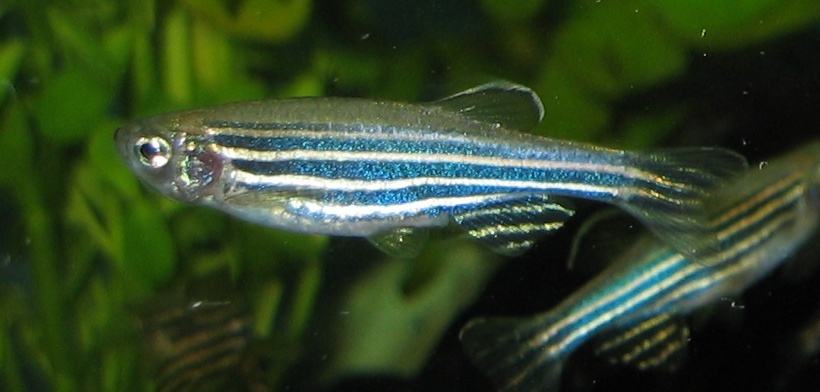
Zebrafish can regenerate their hearts, spinal cords, fins, and even parts of their eyes. Unlike mammals, which form scar tissue, zebrafish rebuild organs with functioning tissue that integrates perfectly with the old.
Researchers are especially fascinated by their heart regeneration, which occurs after injury in just weeks. Understanding how zebrafish reactivate growth genes could one day change the way we treat heart damage in humans—but we’re still far from decoding it fully.
5. Sea cucumbers
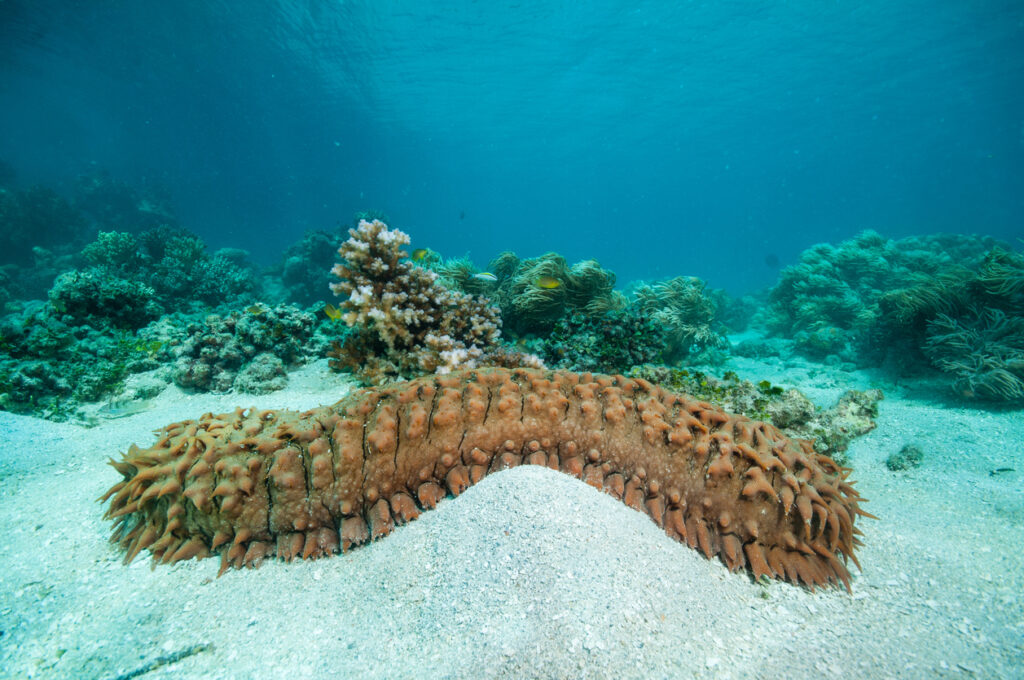
These odd-looking echinoderms take regeneration to another level. When threatened, some sea cucumbers eject their internal organs, essentially sacrificing their guts to escape predators. Then, over the following weeks, they regrow the entire lost system.
How they regenerate vital organs like respiratory trees and intestines without suffering infection or breakdown is still unclear. Their immune systems seem unusually forgiving during the regrowth process, something human bodies can’t currently mimic.
6. Spiny mice

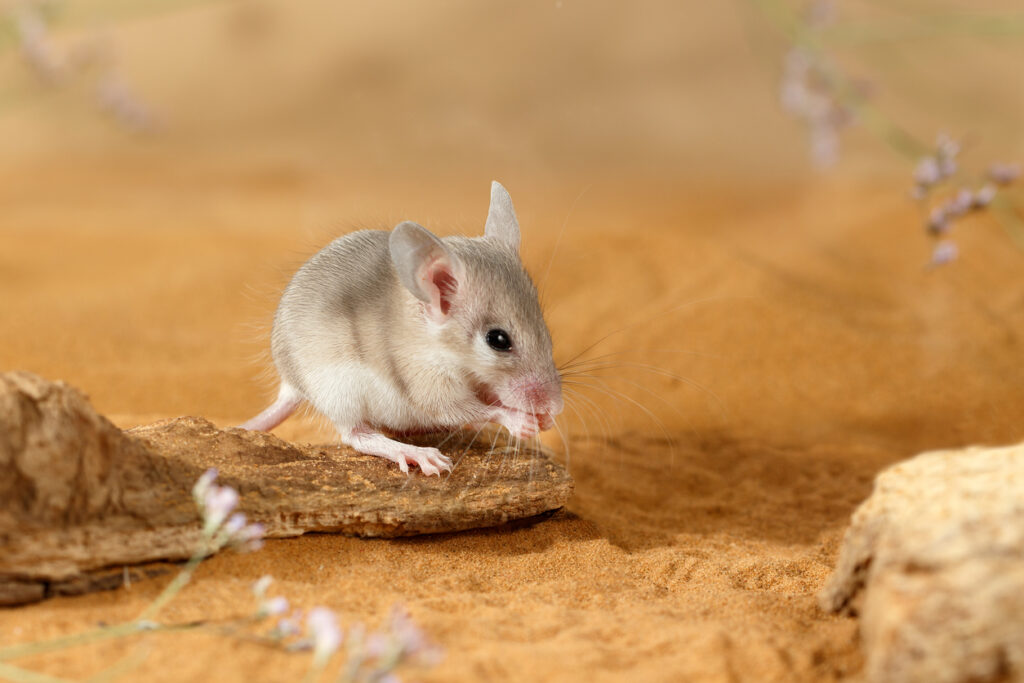
Unlike most mammals, spiny mice can regrow damaged skin, including hair follicles, sweat glands, and even cartilage. After injury, they regenerate skin in a way that doesn’t scar—something humans are entirely incapable of. This kind of regeneration blurs the line between typical mammalian healing and something closer to what’s seen in reptiles or amphibians. It has scientists rethinking what might actually be possible in human tissue repair.
7. Salamanders
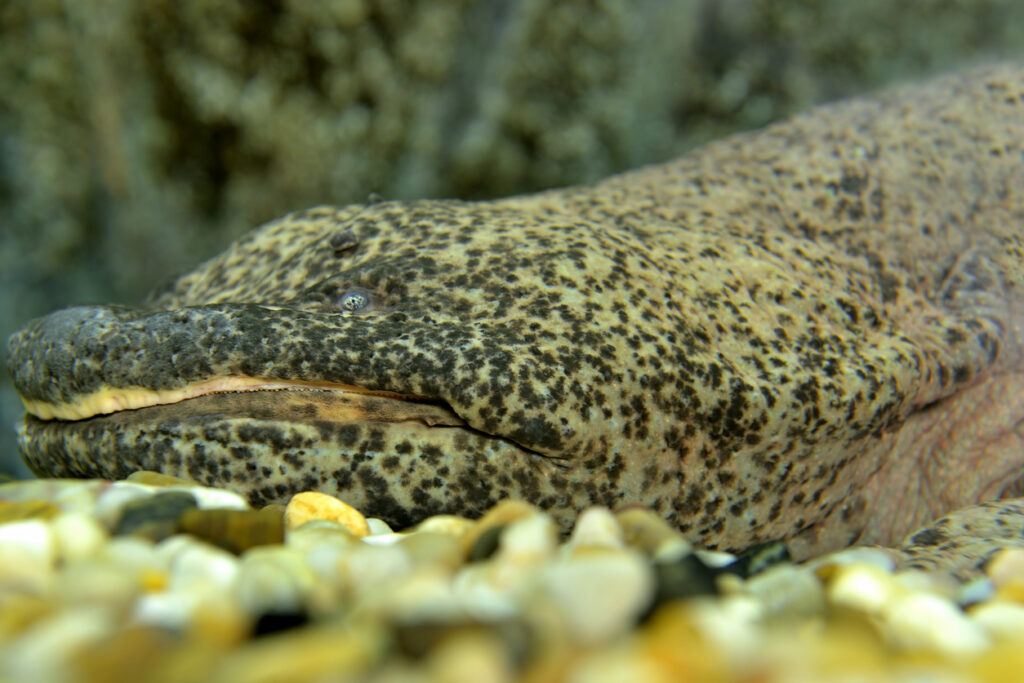
Closely related to axolotls, many salamanders also possess stunning regenerative abilities. They can rebuild legs, tails, jaws, and even parts of their hearts and eyes. What remains unclear is why certain species can do this while others, including humans, cannot. Researchers suspect it has something to do with how salamanders suppress immune responses and trigger specific genetic pathways—but the full mechanism is still elusive.
8. Deer (antlers specifically)
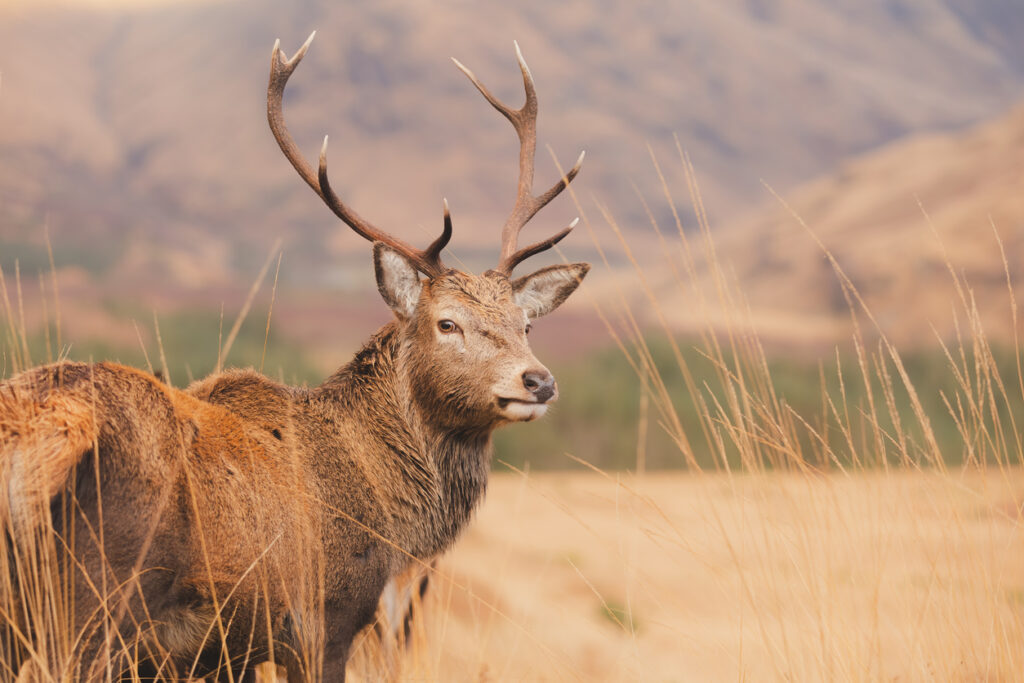
While it might not sound as dramatic, deer antlers are one of the fastest regenerating structures in the animal kingdom. Male deer shed and regrow their antlers every year, with up to two centimetres of bone growing per day. This rapid bone formation, controlled by stem cells in the pedicle, is unlike anything else seen in mammals. Scientists are studying antler regrowth to understand how we might one day trigger similar bone healing in humans.
9. Sharks
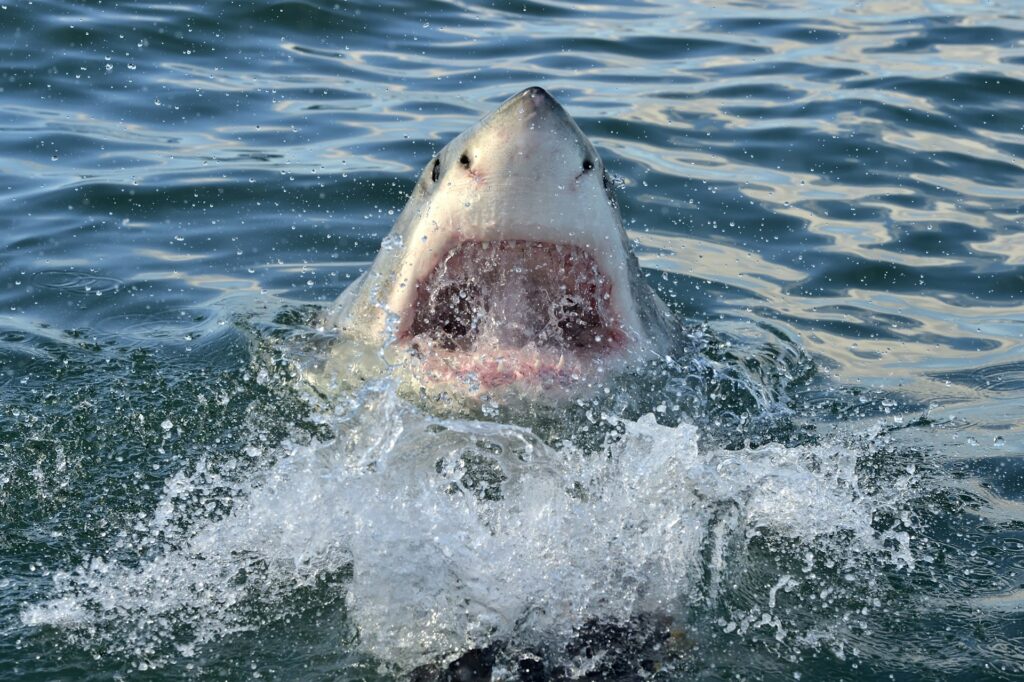
Some species of sharks can regrow lost or damaged teeth indefinitely—some replacing up to 30,000 teeth in their lifetimes. What’s even more intriguing is that certain shark species can also heal wounds at an incredibly fast rate, with minimal scarring.
While the tooth regrowth mechanism is relatively well-understood, the skin regeneration and infection resistance still raise questions. Sharks regenerate in a way that seems almost immune to bacterial threats—something medicine would love to replicate.