Some animal behaviours are so consistent, so symbolic, and so strange that they almost feel like rituals.
These aren’t just one-off quirks—they’re behaviours repeated across generations, species, and continents. Still, even with decades of research, scientists still don’t fully understand what drives them. Whether it’s for survival, connection, or something we haven’t yet named, these animal rituals remain full of unanswered questions.
1. Elephants mourning their dead
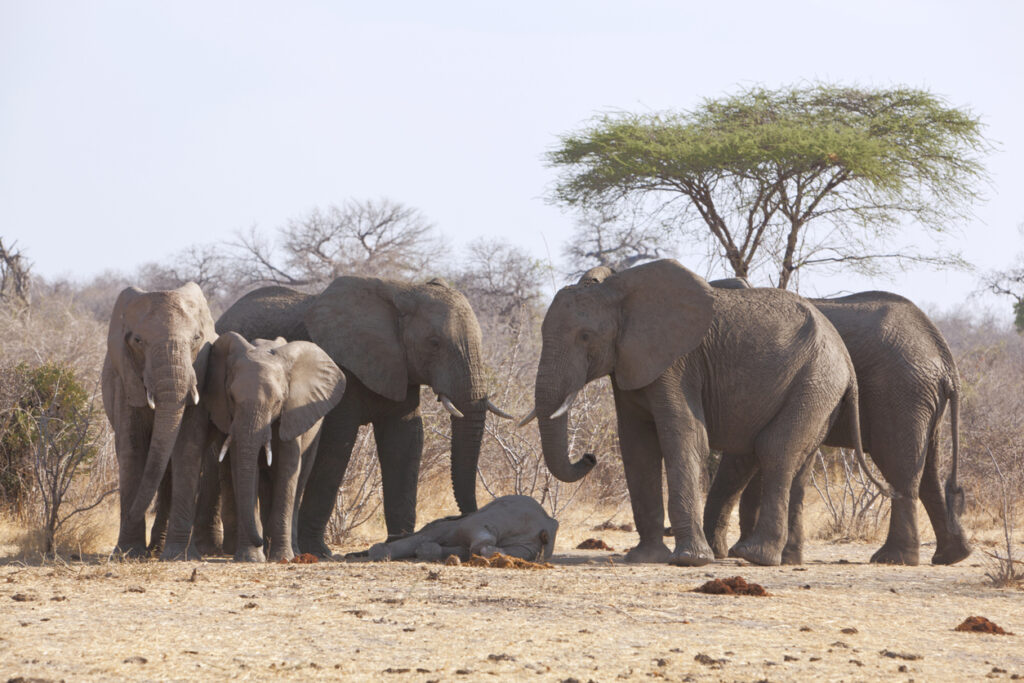
When an elephant comes across the bones of another elephant—especially a relative—it often stops. It touches the bones gently with its trunk, lingers silently, and sometimes returns to the same spot days or weeks later. Some have even been seen covering bodies with leaves or soil.
Scientists are still trying to understand whether this behaviour reflects grief, recognition, or something else entirely. It’s one of the most moving and complex responses to death in the animal world—and no one knows exactly what’s going on beneath the surface.
2. Whales forming mysterious ‘resting circles’
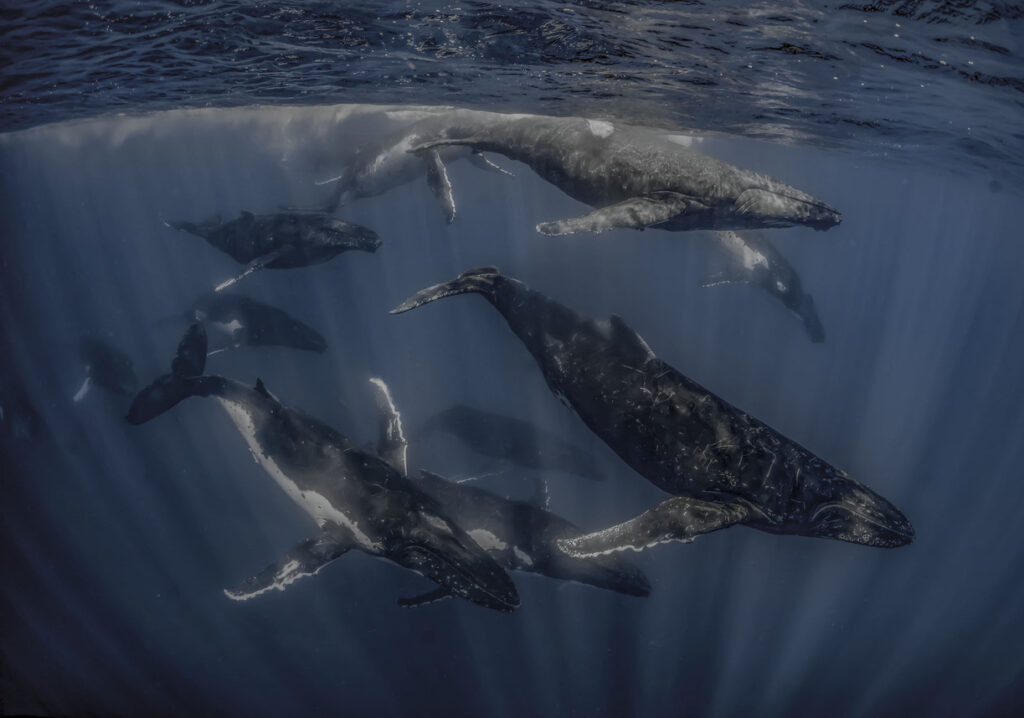
Groups of sperm whales have been observed floating vertically in tight, slow-moving circles near the ocean’s surface. Sometimes they stay this way for hours, unmoving and eerily still—almost like a meditative gathering. It’s unclear whether these are social bonding rituals, rest periods, or something entirely different. The stillness, coordination, and timing suggest purpose, but scientists haven’t agreed on what that purpose is.
3. Chimpanzees stacking rocks at sacred-like trees
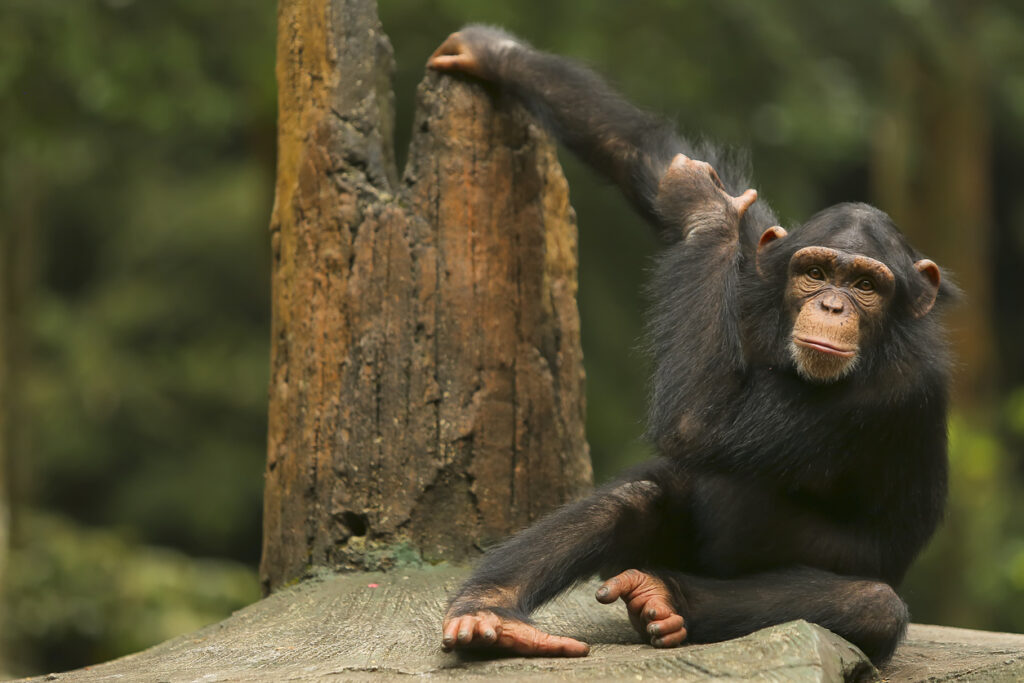
In parts of West Africa, chimps have been recorded repeatedly throwing or stacking rocks at the base of certain hollow trees. There’s no food, no obvious reward—just a repeated pattern that resembles ritual behaviour. Some researchers have compared this to early human stone cairns or sacred sites. Whether it’s a form of communication, a boundary marker, or something symbolic, the behaviour is surprisingly uniform, and still not fully understood.
4. Wolves howling in coordinated, almost ceremonial ways
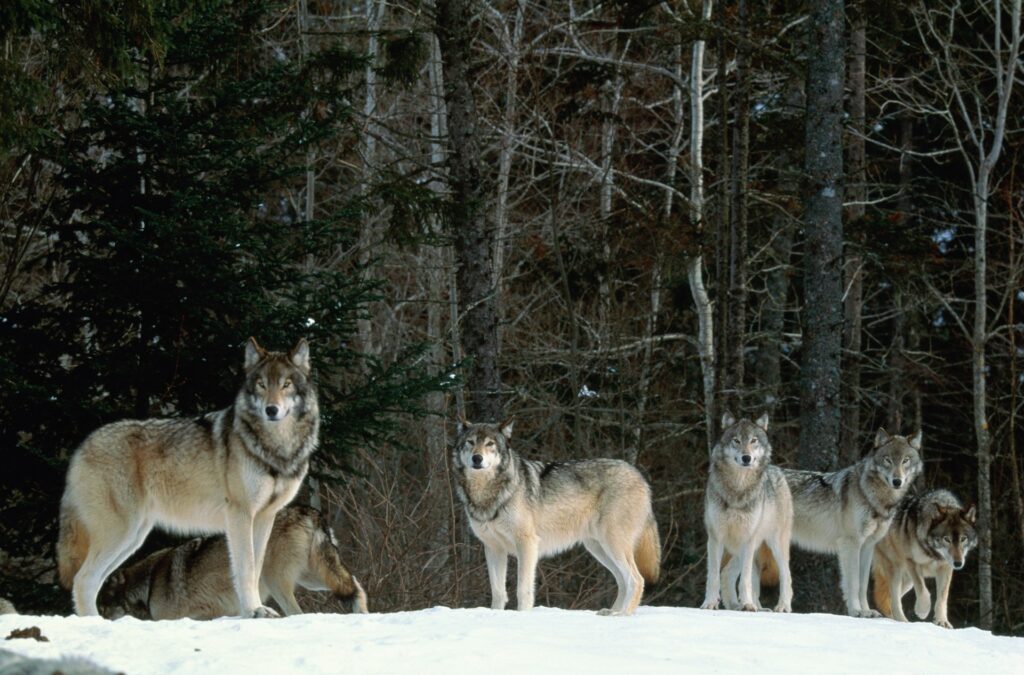
Wolves are known for howling, but some howling sessions follow strange patterns—multiple pack members joining in at precise moments, pausing in sync, and continuing as if following some invisible structure. Some researchers believe it may strengthen social bonds or serve as a territorial display, but others have noticed timing that doesn’t align with hunting, threats, or navigation. The deeper rhythms of wolf communication remain partly unknown.
5. Sea turtles returning to exact beaches to lay eggs
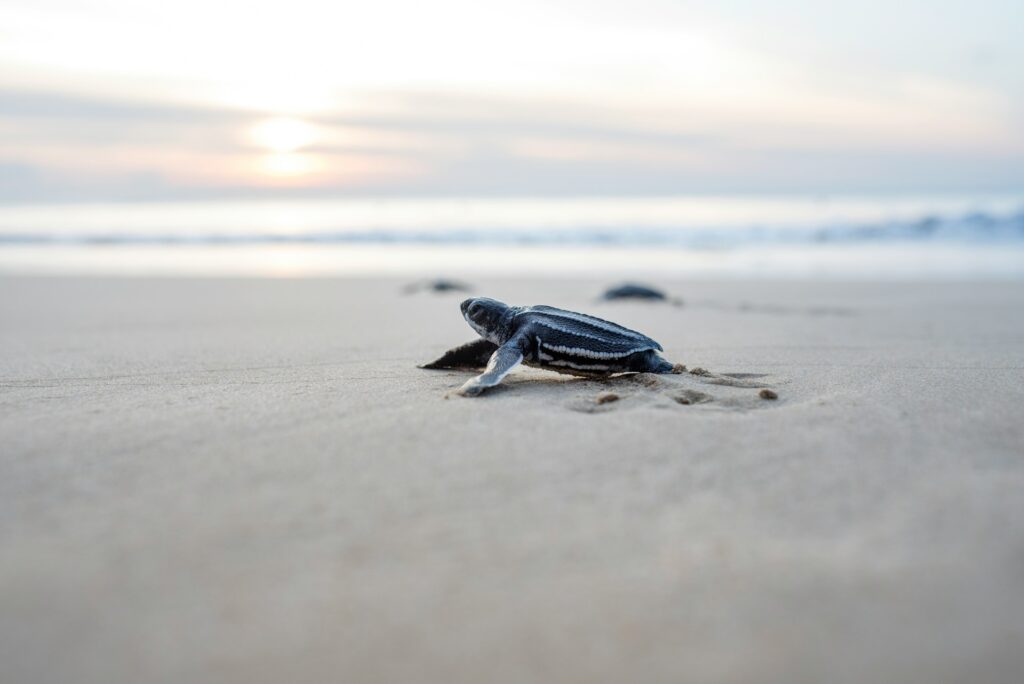
Sea turtles travel thousands of miles across oceans but return—down to the same few metres—to the exact beach where they were born to lay their eggs. How they navigate so precisely is still debated. It’s more than just migration—it’s a form of ecological loyalty that scientists haven’t fully mapped out. Magnetic fields? Chemical cues? Something internal and ancient? The pull is undeniable, but the mechanism is still murky.
6. Bowerbirds building elaborate ‘courtship galleries’
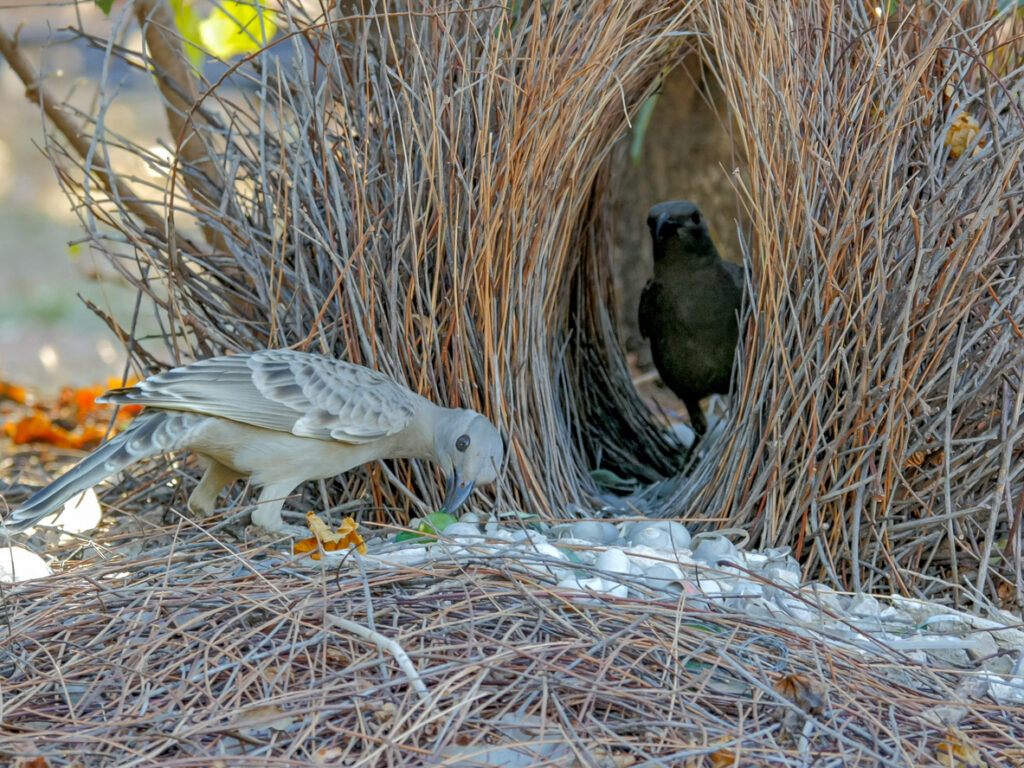
Male bowerbirds construct detailed structures using sticks, shells, berries, and even trash. They decorate with obsessive precision, arranging colours and shapes to attract a mate. No two bowers are quite alike. It’s not just about shelter—it’s clearly artistic, even ceremonial. Why such aesthetic complexity evolved remains a puzzle. Some scientists think it could be cognitive display, but there’s more going on than just “look at my stuff.”
7. Ants holding funerals for their dead
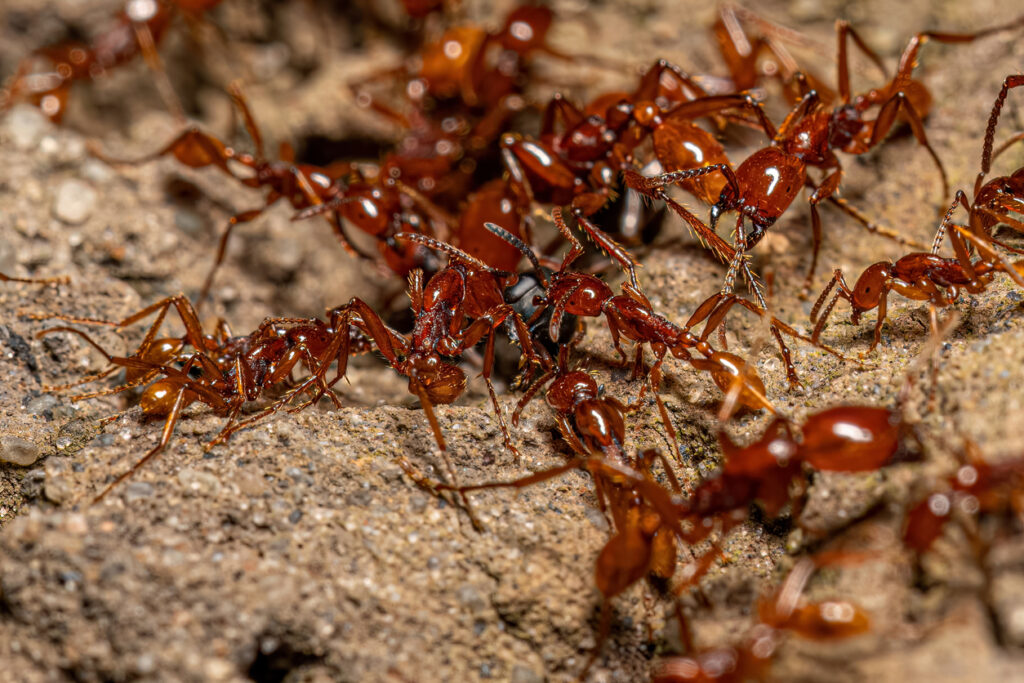
When an ant dies, it releases a chemical signal that prompts other ants to carry it away and deposit it in a kind of ‘graveyard’ area, separate from the colony. It’s remarkably consistent and happens across many species. While it may be instinctive, the behaviour has a kind of ritualised structure that raises questions about collective memory and colony-wide hygiene rituals. The exact drivers behind the funeral-like behaviour are still being explored.
8. Birds performing complex dawn choruses
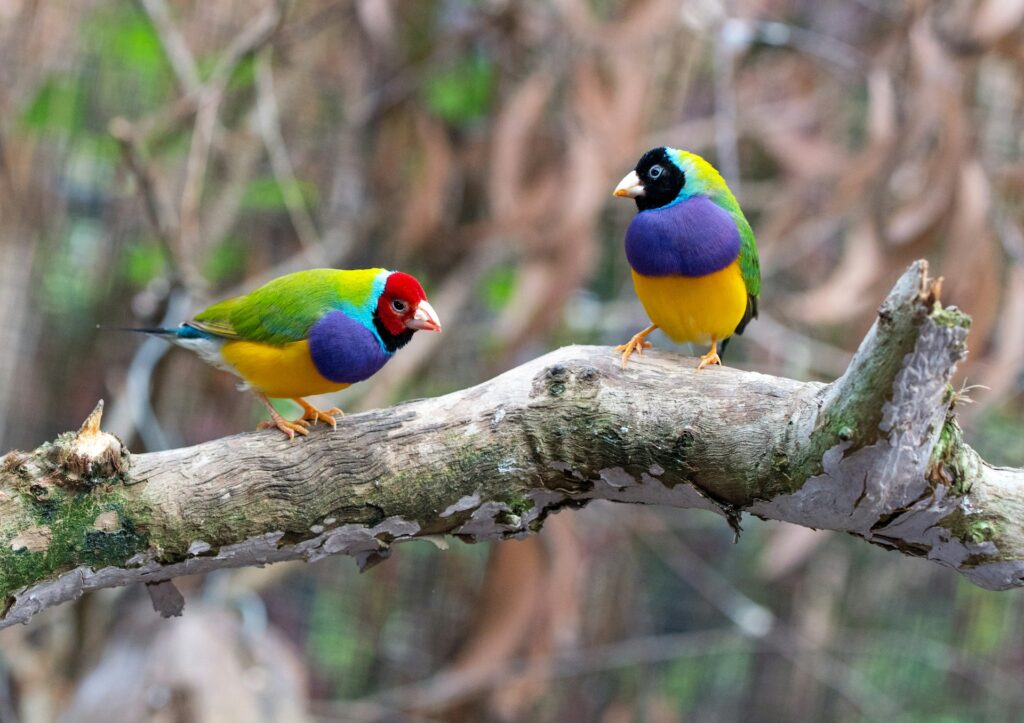
In many ecosystems, birds begin singing en masse just before dawn in highly structured patterns. It’s not random—certain species sing first, followed by others, almost like a scheduled musical performance. The purpose isn’t fully clear. Some think it’s territorial, others believe it’s a form of synchronised communication or bonding. But the timing and precision suggest there’s something deeper at play than just “waking up.”
9. Octopuses rearranging their dens obsessively
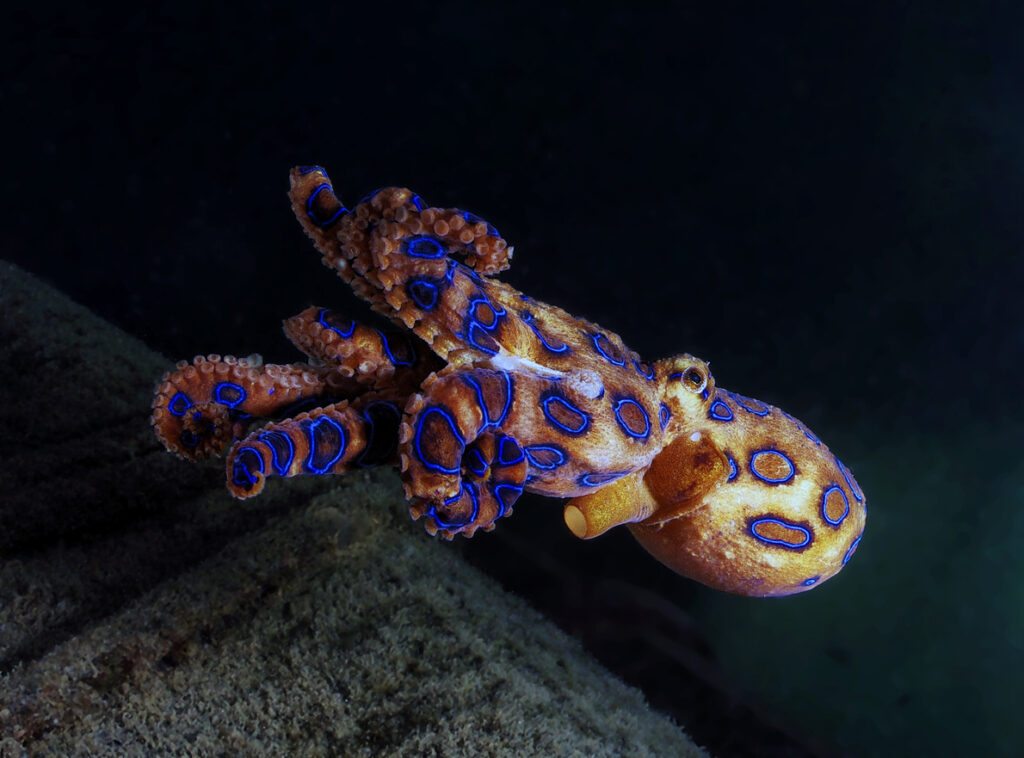
Octopuses are known for being clever, but in some environments, they’ve been observed repeatedly cleaning, decorating, and reorganising their dens, even when there’s no threat or immediate reason to do so. Some scientists speculate this could be stress-related, while others see potential signs of ritual behaviour. The way octopuses arrange shells, stones, and objects almost resembles a curated personal space—highly unusual for animals we assume are solitary.
10. Monkeys visiting ‘hot spring temples’ in Japan
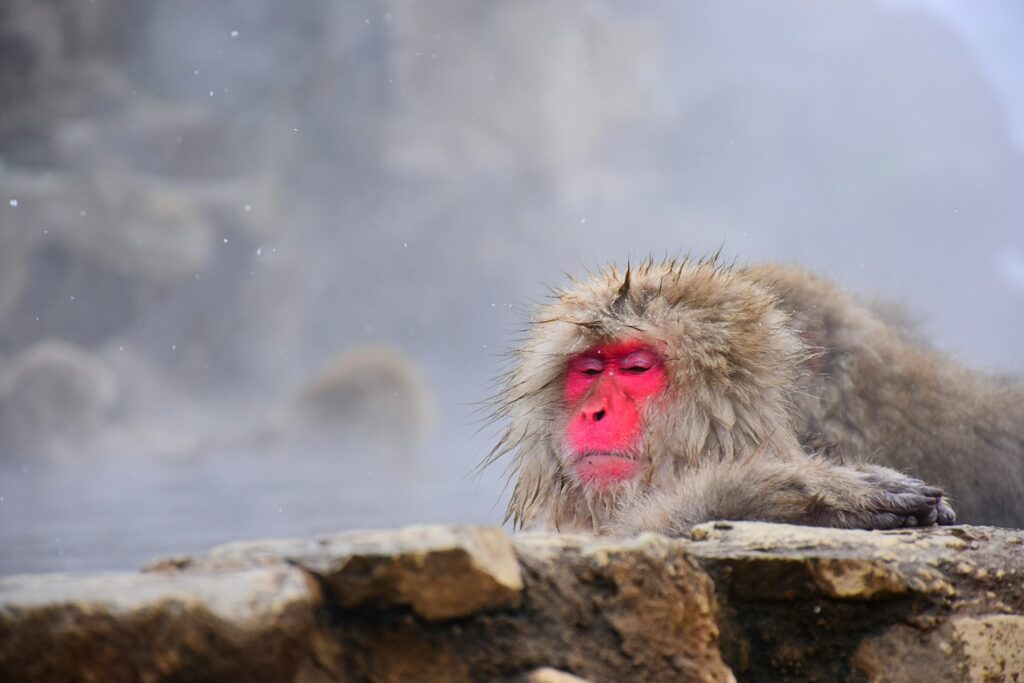
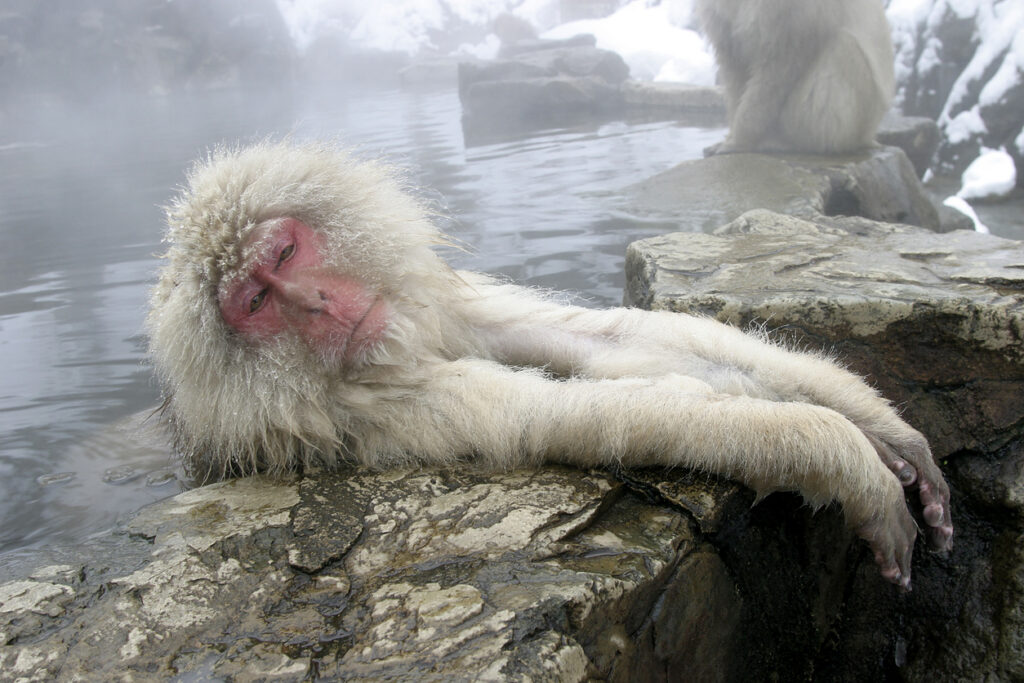
Japanese macaques famously soak in natural hot springs during winter, but it’s not just for warmth. Some groups show patterns of returning at the same times, using the same pools, and even passing down access from dominant to younger members. It’s social, seasonal, and seemingly structured. Scientists have studied the behaviour for decades, but the cultural aspect—how it’s passed on and who gets to join—is still being uncovered.
11. Flamingos performing synchronised dances
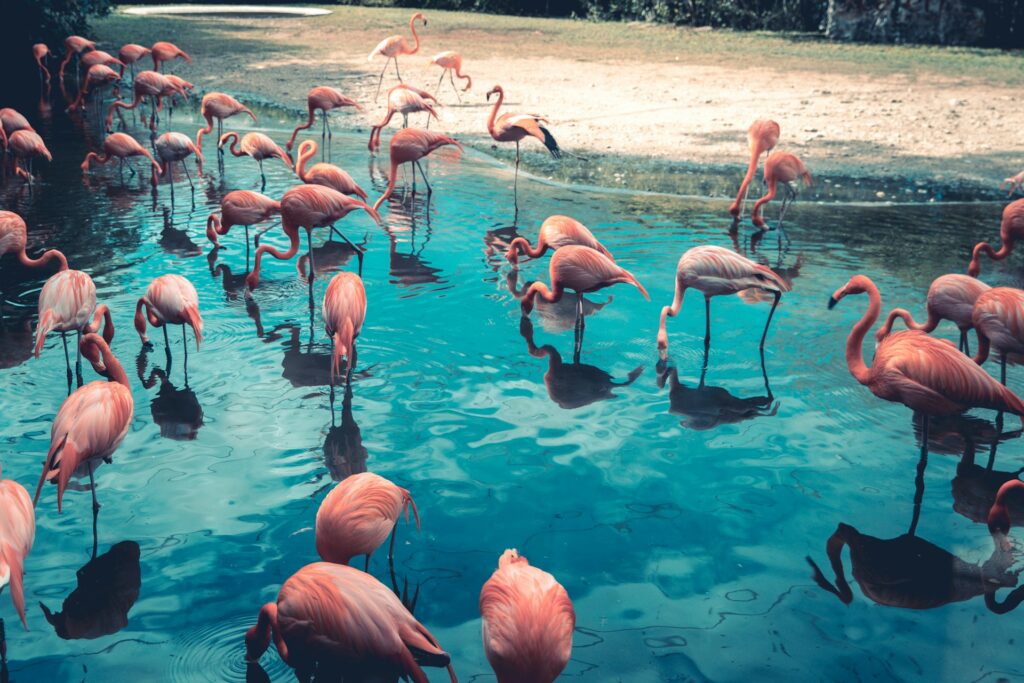
Flamingos don’t just stand around looking pretty. During mating season, they engage in choreographed group dances—head-flagging, wing-saluting, and marching in unison in groups of hundreds or more. What’s strange is how consistent and coordinated the moves are across flocks and regions. Scientists know it’s linked to mating, but the depth of the synchronisation still raises questions about how it’s learned and led.
12. Manta rays gathering in mysterious circles
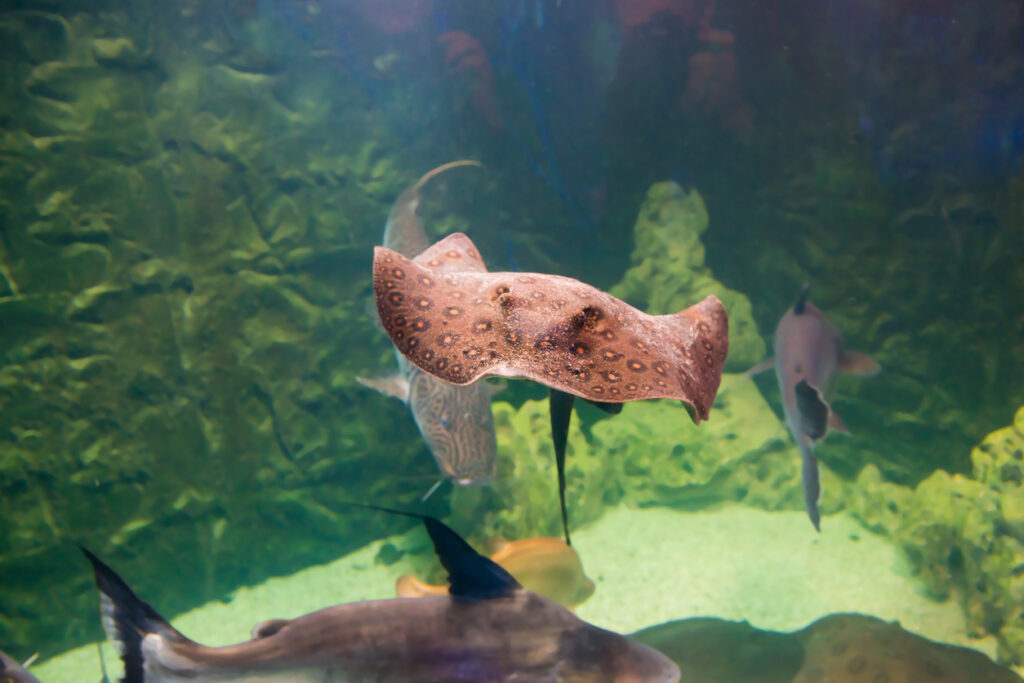
In some parts of the world, manta rays gather in large, slow-moving groups that spiral or hover in patterns. They don’t feed or mate visibly during these times—they just circle together, sometimes for hours. Some call them “manta trains” or “feeding wheels,” but their purpose isn’t fully known. The elegance and timing of these gatherings hint at some deeper collective rhythm—something beyond instinct alone.
13. Meerkats standing sentry in ritualised rotations
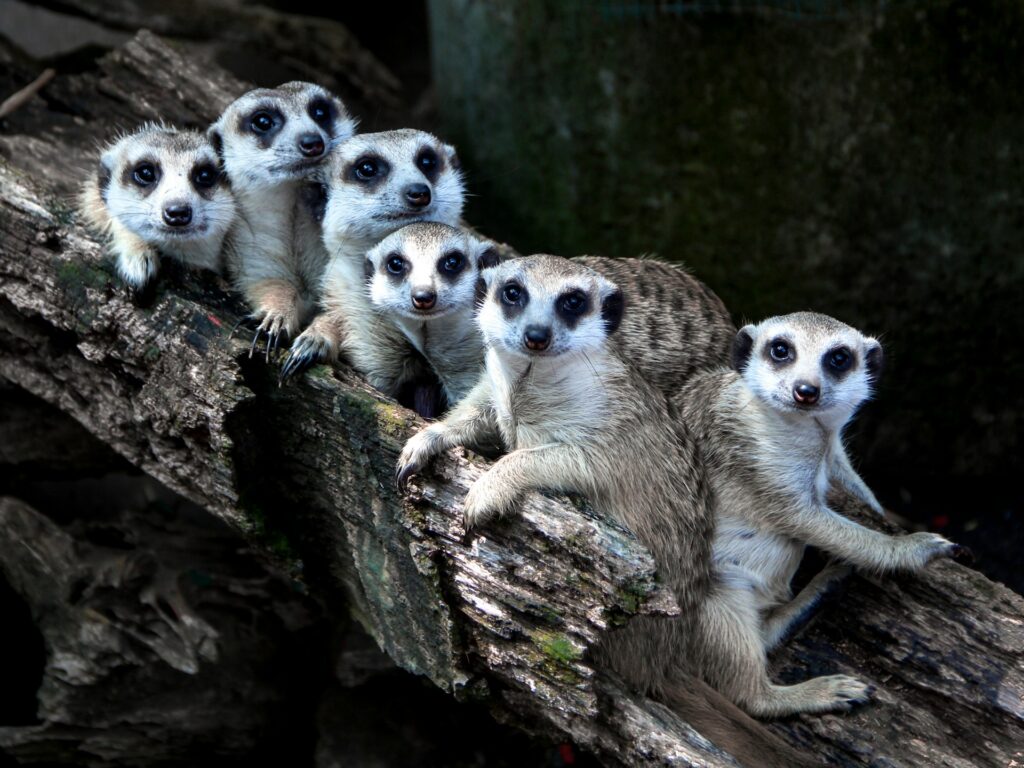
Meerkat colonies operate on strict lookout routines, with individuals taking turns standing sentry while others forage. They rotate silently, often standing on the same rock or post, following unwritten rules. Scientists believe this is about safety and cooperation, but the structured way the rotation plays out—without conflict or hesitation—suggests more than basic instinct. It functions almost like a ceremony of mutual trust.
14. Dolphins passing around objects like ritual tokens
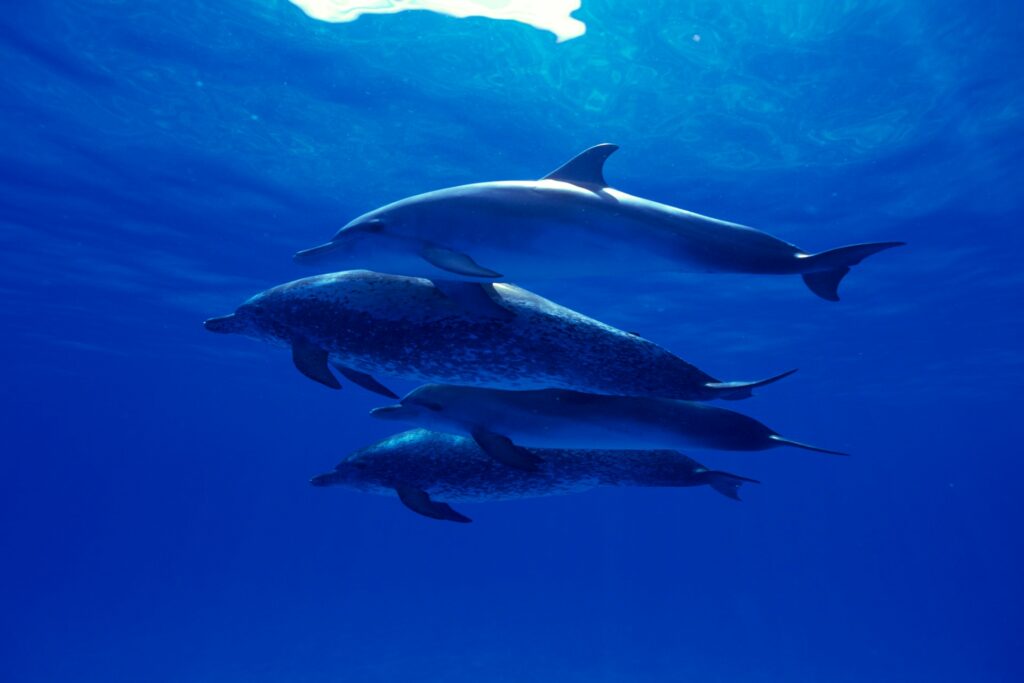
In some pods, dolphins have been seen passing seaweed, coral, or even shells between each other—sometimes during play, sometimes before or after confrontations. The objects don’t serve a clear purpose. Researchers suspect these may be social bonding behaviours or early forms of symbolic gesture. But no one fully understands what they’re trying to communicate—or why certain pods do it consistently and others don’t.