Long before sirens or seismic alerts, animals have been known to pick up on the early signs of approaching disaster.

Whether it’s a subtle change in air pressure, vibrations we can’t feel, or chemical changes in the environment, some species seem to know when something big is coming. Here are some of the animals whose instincts have outpaced even our best warning systems. As it turns out, nature does a better job at science than technology does sometimes.
1. Elephants
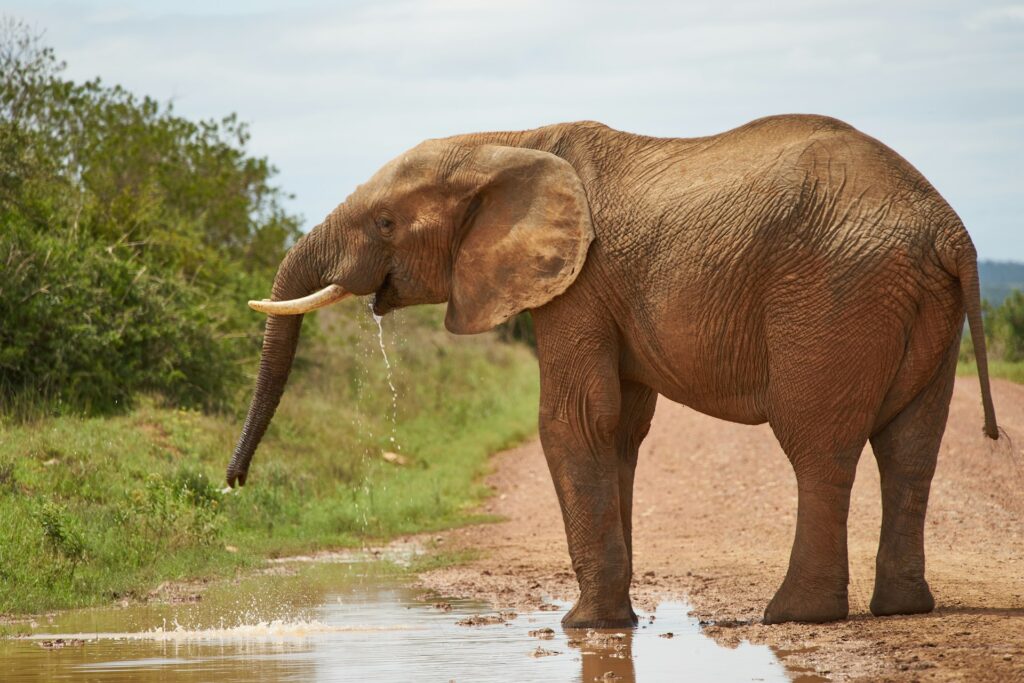
In parts of Asia and Africa, elephants have been observed fleeing low-lying areas hours before tsunamis or storms hit. Their powerful hearing allows them to detect subsonic rumbles and vibrations from far away—sometimes even the tremors of distant earthquakes.
What’s striking is their collective response: whole herds will shift direction or retreat uphill without prompting. It’s not chaos—it’s instinctual coordination. Many believe they can pick up low-frequency cues in the ground or air that our senses just can’t register.
2. Dogs

Many dog owners report their pets acting anxious, clingy, or unsettled before natural disasters like earthquakes or severe weather events. They may pace, whine, or hide in unusual places, often well before humans notice anything’s off.
It’s thought that dogs can sense vibrations, barometric shifts, and even subtle smells that change before disasters. Their acute hearing and close attunement to human emotion also make them incredibly sensitive to shifts in energy or environment.
3. Cats

Cats are notoriously mysterious, but their instincts are sharp. In several earthquake-prone regions, people have reported cats disappearing or acting oddly just before a quake hits—sometimes hours in advance.
Though science is still catching up to fully explain it, cats may be picking up on high-frequency sounds, static electricity, or ground vibrations before humans can. Their sudden urge to hide or escape might be less aloofness and more intuitive survival.
4. Toads
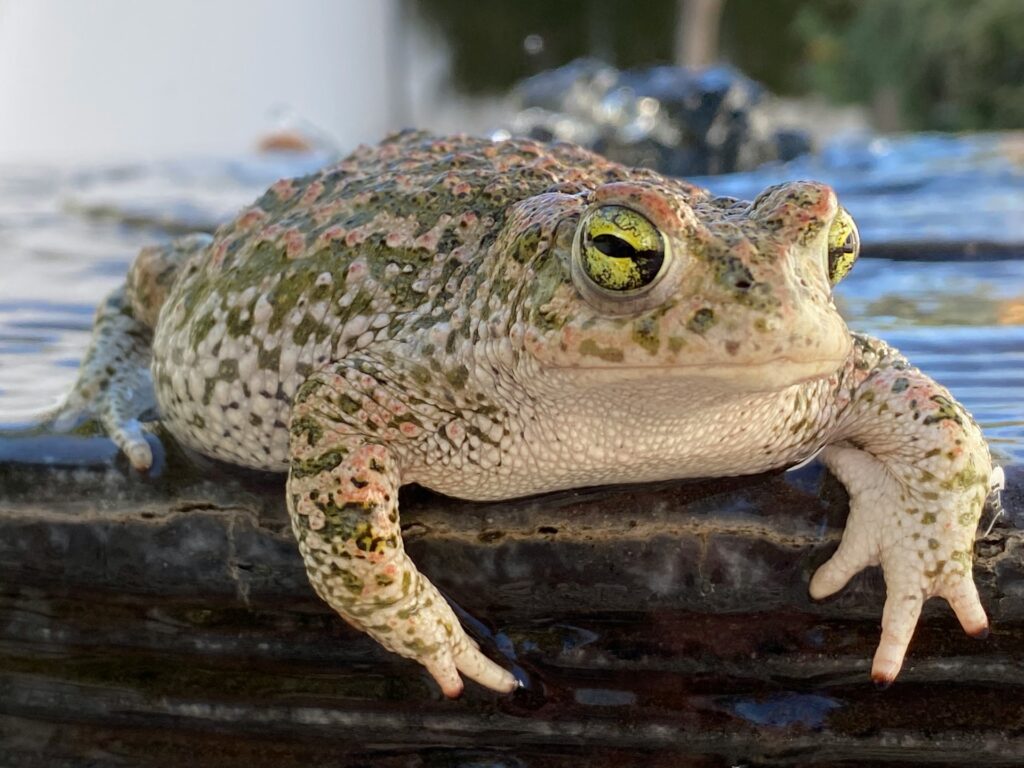
In 2009, a group of toads in Italy abandoned their breeding site days before a major earthquake struck—a behaviour that baffled researchers at the time. Amphibians are deeply in tune with their environment, particularly shifts in water chemistry and ground vibration.
Toads may detect pre-seismic activity through changes in the Earth’s electric field or subtle environmental stressors. Their early departure wasn’t random—it was likely a direct response to signals of impending danger, hidden in the landscape.
5. Birds
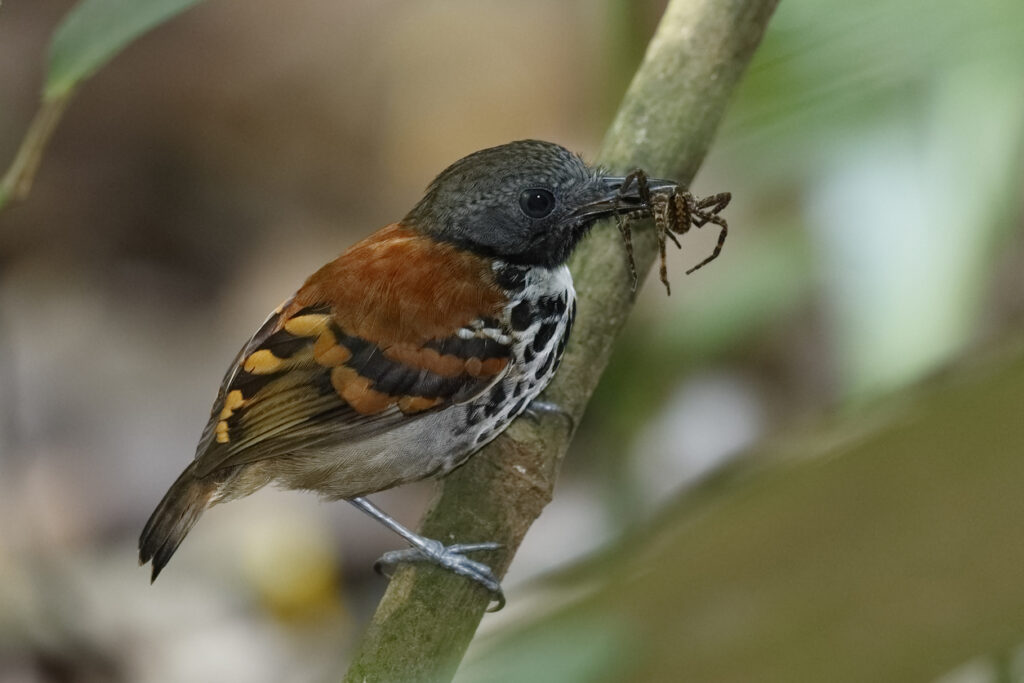
Birds are sensitive to barometric pressure and often adjust their flight patterns before storms, hurricanes, or even volcanic eruptions. In the lead-up to disasters, they may suddenly fly in strange formations, change migration paths, or vanish from usual areas.
Some species have been recorded evacuating in flocks hours before an earthquake or severe storm. Their hollow bones and acute senses give them an early advantage—allowing them to detect atmospheric shifts we don’t consciously register.
6. Sharks
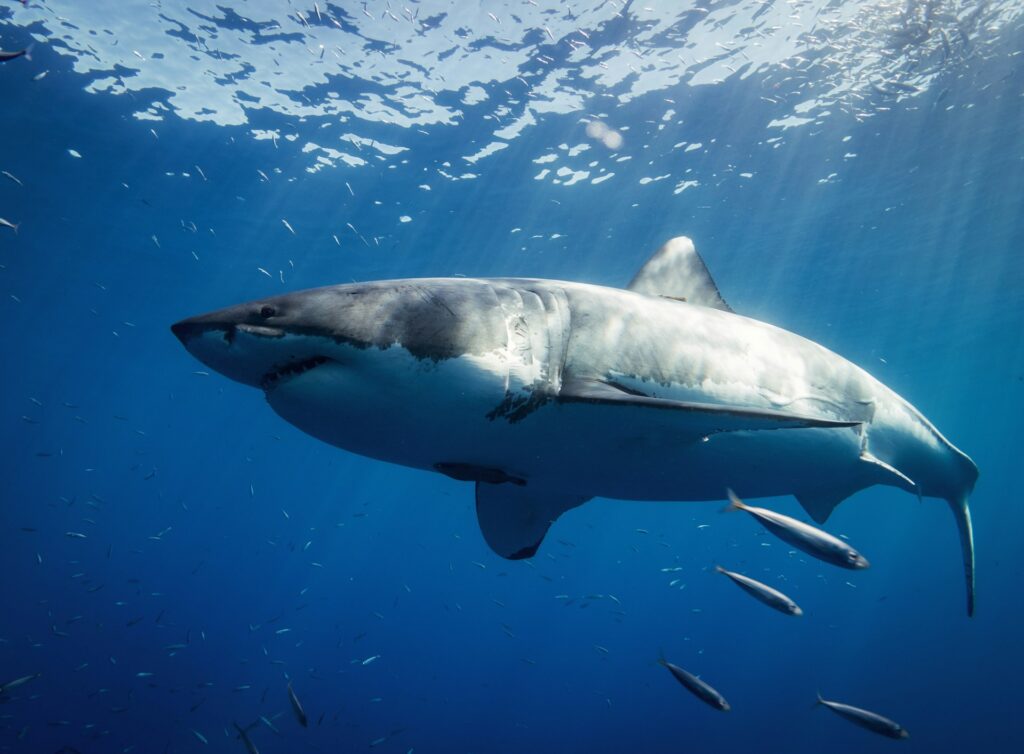
Sharks can detect changes in barometric pressure and electromagnetic fields in the ocean. Some researchers believe they respond to underwater tremors or temperature shifts caused by seismic activity well before tsunamis or undersea quakes occur.
In some cases, sharks have been seen moving to deeper waters before tropical storms or disturbances—suggesting they may have an instinctive early-warning system built into their sensory system. For them, survival is as much about detection as defence.
7. Goats
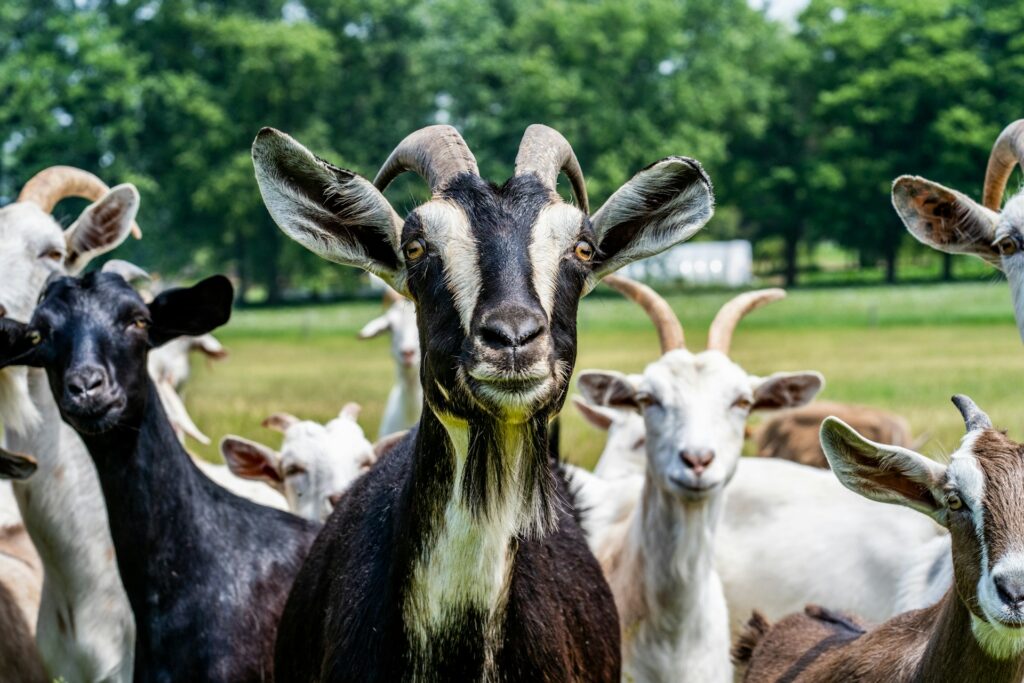
Studies in earthquake-prone regions have shown that goats often display measurable shifts in behaviour before seismic activity. Changes include restlessness, movement toward higher ground, or sudden alterations in feeding and sleeping routines.
Because goats live close to the earth and have excellent balance and sensitivity, they may notice micro-vibrations or subtle shifts in the environment faster than other livestock. It’s not magic—it’s evolution at work.
8. Ants

Ants are small, but their senses are sharp. In some documented cases, ant colonies altered their patterns—stopping foraging or abandoning visible trails—hours or even days before earthquakes hit nearby regions.
It’s believed that ants can detect shifts in the Earth’s magnetic field or changes in underground gases. Their movement is methodical and purposeful, so even small disruptions in their usual habits can be a strong indicator of environmental stress.
9. Horses

Horses, with their strong prey instincts, are often quick to sense danger. There are numerous accounts of horses becoming agitated, refusing to eat, or trying to bolt before earthquakes or large storms roll in.
They may be picking up low-frequency sounds or atmospheric changes that precede the disaster. Because they’re both physically sensitive and highly responsive to emotional cues, their alarm often arrives well before any official warning system kicks in.
10. Fish
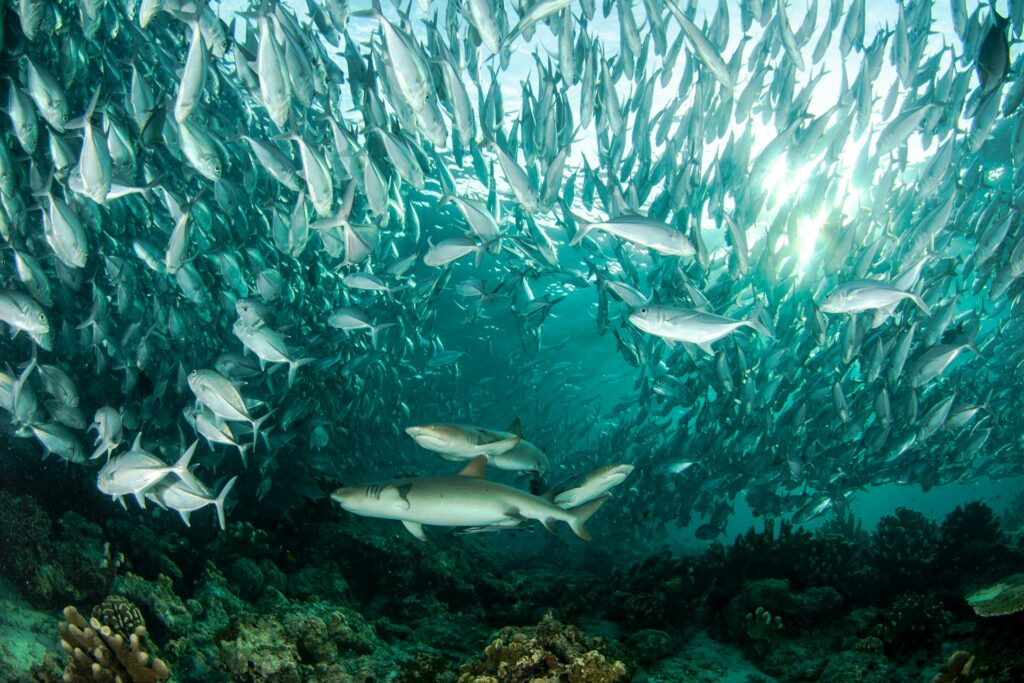
Fish have lateral line systems that let them detect movement and vibration in water. Before earthquakes, some species have been observed swimming erratically, abandoning shallow areas, or displaying heightened activity out of the blue.
They may be reacting to pressure changes or electromagnetic disturbances caused by tectonic shifts. In places like Japan and Indonesia, fishermen have long believed that strange fish behaviour is nature’s warning bell for what’s coming next.