Perhaps unsurprisingly, nature doesn’t always kill cleanly.
While most predators hunt to survive, some take a far more drawn-out approach—playing with their prey, drawing out the process, or using methods that seem cruel by human standards. Here are the animals whose hunting habits go beyond just survival.
1. Orcas (Killer Whales)
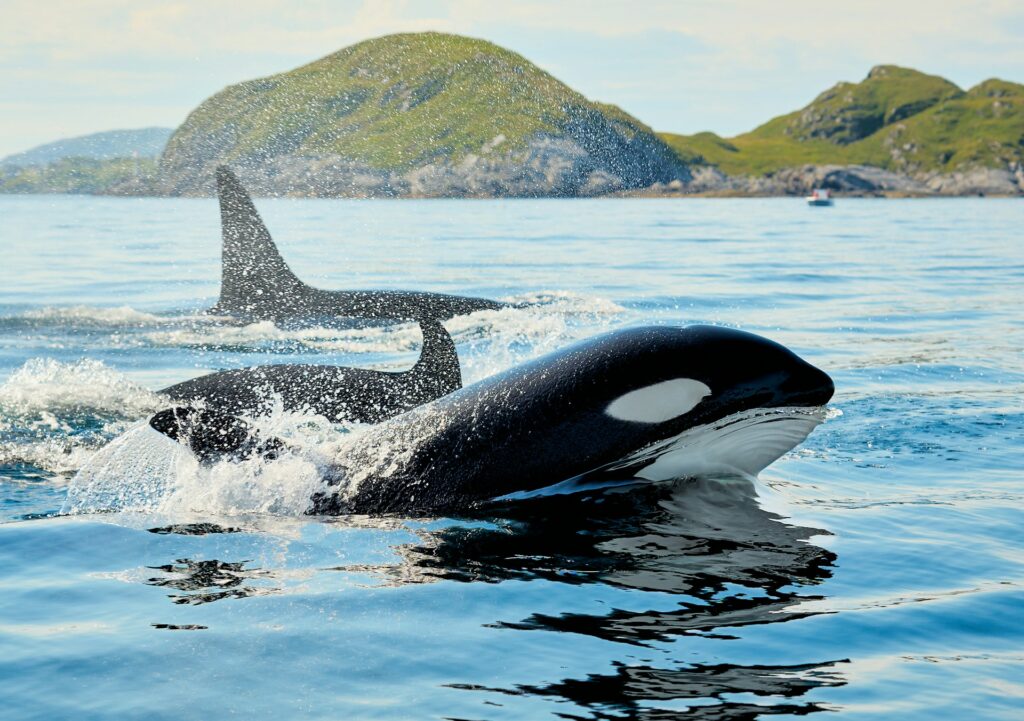
Orcas are intelligent, strategic hunters—but their behaviour often crosses into what looks like sadism. They’ve been seen tossing seals high into the air, not to kill them faster, but seemingly to practise or just for play. In some cases, pods of orcas have been observed tormenting prey for hours before finally killing or abandoning it. Whether it’s training or entertainment, the experience for the prey is far from quick or merciful.
2. Domestic Cats
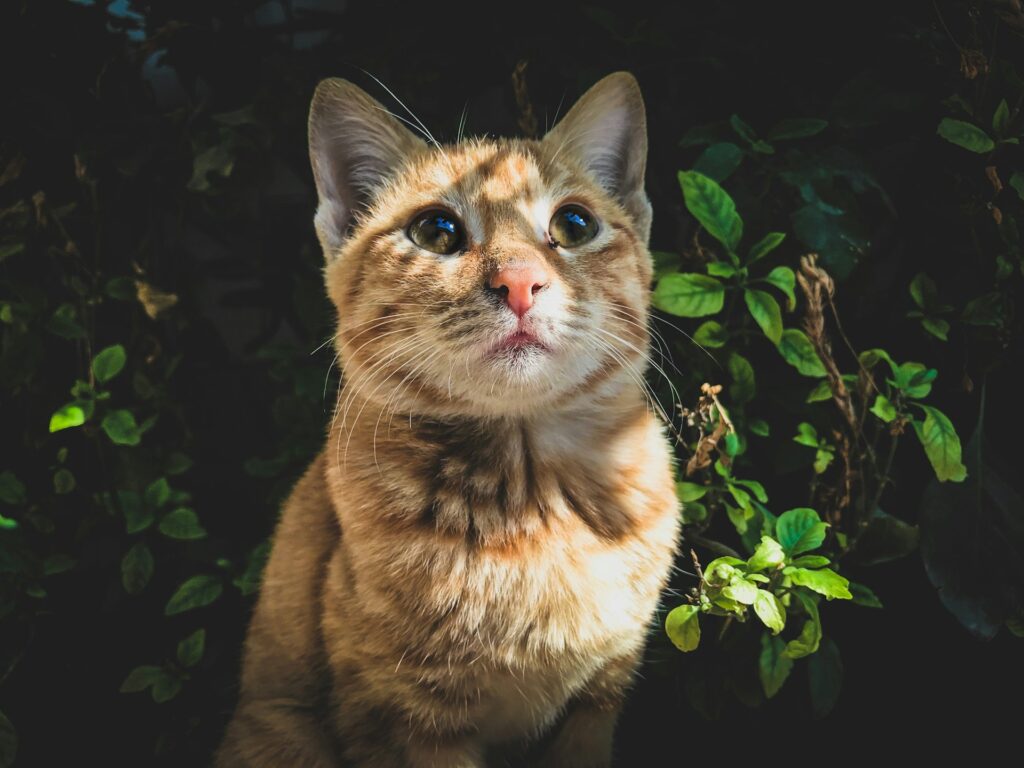
Many cat owners know this all too well: the “gifts” left on the doorstep. But cats don’t always kill quickly. They often play with mice or birds first—batting them, letting them run, then recapturing them again and again. This behaviour is partly instinct and partly practice. Wild instincts remain even in the fluffiest house cat, and unfortunately, their prey tends to suffer for it.
3. Dolphins
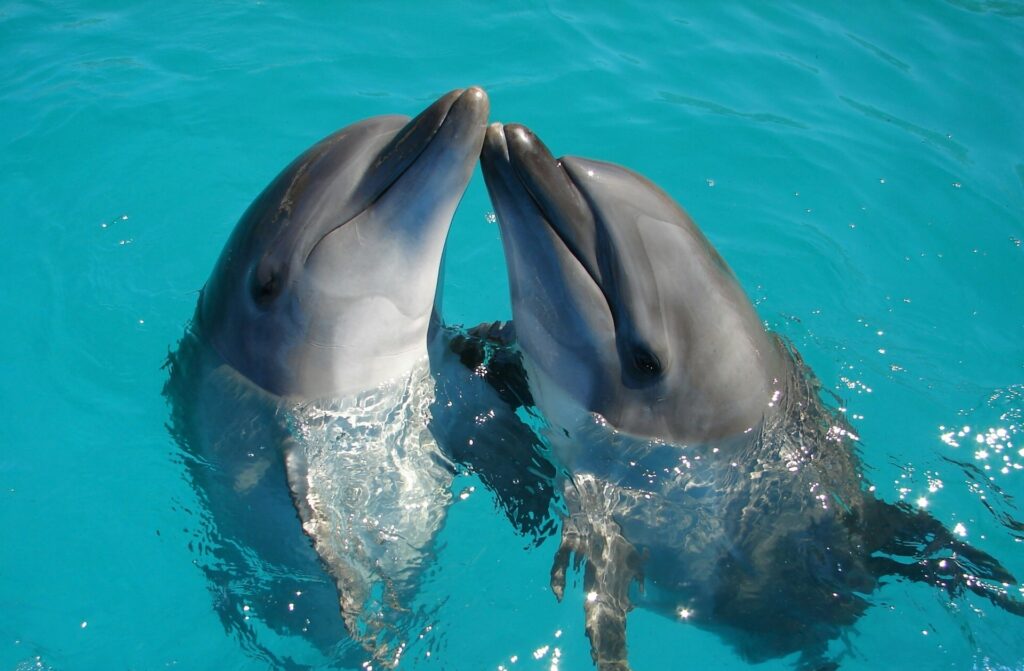
Dolphins have a reputation for being friendly, but their behaviour toward other species can be disturbingly brutal. They’ve been observed violently tossing fish, baby porpoises, and even other dolphins, often without any intention to eat them. In some cases, they’ll repeatedly ram or play with animals to the point of death. It’s social bonding for them. For the victim, it’s a prolonged and violent ordeal.
4. Spotted Hyenas
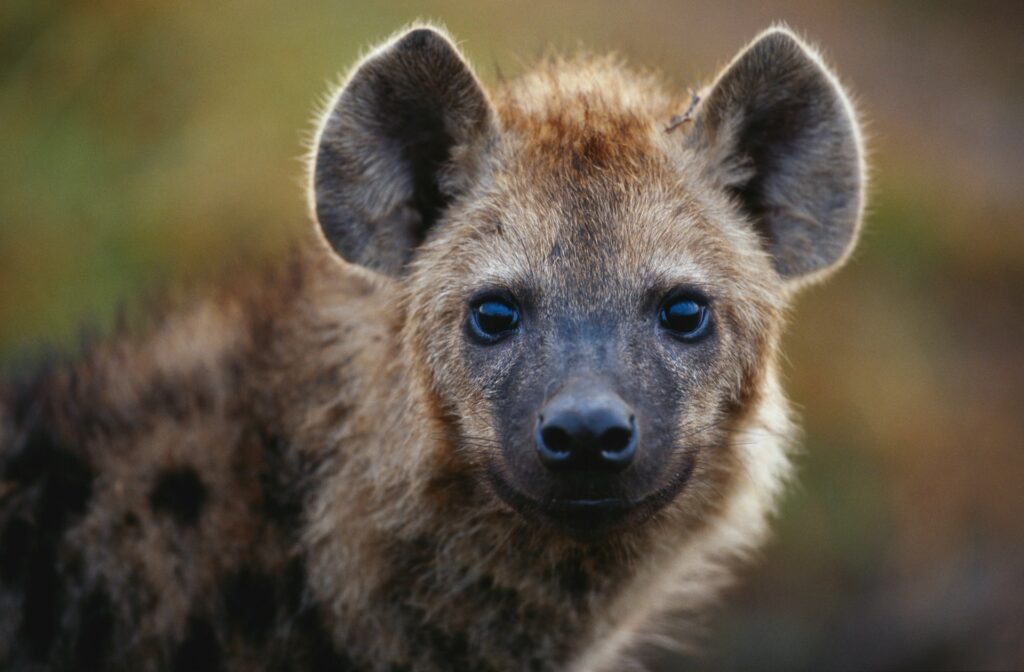
Hyenas don’t go for quick kills. Their hunting strategy often involves tearing into live prey while it’s still standing. A wildebeest might remain conscious for several minutes while hyenas consume it from the rear forward. It’s brutal, but not sadistic in intent—just efficient. Still, from a human perspective, it’s one of the grimmest hunting methods in the animal kingdom.
5. Weasels
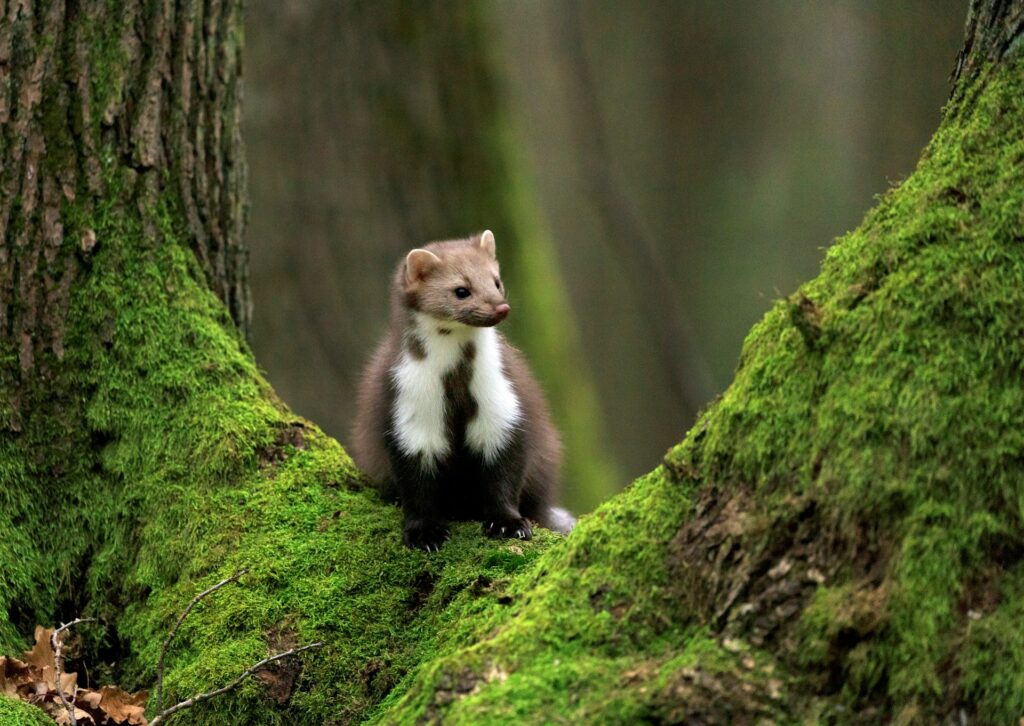
Weasels are relentless hunters, and they don’t always go for a clean kill. They can chase, corner, and pounce on prey repeatedly—sometimes letting it try to escape just to recapture it. They’ll often bite at the base of the skull to paralyse , butnot kill immediately. This lets them hoard still-living prey to eat later, ensuring freshness, but extending the animal’s suffering.
6. Stoats
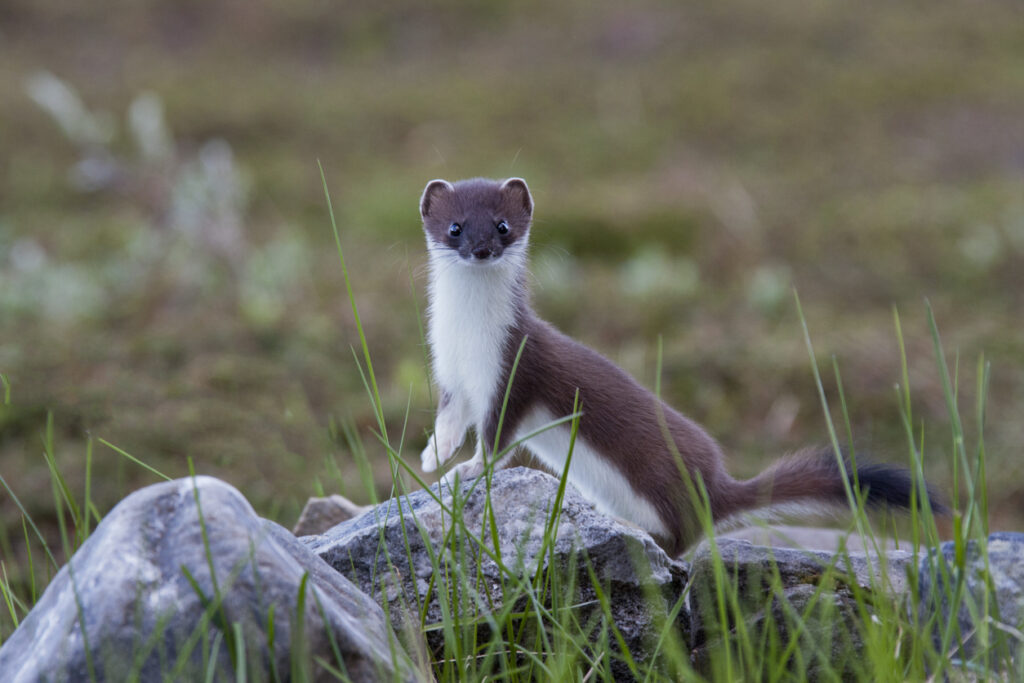
Stoats hunt in a way that looks strangely playful. They perform a bizarre, jerky “dance” around rabbits to disorient them. Once close enough, they don’t go for a swift kill—instead, they bite repeatedly, taking their time as the rabbit panics and collapses. It’s a highly effective tactic, but also one that involves a lot of psychological stress and physical pain for the prey before death finally comes.
7. Shrikes (a.k.a. Butcher Birds)
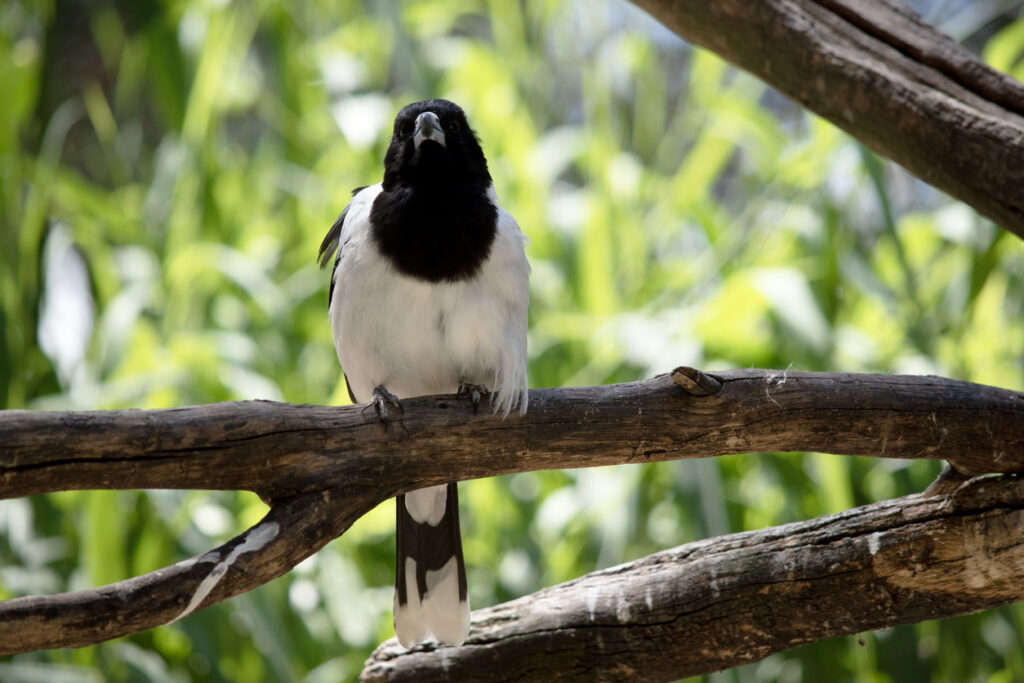
These small birds earn their nickname from their grotesque feeding method. They impale their prey—often insects, lizards, or small birds—on thorns or barbed wire, sometimes while still alive. This isn’t just storage—it can also be a way to tenderise or immobilise their food. Some shrikes even return later to pick at their prey, hours after impaling it.
8. Army Ants
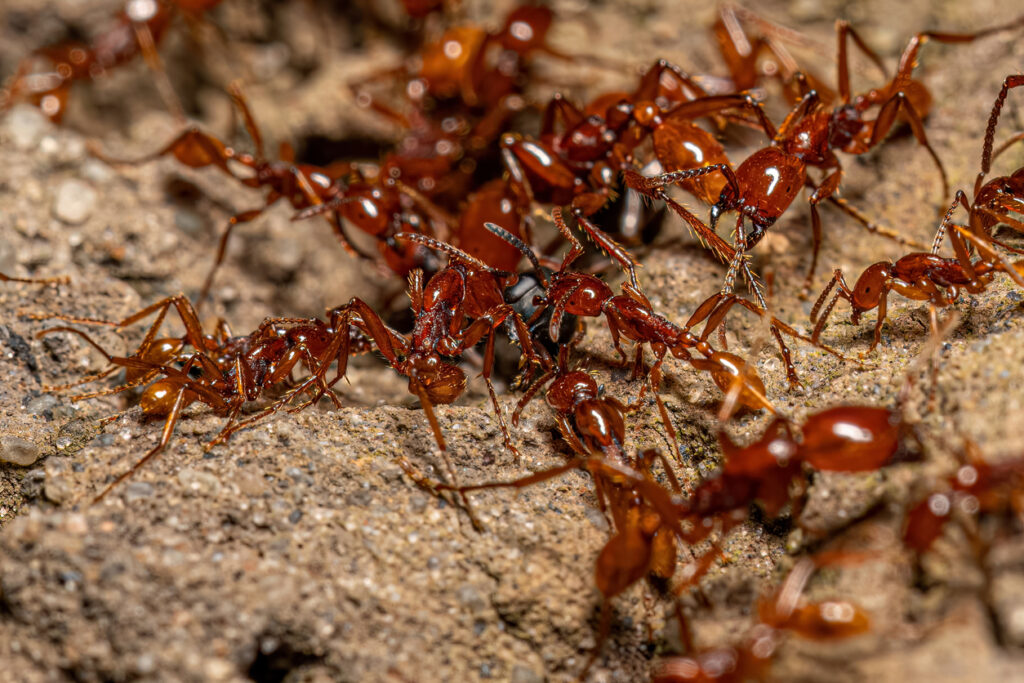
Army ants overwhelm their prey with sheer numbers, and death doesn’t come quickly. Victims are pulled apart piece by piece—legs, antennae, limbs—all while they’re still alive and struggling. The process is efficient for the colony but horrifyingly slow for the prey. There’s no mercy—just pure biological strategy at work.
9. Bullfrogs
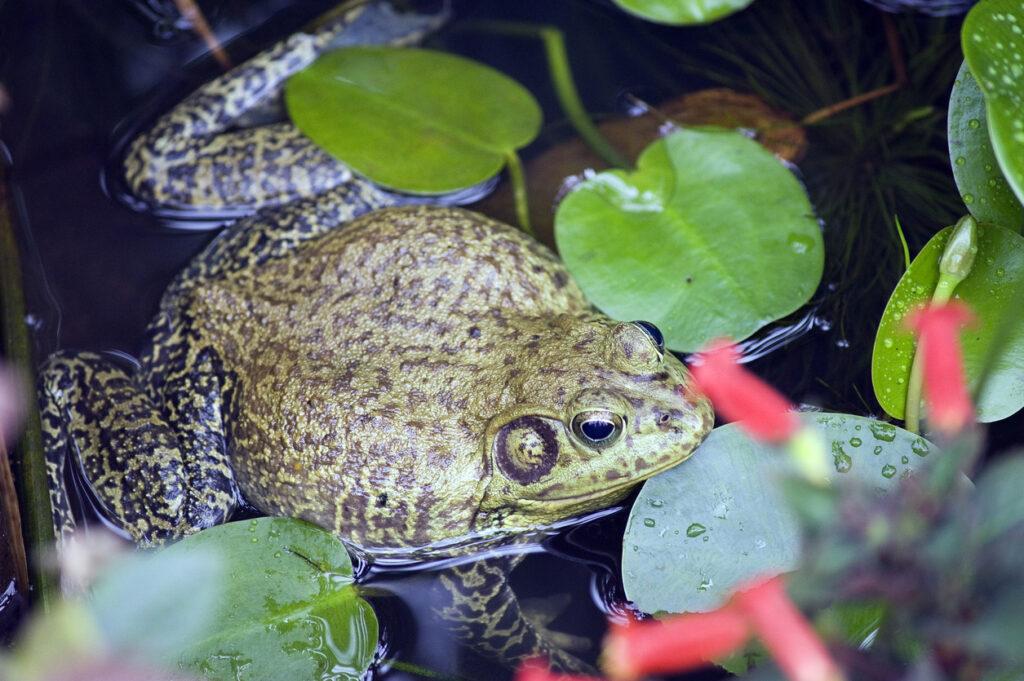
Bullfrogs are opportunistic feeders, and their method isn’t quick. They swallow prey whole—sometimes while it’s still squirming—and because they don’t chew, the animal can remain alive inside the frog’s stomach for some time. Small birds, rodents, and even other frogs have been seen slowly disappearing down their throats, struggling all the way.
10. Robber Flies
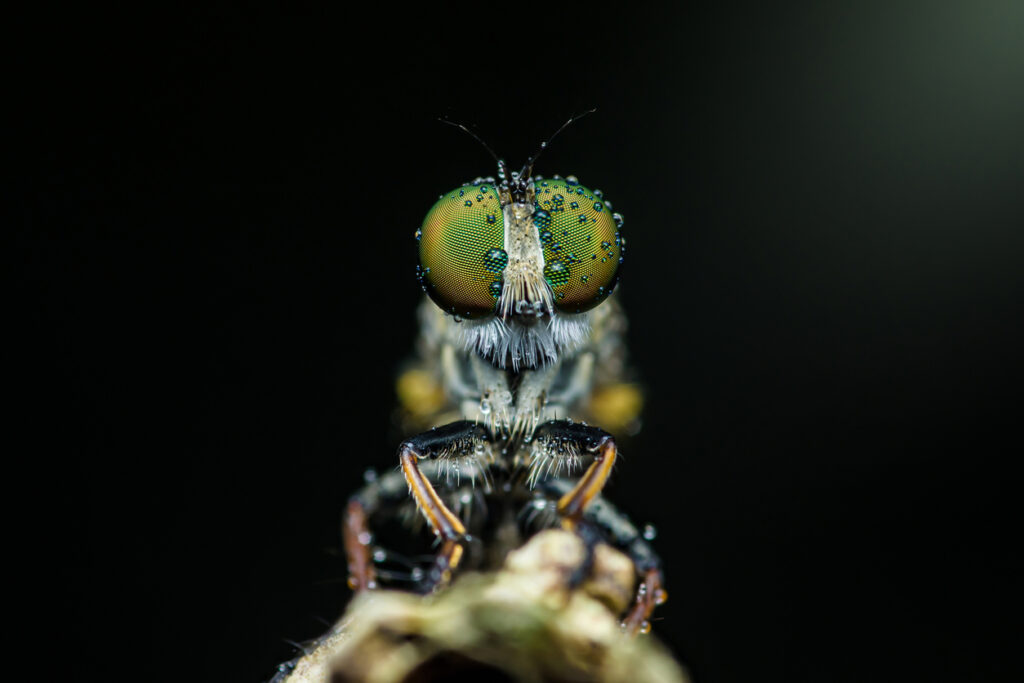
These predatory insects stab their prey with a sharp mouthpart, injecting enzymes that paralyse and liquefy the insides—while the prey remains fully alive for several minutes. Then, they drink the victim like a smoothie. To us, it’s horror movie material. To them, it’s an efficient feeding system. Still, the process is drawn out and leaves the prey helpless but conscious for far longer than you’d expect.
11. Tarantula Hawks
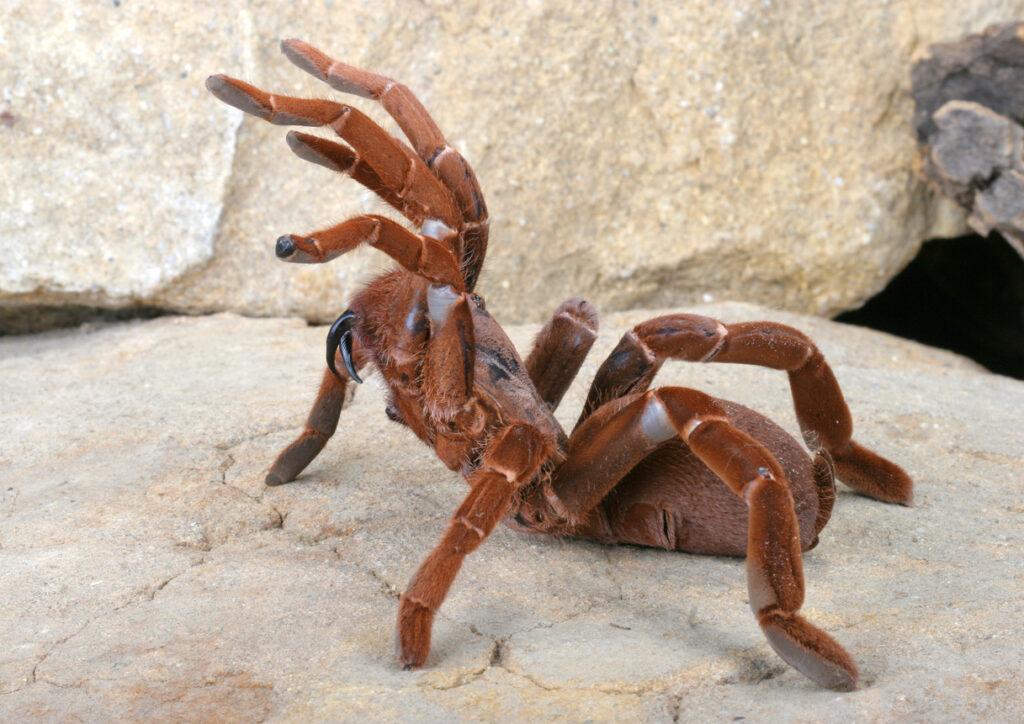
These wasps don’t kill their prey outright—they disable it. They paralyse tarantulas with a sting, then lay an egg on the spider’s body. The spider stays alive but immobilised as the larva hatches and eats it from the inside out—avoiding vital organs so it lasts as long as possible. It’s one of nature’s most nightmarish survival tactics—using the prey as both cradle and food source, keeping it alive for days in the process.
12. Crows
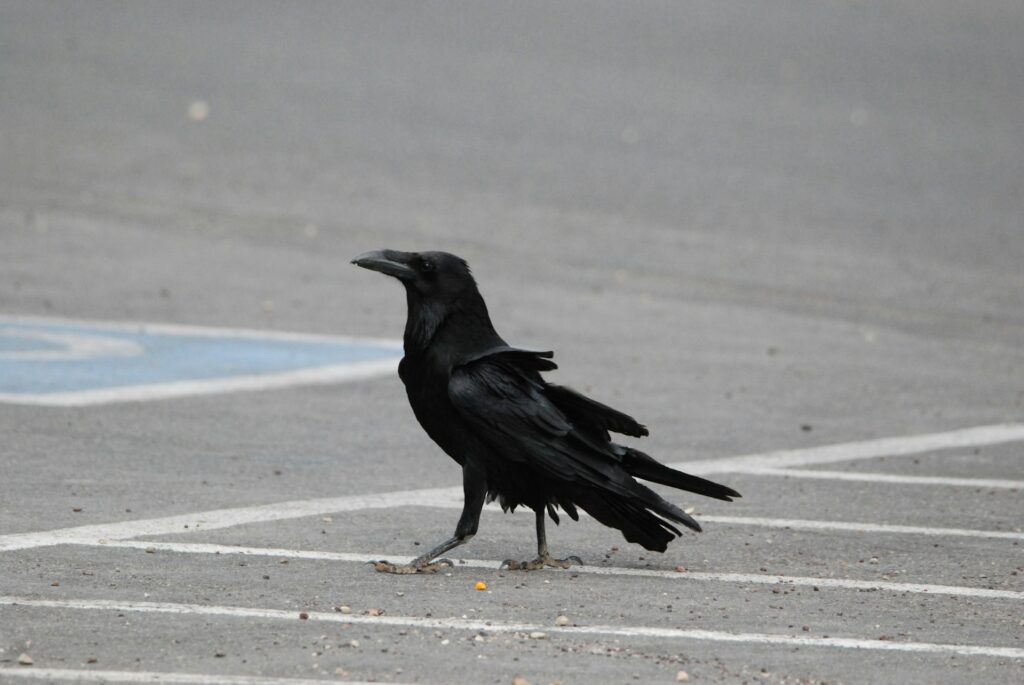
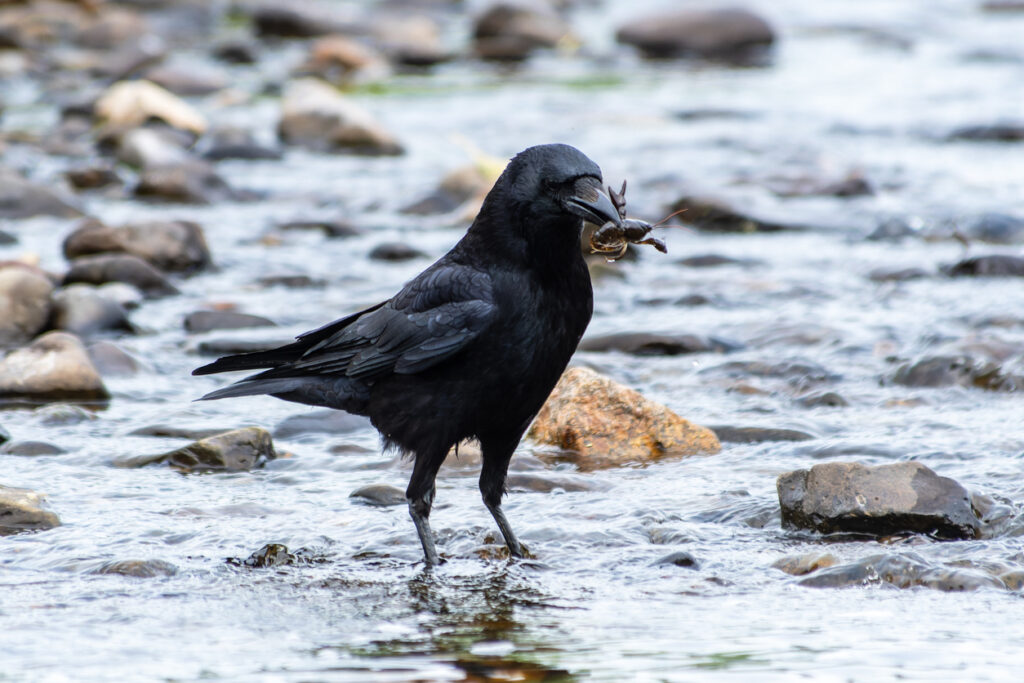
Crows are exceptionally smart, and sometimes their intelligence makes their hunting look cruel. They’ve been known to toy with small animals—especially young or injured ones—before killing them. In some cases, they’ll peck at living animals bit by bit, especially if they know it won’t fight back. Because they operate in groups and assess risk, they often exploit weakness over and over—making their attacks drawn-out rather than instant. Their intelligence makes them strategic—but also quietly terrifying.