You’d think we’d have dinosaurs all figured out by now, but their bones are still rewriting the rules of what we thought we knew.
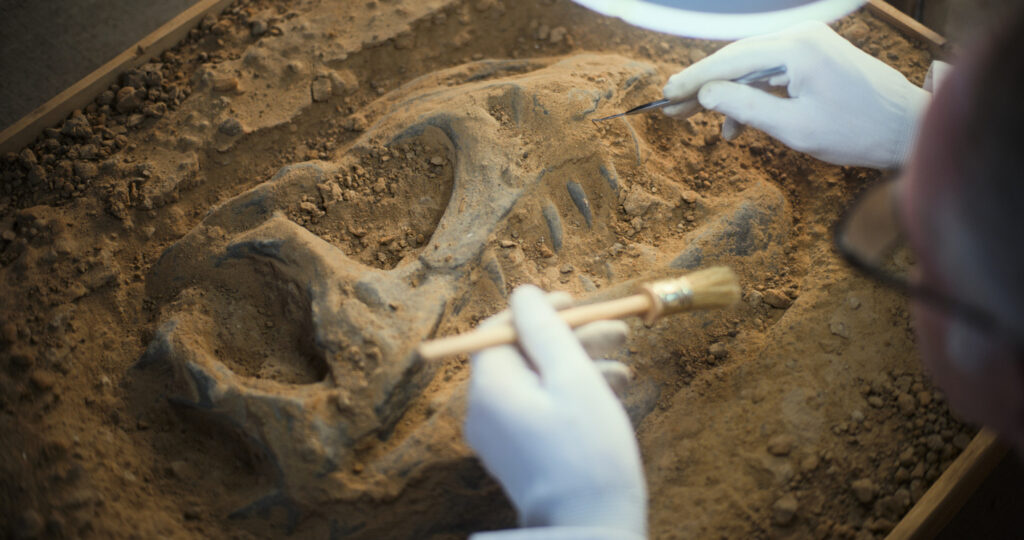
Every so often, a new fossil find doesn’t just add to the pile—it flips long-held theories on their heads, raises new questions, or fills in strange, missing gaps. Here are 10 of the most mind-blowing dinosaur bone discoveries that left scientists completely stunned. This list will likely get much longer and change the more we uncover about these incredible creatures who roamed the planet millions of years ago.
1. The first preserved dinosaur heart?
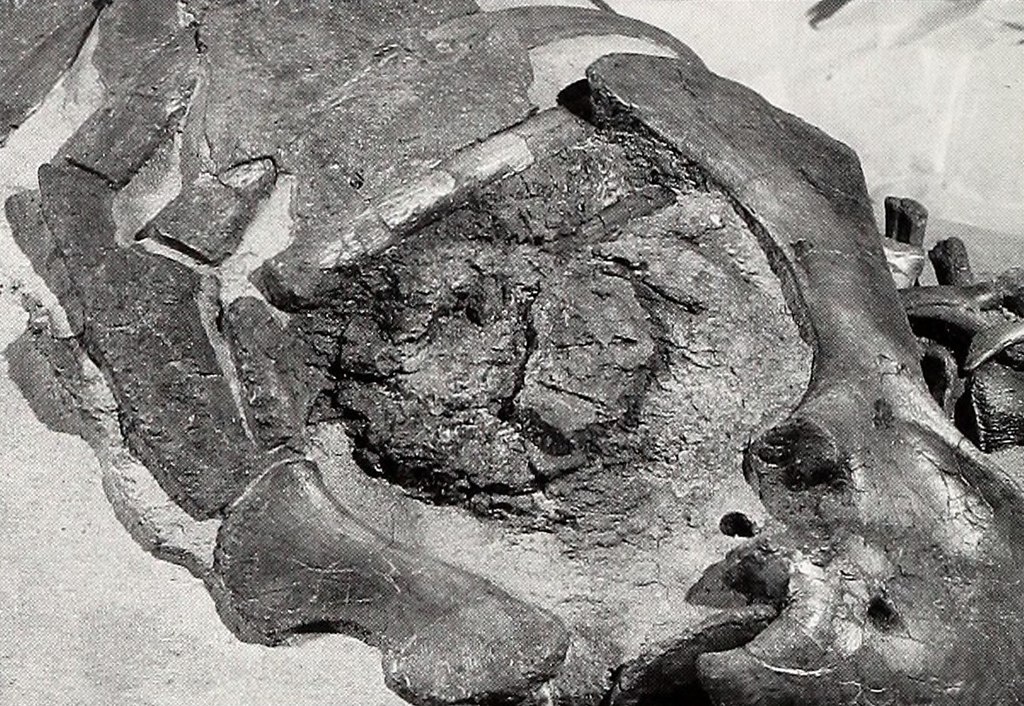
In 2000, researchers studying a fossilised Thescelosaurus—nicknamed “Willo”—found what looked like the remains of a four-chambered heart in its chest cavity. That alone was a bombshell, since it challenged the old belief that dinosaurs had slow, reptilian circulatory systems.
If confirmed, this would suggest a more bird-like, active metabolism, hinting that some dinosaurs were warm-blooded long before birds evolved. The discovery sparked fierce debate in the palaeontology world, and while not everyone agrees it’s a heart, it cracked open new questions about dinosaur biology.
2. A mummified hadrosaur with skin and tendons intact
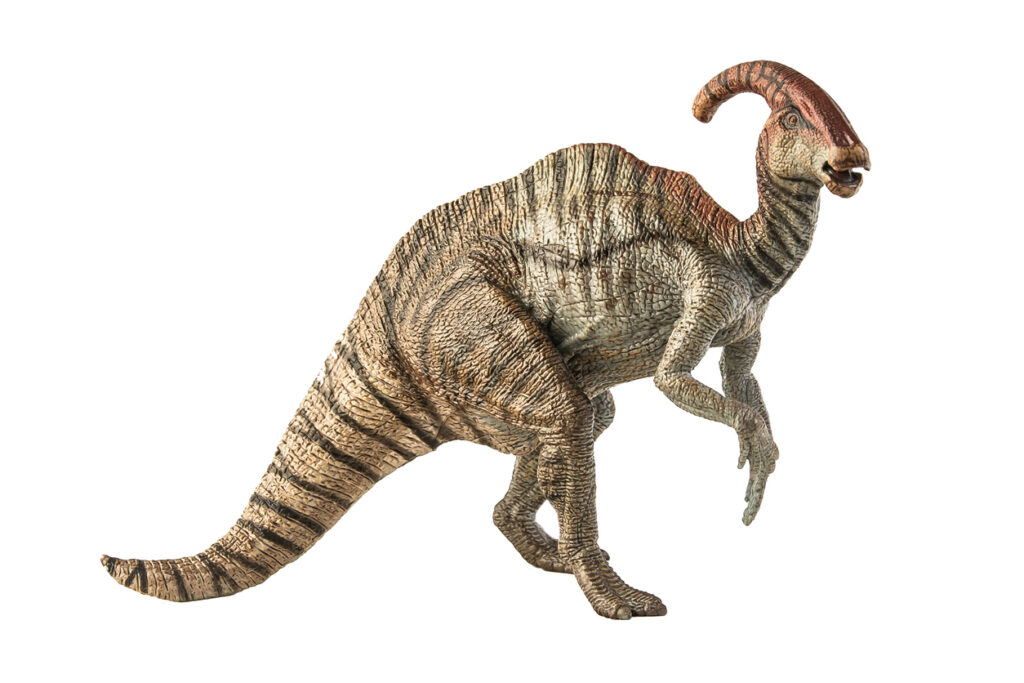
In 1999, a near-complete hadrosaur nicknamed “Dakota” was discovered in North Dakota—not just as bones, but with fossilised skin, muscles, and even tendons. It was one of the most well-preserved dinosaur specimens ever found.
What made this so groundbreaking was the level of detail. Scientists could see the scale patterns and muscle placement, giving them an unprecedented look at what this dinosaur actually looked like in life. It helped reconstruct not just the skeleton, but the body’s mechanics, texture, and shape.
3. Dinosaur bones with cancer and arthritis
In recent years, researchers using modern medical imaging techniques discovered signs of cancer, arthritis, and other diseases in fossilised dinosaur bones. A 2020 study, for example, revealed a centrosaur with a malignant bone cancer in its leg.
This blew a hole in the idea that dinosaurs lived “untouched” by the kinds of health issues humans face today. It showed that cancer and joint degeneration aren’t just modern problems—they’ve existed for millions of years, embedded in deep evolutionary history.
4. A feathered dinosaur with preserved colour pigments
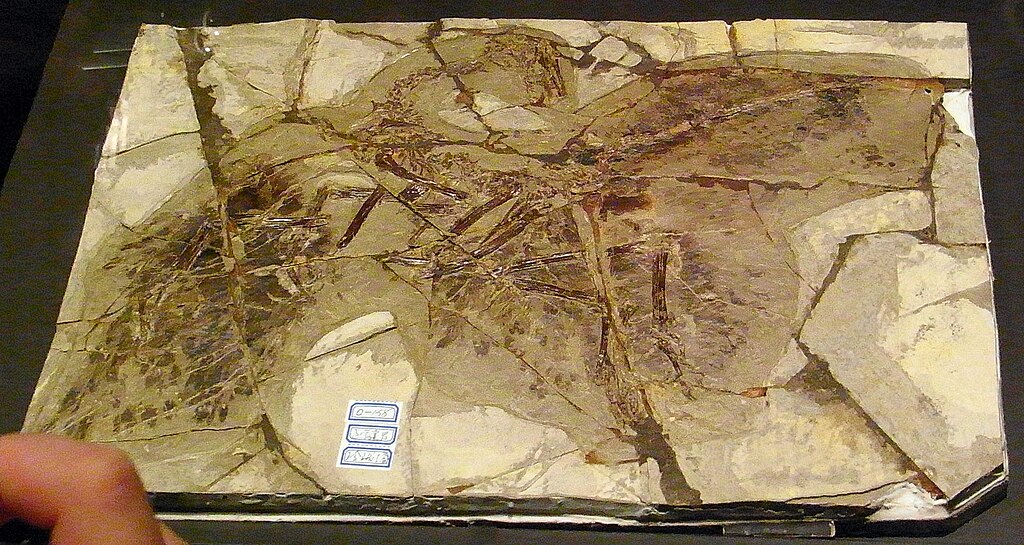
In 2010, scientists studying the fossil of a small dinosaur called Anchiornis discovered preserved melanosomes—tiny structures that determine feather colour. These were so well-preserved that researchers could reconstruct the dinosaur’s actual colour pattern: mostly grey with a red crest and black-and-white wings.
This was the first time palaeontologists could go beyond speculation and see what a dinosaur really looked like in full colour. It was a massive leap forward in understanding the evolutionary link between dinosaurs and birds, adding a new visual layer to the story.
5. The discovery of tiny raptor claws inside a dinosaur’s stomach
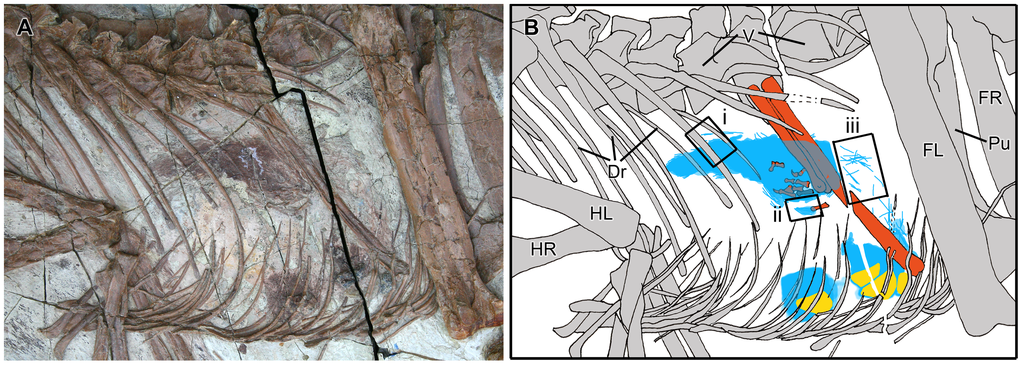
A fossilised specimen of the predatory dinosaur Sinocalliopteryx was found with the bones of other small dinosaurs—including dromaeosaurs—inside its stomach area. What shocked scientists was that this predator had seemingly eaten multiple meals in quick succession.
It wasn’t just evidence of what it ate—it was a rare window into how it hunted and digested food. The positioning of the prey bones helped reveal not only behaviour but digestion rate, and even possible hunting strategies, making it one of the most vivid fossil “snapshots” ever found.
6. Fossilised dinosaur skin impressions with fingerprints of texture
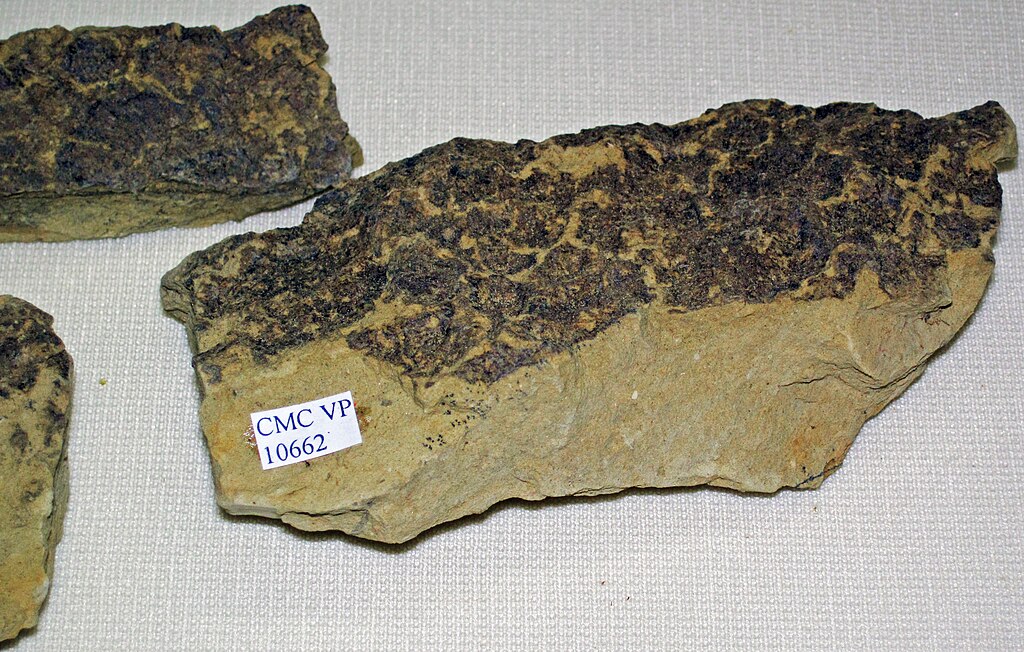
Most fossil discoveries are skeletal, but every now and then, palaeontologists hit the jackpot and uncover skin impressions. In some of these, the texture and scale arrangement are so detailed that you can distinguish different types of skin across body parts.
These finds have reshaped ideas about dinosaur appearances. For instance, some hadrosaur skin impressions showed a surprising variety of scale patterns, suggesting their skin wasn’t plain or uniform. These discoveries also opened up new possibilities for understanding camouflage, social signalling, and even thermoregulation.
7. A dinosaur tail preserved in amber—with feathers
In 2016, a chunk of amber was found in Myanmar containing a feathered dinosaur tail—fully preserved, complete with bone structure and soft tissue. The tail belonged to a juvenile coelurosaur and provided an extraordinary three-dimensional view of feathers from 99 million years ago.
Unlike typical flattened fossils, this piece of amber captured a moment in time with astonishing clarity. It allowed scientists to study how early feathers were arranged and structured, offering fresh insight into the evolution of flight and feather function long before birds took to the skies.
8. The “duelling dinosaurs” fossil showing two locked in battle
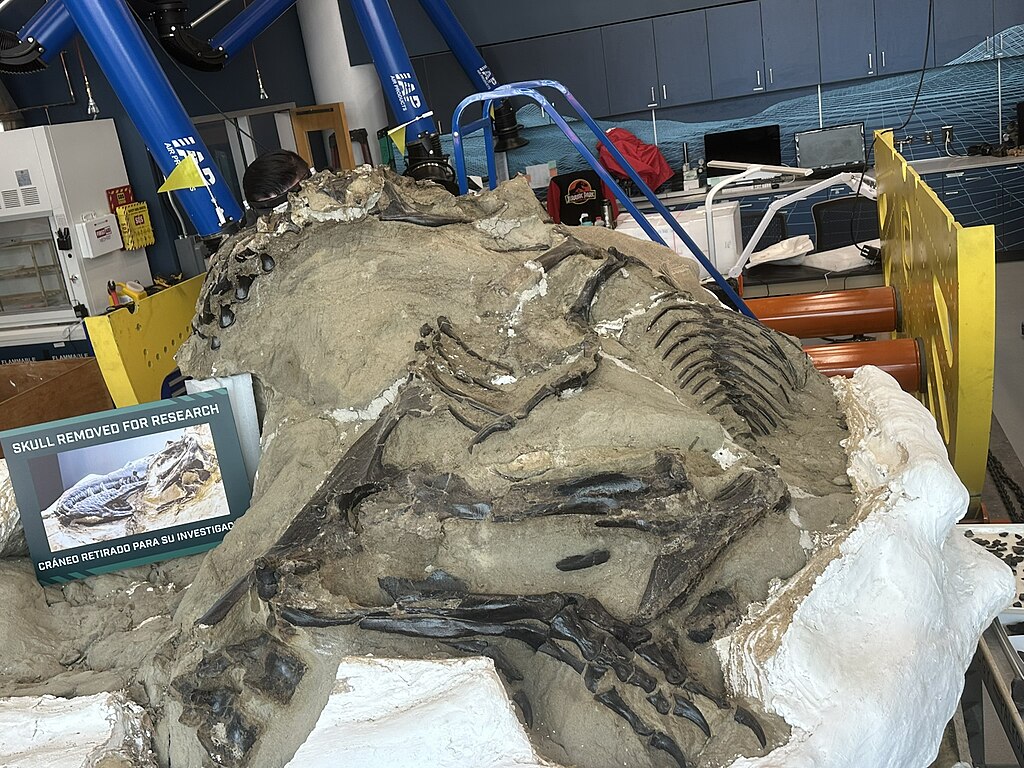
One of the most iconic fossil finds is the so-called “duelling dinosaurs”—a Tyrannosaurus rex and a Triceratops fossilised together, seemingly in mid-fight. The specimen was found in Montana and is incredibly detailed, with both skeletons nearly intact.
What made this so electrifying is the possibility that it captured an actual moment of conflict between predator and prey. Although there’s still debate over whether they died fighting or were buried together post-mortem, the fossil remains one of the most dramatic and mysterious palaeontological finds ever uncovered.
9. Fossilised dinosaur nesting sites with embryos and adults
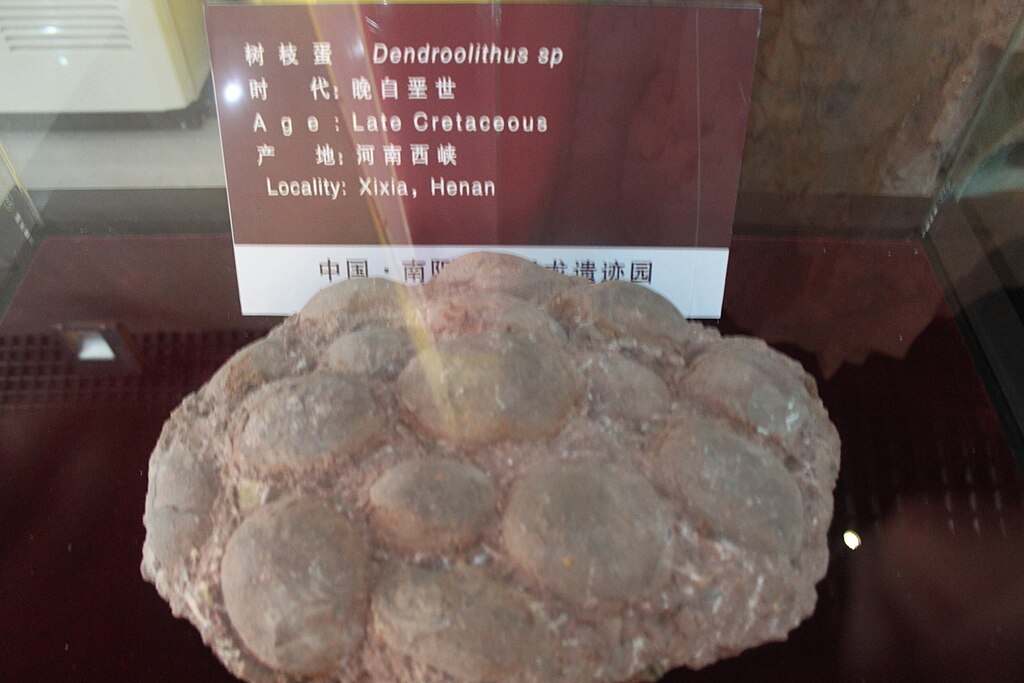
Several remarkable discoveries have captured entire dinosaur nesting grounds—including fossilised eggs, embryos, and even adult dinosaurs seemingly caught in the act of brooding. In Mongolia and Argentina, these sites preserved evidence that some species nested in colonies and cared for their young.
These finds helped overturn the stereotype of dinosaurs as cold, unfeeling creatures. Instead, they pointed to complex social behaviours—possibly even family dynamics and protective parenting—that echoed through the bird lineage we know today.
10. Bones showing evidence of healing and survival from injuries
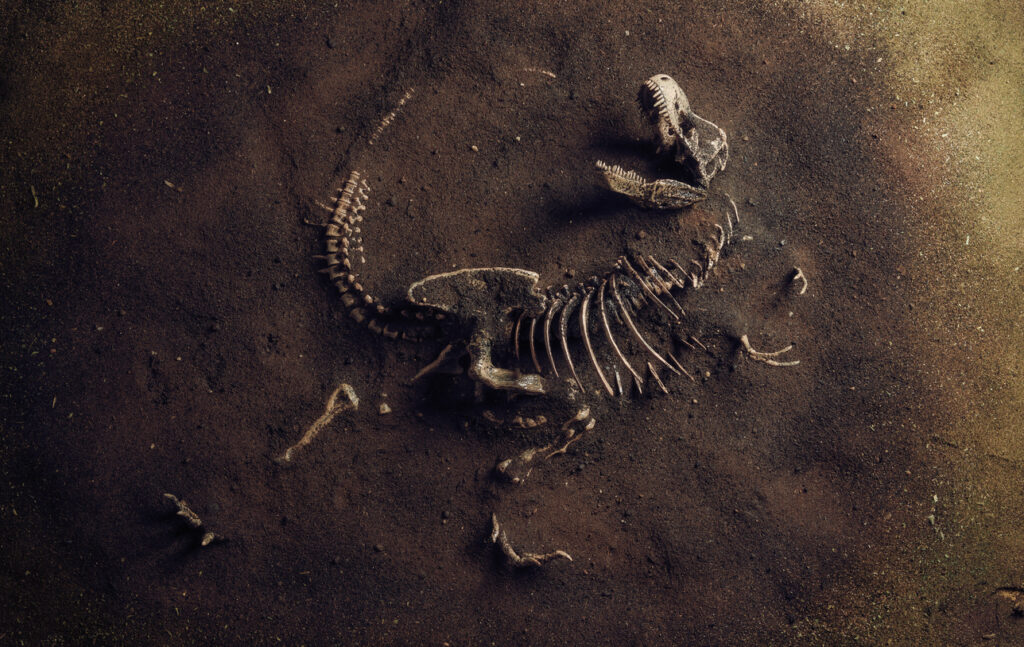
Many dinosaur fossils show healed fractures, puncture wounds, or signs of infection—and the fact that those injuries healed offers a rare glimpse into resilience and survival. One famous example is “Big Al,” a well-preserved Allosaurus with multiple bone breaks that had healed before death.
These aren’t just gruesome details—they’re crucial clues. They show that dinosaurs lived through pain, managed injuries, and possibly altered their behaviour to adapt while recovering. It gives scientists a deeper sense of what life was actually like for these creatures, day to day.