Space looks small on posters, but it’s most definitely not.
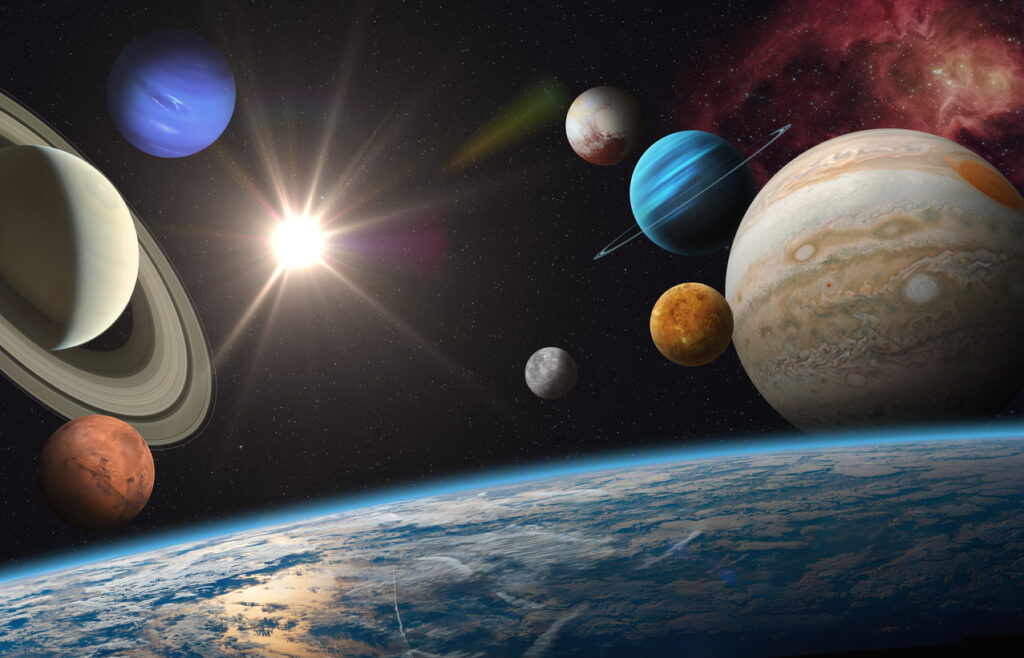
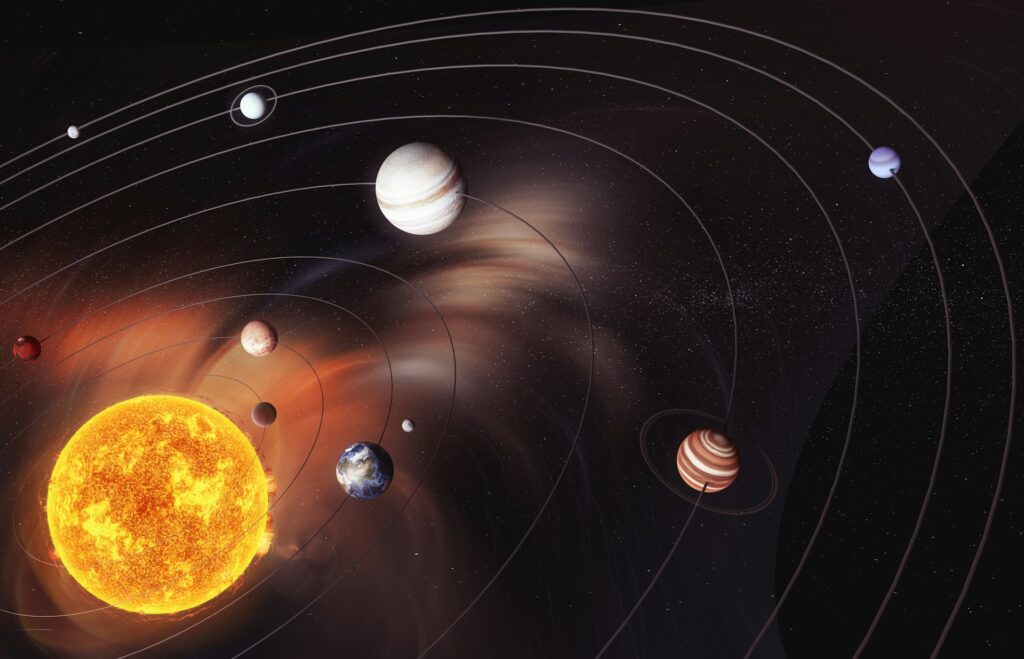
Even our nearest planetary neighbour is so far away that distance starts to lose meaning. How long it takes to reach each planet depends on speed, fuel, alignment, and the route chosen, but we can look at past missions and realistic spacecraft speeds to get rough travel times. These aren’t holiday flight estimates; they’re based on how long real probes have taken, or how long a fast spacecraft travelling at tens of thousands of kilometres per hour might need.
Mercury would take around 6 to 7 years.
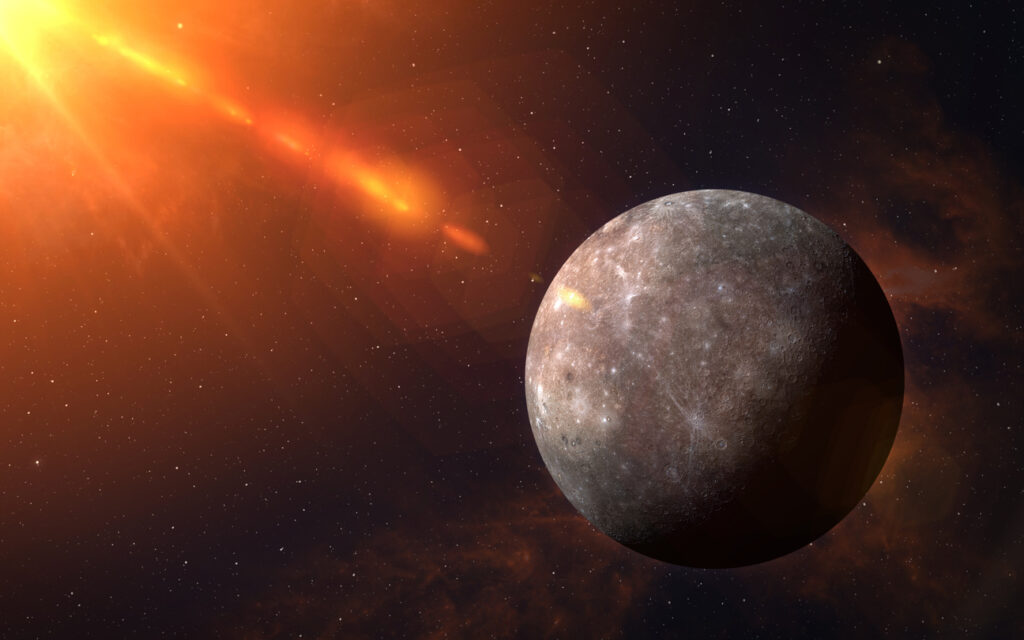
You might assume Mercury would be quick because it’s the closest planet to the Sun, but getting there is surprisingly difficult. Spacecraft cannot simply fly straight inward. They have to slow down enough to avoid being pulled too fast toward the Sun. NASA’s Messenger mission took about 6-and-a-half years to reach Mercury because it used several flybys of other planets to reduce speed. So even though Mercury is relatively close in cosmic terms, the journey is slow and carefully planned.
Venus would take roughly 3 to 5 months.
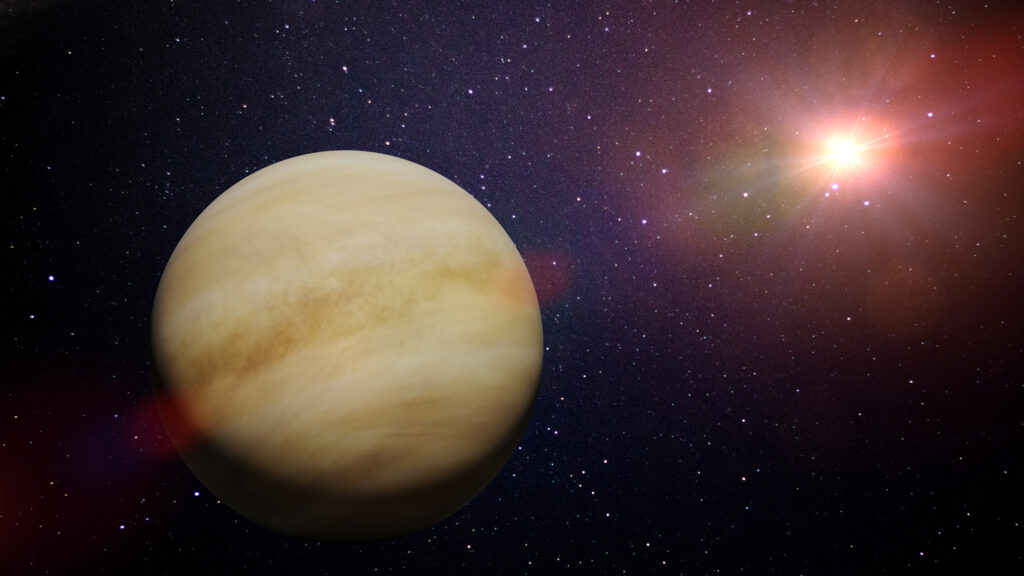
Venus is often the easiest planet to reach after the Moon, since it’s closer to Earth than any other planet at certain points in its orbit. Because of that, missions can get there relatively quickly. Some spacecraft have reached Venus in around four months. With the right alignment, it’s one of the shorter interplanetary trips in our solar system.
Mars would take about 6 to 9 months.

Mars is the most talked about destination for future human missions. On average, robotic spacecraft take between six and nine months to reach it using current technology. The exact time depends on where Earth and Mars are in their orbits. Space agencies wait for launch windows when the two planets are positioned in a way that minimises fuel use and travel time.
Jupiter would take around 5 to 6 years.

Jupiter is far beyond the inner planets, and the distance increases quickly once you pass Mars. The Juno spacecraft, for example, took nearly 5 years to arrive at Jupiter. At that range, gravity assists from other planets often help speed things up. Even so, you are looking at several years before reaching the largest planet in our solar system.
Saturn would take about 6 to 7 years.
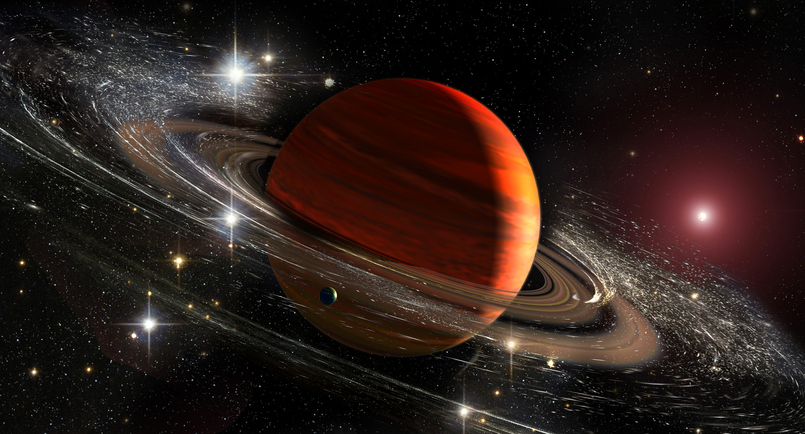
Saturn sits even farther out. The famous Cassini mission took roughly 7 years to reach it after launch in 1997. The journey involved complex planning and flybys of other planets to gain speed. At these distances, missions become long-term projects measured in years rather than months.
Uranus would take about 8 to 9 years.
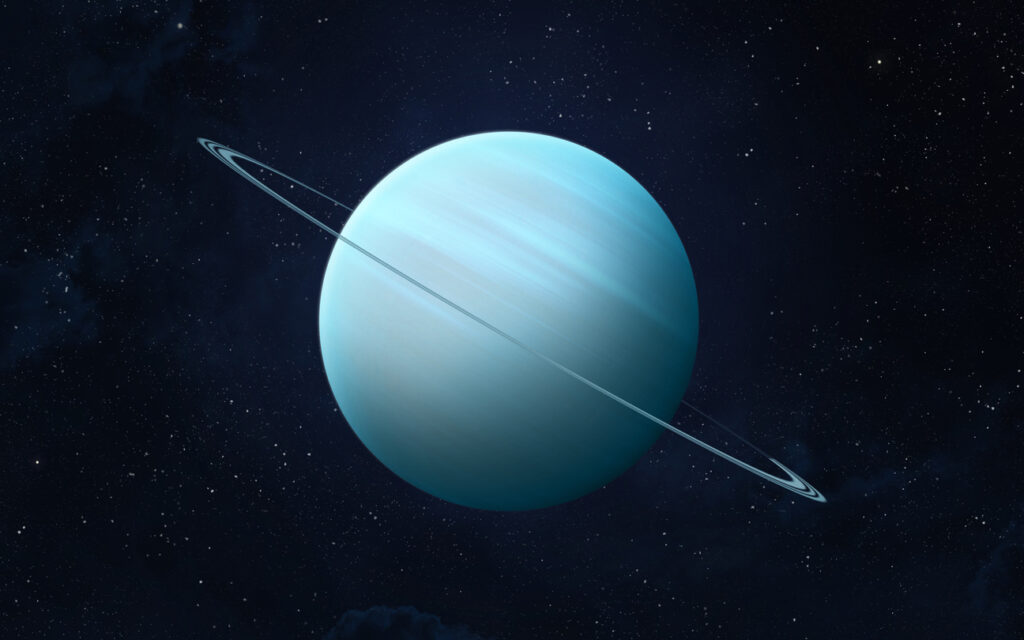
Only one spacecraft, Voyager 2, has visited Uranus. It took about 8-and-a-half years to reach the planet after launching in 1977. Uranus is so distant that sunlight is weak there. Travel time increases dramatically the farther you go, and missions require extraordinary planning and patience.
Neptune would take roughly 12 years.
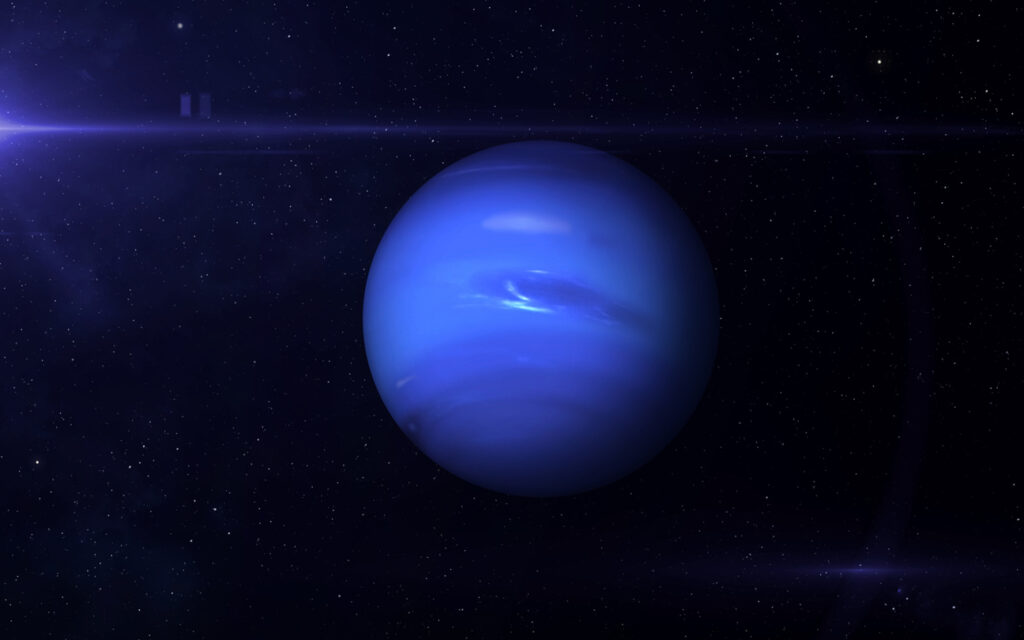
Voyager 2 also flew past Neptune. It took around twelve years to reach it from Earth, making it one of the longest planetary journeys ever completed. Neptune sits at the edge of the main planetary region of our solar system. Getting there means crossing billions of kilometres of mostly empty space.
Pluto would take about 9 to 10 years.
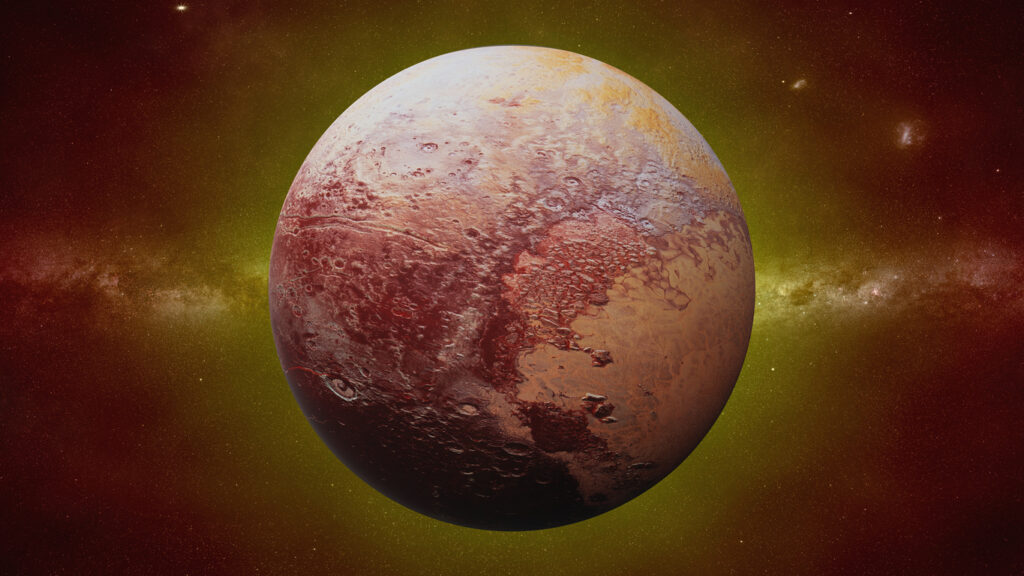
Pluto is no longer classified as a full planet, but it remains one of the most fascinating worlds in our solar system. NASA’s New Horizons spacecraft reached Pluto in just under 10 years. That mission was one of the fastest ever launched, using a powerful rocket and gravity assist from Jupiter to cut down travel time.
Earth to the asteroid belt would take around 2 to 4 years.

The asteroid belt lies between Mars and Jupiter. Missions to objects in this region can take a few years, depending on the specific target. Some probes reach asteroids in under 3 years, while others take longer if they use gravity assists. Even relatively nearby space destinations demand patience.
Reaching the edge of the solar system takes decades.
If you kept going beyond Neptune, you would eventually approach the outer boundary of the Sun’s influence. Voyager 1 took about 35 years to reach interstellar space. At the speeds we currently use, the outer solar system is measured not in years but in generations. Space travel is possible, but it’s never quick.