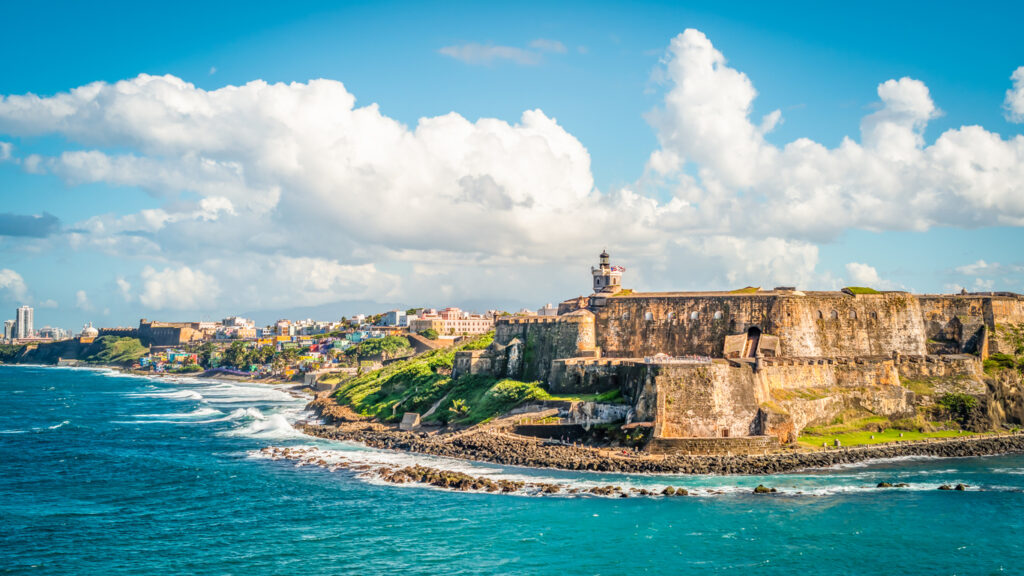
There are places that look good in photos, and then there are places that feel alive the second you step outside. Puerto Rico is one of those. For bird watchers, it isn’t just another tropical island with palm trees and sunshine. It’s a compact, wildly varied landscape packed with species you won’t see anywhere else on Earth, all within a few hours’ drive. You can start your morning in misty mountain forest and end it beside mangroves or coastal lagoons, with a completely different set of birds in each spot.
El Yunque National Forest is the only tropical rainforest in the U.S. system.
El Yunque National Forest isn’t just famous for waterfalls and thick jungle. It’s a birding hotspot where the forest canopy feels like it’s constantly moving with life. The humidity hangs in the air, tree frogs call from hidden corners, and birds flash between branches before you’ve fully registered their colours.
This is one of the best places to glimpse the endangered Puerto Rican parrot, along with species like the Puerto Rican tody and the green mango hummingbird. The mix of dense vegetation and mountain elevation creates layered habitat, which means you’re rarely staring at an empty sky. Something is always calling, fluttering, or darting through the leaves.
The island has 17 endemic bird species.
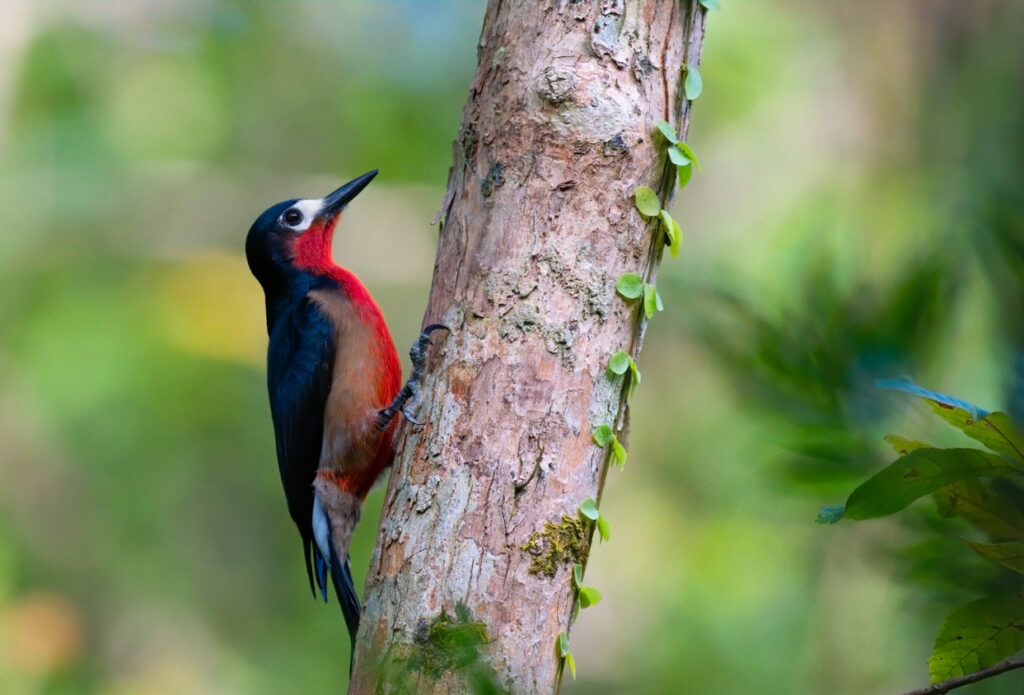
For birders, endemic species are the holy grail. Puerto Rico has around 17 birds found nowhere else in the world. That includes the Puerto Rican spindalis, Puerto Rican woodpecker, and Puerto Rican flycatcher, each with its own distinct look and call.
Because the island is relatively small, it’s possible to track down most of these endemics without spending weeks travelling. In a single trip, you can realistically tick off species that would require separate journeys on larger continents. That concentration makes the experience feel both efficient and exciting.
Cabo Rojo National Wildlife Refuge offers dramatic coastal birding.
On the southwest coast, Cabo Rojo National Wildlife Refuge delivers a completely different scene. Think salt flats, lagoons, and open coastal views where shorebirds gather in large numbers. The light here can be striking, especially near sunset, when the water reflects pink and gold tones.
Brown pelicans glide low over the waves, herons stalk the shallows, and migratory shorebirds pass through depending on the season. If you like scanning wide horizons with a scope, this is where you settle in and let the movement come to you.
The island sits on a major migratory route.
Puerto Rico lies along the Atlantic flyway, which means migratory birds from North America stop here during their long journeys. Depending on the time of year, you might spot warblers, vireos, and other songbirds taking a break before continuing south. That seasonal movement adds a layer of surprise. Even if you’ve visited before, a different month can bring an entirely new set of species. It keeps birding on the island fresh and slightly unpredictable.
Laguna Cartagena is a magnet for waterbirds.
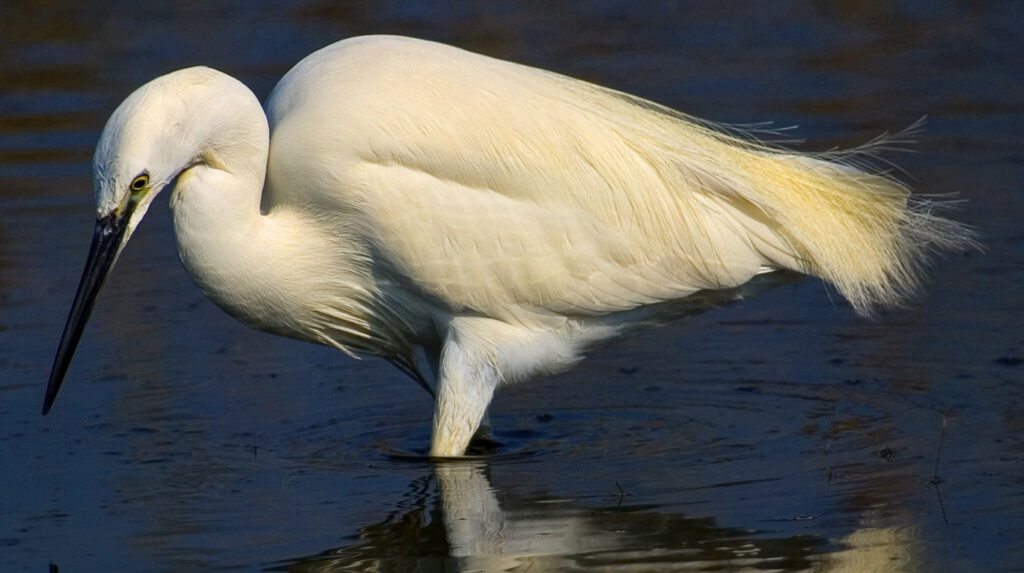
Laguna Cartagena is one of the most important freshwater wetlands on the island. It draws ducks, herons, egrets, and other water-loving species, especially during migration periods. The open water and surrounding vegetation create excellent viewing conditions. Early mornings here can feel almost still, with birds silhouetted against calm water as the sun rises. It’s the kind of place where patience pays off.
Guánica State Forest showcases dry forest species.
Guánica State Forest offers a subtropical dry forest habitat that feels completely different from El Yunque. The terrain is drier, the vegetation lower, and the birdlife changes accordingly. This is one of the best places to search for the Puerto Rican nightjar, a species that blends almost perfectly into its surroundings. Birding here feels more open and sunlit, with clear trails that make exploring manageable even in warmer weather.
You can bird year-round.
Unlike many mainland destinations where winter slows everything down, Puerto Rico offers consistent bird activity all year. The tropical climate keeps resident species active, and migration seasons simply add more variety. That reliability makes planning easier. You don’t need to chase a narrow weather window. Whether you visit in January or July, there’s always something worth looking for.
The scenery alone makes the experience special.

Even if you somehow missed every bird, you’d still be surrounded by incredible landscapes. Mountain ridges fade into the distance, mangroves twist along the shoreline, and the sea is never far away. Bird watching here doesn’t feel separate from the setting. It feels woven into it. The backdrop adds a layer of beauty that makes each sighting more memorable.
It’s accessible for both beginners and experts.
Puerto Rico isn’t a remote wilderness that requires weeks of planning. Roads connect major habitats, and guided tours are widely available for those who want expert help spotting harder species. At the same time, experienced birders can venture out independently and still find rewarding trails. The island strikes a balance between adventure and convenience, which makes it appealing to a wide range of travellers.
Conservation stories add depth to the experience.
The recovery efforts around the Puerto Rican parrot and other threatened species add a meaningful layer to birding here. Seeing a species that once hovered on the brink of extinction feels different from spotting a common backyard bird. There’s a sense that you’re witnessing something fragile but resilient. Puerto Rico isn’t just beautiful. It’s a living example of how conservation, habitat protection, and careful management can give wildlife a fighting chance.