We often treat our cats like little humans in fur coats, but a lot of the ways we show affection are actually quite stressful for them.
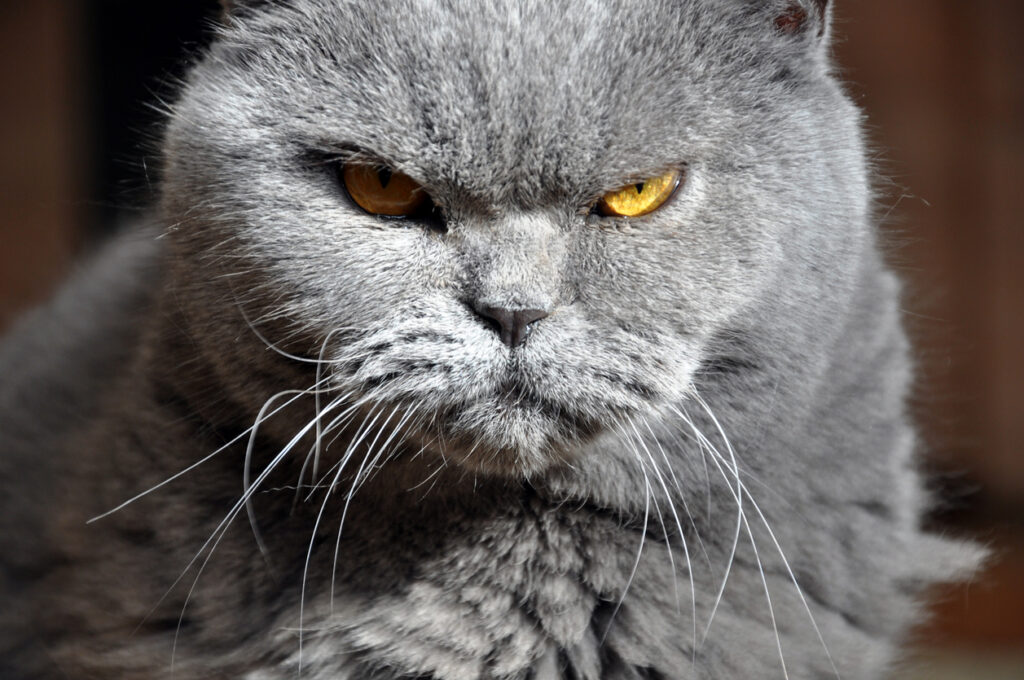
Because they’re masters at hiding their discomfort, it’s easy to assume they’re perfectly fine with being scooped up for a cuddle or dressed in a tiny jumper for a photo. In reality, they’ve likely just learned to put up with our odd behaviours to keep the peace. From the way we touch their paws to the strong scents we spray around the house, there’s a long list of “normal” things that actually push a cat’s buttons and leave them feeling cornered in their own territory.
1. Being stroked when they didn’t ask for it

Loads of cats don’t mind a quick fuss, but that doesn’t mean they want hands on them whenever you feel like it. If they’re sleeping, eating, or just sitting minding their business, a surprise stroke can feel annoying. Some cats also get overstimulated quickly, so even nice petting turns into get off me energy.
Look for the small signals before they’ve had enough, like a twitchy tail, skin rippling, ears turning, or them suddenly freezing. Let them come to you more often than you go to them. You’ll usually get a more affectionate cat when they feel they’ve got choice.
2. Belly rubs that go on too long
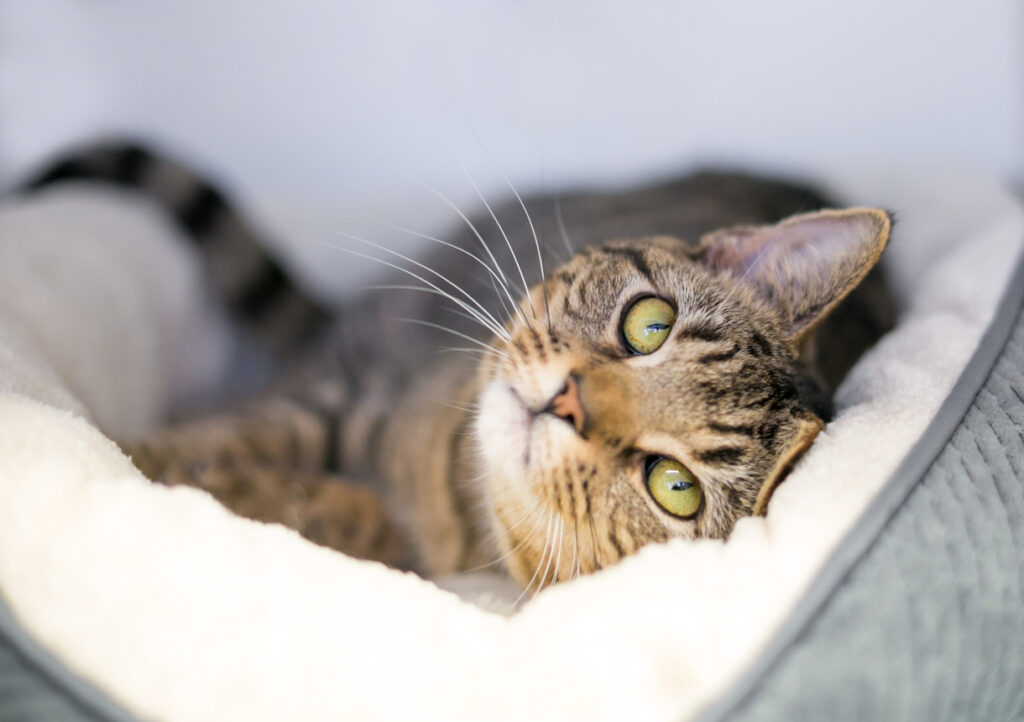
A cat showing their belly isn’t always an invitation. Sometimes it’s just them relaxing, stretching, or showing trust from a safe position. When you go straight in for the belly, they might tolerate it for a second, then grab your hand like you’ve crossed a line.
If your cat likes belly contact, it’ll usually be brief and on their terms. Try gentle strokes around the chest or cheeks instead and see what they lean into. If the belly is a trap, take the hint and keep your fingers attached to your body.
3. Being picked up like a toddler

Some cats love being carried around, but many don’t. They’ll tolerate it because they trust you, not because it feels good. For a lot of cats, being lifted takes away their control and makes them feel exposed, even if you’re being gentle.
Watch how their body feels when you pick them up. If they go stiff, look around fast, or try to wriggle down, they’re not enjoying it. Try getting down to their level instead, and save picking up for when it’s actually needed.
4. Loud greetings when you walk in
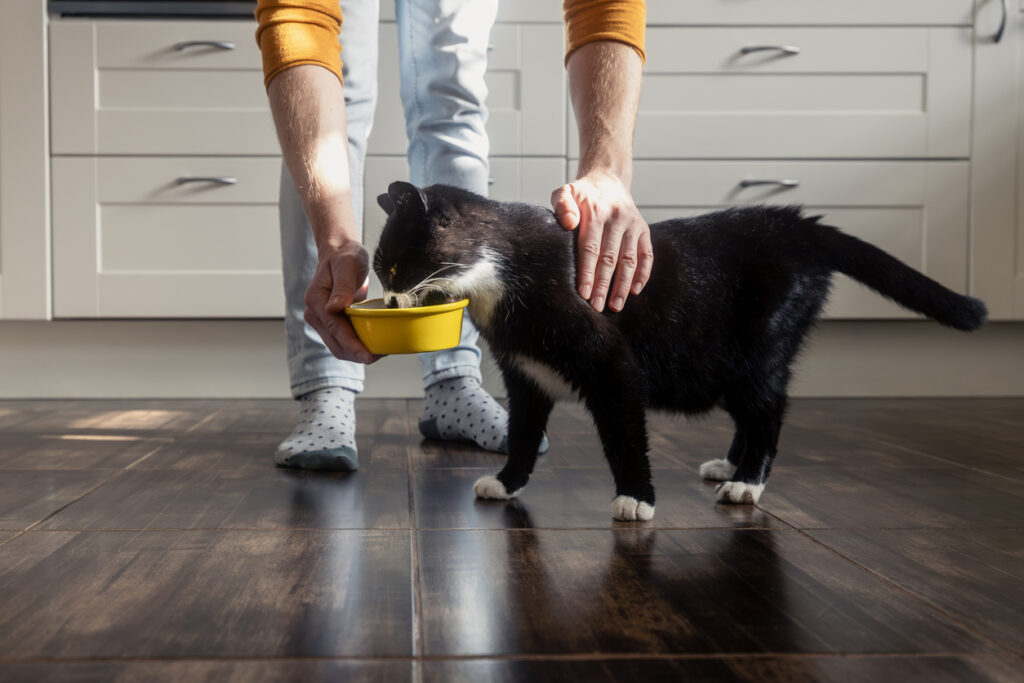
Some people come home like they’re entering a stadium: big voice, big energy, loads of fuss, maybe even a squeal. Your cat might not run away, but inside they’re thinking can we not do this every day, please.
Try coming in calmly and letting your cat approach you. You’ll often see them appear faster when the vibe is relaxed. Cats like a steady atmosphere, so soft voices and predictable routines usually win them over.
5. Too much eye contact
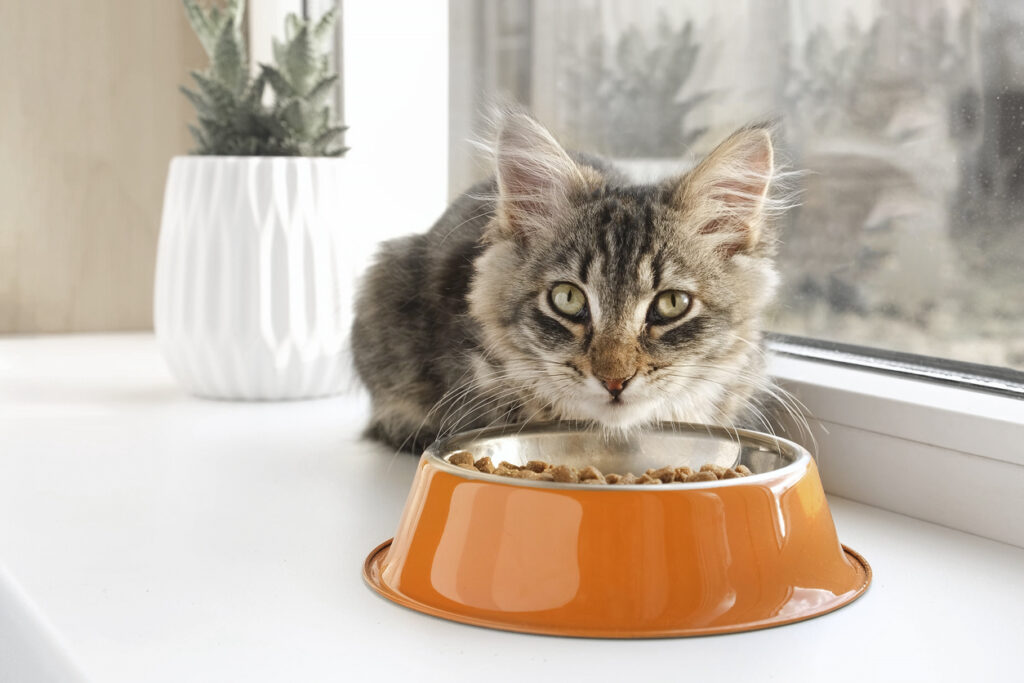
Humans stare when they’re interested, cats stare when they’re warning. Long eye contact can feel intense or pushy to a cat, especially if they’re already nervous. They might tolerate you watching them, but it can keep them on alert.
If you want to show a cat you’re friendly, do slow blinks and look away now and then. It sounds silly, but it really works with a lot of cats. You’re basically telling them you’re not a threat, you’re just sharing the space.
6. Being interrupted while they’re using the litter tray
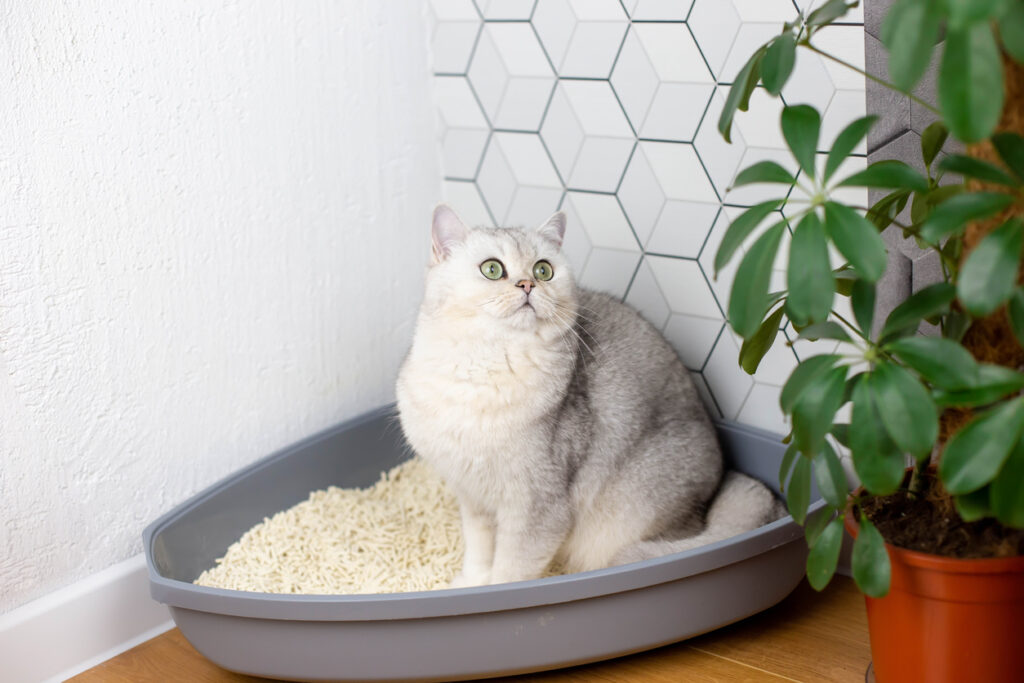
Cats like privacy, and the litter tray is one of those moments where they’re extra vulnerable. If people hover, watch, talk to them, or walk in and out of the room, a cat can start feeling uneasy about going there. They might still use it, but it can make them tense.
Give them a bit of peace and keep the tray in a quiet spot if you can. If you’ve got visitors, kids, or a busy household, this matters even more. A calm toilet situation sounds funny, but it’s a real quality of life thing for cats.
7. A dirty food bowl or stale water
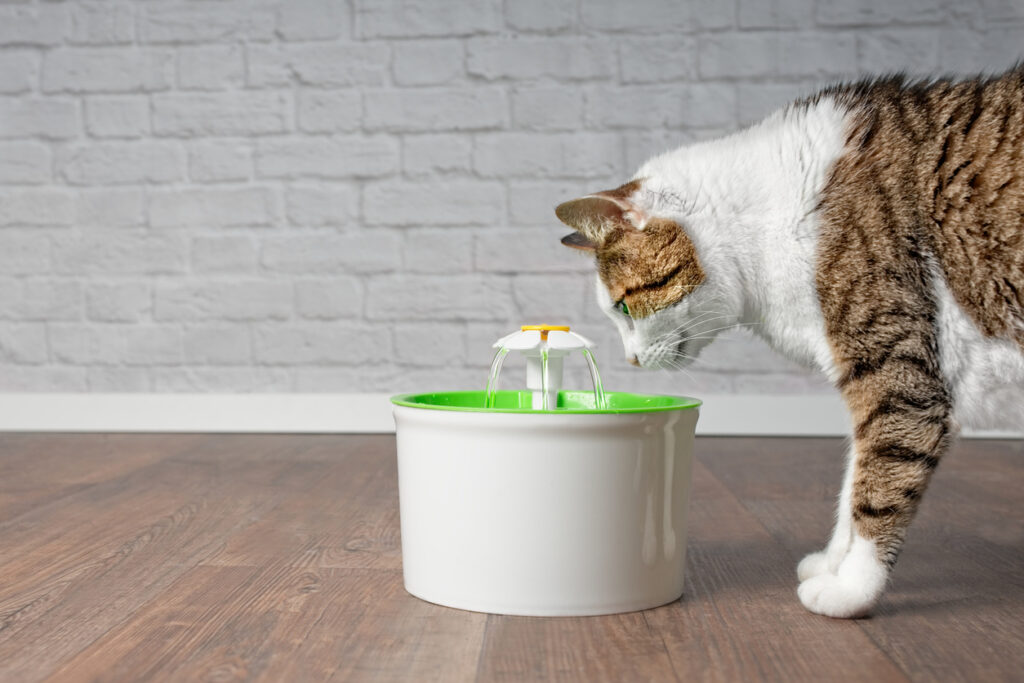
Cats can be picky, and they’re not wrong for it. A bowl that smells of old food or has that slimy water-film can put them off. They might still eat or drink a bit, but they’re not happy about it, and some cats will just drink less instead.
Rinse bowls daily and refresh water properly, not just topping it up. If your cat drinks more from taps, there’s a reason, fresh moving water feels safer to them. A simple water fountain can also be a game changer for fussy drinkers.
8. Their bed being moved around
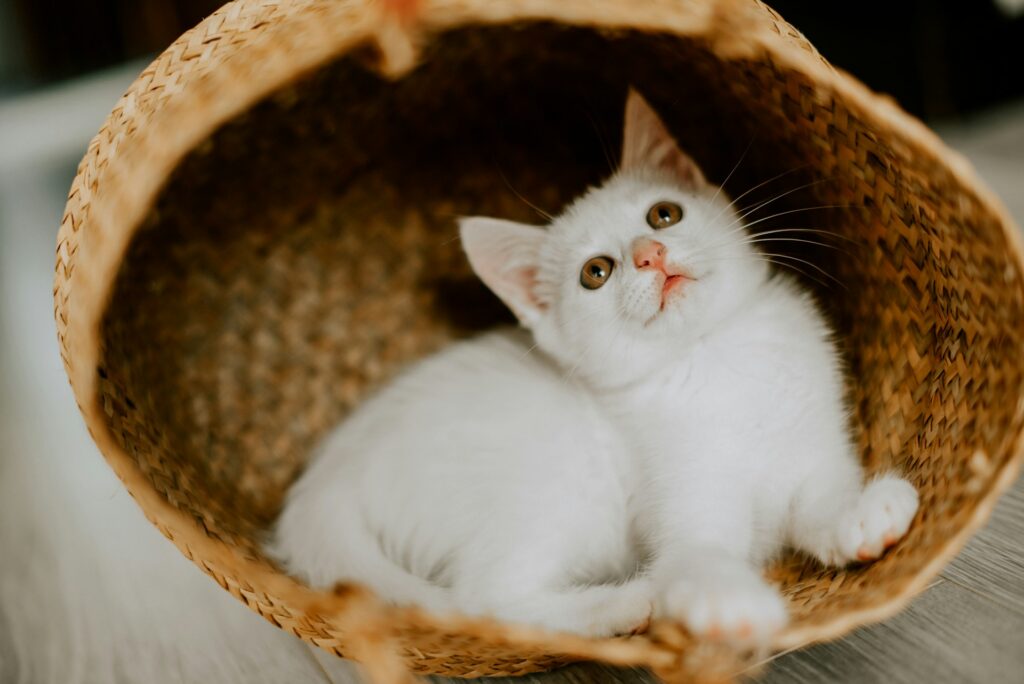
Cats get attached to spots, not just objects. If their bed keeps moving, or you keep relocating their favourite blanket, it can throw them off. They might follow it, but they’d rather you stopped redecorating their comfort zone.
If you need to move things, try doing it gradually rather than suddenly moving it across the house. Keep at least one familiar cosy spot in the same place. Cats are more relaxed when their safe places stay predictable, and they certainly don’t appreciate unnecessary change.
9. Being forced to meet strangers

Some cats love visitors, but plenty don’t. They might tolerate someone trying to stroke them, but they’re not enjoying the attention. Cats often need time to observe someone from a distance before they decide if they’re safe.
Let your cat choose the pace. Tell guests to ignore them and let the cat approach first, which usually works better anyway. A cat that feels in control is much more likely to become friendly, instead of defensive.
10. Other pets getting in their space
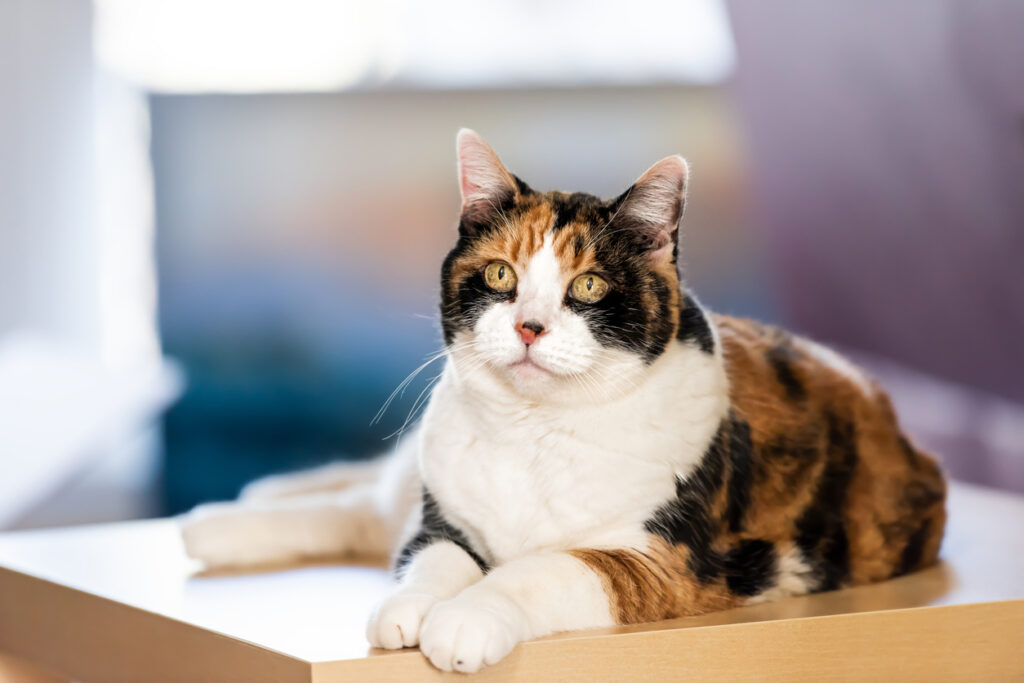
Even if your cat lives with a dog or another cat peacefully, that doesn’t mean they love constant close contact. Being sniffed, followed, licked, or pounced on can be irritating, and they might just put up with it until they can’t. Then you get a sudden hiss or swipe and everyone acts surprised.
Make sure your cat has escape routes and high spots where they can relax without being bothered. Give them separate feeding areas, too because food stress is a big deal for cats. When cats have control over distance, they tend to stay calmer.
11. Strong smells in the house

Cats have sensitive noses, so things like scented litter, plug-in air fresheners, essential oils, strong cleaning products, or heavy perfume can be overwhelming. They might tolerate it, but they can also start avoiding rooms or acting a bit off without you linking it to smell.
Keep scents mild where possible, and be careful with anything you’re diffusing or spraying. If your cat suddenly avoids a space, think about what’s changed, not just their mood. Sometimes the fix is as simple as airing the room and switching products.
12. Being woken up for cuddles
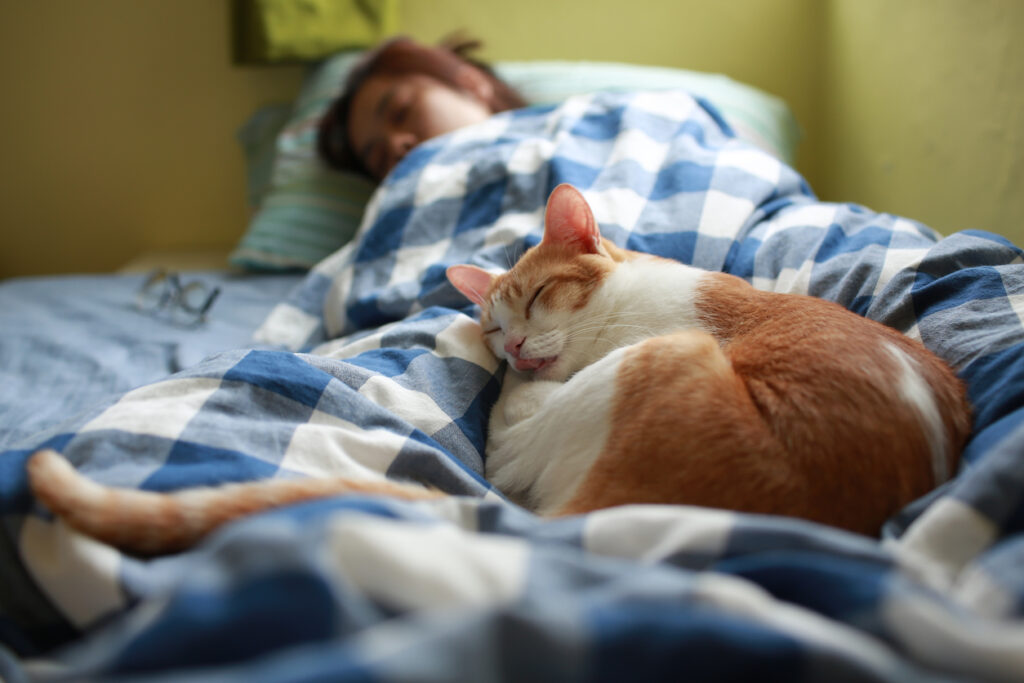
Some cats are up all night and sleeping all day, which makes it tempting to wake them because you miss them. They might open one eye, accept the fuss, then go back to sleep, but it doesn’t mean they’re thrilled. Cats are big on boundaries and rest.
Try saving cuddles for when they’re already awake and looking for attention. If you build a little routine, like fuss after your morning coffee or before bed, they’ll often start showing up for it. It’s a nicer feeling when they choose you rather than you interrupting them.