The Andean bear, often called the spectacled bear, has spent decades being cast as the villain of the South American highlands based on a massive misunderstanding of its nature.
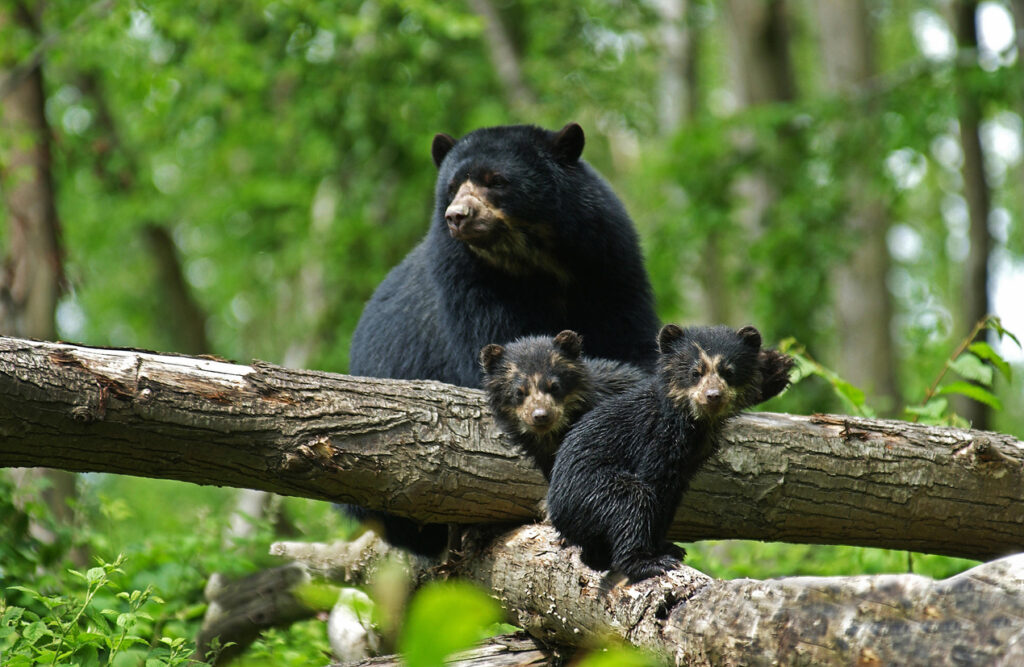
While it’s often branded as a fierce livestock killer by local farmers, this shy and solitary animal is actually the only bear native to South America and spends most of its life avoiding humans entirely. It’s a classic case of an animal being used as a scapegoat because it’s the biggest predator in the area, even though the reality of its diet and behaviour tells a completely different story. Here’s why people tend to get it so wrong.
It’s been blamed for livestock attacks it probably didn’t commit.
Farmers across the Andes have long accused Andean bears of killing cattle, and while it does happen occasionally, the scale is massively overstated. Studies have found that most livestock deaths attributed to bears were actually caused by other predators or disease, but the bear gets the blame anyway because it’s visible, distinctive, and easy to point to. That reputation has cost the species dearly in terms of how it’s treated by local communities.
It’s actually one of the least aggressive bears on the planet.
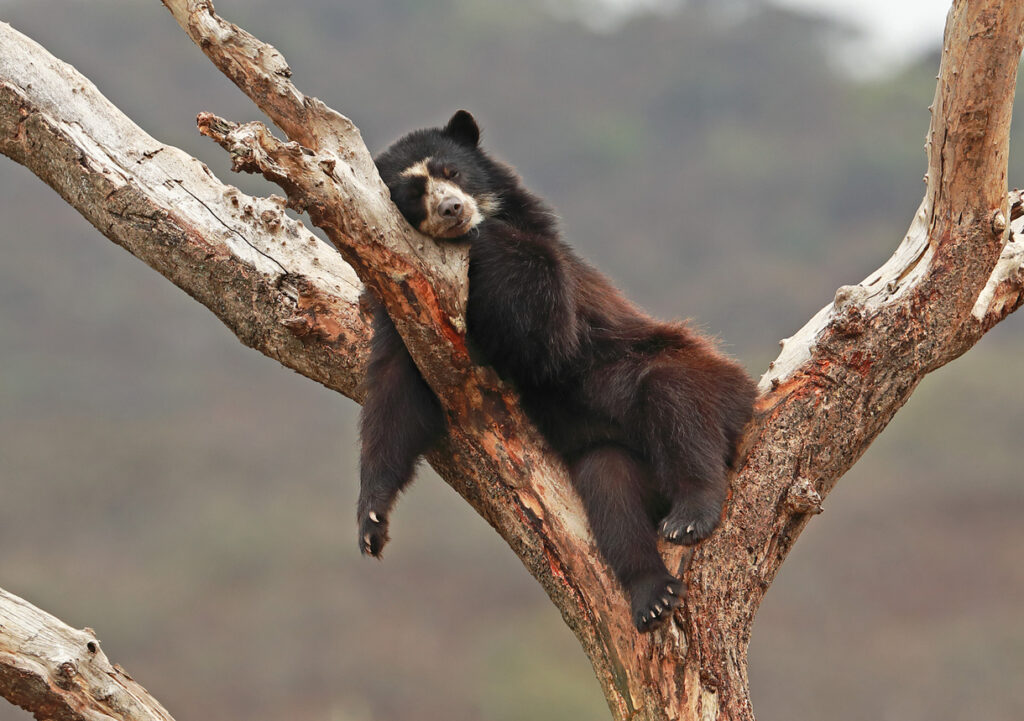
For an animal that gets portrayed as a threat, the Andean bear is remarkably shy and non-confrontational. It actively avoids humans where possible and has no real history of aggression toward people. Compare that to some of its relatives, and it’s practically mild-mannered, but the fear attached to large predators tends to stick regardless of whether it’s deserved.
It’s been mythologised in ways that haven’t done it any favours.
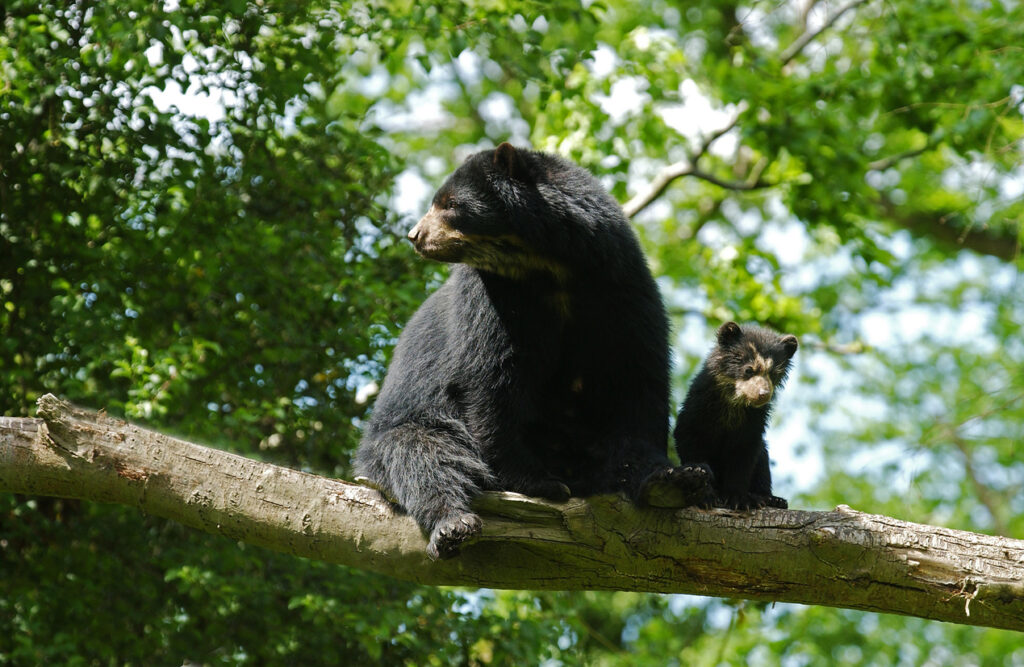
Indigenous folklore across the Andes includes stories of Andean bears abducting women and children, which sounds dramatic because it is, and those stories have fed into a cultural wariness that persists even now. Myths have a way of outlasting the evidence that contradicts them, and this bear has been carrying the weight of those stories for generations without much opportunity to argue back.
Most of its diet is plants, not meat.
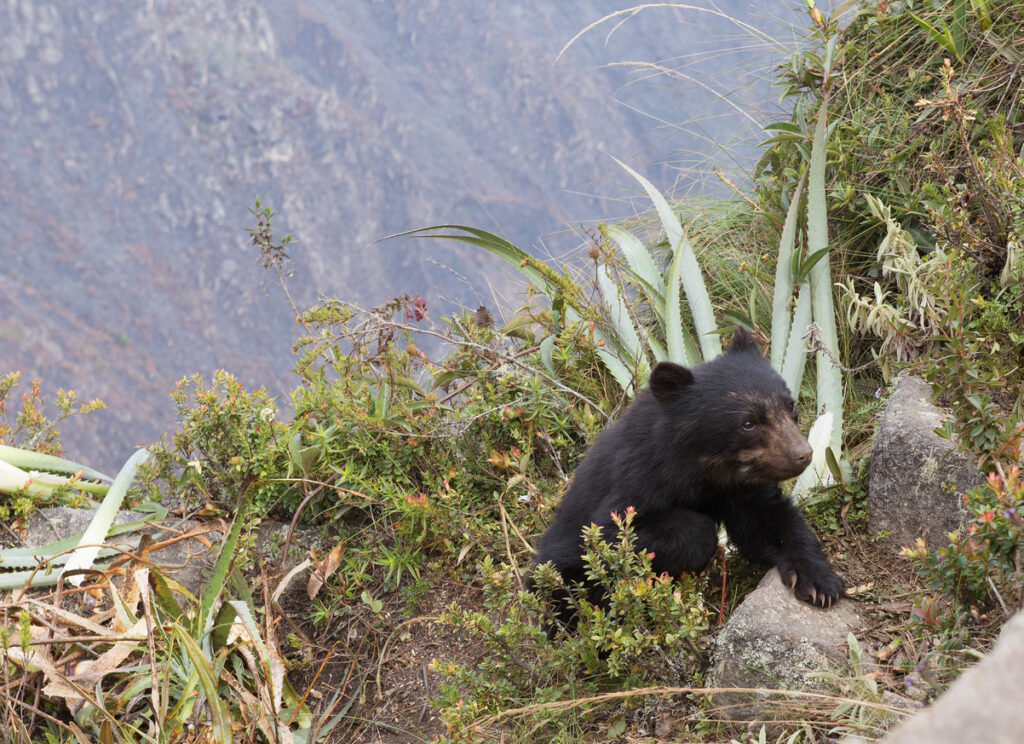
The Andean bear is the most herbivorous bear in the world after the giant panda, with the vast majority of its diet made up of fruit, bromeliads, cacti, and other plant matter. The image of it as a predator lurking near farms and hunting livestock doesn’t match the reality of an animal that spends most of its time foraging through cloud forest for fruit. The carnivore reputation is largely borrowed from fear rather than fact.
It plays a genuinely important role in its ecosystem.
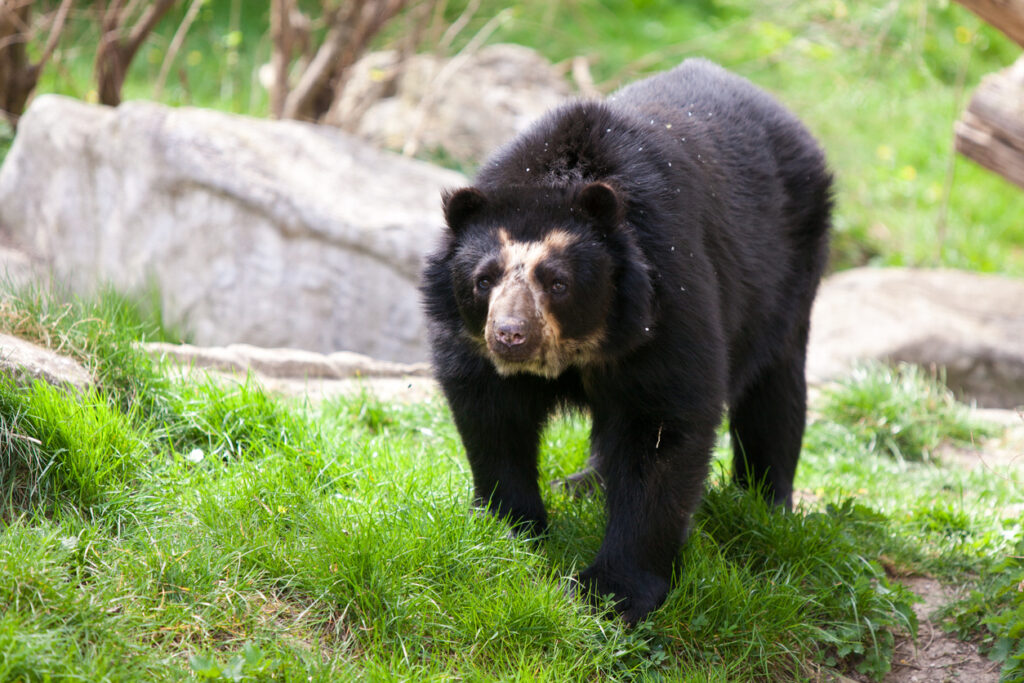
Andean bears are significant seed dispersers, eating fruit and spreading seeds across large areas as they move through the forest. Some plant species in the Andes depend heavily on them for this, making them a keystone species in an ecosystem that’s already under serious pressure. An animal doing that much quiet, valuable work for its environment deserves more credit than it gets.
It’s actually incredibly elusive and rarely seen.
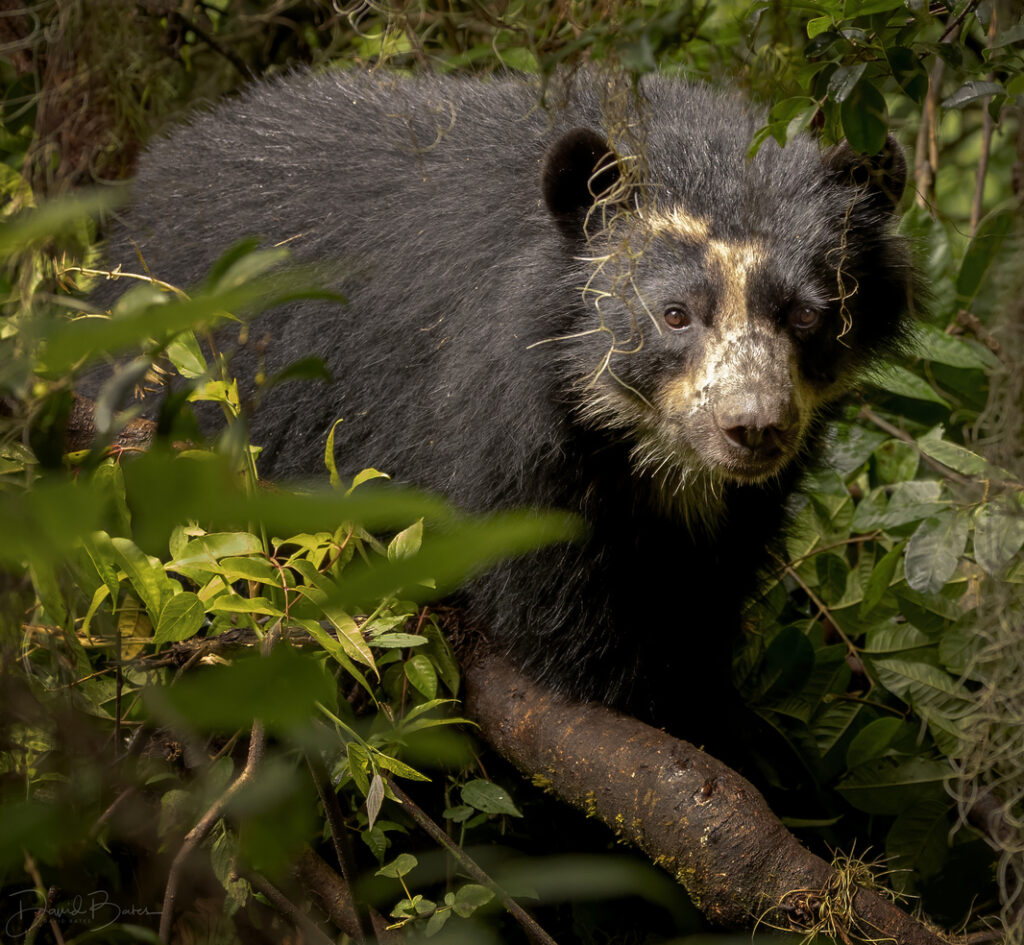
Most people living near Andean bear habitat have never seen one in the wild because these animals go to considerable lengths to avoid detection. The fear around them doesn’t match how rarely they actually show up. A lot of the anxiety communities feel is based on an imagined presence rather than regular encounters, but fear that’s been passed down through generations doesn’t tend to update easily based on actual sightings.
It’s under serious threat and not getting enough attention for it.
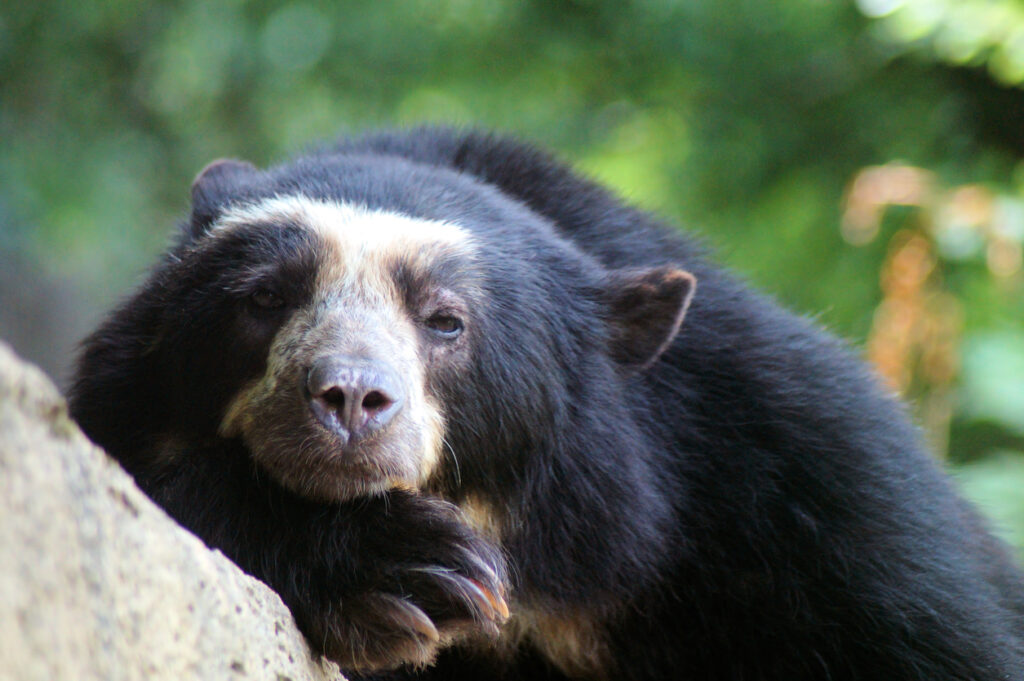
The Andean bear is listed as vulnerable and its population is declining, largely due to habitat loss and hunting driven by that same unfair reputation. It’s one of the least studied large mammals in South America, which means conservation efforts are working with limited information and the species doesn’t have the public profile that might attract more resources. The combination of being feared and being ignored is a particularly bad one for any animal trying to survive.
Paddington Bear has actually helped, but only up to a point.
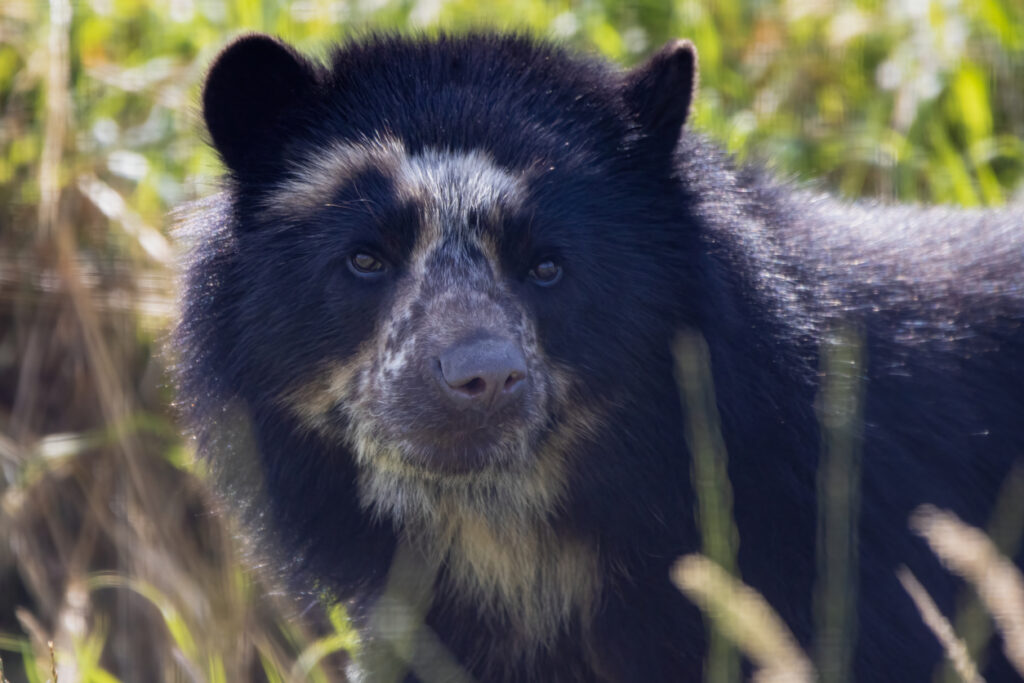
The world’s most famous fictional bear is based on the Andean bear, and Paddington has done more for the species’ public image than almost any conservation campaign. People who’ve grown up loving Paddington tend to feel warmly toward the real animal when they learn the connection. But awareness and genuine understanding are different things, and the bear still faces serious threats that a beloved children’s character can’t fully address on its own.
Its distinctive markings make it look more intimidating than it is.
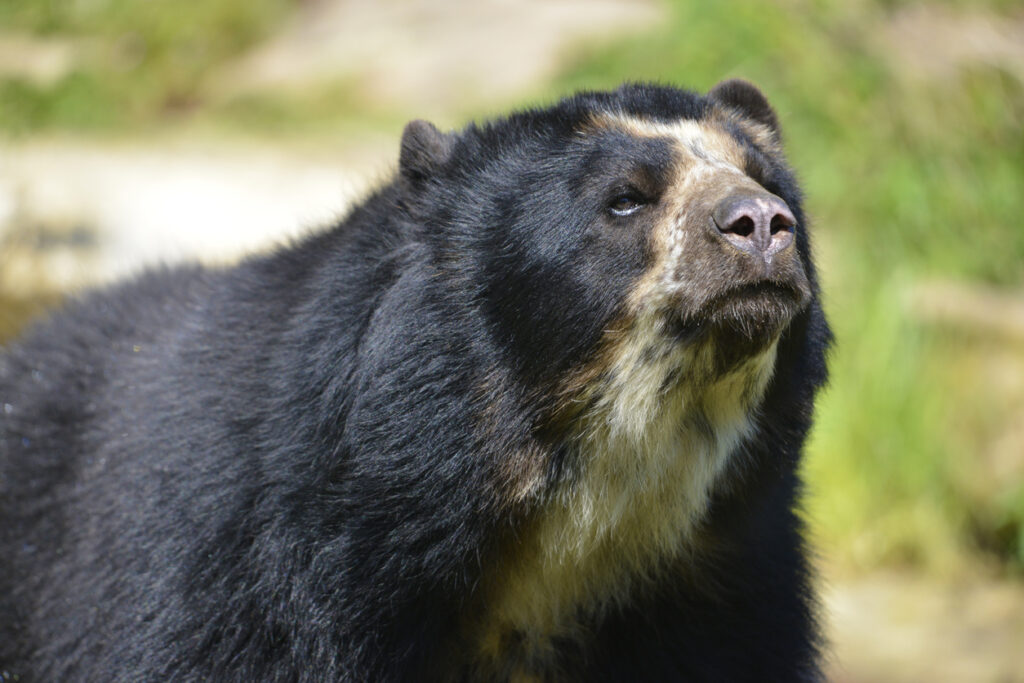
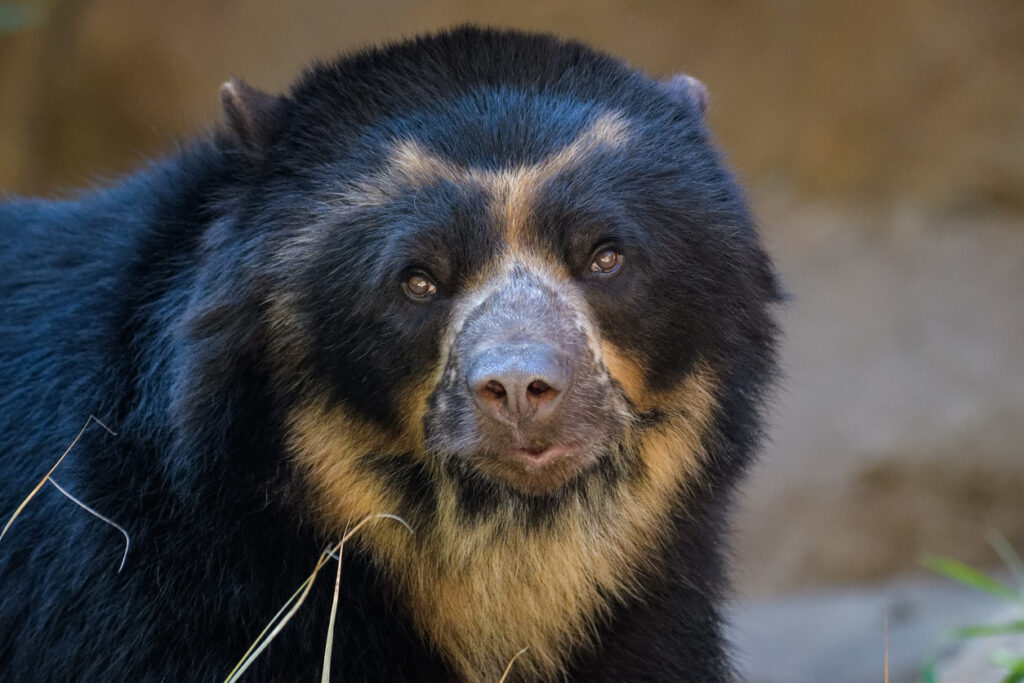
The pale facial markings that give it the alternative name of spectacled bear are striking and unusual, and unusual-looking animals often get treated with more suspicion than plainer ones. There’s something about a face that looks different that triggers wariness in people, even when the animal itself is doing nothing threatening. The bear’s appearance has probably contributed to its reputation in ways that have nothing to do with its actual behaviour.
Getting to know it properly tends to change minds completely.
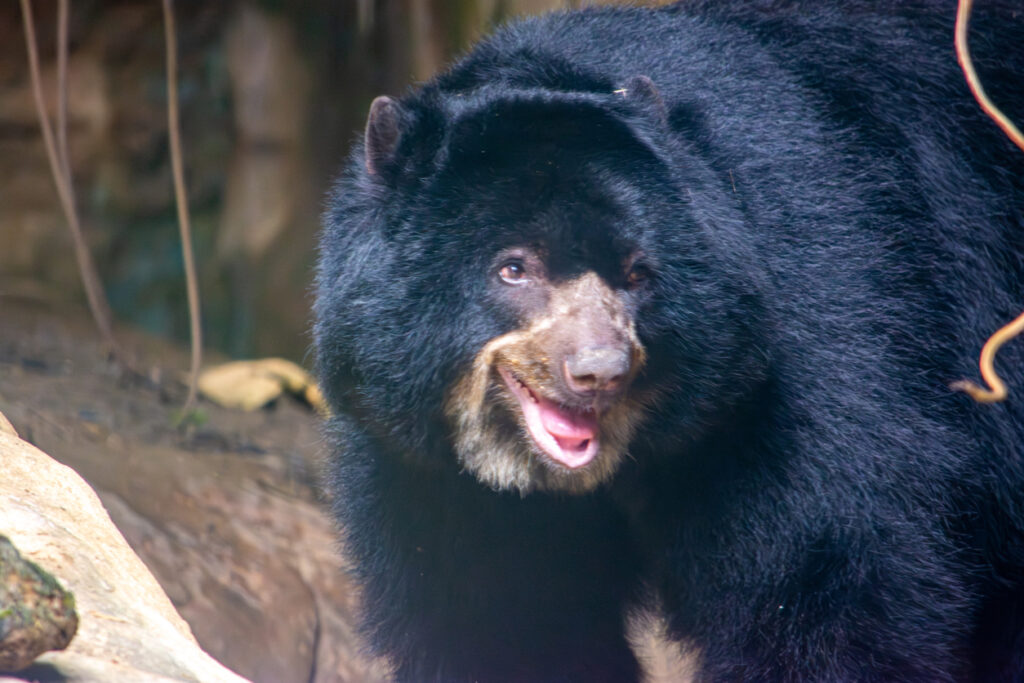
Communities that have been involved in ecotourism projects built around Andean bears consistently report changing attitudes once people actually learn about the animal’s behaviour, diet, and ecological role. Fear built on myth tends to dissolve fairly quickly when it meets accurate information, and the bear’s actual personality—which is actually pretty shy, solitary, gentle—is genuinely surprising to people who expected something dangerous. The reputation problem is real, but it’s also fixable, and that’s probably the most hopeful thing about it.