While we usually think of grooming as a basic bit of hygiene, in the animal kingdom, it’s actually the ultimate social glue used to build trust and keep the peace.
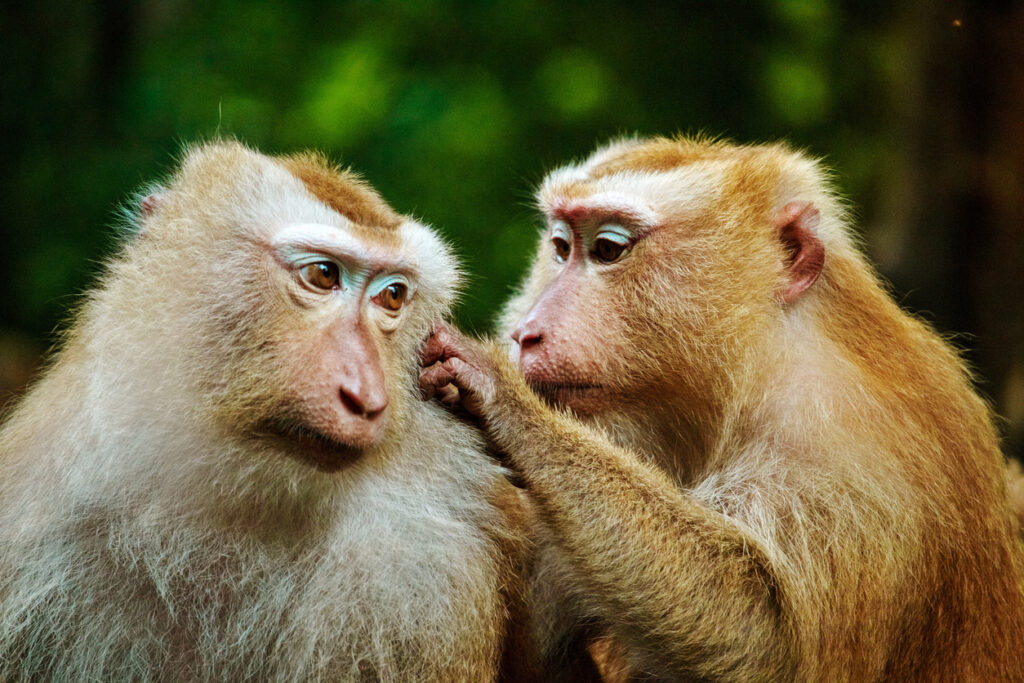
It’s not just about picking out literal nits; it’s a way for creatures to say “I’ve got your back” or settle a row without things getting messy. From the tiniest insects to the biggest mammals, these interactions are surprisingly tender, showing a level of care and connection that looks remarkably like how we look after our own mates. It’s a bit heart-warming to realise that for most species, a quick bit of grooming is less about a bath and more about making sure nobody feels left out of the pack.
Monkeys patiently pick through each other’s fur.
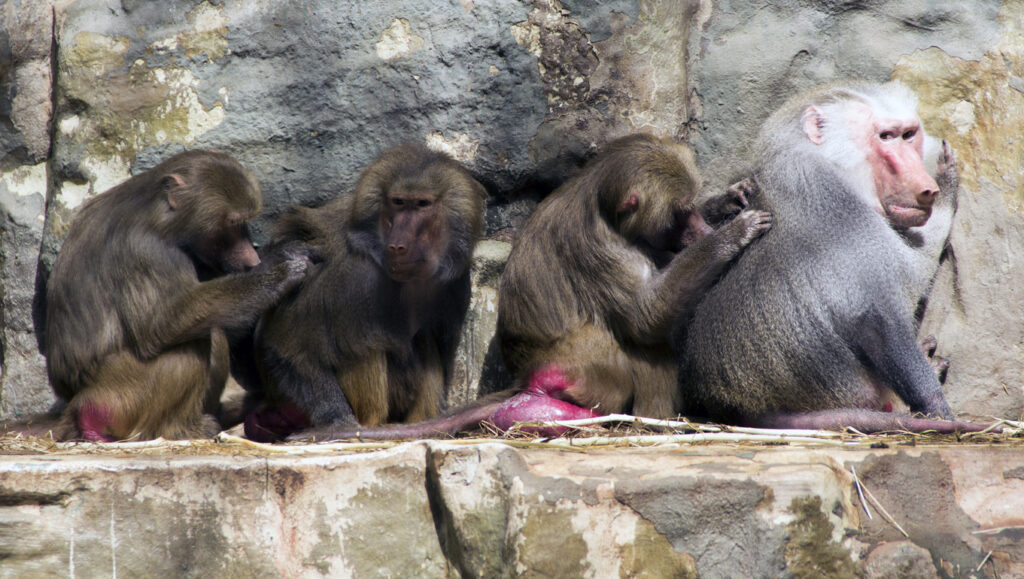
Primates like macaques and chimpanzees spend hours gently parting fur and removing dirt, insects, and loose skin from one another. It looks practical, but it’s also deeply social. The slower and more focused the grooming, the stronger the bond tends to be. In many groups, higher-ranking individuals allow only trusted companions that close, which shows how much trust is involved in the act.
Cats give careful head licks to their closest companions.
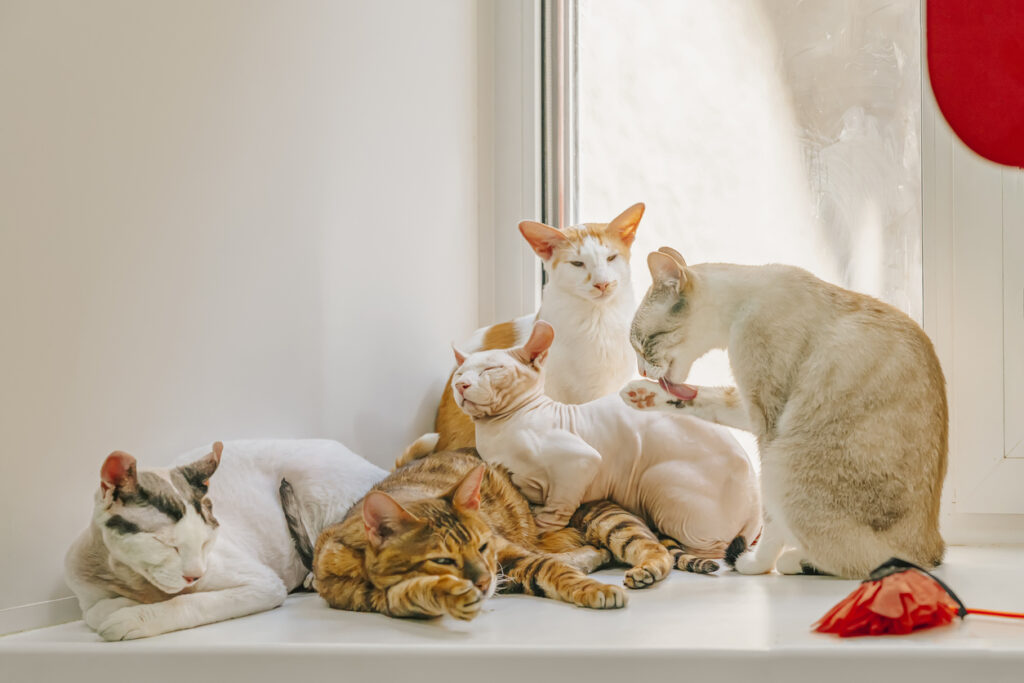
When one cat slowly licks another’s head or ears, it is usually a sign of real comfort. Cats are selective about physical contact, so mutual grooming often only happens between littermates or bonded adults. The movements are slow and repetitive, almost soothing, and it often ends with both cats settling down together, as if the grooming itself helped them relax.
Elephants use their trunks to dust and clean each other.

Elephants cannot groom with tongues the way many mammals do, so they use their trunks to brush away dirt or gently spray water across a companion’s back. You will often see adults dusting calves or two friends standing side by side while one carefully sweeps sand over the other’s skin. It strengthens social ties in herds where long-term relationships are everything.
Horses nibble along each other’s necks.
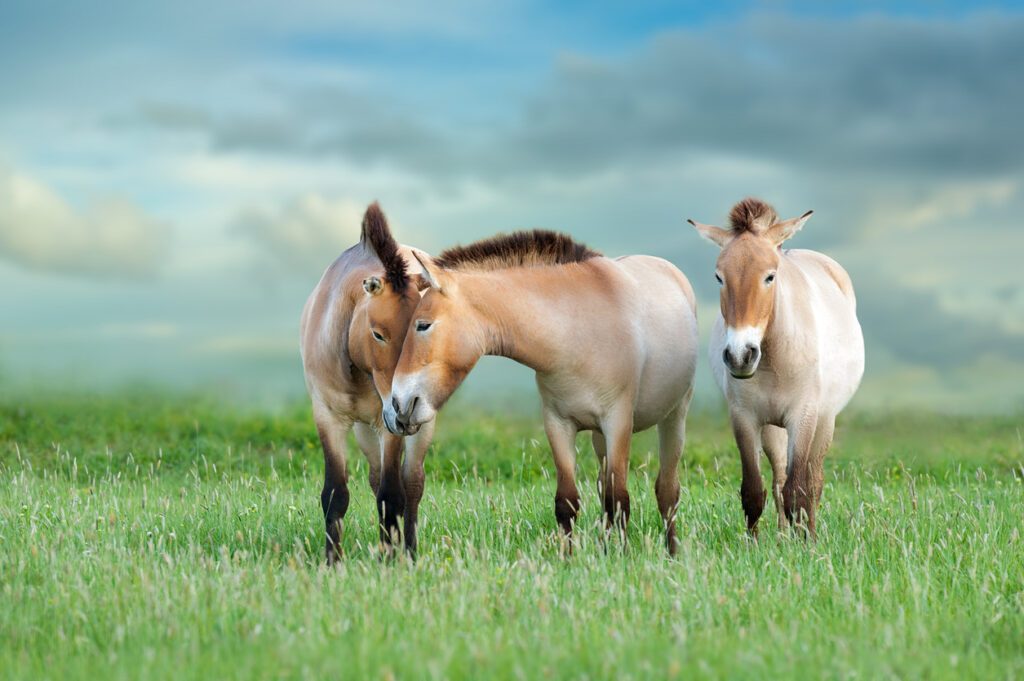
Horses often stand head to tail and gently nibble or scratch along each other’s neck and withers. It might look like tiny bites, but it is more like a careful massage that relieves itching and tension. The behaviour is mutual and rhythmic, and it usually happens between horses that feel secure with one another.
Birds preen hard-to-reach feathers.
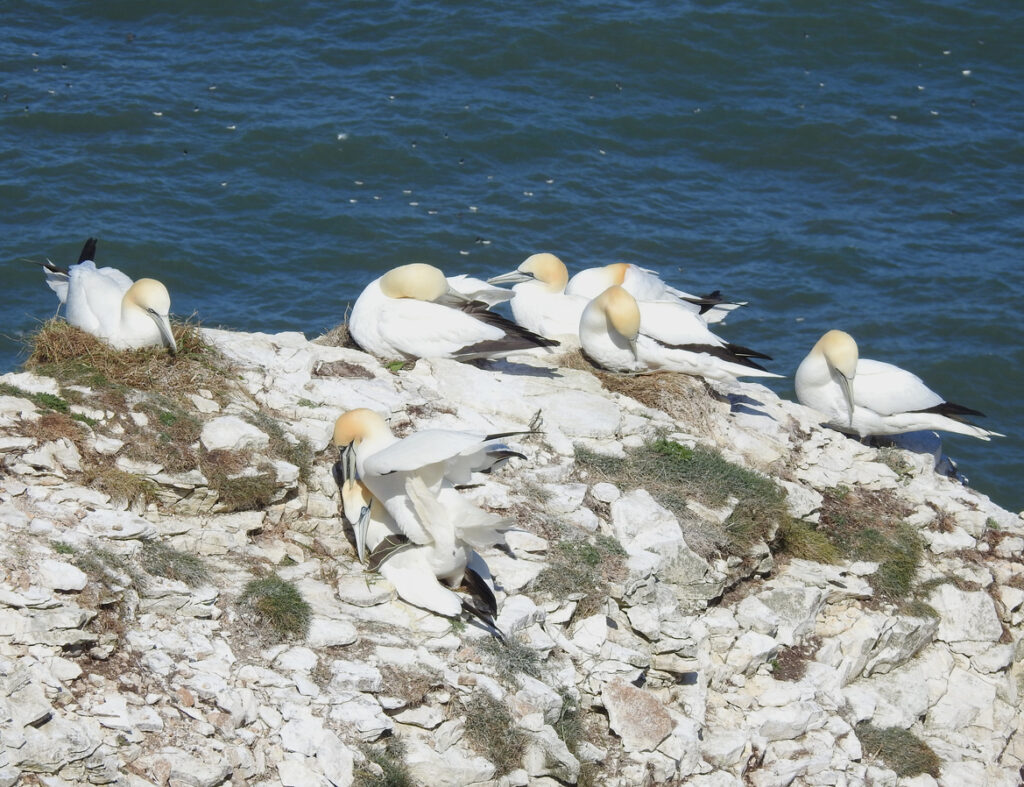
Many bird species, from parrots to penguins, will preen a partner’s head and neck where they cannot reach themselves. The precision is impressive, with careful nips that straighten feathers and remove debris. In bonded pairs, this can happen daily and acts as both maintenance and reassurance, reinforcing the partnership quietly.
Wolves lick faces after tense moments.
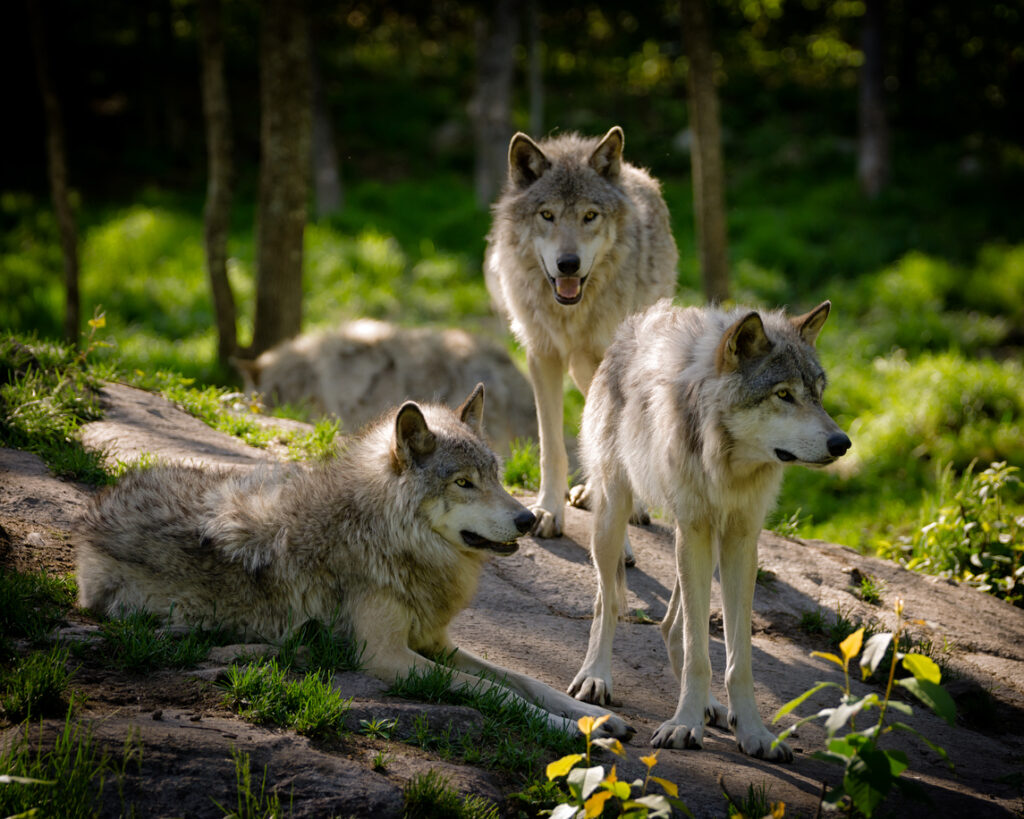
In wolf packs, face licking often follows conflict or stress. A lower-ranking wolf may lick the muzzle of a dominant one as a calming gesture. It reduces tension and helps restore harmony in the group. It is grooming, but it is also communication, showing submission and smoothing things over before problems grow.
Otters float together while cleaning fur.
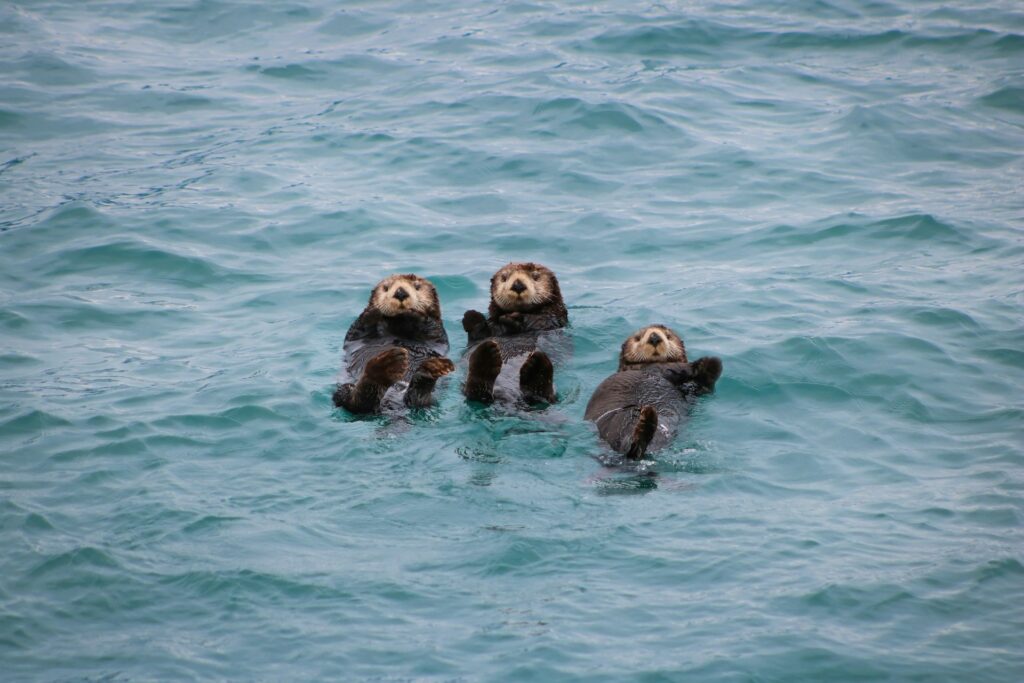
Sea otters rely on their dense fur to stay warm, so grooming is essential for survival. They often float side by side, rolling and rubbing against each other to keep that fur in good condition. The closeness keeps them from drifting apart, and the shared grooming strengthens bonds while serving a very practical purpose.
Deer gently lick their young.
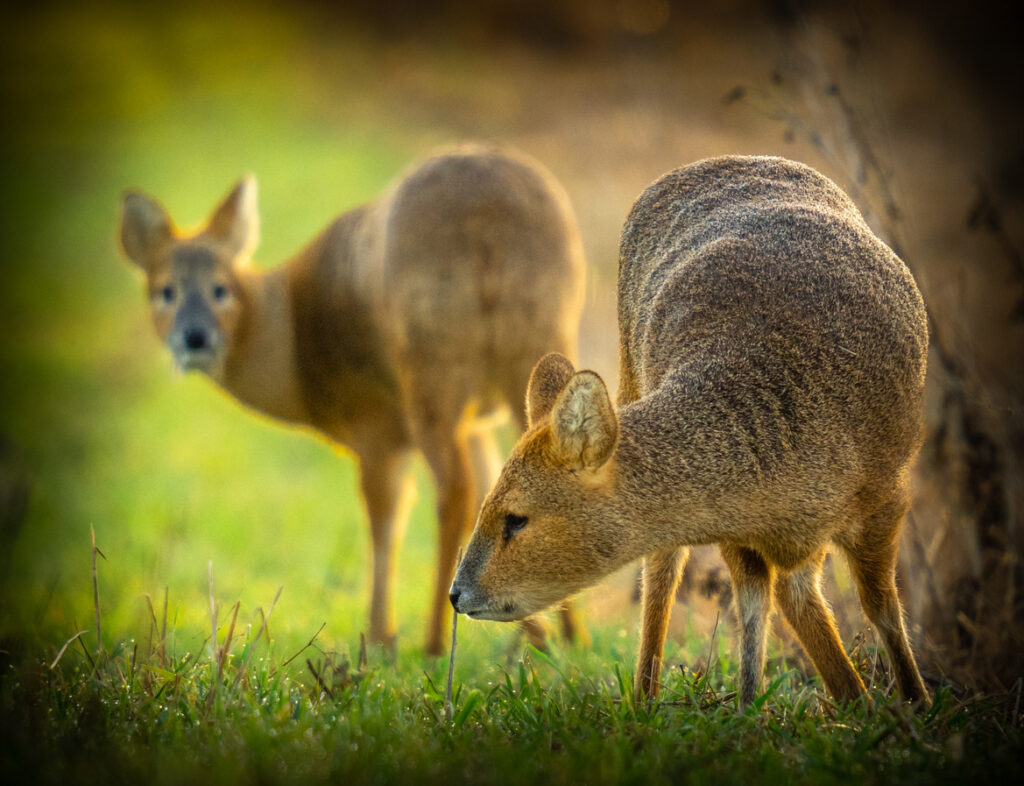
Mother deer lick their fawns shortly after birth to clean them and stimulate circulation. The grooming removes scent that could attract predators, but it also establishes the first bond between mother and young. Those slow, repetitive licks calm the fawn and create a sense of safety in its earliest hours.
Dolphins rub fins and bodies together.
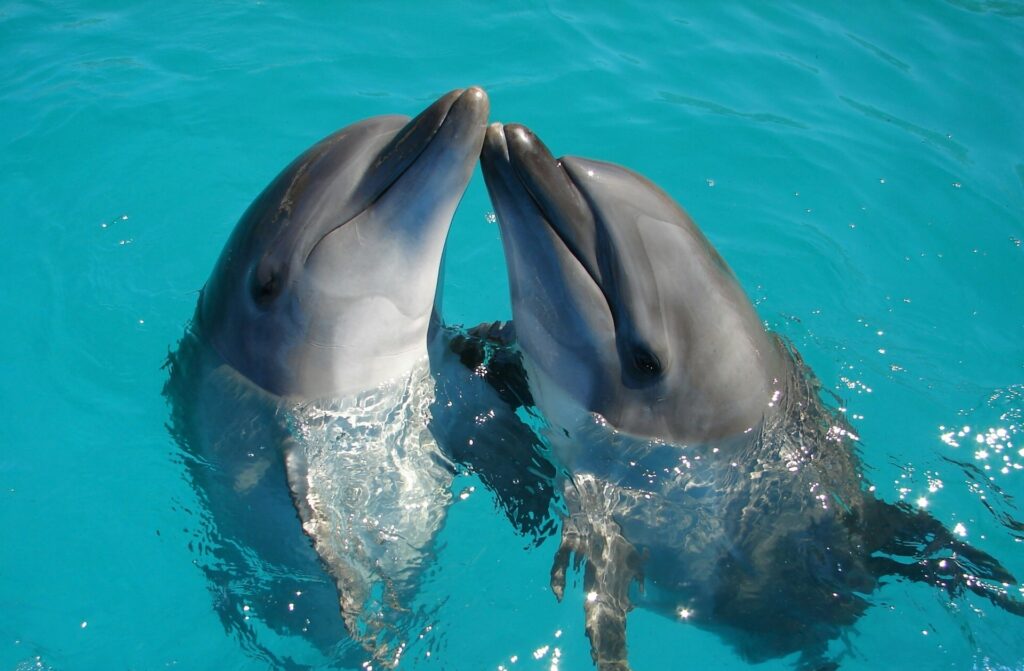
Dolphins often rub pectoral fins against one another in what researchers describe as affiliative contact. It can look playful, but it is thought to strengthen alliances and social bonds within pods. The contact is gentle and deliberate, suggesting that physical touch plays an important role in dolphin relationships.
Prairie dogs clean around each other’s faces.
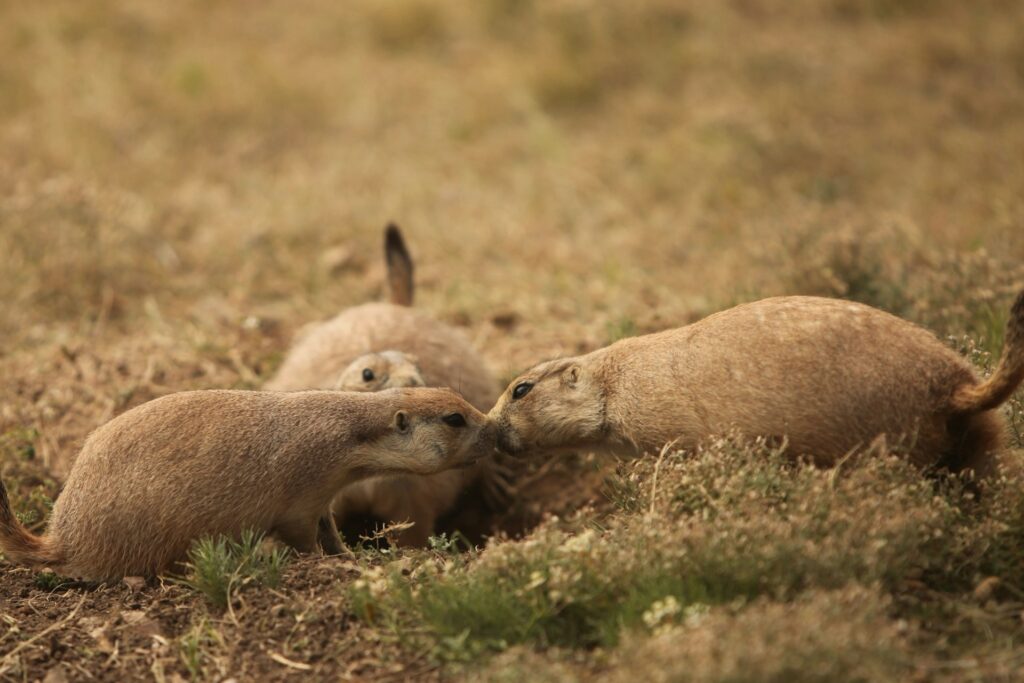
Prairie dogs are surprisingly affectionate. They groom by nibbling gently around the face and neck of trusted group members. In large colonies, these moments help reinforce social cohesion. Grooming partners are usually close relatives or familiar companions, showing that even small mammals invest in social closeness.
Bats carefully lick each other’s wings.

In many bat species, individuals groom one another’s wings and fur while roosting closely together. Since wings are delicate and vital for flight, allowing another bat to handle them signals trust. Grooming strengthens alliances that later influence food sharing and cooperation within the colony.
Meerkats fuss over their group members.
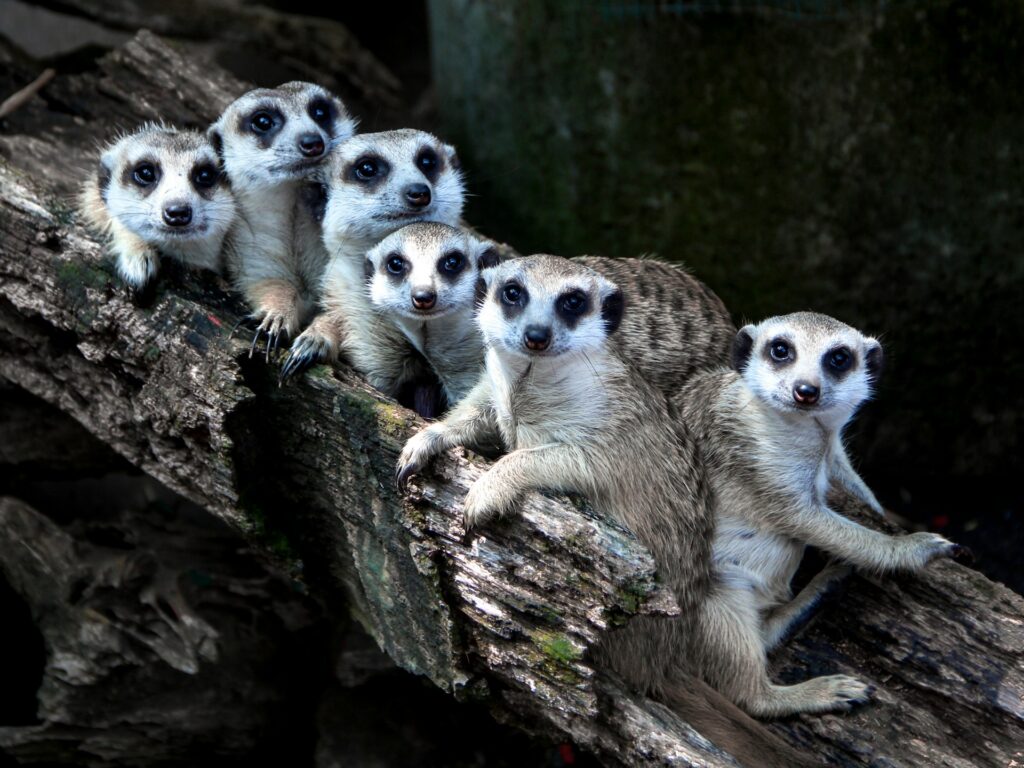
Meerkats live in tight-knit groups where cooperation keeps everyone alive. They groom by nibbling and licking each other’s fur, often while standing upright and alert. The behaviour removes parasites, but it also reinforces social bonds in a group where teamwork is essential for spotting danger.
Giraffes gently rub necks.
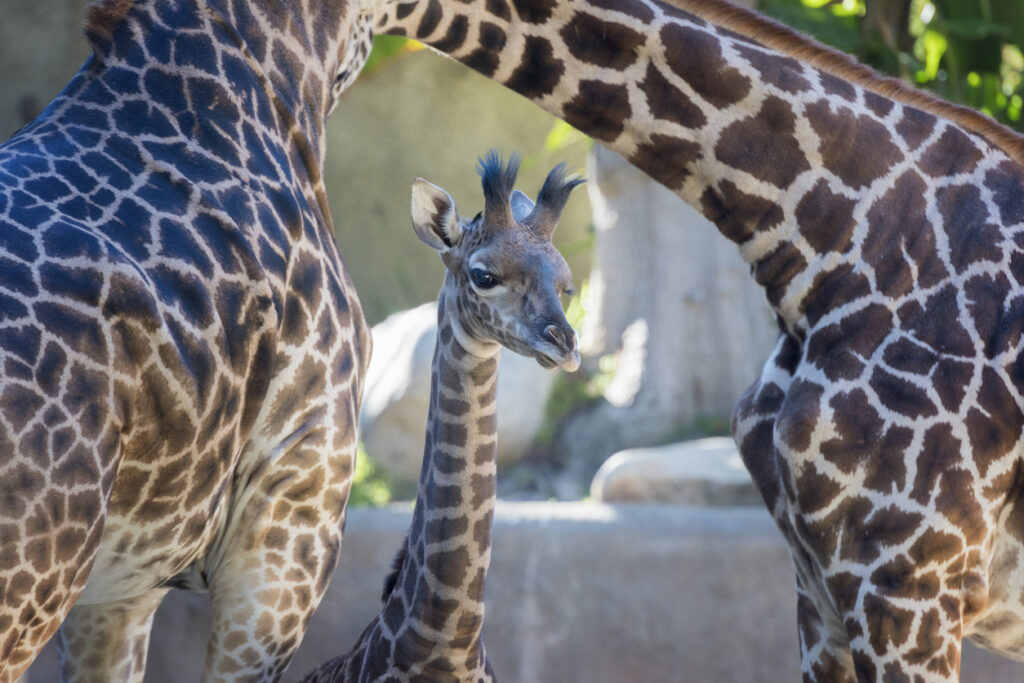
Although giraffes are known for dramatic neck sparring between males, they also engage in softer neck rubbing with trusted companions. The contact can be slow and deliberate, more like a careful brush than a contest. It helps strengthen social bonds within herds and shows that even the tallest animals have surprisingly tender ways of connecting.